Why Does My Heater Keep Shutting Off?
Your heater usually shuts off because airflow is restricted, the thermostat signal is off, fuel or power is low, or a safety switch opens. If it quits after about 1–5 minutes or repeats the same pattern, treat it as a shutdown rather than normal cycling. Ignoring that pattern can leave you without heat and can eventually damage the igniter or blower, and in some cases the heat exchanger if the furnace repeatedly overheats. This guide separates normal cycling from fault shutdowns and covers the most common checks.
Why does my heater shut off?

- Measures AC/DC voltage, current, and resistance
- Supports continuity and diode testing
- Backlit screen with data hold
Short cycling and safety shutdowns can look alike at first. Normal cycling happens when the thermostat reaches the setpoint and tells the heater to stop, then start again later. A fault shutdown happens when the unit stops early, needs a reset, or loses heat output before the room reaches the target temperature.
If the heater stops within a few minutes, restarts, then stops again, the cause is usually airflow, ignition, fuel, power, or a protective switch. That pattern is more serious than ordinary cycling because the heater is reacting to a condition it should not keep running through. After a normal cycle ends, the blower may keep running briefly to clear residual heat; that is not the same as a fault shutdown.
Heater shutoff troubleshooting matrix
| Heater type | Most likely shutoff cause | First safe check | Typical shutdown timing | Can I safely retry once? | Stop using immediately if… | Red-flag symptom | Next action |
|---|---|---|---|---|---|---|---|
| Furnace | Clogged filter, dirty flame sensor, or limit switch trip | Check the filter, supply vents, and thermostat setting | Often after startup, or before the room warms fully | Yes, once, after checking airflow and settings | It keeps locking out or the shutdown repeats right away | Burning smell, repeated restart attempts, or shutdown before warm air builds | Stop resetting it and arrange service if the problem repeats |
| Space heater | Overheat safety switch or overloaded circuit | Clear intake and exhaust space, then check the cord and outlet | Usually within minutes if airflow is blocked or the circuit is stressed | Only after it cools and the cord, outlet, and placement are corrected | The plug or cord is hot, damaged, or the heater shuts off while the housing feels very hot | Hot plug, damaged cord, or heater shuts off while the housing feels very hot | Unplug it and do not use extension cords or power strips |
| Heat pump | Defrost cycle, cold-weather limits, or thermostat control issue | Verify the setpoint, mode, and outdoor unit clearance | May pause briefly in winter, then resume after defrost | Yes, once, if the unit appears to be in a normal defrost pause | Ice buildup does not clear or the system stays off for long periods | Ice buildup that never clears, or indoor air goes cool for long periods | Check for blocked airflow; call for service if the unit stays in defrost or shuts down |
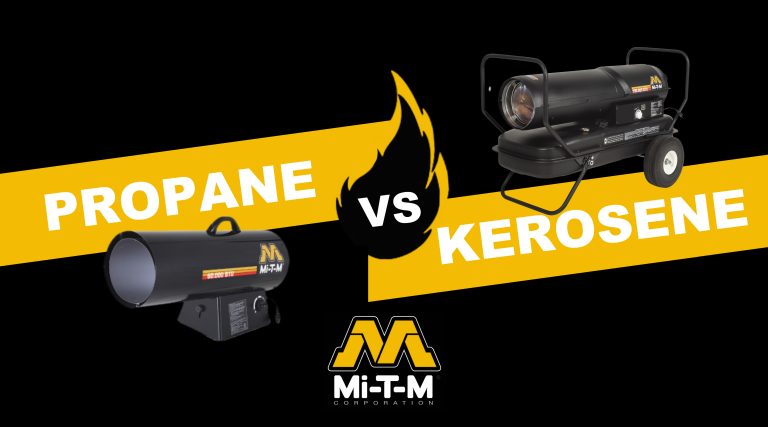
| Propane heater | Fuel starvation, poor ventilation, or oxygen safety cutoff | Confirm propane supply and room ventilation | Can stop early if oxygen is low or fuel delivery is unstable | No, not until ventilation and fuel conditions are verified safe | A carbon monoxide alarm sounds, soot appears, or the flame looks abnormal | Stale air, soot, yellow flame, or carbon monoxide alarm | Shut it down, ventilate, and leave the area if an alarm sounds |
| RV heater | Low battery voltage, airflow restriction, or ignition fault | Check battery status, vents, and propane supply | Often after ignition, or when voltage drops under load | Yes, once, if battery voltage and airflow are corrected first | It keeps trying to light, shuts down repeatedly, or you smell fuel | Repeated ignition tries or shutdown after a short run | Use the coach only after the fault is found; have the heating system inspected if it repeats |
Is it the thermostat or power supply?
Thermostat error and power loss are the fastest checks because they can mimic a failed heater. Look at the setpoint, the thermostat location, the battery status if it uses batteries, and whether the unit is on a shared circuit or a weak outlet. If the thermostat is near a window, register, lamp, or kitchen heat source, it can call for heat at the wrong time.
Thermostat settings and placement checks
A thermostat set too close to drafts or heat sources can short-cycle a furnace or heat pump. A low battery can also cause weak or erratic control, especially on battery-powered models. Some thermostats need recalibration after replacement or after a move, and a few degrees of error is enough to make a heater stop too soon.
-
Raise the setpoint slightly.
Set the temperature 2 to 3 degrees above the room temperature and wait for the heater to start. If it shuts off again before the room warms, the problem is probably not just the target setting. -
Check thermostat location.
Make sure it is not in direct sun, beside a supply vent, or near a drafty door. A bad location can trick the control into stopping the heat early. -
Replace weak batteries.
If the display is dim, blank, or inconsistent, install fresh batteries if the model uses them. Low battery voltage can interrupt calls for heat or cause a reset-like failure.
Picture a hallway thermostat mounted above a return grille. The furnace may stop after only a few minutes because the thermostat senses moving air, not the actual room temperature. Moving the control is a later fix, but the first clue is the short, repeatable cycle.
Power supply checks
Power problems can stop any electric heater, and they matter for furnaces too because control boards and blowers need stable power. Check the breaker, the plug, the cord, and the outlet. Avoid extension cords for portable heaters; they can overheat and trip the heater or the circuit.
-
Inspect the breaker.
Look for a tripped breaker and reset it once only. If it trips again, stop there; repeated resets can point to overload or a fault in the heater. -
Check the plug and cord.
Make sure the plug fits tightly and the cord is not warm, cut, or pinched. A loose plug or damaged cord can interrupt power under load. -
Remove unsafe adapters.
Do not run a portable heater through an extension cord or power strip unless the manufacturer specifically allows it. Those accessories can create voltage drop and heat buildup.
A common first-timer mistake is plugging a 1,500-watt space heater into a crowded circuit with a vacuum, TV, and lamp. The heater may run for a minute or two, then shut off when the circuit sags or trips.
Could airflow problems be tripping the heater?
Restricted airflow is commonly reported as one reason a furnace or forced-air heater may shut down early. A clogged filter, blocked vent, weak blower motor, or dirty internal parts can raise temperature too fast and trigger a limit switch or overheat safety switch. If the unit stops before the room reaches temperature, airflow should move near the top of the list.
Dirty filters and blocked vents
Forced-air systems need a clean filter and open supply and return paths. A clogged filter cuts airflow and can make the furnace or heat pump overheat, then shut off before reaching the setpoint. Most manufacturers call for filter replacement about every 1 to 3 months, though the exact interval depends on dust, pets, and runtime.
-
Replace the air filter.
Install the correct size and airflow direction. A clean filter reduces restriction and helps the blower move enough air across the heat exchanger or coil. -
Open all vents.
Make sure supply registers and return grilles are not blocked by furniture, curtains, or stored items. Closed or covered vents can make airflow uneven and trigger shutdown. -
Check for dust buildup.
Look around the intake, blower compartment, and nearby grills for heavy dust. Dust can collect on parts that need heat transfer or air movement and force the unit into protection mode.
Blower motor and limit switch issues
The blower motor moves warm air through the system. If it runs weakly, starts late, or fails completely, heat can build up inside the furnace cabinet and trip the limit switch. The limit switch is a high-temperature cutoff designed to stop overheating before damage occurs.
Repeated shutdown before the set temperature is reached often points to airflow, not thermostat logic. If the fan is not pushing a strong stream of air, or if air feels hot at first and then drops off fast, the blower or limit switch deserves attention.
Why does my furnace keep shutting off?
Gas furnaces often stop because the ignition system cannot prove flame, the flame sensor is dirty, or the furnace overheats and trips a safety switch. If it shuts down and then tries to restart, the problem is usually specific to combustion or airflow rather than the thermostat alone. Repeated resets are a warning sign, not a fix.
Flame sensor and ignition faults
A dirty flame sensor can fail to confirm that the burners lit, so the furnace shuts gas off and tries again. A weak igniter, pilot problem, or gas supply issue can create the same restart pattern. This is a gas-furnace-specific failure mode that often looks like “it starts, then stops, then starts again.”
-
Observe the start sequence.
Watch whether the inducer starts, the igniter glows or clicks, and the burners light briefly before shutting off. That sequence helps separate ignition trouble from airflow trouble. -
Check the gas supply.
Make sure the manual gas valve is open and other gas appliances are operating normally. If no appliances are getting gas, the problem may be upstream. -
Do not force repeated resets.
A furnace that keeps locking out after ignition attempts can overheat parts or flood the combustion chamber with unburned gas. Stop using it if the shutdown repeats.
Limit switch behavior
The limit switch stops the furnace when the cabinet gets too hot. It can trip because of a clogged filter, blocked vents, a weak blower motor, or a dirty coil or heat exchanger area. If the furnace shuts off before reaching temperature, then comes back after cooling, the limit switch may be doing its job because airflow is poor.
What shutoff signs need immediate action?
Some shutdowns are comfort problems. Others are safety problems. If the heater smells strongly of burning, makes a popping sound, leaves soot, or triggers a carbon monoxide alarm, stop using it right away. A safety shutdown is a warning that combustion, exhaust, or overheating is outside safe limits.
Overheat safety switch behavior
The overheat safety switch is an automatic shutoff trigger. It often responds to blocked vents, dust buildup, poor airflow, or a failed blower. Many units will cool down and reset by themselves, but a heater that trips over and over is telling you the underlying cause has not been fixed.
Carbon monoxide alarm response
A carbon monoxide alarm changes the priority immediately. Turn off the heater if you can do so without exposure, leave the area, and get fresh air. Combustion-related red flags include a yellow or lazy flame, soot around the burner, or a furnace that runs but heats poorly.
-
Leave if the alarm sounds.
Get everyone and pets out of the space first. Carbon monoxide has no smell, so do not stay behind to troubleshoot a gas appliance. -
Call for help outside.
Contact emergency services or the gas utility from outside if you suspect active exposure. Do not restart the heater until the source is checked. -
Ventilate only after exiting.
Open doors and windows only after people are out and only if it does not expose anyone to the heater or fumes. Ventilation is not a substitute for diagnosis.
A propane heater in a small room that shuts off after about 10 minutes and is followed by a carbon monoxide alarm chirp is not proof of active carbon monoxide exposure. A chirp commonly means the alarm itself needs a battery or has reached end of life. If the alarm is sounding rather than chirping, leave the room, but if it is only chirping, check the alarm separately before relighting the heater.
Why does my heater keep shutting off by type?
Heater type matters because the failure pattern is different for each one. A furnace often points to airflow or ignition. A space heater often points to overheat protection or circuit load. A heat pump may stop in winter because of defrost behavior or outdoor conditions. Propane and RV heaters need special attention to ventilation and fuel supply.
Furnace
Furnaces usually shut off from a clogged filter, flame-sensing trouble, a tripped limit switch, or a weak blower motor. If it shuts off before reaching temperature, check airflow first. If it runs through ignition and then stops, focus on the flame sensor or gas supply.
Space heater
Portable electric heaters commonly shut off because of internal overheat protection, a bad outlet, or an overloaded circuit. Keep them on a hard, clear surface with open space around the intake and discharge. If the plug or cord is warm, unplug it and do not use it again until the cause is known.
Heat pump
Heat pumps can appear to shut off in winter because they cycle through defrost or struggle when outdoor temperatures are low enough that the unit cannot move much heat from the air. In practical terms, that means the outdoor coil may ice up, the system may pause to melt that ice, or the heat output may drop enough that the indoor air feels cool for a while. Some winter pauses are normal defrost behavior, but if the indoor air stays cool for long stretches, check the outdoor unit before changing settings.
Propane heater
Propane heaters need fuel, oxygen, and clear exhaust paths. Poor ventilation can force an oxygen depletion cutoff or create unsafe combustion conditions. If the flame looks yellow, the unit soots, or a CO alarm sounds, stop use at once and improve ventilation only after the unit is off.
RV heater
RV heaters often shut off because battery voltage drops too low, vents are obstructed, or ignition is unstable. Low voltage can affect the fan and control board at the same time, which makes the heater start and stop without much warning. Check battery condition with a meter before assuming the furnace itself has failed, and confirm the voltage stays stable while the heater is trying to run.
Why does my heater keep turning off after a few minutes?
A heater that stops after a few minutes usually has a protective issue, not a normal cycle. The likely pattern is airflow restriction, ignition failure, low voltage, or a safety switch that opens once the unit heats up. The shorter the run time, the more important it is to stop guessing and trace the failure by heater type.
Why does my furnace keep shutting off before reaching temperature?
That pattern usually points to airflow or a control problem. A dirty filter, blocked vents, weak blower motor, or tripped limit switch can stop the furnace before the room reaches the thermostat setpoint. Thermostat misplacement can contribute, but it is less common than airflow trouble when the shutdown happens early and repeatedly.
Why does my furnace keep shutting off and needs to be reset?
A furnace that needs repeated resets often has an ignition fault, a flame sensor problem, or a safety limit opening after startup. Resetting may clear the lockout once, but it does not fix the root cause. If the furnace keeps locking out, stop resetting it and arrange a proper inspection.
Frequently asked questions
Why does my heater keep shutting off?
Most often, the heater is reacting to restricted airflow, a bad thermostat signal, low power, or a safety switch. If it stops after 1–5 minutes or keeps repeating the same pattern, treat it as a fault shutdown. Normal cycling should wait for the setpoint before stopping.
Why does my heat keep shutting off at night?
Night-only shutdowns often trace back to thermostat placement, lower nighttime setpoints, or drafts that appear when doors and windows change position. In some homes, colder outdoor temperatures also make weak filters or marginal blowers show up more clearly after dark.
Why does my heater keep turning off and on?
That on-off pattern is short cycling. It usually means the thermostat is getting bad information, the heater is overheating, or the ignition system is failing to hold flame. A filter check and airflow check come before repeated restarts.
Why does my heat pump keep shutting off in winter?
Heat pumps in winter may be entering defrost mode, dealing with ice buildup, or losing output because the outdoor air is too cold for efficient heat transfer. If the outdoor unit is blocked or iced over, the system can stop heating long before the room feels warm. Check clearance and mode before assuming a major failure.
Why does my heater keep shutting off: start with the heater type?
Start with the heater type, then check airflow, power, and fuel. Furnaces often fail from filters or flame sensors, space heaters from overheat protection, and propane or RV heaters from ventilation or fuel issues. A repeated shutdown is a fault until proven otherwise.
Why does my heat keep shutting off?
Heat that stops before the room reaches the setpoint usually means short cycling or a safety trip. Check the thermostat, the filter, and any blocked vents before resetting the unit. If a carbon monoxide alarm sounds, leave the area and stop troubleshooting in place.