How Long Do Electric Garage Heaters Last? (Full Lifespan)
Understanding the lifespan of an electric garage heater is key to planning your home comfort and workshop productivity. Most units, with proper care, can last between 10 to 20 years, but several factors influence this. We’ll explore what affects their longevity, how to tell if yours is nearing the end, and simple ways to extend its useful life.
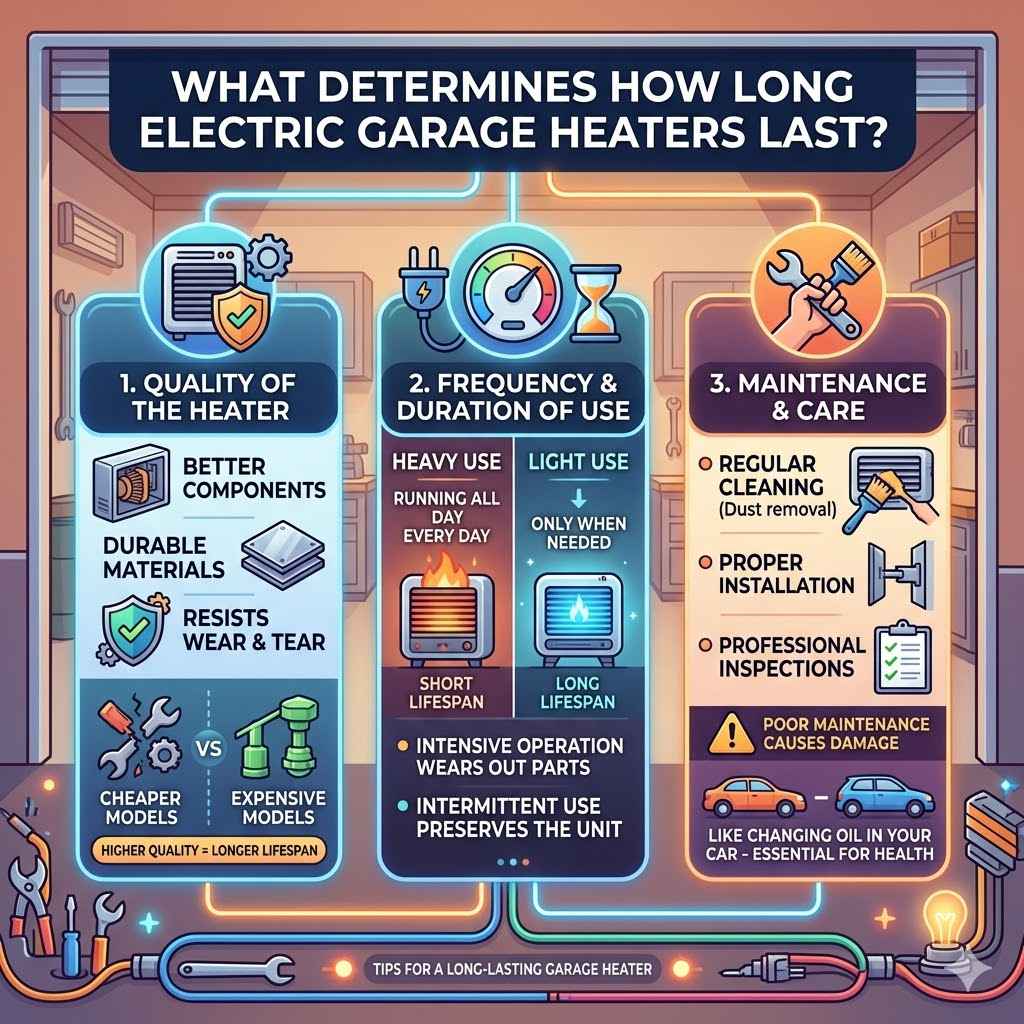
What Determines How Long Electric Garage Heaters Last?
Think of your electric garage heater like any other appliance in your home. Its lifespan isn’t set in stone. Many things play a part. The quality of the heater is a big one. Cheaper models might not use the best parts. This means they might break down sooner. More expensive ones often have better materials. They can handle more wear and tear.
The way you use the heater also matters a lot. Do you run it all day, every day? Or do you only turn it on when you need it? Heavy use will naturally shorten its life. Lighter use will help it last longer.
How you care for it is super important too. Do you clean it regularly? Do you make sure it’s installed correctly? Poor maintenance can lead to big problems down the line. It’s like not changing the oil in your car. It will eventually cause damage.
Real-World Experiences: My Garage Heater’s Journey
I remember the first electric heater I put in my garage. It was a basic wall-mounted unit. I got it on sale, thinking it would just be a temporary fix. I set it up myself, and honestly, I wasn’t super careful with the wiring. I’d switch it on every time I went out to work on my car, often for hours at a time. I figured, “It’s an electric heater, what could go wrong?”
After about three winters, I started noticing weird noises. It sounded like a tiny squirrel was trapped inside. Then, it started to smell a bit funny when it got really hot. One cold morning, I flipped the switch, and… nothing. Just silence. A little bit of panic set in. It was freezing outside, and my car was an ice cube. I had to scramble to find a temporary solution. That’s when I learned that “temporary” often becomes permanent, and cheap fixes can cost more in the long run. This experience taught me a lot about taking care of these machines.
The Role of Heat Output and Usage Patterns
The power of a heater, measured in BTUs or watts, can also affect its lifespan. A heater that is too small for your garage will have to work much harder to reach and maintain a comfortable temperature. This constant strain on its components, especially the heating element and fan motor, can lead to premature failure. It’s like asking a small engine to tow a heavy load all the time. It will wear out faster.
Conversely, an oversized heater might cycle on and off too frequently. While this might seem less strenuous, rapid on-off cycles can also put stress on electrical components. The ideal scenario is a heater that is appropriately sized for your space. It runs smoothly without being overworked or cycling too often.
Consider your typical usage. If you’re in your garage for a few hours every weekend, that’s different from running it as a secondary living space every single day for 12 hours. The total number of hours the heater’s components are active is a direct factor in wear and tear. Think about how many hours of “work” you expect from your heater each year.
Heater Lifespan: Quick Glance
Typical Range: 10-20 years
Key Factors: Build Quality, Usage Intensity, Maintenance
Underperforming: Works too hard, smells odd, makes strange noises
Understanding Different Types of Electric Garage Heaters
Electric garage heaters aren’t all the same. The type you choose can influence how long it lasts.
Infrared Heaters
These heaters work by sending out infrared waves. These waves heat objects and people directly. They don’t heat the air much. This can be good because you feel warm faster. It also means they might not run as constantly if you’re just trying to feel comfortable. The heating elements in infrared heaters can be quite durable. Many models use quartz or ceramic elements. These are known for their longevity. However, they can be more expensive upfront. They often require specific installation.
Convection Heaters
Convection heaters warm the air. The warm air then rises and circulates around the space. These are common and often more affordable. They tend to have a fan that pushes the air over a heating element. The fan motor is a component that can wear out over time. The heating elements themselves are usually robust, but the overall complexity with moving parts can sometimes lead to more points of failure.
Forced-Air Heaters
These are similar to convection heaters but usually have a more powerful fan. They are designed to heat larger spaces quickly. The fan and the heating coil are the main parts that experience wear. If you use a forced-air heater very intensely, the fan motor is a common point of failure. It’s working hard to move a lot of air.
Radiant Tube Heaters
These use metal tubes that get hot. They radiate heat outwards. They are very effective for larger, open spaces like garages. The tubes themselves are very durable. The main components that might fail over time are the igniter (if gas, but we’re talking electric here) and the electrical controls. Electric radiant tube heaters are generally very long-lasting.
The Impact of Build Quality and Materials
When you’re looking at electric garage heaters, don’t just glance at the price tag. Take a peek at how it’s made. Higher-quality heaters often use thicker gauge metal for their casings. They might have better insulation. The heating elements themselves can be made from superior materials. For example, ceramic elements often last longer than nichrome wire elements.
The fan motor is another crucial part. A cheap fan motor might be made with less durable bearings. It could start to get noisy or even seize up after a few years. A well-built heater will use a fan motor designed for continuous operation. It will have robust bearings that can handle the heat and constant spinning.
Even the electrical components inside matter. Good quality wiring and connectors reduce the risk of electrical shorts or overheating. These are things that can cause a heater to fail suddenly. Brands that have a good reputation for durability often invest more in these internal components. This investment pays off in the long run with a longer-lasting product.
Spotting a Well-Built Heater
- Sturdy Casing: Feels solid, not flimsy.
- Quality Fan: Runs smoothly, not excessively noisy.
- Reputable Brand: Known for durability.
- Good Warranty: Often indicates manufacturer confidence.
Installation Matters: Getting It Right From the Start
I learned this lesson the hard way. Improper installation is a fast track to a short heater lifespan. For wall-mounted or ceiling-mounted heaters, correct mounting is vital. If a heater isn’t securely fastened, vibrations can loosen internal components. This can lead to premature failure.
Following the manufacturer’s guidelines for clearances is also critical. Heaters need air to circulate around them. If they are too close to walls, stored items, or the ceiling, they can overheat. Overheating puts immense stress on the heating elements and the motor. It can also pose a fire risk.
Wiring is another area where mistakes happen. Electric heaters draw a lot of power. Using the wrong gauge wire or making loose connections can cause the wiring to overheat. This can damage the heater itself and potentially be a safety hazard. If you are not comfortable with electrical work, it is always best to hire a qualified electrician. Getting it right at the installation stage saves a lot of headaches later.
DIY vs. Professional Installation
If the heater is a simple plug-in model for a standard outlet, you can likely install it yourself. Just ensure the outlet is on a dedicated circuit and rated for the heater’s wattage. For hardwired units, especially higher-wattage models, professional installation is strongly recommended. An electrician will ensure proper circuit protection, correct wire sizing, and safe connections. This professional touch significantly reduces the risk of installation-related failures.
Maintenance: The Secret to a Long-Lasting Heater
This is where most people fall short. A little bit of regular maintenance can go a long way. Think of it like a tune-up for your car.
Cleaning is Key
Dust and debris are the enemies of electric heaters. Over time, dust builds up on the heating elements and inside the fan. This can clog air vents. It makes the heater work harder to push air through. It also reduces its efficiency. When dust coats the heating elements, it can overheat. This shortens their life. It can also cause burning smells.
How often should you clean? It depends on how dusty your garage is. For most people, a good cleaning once a year is sufficient. Before the heating season starts is a good time. Make sure the heater is unplugged or the power is turned off at the breaker. Use a vacuum cleaner with a brush attachment. Gently clean the exterior grilles and any visible vents. You can also use a soft brush.
Checking the Fan
The fan is what circulates the warm air. If the fan blades are dirty, they won’t move air as effectively. This can cause the heater to overheat. Also, listen to the fan. If it starts making unusual noises, like grinding or squealing, it’s a sign of trouble. Sometimes, a bit of lubrication might help, but often, a noisy fan motor means it’s nearing the end of its life.
Inspecting the Cord and Plug
For plug-in models, regularly check the power cord. Look for any signs of damage, fraying, or overheating. The plug itself should also be clean and free of damage. A damaged cord or plug is a safety hazard and a common cause of heater failure.
Common Signs Your Garage Heater is Aging
Even with the best care, all appliances have a lifespan. Knowing the warning signs can help you prepare for replacement.
Strange Noises
As I mentioned, odd sounds are a big clue. Grinding, rattling, or squealing noises often point to a failing fan motor. This is a common component to wear out. The motor might be running on its last legs.
Unusual Smells
A slight dusty smell when you first turn it on is normal. But if you notice a burning smell, acrid odor, or electrical smell, that’s a serious warning. This could indicate overheating elements, wiring issues, or dust burning off the elements. Unplug it immediately and have it checked. If it’s the smell of burning plastic or rubber, it’s likely a component failure.
Reduced Heating Performance
If your heater used to heat the garage quickly but now struggles, its performance is dropping. This could mean the heating elements are degrading. Or it could mean the fan isn’t moving air as efficiently. It might also be working harder due to clogged vents.
Frequent Tripping of the Breaker
If your heater keeps tripping the circuit breaker, it’s a sign it’s drawing too much power. This can happen if the heating elements are failing or if there’s an internal electrical fault. It’s a clear indicator that something is wrong.
Visible Damage or Corrosion
Look for any signs of rust or corrosion on the casing. Check the heating elements for signs of damage or breakage. If the fan grille is bent or damaged, it could affect airflow.
The Lifespan of Key Components
It’s also helpful to understand that different parts of the heater have different expected lifespans.
Heating Elements
These are the parts that actually generate heat. Good quality heating elements, whether they are ceramic, quartz, or robust metal coils, can last for a very long time. They are often rated for thousands of hours of use. However, they can degrade over time, especially if they are subjected to frequent overheating due to poor airflow.
Fan Motor
This is often the first component to fail in many electric heaters. A fan motor is a mechanical part. It has moving parts that experience wear and tear. Depending on the quality, a fan motor might last anywhere from 5 to 15 years. Heavy-duty motors in high-quality units will last longer.
Thermostat and Controls
The internal thermostat and control board are electronic components. Their lifespan can vary greatly. Cheaper models might use less robust electronics. These can fail due to power surges or just age. A good quality thermostat should last many years. It’s designed to cycle the heater on and off reliably.
Casing and Frame
The outer shell and internal frame are usually made of metal. If well-protected from moisture and impact, these can last indefinitely. Rust or corrosion are the main enemies here. If your garage is very humid, this could be a factor.
Component Lifespan Guide (Approximate)
| Component | Typical Lifespan | Factors Affecting Life |
|---|---|---|
| Heating Elements | 10-20+ years | Overheating, dirt buildup |
| Fan Motor | 5-15 years | Usage hours, lubrication, dirt |
| Thermostat/Controls | 8-15+ years | Power surges, quality of electronics |
| Casing/Frame | 20+ years | Rust, corrosion, physical damage |
When is it Time to Replace Your Heater?
If your heater is showing multiple signs of age, it’s probably time for a replacement. Safety is the number one concern. If you notice any burning smells or sparks, turn it off immediately. Don’t try to repair it yourself unless you are an expert. The cost of repairs can sometimes equal the cost of a new, more efficient unit.
Think about the energy efficiency too. Older heaters are often much less efficient than newer models. A new heater might save you money on your electricity bills. This can offset the cost of a new purchase. The Environmental Protection Agency (EPA) often recommends upgrading old appliances for better energy use.
If your heater is costing you more in repairs than it would to replace, it’s time to move on. Especially if it’s over 10-15 years old. You’ve likely gotten your money’s worth.
Tips to Maximize Your Electric Garage Heater’s Lifespan
So, how can you help your heater live a long and useful life? It’s simpler than you might think.
1. Choose Wisely from the Start
Invest in a reputable brand. Look for heaters with good reviews for durability. Check the warranty offered. A longer warranty usually means the manufacturer has confidence in their product’s lifespan. A good warranty is a sign of quality.
2. Proper Installation is Non-Negotiable
As discussed, get it installed correctly. If in doubt, hire a professional. Ensure it has proper ventilation and clearances. Avoid placing it too close to combustible materials.
3. Regular Cleaning Schedule
Make cleaning a habit. Once a year, unplug the unit. Vacuum away dust from vents and elements. This is the single most impactful maintenance task. It prevents overheating and strain.
4. Use It Smartly
Don’t run it on its highest setting constantly if you don’t need to. Use a programmable thermostat if available. This helps avoid excessive on-off cycling and keeps the system running smoothly. Only heat the space when needed.
5. Listen and Look for Warnings
Pay attention to any new noises or smells. Address small issues before they become big problems. A quick check can save you from a costly breakdown.
6. Protect it from the Elements
If your garage is prone to extreme humidity or moisture, consider how this might affect your heater. While most are designed for garage environments, extreme conditions can shorten the life of any electrical appliance. Ensure good air circulation to prevent moisture buildup.
When is a Heater’s Lifespan Considered “Normal”?
For most electric garage heaters, a lifespan of 10 to 20 years is considered normal, provided they receive reasonable use and maintenance. If a heater fails after just 2-3 years, it might indicate a manufacturing defect or severe installation error. If it’s pushing 25 years, you’ve definitely gotten exceptional use out of it. The U.S. Department of Energy notes that well-maintained appliances often exceed their expected lifespan.
What About Energy Efficiency Over Time?
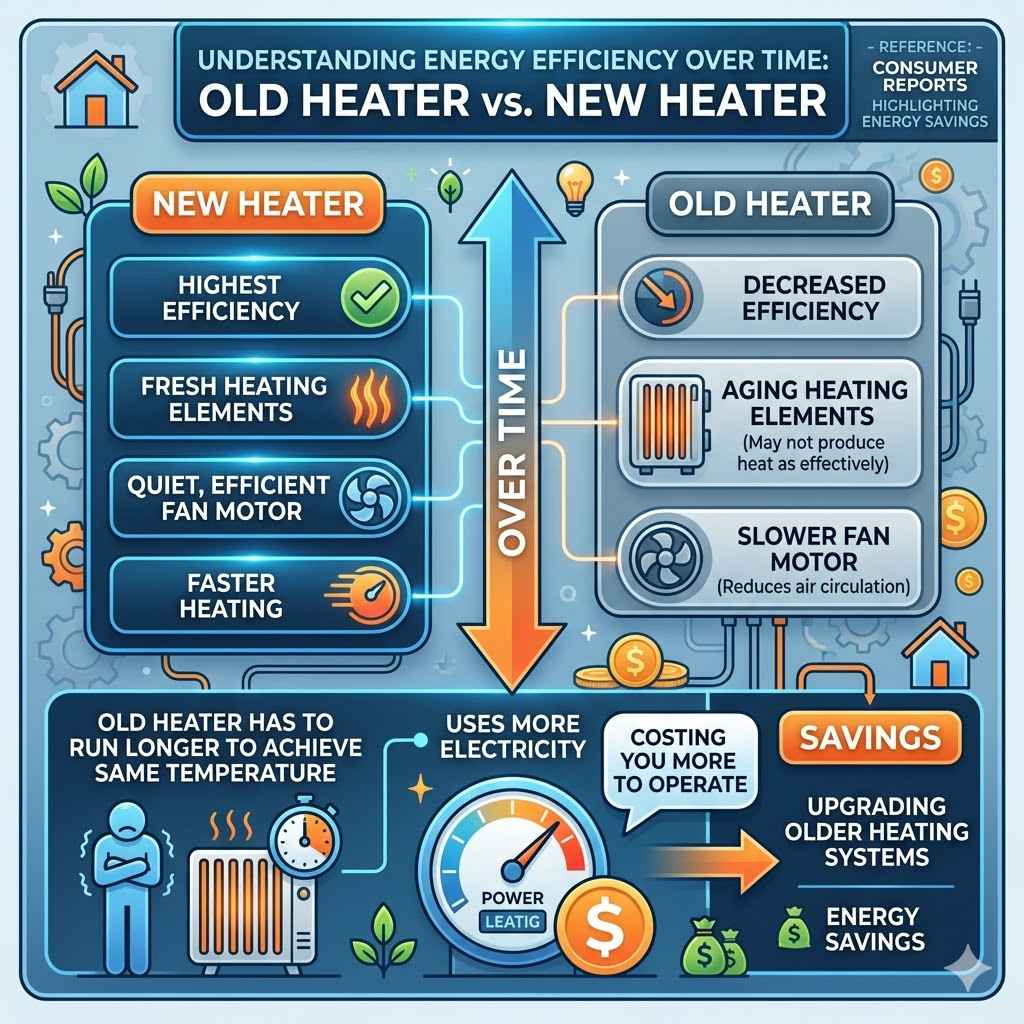
Heaters don’t just “wear out” in terms of function; they also become less efficient. As heating elements age, they may not produce heat as effectively. The fan motor might slow down, reducing air circulation. This means the heater has to run longer to achieve the same temperature. This uses more electricity.
So, even if an old heater is still working, it might be costing you more to operate than a new, energy-efficient model. Consumer Reports often highlights how much energy savings can be achieved by upgrading older heating systems.
Frequently Asked Questions About Electric Garage Heater Lifespan
How often should I clean my electric garage heater?
It’s best to clean your electric garage heater at least once a year. Doing it before the start of the heating season is ideal. Use a vacuum cleaner with a brush attachment to remove dust from vents and heating elements.
Ensure the heater is unplugged or the power is off at the breaker before cleaning.
Can a broken fan motor be repaired on an electric garage heater?
Sometimes a fan motor can be repaired or replaced. However, it depends on the specific model and the cost of the repair. Often, the cost of a new fan motor and labor can be close to the price of a new heater, especially for older or less expensive units.
It’s often more practical to replace the entire unit if the fan motor fails.
What is the most common reason electric garage heaters fail?
The most common reasons for failure are dust buildup leading to overheating, fan motor burnout, and electrical component issues. Improper installation, like loose wiring or inadequate ventilation, also contributes significantly to premature failure.
Are more expensive electric garage heaters built to last longer?
Generally, yes. Higher-priced models often use better quality materials for heating elements and fan motors. They also tend to have more robust construction and better electrical components.
This leads to a longer operational life compared to very cheap, entry-level units.
Does the climate affect how long my garage heater will last?
While the heater’s internal components are what matter most, extreme humidity or corrosive environments (like near salt water) can accelerate rust and corrosion on the casing, potentially affecting its longevity. Very frequent and extreme temperature swings might also put a bit more stress on components, but this is usually a minor factor compared to usage and maintenance.
When should I consider replacing my heater even if it’s still working?
If your heater is over 10-15 years old, is significantly less energy-efficient than newer models, or requires frequent repairs, it’s often wise to replace it. Newer heaters offer better safety features and lower energy consumption, saving you money in the long run.
Conclusion: Your Garage Heater’s Long Road Ahead
Ultimately, the lifespan of your electric garage heater is a blend of its inherent quality, how you use it, and how you care for it. By choosing a good unit, installing it correctly, and performing simple, regular maintenance like cleaning, you can significantly extend its life. Aiming for that 10-to-20-year mark is very achievable for many well-cared-for heaters. Pay attention to the warning signs, and when the time comes, invest in a new, efficient model. Enjoying a warm garage for many years is totally within reach.