Best Portable Heater for Cars in Winter
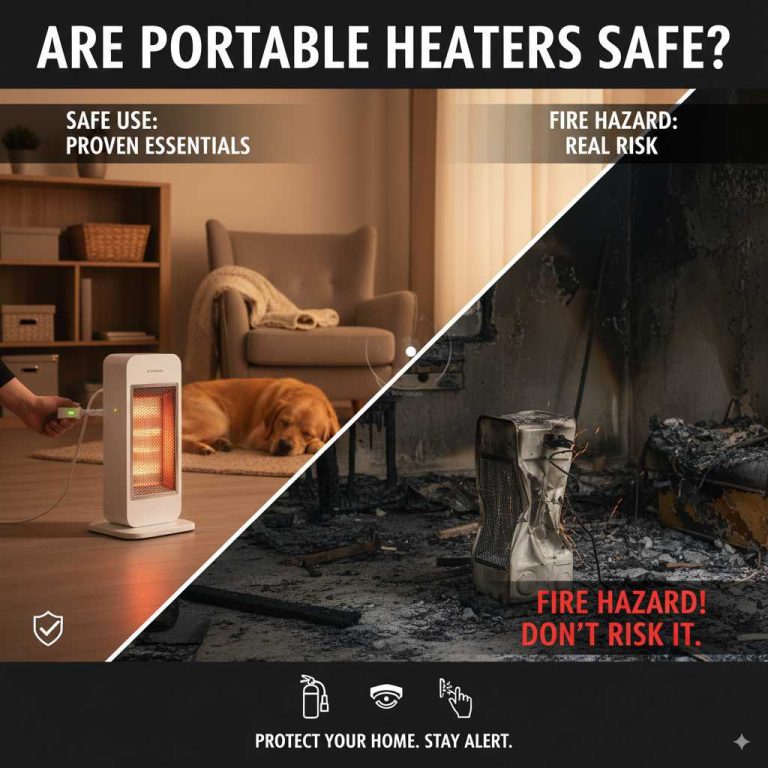
The best portable heater for cars in winter depends on the job: choose a 12V defroster for quick windshield clearing, a 12V fan heater for modest cabin warmth, or a battery/plug-in emergency heater for parked use only; none should replace the vehicle’s factory heater. Bad picks waste power, blow weak heat, or create safety risks when you need visibility or warmth most. This guide compares portable car heaters by use case, power source, and safety limits so you can buy the right one.
Quick picks
| Best for | Product | Power source | What it is good at | Main limit |
|---|---|---|---|---|
| Windshield defogging | RoadPro direct hook-up heater | 12V direct-wired vehicle power | More output than a plug-in lighter unit, better for targeted defrost in larger cabs | Needs installation and vehicle electrical capacity checks |
| Parked cabin heat | Zerostart 2600900 | 120V AC | Parked pre-heat and cabin warming where AC power is available | Not a standard cigarette-lighter heater; not for casual in-vehicle use while driving |
| Small-cabin defrost aid | Generic 12V 200W 360° rotatable heater | Vehicle accessory socket | Directional airflow for spot defogging and windshield aiming | Limited cabin-warming ability |
Answer: The best portable heater for cars in winter depends on the job: use a 12V defroster for quick windshield clearing, a 12V fan heater for modest cabin warmth, or a battery or plug-in emergency heater for parked use only; none should replace the vehicle’s factory heater. Weak units waste power, throw little heat, or create safety risks when visibility or warmth matters. This guide compares portable car heaters by use case, power source, and safety limits so you can buy the right one.
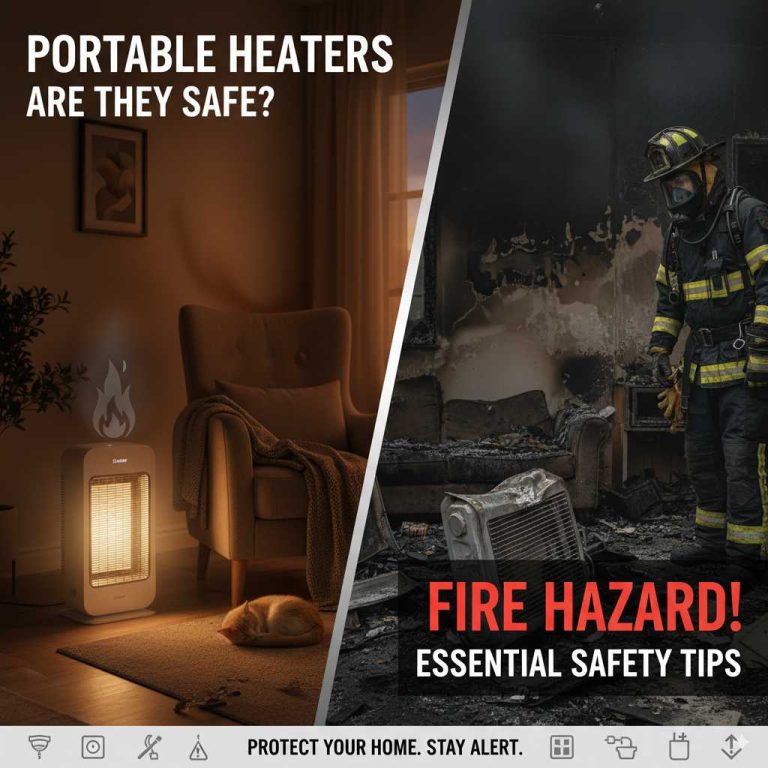
For safety, treat any heater that uses combustion fuel as a parked-only or emergency-only device unless the manufacturer explicitly states it is designed for enclosed-vehicle use with ventilation and CO control. The National Highway Traffic Safety Administration (NHTSA) and fire-safety authorities emphasize keeping heaters away from flammables, avoiding blocked vents, and never relying on an improvised heat source in a sealed cabin. Carbon monoxide poisoning is a serious hazard in enclosed vehicles. Do not use any fuel-burning heater inside an enclosed vehicle without verified ventilation and manufacturer-approved safety controls.
Top pick for most drivers: RoadPro direct hook-up heater, because it is better suited to actual in-vehicle defrost help than weak plug-in socket units, while still staying in the 12V family. It is the cleaner fit when you want more than a token warm puff and your vehicle’s electrical system can support the load.
Who should skip it? Anyone who expects a portable unit to replace a broken factory heater, anyone who cannot confirm vehicle electrical capacity, and anyone looking for a parked-only solution. If you need full cabin heat without engine-running limits, a 120V parked heater is the better category.
Which portable car heater actually works?
Answer: A portable car heater “works” only if the job matches the power source. 12V plug-in units are mainly defrost aids, direct-wired 12V heaters can do more but need installation and electrical headroom, and 120V or propane options belong to parked or emergency use, not everyday driving. Manufacturer wattage, voltage, and mounting limits matter more than marketing claims, and any fuel-burning option should be rejected for enclosed-cabin use unless the maker and safety guidance explicitly permit it.
Defrost aid versus cabin heat
Many 12V plug-in car heaters offer only about 150W, which is enough mainly for spot defrosting or slight warmth. That helps clear a fogged corner of glass or reduce windshield haze, but it will not make a cold cabin feel like factory HVAC. Many compact 12V units use PTC ceramic elements, which self-limit output as they warm, so their practical value is visibility help rather than real cabin heating. Manufacturer specs should be checked against the vehicle accessory-socket rating and fuse size before use.
Parked use versus driving use
Some heaters make sense only when parked. A 120V unit such as the Zerostart 2600900, listed with 120V and 3,000 BTU, fits pre-heating or stationary use where AC power is available. A propane heater can produce high heat, but carbon-monoxide and fire-safety guidance from the CDC, NHTSA, and fire authorities makes enclosed-vehicle use a high-risk choice unless the product is specifically engineered and vented for that purpose. In practice, that means parked-only or emergency-only use with strict ventilation and never as a normal driving heater.
Say a sedan’s windshield fogs after a grocery run in freezing rain. A 12V 200W unit with a 360-degree rotatable mount can aim airflow at the glass, but it will not fix a dead factory blower. The right response is visibility help, not a full-heater substitute. Vehicle electrical guidance from NHTSA-style safety advice and common manufacturer manuals points the same direction: confirm fuse rating, keep cords clear of pedals and airbags, and do not overload the socket.
Car heater decision matrix
Answer: Choose by use case first: plug-in 12V for quick defogging, direct-wired 12V for stronger supplemental heat, 120V for parked cabin warmth, and fuel-burning heaters only where the manufacturer and safety guidance allow them with ventilation. Larger vehicles can tolerate more output, but the correct fuse, wiring, and power source still control what is safe. Use this matrix to match the heater to the vehicle, not the other way around.

This table maps heater type to the job, power source, safe operating condition, warmth level, and common failure modes. It also shows where each type fits by vehicle size, since a compact sedan and a truck cab do not place the same demand on the electrical system.
| Heater type | Real use case | Vehicle type | Power source | Safe operating condition | Warmth level | Red-flag failure modes |
|---|---|---|---|---|---|---|
| 12V cigarette-lighter heater | Spot defrosting, light defogging | Sedan, small SUV | Vehicle accessory socket | Accessory socket rated for the draw; engine running is usually the safer assumption; follow the vehicle manual and fuse rating | Low | Blown fuse, battery drain, weak heat, cord strain |
| Direct-wired 12V heater | Better defrost aid, limited supplemental warmth | Truck, SUV, van | Vehicle electrical system | Installed to spec; vehicle electrical capacity must match heater draw; engine running required for high-draw use | Moderate | Overload, wiring damage, fuse failure, alternator strain |
| 120V plug-in interior heater | Parked pre-heat, garage or campsite use | RV, parked car with AC source | External AC power or inverter | Parked only unless the power setup is designed for it; check inverter limits carefully | Higher | Inverter overload, poor wiring match, tip-over risk, overheating |
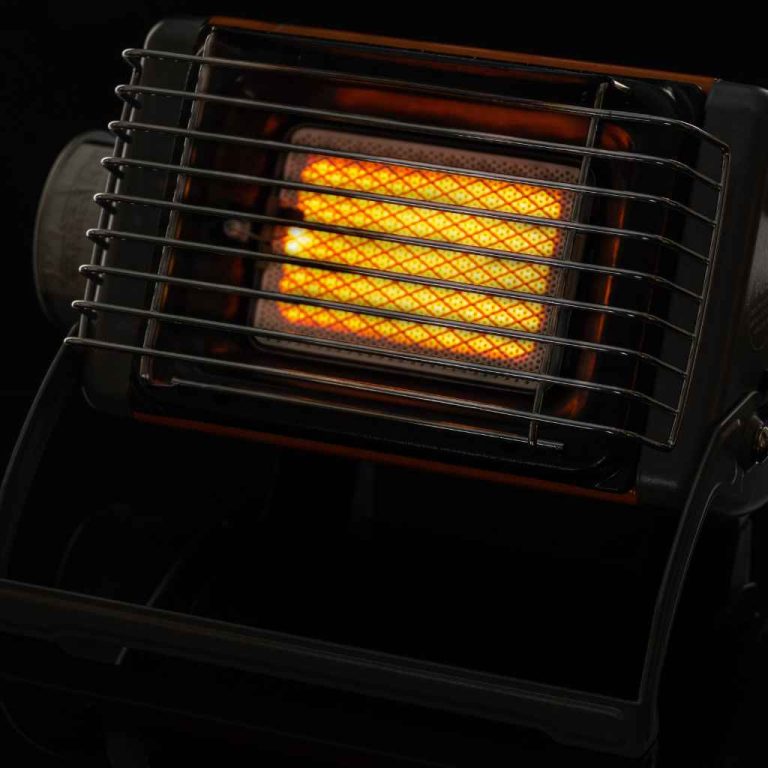
| Propane heater for vehicle use | Emergency warmth while stuck and not moving | Emergency roadside, overnight rescue | Fuel-based | Ventilation is mandatory; do not treat it like a normal drive-time heater; do not use inside an enclosed vehicle unless the product is explicitly approved for that setting and ventilation | High | Carbon monoxide, fire risk, oxygen depletion, misuse in enclosed cabin |
Simple chooser
- If you drive a sedan and only need fog clearing, pick a 12V plug-in defroster and keep expectations low.
- If you drive a truck or SUV and need more than spot heat, consider a direct-wired 12V heater only if the electrical system can support it.
- If you drive an RV or park near AC power, a 120V heater is the practical cabin-heating choice.
- If you are stranded roadside, avoid propane inside a sealed cabin unless you have ventilation and a true emergency setup; a heater is not a substitute for rescue.
Top pick for defrosting
Answer: The best fit for defrosting is a 12V directional heater with a rotatable mount. That design aims warmed air at the glass instead of the footwell, which is what matters most when visibility is the goal. It is a defog aid, not a cabin heater, and it should be used only within the vehicle socket’s current limit and the manufacturer’s mounting instructions.
It is built for aimed airflow, which matters more than raw output when you need a fogged windshield cleared quickly.
What it does well
PTC ceramic heating elements are commonly used in compact car heaters because they warm quickly and self-regulate to some degree. Manufacturer-style claims for compact 12V heaters often center on roughly 150W to 200W, which is enough for localized defrost help. A 360-degree rotatable mount helps aim heat at the windshield instead of dumping it into the footwell, which is where many weak units waste their output. Published vehicle-electrical guidance supports keeping the cord out of the driver’s controls and checking fuse protection before use.
Limits to expect
Many 12V plug-in car heaters offer only about 150W, enough mainly for spot defrosting or slight warmth. Even a 200W unit remains a defrost aid, not a cabin heater. If the factory blower is dead, the accessory can buy you visibility, but it cannot replace HVAC. In winter conditions, a weak heater may slow fogging, not eliminate it, so the safest expectation is gradual glass clearing rather than rapid cabin warm-up.
Safety checks before use
Check the accessory socket rating, keep the unit out of airbag zones and the driver’s view, and follow the vehicle manual. If the heater draws more current than the socket can support, a blown fuse is a real risk. If a cord runs across the shifter or pedals, the setup is wrong. If the heater gets mounted where it can overheat fabric, wiring, or trim, stop using it immediately and re-mount it to the manufacturer’s instructions.
Top pick for parked cabin heat
Answer: The best choice for parked cabin heat is a 120V interior heater meant for stationary use where AC power is available. It is the right category for pre-heating a vehicle, warming a cab at camp, or making an RV more comfortable while parked. It is not a substitute for the vehicle’s HVAC system while driving, and it should not be used in a sealed cabin without the manufacturer’s approved setup.
The best choice for parked cabin heat is the Zerostart 2600900, because it is a 120V interior heater meant for stationary use where AC power is available. That makes it the right category for pre-heating a vehicle or warming a cabin before you leave, not for casual socket use in motion.
Why parked use matters
Vehicle accessory sockets are not designed for large continuous loads, while a 120V interior heater is built around household-style AC power. The key safety point is that the electrical source must match the heater load. When a heater is powered from an inverter, the inverter’s continuous rating, surge rating, and wiring all need to be checked. That is why parked use, proper wiring, and a correct power source matter more than marketing language.
Power and ventilation needs
High-output 120V heating can demand far more from the electrical setup than a small 12V accessory unit. A 900W to 1500W load on a vehicle system is not a casual add-on, because the current draw can become very high at 12V. For that reason, a parked heater belongs on a proper AC source or a properly sized inverter system, not an improvised cigarette-lighter circuit. Fire-safety guidance also applies: keep the heater away from bedding, paper, curtains, and other combustibles.
Who should buy it?
Buy this kind of heater if you park near AC power, need pre-heat help, or use a vehicle in a stationary setup. It is a better fit for an RV or a cold garage than for a commuter who wants heat during a drive. If you need warmth while moving, look elsewhere. If the vehicle is enclosed, always verify that the heater’s placement, cord routing, and ventilation follow the manufacturer’s instructions and the vehicle’s safety guidance.
Top pick for larger vehicles
Answer: Larger vehicles are usually better served by a direct-wired 12V heater because the wiring, fuse, and charging system can be matched to the load more deliberately than with a cigarette-lighter unit. That only works if the installation follows the product manual and the vehicle can supply the current safely. Bigger cabs do not fix a weak electrical system.
The RoadPro direct hook-up heater is the better choice for larger vehicles because direct-wired 12V heaters can deliver more output than plug-in socket units. RoadPro’s own product information and retailer listings identify it as a 12V direct-connect heater, and comparable direct-to-battery heaters are often marketed at higher wattages than accessory-socket models. That is why wiring and capacity checks are not optional.
Electrical load and installation
Direct-wired heaters connect to the car’s electric system. That makes installation part of the purchase decision. Vehicle electrical capacity must match heater draw, or you risk blown fuses, weak performance, or alternator strain. A unit that looks strong on paper can still be a bad choice if the truck’s wiring and charging system cannot support it. In practical terms, the fuse holder, wire gauge, mounting location, and connector quality matter as much as the heat rating.
Why vehicle capacity matters
Direct-battery models are the place where current demand becomes the main issue. At 12V, electrical load rises quickly as wattage climbs; for example, higher-wattage heaters can exceed what a lighter socket or thin factory circuit should handle. That is why the manual, fuse rating, and vehicle charging capacity all need to line up. If the heater requires a dedicated circuit, it should be treated as an installed accessory, not a plug-and-play gadget.
When to choose a direct-wired model
Choose one when you want more than a defrost puff and you are willing to install it correctly. It fits trucks, vans, and larger cabs better than small sedans. It also makes more sense when the engine is running, because that reduces the chance of draining the battery during use. The safest use case is supplemental heat and windshield clearing, not replacing the factory heater on a subfreezing commute.
How do you choose the right heater?
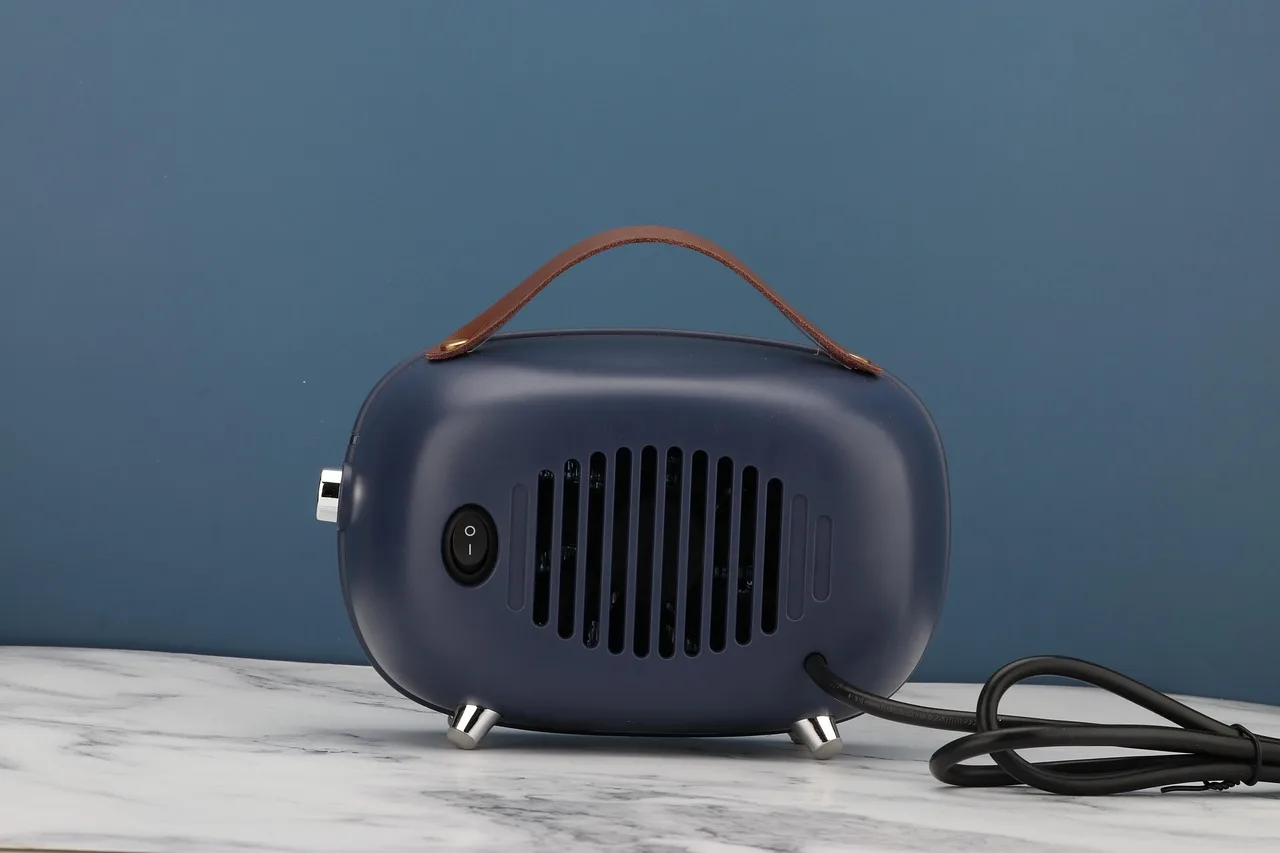
Answer: Start with the job, then check voltage, wattage, fuse protection, mounting, and airflow. A 12V plug-in heater is a defogger, a direct-wired 12V unit is a stronger supplemental heater, and a 120V heater is for parked use. If the product burns fuel, only use it where the manufacturer and safety guidance clearly allow ventilation and enclosed-space operation.
Start with the job, not the wattage label. If you need defrost help, a small 12V unit may be enough. If you want real parked heat, use a 120V heater. If you want stronger in-motion output, a direct-wired 12V unit can work only when the vehicle electrical system supports it.
Match heater type to the job
12V cigarette-lighter heaters are mainly for windshield defogging and slight cabin help. Direct-wired 12V heaters are for stronger output and more serious electrical demand. 120V heaters are for parked use. Propane heaters belong in true emergency scenarios, not routine winter driving. If the heater is fuel-burning, check the manufacturer’s warning label, ventilation requirement, and carbon-monoxide safeguards before it ever goes in a vehicle.
Check voltage, wattage, and fuse limits
Most heaters require a plugged power connection, but the important part is the electrical math, not the marketing category. Compare voltage, wattage, and fuse size against the vehicle manual. A socket that is rated too low for the draw can blow a fuse or overheat. If the product says it must be hardwired, do not force it into a lighter port. If it says parked only, do not run it casually while driving.
Mounting, cord length, and airflow
A 360-degree rotatable mount helps aim heat where it matters. Cord length matters because a short lead can force unsafe placement. Airflow matters because a heater aimed at the wrong surface wastes output and can leave the windshield fogged while the cabin stays cold. The mount should also avoid airbags, steering-wheel movement, gear selectors, and pedals. If you cannot route the cord safely, the heater is the wrong fit.
When to repair the factory heater instead
If the factory heater blows cold air, takes too long to warm up, or cannot clear the windshield on its own, fix that system first. An accessory heater should not be the long-term answer to a failed blower motor, clogged heater core, or control problem. That is a repair job, not a shopping problem. A portable unit is a supplement, not a substitute for proper HVAC repair.
A common mistake is choosing a tiny portable heater for a parked SUV and expecting it to warm frosted windows quickly during an overnight ice storm. The result is usually lukewarm air, a foggy windshield, and an empty battery if the engine is off too long.
Another common mistake is treating a propane heater like a normal car accessory. In an enclosed cabin, ventilation is not optional. If the plan involves sleeping in the vehicle, the safer answer is usually to fix the heater, add insulation, or choose a proper parked-use heating setup designed for the space. Carbon-monoxide precautions should come first, not after the purchase.
Frequently asked questions
What is the best portable heater for a car?
Answer: The best portable heater for a car depends on the job. For defrosting, a 12V rotatable unit is the practical choice. For parked cabin heat, a 120V unit such as the Zerostart 2600900 is more appropriate. For larger vehicles, a direct-wired 12V heater is the stronger option if the electrical system can support it.
What portable car heater actually works in winter
Answer: The ones that work are the ones matched to the job. A 12V plug-in unit can help with defogging. A direct-wired 12V heater can deliver more heat, but only with proper installation and electrical capacity. A 120V heater works best when the vehicle is parked and plugged into AC power. Fuel-burning heaters are only appropriate where the product and safety guidance explicitly allow them.
Are 12V car heaters enough to warm a car?
Answer: Usually no. Many 12V plug-in car heaters offer only about 150W, which is enough mainly for spot defrosting or slight warmth. They are helpful for visibility and small comfort gains, but they are not a true replacement for factory HVAC in a cold cabin. If the cabin must heat quickly or fully, use the factory system or a parked-use 120V setup.
Is it safe to use a propane heater in a car?
Answer: It is risky inside an enclosed cabin. Fire and carbon-monoxide authorities warn that fuel-burning heaters can create deadly conditions in poorly ventilated spaces. If you are stuck and need overnight warmth, ventilation is essential, and the heater should be treated as an emergency measure only, not a normal winter-driving accessory. Never use one where the manufacturer prohibits enclosed-vehicle operation.
Which portable car heater is best for defrosting windows?
Answer: A 12V defrost-oriented heater with a directional mount is the best fit. The 200W 360-degree rotatable style is better suited to aiming heat at glass than a heater with fixed airflow. It can help clear fog, but it will not make a dead factory heater unnecessary. For the fastest clearing, pair it with the vehicle’s defrost setting and fresh outside air if the HVAC system still works.
What power source do car heaters need
Answer: They may need a vehicle accessory socket, a direct 12V connection to the electrical system, external 120V AC power, or fuel in the case of propane units. The key point is that the heater must match the available power source. If the source does not match the load, the result is poor heat or a safety problem. Follow the manufacturer’s voltage, amperage, and fuse requirements exactly.
What is the safest portable car heater for winter driving?
Answer: The safest choice for driving is usually the lowest-risk heater that still fits the job, which means a modest 12V defrost aid rather than a high-draw setup. Look for automatic overheat protection, proper mounting, and a power draw that the vehicle can support. For parked heat, use a 120V unit instead of improvising. If the heater burns fuel, do not use it inside an enclosed vehicle unless the manufacturer explicitly permits that use with ventilation and safety controls.
Sources
- National Highway Traffic Safety Administration (NHTSA): vehicle electrical and occupant-safety guidance; do not overload accessory circuits and keep cords clear of pedals and airbags.
- U.S. Consumer Product Safety Commission (CPSC): portable heater fire-safety guidance; keep heaters away from combustibles and use only as instructed.
- Centers for Disease Control and Prevention (CDC): carbon-monoxide poisoning prevention guidance for enclosed and semi-enclosed spaces.
- National Fire Protection Association (NFPA): heating equipment fire safety and safe clearance practices.
- Manufacturer specifications and instruction manuals for RoadPro direct hook-up heaters and Zerostart 2600900 120V heaters.