How to Store a Portable Garage Heater in the Off Season
Clean the heater, let it dry fully, disconnect fuel or power, and store it indoors in a dry, upright spot with the cord and hoses protected. Poor storage can corrode fuel parts, crack hoses, shorten heater life, and create unsafe startup problems next winter. This guide covers shutdown steps, cleaning, fuel and cord care, storage location, failure risks, and the restart check you should do before the next cold season.
Can you leave a portable heater in the garage?


A portable garage heater should be left in the garage only if the space stays dry, the unit is fully disconnected, and the heater is protected from dust, rodents, and sudden temperature shifts. An unheated garage often gets damp and cold enough to encourage rust, cracked hoses, and condensation on metal parts, so indoor storage is usually safer.
For storage planning, treat garage conditions as part of the heater’s maintenance. A garage with better insulation and sealed gaps changes less from day to day, which helps reduce moisture exposure and the condensation that forms when warm air meets cold surfaces. In practice, the drier and more stable the room, the less likely the heater is to pick up rust, corrosion, or musty debris during the off season.
Unheated garage risks
A cold garage can leave moisture on burners, housings, cords, and controls. That moisture can sit overnight, then freeze, thaw, and return as rust or corrosion. Dust and insects are another problem because they can settle into vents, fan openings, and control compartments while the heater is idle.
Portable means the heater can be moved to a better storage spot. That matters because mounted heaters are fixed in place, while portable units depend on the owner to keep the cord, plug, hose, and cylinder out of harm’s way during the off season.
When indoor storage is better
Move the heater indoors if the garage is humid, the floor takes on condensation, or the unit sits near a door that opens to wet weather. A basement, utility room, or dry closet is usually better than a shed or a bare garage corner, as long as the heater stays upright and out of reach of pests.
Suppose a propane heater is left in a garage where the floor feels damp after rain. The metal case may look fine in April, then show surface rust on screws and connectors by fall. A dry indoor shelf or raised rack avoids that exposure.
What happens if you store it the wrong way?
Several storage mistakes create predictable failure modes. If a propane heater is left with the cylinder attached, the hose, regulator, and fittings stay exposed to strain and accidental leaks. If a heater sits on damp concrete, the case, base, and hardware can pick up corrosion faster than parts stored off the floor. If the cord is wrapped tightly around the handle, the jacket can flatten or crack where it bends most. If the whole unit is sealed in plastic, trapped moisture can linger against metal surfaces and invite rust or musty buildup. The fix is the same in each case: remove the stress, keep the heater dry, and use breathable storage instead of a tight seal.
Portable garage heater storage checklist
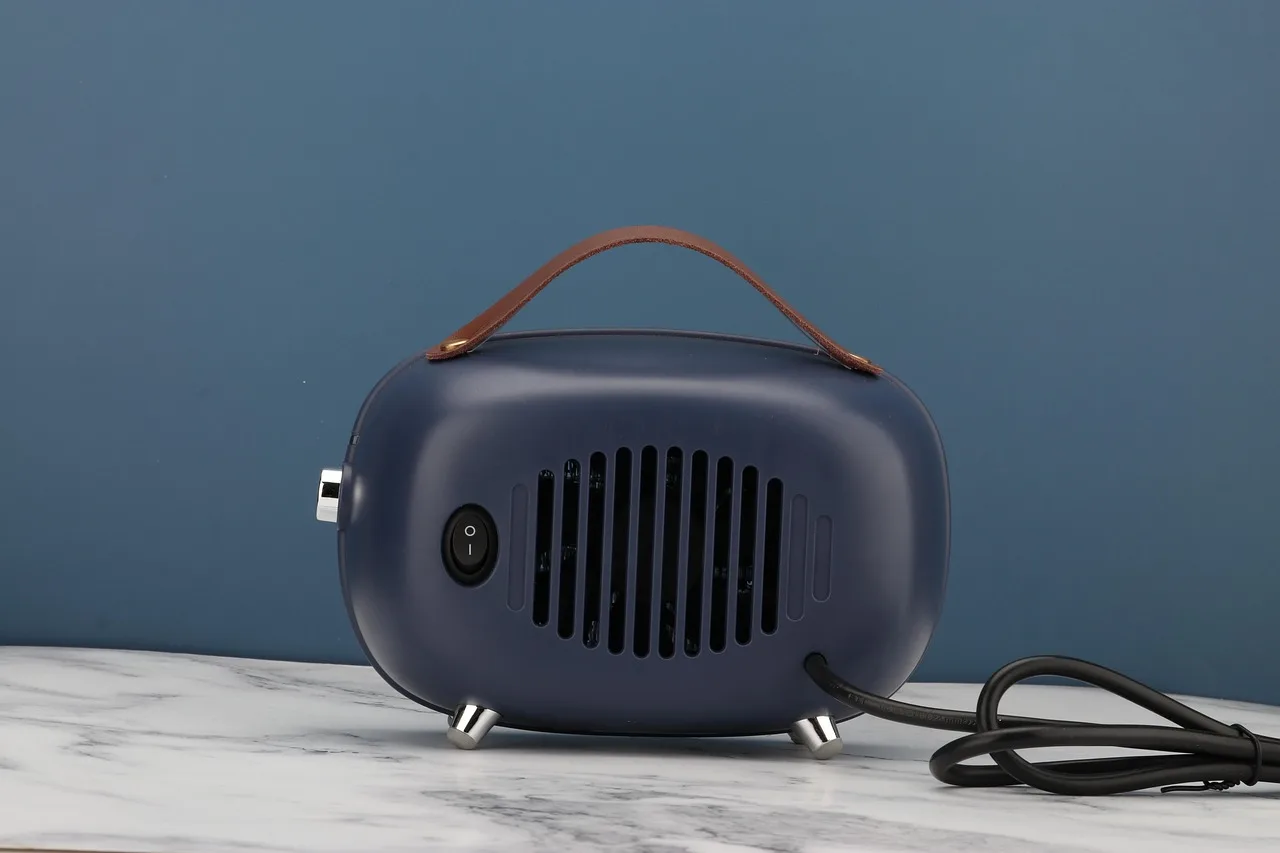
Use a simple shutdown and storage sequence before you put any portable garage heater away. The goal is to remove fuel, dust, and moisture from the storage equation, then protect the cord, hose, and accessories so they are ready for next season without extra cleanup or repair.
| Heater type | Shutdown steps | Cleaning steps | Accessory storage | Moisture protection | Next-season restart checks |
|---|---|---|---|---|---|
| Electric | Turn the thermostat to its lowest setting, switch the unit off, unplug it, and let the fan stop before moving it. | Vacuum intake and outlet grilles, wipe the housing with a dry or barely damp cloth, and inspect the cord and plug for nicks, scorch marks, or bent blades. | Neatly coil the cord without tight bends, secure the plug so it cannot strike the floor, and keep the heater upright with its dust cover or bag nearby. | Store in a dry location, use a breathable cover, and place the unit off the floor if the room has humidity or seasonal condensation. | Check the cord again, confirm the plug seats firmly, clear vents, and test the thermostat before running the heater at full output. |
| Propane | Shut the heater off, close the propane cylinder valve, let the flame go out fully, and disconnect the regulator and hose only after the system is cool. | Brush dust from the burner area, wipe the exterior, and inspect the hose, regulator, and fittings for cracking, stiffness, or residue. | Store the hose loosely coiled, keep the regulator capped if possible, and set the cylinder outdoors in the orientation recommended for its type. | Keep the cylinder outside, upright unless the cylinder label says otherwise, and protect the heater body with a breathable cover or bag indoors. | Reconnect the hose carefully, inspect fittings, perform a leak check before ignition, and confirm the flame burns normally at startup. |
| Infrared | Switch off the controls, unplug or disconnect power, and let the radiant element cool fully before moving or covering it. | Dust the reflector or grille, wipe the exterior, and check the cord, plug, switches, and face screen for heat marks or debris buildup. | Wrap the cord without kinks, keep remotes or batteries in a labeled container, and store the unit where the heating face will not be crushed. | Use a breathable dust cover, keep the heater raised in a dry room, and avoid plastic wrapping that can trap moisture. | Inspect the face screen, verify the control functions, replace remote batteries if needed, and make sure airflow around the unit is clear. |
How to shut down the heater before storage
-
Lower the thermostat first. Set the garage heater thermostat to its lowest safe setting before shutdown, then turn the unit off. On models with a battery in the control module or remote, remove the battery so it cannot leak during storage.
-
Disconnect the power source. Unplug electric and infrared units after the fan or element has fully cooled. For propane models, close the cylinder valve before disconnecting the hose and regulator, and wait until the unit is cool to the touch.
-
Store accessories separately. Coil cords and hoses loosely, then place them where they will not be crushed by other tools or bins. Tight wraps can create kinks in cords and stress in hoses, which may shorten their usable life.
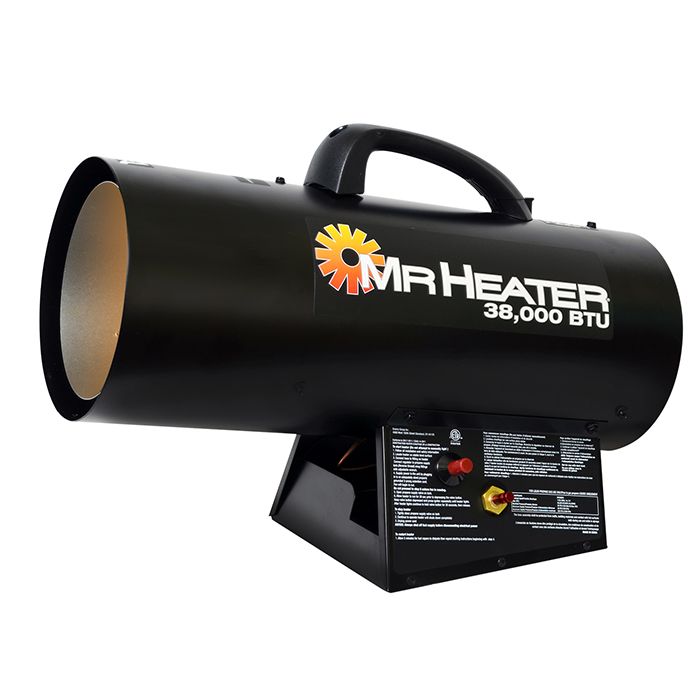
For propane heaters, do not leave the cylinder attached “just for convenience.” The line and regulator are more exposed when they stay connected, and the extra load can bend fittings or invite leaks at the connection point.
For electric and infrared units, a clean shutdown is not enough if the cord remains pinched under a shelf leg or cabinet wheel. The next season often starts with a damaged cord that should have been protected months earlier.
How do you clean a heater before storing it?
Clean the heater after it cools and before it is covered. The goal is to remove dust, lint, pet hair, and residue from vents, burners, and exterior surfaces so the unit does not trap moisture or clog during storage. A dry heater stored clean usually restarts more predictably next season.
Dust and debris removal
-
Vacuum the vents. Use a brush attachment on intake and outlet openings, then clean around seams, grills, and mounting feet. Dust left in the housing can hold moisture and restrict airflow.
-
Wipe the exterior dry. Use a soft cloth slightly dampened with mild cleaner only on the outer case, then dry every visible surface. Avoid soaking controls, switches, and seams where liquid can sit.
-
Clear combustion parts carefully. On propane and infrared heaters, remove loose dust from the burner face, reflector, or screen with a dry brush. Do not force debris deeper into the unit.
A common first-timer mistake is covering a heater before the last bit of moisture has left the fins or grille. The cover traps humidity against metal parts, and that small mistake can lead to rust spots by the time the heater comes back out.
Cord, hose, and vent inspection
-
Inspect the cord and plug. Look for nicks, scorch marks, flattened sections, or loose blades on electric and infrared models. If the cord shows damage, replace or service it before storage so the problem is not forgotten until startup.
-
Check the hose and regulator. On propane units, look for cracking, stiffness, abrasions, or bent fittings. A hose that has dried out or been kinked is more likely to leak or fail next season.
-
Confirm clear vent paths. Make sure exhaust and intake openings are free of lint, cobwebs, and nesting material. Open passages help the heater restart without airflow problems and reduce the chance of smoke or odor at first use.
Where should you store a portable garage heater?
A dry, indoor, upright storage spot with relatively stable temperature and limited dust is commonly recommended. A finished basement, utility room, or heated storage shelf is usually better than a damp garage corner or unventilated shed. Keep the unit off the floor if the room sees seasonal humidity or standing-water risk.
Garage storage
If the heater must stay in the garage, choose the driest wall and keep it raised on a shelf, rack, or pallet. Do not store it next to lawn chemicals, wet rags, or items that drip. Good insulation and air sealing matter here because they reduce the temperature swings that drive condensation.
Shed or basement storage
A shed is only acceptable if it stays dry and pest-free. A basement is often better because the temperature is steadier, but the heater still needs a breathable cover and a clean, raised spot away from damp concrete. Moisture control matters more than the room label.
Plastic bin or original box
A plastic bin can work for accessories, but it is a poor choice for the heater itself if it seals in condensation. The original box is acceptable if it is dry, intact, and stored above floor level, but cardboard should not be used where damp air or insects are common. A breathable storage bag is usually safer for the unit body.
Choose a dust cover or storage bag that fits the unit dimensions without compressing controls, vents, or the heating face. Breathable material keeps dust out while allowing residual moisture to escape, which matters more than a tight seal in storage environments that swing between warm and cold.
Best storage location by heater type
Electric heaters do best in a dry indoor room where the cord can hang or coil loosely and the plug will not be crushed. Propane heaters should be stored with the cylinder separated from the heater body and kept in the orientation required for the tank type. Infrared units need extra face protection so the radiant element, reflector, or screen is not bent or pressed during storage.
What should you check before next season?
Before the heater goes back into service, inspect the fuel or power path, controls, and accessories. The main goal is to catch cracked hoses, damaged cords, dead remote batteries, and dirt in the vents before you try to heat a cold garage. A short check now prevents startup surprises later.
Propane leak check
-
Reconnect the hose carefully. Make sure the regulator and fittings seat fully and sit straight. A crooked connection can seep gas or fail under pressure.
-
Apply a leak check. Use a soap-and-water solution on the connections before ignition and watch for bubbles. If bubbles form, shut the system down and correct the connection before use.
-
Confirm cylinder condition. Check that the propane cylinder valve opens and closes properly and that the cylinder still sits in the correct outdoor storage orientation when not in use. Replace anything that shows damage, rust, or valve problems.
Cord, plug, and thermostat check
-
Inspect the cord again. Uncoil it fully and look for fresh nicks, flattening, or scorch marks. Damage can appear after storage if the cord was pinched, dragged, or wrapped too tightly.
-
Test the controls. Turn the thermostat through its range and confirm the unit responds normally. Replace remote batteries if needed, and verify that the heater starts and stops without hesitation.
-
Clear the airflow path. Remove the cover, check the vents, and make sure no packing material, insects, or dust blocks the intake or exhaust. Clean airflow is part of a safe first startup.
Say your electric heater sits on an upper shelf for four months and the cord was looped tightly around the handle. When you uncoil it next season, the jacket shows a flat bend near the plug. That bend is a warning to replace or repair the cord before reconnecting power.
Model-type do and don’t callouts
Electric: do unplug, dry, and inspect the cord; don’t stack bins on the plug or wrap the cord tightly around sharp edges. Propane: do disconnect the cylinder and store the hose loose; don’t leave the tank attached or store the heater where a valve can be struck. Infrared: do protect the face and reflector; don’t press the heating surface against cardboard, metal tools, or a sealed plastic wrap.
Accessory reassembly
Keep regulators, hoses, remotes, and batteries with the heater, but not tangled around it. Label small parts so nothing gets lost between seasons. If the heater came with a dust cover or bag, put it back on only after the unit is clean and fully dry.
Frequently asked questions
How do you store a portable garage heater for the summer?
Clean it, dry it, disconnect fuel or power, and store it indoors in an upright, dry spot. Coil the cord or hose loosely, cover the unit with a breathable bag, and keep accessories together in a labeled container so nothing is lost before next season.
Can I leave a portable heater in an unheated garage during the off season?
You can, but it is not the best choice if the garage gets damp or sees big temperature swings. Cold concrete, condensation, and dust can damage cords, hoses, and metal parts. If the garage is your only option, raise the heater and use a breathable cover.
How do I clean a garage heater before storing it?
Vacuum the vents, brush away dust from burners or reflectors, and wipe the exterior dry. Inspect the cord, plug, hose, and regulator for wear while the unit is open and accessible. Let every surface dry fully before covering the heater.
Should I drain propane from a portable garage heater before storage?
You do not drain the heater itself, but you should close the propane cylinder valve and disconnect the hose after the unit cools. Store the cylinder outdoors in the correct upright orientation for that tank type, and leave the heater body indoors with its hose protected.
How do I keep insects, dust, and moisture out of a stored heater?
Use a breathable dust cover or storage bag that fits the heater without trapping moisture. Keep the unit off the floor, store it in a dry room, and close off obvious pest entry points nearby. Clean vents and openings before storage so debris does not attract insects.
Where is the best place to store a portable garage heater?
A dry indoor location is usually best, such as a basement, utility room, or heated storage area. If the garage is the only option, choose the driest raised spot you have. Avoid unventilated sheds, damp floors, and sealed plastic wrapping around the unit.