Water Heater Maintenance for Vacation Rentals
For vacation rentals, a common rule of thumb is to check the water heater at every turnover, then flush sediment and test the temperature and pressure relief function about every 3 to 6 months, depending on occupancy and water hardness. Skip that work, and you can end up with lukewarm showers, tank leaks, emergency calls, and a bad review that costs the next booking. This guide covers a turnover-based maintenance plan, inspection points, service intervals, and when to call a plumber.
Why vacation rentals need a different schedule


A vacation rental water heater works on guest turnover, not a quiet household rhythm. Back-to-back bookings, long vacancy gaps, and seasonal surges change how fast sediment collects, how quickly hot water is used up, and how often you need a visual check.
Tank and tankless units need different attention, too. A tank heater is more likely to need flushing and anode checks, while a tankless unit needs flow, venting, and scale control attention when the property sees heavy use or hard water.
Turnover timing and guest load
In a short-term rental, failure often shows up as a guest-facing complaint before it becomes a mechanical one. Lukewarm showers after a full check-in day, slow recovery between back-to-back stays, or hot water that cuts out during cleaning turnover all point to a system that needs more than an annual glance.
High occupancy means more heat cycles, more tank mixing, and more sediment disturbance. Lightly used second homes can still need service, but their main risk is stagnation, corrosion, and surprise problems after long vacancy.
Tank and tankless priorities
Tank units need sediment control, drain-valve access, and anode-rod inspection. Tankless units usually need attention to inlet screens, venting, and scale buildup, and they can show trouble as delayed ignition, low flow, or temperature swings rather than a noisy tank bottom.
For rental management, the practical difference is simple: tanks need more routine flushing, while tankless systems need tighter attention to water quality and service access. Either way, occupancy level should drive the schedule.
High-use, low-use, and vacancy periods
Peak season calls for tighter checks because a heater that is fine in shoulder season can fail under full turnover pressure. Long vacancy periods shift the priority toward safe shutdown, freeze protection, and restart checks before the next guest arrives.
That is why a rental plan should follow the booking calendar. Annual service is a minimum baseline, but a busy property may need more frequent attention.
Water heater maintenance matrix
This matrix turns maintenance into a turnover system. Use the cleaner for visible checks, the owner for basic shutdown and restart decisions, and a plumber for internal service, stuck parts, or anything that requires opening the heater beyond routine access.
| Timing | Who does it | What to inspect | What can wait | Trigger to escalate |
|---|---|---|---|---|
| Between stays | Cleaner or owner | Hot water at taps, leaks at the heater base, noisy operation, visible rust, loose drain valve, signs of water around the pan | Full flush, anode inspection, deep descaling | Lukewarm water, active leaking, burning smell, tripped breaker, gas odor, repeated no-hot-water complaint |
| Monthly occupancy check | Owner | Temperature setting, corrosion at fittings, pressure relief discharge signs, drain-valve cap or hose connection, access clearance | Drain-and-flush if the tank is quiet and water is clear | Rumbling tank, rusty water, mineral flakes, frequent resets, hard-to-move valves |
| Pre-peak-season service | Plumber or owner for simple tanks | Sediment flush, anode rod condition, burner or element function, thermostat accuracy, venting on gas models, leak points | Cosmetic touch-ups and minor label updates | Stuck anode rod, inaccessible valve, corrosion around combustion parts, repeated recovery delays, tank age near end of life |
| Post-vacancy restart | Owner or plumber | Refill status, air purging, hot water at fixtures, leak check, ignition or element response, unusual noise after refill | Deep cleaning, full external wipe-down | Heater will not relight, breaker trips, pilot will not stay lit, water stays cold after refill, visible seepage |
How often should you service a rental water heater?
Use annual maintenance as the baseline, then tighten the schedule when occupancy is heavy, water is hard, or bookings are back-to-back. For many vacation rentals, a turnover check plus a 3 to 6 month flush-and-inspect rhythm is more realistic than a once-a-year homeowner routine.
Annual baseline service
Annual service can add years to a water heater’s life. That service should include a shutoff, draining, sediment check, and inspection of the anode rod and valves, especially on tank models that see repeated guest use.
For lightly used second homes, annual service may be enough if the heater sees little demand and no signs of trouble. For short-term rentals, annual service is the floor, not the ceiling.
More frequent checks for back-to-back bookings
When the calendar is packed, inspect hot water recovery more often. A property with same-day turnover needs quicker attention because a partially depleted tank can pass a noon turnover check and still fail during an evening arrival.
Use monthly checks for busy seasons, and shorten the interval if you hear rumbling, see cloudy water, or receive a guest report about temperature swings.
When to bring in a plumber
Bring in a plumber or local plumbing service provider when a part is stuck, the valve will not move, a gas heater has venting or ignition concerns, or the access panel is cramped enough that the risk of damage is higher than the cost of service. That is also the right call when you manage multiple units and need standardized upkeep.
What water heater maintenance should happen between guest stays?
Between stays, focus on the signs a guest would notice first: hot water delivery, noise, leaks, and visible corrosion. A quick turnover check can catch the problems that lead to a complaint before the next check-in begins.
Hot water output and recovery
Run hot water at a sink or shower long enough to confirm the heater is supplying consistent temperature and recovery. If the water stays lukewarm, takes too long to heat, or drops off after a short run, the heater needs more than a visual inspection.
That matters most in rentals because a short delay can affect the next guest, not a later convenience repair.
Leaks, corrosion, and valve condition
Look for moisture at the tank base, rust streaks, corrosion on fittings, and a drain valve that drips or looks mineral-caked. The drain valve sits near the bottom of the tank, so even a small leak there can spread under the unit before anyone notices.
If the pressure relief line shows discharge marks or the pan has water in it, schedule professional service quickly.
Noise, odor, and temperature complaints
Sediment buildup can cause popping or rumbling noises in the tank. In rental use, that noise often appears before a full outage, so a turnover complaint about a noisy heater should be treated as a service trigger, not background wear.
Odor complaints matter too. Metallic water, sulfur smell, or sudden temperature swings can point to sediment, corrosion, or a failing part.
Picture a 40-gallon tank in a beach rental with three same-day turnovers. If the heater starts rumbling after a heavy weekend, the noise is a clue that sediment has settled at the tank bottom and is now being disturbed during recovery. A flush may help if the heater still heats normally.
How do you flush a water heater safely?
Flush tank heaters by shutting off power or fuel, shutting off the cold water supply, draining through the bottom drain valve, and venting the tank with a hot tap. That sequence matters because it keeps the tank from refilling mid-service and helps the tank empty fully.
-
Turn the heater off. Maintenance should begin by turning the water heater off. Shut off power to an electric unit at the breaker, or turn a gas unit to the proper off setting before doing anything else.
-
Close the cold supply. The cold water supply should be shut off before draining. This keeps fresh water from refilling the tank while you are trying to remove sediment.
-
Open a hot faucet. Open a hot water faucet to help the tank drain completely. This vents air and prevents a vacuum from slowing the drain.
-
Attach a hose safely. A hose may be needed to drain water to a safe location. Run it to a floor drain, utility sink, or exterior drain point that can handle hot water without damage.
-
Drain and flush. Use the drain valve at the bottom of the tank to empty water until the flow slows, then close and reopen the valve in short bursts to wash out sediment. Draining and refilling with fresh water can solve some water heater problems.
-
Refill and restart. Close the drain valve, open the cold supply, and keep a hot tap open until water runs steadily without air. Then restore power or relight according to the unit type and check for leaks.
Gas and electric shutdown differences
Electric heaters rely on the breaker and element protection, while gas heaters require fuel shutoff and careful restart. The safe sequence still starts with turning the heater off and closing the cold supply before draining.
Never drain an electric tank while the power is on. That can damage the elements if the tank empties unexpectedly.
What to watch during the drain
If the water comes out cloudy, grainy, or full of flakes, sediment is active and the flush is doing useful work. If the drain valve is slow or clogged, do not force it; that is a common point for a plumber to step in.
After refilling, check for drips at the valve, fittings, and access points. A dry drain means the service likely held.
What signs of sediment buildup should you watch for at turnover?
Watch for popping or rumbling sounds, slow hot-water recovery, cloudy water, and a heater that seems to work harder than it should. In rentals, those signs matter because a guest complaint about noise or lukewarm water often points to sediment before it points to a full failure.
How sediment forms
Sediment settles in the bottom of a tank over time as minerals drop out of the water and collect below the heating area. Once it builds up, the heater has to work through that layer, which can reduce efficiency and increase wear.
That is why flushing is corrective maintenance, not cosmetic cleaning.
What a turnover check can reveal
At turnover, listen during recovery and watch the first hot-water draw. A loud rumble after a quiet vacancy, or a burst of cloudy water at the tap, is a reason to move the unit up the service list.
A common first-timer mistake is assuming one good hot shower means the tank is fine. In a rental, the real test is whether the heater can keep up across multiple fixtures and repeated arrivals.
Should you shut off the water heater when a vacation rental is empty?
Shut it off for long vacancy periods, freeze risk, or any shutdown that will include draining and restart planning. For short vacancies between bookings, you may leave it running if the property needs hot water for cleaning crews, but the schedule should match the next occupancy date.
Short vacancy versus long vacancy
A one- or two-night gap usually does not justify a full shutdown if cleaning, laundry, or maintenance still need hot water. A longer vacancy, especially in a cold climate or a seasonal market, is different because idle water can increase risk and the heater may need a safe drain-down.
Say your mountain cabin sits empty for six weeks in freezing weather. In that case, a full shutdown and drain plan is safer than leaving a tank full and unmonitored. The restart should happen before the next guest arrives, not after.
Freeze risk and restart planning
If freezing is possible, protect the heater and nearby piping before cold weather arrives. That may mean draining the tank, shutting off water, and making sure the restart sequence is documented for the next turn.
Do not leave a drained heater half reset. A restart without a leak check can turn a vacancy into a ceiling-damage claim.
When shutdown can wait
Shutdown can wait when the vacancy is brief, the indoor temperature stays stable, and you need hot water for property care. Even then, inspect the unit before the next check-in and confirm that recovery is normal.
High-use rentals are less forgiving than second homes. If a booked property is empty only briefly, maintenance should focus on readiness, not full deactivation.
What parts are checked during a water heater service?
A standard service should cover the tank or burner assembly, drain valve, cold supply shutoff, hot-water distribution, and the anode rod on tank heaters. The exact parts depend on whether the unit is tank, tankless, gas, or electric, but the goal is the same: prevent guest-facing failure.
Sacrificial anode rod
The sacrificial anode rod protects the tank from corrosion. On many tanks, it is accessed at the top of the heater, and a large adjustable wrench is needed to remove it. If the rod is badly pitted, it should be replaced.
Inspect the rod during a drain or flush, when the tank is already open for service. If it has heavy scaling, deep pitting, or very little core metal left, replacement should move from optional to scheduled.
Drain valve and safe drainage setup
The drain valve sits at the bottom of the tank and is used for draining and flushing. It should open cleanly, accept a hose if needed, and drain to a safe location without scalding surfaces or flooding a utility area.
When the valve is stuck or brittle, stop before it breaks. That is a common point for professional service.
Controls, fittings, and relief components
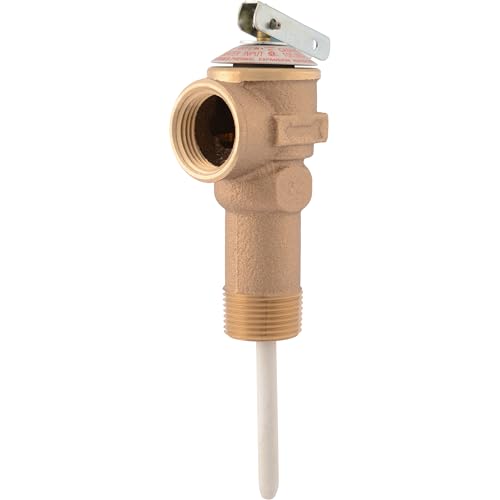
Service also includes checking controls, temperature setting, visible corrosion, and any signs that the pressure relief path has discharged. Those parts do not always fail loudly, but they can determine whether the heater is safe to leave in service.
On rentals, the practical standard is simple: if a part affects temperature, drainage, or leak control, it belongs on the service checklist.
When should you replace the anode rod in a rental water heater?
Replace the anode rod when it is badly pitted, heavily eaten away, or too deteriorated to keep protecting the tank. In a rental, inspection should happen during drain service, and replacement should be scheduled sooner if occupancy is heavy or the water quality is hard.
What pitting means
Surface wear is normal, but severe pitting means the rod has given up too much material. Once that happens, the tank takes more corrosion risk, which can shorten service life and raise the chance of leaks.
If the rod is difficult to remove and the heater is older, that is another reason to involve a plumber or plumbing service provider.
Why rental use changes the timing
Guest turnover increases demand on the heater and can speed up wear. A tank that sees many showers in a week should not be treated like a lightly used second home.
If the property has hard water, anode inspection should move up in priority because scale and corrosion issues tend to appear sooner.
How can you keep a water heater from failing during peak season?
The best protection is to service before the season starts, not after the first failure. Flush sediment, verify restart response, inspect the anode rod, and make sure the drain valve and shutoff are usable before occupancy climbs.
Use a pre-season checklist
Before the busy calendar begins, confirm that the heater starts cleanly, heats evenly, and shows no leak signs at the base or fittings. A pre-season service is the right time for parts that are difficult to reach when the property is occupied.
Keep a fast escalation path
Have a plumber or local plumbing service provider on call for stuck valves, gas concerns, inaccessible components, or repeat complaints from guests. In a rental, the cost of a quick service call is often lower than the cost of a lost night or a compensation claim.
Track the property, not just the calendar
Use the booking pattern to decide service frequency. A heavily occupied rental needs more frequent checks than a second home, and a unit that sits empty for weeks needs a safe restart plan before the next arrival.
Frequently asked questions
How often should you service a water heater in a vacation rental?
Use annual service as the baseline, then tighten the schedule to every 3 to 6 months when occupancy is heavy or the water is hard. At minimum, check the unit at every turnover so you catch guest-facing problems before the next stay begins.
How do I flush a water heater safely at a rental property?
Turn the heater off first, shut off the cold water supply, open a hot faucet, and drain through the bottom valve with a hose to a safe location. After flushing, refill fully, purge air from the lines, and inspect for leaks before restoring service.