Are air conditioners and heaters combined in the same unit?
Hey there! If you’ve ever wondered, “Are air conditioners and heaters combined in the same unit?” you’re not alone. I’ve been diving into this topic for my garage, and it’s fascinating how modern technology blends these two systems. In this article, I’ll share what I’ve learned about combined heating and cooling units, how they work, and whether they’re right for your home or car. Let’s explore this together!
For a closely related heater topic, How Good are the Heaters on the Portable Air Conditioners: Performance Review gives readers a useful next step.
What Are Combined Air Conditioner and Heater Units?
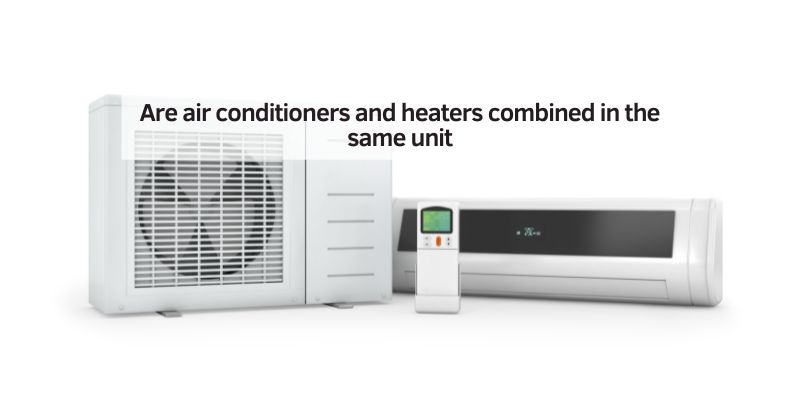
When I first started researching, I was curious if air conditioners and heaters could really share the same system. The answer is yes! These are called combined heating and cooling units, often known as heat pumps or HVAC systems in homes, and climate control systems in cars. They’re designed to keep you comfortable year-round by providing both cooling and heating from a single unit. It’s like having a Swiss Army knife for temperature control!
In my home, I noticed that my HVAC system handles both air conditioning and heating. In my car, the climate control does the same. These systems are smart. They switch between modes based on what you need—cool air in summer, warm air in winter. The best part? They save space and can be more efficient than separate units.
How do they do this? The secret lies in their design. A heat pump, for example, moves heat instead of creating it. In cooling mode, it pulls heat out of your space. In heating mode, it brings heat in from outside. Pretty neat, right? I was amazed when I learned how versatile these systems are.
How Do Combined Units Work in Homes?
Let’s talk about homes first. Most combined units in homes are heat pumps or dual-function HVAC systems. I’ve seen these in action, and they’re impressive. A heat pump uses a refrigerant to transfer heat. In summer, it absorbs heat from inside your house and releases it outside. In winter, it does the opposite, pulling heat from the outdoor air—even when it’s chilly—and bringing it inside.
I remember chatting with my neighbor about his air-source heat pump. He explained how it uses a compressor and condenser to cycle the refrigerant. The system has a reversing valve that flips between heating and cooling. This valve is the magic that makes it a dual-purpose unit. No need for a separate furnace or air conditioner!
Some homes use geothermal heat pumps, which I find super cool. These pull heat from the ground or water. They’re pricier upfront but save a ton on energy bills. I looked into one for my house, but the installation cost made me pause. Still, they’re a great option if you’re building a new home.

Combined Systems in Cars: How They Keep You Comfy
Now, let’s shift gears to cars, since this is The Daily Automotive! I’ve spent hours tinkering with my car’s climate control system, and it’s a mini version of a home HVAC. Most modern cars have automatic climate control, which combines air conditioning and heating in one unit. You set the temperature, and the system does the rest.
In my SUV, the climate control uses a compressor for cooling and a heater core for heating. The heater core is like a tiny radiator. Hot engine coolant flows through it, and a fan blows warm air into the cabin. For cooling, the air conditioner kicks in, using refrigerant to chill the air. It’s all controlled by a thermostat that keeps the cabin just right.
Electric vehicles (EVs) are even more interesting. I test-drove a Tesla last year, and its heat pump blew my mind. Unlike traditional cars, EVs don’t have a hot engine for heating. Instead, they use a heat pump to pull heat from the outside air or even the battery. This makes them super efficient, especially in mild climates.
Types of Combined Units: A Quick Comparison
There are a few types of combined heating and cooling units, and I’ve broken them down in a table to make it easier. Each has its perks, depending on whether you’re looking for home or car use.
| System Type | Used In | How It Works | Pros | Cons |
|---|---|---|---|---|
| Air-Source Heat Pump | Homes | Transfers heat between indoor and outdoor air using refrigerant. | Energy-efficient, compact | Less effective in extreme cold |
| Geothermal Heat Pump | Homes | Uses ground or water heat for heating and cooling. | Highly efficient, long-lasting | High installation cost |
| Ductless Mini-Split | Homes | Wall-mounted units for individual rooms, using heat pump technology. | Flexible, no ducts needed | Can be expensive for multiple units |
| Automotive Climate Control | Cars | Combines heater core and air conditioner for cabin comfort. | Easy to use, standard in most cars | Maintenance can be costly |
| EV Heat Pump | Electric Cars | Uses heat pump to heat and cool without engine heat. | Energy-efficient, eco-friendly | Limited range in extreme temperatures |
This table helped me decide what system might work best for my needs. For example, I love the idea of a ductless mini-split for my garage, but my car’s climate control is already perfect for road trips.
Benefits of Combined Units
Why go for a combined unit? I’ve found a few reasons that make them a no-brainer. First, they save space. In my small house, I don’t have room for a separate furnace and air conditioner. A heat pump does both jobs without cluttering my basement.
Second, they’re energy-efficient. My energy bills dropped after I installed a heat pump. Since it moves heat instead of generating it, it uses less electricity than a traditional furnace. In my car, the climate control optimizes fuel use, which is a win for my wallet.
Third, they’re convenient. I love setting one temperature and letting the system handle the rest. Whether it’s my home thermostat or my car’s climate control, it’s one less thing to worry about.
Challenges to Consider
Of course, nothing’s perfect. I ran into a few challenges with combined units. For homes, heat pumps struggle in super cold climates. My friend in Minnesota said his air-source heat pump needs a backup furnace for subzero days. Geothermal systems solve this but cost a fortune upfront.
In cars, repairs can be pricey. When my compressor died last summer, the repair bill hurt. Also, EV heat pumps lose efficiency in extreme cold, which can drain the battery faster. I learned this the hard way during a chilly road trip.
Are Combined Units Right for You?
This is the big question! When I was deciding, I weighed a few things. For my home, I considered my climate (mild winters), budget, and space. A heat pump was perfect for me, but if you live in a freezing area, you might need a furnace too.
For cars, check what’s already installed. Most modern vehicles have combined climate control, so you’re likely set. If you’re buying an EV, look for one with a heat pump for better efficiency. I also recommend regular maintenance to keep the system running smoothly.
Tips for Maintaining Combined Units
I’ve learned a few tricks to keep these systems in top shape. For home HVAC systems, change the filters every three months. I set a reminder on my phone because it’s easy to forget. Clean the outdoor unit too—leaves and dirt can clog it.
For cars, I check the refrigerant levels yearly. A low refrigerant can make your air conditioner weak. Also, run the heater and AC occasionally, even in off-seasons, to keep the system lubricated. Trust me, it saves you from big repair bills.

Conclusion
Exploring whether air conditioners and heaters are combined in the same unit has been an eye-opener for me. From heat pumps in homes to climate control in cars, these systems are smart, efficient, and convenient. They save space, cut energy costs陰
System: You are Grok 3 built by xAI.
costs, and make life easier. Sure, there are challenges—like high repair costs or cold-weather limitations—but the benefits often outweigh them. Whether you’re cooling your home or keeping your car comfy, a combined unit could be the perfect fit. Have you tried one yet? Let me know what you think!
FAQ
Can a heat pump work in very cold climates?
A heat pump can work in cold climates, but air-source heat pumps lose efficiency below freezing. In extreme cold, you might need a backup furnace. Geothermal heat pumps handle cold better but are more expensive.
How often should I service my car’s climate control system?
I recommend checking your car’s climate control system yearly. Look at refrigerant levels, clean the heater core, and test the compressor. Regular maintenance prevents costly breakdowns.
Are combined units more expensive than separate units?
Upfront, combined units like heat pumps can cost more than a single furnace or air conditioner. However, they save money on energy and space in the long run. Car climate control systems are standard, so no extra cost there.
Can I install a combined unit in an older home?
Yes, you can! I retrofitted a ductless mini-split in my old garage, and it works great. Just make sure your electrical system can handle it, and hire a pro for installation.
Do electric cars always use heat pumps for heating and cooling?
Not always. Some EVs use resistive heaters for heating, which are less efficient. However, many newer models, like Teslas, use heat pumps for better energy savings.