Are Bed Bugs Attracted To Heaters? Proven Essential Guard
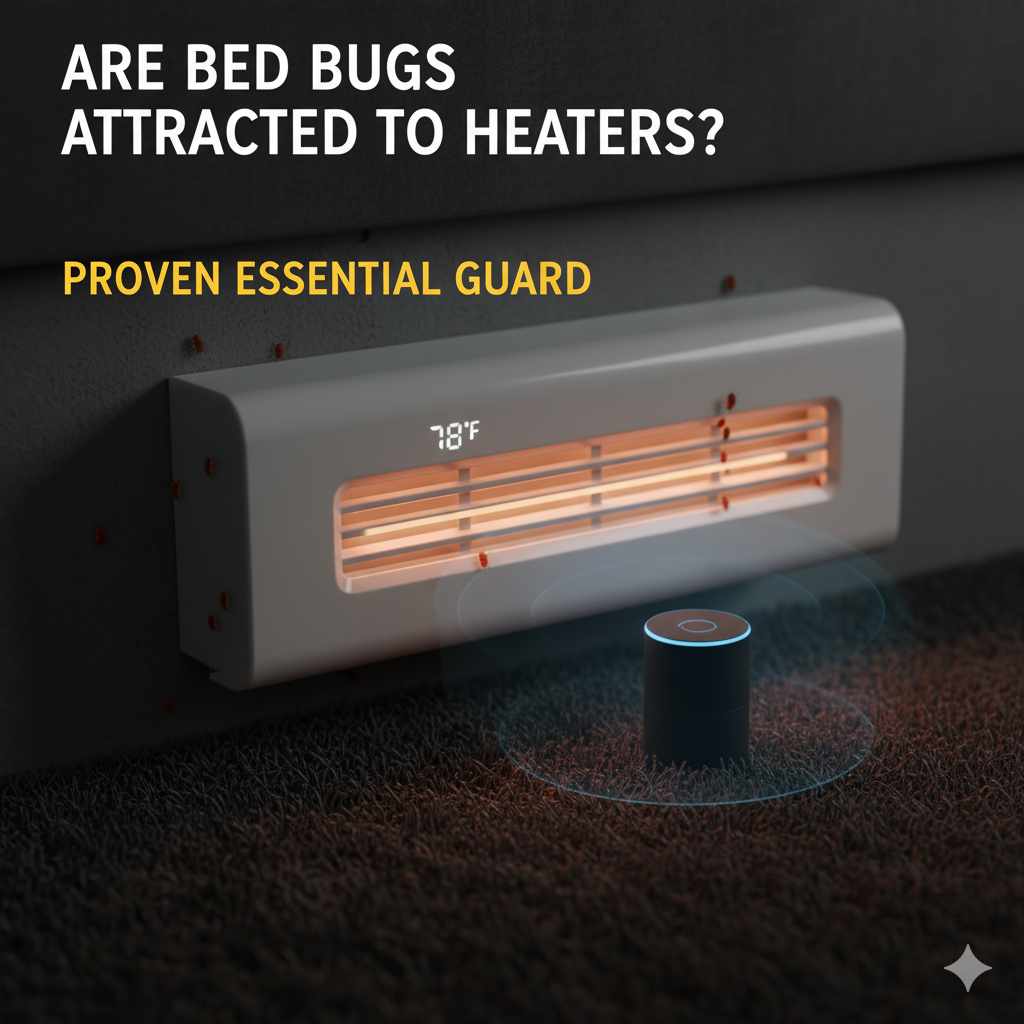
Bed bugs are primarily attracted to warmth and carbon dioxide, not directly to heaters themselves. While they seek cozy spots, a heater’s radiation might indirectly draw them closer, but it’s not a definitive lure. Understanding their behavior is key to prevention and elimination.
Feeling a chill in your home and reaching for a heater is a common comfort ritual. But as the warmth spreads, a quiet worry might creep in: could this cozy environment also be attracting unwanted guests? Specifically, are bed bugs attracted to heaters? It’s a question many homeowners ask, especially during colder months when bed bugs might seek refuge in warmer indoor spaces. Don’t let this concern add to your worries. Tanim is here to help you understand this topic clearly and simply. We’ll explore exactly how bed bugs react to heat sources like your essential home heaters, so you can enjoy a warm home safely and confidently. Let’s uncover the truth and learn how to keep your cozy haven pest-free!
Understanding Bed Bug Attraction: What Really Draws Them In?
Bed bugs are tiny, resilient insects that can be a real nuisance. To keep your home safe and cozy, it’s important to know what makes them tick. They aren’t drawn to heaters in the same way a flower draws a bee, but rather by the universal signals of life and comfort. Let’s break down their primary attractions:
The Scent of Life: Carbon Dioxide and Other Cues
When we breathe, we release carbon dioxide. This gas is like a beacon to bed bugs, signaling that a potential meal (that’s you!) is nearby. They can detect this even from a distance.
- Carbon Dioxide (CO2): This is their main long-distance attractant. It tells them someone is breathing, and therefore, likely sleeping or resting.
- Body Odor: Bed bugs also pick up on the subtle scents our bodies release. These natural odors help them pinpoint a host once they are closer.
- Host Body Heat: Once they are within range, the warmth radiating from a human or animal is a very strong cue. It helps them find a comfortable spot to feed.
The Lure of Warmth: A Cozy Haven
Bed bugs thrive in temperatures between 70°F and 80°F (21°C to 27°C). This is very similar to human body temperature. Because of this, they naturally gravitate towards places that offer consistent warmth. This is where heaters can come into play, but not always in the way you might think.
Think of it this way: a bed bug is looking for a place to hide and feed comfortably. A warm spot is generally a desirable hiding spot. So, while they aren’t attracted to the heater itself, the general warmth in an area that contains a heater might draw them in. They are more interested in the cozy nesting spots that a warmer environment provides, and a heater can contribute to that general warmth. They prefer undisturbed, accessible locations that provide warmth and shelter, like cracks, crevices, and tucked-away spaces near where people and pets sleep.

Do Bed Bugs Like Heaters? The Nuance Explained
This is the core question, and the answer isn’t a simple yes or no. When people ask if bed bugs are attracted to heaters, they often imagine the bugs swarming a space heater. That’s not quite right. Here’s a more accurate picture:
Indirect Attraction: The Warmth Factor
Bed bugs evolved to seek out warm places to live and harbor. Human body temperature is ideal for them. When you turn on a heater, especially a portable space heater or a central heating system, it increases the ambient temperature of a room or an area. This general increase in warmth can make that area more appealing as a hiding spot for bed bugs. They are drawn to the overall comfortable temperature, not the heating element itself.
Imagine a room where you’ve turned on a space heater. The air around the heater is warmer, and so are the surfaces nearby. Bed bugs might move towards this warmer zone to get closer to their potential food source (you or your pets) or to find a cozy crevice to hide in. They are looking for a stable, warm environment where they can rest and lay eggs.
What About Extreme Heat?
While bed bugs seek warmth, extreme heat is their enemy. High temperatures, well above their preferred range, are actually used as a method to eliminate them. Professional pest control services and even DIY methods often involve using heat treatments to kill bed bugs and their eggs. Temperatures above 110°F (43°C) for an extended period can be lethal to bed bugs.
This is a crucial piece of information. If a heater were to get hot enough to be dangerous to humans, it would also be dangerous to bed bugs. So, the heat that makes your room comfortable won’t typically attract them in a way that is harmful to you. They are seeking comfort, not self-destruction.
Heated Areas as Harborage Sites
Bed bugs need places to hide that are close to where their hosts (people and pets) spend a lot of time. They like to stay within a few feet of sleeping areas. If your heater is located near a bed, couch, or armchair, the surrounding area might become attractive because it offers both proximity to a food source and a comfortable temperature. They might hide in the furniture, wall voids, or even behind electrical outlets near the heater, not necessarily in the heater itself.
For instance, if you have a baseboard heater, the wall cavity behind it could be a prime hiding spot. If you use a portable heater in a corner, bed bugs might infest the baseboards or furniture in that general vicinity. They are opportunistic and will exploit any warm, dark, and accessible crevice.
Deciphering Bed Bug Behavior Around Heat Sources
To truly understand if bed bugs are attracted to heaters, we need to look at their behavior and preferences. They are creatures of habit and have specific survival needs:
Preferred Temperatures and Why
Bed bugs are most active and reproduce best in temperatures ranging from 70°F to 90°F (21°C to 32°C). This range aligns closely with human body temperature, making humans and pets ideal hosts. When a room is heated to a comfortable level within this range, it becomes a more hospitable environment overall. They don’t necessarily seek out the direct heat source, but rather the warm, stable environment it creates, especially if it’s near their preferred resting places.
The Role of Shelter and Hiding Spots
Bed bugs are nocturnal and prefer to hide in dark, secluded places during the day. They are masters of finding tiny cracks and crevices. If your heater has nooks, crannies, or is near furniture with such spots, these become attractive to bed bugs looking for daytime shelter. They will exploit any suitable harborage, and a warm location simply adds to its appeal. This could include:
- Cracks in the wall near the heater.
- The seams and folds of any nearby furniture (beds, couches).
- The underside of shelves or tables.
- Inside electrical outlets (a common hiding spot).
- Areas where the wall meets the floor or ceiling.
Why They Avoid Extreme Heat
It’s vital to reiterate that bed bugs are seeking comfortable warmth, not scorching heat. If operating a heater causes surfaces to become dangerously hot to the touch for humans, it may kill bed bugs that are in direct contact with those surfaces. However, bed bugs are adept at finding cooler microclimates. They will move away from excessive heat.
For example, if a space heater is placed too close to a wall, the wall itself might get hot. Bed bugs hiding within the wall, but further away from the direct heat flow, could survive. They will seek out the cooler pockets. This is why heat treatments, while effective, must be carefully managed by professionals to ensure consistent, lethal temperatures throughout the entire infested area.
Comparing Different Types of Heaters and Bed Bug Behavior
Different types of heaters warm your home in various ways, and this can subtly influence how bed bugs interact with the heat.
Portable Space Heaters (Ceramic, Oil-Filled Radiators, Infrared)
These heaters directly heat the air or objects in a room. They raise the ambient temperature.
Ceramic and Fan Heaters: These tend to heat the air quickly, making the immediate vicinity of the heater warmer. Bed bugs might be drawn to the general warmth of the room or seek out cooler spots nearby if the heater’s direct heat is too intense.
Oil-Filled Radiators: These provide a more consistent, gentler heat and tend to heat objects and surfaces. This can create a generally more comfortable warm zone that bed bugs might find attractive for harboraging.
Infrared Heaters: These heat objects and people directly, rather than the air. While the target gets warm, the surrounding air might not change as dramatically. Bed bugs might be more attracted to the warm surfaces directly illuminated by the infrared rays or the people being warmed.
Central Heating Systems (Furnaces, Boilers)
These systems heat the entire house.
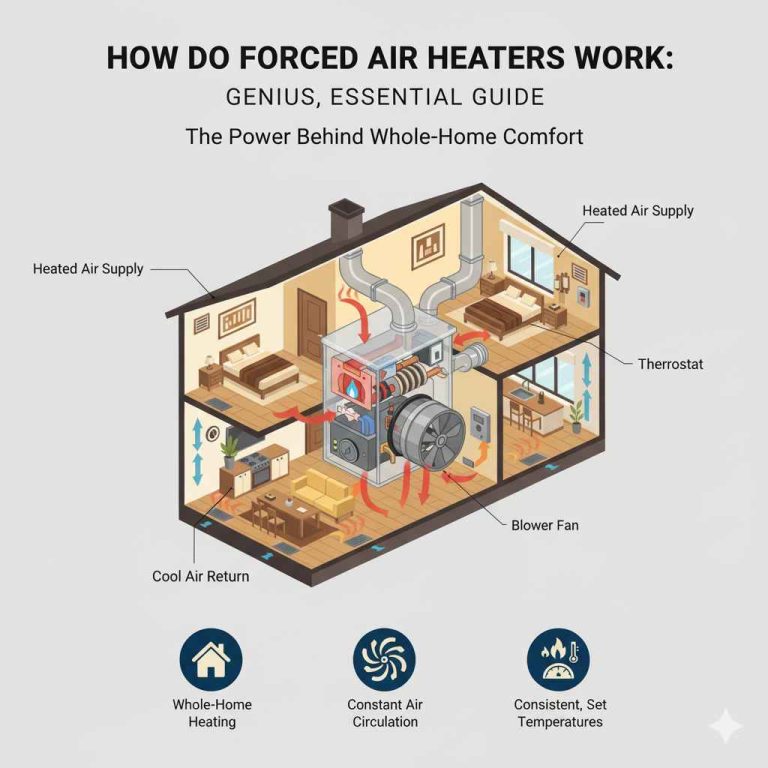
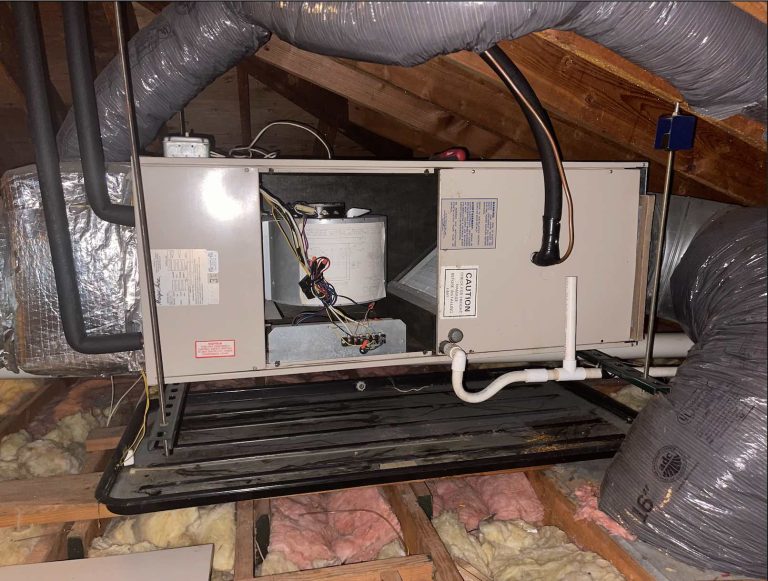
Furnaces (Forced Air): They distribute warm air through ducts. Bed bugs might congregate near vents if the airflow isn’t too disruptive or in warmer parts of the house that the system heats more effectively. They are more likely to be found in wall voids or floor cracks near the main heating distribution points.
Boilers (Hydronic/Radiator Heat): These heat water that circulates through radiators or baseboard heaters. Baseboard heaters, often located along walls, can create warm areas on floors and walls that might appeal to bed bugs seeking shelter. Cracks and crevices around these units can become prime harborages.
Natural Heat Sources (Sunlight, Wood-Burning Stoves)
While not technically “heaters” in the appliance sense, these provide warmth and can influence bed bug behavior.
- Sunlight: Direct sunlight can significantly heat surfaces. While bed bugs are sensitive to UV light and avoid direct sun exposure, the warm spots created by sunlight on furniture or floors could be attractive for short periods, especially if they are near a hiding spot.
- Wood-Burning Stoves: These create intense localized heat. Bed bugs would likely avoid the direct heat but might be attracted to warmer, but not excessively hot, areas of the room or nearby furniture where they can hide.
The key takeaway is that bed bugs are drawn to comfortable warmth and places that offer shelter. They aren’t attracted to the act of heating but rather the result of a warmer environment, particularly if it’s near their food source and offers good hiding spots.
Why This Matters: Practical Tips for a Bed Bug-Resistant Warm Home
Knowing how bed bugs interact with warmth helps you take smart steps to keep them out and to deal with them if they show up. Here are some practical tips:
1. Seal and Caulk Entry Points
Bed bugs can travel through tiny gaps. Sealing cracks in walls, around baseboards, and near windows and doors makes it harder for them to move from room to room or from outside your home. This is especially important in areas where heaters are located, as gaps can provide easy access to warmer harborages.
- Use caulk to seal gaps around baseboards, window frames, and door frames.
- Repair any holes or cracks in walls or plaster.
- Ensure that any large gaps around pipes or electrical outlets are sealed.
2. Declutter Your Home
The fewer places bed bugs have to hide, the better. Clutter provides numerous hiding spots for these pests, and warm temperatures can even accelerate their reproduction.
- Keep your living spaces tidy, especially around sleeping areas.
- Store items in sealed plastic containers rather than cardboard boxes, which are prime bed bug real estate.
- Regularly vacuum carpets, furniture, and even mattress seams to disrupt potential hiding spots.
3. Inspect and Clean Regularly
Be vigilant, especially if you live in an area known for bed bug issues or if you travel frequently.
- Examine Your Heater: Periodically inspect your heater, especially portable ones, for any signs of infestation. Look for tiny eggs, shed skins, or live bugs. Clean dust and debris from around and on the heater itself.
- Check Upholstered Furniture: Pay close attention to seams, tags, and any folds where bed bugs love to hide.
- Mattress and Box Spring Inspection: Use a flashlight to check the seams of your mattress and box spring.
4. Bed Bug Heat Treatments: Understanding the Science
As we’ve established, heat is a highly effective method for killing bed bugs. While you shouldn’t rely on your standard home heater to do this job, professionals use specialized equipment to raise the temperature of an entire room or home to lethal levels for bed bugs. This can be much more efficient than chemical treatments for large infestations. Websites like the Environmental Protection Agency (EPA) offer detailed information on integrated pest management strategies, including heat treatments. You can find guidance on their official site, often under sections related to household pests and safe pest control methods, such as this page on bed bug control: EPA Bed Bug Control.
5. Maintain Optimal Home Temperature
While bed bugs like warmth, they don’t necessarily thrive in overly heated environments if it’s uncomfortable. Maintaining a comfortable temperature for your household (typically between 68°F and 75°F or 20°C to 24°C) is usually sufficient. Avoid excessively high temperatures purely for the sake of trying to deter bed bugs, as this is energy-inefficient and not a guaranteed solution.
6. Professional Inspections and Treatments
If you suspect a bed bug infestation, acting quickly is crucial. Contacting a professional pest control service is often the most effective route. They have the expertise and tools to identify and eliminate bed bugs thoroughly. They can also advise on preventative measures tailored to your specific home and situation.
It’s often recommended to consult with a licensed pest management professional who can provide expert advice and treatments. Resources from university extension offices, like those found at UC IPM, offer excellent, research-based guidance on managing pests, including bed bugs, in a safe and effective manner.

Frequently Asked Questions About Bed Bugs and Heaters
Here are some answers to common questions that might be on your mind:
Q1: Do bed bug sniffing dogs work with heaters nearby?
A: Yes, dogs trained to detect bed bugs can still be effective even if heaters are present. While the dogs are trained to detect the scent of bed bugs, strong competing odors or extreme heat could potentially interfere with their accuracy. However, professional handlers are trained to manage these conditions, and the dogs can usually pinpoint infestations even in heated environments.
Q2: Will my electric heater kill bed bugs if they crawl inside it?
A: It’s unlikely that a standard electric heater used for home comfort will get hot enough to kill bed bugs effectively. While some internal components might reach higher temperatures, bed bugs are also good at hiding in cooler pockets within the device. Specialized heat treatment equipment is needed to reach lethal temperatures consistently throughout an infested area.
Q3: If I turn up the heat in my house, will that get rid of bed bugs?
A: Simply turning up the thermostat for your central heating system is generally not an effective way to eliminate bed bugs. Bed bugs are resourceful and will seek out cooler microclimates within your home. For heat to be lethal, temperatures must reach consistently high levels (above 120°F or 49°C) throughout the infested area for an extended period, which is typically only achieved through professional heat treatments.
Q4: Can bed bugs hide in the heating vents?
A: Yes, bed bugs can potentially hide in or near heating vents, especially if the vents are close to a sleeping area or provide access to wall voids that offer harborage. They are attracted to dark, protected spaces. While the airflow from vents might be disruptive, the surrounding areas or the ductwork itself could be a resting place.
Q5: Is there a specific type of heater that attracts bed bugs more than others?
A: Bed bugs are not attracted to the type* of heater itself but rather the consistent, comfortable warmth it provides. Any heater that contributes to a generally warmer environment, especially near sleeping areas, could indirectly make that area more appealing for harborage. They are opportunists, seeking out cozy, dark places.
Q6: Should I be worried about bed bugs if I use a space heater in my bedroom?
A: You should always be mindful of bed bugs, regardless of whether you use a space heater. A space heater can contribute to a warmer room, which might make the area slightly more attractive for bed bugs seeking comfortable harborages. However, the primary attractants are still carbon dioxide, body heat, and the availability of hiding spots. Staying vigilant with inspections and cleanliness is key.