Electric Baseboard Heaters vs Mini Split: Essential Choice
Electric baseboard heaters vs mini split: For comfort and efficiency, mini-splits offer superior, zoned heating and cooling. Baseboard heaters are simpler and cheaper upfront but less efficient and control heating room-by-room. Consider your budget, home size, and whether you need cooling when making your essential choice.
For a related heater topic, Class C RVs With Heater: Essential! gives readers a useful next step.
Choosing the right heater for your home can feel like a puzzle! You want to stay warm and cozy, but also keep an eye on your energy bills. Two popular options often come up: electric baseboard heaters and mini-split systems. While both heat your home, they work in very different ways and offer distinct benefits. Don’t worry, I’m Tanim, and I’m here to help you understand each one clearly. We’ll break down exactly what they are, how they compare, and guide you to the best choice for your home. Let’s make this decision easy and get you comfortable!
Understanding Electric Baseboard Heaters
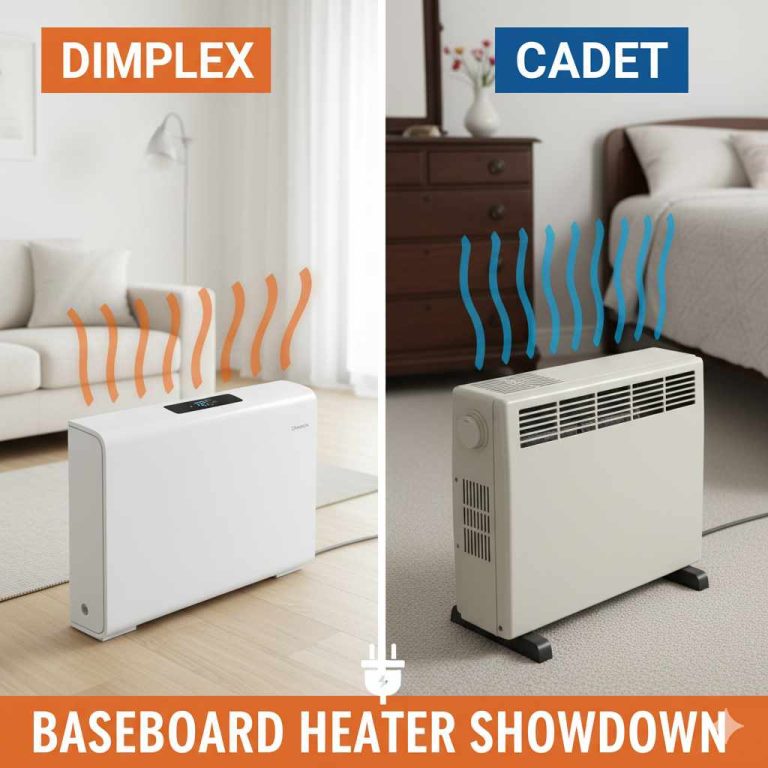
Imagine a long, slim heater that runs along the bottom of your walls, right where they meet the floor. That’s an electric baseboard heater! They are a very common sight in many homes, especially older ones.
These heaters work by using electricity to warm up metal fins inside the unit. A fan or natural air currents then push this warm air out into the room. Because they heat the air directly, you feel the warmth almost immediately when they’re on.
How They Work: Simple and Direct
When you turn on a baseboard heater, electricity flows through a heating element, making it hot. This heat is then transferred to the surrounding air. The warmed air rises, and cooler air is drawn into the baseboard heater to be warmed in turn. This creates a gentle convection current that circulates warm air throughout the room.
Pros of Electric Baseboard Heaters
- Lower Upfront Cost: Compared to other heating systems, baseboard heaters are usually much cheaper to buy and install.
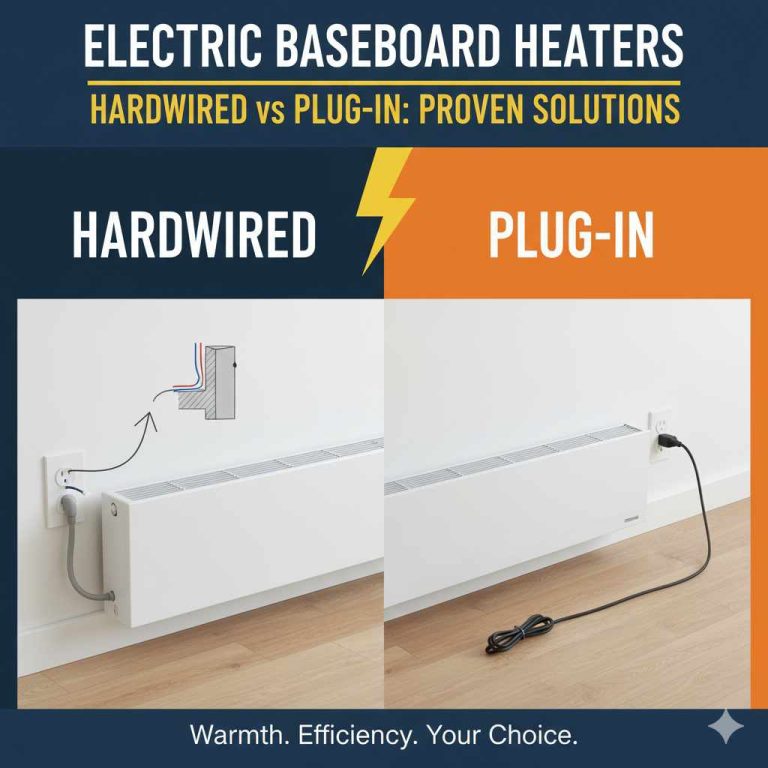
- Easy Installation: They are typically straightforward to install. Many can be set up by a qualified electrician without major renovations.
- Zoned Heating: Each baseboard heater has its own thermostat, allowing you to control the temperature of individual rooms. This is great for rooms you don’t use often, as you can turn them down to save energy.
- No Ductwork Required: Unlike central heating systems, they don’t need messy ductwork running through your walls and ceilings.
- Quiet Operation: Most baseboard heaters are very quiet, making them a good choice for bedrooms.
Cons of Electric Baseboard Heaters
- Higher Operating Costs: Electricity can be an expensive way to heat a home, and baseboard heaters can be less energy-efficient than other systems, leading to higher monthly bills.
- Can Dry Out Air: The direct heating method can sometimes lead to dry indoor air, which might be uncomfortable for some people and can exacerbate respiratory issues.
- Limited Airflow: The heat output is localized, and it might take longer to heat a larger room evenly.
- Aesthetic Concerns: Some people find the look of baseboard heaters less appealing than other heating solutions.
- Safety Concerns: While generally safe, they can be a hazard if furniture or curtains are placed too close, as they can overheat and pose a fire risk. Always ensure proper clearance.

Understanding Mini-Split Systems
Mini-split systems, also known as ductless mini-splits or heat pumps, are a more modern and versatile heating and cooling solution. They’re a fantastic option for homeowners looking for efficiency and precise control.
A mini-split system has two main parts: an outdoor unit (like a condenser) and one or more indoor units (air handlers) that are mounted on walls or ceilings. These units are connected by a conduit that contains refrigerant lines, power cables, and a condensate drain. The magic is that they can both heat and cool your home!
How They Work: Heat Pumps in Action
Mini-splits are a type of heat pump. In heating mode, they work like a refrigerator in reverse. They extract heat from the outside air, even when it’s cold, and transfer it indoors. In cooling mode, they reverse the process, extracting heat from inside your home and releasing it outside. This process is much more energy-efficient than creating heat by burning fuel or using electric resistance.
The Department of Energy notes that “Heat pumps can efficiently provide heating, cooling, and hot water. They work by moving heat rather than by creating it.” This efficiency is a key advantage.
Pros of Mini-Split Systems
- High Energy Efficiency: Mini-splits are incredibly energy-efficient, especially for heating. Because they move existing heat rather than generating it, they can provide more heat using less electricity than resistance heaters. This usually means lower energy bills.
- Both Heating and Cooling: This is a major advantage! One system provides comfortable temperatures year-round, eliminating the need for separate air conditioning units.
- Zoned Comfort: Each indoor unit can be controlled independently with its own remote. This means you can heat or cool specific rooms to different temperatures or turn them off when not in use, saving energy.
- Improved Air Quality: Many mini-split units come with advanced air filtration systems that can help remove dust, pollen, and other allergens, improving the air you breathe.
- Quiet Operation: The outdoor unit is the loudest part, and even that is designed to be relatively quiet. The indoor units are typically whisper-quiet.
- Sleek Design: Indoor units are often mounted high on walls and have a modern, unobtrusive look.
Cons of Mini-Split Systems
- Higher Upfront Cost: Mini-splits have a significantly higher initial purchase and installation cost compared to electric baseboard heaters.
- Professional Installation Required: Installation is more complex and requires a qualified HVAC technician to ensure proper setup and efficiency.
- Aesthetics (Indoor Units): While sleek, some people prefer not to have visible indoor units mounted on their walls.
- Performance in Extreme Cold: While modern mini-splits are much better, their heating efficiency can decrease in very extreme sub-zero temperatures, though many can still operate effectively down to very low degrees.
Electric Baseboard Heaters vs Mini Split: A Direct Comparison
Let’s break down how these two systems stack up against each other for your home. Understanding these differences will help you make the best choice.
Heating Power and Efficiency
Electric baseboard heaters use electric resistance to generate heat. This is a simple but often less efficient method for heating a whole home. Mini-splits, on the other hand, are heat pumps. They transfer heat from one place to another, which requires much less energy than creating heat from scratch. This makes them significantly more energy-efficient, especially in milder climates.
Installation and Setup
Installing electric baseboard heaters is generally straightforward and less invasive. An electrician can usually wire them up quickly. Mini-splits require a more involved installation. Refrigerant lines and electrical wiring need to be run between the indoor and outdoor units, and the outdoor unit needs a suitable location. It requires an HVAC professional.
Cost: Upfront vs. Long-Term
This is a big factor for most homeowners. Electric baseboard heaters win in terms of upfront cost. They are much cheaper to purchase and install. However, their operating costs tend to be higher due to their lower energy efficiency. Mini-splits have a higher initial investment, but their superior energy efficiency can lead to substantial savings on your utility bills over time, often paying back the difference in cost.
Zoning and Control
Both systems offer zoned heating. Baseboard heaters allow you to control each heater with its own thermostat, turning specific rooms on or off. Mini-splits offer even more granular control, with each indoor unit having its own thermostat, often adjustable via a remote or smartphone app. This allows for precise temperature settings in different zones.
Air Quality and Comfort
Mini-splits often come with advanced air filters that can significantly improve indoor air quality by removing allergens and pollutants. They also tend to provide more consistent and even heating (and cooling) than baseboard heaters, which can sometimes lead to hot and cold spots. Baseboard heaters can sometimes dry out the air.
Functionality: Heating Only vs. Heating and Cooling
Electric baseboard heaters are strictly for heating. If you need air conditioning, you’ll need a separate system. Mini-splits are dual-purpose: they provide both efficient heating and effective cooling, acting as a complete HVAC solution.
Comparing Costs: A Snapshot
To help visualize the differences, let’s look at a simplified comparison:
| Feature | Electric Baseboard Heaters | Mini-Split Systems |
|---|---|---|
| Upfront Cost | Low | High |
| Operating Cost (Energy Bills) | High | Low (due to efficiency) |
| Energy Efficiency | Lower | Very High |
| Installation Complexity | Simple, typically electrician | Complex, requires HVAC technician |
| Heating & Cooling Capability | Heating only | Heating and Cooling |
| Zoning Control | Per unit/room | Per indoor unit, often app-controlled |
| Air Quality Features | Basic or none | Often advanced filtration |
| Lifespan | 20-30 years | 15-20 years (outdoor unit), Indoor units can vary |
Making the Essential Choice for Your Home
Deciding between electric baseboard heaters and mini-splits isn’t about which one is “better” in general, but which one is “better” for your specific needs and situation. Here’s how to think through it:
Consider Your Climate
If you live in a region with mild winters and hot summers, a mini-split is an excellent all-in-one solution. For areas with extremely harsh winters where you might need supplementary intense heat, you might still need to consider other options or ensure your mini-split is adequately sized and rated for those temperatures. Baseboard heaters can work in any climate but will be expensive to run in cold ones.
Evaluate Your Budget
Be realistic about your budget. If the upfront cost of a mini-split is prohibitive right now, electric baseboard heaters can be a functional and affordable starting point. However, think about the long-term savings. If you plan to stay in your home for many years, the energy savings from a mini-split can offset its higher initial price.
Assess Your Home’s Needs
- Whole-Home Heating vs. Room-Specific: Do you need to heat entire rooms consistently, or are you looking to supplement an existing system or heat only specific areas? Baseboard heaters are great for supplemental heat or specific rooms. Mini-splits excel at providing primary, whole-home or multi-zone heating and cooling.
- Need for Cooling: This is a deciding factor. If you need air conditioning, a mini-split system is a clear winner, providing both functions in one.
- Existing Infrastructure: Do you have existing ductwork? If so, a traditional central HVAC system might be an option. Without ductwork, both baseboard heaters and mini-splits are viable, but mini-splits offer more advanced comfort.
- Home Age and Insulation: A well-insulated, newer home will benefit more from the efficiency of a mini-split. Older, less insulated homes might struggle to retain heat from either system, but the direct heating of baseboards can sometimes feel more immediate.
Installation and Professional Advice
For electric baseboard heaters, you’ll primarily need an electrician. For mini-splits, it’s crucial to consult with qualified HVAC professionals. They can assess your home, calculate your heating and cooling load, and recommend the right size and number of units for optimal performance and efficiency. Don’t hesitate to get multiple quotes and ask questions!
Environmental Impact
Mini-splits are generally considered more environmentally friendly because they use electricity more efficiently to move heat, rather than generating it through resistance. This can lead to a lower carbon footprint, especially if your electricity comes from renewable sources.
Installation Tips and Considerations
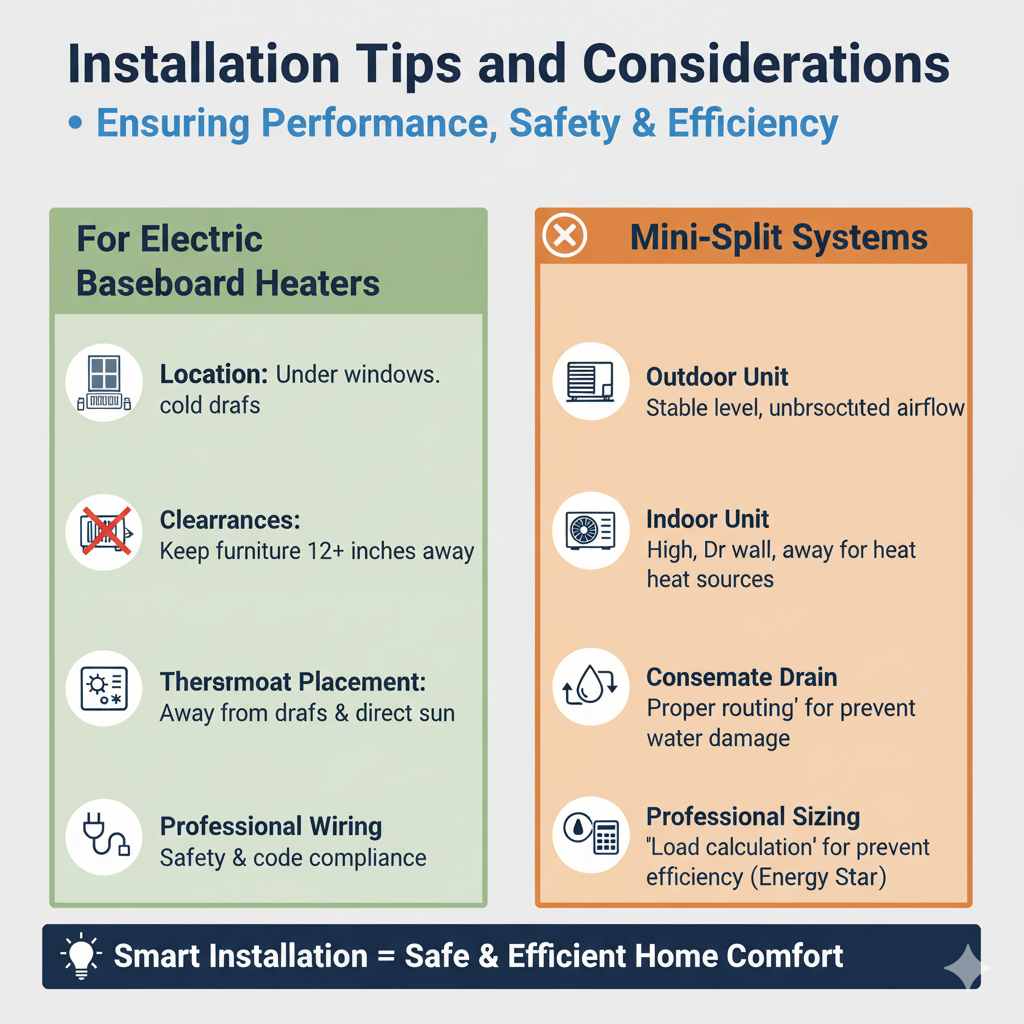
Whether you choose baseboard heaters or a mini-split, proper installation is key to performance, safety, and efficiency.
For Electric Baseboard Heaters:
- Location: Install baseboard heaters under windows where possible. This is because cold air from the window will fall, and the baseboard heater will warm it up immediately, preventing cold drafts and helping to counteract heat loss through the glass.
- Clearances: Always maintain the recommended clearances from furniture, curtains, and other combustible materials. Check the manufacturer’s manual for specific distances.
- Thermostat Placement: Ensure the room’s thermostat is not located near drafts or direct sunlight, as this can lead to inaccurate temperature readings and inefficient operation.
- Professional Wiring: While simple, it’s always best to have a qualified electrician handle the wiring to ensure safety and compliance with building codes. The U.S. Consumer Product Safety Commission (CPSC) offers valuable safety information regarding electrical heating devices.
For Mini-Split Systems:
- Outdoor Unit Placement: The outdoor unit should be placed on a stable, level surface away from direct excessive sunlight, and where airflow is not obstructed. Consider noise levels if it’s near a neighbor’s property or your own outdoor living space.
- Indoor Unit Placement: Indoor units should be mounted high on an exterior wall, out of direct traffic flow, and away from heat sources like lamps or televisions. Ensure there’s adequate space around it for air intake and distribution.
- Condensate Drain: Proper drainage for condensate is essential to prevent water damage and mold growth. The installer will ensure this line is properly routed.
- Professional Sizing: This is critical! An HVAC professional will perform a “load calculation” (sometimes called a Manual J calculation) to determine the exact heating and cooling needs of your home. An undersized system won’t adequately heat or cool, while an oversized system will cycle on and off too frequently, wasting energy and providing less comfort. Resources like Energy Star provide guidance on choosing efficient HVAC systems.
- Choosing the Right System: Discuss options with your installer, including inverter technology (which adjusts compressor speed for better efficiency) and specific SEER (Seasonal Energy Efficiency Ratio) and HSPF (Heating Seasonal Performance Factor) ratings, which indicate cooling and heating efficiency.
Frequently Asked Questions
Here are some common questions homeowners ask when comparing these two heating systems:
Q1: Which system is cheaper to run day-to-day?
A1: Generally, mini-split systems are cheaper to run because they are significantly more energy-efficient. Even though they use electricity, their method of transferring heat uses much less energy than the electric resistance heating used by baseboard heaters.
Q2: Can I replace all my baseboard heaters with a single mini-split?
A2: It depends on your home. For smaller homes or if you plan to use multiple indoor units (a multi-zone mini-split system), it’s often possible. A professional HVAC contractor can perform a load calculation to determine if a mini-split system can adequately heat and cool your entire home.
Q3: Are electric baseboard heaters safe for homes with children or pets?
A3: Electric baseboard heaters can pose a safety risk if children or pets get too close or touch them, as they can become very hot. Modern units have safety features, but furniture and curtains must always be kept clear. Mini-splits have indoor units mounted high on walls, reducing direct contact risks.
Q4: How long does it take to install each system?
A4: Installing electric baseboard heaters in a few rooms might take a day or two for an electrician. Installing a multi-zone mini-split system, however, is a more involved process that can take several days for a team of HVAC technicians.