Are All 40 Gallon Water Heaters Same Size? Essential Guide
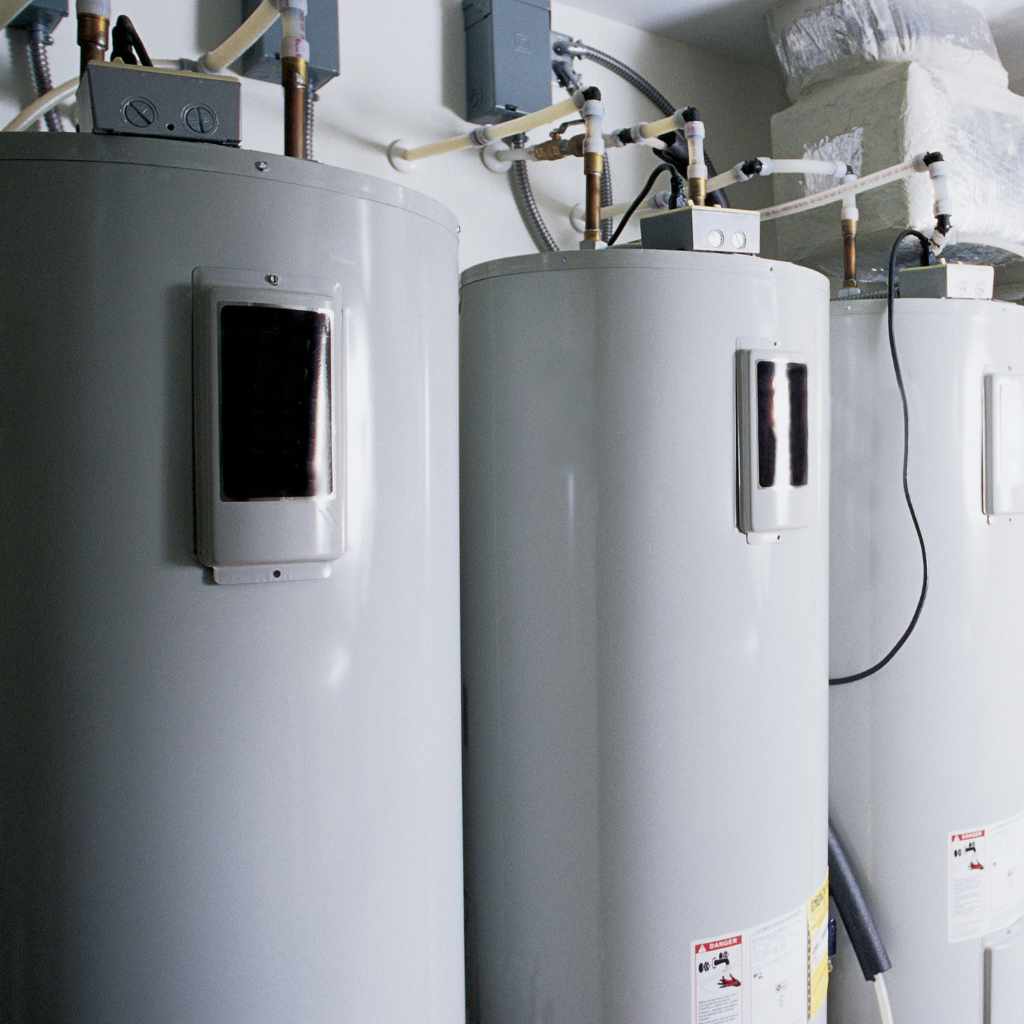
No, not all 40-gallon water heaters are the same size, especially when considering dimensions and physical space, even though the tank capacity is nominally 40 gallons. Physical height, width, and connection placements vary significantly by manufacturer and fuel type (gas vs. electric).
Thinking about replacing your trusty 40-gallon water heater? Maybe you’re upgrading from an older, less efficient model, or perhaps you’ve just moved into a home where the current heater looks a little… tired. It’s easy to assume that if a label says “40 Gallon,” it will fit perfectly into the small space where the old one sat. However, this is often where homeowners hit a surprising snag! If you’re asking, “are all 40 gallon water heaters the same size,” the short answer is a gentle but firm no.
Don’t worry! This confusion is super common. Manufacturers design heaters to meet efficiency standards (like Energy Factor ratings) and accommodate different fuel sources, which changes their external footprint. Sticking to the 40-gallon rating just means they hold the same volume of water, not that they take up the same physical real estate. We are here to take the mystery out of sizing. By the end of this guide, you will know exactly what measurements matter and how to ensure your new water heater slides right into place, keeping your home cozy and your showers hot without installation headaches.
Why Capacity Doesn’t Equal Physical Size: The Trade Secrets of Tank Design
When we talk about a “40-gallon” heater, we are strictly defining the liquid volume the tank can hold. Think of it like buying a 1-gallon milk jug versus a 1-gallon paint can—the amount of liquid is the same, but the shape, height, and width are totally different.
For water heaters, several key factors push the external dimensions of a 40-gallon model far apart:
- Fuel Type: Gas heaters require space for burners, flue venting systems that run up the center, and thicker insulation around the tank. Electric heaters have much simpler internal components, often resulting in a slimmer profile.
- Insulation Thickness: Modern, high-efficiency tanks use much thicker insulation materials to reduce standby heat loss (keeping the water hot longer). More insulation means a bigger outer jacket, even if the inner tank is still 40 gallons.
- First Hour Rating (FHR) Focus: Manufacturers achieve higher FHRs (how much hot water you use in a busy hour) sometimes through taller designs or more complex baffling systems inside the tank, affecting external height.
- Brand and Model Line: One brand’s standard efficiency model might be wider but shorter than another brand’s premium, compact model.
This means if you remove a slim, older electric 40-gallon model and try to replace it with a brand-new, highly efficient gas 40-gallon model, you might find the new one is too tall for your utility closet ceiling or too wide for the available wall space.
The Crucial Dimensions: What You MUST Measure Before Buying
Because manufacturers don’t stick to a universal size chart for their 40-gallon tanks, you cannot rely only on the capacity number when shopping. You must measure the space you have available critically. We need to look beyond gallons and focus on inches.
1. Width (Diameter)
This measurement is critical, especially in tight spaces like narrow closets or against basement support beams. Gas water heaters often have wider diameters due to the combustion components and outer jacket.
General Guideline for 40-Gallon Tanks:
- Electric Models: Typically range from 20 to 22 inches in diameter.
- Gas Models: Can range from 22 to 25 inches in diameter.
Pro Tip for Safety: Always leave at least 2 to 3 inches of clearance around the sides of the heater. This space is vital for proper ventilation (especially for gas heaters), accessing plumbing connections, and routine maintenance without straining.
2. Height
The height measurement determines if the unit will fit underneath dangling pipes, low ceiling joists, or shelving common in utility areas.
General Guideline for 40-Gallon Tanks:
- Heights commonly fall between 58 and 65 inches tall.
- Taller units are usually modern, highly insulated models or gas units requiring extra vertical height for the flue.
Crucial Check: When measuring height, measure from the floor all the way to the highest point of the unit, which might include the flue collar or pipe connections sticking out the top.
3. Connection Placement and Accessibility
Even if the tank fits perfectly into the space, it won’t help if you can’t connect the pipes! The location of the cold water inlet and hot water outlet ports can differ.
On older units, these might be directly on top. On some modern, short-and-wide models, they might be placed further toward the side, known as top-side or side-entry connections. If your existing copper or PEX lines come up through the floor directly to the top center, moving to a unit where the inlet/outlets are offset might mean needing extra piping work, adding labor and cost.
| Measurement Factor | Key Consideration for 40-Gallon Heaters |
|---|---|
| Diameter/Width | Gas models tend to be wider than electric models due to venting needs. |
| Overall Height | Modern efficiency standards often lead to taller units because of extra insulation. |
| Fuel Type Impacts | Gas units require significant vertical clearance for the flue pipe connection on top. |
| Plumbing Location | Check if water inlets/outlets are on the top center or slightly offset, which affects pipe alignment. |
Gas vs. Electric 40-Gallon Heaters: The Sizing Showdown
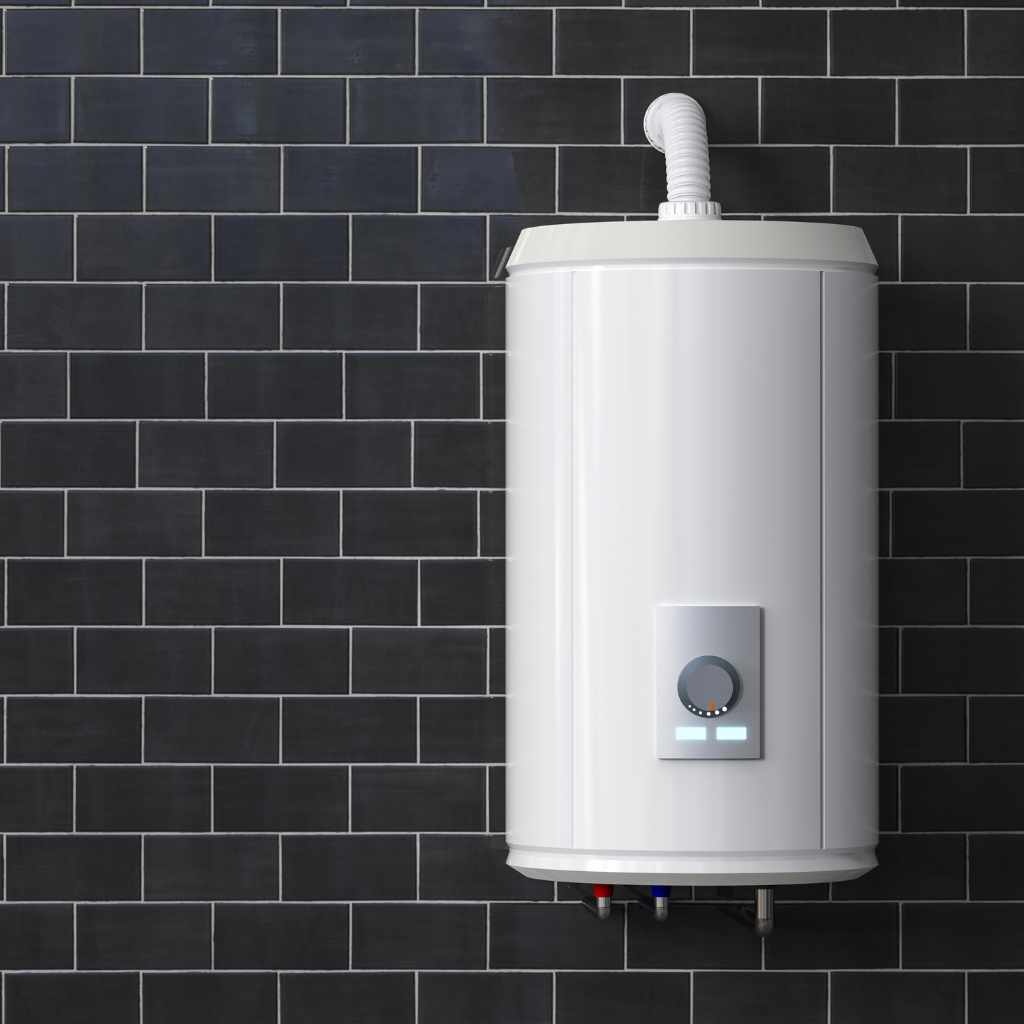
The single biggest driver of size difference in the 40-gallon category is often the fuel source. Understanding these differences upfront saves you from nasty surprises when the delivery truck arrives.
The Takeaway for Gas 40-Gallon Heaters
Gas water heaters use natural gas or propane to heat the water. They require a burner at the bottom and a flue (chimney pipe) running up the center to exhaust combustion gases safely. This setup mandates a larger physical presence.
Why They Are Usually Bigger:
- Bigger space needed for the combustion compartment at the base.
- The central flue pipe takes up space inside the tank housing.
- Thicker thermal baffling around the flue helps transfer heat efficiently, adding to the diameter.
The Takeaway for Electric 40-Gallon Heaters
Electric heaters use heating elements submerged directly into the water. This requires no combustion or venting system, making them inherently simpler and often allowing for a much more compact design.
Advantages in Size:
- They can often be slimmer (lower diameter).
- They benefit from being able to use much less airspace above the tank, often fitting into tighter spots under stairs or low ceilings.
- They tend to be the easiest to replace if you are swapping out an old electric heater for a new electric one.
How to Get the Right Measurements: A Step-by-Step Guide
Taking accurate measurements is the most confidence-boosting step you can take. Don’t trust your eye; use a tape measure, and measure twice!
Step 1: Assess the Current Heater’s Footprint
If the old heater is out, you must measure the area it occupied. If it’s still in place, great—measure around it.
- Measure the distance from the front wall to the back wall (Depth).
- Measure the distance from the left wall to the right wall (Width).
- Measure the distance from the floor to the lowest obstruction above it (Height).
Step 2: Account for Clearance (The Hidden Sizing)
This is the MOST important part that many beginners forget. You cannot install a new heater right up against a wall edge-to-edge. You need space for safety and serviceability.
Consulting local building codes or standards from organizations like the National Renewable Energy Laboratory (NREL) often indicates required clearances. While specific codes vary by municipality, assume you need at least:
- 3 inches on all sides for general access.
- 6 inches clearance above for gas venting connection if applicable.
- Clearance in front sufficient to remove access panels (if electric) or service the burner/drain valve.
Step 3: Measure the Plumbing Lines
Look at where your cold water enters and where the hot water exits. Measure the distance from the floor up to the center of those fittings.
Tip: If the new unit’s fittings are significantly higher or lower than the old one, you will need a plumber familiar with working with flexible connectors or modifying rigid piping.
Step 4: Verify the Fuel Type Requirements
If you are switching from electric to gas (or vice versa), the size difference will be maximized. If switching to gas, you must also confirm that:
- You have a properly sized gas line entering the area.
- You have adequate venting capacity (a flue strong enough to exhaust the combustion gases safely outside).
The Role of Energy Efficiency in Physical Dimensions
Modern appliances must meet stricter government standards for energy efficiency. For water heaters, this usually translates to a much higher Energy Factor (EF) or Uniform Energy Factor (UEF) rating. Getting a good UEF rating often requires better construction that affects size.
To outperform older units, new heaters incorporate:
- Thicker Foam Insulation: Better insulation equals slower heat loss, but it inflates the external dimensions (width and diameter).
- Advanced Water Draw Down: Some models use internal baffling (fins or tubes) to maximize the amount of usable hot water without increasing the tank volume rating. These internal structures take up physical volume inside the jacket.
- Condensing Technology (Gas Units): High-efficiency gas models might condense exhaust gases to recapture heat. This necessitates a larger overall cabinet to house the complex heat exchanger.
In short, a newer, greener, better-performing 40-gallon heater might be physically larger than a 15-year-old 40-gallon unit that performed poorly by today’s standards.
Understanding “Slim” vs. “Compact” Design Variations
When browsing specifications online, you may see marketing terms like “Slimline” or “Compact.” These terms are not standardized across the entire industry, which adds to the confusion of “are all 40 gallon water heaters the same size.”
Slimline (Usually Shorter)
These are designed primarily to fit under shelving or in basements with low support beams. They achieve this by sacrificing height and often making up the difference by being slightly wider in diameter. These are frequently electric models.
Compact (Usually Smaller Diameter)
This often refers to a model being significantly narrower than the industry average, perhaps sacrificing a little height or overall insulation thickness to fit into very narrow utility closets.
Always rely on the printed specification sheet (spec sheet) provided by the manufacturer, not just the marketing term. The spec sheet will give you the precise Height (H), Width/Diameter (W or D), and BTU/Wattage ratings you need.
Choosing the Right Fuel Type When Size is a Factor
If your current space has extremely restrictive dimensions, especially concerning height, your choice of fuel type might be limited.
Scenario 1: Space is TIGHT, especially Height is limited (e.g., under 58 inches clearance).
Recommendation: You will likely need an electric model. Gas heaters almost always require more vertical space due to the central flue leading to the vent hood. Look specifically for “Low Profile Electric” or “Short Electric” 40-gallon models.
Scenario 2: Space is TIGHT on Width (e.g., less than 21 inches clearance).
Recommendation: You will favor a slim electric heater or perhaps a specialized, small-diameter gas model (though these are harder to find in 40-gallon ratings). If you must stick to gas, you might need to consider a smaller capacity (like 30-gallon) or a different heater type entirely, like an instantaneous tankless unit, which has a completely different dimensional profile.
);
}
| Water Heater Type | Typical 40-Gallon Height Range (Inches) | Typical 40-Gallon Width Range (Inches) | Best For Space Constraints |
|---|---|---|---|
| Electric (Standard) | 58 – 62 | 20 – 22 | Good general fit. |
| Electric (Slim/High Efficiency) | 55 – 58 | 21 – 24 | Low ceilings, sacrificing some width. |
| Gas (Standard) | 60 – 65 | 22 – 25 | Requires more height clearance for the flue. |
| Gas (High Efficiency/Condensing) | 62 – 68+ | 24 – 27 | Often the largest footprint due to complex venting. |
Installation Pitfalls Caused by Misjudging Size
We’ve covered why sizes differ, but what happens if you buy the wrong size? Misjudgment usually leads to one of three costly headaches.
1. The “Will Not Fit” Emergency
The unit arrives, and it’s an inch too tall or half an inch too wide for the closet opening. This forces you to:
- Reconfigure the space (cutting drywall, removing shelving).
- Pay emergency restocking/return fees for the heater you cannot use.
- Delay your hot water connection by days or weeks while sourcing the correct model.
2. The Ventilation Failure (Gas Units Only)
If the unit is too tall, you might try to cram it in, kinking or sharply bending the flue pipe. A sharp turn or compression in the exhaust venting can cause back-drafting, pulling dangerous carbon monoxide back into your home. This is a major safety risk and violates code.
3. Accessibility Blocked
If you pick a unit that exactly meets the minimal width requirement without clearance, you won’t be able to turn the shut-off valves, access the drain valve, or safely remove the heating element access panels (on electric units) for future service. A tight fit today often guarantees a difficult, expensive service call tomorrow.
This is why experienced professionals always verify clearances based on the manufacturer’s installation manual, not just assumed dimensions.
What About Tankless 40-Gallon Equivalents?
Many homeowners looking for efficiency bump into the size discussion when contemplating a tankless water heater. Tankless units heat water on demand, eliminating the need for a storage tank altogether.
While they don’t hold 40 gallons, they are “sized” based on their ability to deliver numerous gallons per minute (GPM) at a specific temperature rise. Thus, their physical size is drastically different:
- Physical Footprint: They are usually small boxes, often measuring less than two feet high and one foot wide.
- Installation Location: They can often be mounted on a wall outside the utility closet, freeing up that footprint entirely.
If fitting a traditional storage tank is proving impossible due to spatial constraints, researching a high-capacity tankless model rated for your peak usage might be the practical answer, though installation costs (especially gas line upgrades) are different.
FAQ : Demystifying 40-Gallon Heater Sizes
Q1: If my old 40-gallon heater was 60 inches tall, can I buy any new 40-gallon heater?
A: No. Always check the specifications of the new unit. New, super-efficient 40-gallon heaters are often taller (sometimes up to 65 inches) due to thicker insulation. Measure the space you have before you shop.