Oil-Filled Radiant Heaters vs Infrared Heaters
Oil-filled radiant heaters provide steady, long-lasting warmth for whole rooms, while infrared heaters deliver instant, targeted heat directly to people and objects—choose based on your needs for consistent comfort or quick spot heating.
For a related heater topic, Privacy Policy gives readers a useful next step.
For a related heater topic, How to Remove a Stuck Plastic Lock Nut gives readers a useful next step.
For portable-heater comparisons, Quartz Heaters Vs Infrared: Essential Comparison gives readers another helpful angle before buying or using one.
For portable-heater comparisons, Electric Vs Oil Space Heater: Essential Showdown gives readers another helpful angle before buying or using one.
For portable-heater comparisons, Compare Space Heater Types: Essential Buys gives readers another helpful angle before buying or using one.
For a related heater topic, How To Make A Simple Heater: Essential Guide gives readers a useful next step.
For portable-heater comparisons, Radiant Heaters vs Infrared Heaters gives readers another helpful angle before buying or using one.
Choosing the right heater can feel tricky. Many homeowners wonder which type keeps a room cozy without high bills or safety worries. Oil-filled radiant heaters and infrared heaters are popular choices. Both are safe and effective, but they work differently.
Don’t worry—you can find the perfect fit for your home. This guide explains everything in simple steps. We’ll cover how each works, pros and cons, and when to use them. You’ll feel confident picking the best one for cozy, affordable warmth.
How Oil-Filled Radiant Heaters Work
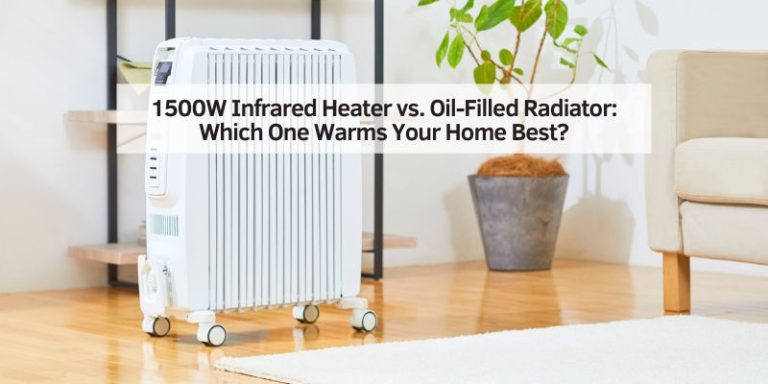
Oil-filled heaters look like old-fashioned radiators with fins. Inside, they hold special oil that never needs changing.
An electric element heats the oil at the bottom. Hot oil rises, and cooler oil sinks. This movement spreads heat evenly through the fins.
The fins warm the air around them. Warm air rises and circulates, heating the whole room gently.
Once hot, the oil holds warmth for a long time. The heater can turn off but still keep radiating heat. This makes it great for steady comfort.

How Infrared Heaters Work
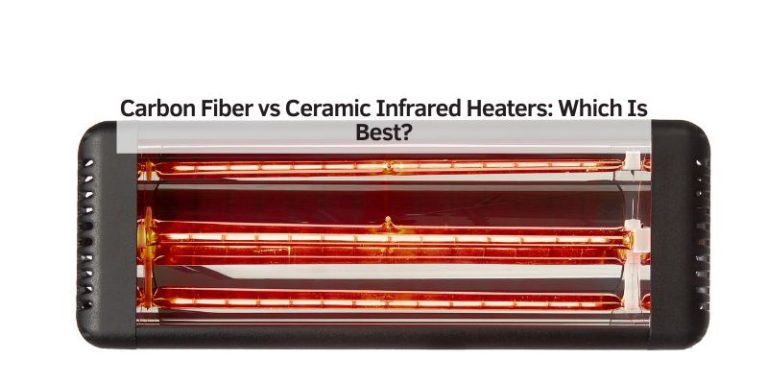
Infrared heaters feel like sunshine. They send out invisible waves that warm objects and people directly, not the air.
Inside, elements like quartz tubes or panels get hot. They emit infrared rays that travel until they hit something solid.
Those objects absorb the rays and get warm. Your skin feels the heat right away, even if the air is cool.
No fans needed, so they run silently. Heat starts instantly when you turn it on.
Key Differences: Side-by-Side Comparison
Here’s a clear table to compare the two types:
| Feature | Oil-Filled Radiant Heater | Infrared Heater |
|---|---|---|
| Heating Method | Convection (heats air) | Radiant (heats objects/people directly) |
| Heat-Up Time | Slower (10-30 minutes) | Instant (seconds to minutes) |
| Heat Retention | Excellent—stays warm after off | Stops quickly when turned off |
| Best For | Whole room, long periods | Spot heating, quick warmth |
| Noise Level | Silent | Silent |
| Energy Use | Better for extended use (cycles off) | Better for short bursts |
| Safety | Cooler surface, tip-over protection | Hot surface possible, but no dry air |
| Portability | Heavier, with wheels | Lighter, easier to move |
Both use electricity efficiently, but the “winner” depends on how you use it. According to the U.S. Department of Energy, all electric heaters are nearly 100% efficient at converting power to heat—the difference is in distribution and retention.
Pros and Cons of Oil-Filled Radiant Heaters
- Pros:
- Even, steady heat for entire rooms
- Keeps warming after turning off
- Silent operation—no fans
- Safer surface (cooler to touch)
- Great for bedrooms or overnight use
- Doesn’t dry out air much
- Cons:
- Takes time to warm up
- Heavier and bulkier
- Not ideal for quick spot heating
These are perfect for closed spaces like bedrooms or home offices where you want consistent coziness.
Pros and Cons of Infrared Heaters
- Pros:
- Instant warmth—you feel it right away
- Direct heating saves energy in drafty spots
- Silent and no moving parts
- Doesn’t stir dust or dry air excessively
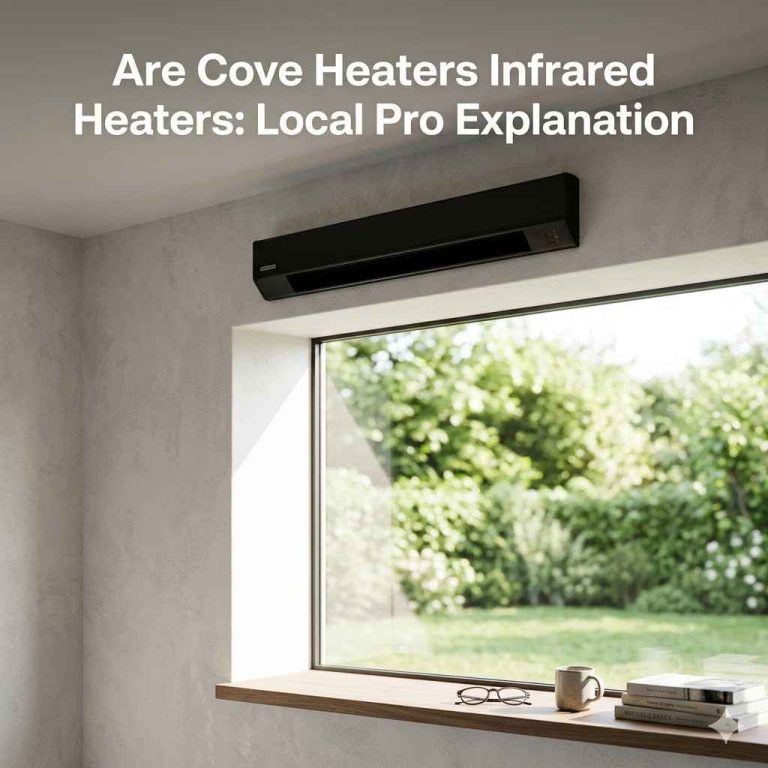
- Lighter and often wall-mountable
- Feels natural, like sunlight
- Cons:
- Directional—best when facing it
- Heat fades fast when off
- May have hotter surfaces
- Less effective for large, open rooms
Great for garages, workshops, or when you just need personal warmth fast.
Energy Efficiency and Running Costs
Both heaters cost the same per watt to run—all electric resistance heat is about 100% efficient.
But real savings come from how they perform:
- Oil-filled: Better for long sessions. Heat retention means less on-time.
- Infrared: Better for short use or poorly insulated spaces (heats you, not lost air).
For safety tips, check resources from the Consumer Product Safety Commission (CPSC.gov). Always use heaters with tip-over and overheat protection.
| Scenario | Best Choice | Why |
|---|---|---|
| Bedroom overnight | Oil-Filled | Steady heat, safe, silent |
| Quick morning warmth | Infrared | Instant feel |
| Drafty garage | Infrared | Direct heat, less waste |
| Large living room | Oil-Filled | Even distribution |
| Spot heating desk | Infrared | Targeted comfort |
Safety Tips for Both Heaters
Both are safe when used right. Look for models with:
- Tip-over switch
- Overheat protection
- Cool-touch exteriors (especially oil-filled)
Never leave unattended for long. Keep away from curtains or flammables. The National Fire Protection Association recommends 3 feet clearance.
Which Should You Choose?
If you want all-day or overnight room warmth, go with an oil-filled radiant heater. It’s cozy, safe, and efficient for sustained use.
If you need fast, personal heat in specific spots, pick an infrared heater. It’s great for quick comfort without waiting.
Many homes use both—one for bedrooms, one for living areas.
FAQ
Are oil-filled heaters safer than infrared?
Both are safe with modern features. Oil-filled often have cooler surfaces, making them better around kids or pets. Infrared can get hotter but don’t dry air as much.
Which is cheaper to run?
Similar costs per hour. Oil-filled saves on long use due to heat retention. Infrared saves on short, targeted heating.
Do infrared heaters dry out the air?
No—they heat objects, not air, so humidity stays better than convection types.
Can I leave an oil-filled heater on overnight?
Yes, they’re designed for it. Quiet, steady heat makes them ideal for bedrooms.
Which heats a room faster?
Infrared feels faster because you sense it directly. Oil-filled takes longer but warms the whole space evenly.
Are infrared heaters better for allergies?
Yes—no fans to stir dust. Oil-filled are also good since silent and gentle.
What’s the best for a large room?
Oil-filled for even, lasting warmth. Use multiple infrared for bigger spaces.
Both oil-filled radiant heaters and infrared heaters bring reliable warmth to your home. The right one gives you cozy comfort, safety, and smart energy use. Pick based on your rooms and habits—you’ll enjoy a warmer home all winter.
Stay safe and warm!