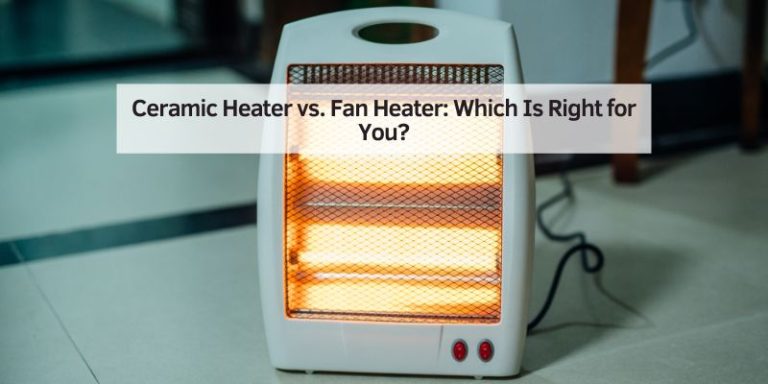
Ceramic Heaters at 1500W: What They Cost to Run
Ceramic heaters are surprisingly cost-effective for supplemental heating because they use relatively low wattage (often 1500W) and target small areas quickly, minimizing energy waste associated with heating an entire home. Their efficiency hinges on proper placement and usage to maximize localized warmth.
Trying to stay warm without getting surprised by a giant electricity bill is a constant battle many homeowners face. You see that chilly corner in your office or the drafty bedroom, and you wonder: is buying a little ceramic heater actually smart for my budget? It’s a common question because we want instant comfort without long-term cost regret.
Don’t worry! Choosing the right small heater doesn’t have to be a confusing mix of watts and dollars. I’m Tanim, and I’m here to walk you through exactly how ceramic heaters stack up financially. We will break down the real costs, compare them to other methods, and show you simple secrets to use them effectively. Get ready to take control of your comfort budget!
Understanding Ceramic Heaters: The Basics of Affordable Warmth
Before we dive into the dollar signs, let’s quickly remember what makes a ceramic heater tick. They are incredibly popular for good reason: they are safe, portable, and deliver heat fast.
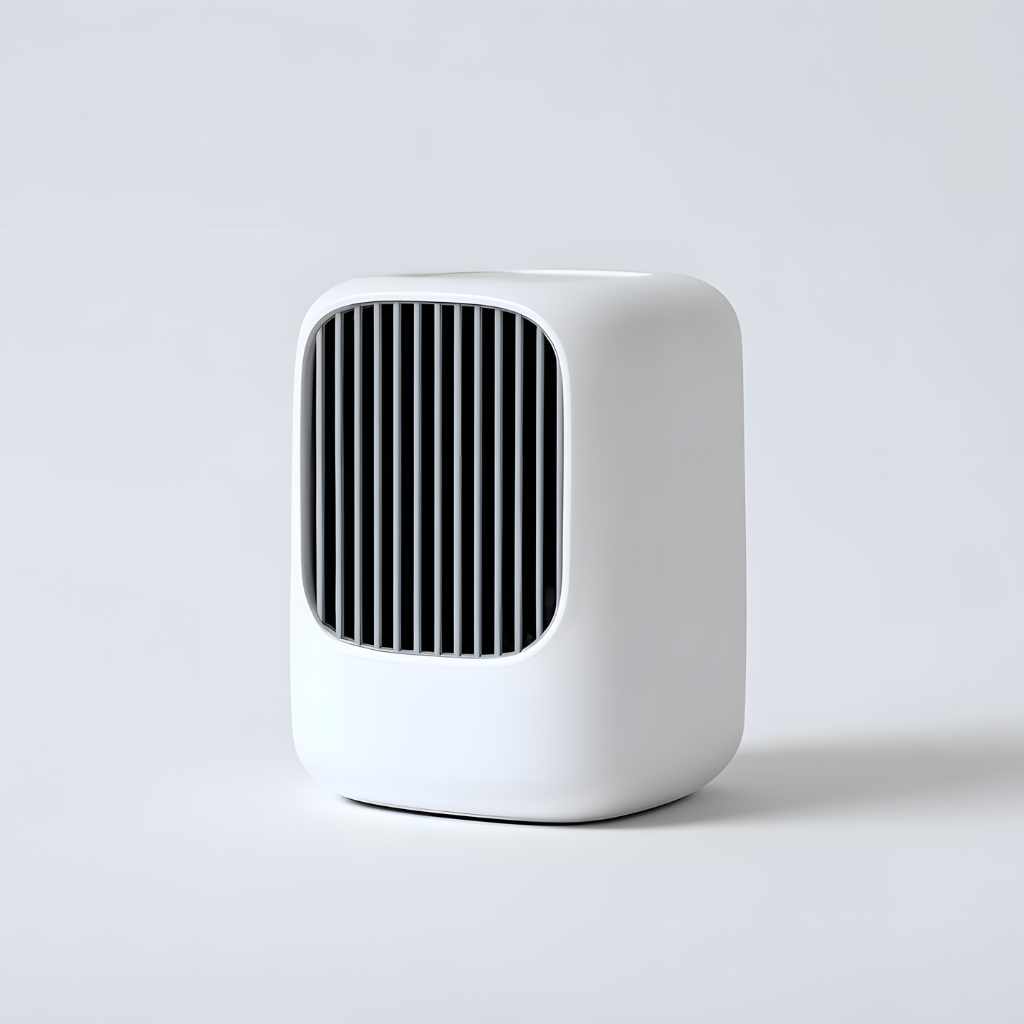
The “ceramic” part refers to the heating element itself. Inside: electricity passes through a ceramic plate, heating it up very quickly. A fan then blows air across this hot plate, distributing the warmth directly into your room. This creates immediate warmth right where you need it.
How Ceramic Heaters Work (The Simple Version)
Think of it like a hairdryer, but designed to run longer and safer. Key components include:
- Ceramic Heating Elements: Tiny tiles that heat up rapidly.
- Fan/Blower: Pushes the warm air out into the room.
- Safety Features: Like tip-over switches and overheat protection.
Because they heat air directly and quickly, they warm a space much faster than a central furnace might manage for just one small zone. But is that speed translating into savings?
The Core Question: Analyzing Ceramic Heater Operating Costs
The biggest factor influencing cost effectiveness is simple physics: your wattage use multiplied by how long you run it, multiplied by your local electricity rate. Let’s break down the typical costs involved.
1. Wattage: Your Energy Footprint
Most common portable electric heaters, including ceramic models, run at a maximum of 1500 watts (or 1.5 kilowatts or kW). This is the standard maximum setting for household circuits to prevent tripping breakers.
To calculate hourly cost, you need to know your local electricity cost per kilowatt-hour (kWh). You can usually find this rate on your monthly utility bill.
Formula Check:
(Heater Watts / 1000) x (Local kWh Rate) x (Hours Used) = Total Cost
Example Scenario:
If your electricity rate is $0.15 per kWh:
(1500 Watts / 1000) x $0.15 x 1 Hour = $0.225 per hour of use.
Running a 1500W ceramic heater constantly for an entire evening (say, 8 hours) would cost approximately $1.80. While this might sound high if done all day, it’s crucial to compare this to the alternative.
2. Comparison: Localized vs. Central Heating
This is where ceramic heaters prove their best cost-saving potential. Central heating systems (gas or electric furnaces) are designed to maintain an ideal temperature throughout the entire home—often 1,500 to 3,000 square feet.
If you are sitting alone in your home office or reading in the living room, running your furnace just to heat that one small area is extremely inefficient. You are paying to heat hallways, bedrooms, and unused spaces.
A ceramic heater effectively allows you to “zone heat.” You keep your central thermostat lower (saving money across the whole house) and use the ceramic heater only to warm your immediate body zone. This targeted approach is inherently more cost-effective for supplemental use.
| Heating Method | Typical Energy Use | Cost Efficiency Rationale |
|---|---|---|
| Ceramic Heater (1500W) | 1.5 kW | Excellent for spot heating small, occupied rooms. |
| Central Furnace (Natural Gas) | Varies (Measured in Therms) | Low per unit energy cost, but inefficient when heating empty zones. |
| Central Electric Heat Pump | Typically 3–5 kW | Highly efficient overall, but costly for brief, single-room boosts. |
Note: Natural gas is often cheaper per BTU than standard residential electricity, but the overall energy delivery for spot heating favors the portable electric option.
3. The Thermostat Difference: Smart Use Equals Savings
The most effective ceramic heaters come equipped with adjustable thermostats. This is vital to cost-effectiveness. Instead of running your 1500W element constantly, the thermostat allows the heater to cycle on and off to maintain a set temperature (e.g., 68°F).
If you set your central thermostat to 64°F and use the ceramic heater in your office to bring it up to 70°F, you save money because the furnace runs less often. The ceramic unit only uses its full 1500W intermittently to fight drafts or cool spots.
Optimizing Ceramic Heater Usage for Maximum Savings
Knowing the raw cost isn’t enough; you need strategies to ensure every penny spent on electricity delivers maximum warmth back to you. Here are my best tips for making ceramic heaters financially smart:
Step 1: Assess the Space
Ceramic heaters shine in small to medium spaces. They are less cost-effective when trying to heat a very large, open-plan area or rooms with high, vaulted ceilings.
Ideal Use Cases:
- Bedrooms (especially if you like one side of the house cooler at night).
- Home offices or dens used only during peak daylight hours.
- Basements or garages that lack dedicated central ductwork.
- Bathrooms right before showering.
Step 2: Placement is Paramount
Because ceramic heaters rely on blowing warm air, you must defeat cold drafts and position them correctly to avoid wasting energy heating the walls.
- Never block the intake or output vents. This forces the unit to run longer or overheat.
- Place them on the floor, close to where you seated, but never directly under furniture. Heat rises, so placing it low allows the warm air to displace the colder air near the floor first.
- Aim the flow toward you. Direct the airflow across the room’s center rather than directly at a wall or window.
- Use them away from windows or exterior doors if possible, as these are the largest sources of cold air infiltration.
Step 3: Seal the Zone
The most effective energy-saving trick is containment. If you are heating a small office, close the door! You focus all that 1500W of energy into that single, small volume of air.
If you spend minimal money heating one small, closed room, you save significant maintenance and operational costs associated with running your main HVAC system harder. For more on sealing air leaks, you can review resources often provided by energy conservation programs, such as those found via the U.S. Department of Energy website concerning weatherization basics.
Step 4: Utilize Low Settings Strategically
Many quality ceramic heaters have three settings: High (1500W), Low (usually 900W or 750W), and Fan Only.
Start on High (1500W) to quickly reach your target comfort temperature (the ‘boost’ phase). Once achieved, switch down to the Low setting. This uses less power, allowing the heater to run longer cycles to maintain the temperature gently, which is almost always cheaper than cycling the 1500W setting constantly.
Durability and Initial Investment: What’s the Total Cost of Ownership?
Cost-effectiveness isn’t just about the monthly electricity bill; it also involves the upfront purchase price and how long the unit lasts (longevity).
Upfront Cost vs. Lifespan
Ceramic heaters are typically one of the most affordable portable heating solutions on the market, usually ranging from $30 to $80 for a reliable, feature-rich model.
Since they have fewer moving parts (mainly just a fan motor and simple heating elements), they can often last 5 to 10 years with reasonable care. This low replacement cost, combined with low running costs for spot heating, makes the Total Cost of Ownership (TCO) very favorable.
For instance, if you spend $50 on a heater that lasts seven years, your annualized purchase cost is less than $7 a year. Compare that to the annual maintenance and potential repair costs of aging central furnace components.
Ceramic Heaters vs. Other Portable Options
To fully judge cost-effectiveness, we must compare ceramic against its portable competitors:
| Heater Type | Heat Delivery Speed | Relative Operating Cost |
|---|---|---|
| Ceramic (Fan Forced) | Fast (Immediate Blowing Heat) | Low (Excellent for targeted areas) |
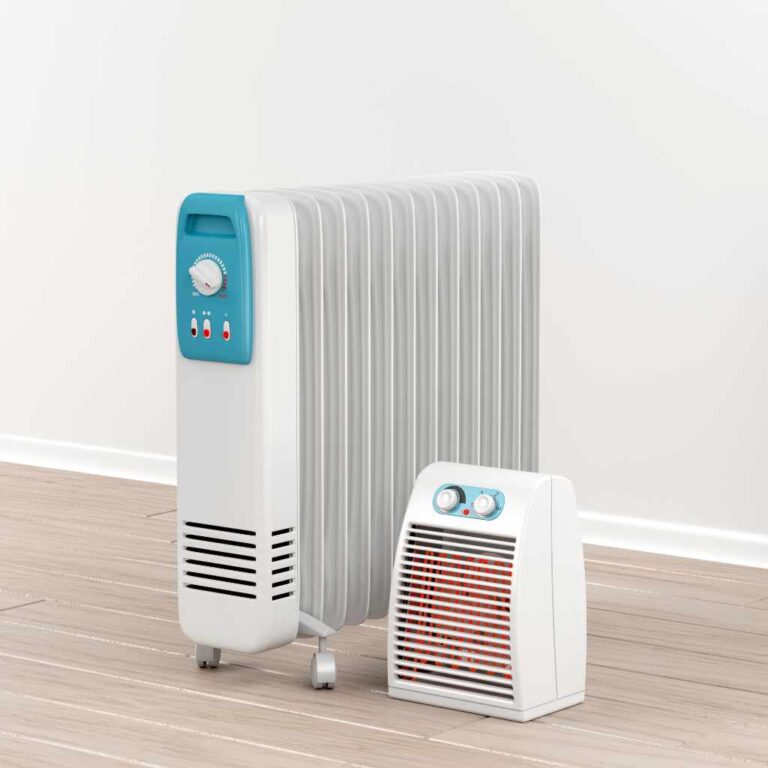
| Oil-Filled Radiators | Slow (Long buildup, retained heat overnight) | Medium-Low (Consistent gentle heat, lower max immediate draw) |
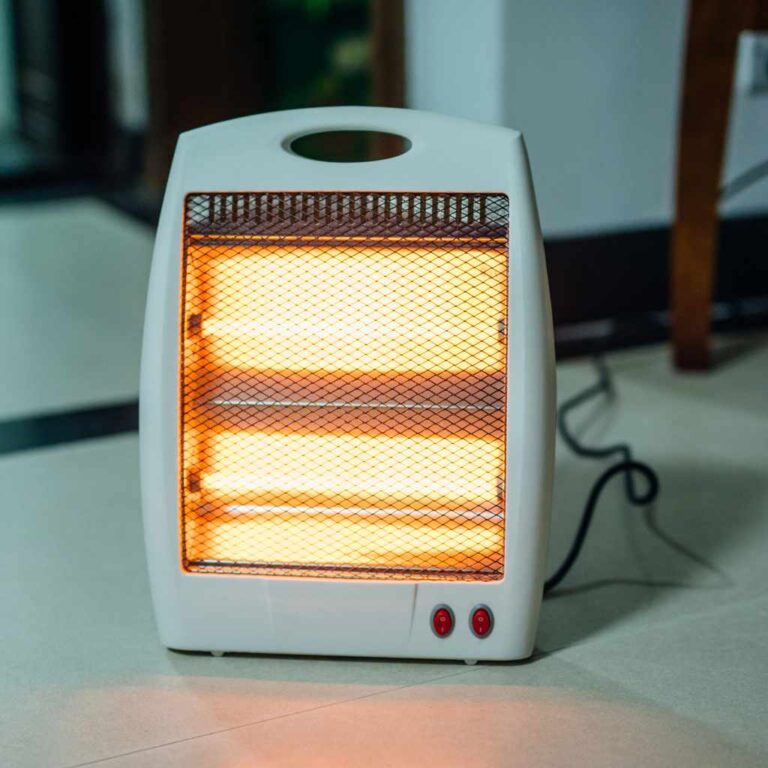
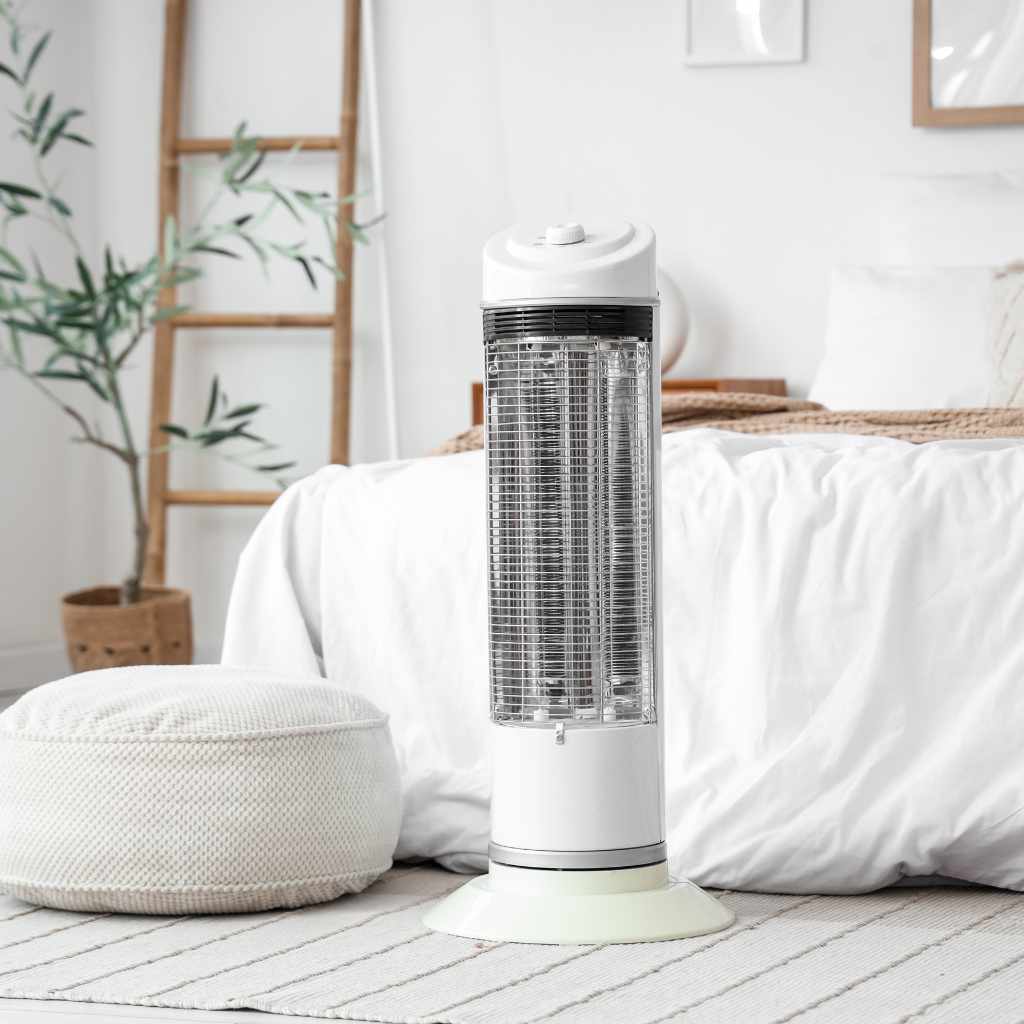
| Infrared/Quartz Heaters | Immediate (Heats objects/people directly) | Low (Very effective for direct users, less carryover warmth) |
| Propane/Kerosene Heaters | Fast | Variable (Must factor in fuel cost and ventilation safety) |
Ultimately, the ceramic heater’s strength lies in its immediate, contained heat that is highly controllable via a thermostat, making it incredibly budget-friendly for the homeowner who needs a quick, temporary comfort boost.
Safety Features That Protect Your Wallet and Home
A heater isn’t cost-effective if it causes damage or requires replacement due to overheating! Modern ceramic heaters are generally very safe, but understanding their features helps ensure longevity and prevents expensive problems.
Essential Safety Checkpoints for Cost-Conscious Buyers:
- Automatic Shut-Off/Overheat Protection: This feature detects when the internal temperature gets too high (often due to blocked airflow) and instantly cuts the power. This prevents burned circuitry and potential fires, saving you the cost of replacement or repair. Demand this feature!
- Tip-Over Switch: If the unit is accidentally knocked over (common in busy workspaces), it immediately powers down. This prevents the hot element from resting directly on carpeting or wood flooring, safeguarding your property.
- Cool-Touch Exterior (On many models): While the ceramic element gets hot, many modern casings remain cool enough to touch briefly. This is crucial for homes with pets or small children, reducing accident risk immensely.
When Ceramic Heaters Are NOT Cost Effective
Being a responsible guide means pointing out the limits. There are specific situations where dropping $80 on a ceramic heater won’t save you money and might end up costing you more in the long run.
1. Heating Large, Open Spaces
If you are trying to heat an entire open-plan living room and dining area (say, over 400 square feet) using only a single 1500W unit, it will run constantly and never feel truly warm. In this case, you are paying maximum wattage ($0.23/hr) continuously, which will rapidly inflate your bill without delivering comfort. A gas fireplace or an electric baseboard heater might be more appropriate.
2. Continuous 24/7 Operation
While convenient, running an electric heater 24 hours a day, seven days a week, defeats the purpose of supplemental heating. In this scenario, you would be better served by having a professional assess your existing furnace or boiler system to identify and fix the underlying problem causing the inefficient whole-house heat.
3. Relying on Them When Electricity Rates Spike
If you live in an area where electricity rates are extremely high (often priced over $0.25/kWh), using 1500W consistently becomes expensive very fast. In areas with cheap natural gas, using a gas furnace in a tighter zone may become the cheaper option, even if it feels less efficient.
Quick Guide: Maximizing Your Ceramic Heater ROI (Return on Investment)
Return on Investment (ROI) for a heater means achieving the warmest subjective comfort for the least actual dollars spent.
Here is your final checklist for making your ceramic heater a cost-effective champion:
- Set It and Forget It: Use the thermostat correctly. Set the desired temperature and let the machine modulate its power usage.
- Use Timers: If your ceramic heater has a built-in programmable timer, use it! Program it to warm up your room 30 minutes before you wake up or arrive home, and shut off an hour after you leave or go to sleep.
- Pair with Insulation: Ensure your zone is properly insulated. A well-insulated desk nook will stay warmer longer, meaning the heater cycles far less often. Poor insulation wastes every watt you pump into it.
- Clean Regularly: Dust buildup on the element or fan blade makes the unit work harder, reducing efficiency and increasing long-term wear. A quick vacuum of the vents every month keeps it running optimally.
Frequently Asked Questions (FAQ) About Ceramic Heater Costs
Q1: How much does it really cost to run a 1500W ceramic heater for a whole day on high?
A: If you run it constantly for 24 hours at the full 1500W setting, and assuming a national average electricity rate of $0.16 per kWh, the day’s cost would be about $3.84. However, you should use it on a