Are Diesel Heaters Illegal in Your Area?
Are diesel heaters illegal? Generally, no, but their legality depends on specific usage, installation, and local regulations. Proper ventilation, compliance with emissions standards, and permitted locations are key. This guide will help you understand the rules to stay safe and legal.
When you’re looking for a cozy warmth, especially in smaller spaces like RVs, workshops, or cabins, a diesel heater might cross your mind. They’re known for being efficient and putting out a lot of heat. But then a question pops up: are diesel heaters illegal? It’s a common concern, and the idea of getting into trouble with regulations can be a bit daunting. This can leave you feeling unsure about whether this type of heater is a good and safe choice for your home or getaway spot. Don’t worry! We’re here to break down exactly what you need to know in simple terms. We’ll cover the essential truths about diesel heaters, so you can make a confident decision. Stick with me, and we’ll clear up all the confusion together.
Understanding Diesel Heaters and Why the Legal Question Arises
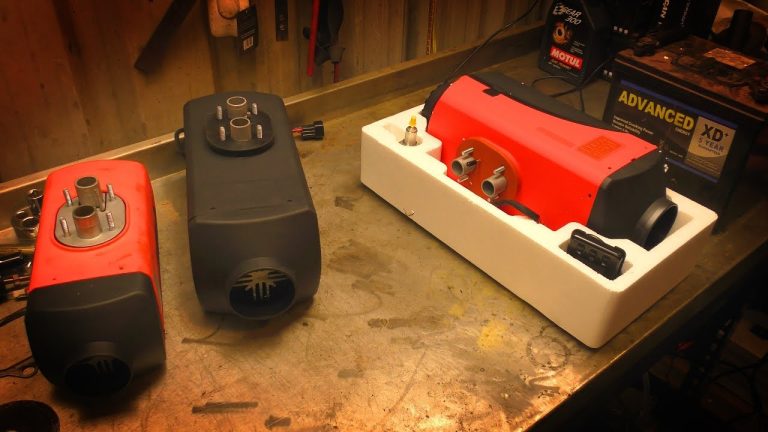
Diesel heaters, also known as combustion heaters, burn diesel fuel to create heat. They often have an exhaust system to vent fumes outside. They’re popular for off-grid living, camping, and heating secondary spaces because they can run independently of your home’s main power and are very fuel-efficient. Think of them as a powerful, portable heat source.
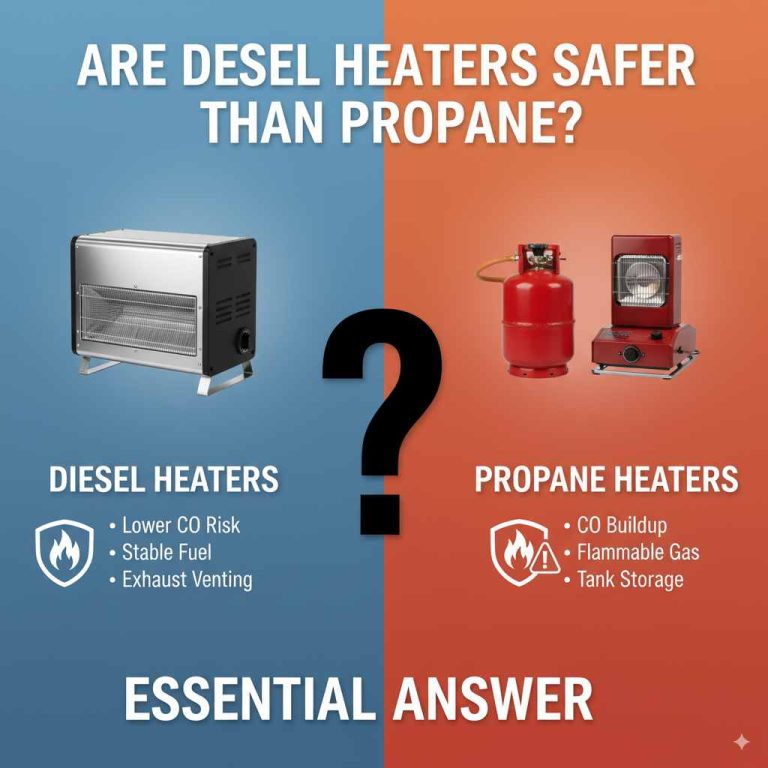
The reason the “are diesel heaters illegal” question comes up so often is due to safety and environmental concerns. These heaters produce exhaust fumes, including carbon monoxide, which is a colorless, odorless, and dangerous gas. Improper installation or use can lead to these fumes accumulating inside a living space, posing a serious health risk. Additionally, emissions can be a concern in some areas. So, while they are not inherently illegal, their legality is tied to how responsibly they are used and installed.
Key Factors Determining the Legality of Diesel Heaters
The legal status of a diesel heater isn’t a simple “yes” or “no.” It’s a combination of several crucial elements. Understanding these will help you ensure you’re using your heater safely and within the bounds of the law:
1. Installation and Ventilation Standards
This is arguably the most critical factor. Proper installation is paramount for safety and legality. A diesel heater must be installed so that its exhaust fumes are safely vented to the outside environment, away from any windows, doors, or air intakes. The combustion air source also needs to be considered.
- Exhaust System: The exhaust pipe must be properly sealed and routed completely outside the structure or vehicle. It should not be blocked or damaged.
- Air Intake: Similarly, the air intake for the combustion process needs to draw air from the outside.
- Carbon Monoxide Detectors: Many regulations, and common sense, dictate that you MUST have working carbon monoxide detectors installed in any space where a combustion heater is used. This is a non-negotiable safety measure.
- Professional Installation: While some kits are designed for DIY installation, for critical applications like heating a motorhome or a dwelling, consulting or hiring a certified professional for installation is highly recommended and sometimes legally required. They understand the specific codes and best practices.
2. Local and Regional Regulations
Laws and regulations can vary significantly depending on where you are. This applies to both stationary structures and mobile applications like RVs.
- Building Codes: If you’re installing a diesel heater in a permanent structure (like a garage, outbuilding, or even a cabin), you’ll need to comply with local building codes for heating appliances. These codes ensure safety standards are met regarding clearances, ventilation, and fire prevention.
- Vehicle Regulations (RVs, Boats): For recreational vehicles, boats, or other portable structures, there might be specific certifications or standards (like those from the RV Industry Association (RVIA) when in the US) that your installed heater system must meet.
- Emissions Standards: In some highly regulated areas, particularly for emissions control, there might be restrictions on the types of combustion heaters used due to their environmental impact. While less common for personal use heaters, it’s a factor to be aware of.
3. Intended Use and Location
The legality can also depend on where and how you plan to use the diesel heater.
- Indoor vs. Outdoor Appliances: A diesel heater designed for outdoor use must not be used where people are sleeping or in enclosed, unventilated indoor spaces. Conversely, heaters designed for indoor use should be installed according to manufacturer and code requirements.
- Public vs. Private Property: Using a portable diesel heater for camping in a designated area might have different rules than using one to heat a home on private property. Always check campground or park regulations.
- Sleeping Areas: Never use a diesel heater in a confined space where occupants are sleeping without extreme caution regarding ventilation and CO detection. This is where the risk of carbon monoxide poisoning is highest.

Pros and Cons of Diesel Heaters
To help you weigh your options, let’s look at what makes diesel heaters attractive and what challenges they might present. This can also inform why certain regulations are in place.
| Pros | Cons |
|---|---|
| Fuel Efficiency: Diesel is relatively inexpensive and a small amount goes a long way. | Carbon Monoxide Risk: If not installed or used correctly, they can release dangerous CO. |
| High Heat Output: They can heat spaces quickly and effectively, even in very cold conditions. | Installation Complexity: Proper venting and air intake setup is crucial and can be complicated. |
| Off-Grid Capability: Many run on 12V power, making them ideal for RVs, boats, and cabins without grid electricity. | Noise: Some models can be quite noisy due to the fuel pump and fan. |
| Independent System: They don’t rely on home heating systems, making them great for workshops or garages. | Diesel Odor: While modern heaters are much improved, there can still be a faint diesel smell during startup or shutdown, or if there are minor leaks. |
| Cost-Effective Fuel: Diesel fuel is generally more affordable than propane or electricity in many regions. | Maintenance: Like any combustion appliance, they require regular checks and maintenance to ensure safe operation. |
Ensuring Safe and Legal Operation: A Step-by-Step Approach
Ready to use a diesel heater with confidence? Follow these steps to make sure you’re operating it safely and legally. This is your roadmap to a warm, worry-free space.
Step 1: Choose the Right Heater for Your Needs
Not all diesel heaters are created equal. Consider the size of the space you need to heat and your intended use.
- BTU Rating: Look for heaters with a BTU (British Thermal Unit) output suitable for your space. Too small won’t be effective; too large can be overkill and potentially inefficient.
- Intended Use Label: Always check if the heater is marketed for indoor use (with proper venting) or strictly for outdoor/unoccupied spaces.
- Brand Reputation: Opt for reputable brands known for safety and quality.
Step 2: Prioritize Professional Installation (or Thorough Research)
This is where many issues arise. If you’re not experienced, hire a professional.
- Consult Experts: Look for RV technicians, HVAC specialists, or custom fabricators experienced with combustion heaters for installation.
- Manufacturer’s Instructions: If you choose DIY, read the manufacturer’s manual cover-to-cover. Installation guides are detailed for a reason.
- Proper Clearances: Ensure adequate space around the heater and exhaust vent to prevent fire hazards.
- Secure Venting: The exhaust must be securely fastened and routed outside. Any connection points should be sealed to prevent fumes from entering the living space.
- Air Intake: Confirm the heater draws combustion air from outside your living space.
Step 3: Install Essential Safety Devices
These are your early warning systems for potential dangers.
- Carbon Monoxide Detectors: Install multiple, battery-operated or hard-wired CO detectors. Test them regularly. Place them at recommended heights according to the manufacturer’s instructions. The National Fire Protection Association (NFPA) provides excellent guidance on CO safety.
- Smoke Detectors: Always have working smoke detectors in the vicinity.
- Fire Extinguisher: Keep a multi-purpose fire extinguisher readily accessible.
Step 4: Understand Ventilation Needs
Proper ventilation is key to preventing dangerous fume buildup.
- Continuous Airflow: If the heater is designed for an enclosed space, ensure there’s a way for fresh air to enter and stale air to exit, even when the heater is running.
- Rely on Exhaust: The primary way to keep fumes out is through a correctly installed and functioning exhaust system.
Step 5: Regular Maintenance and Checks
A little regular care goes a long way in ensuring safety and longevity.
- Visual Inspection: Periodically check the exhaust pipe for cracks, rust, blockages, or loose connections.
- Fuel System: Ensure there are no fuel leaks.
- Filter Cleaning: Clean or replace air filters as per the manufacturer’s recommendations.
- Annual Servicing: Consider having the heater professionally serviced annually, especially if it’s used frequently.
Step 6: Know Your Local Laws and Codes
Be proactive about compliance.
- Check with Authorities: If you’re installing in a building, contact your local building department. For RVs, check with provincial/state vehicle safety agencies or RV manufacturers. Organizations like the National Highway Traffic Safety Administration (NHTSA) in the US offer resources for vehicle safety standards.
- Campground/Site Rules: If using it for recreation, always check the specific rules for the campsite or location.
Common Misconceptions About Diesel Heater Legality
Let’s clear up some common misunderstandings that might be causing confusion:
Misconception 1: “Diesel heaters are banned everywhere.”
Truth: This is not true. Many people use diesel heaters safely and legally, especially in RVs and workshops. The “illegality” often stems from improper use or installation, not the heater itself. Regulations tend to focus on how they are installed and operated to ensure safety and minimal environmental impact.
Misconception 2: “If it’s sold, it must be legal to use anywhere.”
Truth: While consumer products usually meet general safety standards, specific local regulations, building codes, campsite rules, or vehicle certifications can still apply to their installation and use. Simply buying one doesn’t automatically grant legal permission to use it in every circumstance or location.
Misconception 3: “A little crack in the exhaust pipe is no big deal.”
Truth: This is incredibly dangerous. Even a small crack or leak can allow deadly carbon monoxide to escape into your living space. The exhaust system’s integrity is vital for safety. This is never a “no big deal” issue.
Misconception 4: “CO detectors are a one-time purchase and installation.”
Truth: CO detectors have a lifespan and need regular testing. Batteries need replacing, and the units themselves expire after a certain number of years (usually 5-10). Always check dates and test them monthly.

Frequently Asked Questions About Diesel Heaters
Q1: Can I install a diesel heater in my home garage?
A: Generally, yes, IF it is installed according to local building codes for heating appliances and combustion. This means proper ventilation to the outside , safe exhaust routing, and ensuring it’s rated for the application. Always check with your local building department first.
Q2: Are diesel heaters safe to run overnight in an RV?
A: Yes, when installed correctly with a proper exhaust system venting fumes outside and a reliable carbon monoxide detector with fresh batteries nearby. Ensure there’s adequate airflow and never block the exhaust. Regular checks are essential.
Q3: What is the biggest risk associated with diesel heaters?
A: The biggest risk is carbon monoxide (CO) poisoning due to improper installation, failure of the exhaust system, or lack of ventilation. CO is dangerous because you can’t see, smell, or taste it.
Q4: Do I need a permit to install a diesel heater?
A: For permanent installations in a home or structure, you likely will need a permit and inspection to ensure compliance with building codes. For RVs, specific certifications or inspections might be required by the manufacturer or regulatory bodies, rather than a typical building permit.
Q5: Can I use a diesel heater in a tent?
A: This is highly NOT recommended and often against regulations. Tents are typically not designed for safe combustion heater use. The risk of carbon monoxide buildup is extremely high due to poor ventilation and proximity to occupants. Only specialized, approved camping heaters designed for tent use and with extreme caution would be considered, but diesel heaters are generally unsuitable and unsafe for tents.
Q6: How do I know if my diesel heater installation is legal?
A: It’s legal if it clearly complies with all manufacturer instructions, relevant local building codes, vehicle safety standards (if applicable), and has working carbon monoxide detectors. For permanent structures, an official inspection should confirm compliance.
Conclusion
So, to answer the big question directly: are diesel heaters illegal? In most cases, no, they are not inherently illegal. The legality hinges entirely on responsible use, proper installation, strict adherence to safety guidelines, and compliance with local regulations and codes. They are powerful tools for efficient heating, but like any combustion appliance, they demand respect and careful handling.
By understanding the importance of correct installation, ensuring robust ventilation, always using carbon monoxide detection, and being aware of local rules, you can confidently enjoy the warmth and efficiency of a diesel heater. Never compromise on safety; it’s the foundation for any reliable heating solution. Stay informed, do your research, and always prioritize safety for yourself and those around you. Here’s to a safely heated home or adventure!