Are Diesel Heaters Efficient Enough to Save Money?
Diesel heaters are incredibly efficient, often using less fuel than traditional heating methods to produce significant heat. This makes them a cost-effective and powerful solution for keeping spaces warm, especially in off-grid or intermittent heating scenarios.
Feeling chilly and dreading your next heating bill? You’re not alone. Many homeowners find choosing the right heater a bit confusing, especially when it comes to getting warmth without it costing an arm and a leg. It’s easy to feel overwhelmed by all the options and jargon. But what if there was a way to get powerful, reliable heat that was surprisingly gentle on your wallet and the environment? That’s where diesel heaters come in. We’re here to break down if these unique heaters are truly as efficient as they say, and by the end of this guide, you’ll know exactly how they can help you save energy and stay cozy.
Understanding Diesel Heater Efficiency
When we talk about “efficiency” in heating, we’re essentially asking: “How much useful heat does the heater produce for the amount of fuel it uses?” Diesel heaters are engineered to be very good at this. They work by burning diesel fuel in a combustion chamber, and then a fan blows air over a heat exchanger, pushing warm air into your space. The key to their efficiency lies in several design aspects.
The Combustion Process
Modern diesel heaters are designed for a clean and complete burn. This means that most of the energy stored in the diesel fuel is converted into heat, rather than being lost as wasted exhaust gases or unburned fuel. They achieve this through precise fuel injection and a well-controlled air supply. This controlled combustion is a major factor in their impressive efficiency ratings.
Heat Exchanger Technology
The heat exchanger is a critical component. It’s a barrier between the hot exhaust gases of the combustion process and the air that heats your living space. High-quality diesel heaters use advanced heat exchanger designs that maximize the transfer of heat from the exhaust to the air. This means less heat escapes up the exhaust pipe (where it would be lost) and more heat goes to warming your room.
Minimal Heat Loss
Compared to some other heating systems, especially those that rely on extensive ductwork or large water volumes, diesel heaters often have less heat loss. They heat the space directly and quickly. Their compact size and the direct application of heat contribute to fewer wasted BTUs (British Thermal Units, a measure of heat energy).

Proven Energy Savings: How Diesel Heaters Stack Up
So, how do these efficiency principles translate into real-world energy and cost savings? Let’s look at some key areas.
Lower Fuel Consumption per BTU
Diesel heaters are known for their ability to produce a lot of heat using relatively little fuel. This is often measured in liters per hour (LPH) or gallons per hour (GPH) compared to their heat output (BTU/hr). Many diesel heaters can produce between 5,000 and 15,000 BTU/hr (or more for larger models) while consuming as little as 0.1 to 0.5 LPH.
For a clear comparison, let’s consider how this might look against other heating methods:
| Heating Method | Typical Heat Output | Approximate Fuel/Energy Consumption | Efficiency Indicator |
|---|---|---|---|
| Diesel Heater | 8,000 BTU/hr | 0.1 – 0.2 L diesel | High (more heat for less fuel) |
| Propane Heater (Portable) | 10,000 BTU/hr | ~0.5 kg propane | Moderate (higher fuel use for similar heat) |
| Electric Heater (Ceramic/Infrared) | 1,500 Watts (~5,100 BTU/hr) | 1.5 kWh electricity | Near 100% conversion at the element, but electricity generation can be less efficient. |
| Wood Stove | 20,000 – 40,000+ BTU/hr | ~5-10 kg firewood | Variable (depends heavily on fuel quality and stove design) |
Note: Electric heaters are 100% efficient at converting electricity into heat within the unit itself. However, the overall energy efficiency of heating with electricity depends on how that electricity was generated, which often involves power plants with lower overall efficiencies. For direct comparisons of fuel use, it’s commonly evaluated at the point of heating.
Cost-Effectiveness
When you combine lower fuel consumption with the current price of diesel compared to electricity, natural gas, or propane in many regions, diesel heaters often present a more economical heating solution. The precise amount of savings will vary depending on local fuel prices, insulation of the space being heated, and how often you use the heater.
Versatility and Intermittent Use
Diesel heaters shine in situations where you need heat now but don’t need to run a primary home heating system all day, every day. Think of:
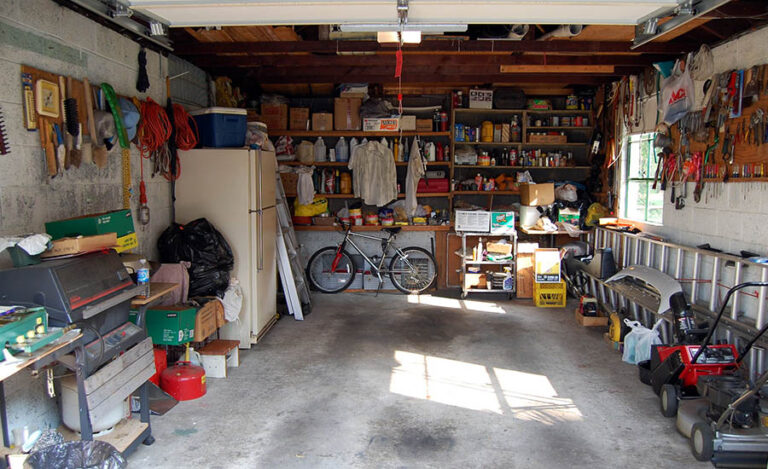
- Garages and workshops
- Cabins and small off-grid structures
- RV’s and campers
- Temporary construction sites
- Emergency backup heating
In these scenarios, being able to quickly heat a space and then turn the heater off, without wasting fuel waiting for a larger system to cycle, leads to significant energy savings, as you only use fuel when heat is actually required. You can find a great deal of information on off-grid heating solutions at resources like the U.S. Department of Energy’s Office of scientific and Technical Information (.gov), which explores various energy technologies.
Factors Affecting Diesel Heater Efficiency
While diesel heaters are inherently efficient, several factors can influence just how much energy you save:
1. Proper Installation
A well-installed unit is crucial. This includes:
- Correct Venting: Ensuring exhaust gases are safely expelled outside. Poorly vented systems can lose heat and even be dangerous.
- Air Intake: Making sure the heater has adequate air for clean combustion.
- Fuel Line: A clear, properly routed fuel line prevents flow issues.
- Thermostat Placement: Positioning the thermostat correctly prevents the heater from over-cycling or not running enough.
2. Unit Size and Heat Output
Choosing the right size is paramount. An oversized heater will short-cycle (turn on and off too frequently), which can be less efficient and lead to carbon buildup. An undersized heater will struggle to keep up, running constantly and potentially consuming more fuel over time to achieve the desired temperature.
A good rule of thumb for sizing is to consider:
- The square footage of the space.
- The level of insulation of the space.
- The typical outside temperatures you need to combat.
- Whether drafty windows or doors are present.
Many manufacturers provide sizing charts or calculators to assist with this. Consulting with an expert or using online tools from reputable HVAC suppliers can be very helpful. For instance, resources from organizations like ASHRAE (American Society of Heating, Refrigerating and Air-Conditioning Engineers) offer detailed guidelines on heating load calculations in their handbooks and publications, though these can be quite technical. For home use, focus on manufacturer guidelines unless dealing with very complex spaces.
3. Fuel Quality and Cleanliness
Using fresh, clean diesel fuel is important. Contaminated fuel can clog the fuel lines and injectors, leading to incomplete combustion and reduced efficiency. Storing diesel properly, away from water and debris, helps maintain its quality.
4. Maintenance
Regular maintenance is key to keeping any heating system running at peak efficiency. For diesel heaters, this typically includes:
- Cleaning the combustion chamber and glow plug.
- Checking and cleaning the fuel filter.
- Inspecting the exhaust and air intake for blockages.
- Ensuring external surfaces are clean and free of dust or debris.
This might sound like a lot, but most maintenance tasks are straightforward and can be done by the homeowner, as we’ll touch on later.
5. Usage Patterns
How you use the heater significantly impacts its overall efficiency. For example, setting the thermostat to a comfortable, consistent temperature is more efficient than constantly readjusting it up and down.
Diesel Heaters vs. Other Heating Options: An Efficiency Deep Dive
To truly appreciate the “are diesel heaters efficient” question, let’s compare them head-to-head with other common heating methods homeowners might consider.
Diesel Heaters vs. Electric Heaters
Electric heaters are often praised for near 100% conversion efficiency at the unit. However, the cost of electricity is frequently higher per BTU than diesel in many areas. Moreover, the total energy chain for electricity generation (from power plant to transmission lines to your home) has its own inefficiencies. For direct heating cost and fuel quantity, diesel usually wins, especially for larger spaces or longer run times where a constant heat source is needed.
Diesel Heaters vs. Propane/LPG Heaters
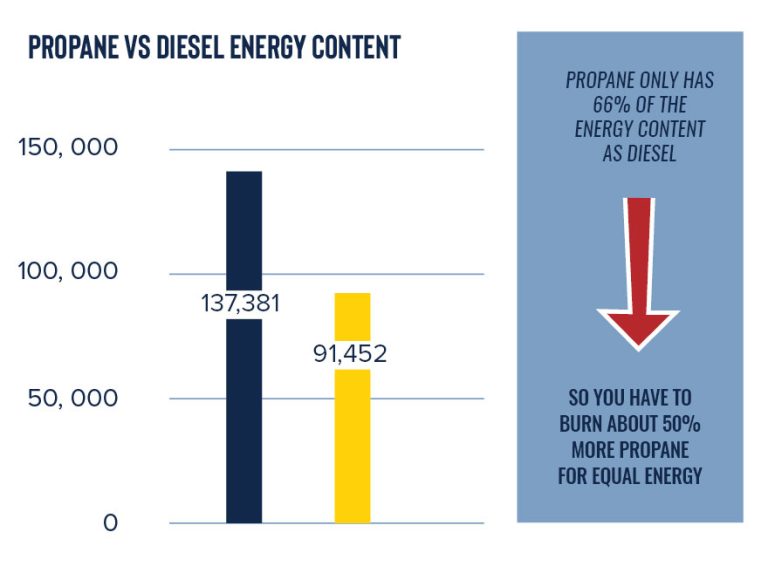
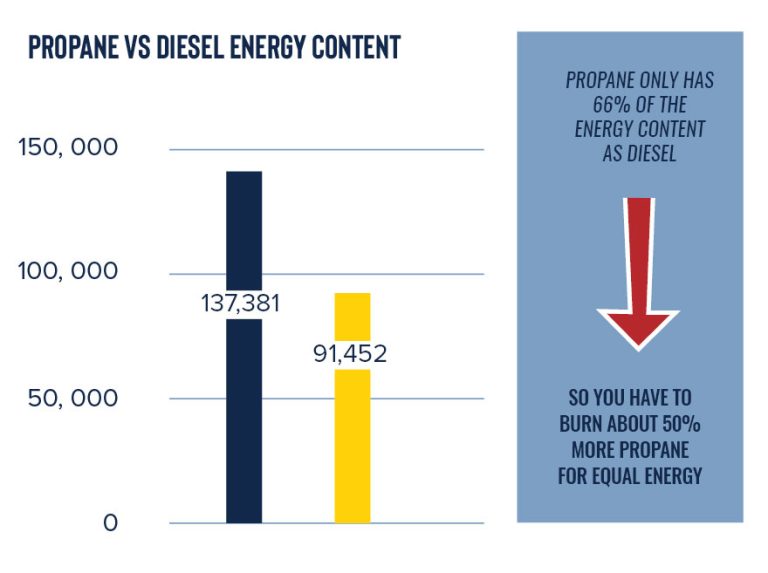
Propane heaters are a common alternative, especially for portable or supplemental heating. They also offer a clean burn. However, propane is often more expensive than diesel per unit of energy. Diesel’s higher energy density means you get more heat from a gallon of diesel than a gallon of propane. Furthermore, diesel fuel is readily available and often easier to store in larger quantities than propane tanks.
Diesel Heaters vs. Wood Stoves
Wood stoves can be very affordable if you have a cheap or free source of firewood. However, they require constant manual loading, produce particulate emissions (affecting air quality locally), and are generally less controllable in terms of precise temperature regulation and runtime. While aesthetically pleasing and good for off-grid living with a wood source, they are not typically considered more ‘efficient’ in terms of heat produced per unit of effort or consistent energy output compared to a well-managed diesel heater.
Diesel Heaters vs. Kerosene Heaters
Kerosene heaters are similar in operation to diesel heaters. Kerosene often burns a bit cleaner and can produce slightly more heat per gallon, but it is typically a more expensive fuel. Diesel is often a more practical and cost-effective choice for continuous or larger-scale heating needs.
How to Maximize Your Diesel Heater’s Efficiency
You’ve invested in a diesel heater, and you want to get the most out of it! Here’s how to ensure you’re saving as much energy and money as possible:
- Insulate Your Space: This is the single biggest factor. A well-insulated room, garage, or cabin will hold heat much better, meaning the heater runs less often and uses less fuel. Seal drafts around windows and doors. Check wall and ceiling insulation.
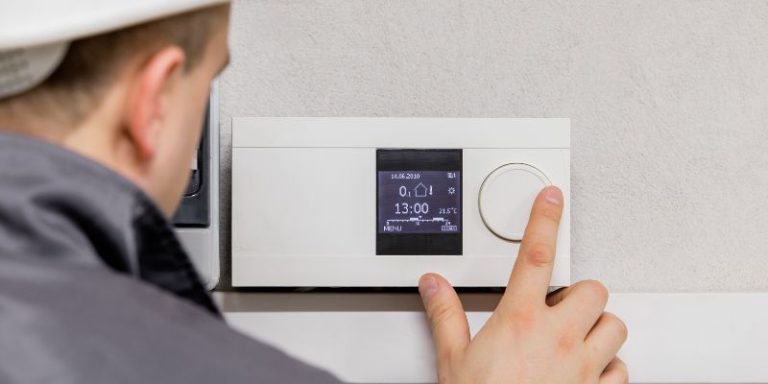
- Use a Thermostat Wisely: Set it to a comfortable temperature and leave it. Avoid drastic temperature swings. Many diesel heaters come with programmable thermostats. Using these can automatically lower the temperature during times when heat is not needed, like overnight or when the space is unoccupied.
- Proper Sizing is Key: As mentioned, ensure your heater is sized correctly for your space. If you’re unsure, it’s often better to be slightly undersized and let it run a bit longer to reach temperature than to have an oversized unit that constantly shuts off early.
- Regular Maintenance Schedule: Follow the manufacturer’s recommendations. A clean, well-maintained heater runs more efficiently and safely. A simple annual check–out can make a world of difference.
- Use Fresh, Clean Fuel: Store diesel properly to prevent contamination. Old or contaminated fuel leads to poor combustion and can damage your heater.
- Don’t Overheat: Aim for a comfortable temperature, not a tropical paradise. Every extra degree above 70°F (21°C) increases fuel consumption significantly.
- Zone Heating: If you only need to heat a specific area, focus the heater’s output there. For example, in a large workshop, aim the heater’s vent towards your workspace rather than the entire building.
Safety and Efficiency: They Go Hand-in-Hand
It’s impossible to talk about efficiency without mentioning safety, as they are intrinsically linked. A malfunctioning or improperly installed unit won’t just be inefficient; it can be dangerous. Always ensure:
- Proper Ventilation: Exhaust gases, including carbon monoxide (CO), MUST be vented directly outside. Never run a diesel heater indoors without proper, dedicated exhaust.
- CO Detectors: Always have working carbon monoxide detectors installed in any space where a combustion heater is used, especially if it’s attached to a dwelling or if people are sleeping nearby. Organizations like the Consumer Product Safety Commission (.gov) provide vital CO safety information.
- Clearances: Maintain safe clearances between the heater and any combustible materials, as recommended by the manufacturer.
- Secure Installation: Ensure the heater is stable and securely mounted to prevent tipping.
- Fuel Handling: Use appropriate methods for refueling to avoid spills.
When a diesel heater is operating correctly, it’s designed to be safe and efficient. These units have safety features built-in that will shut them down if they detect issues with combustion or overheating.

Frequently Asked Questions (FAQ)
Q1: How much fuel does a typical diesel heater use?
Most small to medium diesel heaters (e.g., 5kW models) use between 0.1 to 0.4 liters of diesel per hour, depending on the heat setting and ambient temperature. This translates to a very small amount of fuel for the substantial heat they produce.
Q2: Can I use a diesel heater to fully heat my house?
While diesel heaters can be highly efficient for specific zones or smaller structures like RVs, workshops, or cabins, they are generally not designed to be the sole, primary heating system for large, modern homes. However, they can be excellent supplemental heat sources or the main heat in well-insulated smaller properties.
Q3: Are diesel heaters safe to use indoors?
Yes, diesel heaters are designed with safety features and are intended for use in well-ventilated spaces, often indoors (like RVs, boats, workshops). Crucially, they must* be properly vented to the outside. Never run a diesel heater in an enclosed space without an external exhaust, as this can lead to dangerous CO buildup. Always use CO detectors.
Q4: How long does diesel fuel last in a heater?
A typical 10-liter (approx. 2.6-gallon) fuel tank on a diesel heater, running at a medium setting (using perhaps 0.2 LPH), could last approximately 50 hours. This duration will vary significantly based on tank size, fuel consumption rate, and thermostat settings.
Q5: Do diesel heaters produce a smell?
When a diesel heater is running normally, the smell is usually minimal, especially from modern units with clean combustion and proper venting. You might notice a slight smell on startup or shutdown as the fuel ignites or extinguishes. If you detect a strong diesel smell while it’s running continuously, it may indicate incomplete combustion or a venting issue, requiring immediate inspection.
Q6: What maintenance is typically required?
Regular maintenance usually involves cleaning the combustion chamber, checking and cleaning the glow plug, and ensuring fuel filters and exhaust/air intake lines are clear. This helps maintain efficiency and prevents issues. Most of these are DIY-friendly tasks.
Conclusion
So, to answer the big question: Are diesel heaters efficient? Emphatically, yes! They are proven to be highly efficient in their energy conversion from fuel to heat, often outperforming other heating methods in terms of cost-effectiveness and fuel consumption for specific applications. Their ability to provide powerful, controllable heat with relatively low fuel usage makes them a fantastic choice for workshops, RVs, cabins, and any situation where you need targeted, energy-saving warmth without constant, high running costs.
By understanding how they work, ensuring proper installation and maintenance, and using them wisely, you can rely on a diesel heater not just for warmth, but for genuine energy savings. You’re well-equipped to make an informed decision about adding one to your heating arsenal. Stay warm and smart with your energy choices!