
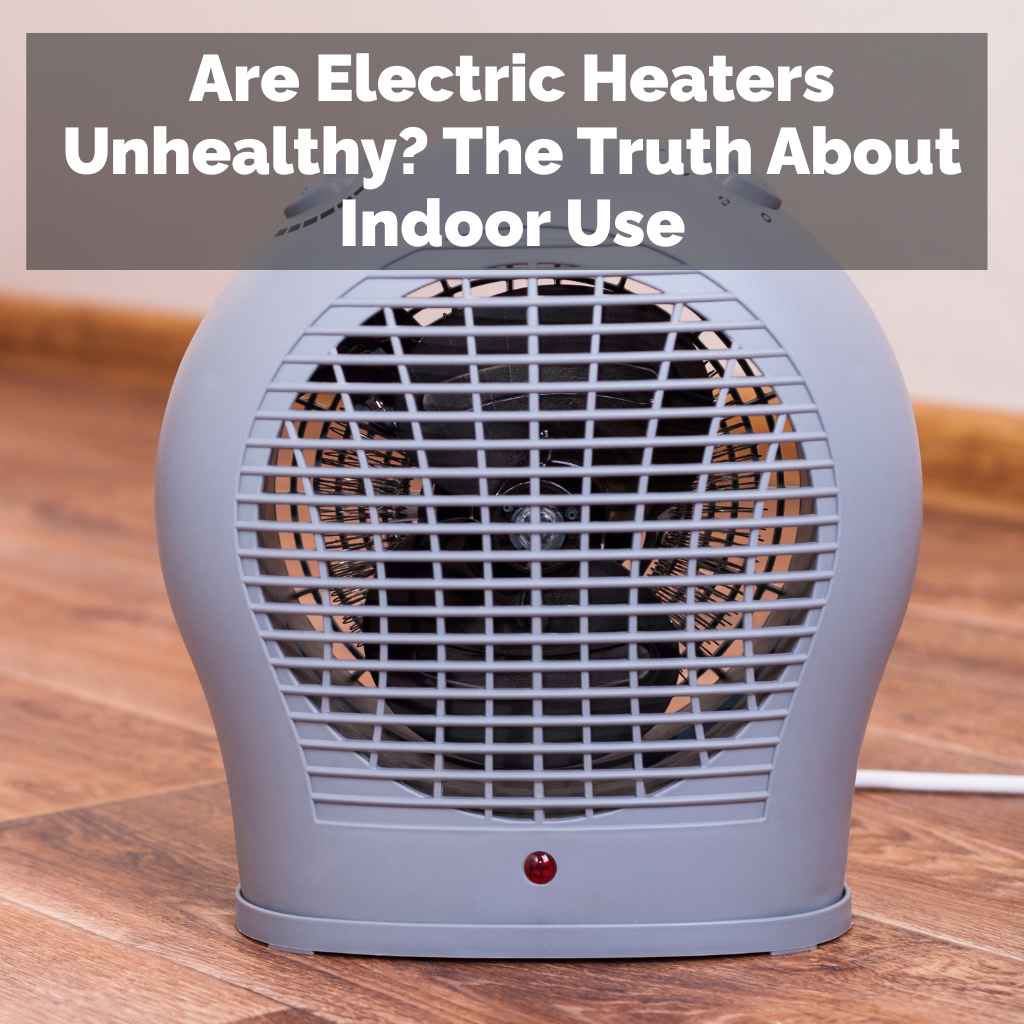
It’s a common worry, especially when the weather turns cold. You plug in that electric heater, hoping for some cozy warmth, but then a little voice in your head whispers: “Is this actually good for me? Is it unhealthy?” It’s totally understandable to feel that way.
We want our homes to be safe and healthy havens.
This concern pops up for many reasons. Maybe you’ve heard stories, or perhaps you’re just trying to be extra careful. We’re going to dive deep into what makes electric heaters tick and whether they pose any real health risks.
By the end, you’ll have a clear picture.
The honest truth is that most modern electric heaters are safe for indoor use when used correctly. They don’t emit harmful gases like some older heating systems can. However, like any appliance, they have potential risks like fire hazards or dry air if not managed properly. Understanding these risks helps you use them safely.
Understanding How Electric Heaters Work
To know if something is safe, it helps to know how it works. Electric heaters are pretty straightforward. They take electricity and turn it into heat.
Think of it like a toaster or a light bulb, but designed to warm a whole room. The electricity flows through a heating element, which gets hot. This heat then warms the air around it.
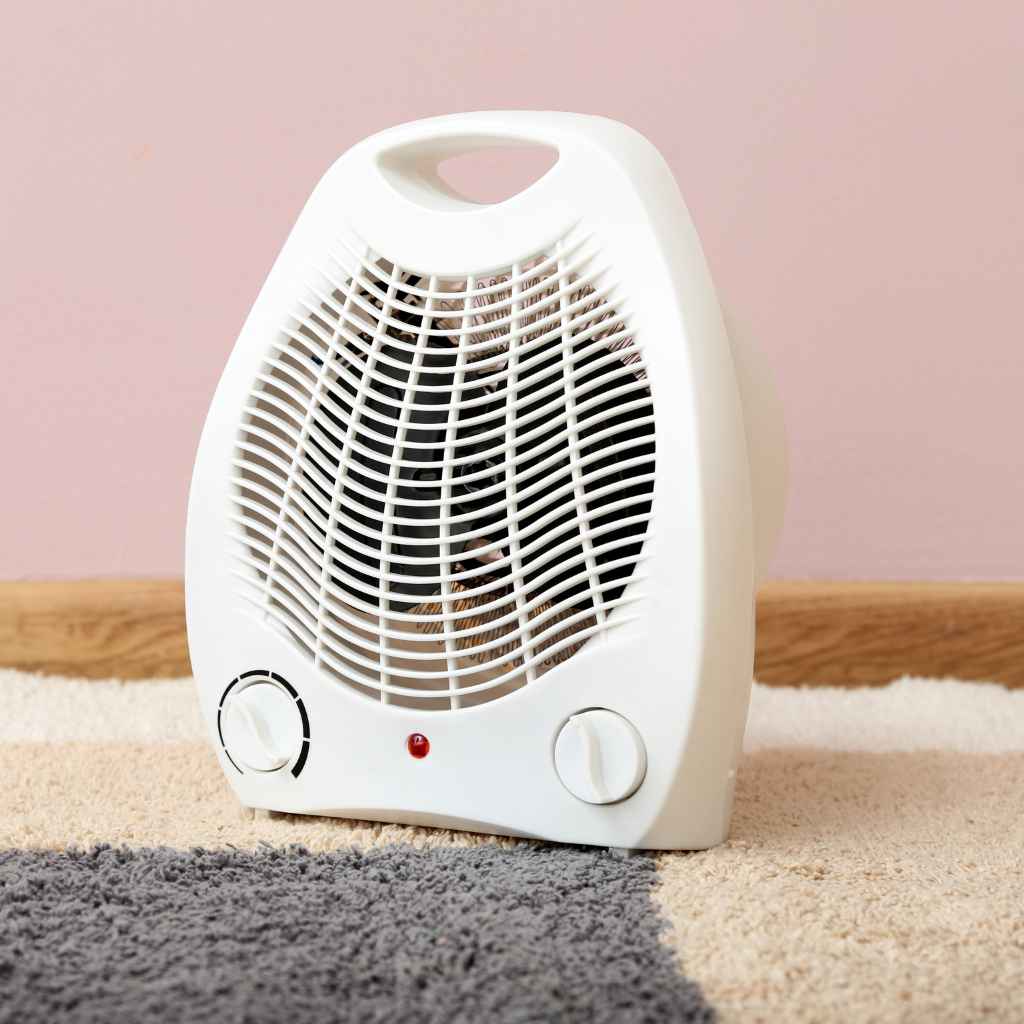
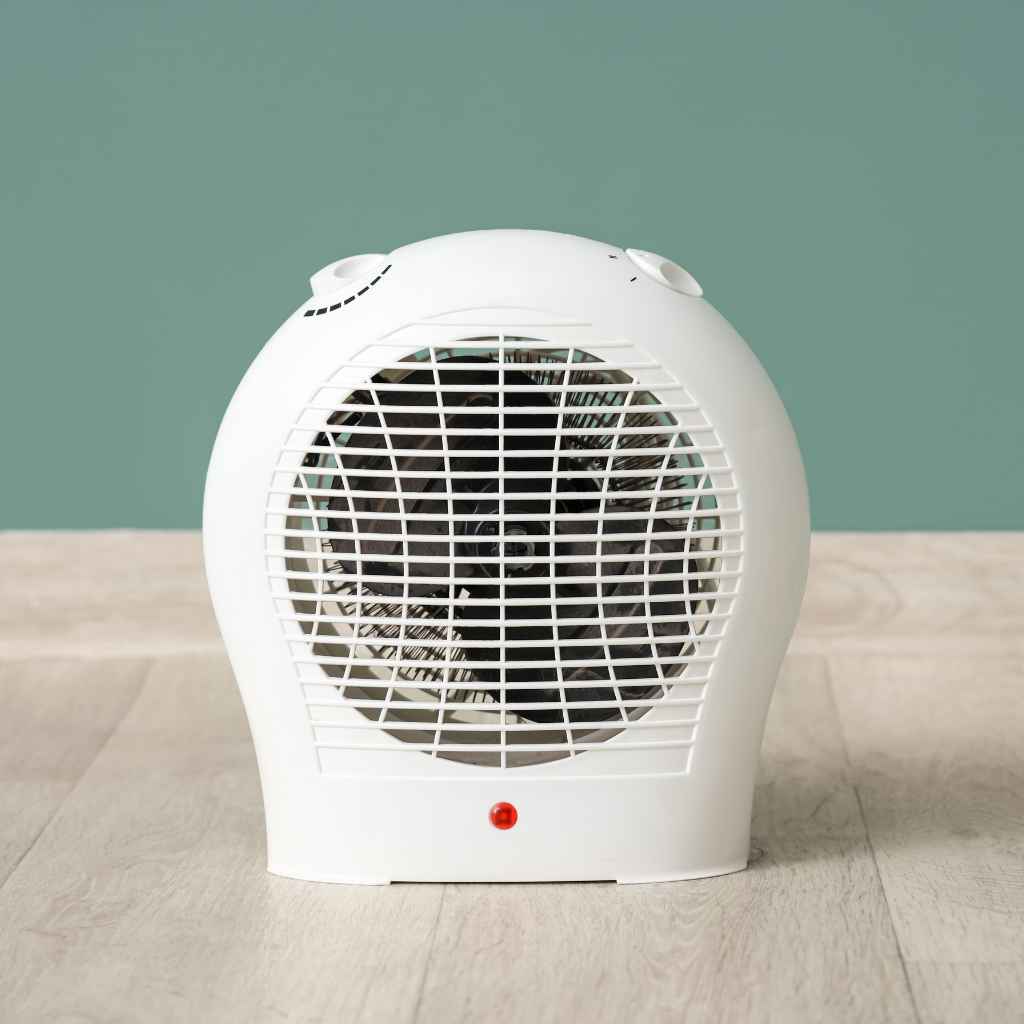
There are a few main types. Some have a fan to blow the warm air around. These are called convection or fan-forced heaters.
Others heat up a surface, like ceramic or oil, which then radiates heat into the room. This is radiant heat. And some are called baseboard heaters, which heat the air that rises along your walls.
The key thing is that they don’t burn anything inside the heater itself to create heat. This is a big difference from things like wood stoves or some gas furnaces. Because they don’t burn fuel, they don’t produce the same kinds of byproducts.
Are Electric Heaters Unhealthy? Exploring Common Concerns
Let’s tackle the specific worries people have about electric heaters. The main concerns usually revolve around air quality, safety, and physical effects on the body.
Air Quality Worries
One of the biggest questions is about what electric heaters put into the air. Unlike gas heaters, electric ones don’t burn fossil fuels. This means they don’t typically release carbon monoxide or other combustion gases.
That’s a huge plus for indoor air safety.
However, there’s a catch with some types. When the heating element gets very hot, it can sometimes burn off dust or debris that has settled on it. This can create a brief, unpleasant smell.
It’s usually not harmful, just annoying. The smell goes away as the dust burns off.
Another factor is dryness. Electric heaters can dry out the air. This can lead to a scratchy throat, dry skin, or irritated nasal passages.
It’s not the heater itself making the air “unhealthy,” but rather the removal of moisture. Using a humidifier can easily fix this problem.
Safety Risks to Consider
Safety is always a top priority. Electric heaters, like any electrical appliance, have risks if they aren’t used properly. The main safety concern is fire.
If a heater is too close to curtains, furniture, or bedding, it can cause them to catch fire. It’s crucial to keep a safe distance.
Another safety issue is tipping over. If a heater tips over, it could potentially cause a fire or damage. Many modern heaters have safety features like tip-over switches that shut them off automatically if they fall.
Always look for these safety features.
Electrical faults are also a risk. Like any appliance, a faulty cord or internal wiring can cause sparks or overheating. It’s important to use heaters that are in good condition and to plug them directly into a wall outlet, not an extension cord, if possible.
Extension cords can overheat.
Physical Effects on the Body
Some people wonder if the heat from electric heaters directly affects their health. The dry air concern is the most common. Very dry air can make your lungs feel irritated.
It can also make existing respiratory issues, like asthma, worse for some individuals.
Some very old or poorly maintained heaters might have issues. But for the vast majority of newer, well-made electric heaters, the heat itself is not a direct health hazard. The issue is more about the environmental changes (like dryness) or the potential for accidents (like fires).
It’s also worth noting that very intense, direct radiant heat can feel uncomfortable. Some people might experience mild headaches or feel a bit drained if they’re too close to a powerful radiant heater for too long. This is usually a comfort issue rather than a health threat.
My Own Electric Heater Scare
I remember one particularly bitter winter a few years back. My main furnace decided to quit on the coldest night of the year. Panic set in.
It was 2 AM, and I had guests staying over. My immediate thought was to grab the trusty electric space heater I kept in the closet.
I plugged it in the living room, right near the sofa where my friends were sleeping. It hummed to life, and a wave of warmth started to spread. Relief washed over me.
But then, I noticed a faint, acrid smell. It wasn’t strong, but it was definitely there. My mind immediately raced to worst-case scenarios.
Was it burning something inside? Was it dangerous?
I crept closer, sniffing the air. It smelled a bit like burnt dust. I looked at the heater and then at the nearby curtains.
They were a good two feet away, but it still made me uneasy. I decided to move it further away from everything flammable, even though it felt less effective. I also noticed the air felt a bit drier than usual.
My throat started to feel a little scratchy.
That night, I barely slept, half-listening for any strange noises from the heater. The next morning, my friends were fine, and the smell had vanished. I did some research and learned that it was likely just dust burning off the heating element.
It’s common for heaters that haven’t been used in a while to do that. The dry air was also a known side effect. It taught me a valuable lesson: even “safe” appliances need respect and proper use.
I learned that keeping a distance and being aware of air moisture is just as important as plugging it in.
Electric Heater vs. Other Heating Types
It’s helpful to see how electric heaters stack up against other common ways we heat our homes.
- Gas Furnaces: These burn natural gas or propane. They are efficient but produce carbon monoxide. Proper venting is crucial.
- Wood Stoves: These burn wood. They can create beautiful ambiance but also produce smoke and particulate matter.
- Heat Pumps: These move heat from outside air into your home. They are energy-efficient and don’t burn fuel, making them safe regarding emissions.
- Electric Heaters: As we’ve discussed, they use electricity. They are generally safe from emissions but can create dry air and fire risks if misused.
Real-World Context: Where and Why Electric Heaters Are Used
Electric heaters have a specific role in many American homes. They are often used for supplemental heat, not usually as the main source for an entire house, especially in colder climates. Let’s look at why and where they fit in.
Supplemental Heat Source
Many people use electric heaters to warm up specific rooms or areas. This is common in older homes where central heating might not reach every room evenly. Or perhaps a room is used less often, and heating the whole house feels wasteful.
Think of a home office, a basement den, or a drafty sunroom.
The idea is to heat the space you are in, when you are in it. This can be more energy-efficient than running a central system all day. It also provides quick comfort.
You can plug it in, turn it on, and feel warmer in minutes.
Specific Room Heating
Basements are a classic example. They can often be chilly and damp. A portable electric heater can make a basement more comfortable for use as a living space, gym, or workshop.
Bathrooms are another place where a quick burst of heat is welcome before a shower.
Garages or sheds that are converted into workspaces also benefit from electric heaters. They allow you to work comfortably even when temperatures outside are low. The portability of many electric heaters makes them perfect for these uses.
Energy Efficiency Considerations
While electric heaters are convenient, their cost to run can be higher than other methods. Electricity prices vary by region, but generally, heating a whole house with electric resistance heat (like most portable heaters use) is more expensive than using natural gas. However, for heating just one small area, they can be quite efficient because you’re not heating unused space.
The “efficiency” of an electric heater is often talked about. A 1500-watt heater uses 1500 watts of power to produce heat. It’s essentially 100% efficient at converting electricity into heat.
The question is more about whether that’s the most cost-effective way to get the heat you need.
Quick Scan: Electric Heater Safety Features
Modern heaters come with built-in safety measures. Look for these:
- Tip-Over Switch: Shuts off power if the heater is knocked over.
- Overheat Protection: Stops the heater if it gets too hot internally.
- Cool-Touch Exterior: Keeps the outside casing from becoming dangerously hot.
- Adjustable Thermostat: Prevents overheating and saves energy.
What This Means for You: When is it Normal, When to Worry
Knowing the potential issues helps you use electric heaters wisely. Most of the time, they are perfectly fine. But there are times when you should pay closer attention.
When It’s Normal
It’s normal for an electric heater to make the air feel drier. This is why using a humidifier alongside it is a good idea, especially if you’re running it for long periods. It’s also normal for a new heater, or one that’s been stored, to have a slight burning smell for the first few minutes as dust burns off.
A soft hum or whirring sound from a fan heater is also normal. If the heater has a thermostat, you might hear a click as it turns on and off to maintain the set temperature. These are all signs of normal operation.
When to Worry
You should worry if you notice a strong, persistent burning smell. This could indicate that something is overheating or that the heater is damaged. If the smell doesn’t go away quickly, turn off the heater and unplug it.
Don’t use it again until it’s checked by a professional or replaced.
Sparks or strange electrical noises are also a major warning sign. This suggests a wiring problem. Immediately unplug the heater and do not use it.
It’s likely unsafe.
If a heater’s exterior casing becomes extremely hot to the touch, even the parts that aren’t supposed to, that’s a concern. While heating elements get hot, other surfaces should remain safe. Overheating could be a sign of internal issues.
Finally, if you see any visible damage to the cord, plug, or the unit itself, it’s time to stop using it. Damaged appliances are a fire and shock hazard.
Simple Checks You Can Do
Before you turn on your electric heater:
- Inspect the Cord: Look for fraying, cuts, or damage.
- Check the Plug: Ensure it’s not bent or loose.
- Clear the Area: Make sure there’s at least 3 feet of clear space around the heater.
- Stable Surface: Place it on a flat, stable surface where it won’t easily tip.
- Test Safety Features: If it has a tip-over switch, gently tilt it to ensure it shuts off.
Quick Tips for Safe and Comfortable Use
Using electric heaters safely and comfortably is all about knowing a few simple rules. It’s not complicated, just a matter of being mindful.
Placement is Key
Always place heaters on a hard, level surface. Never put them on carpets, rugs, or soft furniture. These materials can block the air intake or block the heat output, leading to overheating.
Also, keep them away from anything flammable like curtains, bedding, or paper.
Make sure the heater isn’t in a spot where it can be easily bumped or knocked over. Think about foot traffic in the room. A heater that’s in the way is more likely to be tipped.
Mind the Air Moisture
As we’ve talked about, electric heaters can dry out the air. To combat this, use a humidifier in the same room. This helps keep your skin, throat, and eyes comfortable.
It also helps people with respiratory issues breathe easier. You can find affordable humidifiers that work very well.
Use Thermostats Wisely
Many heaters have thermostats. Use them to set a comfortable temperature and then let the heater cycle on and off. This prevents the room from getting too hot and can save energy.
Don’t just crank it up to high and leave it.
Consider setting the thermostat a bit lower than you might think. Sometimes, just a few degrees can make a big difference in comfort and energy use. Programmable thermostats can be even better, allowing you to set different temperatures for different times of day.
Don’t Use Extension Cords If You Can Help It
Electric heaters draw a lot of power. Plugging them directly into a wall outlet is the safest option. Extension cords, especially older or lighter-duty ones, can overheat and become a fire hazard.
If you absolutely must use an extension cord, make sure it’s a heavy-duty one rated for the heater’s wattage and is in good condition.
Supervise When Children or Pets Are Around
Keep an eye on children and pets when a heater is in use. They might not understand the heat and could accidentally touch it or knock it over. Many heaters have cool-touch exteriors, but the heating element itself is always very hot.
Never leave young children or pets unsupervised with a heater running.
Contrast: Normal Heat vs. Concerning Heat
Understand the difference:
| Normal Heat | Concerning Heat |
|---|---|
| Comfortable warmth in the room. | Surfaces other than the heating element are too hot to touch. |
| Heater cycles on and off with thermostat. | Heater runs constantly at high heat. |
| Slight drying of the air. | Strong, acrid burning smell. |
| Quiet humming or clicking sounds. | Sparks, popping, or electrical crackling sounds. |
Frequently Asked Questions About Electric Heaters
Are electric heaters safe to leave on overnight?
Yes, most modern electric heaters with safety features like tip-over switches and overheat protection are safe to leave on overnight. However, always ensure they are placed on a stable surface, away from flammable materials, and in a well-ventilated area. If you have concerns about dry air, consider using a humidifier.
Do electric heaters increase the risk of fire?
Electric heaters can increase fire risk if misused. The primary risks come from placing them too close to flammable items like curtains or bedding, or if the heater itself is damaged or faulty. Always maintain a safe distance and inspect your heater regularly for any signs of wear or damage.
Can electric heaters cause carbon monoxide poisoning?
No, electric heaters do not produce carbon monoxide. Carbon monoxide is a byproduct of burning fossil fuels like natural gas, propane, or wood. Electric heaters work by converting electricity directly into heat, so they do not involve combustion and therefore do not release carbon monoxide.
Is it unhealthy to breathe in the air from an electric heater?
Generally, no. Electric heaters do not release harmful gases. However, they can dry out the air, which may cause discomfort such as a dry throat or skin for some people.
Burning dust on the heating element can create a temporary, unpleasant smell but is not typically harmful.
Should I worry about EMF radiation from electric heaters?
Electric heaters, like all electrical appliances, emit extremely low-frequency (ELF) electromagnetic fields (EMF). Scientific consensus from organizations like the World Health Organization (WHO) and the U.S. Food and Drug Administration (FDA) indicates that the levels of EMF emitted by household appliances are too low to pose a health risk.
Are ceramic heaters or oil-filled heaters healthier than fan heaters?
The health impact is largely the same. All electric heaters convert electricity to heat. Ceramic and oil-filled heaters may provide a more even, radiant heat, while fan heaters circulate air more actively.
The main factors affecting health are air dryness and safety of operation, not the specific type of electric heating element.
Final Thoughts on Using Electric Heaters
So, are electric heaters unhealthy? For the most part, the answer is no, especially when you use them wisely. They are a convenient way to add warmth where you need it.
The key is understanding how they work and respecting their potential risks.
Focus on safety. Keep them clear of clutter, use them on stable surfaces, and check for damage. Manage air dryness with a humidifier if needed.
Further Reading: EPA indoor air quality research | DOE electric resistance heating
By following these simple guidelines, you can enjoy the comfort of your electric heater without worry.