
It’s a question that pops up for many of us when the cold weather hits. You’re looking for a heater to warm your space, and you see options with different wattage numbers. Naturally, your mind goes to, “Does a bigger number mean a better, or more efficient, heater?” It’s a common thought, and honestly, a bit frustrating when you just want to be warm and not waste energy.
We’ve all been there, staring at specs, trying to figure out what makes sense.
Let’s cut through the confusion. The simple answer might surprise you a little. We’re going to break down exactly what wattage means for electric heaters.
We’ll look at how they actually work. We’ll also cover how to pick the right one for your home. You’ll learn what really impacts how much energy you use.
Plus, we’ll touch on how to save money on your heating bills. This guide is here to make things clear.
The efficiency of an electric heater is not determined by its wattage. All electric resistance heaters convert nearly 100% of the electricity they use into heat, regardless of their wattage. Higher wattage simply means the heater can produce more heat faster, or heat a larger space. Choosing the right wattage depends on the size of your room and how quickly you need it warmed.
Understanding Electric Heater Wattage
So, what is wattage, really? Think of wattage as the power a heater uses. It’s a measure of energy per second.
A higher wattage number means a heater uses more electricity. It uses this electricity very quickly. This results in more heat being produced.
It’s like comparing two water pipes. One is wide, and one is narrow. The wide pipe lets more water through each second.
The higher wattage heater is like the wide pipe for heat.
All electric heaters that work by resistance heat up a coil. This coil gets hot when electricity flows through it. This is how they create warmth.
This process is almost perfect. It turns almost all the electrical energy into heat energy. This is a key point.
It means that a 1000-watt heater and a 1500-watt heater will both turn almost all their power into heat. The difference is how much power they use.
A 1500-watt heater will use more electricity than a 1000-watt heater. It will also produce more heat. It can warm up a room faster.
Or it can heat a larger room. It’s not about being “more efficient” in how it uses power. It’s about using more power to do more work.
Think of it like a car. A bigger engine uses more gas. It can go faster or pull more.
But it’s not “more efficient” at using fuel.
The term “efficiency” in heating can be tricky. For electric resistance heaters, the efficiency is almost 100%. This is true for all of them.
So, a cheap, low-wattage heater is just as good at converting electricity to heat as an expensive, high-wattage one. Where they differ is output. They also differ in how quickly they can heat a space.
Or how large a space they can heat effectively.
The actual energy cost depends on two things. First, how much power the heater uses (wattage). Second, how long you run it.
A 1000-watt heater running for two hours uses the same amount of energy as a 2000-watt heater running for one hour. Both use 2000 watt-hours, or 2 kilowatt-hours. This is a vital concept for managing your electricity bill.
Understanding this helps you make smart choices.
How Electric Heaters Really Work
Let’s dive a little deeper into the mechanics. Most common electric heaters use something called resistive heating. This is the simplest way to make heat.
Inside the heater, there’s a wire. This wire has a high electrical resistance. When electricity flows through this wire, it meets resistance.
This resistance causes the wire to get very hot. It glows red hot in some designs.
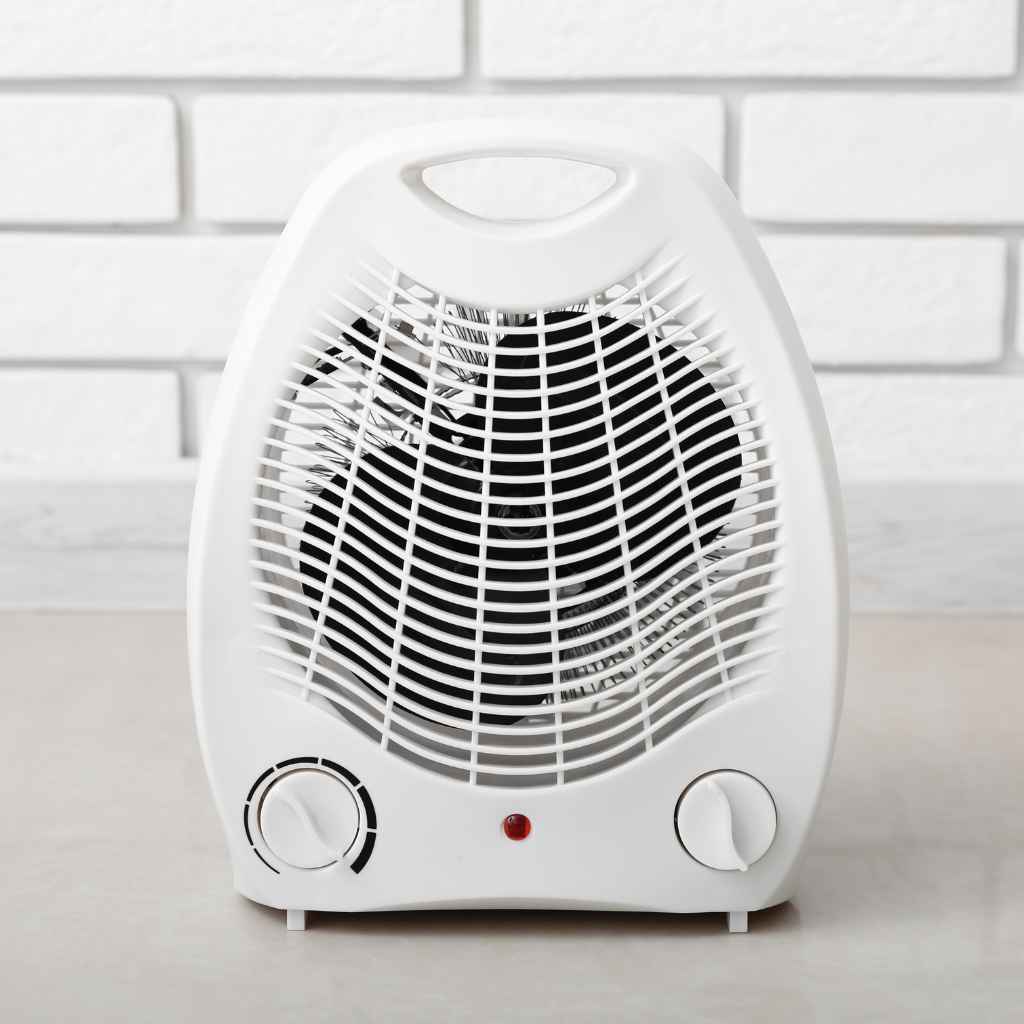
This hot wire then heats the air around it. How the heat is moved is where different types of heaters come in. Some have a fan.
This fan blows the hot air into the room. These are often called fan heaters or ceramic heaters. Others use radiant heat.
This means the hot element gives off infrared rays. These rays directly heat objects and people in their path. Think of a radiant panel heater or a quartz heater.
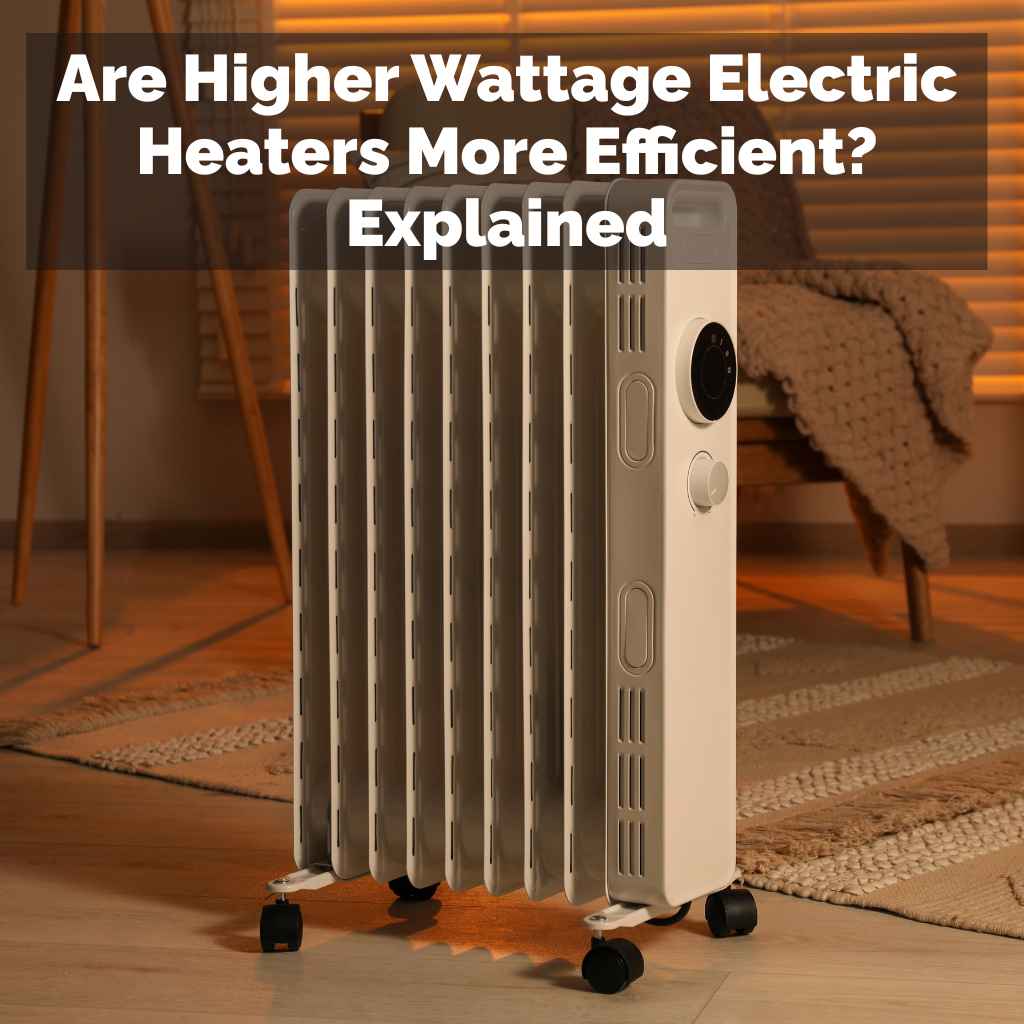
Oil-filled radiators are another type. They have an element that heats up oil inside the radiator. The oil then circulates.
It heats the metal fins of the radiator. These fins then warm the air in the room. Convection heaters work by heating the air.
The warm air rises. It circulates around the room. This creates a gentle, even warmth.
No matter the method of heat distribution, the core principle is the same. Electricity goes in, and heat comes out. And for all these methods, the conversion rate is remarkably high.
The laws of physics tell us that as electricity passes through a resistance, energy is lost. In electric heaters, this “lost” energy is precisely the heat we want. So, there’s very little energy wasted on anything else.
This is different from, say, a combustion heater. A gas or oil heater burns fuel. Some energy is lost up the chimney or through exhaust.
There are also byproducts. Electric resistance heaters don’t have these issues. They are cleaner in the immediate space they are used.
They also don’t produce carbon monoxide. This makes them a safe choice for many homes.
The wattage rating tells you the maximum rate of energy consumption. For example, a 1500-watt heater will draw 1500 watts from the outlet when it’s on high. Some heaters have multiple settings.
They might have a low setting (e.g., 750 watts) and a high setting (1500 watts). This lets you control the heat output. It also lets you control energy usage to some extent.
Wattage vs. Room Size: The Real Connection
This is where wattage matters most. It’s not about efficiency. It’s about capacity.
A higher wattage heater can heat a larger space. Or it can heat a small space much faster. If you have a small bathroom, a 500-watt heater might be enough.
If you have a large living room, that same 500-watt heater will struggle. It will run constantly and might never get the room comfortably warm.
A common rule of thumb is to have about 10 watts of heating power per square foot of living space. This is a starting point. It can vary based on insulation, ceiling height, and climate.
For a 100-square-foot room, you’d look for a heater around 1000 watts. For a 200-square-foot room, you might need 2000 watts. Most portable electric heaters max out around 1500 watts.
This is because of standard household circuit limits.
If you have a very large room, one 1500-watt heater might not be enough. You might need two heaters. Or you might need a more powerful, permanently installed electric heater.
These are often found in electric baseboard heaters. They can be rated much higher, like 2000 watts or more per unit. Always check the manufacturer’s recommendations for room size.
They usually provide this information.
Running a heater that’s too small for a room is inefficient in a different way. It will run all the time. It will struggle to maintain temperature.
This can actually use more energy over time than using a correctly sized heater. The correctly sized heater will reach the desired temperature, cycle off, and then cycle on only occasionally. This saves energy and wears less on the unit.
Also, consider how quickly you need the space heated. If you only use a small office for a few hours a day, a higher wattage heater might be good. It can warm the room up quickly.
Then you can turn it off or lower the setting. If you need constant warmth, a correctly sized heater is key. It will maintain the temperature without overworking.
Think about the insulation in your home. Older homes might lose heat faster. They will need more wattage.
Newer homes with good insulation will need less. Double-pane windows also help keep heat in. If you have drafty windows or doors, the heater will have a harder job.
You might need a higher wattage heater. Or it might be worth sealing those drafts first.
Choosing the Right Heater Size
Small Room (e.g., bathroom, small office, 50-100 sq ft):
- Look for 500-1000 watts.
- A small ceramic or oil-filled heater is often ideal.
Medium Room (e.g., bedroom, living room, 100-200 sq ft):
- Aim for 1000-1500 watts.
- This is where standard portable heaters shine.
Large Room (e.g., open-plan living area, 200+ sq ft):
- You might need more than one 1500-watt heater.
- Consider electric baseboard heaters or wall units if available.
Factors to consider:
- Home insulation levels.
- Ceiling height.
- Climate (how cold is it outside?).
- Drafts from windows and doors.
Wattage vs. Energy Cost: What’s the Real Deal?
This is the core of the “efficiency” question for most people. We want to know if a higher wattage heater will cost more to run. Yes, a higher wattage heater can cost more to run.
But only if you use it in a way that it draws that higher power for a longer time. Remember our example: 1000 watts for 2 hours equals 2000 watts for 1 hour.
The actual cost of running any electric heater is calculated by: (Wattage / 1000) x Hours Used x Cost per Kilowatt-hour. So, if electricity costs $0.15 per kilowatt-hour (kWh):
A 1500-watt heater running for 4 hours costs: (1500 / 1000) x 4 x $0.15 = 1.5 x 4 x $0.15 = $0.90.
A 1000-watt heater running for 6 hours costs: (1000 / 1000) x 6 x $0.15 = 1 x 6 x $0.15 = $0.90.
See? The total energy used (and paid for) is the same. The difference is how long the heater had to run to achieve its goal.
In the first case, the 1500-watt heater heated the space faster. In the second case, the 1000-watt heater took longer. If the 1000-watt heater was in a room that was too big, it might have to run for 8 hours to achieve the same warmth.
Then the cost would be higher.
So, using a heater that is the right size for your space is crucial for cost savings. It’s not about picking the lowest wattage. It’s about picking the wattage that efficiently heats your specific room.
This means the heater can reach its target temperature and cycle off. This is the most energy-wise scenario.
What about features like thermostats? A good thermostat is essential. It helps control the energy usage.
It turns the heater off when the room reaches the set temperature. It turns it back on when the temperature drops. Without a thermostat, the heater would run constantly.
This would indeed be very expensive. Most modern electric heaters come with adjustable thermostats.
Some heaters also have “eco” modes or lower heat settings. These use less wattage. For instance, a 1500-watt heater might have a 750-watt low setting.
This is useful when you only need a little warmth. It’s less power being drawn. It will cost less per hour.
But it will also heat slower.
When comparing heaters, look at the energy cost per hour based on your local electricity rates. But remember that the runtime is the biggest factor. A more powerful heater that runs for less time can be cheaper to operate than a less powerful one that runs all day.
It’s about the total energy consumed, not just the power draw.
Quick Cost Comparison Example
Scenario: Heating a 150 sq ft room. Electricity cost: $0.15/kWh.
| Heater Wattage | Estimated Runtime to Heat Room | Energy Used (kWh) | Approximate Cost |
| 1000 watts (Right Size) | 2 hours | 2.0 kWh | $0.30 |
| 1500 watts (Slightly Oversized for speed) | 1.5 hours | 2.25 kWh | $0.34 |
| 750 watts (Undersized – runs longer) | 4 hours | 3.0 kWh | $0.45 |
Note: Run times are estimates. Actual times vary greatly.
Beyond Wattage: Other Efficiency Factors
While wattage doesn’t affect how efficiently electricity becomes heat, other things do. These are the real “efficiency” factors you should consider. They impact how much energy you ultimately use.
They also affect how comfortable you are.
1. Insulation: This is number one. Good wall, attic, and floor insulation.
It keeps heat inside. It prevents cold from getting in. A well-insulated home needs less heating.
It means your heater runs less often. A drafty home is like trying to fill a leaky bucket. You’ll need more heat constantly.
2. Window Quality: Single-pane windows lose a lot of heat. Double or triple-pane windows with good seals are much better.
Sealing up drafts around windows is also very important. You can use weatherstripping or caulk.
3. Thermostat Use: As mentioned, a good thermostat is vital. It prevents overheating.
It also stops the heater from running when it’s not needed. Programmable thermostats or smart thermostats can save even more. You can set schedules for when you’re home or away.
4. Heater Type: While all resistance heaters are about 100% efficient at converting electricity to heat, some types distribute heat better or faster. For example, a radiant heater might make you feel warm faster if you are directly in its path.
A fan heater can circulate warm air quickly to heat a whole room. Choosing the right type for your needs matters.
5. Maintenance: Dust can build up on heating elements and fans. This can make the heater work harder.
It can reduce airflow. Regularly cleaning your heater ensures it runs as designed. Check the manual for cleaning instructions.
6. Room Usage: Are you heating a room you use constantly? Or just occasionally?
If it’s occasional, a higher wattage heater that heats up fast might be best. It can be turned off when you leave. If it’s a room you’re in all day, a correctly sized heater on a thermostat is usually more economical.
7. Climate Zone: This is obvious but worth stating. If you live in a very cold climate, your heater will work harder and longer.
This means higher energy bills, no matter the heater. Proper insulation and sealing are even more critical here.
I remember one winter, my office space was always freezing. I had a small heater, but it never seemed to do much. I kept turning it up.
I thought maybe I needed a bigger wattage one. I complained about it to my neighbor, who is an HVAC guy. He came over and just looked around.
He pointed out how much cold air was coming in around my old window frame.
He suggested I just use some heavy-duty tape and some old blankets to block the draft. Honestly, I was skeptical. But I did it.
The next day, the little heater kept the room at a perfect temperature. It cycled off! It used way less energy.
That experience taught me that sealing up your home is often more important than the heater itself. It was a game-changer for my comfort and my electric bill.
Myth vs. Reality: Heater Efficiency
Myth: Higher wattage heaters are more energy-efficient.
Reality: All electric resistance heaters are nearly 100% efficient at converting electricity to heat. Wattage determines heat output rate, not efficiency.
Myth: A low-wattage heater is always cheaper to run.
Reality: Not necessarily. A low-wattage heater in an undersized space will run much longer, potentially costing more in total energy use than a correctly sized, higher-wattage heater that cycles off.
Myth: Expensive heaters are always better quality and more efficient.
Reality: While build quality can vary, the core heating efficiency of electric resistance heaters is the same. Focus on features like thermostats, safety certifications, and appropriate wattage for your needs.
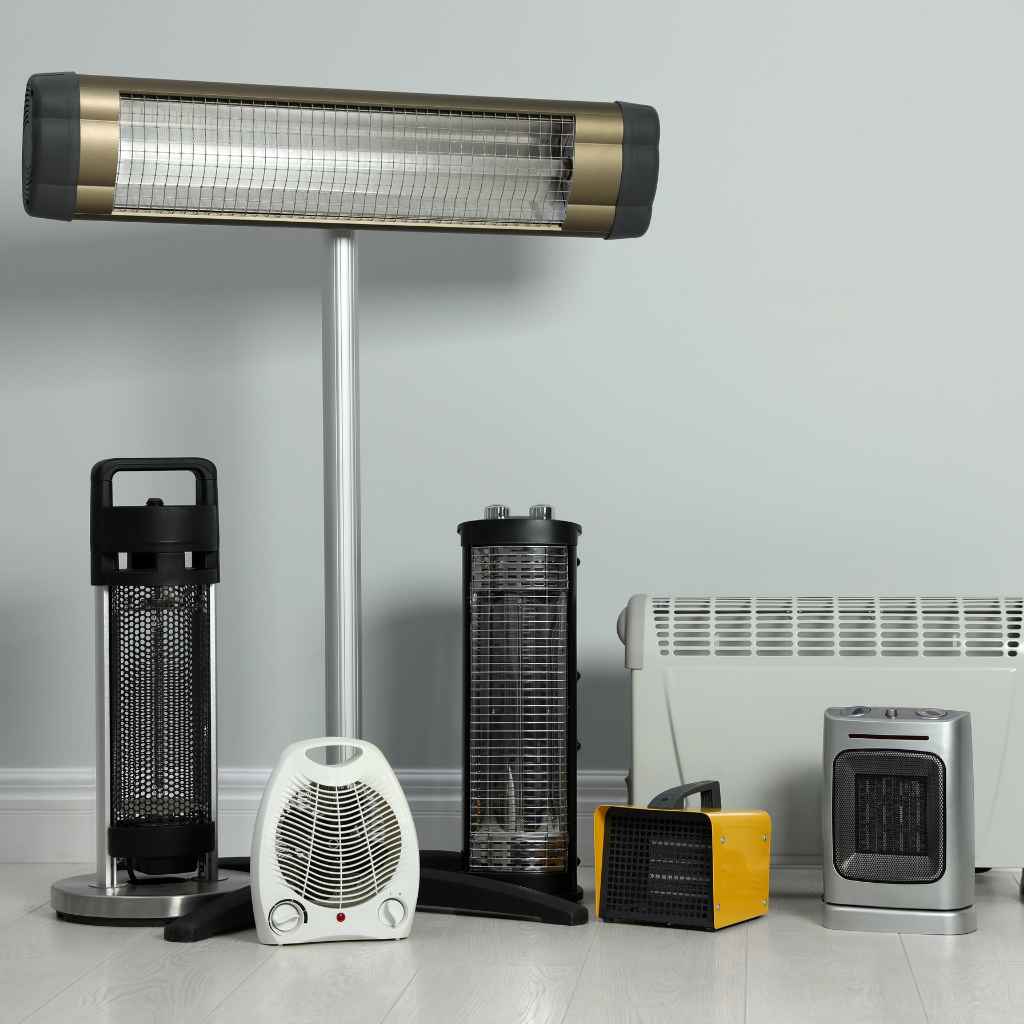
Types of Electric Heaters and Their Wattage
Let’s look at some common types of electric heaters. This will help you see how wattage plays a role in their design and use.
Ceramic Heaters
These use a ceramic element that heats up. A fan blows air across the hot ceramic. Then it pushes the warm air into the room.
They are good for heating small to medium rooms quickly. Wattage usually ranges from 750 watts (low setting) to 1500 watts (high setting).
Ceramic heaters are great for personal comfort. They are also good for supplemental heat. They tend to distribute heat fairly evenly with the fan.
Their portability is a big plus.
Oil-Filled Radiators
These look like old-fashioned radiators. They contain oil that is heated by an electric element. The oil then heats the metal fins.
This heat slowly warms the air in the room through convection. They are very quiet. They provide a steady, gentle heat.
They are good for bedrooms where you want consistent warmth. Wattage typically ranges from 700 watts to 1500 watts.
They take longer to heat up initially. But they also retain heat well. This means they can stay warm for a bit even after being turned off.
This is a nice feature for overnight heating.
Convection Heaters
These heaters warm the air directly. The air passes over a heating element. Then the warm air rises.
It circulates around the room. They are often used for whole-room heating. They are usually quieter than fan heaters.
Wattage can vary widely. Some are 500 watts for small spaces. Others can be 1500 watts or more for larger rooms.
Some are built into walls as baseboard heaters.
They create a very even temperature. But it can take a while for the room to warm up fully. They are less effective for quick spot heating.
Infrared or Radiant Heaters
These emit infrared radiation. This radiation heats objects and people directly. It’s like the sun’s warmth.
They don’t heat the air as much. This makes them efficient for heating specific spots or people. They are good for garages, workshops, or patios.
Wattage can range from 400 watts to 1500 watts or even higher for commercial units. Patio heaters can be much higher wattage.
They provide instant warmth. But the heat doesn’t linger in the air. If you move out of the direct beam, you won’t feel the heat as much.
They are not ideal for heating an entire enclosed room evenly.
Fan Heaters
These are simple. An electric element heats up. A fan blows air over it and into the room.
They are often the most portable and least expensive. Wattage is usually around 1500 watts on high. They heat up a room quickly.
But they can be noisy. They can also dry out the air.
The fan action helps distribute heat well. This makes them good for quickly warming up a smaller space. They are a popular choice for supplemental heating.
Heater Type Quick Scan
- Ceramic: Good for quick heating, portability. Fan distributes heat. Usually 750-1500W.
- Oil-Filled: Slow, steady, quiet heat. Good for consistent warmth. Usually 700-1500W.
- Convection: Even room heating, quiet. Good for whole rooms. Wattage varies.
- Radiant/Infrared: Heats objects/people directly. Instant spot heat. Wattage varies.
- Fan Heater: Fast heating, affordable, portable. Can be noisy. Usually 1500W max.
Real-World Context: When Higher Wattage Makes Sense
So, when is choosing a heater with a higher wattage actually the smart move? It’s all about the application. It’s not about efficiency, remember.
Scenario 1: The Drafty Basement. You’re trying to make a basement rec room usable. It’s often cooler than the rest of the house. The concrete walls and lack of insulation mean significant heat loss.
In this case, a 1500-watt heater might be necessary. It can put out more heat to fight the cold. Even then, you might need two.
Or you might need to invest in better insulation first.
Scenario 2: The Quick Warm-Up. You work from home in a spare bedroom. You only use it for a few hours a day. You can’t justify heating the whole house.
You want the room to be comfortable quickly. A 1500-watt fan heater can warm up the space in 10-15 minutes. Then you can turn it down or off.
This gets you comfortable fast without running a lower-wattage heater for hours.
Scenario 3: The Large Open Space. You have a large living room or an open-plan kitchen. A single 1000-watt heater will be completely overwhelmed. It will struggle to even warm a small section.
You’ll need a higher-wattage unit. Or, more likely, you’ll need two 1500-watt heaters placed strategically. They can work together to distribute heat.
Scenario 4: Heating a Garage for a Project. You’re working on a DIY project in the garage on a chilly Saturday. You’re not going to be in there all day, but you need it warm enough to work comfortably for a few hours. A more powerful radiant heater or a 1500-watt ceramic heater can create a warm zone quickly.
It’s about comfort during that specific task.
The key is to match the heater’s output to the job. If the job is to heat a large space or to heat a space very quickly, higher wattage can be beneficial. But it’s always a trade-off with energy consumption.
You’re using more power per minute. So, you need to be mindful of how long you’re running it.
I recall needing to warm up my daughter’s play area in the garage one winter. She loved playing there, but it was freezing. I got a 1500-watt ceramic heater.
It had a thermostat. I would turn it on about 30 minutes before she went out there. It would heat the small designated area quickly.
Then I’d lower the setting. It kept her warm without running at full blast the whole time she was playing. It felt like the right balance for that specific need.
When to Consider Higher Wattage
- Large Rooms: To overcome the sheer volume of air to be heated.
- Poorly Insulated Spaces: To combat significant heat loss.
- Quick Heating Needs: To reach a comfortable temperature rapidly.
- Specific Tasks: For temporary warmth during projects or activities.
Always balance wattage with:
- Room size (square footage).
- Desired heating speed.
- Run time (how long you’ll use it).
- Your home’s insulation and sealing.
When Lower Wattage is Sufficient (and Smarter)
On the flip side, there are many times when a lower wattage heater is perfectly fine. In fact, it’s often the better choice for both energy savings and consistent comfort.
Scenario 1: The Small Bedroom or Office. If you have a standard-sized bedroom or a small home office, a 750-watt or 1000-watt heater is often all you need. Especially if the room is reasonably well-insulated. It will heat the space effectively.
It will use less power than a 1500-watt unit. It will likely cycle off more often, saving energy.
Scenario 2: Supplemental Heat. Your main heating system keeps the house warm, but one room is always a bit cooler. You don’t need to blast heat into it. A lower-wattage heater can provide just enough extra warmth to make it comfortable.
It won’t conflict with your main system. It won’t use a ton of extra energy.
Scenario 3: Preventing Freeze-Ups. In very cold climates, you might want a small heater in a basement or garage that you don’t use often. Its job isn’t to make it cozy, but just to keep the temperature above freezing. A low-wattage unit (like 500-750 watts) can do this efficiently.
It maintains a minimal temperature without high energy use.
Scenario 4: Personal Comfort Zone. You’re sitting at your desk and feel a slight chill. You don’t want to heat the whole room. A small personal heater placed under your desk can provide just enough warmth for you.
These are often lower wattage (e.g., 300-500 watts). They are very energy efficient for personal use.
Scenario 5: Saving Money Long-Term. If your primary goal is to reduce your energy bill, choosing a heater that is appropriately sized is key. Over-sizing a heater means it will run less but draw more power when it does. Under-sizing means it runs constantly and might still not get warm enough.
The sweet spot is an appropriately sized heater with a good thermostat.
When you select a heater that’s too powerful for the space, it reaches the set temperature quickly. Then it shuts off. That sounds good.
But if it’s too powerful, it might overshoot the temperature significantly before shutting off. Then the room gets too warm. Then it cools down, and the heater comes back on.
This constant cycling can be less efficient than a correctly sized heater that cycles on and off more gently.
I learned this lesson in my first apartment. It had a tiny bedroom. I bought the biggest, most powerful portable heater I could find, thinking it would be great.
It heated the room up so fast, it felt like an oven. Then it would turn off. Then the room would cool down, and it would blast hot air again.
It was like being on a temperature rollercoaster. And my electricity bill was surprisingly high. I ended up switching to a smaller, 1000-watt unit with a good thermostat.
That was much more comfortable and cheaper to run.
When Lower Wattage Is Best
- Small to Medium Rooms: Where 1000-1500W would be overkill.
- Supplemental Heating: To add a bit of warmth without high energy use.
- Maintaining Minimum Temps: Preventing freezing without creating comfort.
- Personal Comfort: For desk heaters or chair-side warmth.
- Energy Bill Reduction: By matching heater size to room needs.
What This Means for You: Making the Right Choice
The main takeaway here is that higher wattage doesn’t mean more efficient. All electric resistance heaters are almost equally efficient at converting electricity to heat. The wattage is about how much heat and how fast it can produce it.
So, what should you do? Here’s a simple guide:
1. Measure Your Space: Know the square footage of the room you want to heat. This is your starting point.
A tape measure is your friend.
2. Consider Insulation and Drafts: Be honest about your home’s insulation. Do you have drafty windows or doors?
If yes, you might need a slightly higher wattage heater, or you should seal those leaks first. Improving insulation is often the most cost-effective energy-saving step.
3. Think About How You’ll Use It: Do you need quick heat for a short time? Or steady, consistent warmth?
This influences the type of heater and its wattage.
4. Look for a Thermostat: Whatever wattage you choose, make sure the heater has a reliable thermostat. This is crucial for energy management and comfort.
5. Don’t Buy More Than You Need: Resist the urge to buy the biggest, highest-wattage heater thinking it’s “better.” If a 1000-watt heater can do the job, it’s likely more energy-wise than a 1500-watt heater in that same space.
6. Check Circuit Limits: Remember that most standard household circuits are 15 amps. At 120 volts, this means a maximum of about 1800 watts.
That’s why most portable heaters max out around 1500 watts. If you plug in too many high-wattage devices on one circuit, you’ll trip the breaker.
7. Safety First: Always ensure your heater has safety features like tip-over protection and overheat protection. Follow all manufacturer instructions for safe operation.
Never leave a portable heater running unattended. Keep them away from flammable materials.
Ultimately, the most “efficient” electric heater is the one that is the right size for the room you’re heating, has a good thermostat, and is used wisely. Focusing on wattage alone will mislead you. It’s the combination of wattage, room size, insulation, and runtime that determines your energy costs.
Quick Fixes & Tips
Here are some quick tips to help you manage your heating costs and comfort:
- Seal drafts: Use weatherstripping or caulk around windows and doors.
- Use curtains or blinds: Close them at night to keep heat in. Open them during the day on sunny sides to let heat in.
- Wear layers: Putting on a sweater can make a big difference in comfort.
- Use a space heater for your personal zone: If you’re at a desk, a small personal heater is more efficient than heating the whole room.
- Program your thermostat: If you have a smart thermostat, set it lower when you’re asleep or away.
- Regularly clean your heater: Dust buildup can reduce performance.
- Don’t block vents: Make sure nothing is obstructing the heater’s airflow.
- Consider a ceiling fan in reverse: In winter, run your ceiling fan on low speed in reverse (clockwise). This pushes warm air down from the ceiling.
Frequent Questions About Heater Wattage
Are 1500-watt heaters more expensive to run than 1000-watt heaters?
Not necessarily. A 1500-watt heater uses more power per hour, but it can heat a space faster. If it cycles off sooner, it might use less total energy than a 1000-watt heater that has to run for a much longer time to achieve the same warmth.
It depends on the room size and insulation.
How do I know if my heater is the right wattage for my room?
A good sign is if the heater can comfortably warm the room to your desired temperature. It should be able to cycle off periodically once the room is warm. If it runs constantly and still doesn’t get warm enough, it’s too small.
If it makes the room uncomfortably hot very quickly, it might be too large.
Can I use a higher wattage heater if my room is very cold?
Yes, a higher wattage heater can help heat a very cold room faster. However, it’s often more energy-efficient in the long run to improve insulation and seal drafts. If you must use a higher wattage heater, ensure it has a thermostat to prevent overheating and wasting energy.
Does wattage affect the safety of an electric heater?
Wattage itself doesn’t directly impact safety features. However, higher wattage heaters draw more power. It’s crucial to ensure they are plugged into a suitable outlet and circuit that can handle the load.
Always check for safety certifications and features like tip-over protection and overheat shut-off, regardless of wattage.
What is the difference between watts and BTUs for heaters?
Watts (W) measure electrical power. BTUs (British Thermal Units) measure heat energy. For electric resistance heaters, watts are the primary specification.
A general conversion is that 1 watt equals about 3.41 BTUs per hour. Most electric heaters list their power in watts.
Are ceramic heaters better than oil-filled radiators in terms of efficiency?
Both ceramic heaters and oil-filled radiators are electric resistance heaters, so they are nearly 100% efficient at converting electricity to heat. The difference is in how they distribute heat. Ceramic heaters often heat a room faster with a fan.
Oil-filled radiators provide a steadier, gentler heat over a longer period. Your choice depends on your preference and room needs.
Conclusion
So, are higher wattage electric heaters more efficient? The short answer is no. All electric resistance heaters perform nearly identically in how they convert electricity into heat.
Wattage really just tells you how much power the heater uses and how quickly it can produce heat. The real efficiency comes from choosing the right size heater for your space, ensuring good insulation, and using a thermostat wisely. Focus on matching the heater to your room’s needs and your usage habits.
Further Reading: DOE electric heater efficiency | ENERGY STAR heating standards
That’s how you’ll stay warm and save money.