
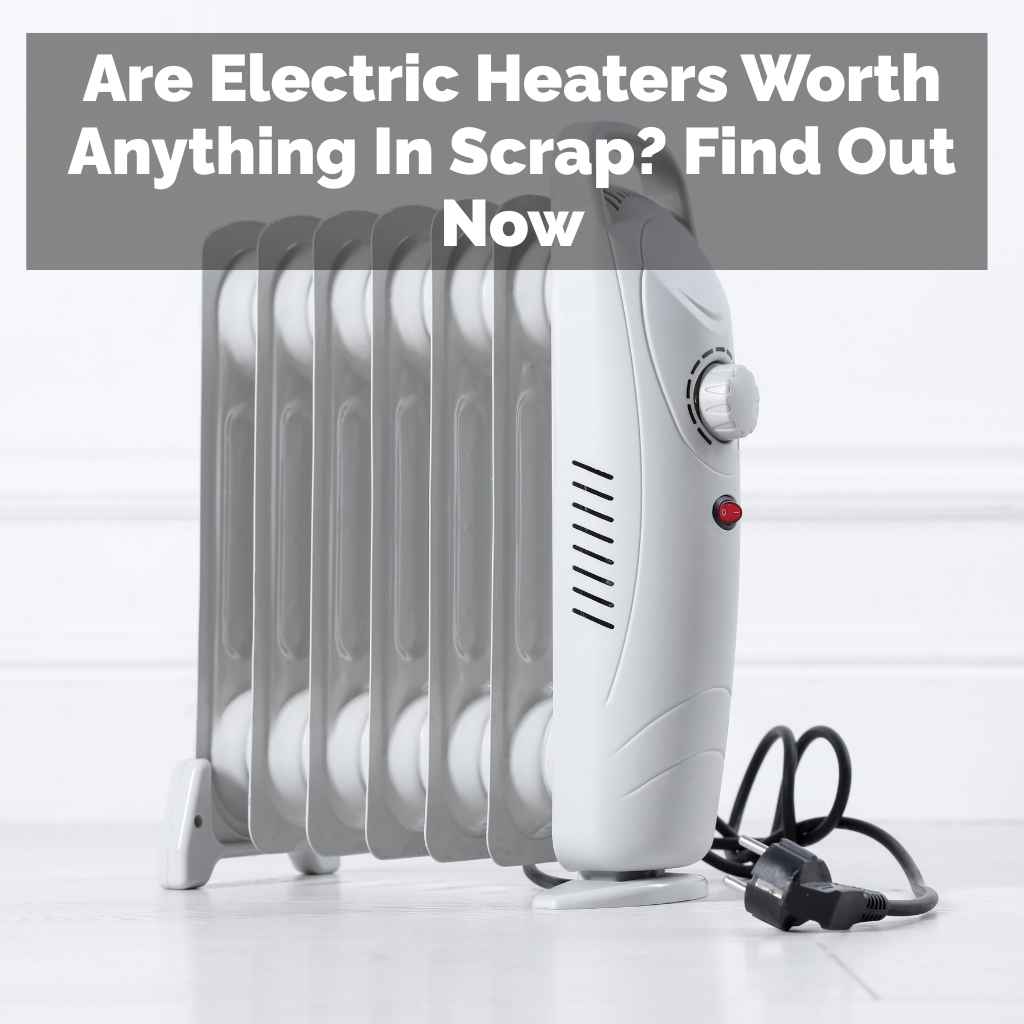
It’s a question that pops up when you’re clearing out the garage or finally tossing that old space heater that’s been gathering dust. You look at it, a bulky, often metal thing, and wonder, “Could this be worth something as scrap?” It’s a smart thought. Many household items have hidden value in their metal components.
But when it comes to electric heaters, the answer isn’t always a simple yes.
We’ve all been there, staring at something old and wondering about its final chapter. Electric heaters, with their mix of metals and electronic bits, can seem like a good candidate for scrap. But there’s more to it than just tossing them in a bin.
Understanding what’s inside, how to handle it safely, and where to take it makes all the difference. This guide will walk you through it all, step by step.
Electric heaters generally have low scrap value. While they contain some metal like steel and copper, the amount is often small compared to the heater’s weight. Their value is significantly impacted by the specific metals present, their condition, and local scrap prices. Many are not economically viable for scrap unless collected in large quantities.
What Makes Up an Electric Heater?
When we talk about an electric heater, we mean those devices that use electricity to warm a space. Think of the portable ones you plug into an outlet. These come in many shapes and sizes.
Some use glowing coils, others have ceramic plates, and some blow hot air using a fan. But they all share a similar internal structure.
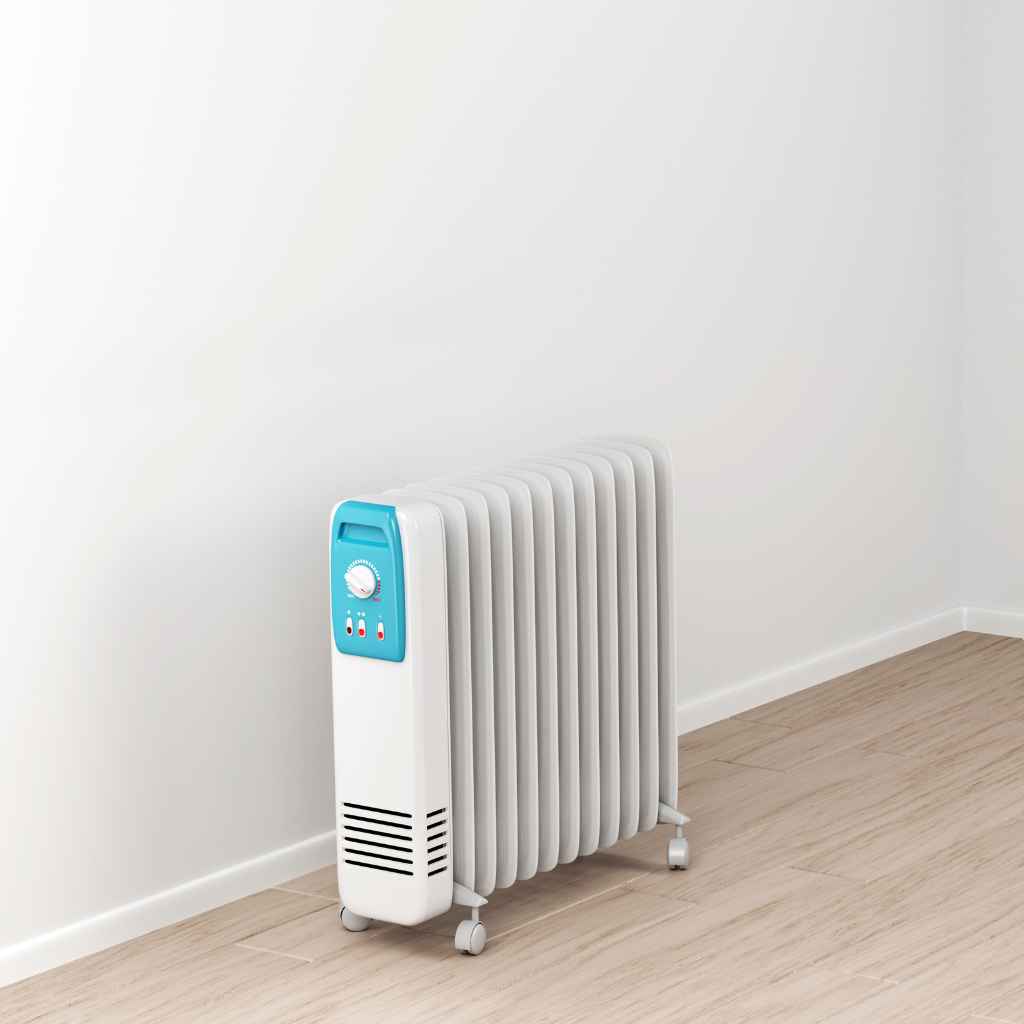
Inside most electric heaters, you’ll find a few key components. There’s the outer casing, which is often made of sheet metal. This metal is usually steel.
Then, there’s the heating element itself. This is where the magic happens, turning electricity into heat. These elements are often made of a special wire, like nichrome, which can get very hot without breaking easily.
You’ll also find electrical wiring. This wiring carries the power from the plug to the heating element and any fan or thermostat. Much of this wiring is copper.
Copper is a valuable metal. There are also small electronic parts, like switches, thermostats, and sometimes a fan motor. These can contain small amounts of copper and other metals.
Are Those Heating Elements Worth Scrapping?
The heating elements are the heart of the heater. They glow red hot to make warmth. These elements are typically made from a metal alloy called nichrome.
Nichrome is a mix of nickel and chromium. While nickel and chromium are metals, the amount used in a single heater element is quite small. The wire itself is very thin.
Because the wire is so thin and the alloy isn’t as common for bulk scrap as copper or aluminum, nichrome itself doesn’t fetch much money at the scrap yard. Think of it this way: you’d need a huge pile of these tiny wires to equal the weight of something like a copper pipe. So, the heating elements alone aren’t usually a big moneymaker.
Sometimes, the heating element is wrapped around a ceramic core. This core is just a hunk of clay. It adds weight but no scrap value.
So, when you look at the heating element, its value as scrap is very low, even if it’s the most important part for heating.
The Role of Copper Wiring
Copper is a star in the scrap metal world. It’s used in lots of electronics and wiring because it’s a great conductor of electricity. Electric heaters have wiring that connects the plug to the heating element, the thermostat, and any fan.
This wiring is often insulated with plastic, but the wire inside is copper.
The amount of copper in a typical portable electric heater is not very large. You’re looking at the thickness of a pen. It’s not like the thick cables you might find in industrial equipment.
Still, copper is copper, and it’s always worth something. The key is how much you have.
If you’re scrapping multiple heaters, you can gather enough copper wiring to make it worthwhile. You’ll need to strip the plastic insulation off the copper wire. This can be a bit of a tedious job.
Many scrap yards will pay less for insulated wire. So, taking the time to strip it can increase your return. This is where you’ll get most of the value from an electric heater.
Scrap Value Quick Check
Steel Casing: This makes up most of the weight. Steel is a low-value scrap metal. It’s common, and yards have lots of it.
It will contribute a small amount to the total scrap price.
Copper Wiring: This is your best bet for value. Collect all the copper wire you can find from multiple heaters. It’s worth more than steel.
Heating Elements (Nichrome): Very little value. The metal is specialized and the amount is tiny.
Other Metals: Small amounts of aluminum might be in fan blades or motor parts, but this is rare in basic heaters. These add minimal value.
Steel: The Bulky but Low-Value Component
Most of the physical weight of an electric heater comes from its outer shell. This is usually made of stamped steel. Steel is a very common metal.
It’s used everywhere, from cars to buildings to appliances. Because it’s so common, the scrap price for steel is generally quite low.
When you take a pile of scrap metal to a yard, they often sort it into different categories. Steel is usually one of the cheapest categories. This means that while your heater might feel heavy, a big chunk of that weight is steel, which won’t earn you much money.
It’s important to know this so you have realistic expectations.
Sometimes, the steel casing might be painted or have plastic coatings. Scrap yards generally prefer clean, uncoated metals. They might even deduct weight or price if the steel isn’t clean.
So, if you’re planning to scrap the steel, a quick wipe-down might be helpful, though for most home heaters, the steel is just plain metal.
Other Metals to Consider
Beyond steel, copper, and the nichrome of the heating element, there might be other small metal parts. Some heaters have a fan. The motor inside the fan might have a small amount of copper windings.
The fan blades themselves could be plastic or sometimes aluminum.
Aluminum is more valuable than steel but less valuable than copper. If you find aluminum parts, make sure to separate them. Many scrap yards have different price rates for different types of metals.
Knowing these differences helps you get the most money for your scrap.
However, in most common portable electric heaters, the amounts of aluminum or other significant metals are very small. The bulk will still be steel and the nichrome elements, with copper wiring being the primary source of any real scrap value.
Safety First: Dismantling Electric Heaters
Before you even think about taking a heater apart, safety is number one. Electricity can be dangerous, even when the appliance is unplugged. Always make sure the heater is completely unplugged from the wall.
Leave it unplugged for a good while before you start. This gives any residual power a chance to dissipate.
When you start dismantling, wear protective gear. Gloves are a must. The metal edges can be sharp, and you don’t want to cut yourself.
Safety glasses are also a good idea. Little bits of plastic or metal can fly off unexpectedly when you’re prying things apart. A dust mask can also be helpful, especially if the heater is old and dusty.
Use the right tools. You’ll likely need screwdrivers (both Phillips and flathead), pliers, and maybe a wrench. Be gentle when taking things apart.
You don’t want to force pieces and break them unnecessarily, especially if you’re trying to salvage the copper wire. Look for screws around the casing. Sometimes, panels are held on by clips that you can carefully pry open.
How to Safely Take Apart a Heater
- Unplug and Wait: Make sure it’s unplugged. Let it sit for a few hours.
- Gather Tools: Screwdrivers, pliers, gloves, safety glasses.
- Locate Screws: Look for screws on the outer casing.
- Remove Casing: Carefully pry off panels or remove screws to expose the inside.
- Identify Parts: Note the heating elements, wiring, and fan.
- Salvage Copper: Carefully pull out and strip the copper wires.
- Separate Metals: Keep steel, copper, and any other metals separate.
Extracting the Copper Wire
This is where you’ll find most of the potential profit. Once the outer casing is off, you’ll see the internal components. The wiring runs from the power cord to the thermostat and the heating element.
You’ll want to follow these wires.
Often, the wires are held in place with plastic ties or clips. You can cut these or carefully remove them. Gently pull the wires free.
Be careful not to damage the copper strands inside the plastic coating. Some wires might be thicker than others, depending on their function.
After you’ve collected all the wires, the next step is stripping the insulation. This is crucial for getting the best price at the scrap yard. You can use a wire stripper tool if you have one.
Many people also use a utility knife, carefully scoring the plastic and then peeling it off. Some people even use their teeth, but this is not recommended due to potential damage and safety risks.
The goal is to end up with clean, bare copper wire. The brighter and shinier the copper, the better. This is what scrap yards look for.
Keep this stripped copper in a separate container from your steel or other metals.
When Heaters Are NOT Worth Scrapping
It’s important to be realistic. For a single, small electric heater, the amount of valuable scrap metal might be very small. The cost of your time and effort to take it apart, strip the wires, and transport it to a scrap yard might be more than what you earn.
Consider the weight. If a heater is mostly plastic and thin metal, it might not weigh much. The copper wire might only be a few feet long and relatively thin.
In this case, the payout could be mere cents. It’s often not worth the trouble.
Also, think about the location of your nearest scrap yard. If it’s far away, the gas money to get there could eat up any profit. Many scrap yards have minimum weight requirements for certain metals, especially steel.
If you only have a small amount, they might not even accept it or offer a very low price.
Factors Making a Heater NOT Worth Scrap:
- Low Copper Content: Very thin or short copper wires.
- Excessive Plastic: If most of the heater is plastic, it adds weight but no value.
- Small Overall Size: Tiny heaters yield tiny amounts of metal.
- Long Travel Distance: Gas costs outweigh potential earnings.
- Minimum Weight Requirements: Not meeting the scrap yard’s minimum for specific metals.
- Time Investment: The effort to dismantle and strip outweighs the payout.
Where to Sell Your Scrap Electric Heaters
If you’ve decided that the scrap value is worth pursuing, your next step is finding a scrap yard. Search online for “scrap metal yards near me” or “metal recyclers.” Call them before you go.
When you call, ask a few key questions. First, do they accept electric heaters or appliances? Some yards specialize in certain metals and might not take whole appliances.
Second, what are their current prices for copper (specifically, what grade of copper – insulated vs. bare) and steel?
Prices for scrap metal change daily, just like stock prices. So, knowing the current rates will help you understand if it’s a good time to sell. Also, ask about their hours of operation and if there are any specific requirements for bringing in scrap (like needing an ID or proof of residency).
Some scrap yards might pay more for separated metals. So, bringing your stripped copper and sorted steel separately can help you get the best price. Remember, honesty is important.
Label your metals clearly, and let the yard weigh and sort them according to their procedures.
Alternatives to Scrap Metal
What if scrapping isn’t worth it for your old electric heater? Don’t just throw it in the trash. Many old appliances contain materials that aren’t good for landfills.
There are better options.
Donation: If the heater still works, even if it’s old, consider donating it. Charities, homeless shelters, or community centers might be able to use it. Call them first to make sure they accept working appliances.
Recycling Programs: Many local governments or waste management companies have special electronics recycling days or drop-off locations. These facilities are equipped to handle the safe dismantling and recycling of appliances, ensuring that valuable materials are recovered and hazardous ones are disposed of properly.
Selling (As-Is): If it still heats, you might be able to sell it for a small amount online through local classifieds or marketplaces. Someone might be looking for a cheap, functional heater.
Repair: Sometimes, an old heater just needs a simple fix. If you’re handy, you might be able to repair it for continued use, saving you the cost of a new one.
When Scrap Isn’t the Best Option:
- Heater Still Works: Donate or sell it.
- Significant Plastic: Less valuable metal content.
- Small Amount of Metal: Low profit potential.
- Distance to Yard: Gas cost may exceed earnings.
- Environmental Concerns: Proper e-waste recycling is better than landfill.
Understanding Scrap Prices
Scrap metal prices fluctuate. They are influenced by global demand for raw materials, manufacturing needs, and even international trade policies. Copper is generally more valuable than steel.
The grade of copper also matters – bare, bright copper is worth more than insulated wire or corroded copper.
For steel, you’re often looking at prices per pound that are quite low, sometimes just a few cents. Copper prices can be significantly higher, but you need enough of it to make a difference. For example, if steel is $0.05 per pound and copper is $2.00 per pound, a 10-pound heater with 1 pound of clean copper might yield only $0.50 for steel and $2.00 for copper, totaling $2.50.
If you have to drive 30 miles to the scrap yard, that $2.50 might not be worth the gas money. This is why collecting multiple heaters or other scrap metal items is usually the best approach for making scrapping worthwhile.
Real-World Experience: The Day I Scrapped My First Heater
I remember the first time I decided to try scrapping an old electric heater. It was a bulky ceramic tower heater that had died a quiet death in the back of my closet. It felt heavy, and I thought, “Surely there’s some copper in here.” So, I got my toolbox, gloves, and a sense of adventure.
Getting the outer casing off was tougher than I expected. The screws were tight, and some plastic clips were stubborn. I finally got it open and saw the heating elements.
They looked like thick wires coiled up. I also saw the fan and its motor. There was some wiring connecting everything.
I spent a good hour carefully pulling out all the wires I could find.
The wires were coated in thick plastic. Stripping them was a chore. I used a sharp knife, and it took forever.
By the time I had a small pile of bare copper wire, I was sweating and my hands were sore. I also had a pile of steel casing and the ceramic heating element parts.
I loaded it all into my car and drove to the local scrap yard. The weigh-in was quick. They put the steel on one scale, the copper on another.
The total payout? About $3.50. The drive there and back was probably 40 minutes total, and I spent nearly an hour taking it apart and stripping the wire.
It wasn’t the big payday I’d imagined, but I learned a lot. Mostly, I learned that for a single heater, the effort is often more than the reward.
My Scrap Heater Journey (Personal Story)
The Item: Old ceramic tower electric heater.
My Goal: Find scrap value, mainly copper.
The Process: Took apart casing, salvaged wiring, stripped insulation. This was time-consuming.
The Metals: Steel casing, copper wire, nichrome heating elements, ceramic parts.
The Outcome: Made about $3.50 at the scrap yard. Effort seemed higher than reward for one unit.
The Lesson: Scrapping one heater might not be worth it. Collecting many is key for decent profit.
What This Means for You
So, are electric heaters worth anything in scrap? The short answer is: usually not much on their own. The steel casing is heavy but low value.
The heating elements are made of specialized alloys and are too small to be worth much.
Your best bet for any scrap value is the copper wiring. If you have a collection of old heaters, or if you’re dismantling other old appliances that also contain copper wire, then it can add up. You’ll need to be willing to put in the time to safely take them apart and strip the wire.
If you’re only dealing with one or two old heaters, and they aren’t working, it’s often more practical to look for local electronics recycling programs or donation centers. This ensures responsible disposal without the small financial gain that might not even cover your gas money.
When to Worry About Old Heaters
Old electric heaters can sometimes pose safety risks, even if they aren’t being used. If a heater has damaged cords, frayed wiring, or cracked plastic casing, it’s a fire hazard. Never try to use a heater that looks damaged.
When dismantling, be aware of dust. Old heaters can accumulate dust and even mold. If you’re concerned about the air quality, wear a mask.
Also, the heating elements, even when unplugged, can sometimes retain a slight warmth for a short period. Always be sure it’s cool to the touch.
If you find any signs of water damage or corrosion on the internal electrical components, handle with extra caution. These could indicate a higher risk of electrical issues or material degradation.
Quick Tips for Scrapping Appliances
If you’re serious about scrapping, here are a few tips to make it more efficient:
- Collect More: Don’t just scrap one item. Gather several old appliances or electronics that might contain valuable metals like copper or aluminum.
- Sort Carefully: Keep different metals separate. Steel, copper, aluminum, brass – each has a different price.
- Strip Wire: Always strip the insulation off copper wire for the best price.
- Clean Your Scrap: Remove as much plastic, rubber, or non-metal parts as possible.
- Call Ahead: Always call your local scrap yard to confirm prices, accepted items, and their hours.
- Consider Weight: Understand that heavier items like steel casing contribute less to value than lighter, more valuable metals.
Frequently Asked Questions about Scrap Electric Heaters
Do electric heaters contain valuable metals?
Electric heaters contain some valuable metals, primarily copper in their wiring. However, the amount is usually small. They also contain steel (low value) and nichrome alloy in the heating elements (very low value).
How much can I get for an old electric heater as scrap?
The amount you can get is typically very low, often just a few dollars per heater, if any. It depends heavily on the amount of copper wire and the current scrap prices. It’s rarely worth the effort for a single unit.
Is it safe to take apart an electric heater?
Yes, but only if you take safety precautions. Always ensure the heater is unplugged and has been unplugged for some time. Wear gloves and safety glasses to protect yourself from sharp edges and potential flying debris.
What is the most valuable metal in an electric heater?
The most valuable metal in an electric heater is copper, found in the internal wiring. However, even this amount is usually not substantial enough to yield a high payout from a single heater.
Should I strip the insulation off copper wire before selling it?
Yes, absolutely. Scrap yards pay significantly more for bare, clean copper wire than for insulated wire. The extra effort of stripping the insulation can make a big difference in your earnings.
What should I do with electric heaters that aren’t worth scrapping?
If an electric heater still works, consider donating it to a local charity or shelter. If it’s broken, look for local e-waste recycling centers or hazardous waste disposal events. Avoid putting them in regular household trash if possible.
The Final Word on Heater Scrap
So, there you have it. While the idea of getting cash for an old electric heater is appealing, the reality is often less exciting. The scrap value is typically minimal, mainly coming from the copper wiring.
Unless you’re collecting a large number of heaters or combining them with other scrap metal projects, it might not be the most profitable use of your time.
Further Reading: EPA appliance recycling guide | DOE energy-efficient appliances
Always prioritize safety when dealing with old appliances. And if scrapping isn’t the best option, explore responsible alternatives like donation or recycling. Understanding the materials inside helps you make the best decision for both your wallet and the environment.