
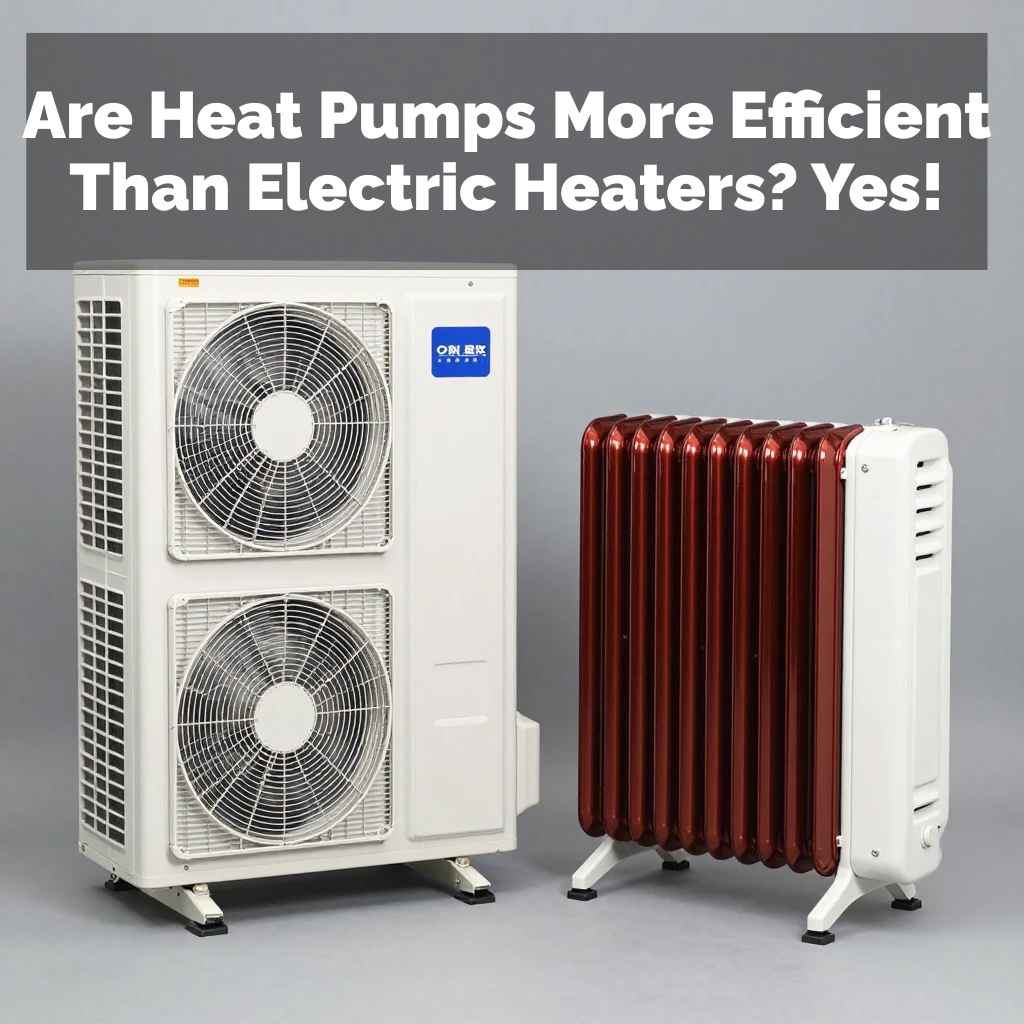
Heat pumps are generally much more efficient than electric resistance heaters. While electric heaters convert electricity directly into heat, heat pumps move existing heat from one place to another, using less energy overall. This makes them a more cost-effective and energy-saving option for home heating.
Understanding How They Work
To see why heat pumps win on efficiency, we need to look at how they do their job. Think about the difference between making something and moving something. An electric heater is like a toaster.
It takes electricity and makes heat right then and there. It has to use a lot of power to create that heat.
A heat pump is more like a clever refrigerator in reverse. Instead of cooling a space by moving heat out, it heats a space by moving heat in. Even when it’s cold outside, there’s still some heat energy floating around in the air or ground.
A heat pump captures this tiny bit of heat.
It then uses a special liquid to move that heat inside your home. This process uses electricity, but it’s mostly for running the fan and the compressor. It’s not creating the heat itself from scratch.
It’s just relocating it. This is why it uses far less electricity than a heater that makes heat directly.
Electric Resistance Heating: The Simple Way
Electric resistance heaters are straightforward. They have a heating element, often a wire coil. When electricity flows through this wire, it gets very hot.
This heat then warms the air around it. This is similar to how a toaster or a hairdryer works. The heat you feel is directly from the electricity used.
This direct conversion is simple and reliable. You turn it on, and you get heat. However, the amount of heat you get is directly tied to the amount of electricity you use.
If you need more heat, you need more electricity. There’s no way around that.
For every 1 watt of electricity you put into a resistance heater, you get 1 watt of heat out. It’s a 1:1 ratio. This is why we say it’s 100% efficient in terms of converting electricity to heat.
But in terms of producing heat for your home, it’s not the most effective use of energy.
Heat Pump Technology: Moving Heat Smartly
Heat pumps work on the principle of heat transfer. They use a refrigeration cycle. This cycle involves a refrigerant fluid that can easily change between a liquid and a gas.
This fluid is at the heart of how a heat pump moves heat.
In the winter, the heat pump’s outdoor unit absorbs heat from the outside air, even when it feels cold to us. The refrigerant absorbs this heat and turns into a gas. This gas then travels to the indoor unit.
There, a compressor squeezes the gas, making it hotter.
This hot gas then transfers its heat to the air inside your home. As it gives up heat, the refrigerant cools down and turns back into a liquid. This liquid then flows back outside to start the cycle again.
It’s a continuous loop of capturing, compressing, and releasing heat.
The key is that the heat pump is not generating heat. It’s moving it. Because it’s moving heat that already exists, it can deliver more heat energy than the electrical energy it consumes.
This is where the efficiency comes from.
The Efficiency Difference Explained
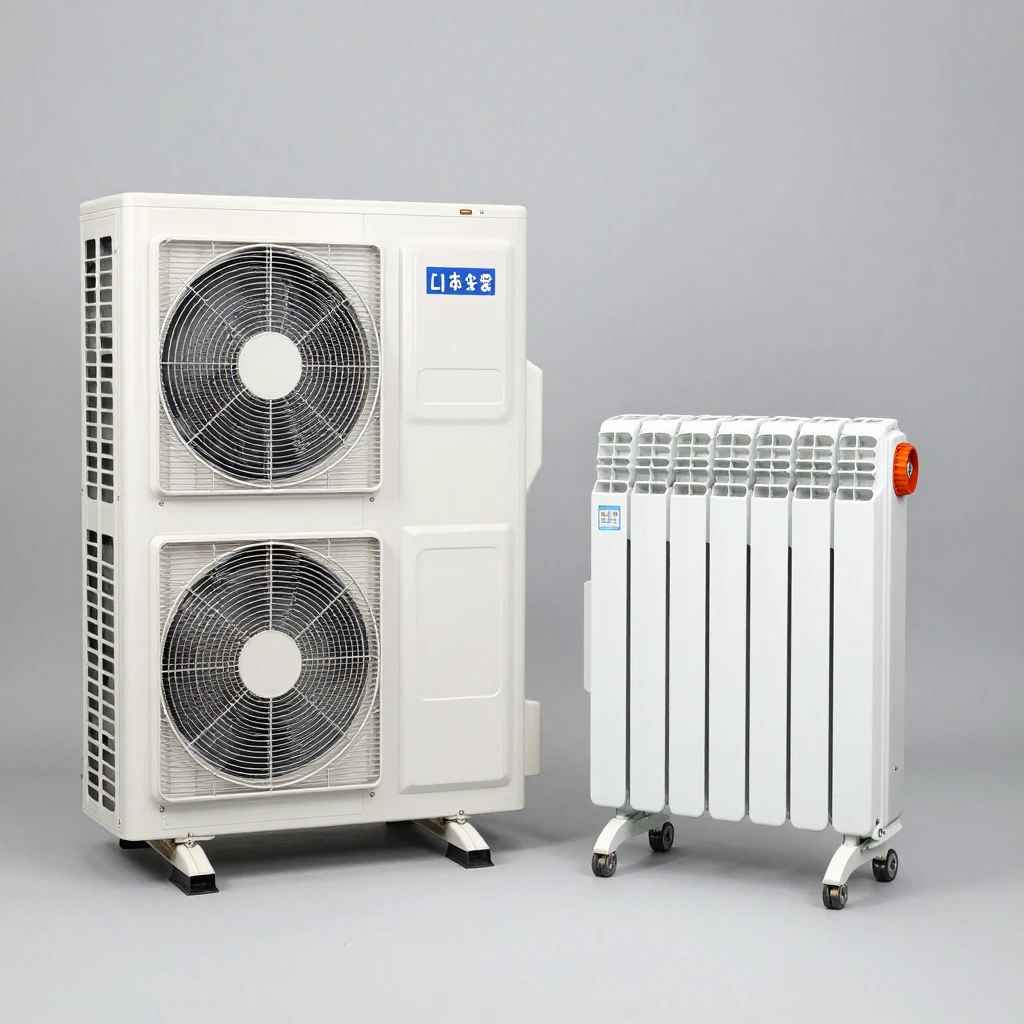
The real magic of heat pumps lies in their efficiency ratings. You’ll often hear about two main numbers: SEER (Seasonal Energy Efficiency Ratio) for cooling and HSPF (Heating Seasonal Performance Factor) for heating. For electric resistance heaters, the “rating” is simply 100%, or a Coefficient of Performance (COP) of 1.
This means for every unit of energy (like a kilowatt-hour of electricity) you put in, you get one unit of heat out. It’s a direct conversion. There’s no “extra” heat produced beyond the energy consumed.
Simple, but not very cost-effective when heating your entire home.
Heat pumps, on the other hand, can have COPs of 2, 3, or even 4. What does this mean? It means for every unit of electricity they use, they can deliver 2, 3, or even 4 units of heat.
This is often called “free” heat because it’s coming from the environment, not directly from the power bill in the same way as resistance heating.
Understanding COP and AFUE
COP (Coefficient of Performance): This is the ratio of heating or cooling provided to the energy consumed. For heating, a COP of 3 means the heat pump delivers 3 units of heat for every 1 unit of electricity it uses. This is a very common way to express heat pump efficiency.
AFUE (Annual Fuel Utilization Efficiency): This rating is more common for furnaces that burn fuel (like natural gas or oil). It tells you how much of the fuel’s energy is converted into usable heat. For electric resistance heaters, the AFUE is 100% because all the electricity becomes heat.
However, this doesn’t tell the whole story of energy cost.
Heat pumps don’t use AFUE. Instead, they use HSPF. The HSPF rating is a bit more complex.
It measures the average efficiency of the heat pump over an entire heating season. A higher HSPF means better efficiency. A heat pump with an HSPF of 9 is more efficient than one with an HSPF of 7.
For context, a typical electric resistance heater has a COP of 1. A modern air-source heat pump can have a COP of 2.5 to 4 in moderate temperatures. That means it’s 250% to 400% efficient compared to an electric heater.
Geothermal heat pumps can be even more efficient, sometimes reaching COPs of 4 to 5 or higher.
The Energy Savings Factor
This difference in efficiency directly translates to energy savings. If a heat pump can deliver three times the heat for the same amount of electricity an electric heater uses, you’re saving a lot of money on your heating bills. For every dollar you spend on electricity for a heat pump, you might be getting three dollars worth of heat.
This is especially true in climates that aren’t extremely cold. As outside temperatures drop, the efficiency of air-source heat pumps can decrease. This is because there’s less heat to “pump” from the outside air.
However, even in colder weather, modern cold-climate heat pumps are designed to work effectively.
Let’s say you need 10,000 BTUs (British Thermal Units) of heat. An electric heater would need to consume about 2.93 kWh of electricity (since 1 kWh = 3412 BTUs). If electricity costs $0.15 per kWh, that’s about $0.44 to get your 10,000 BTUs.
A heat pump with a COP of 3 would only need to consume about 1 kWh of electricity to deliver those 10,000 BTUs (10,000 BTUs / 3412 BTUs per kWh = ~2.93 kWh for resistance, so 2.93 kWh / 3 COP = ~0.98 kWh). At $0.15 per kWh, that’s only about $0.15. You can see the savings add up quickly.
Comparing Efficiency: A Quick Glance
Electric Heater (Resistance)
- How it Works: Converts electricity directly into heat.
- Efficiency: 100% (COP of 1). 1 unit of electricity = 1 unit of heat.
- Energy Cost: Higher, as it uses electricity for direct heat creation.
- Best For: Small spaces, supplemental heat, quick spot heating.
Heat Pump (Air Source)
- How it Works: Moves existing heat from outside air into your home.
- Efficiency: 200% – 400% (COP of 2-4) in moderate temperatures.
- Energy Cost: Lower, as it uses electricity for moving heat, not creating it.
- Best For: Primary home heating, energy savings, whole-house comfort.
When Does Efficiency Matter Most?
The efficiency difference between heat pumps and electric heaters is not just a technical detail. It has a big impact on your daily life and your budget. When you’re choosing a heating system, you’re really choosing how you’ll stay warm and how much you’ll spend to do it.
Think about the long term. If you live in a region with moderate winters, like much of the United States, a heat pump will likely be much more cost-effective. You’ll see lower monthly energy bills from fall through spring.
Over the years, these savings can be quite significant.
Even in colder climates, modern heat pumps are getting better. Many can now provide comfortable heat even when temperatures are well below freezing. They might need a backup heat source for the very coldest days, but for most of the heating season, they offer substantial savings.
Climate Considerations
The climate you live in plays a huge role in how efficient a heat pump will be. If you live in Florida, Arizona, or Southern California, where winters are mild, a heat pump will be incredibly efficient and a fantastic choice. The outside air always has enough heat to capture.
In places like Maine, Minnesota, or the Dakotas, where winters are harsh and temperatures can drop to 0°F (-18°C) or even lower, the efficiency of an air-source heat pump will naturally decrease. As the outdoor temperature goes down, there’s less heat available to absorb, and the heat pump has to work harder.
This is why in very cold regions, a heat pump is often paired with a “dual-fuel” system. This means it works with a backup heating system, typically a furnace (gas or electric resistance). The heat pump handles the heating when it’s mild or moderately cold, and the furnace takes over when it gets extremely cold.
This ensures comfort while still maximizing energy savings for most of the year.
However, even in colder climates, advancements in cold-climate heat pump technology are making them viable as primary heating sources. These units are designed with better compressors and refrigerants to extract heat more effectively at lower temperatures. They can often reach COPs of 1.5 or higher even at 0°F.
Home Size and Insulation
The size of your home and how well it’s insulated also affect how much heat you need and how efficiently any system can provide it. A larger home will naturally require more heating. A poorly insulated home will lose heat quickly, making any heating system work harder.
If you have a well-insulated home, a heat pump can heat it efficiently and keep it comfortable. A well-sealed home with good insulation means less heat escapes, so the heat pump doesn’t have to run as much. This maximizes the savings you get from its higher efficiency.
For smaller spaces, like an apartment or a single room, a portable electric heater might seem convenient. However, if you were to use electric heaters to heat an entire medium-sized house consistently, your electricity bill would likely be much higher than if you used a heat pump system. The scale of the heating needs is where heat pumps truly shine.
Cost of Electricity vs. Other Fuels
The “efficiency” of a heating system isn’t just about how much heat it produces per unit of energy. It’s also about how much that energy costs. In areas where electricity is relatively cheap, heat pumps offer fantastic savings compared to electric resistance heaters.
This is a common situation in many parts of the U.S.
However, if you live in a region where electricity is very expensive, and natural gas or propane is very cheap, the calculation might change. But even then, the energy-saving potential of a heat pump often makes it a competitive choice, especially when you consider that heat pumps also provide cooling in the summer.
When comparing to other fuel types like natural gas, you need to look at the delivered cost per unit of heat. For example, if electricity costs $0.15/kWh and natural gas costs $1.50 per therm (1 therm = ~29.3 kWh), a gas furnace might be cheaper to run per BTU than a heat pump, even if the heat pump is more “efficient” in its energy conversion.
But remember, heat pumps are electric. So, comparing them to electric resistance heaters is a direct comparison of electric energy usage. If your goal is to reduce your reliance on the grid or use less electricity overall, a heat pump is still the superior choice over resistance heating.
Real-World Energy Savings Example
Scenario: A 2,000 sq ft home in a moderate climate needs 50,000 BTUs per day to stay warm.
Electric Heater (100% efficient, COP 1):
- Energy needed: 50,000 BTUs
- Electricity cost: ~14.6 kWh (50,000 / 3412)
- At $0.15/kWh: $2.19 per day
Heat Pump (300% efficient, COP 3):
- Energy needed: 50,000 BTUs / 3 = ~16,667 BTUs (from electricity)
- Electricity cost: ~4.9 kWh (16,667 / 3412)
- At $0.15/kWh: $0.74 per day
Daily Savings: $2.19 – $0.74 = $1.45
Annual Savings (150 heating days): $1.45 x 150 = $217.50
Note: This is a simplified example. Actual savings vary by climate, system efficiency, and electricity rates.
My Own Experience with Heat Pumps
I remember a few years back, I was helping a friend who had just bought an older home. It had these clunky electric baseboard heaters in every room. They worked, sure, but the electricity bills were astronomical.
Especially during the long winters. You could feel the heat turning on and off, and the air always felt a bit dry.
We started looking into options, and everyone kept mentioning heat pumps. I was a bit skeptical, honestly. The idea of getting heat from cold outside air seemed like magic.
I’d always seen electric heaters as the simple, predictable choice. But the cost was just too much.
We ended up installing a modern air-source heat pump system. The installation itself was straightforward. But the real surprise came when the next heating bill arrived.
It was almost half of what they were used to paying. The house also felt more evenly heated, with a gentle, consistent warmth.
I visited them on a chilly November evening. The outdoor temperature was around 40°F. I couldn’t hear the unit running outside, just a quiet hum.
Inside, the air was perfectly comfortable, not too hot or too cold. It felt like a natural warmth, different from the intense blast you sometimes get from electric heaters.
What stood out most was the lack of dryness. Electric heaters can really dry out the air. This heat pump system seemed to maintain a better balance.
It was a clear example of how “smarter” technology can make a big difference, not just in cost, but in comfort too. It really changed my perception of what electric heating could be.
Pros and Cons: A Balanced Look
No heating system is perfect. While heat pumps offer great efficiency, it’s important to understand their benefits and drawbacks compared to electric heaters. This helps you make the best decision for your specific needs.
Advantages of Heat Pumps
- High Energy Efficiency: This is the biggest win. They use less electricity to produce the same amount of heat.
- Lower Running Costs: Less electricity used means lower monthly bills.
- Dual Functionality: Most heat pumps can also provide air conditioning in the summer, serving two purposes.
- Environmental Benefits: They use less energy and, if powered by renewable electricity, can be a very green option.
- Consistent Comfort: Many systems provide a more even, gentle heat than the on-off cycles of some electric heaters.
- Government Incentives: Many areas offer tax credits or rebates for installing energy-efficient heat pumps.
Disadvantages of Heat Pumps
- Higher Upfront Cost: They generally cost more to buy and install than simple electric heaters.
- Performance in Extreme Cold: Air-source heat pumps can lose efficiency as outdoor temperatures drop significantly. Supplemental heat might be needed.
- Installation Complexity: Requires outdoor and indoor units, refrigerant lines, and professional installation.
- Noise: Outdoor units can produce some noise, though modern units are much quieter.
- Requires Electricity: Like electric heaters, they rely on the power grid.
Advantages of Electric Heaters
- Low Upfront Cost: Very inexpensive to purchase, especially portable units.
- Simple Installation: Plug them in and they work. No professional installation needed for most types.
- Easy to Move: Portable models can be moved from room to room.
- Reliable Heat: They always produce heat when plugged in, regardless of outside temperature.
- Quick Spot Heating: Great for warming a small area quickly.
Disadvantages of Electric Heaters
- Very Low Energy Efficiency: They use a lot of electricity to produce heat, leading to high running costs.
- High Running Costs: They are the most expensive way to heat a space when used as a primary source.
- Can Dry Out Air: The intense heat can reduce humidity, making the air feel dry.
- Fire Hazard (if not used carefully): Portable units need to be kept away from flammable materials.
- Only Provide Heat: They cannot cool your home.
Heat Pump vs. Electric Heater: Key Differences
| Feature | Heat Pump | Electric Heater |
|---|---|---|
| Efficiency | Very High (200%-400%+ COP) | Low (100% COP) |
| Running Costs | Low | High |
| Upfront Cost | High | Low |
| Installation | Professional required | Plug-and-play (mostly) |
| Cooling Capability | Yes (most models) | No |
| Best For | Whole-home primary heating/cooling | Supplemental/spot heating |
What This Means for Your Home Comfort
So, are heat pumps more efficient than electric heaters? The answer is a resounding yes. This efficiency isn’t just about numbers on a spec sheet; it directly impacts your home comfort and your wallet.
If your goal is to heat your home reliably and affordably, a heat pump is almost always the better choice for primary heating. It provides consistent warmth and can significantly reduce your energy bills, especially compared to relying on electric resistance heat.
Electric heaters still have their place. They are perfect for quickly warming up a small area, like your office cubicle or a chilly bathroom for a few minutes. They are also useful as a backup in very cold climates or if your main heating system is temporarily out of order.
They offer immediate, localized heat.
When is a Heat Pump the Right Choice?
You should strongly consider a heat pump if:
- You are looking for a primary heating and cooling solution for your home.
- You want to reduce your monthly energy bills.
- You live in a climate that is not extremely cold for most of the year.
- You are building a new home or undertaking a major renovation.
- You are looking for an environmentally friendly heating option.
When Might Electric Heaters Still Be Useful?
Electric heaters are still a good option for:
- Heating a very small, infrequently used space (like a shed or workshop).
- Providing temporary, supplemental heat in a specific spot.
- As a backup heat source in a dual-fuel system for extreme cold.
- If your budget for upfront installation costs is extremely limited, and you only need minimal heating.
It’s about matching the tool to the job. For the big job of heating your whole home, the efficiency and long-term cost savings of a heat pump are hard to beat. For quick, small tasks, the simplicity and low purchase price of an electric heater make sense.
Quick Tips for Maximizing Heating Efficiency
Regardless of the system you choose, there are always ways to be more efficient. This is good for your budget and the planet.
- Seal Air Leaks: Check around windows, doors, and electrical outlets. Use caulk or weatherstripping to stop drafts. This is crucial for any heating system.
- Improve Insulation: Make sure your attic, walls, and crawl spaces are well-insulated. This keeps heat inside where you want it.
- Programmable Thermostat: Use a thermostat to lower the temperature when you’re asleep or away. Even a few degrees can save significant energy.
- Regular Maintenance: Have your heating system (whether it’s a heat pump or another type) serviced annually. Clean filters on heat pumps are essential for airflow and efficiency.
- Smart Usage: Dress in layers indoors. Use blankets. Don’t overheat your home just because you can.
- Zone Heating: If you have a heat pump, consider zoning. This allows you to heat only the areas of your home you are using, saving energy.
Smart Ways to Boost Heating Efficiency
- Seal Drafts: Caulk and weatherstrip windows and doors.
- Insulate Well: Check attic and wall insulation levels.
- Use a Smart Thermostat: Program temperatures for unoccupied times.
- Maintain Your System: Change filters and schedule check-ups.
- Layer Up: Wear sweaters and socks indoors.
Frequently Asked Questions
Are heat pumps noisy?
Modern heat pumps are much quieter than older models. The outdoor unit makes some noise, similar to an air conditioner. However, many are designed to operate at low sound levels.
The indoor unit is typically very quiet, often just a gentle fan sound.
Can a heat pump work in very cold weather?
Yes, modern “cold-climate” heat pumps are designed to work efficiently down to temperatures as low as 0°F (-18°C) or even -13°F (-25°C). For extremely cold days in some regions, a supplemental heat source might be recommended to ensure optimal comfort and efficiency.
How long do heat pumps typically last?
With proper maintenance, a heat pump system can last between 10 to 15 years. Some systems, especially geothermal heat pumps, can last much longer, often 20 years or more for the indoor components and 50+ years for the underground loops.
Is the installation cost of a heat pump worth it?
For most homeowners looking for primary heating and cooling, the long-term energy savings typically make the higher upfront installation cost of a heat pump well worth it. The savings on electricity bills can often offset the initial investment over time.
Do heat pumps provide humidity control?
Yes, heat pumps can help with humidity control. In cooling mode, they naturally dehumidify the air. In heating mode, they can help maintain a more comfortable indoor humidity level compared to the drying effect of electric resistance heaters.
What is the difference between air-source and geothermal heat pumps?
Air-source heat pumps extract heat from the outdoor air. Geothermal heat pumps extract heat from the earth or groundwater, which has a more stable temperature year-round. Geothermal systems are generally more efficient but have a much higher upfront installation cost due to the need for underground loops.
Further Reading: DOE heat pump efficiency guide | ENERGY STAR certified heat pumps
Final Thoughts
When you’re comparing heat pumps to electric heaters, it’s clear which one offers superior efficiency for heating your home. Heat pumps are designed to be energy-wise champions, moving heat instead of just making it. This smart approach means lower bills and a more comfortable living space for you and your family.