
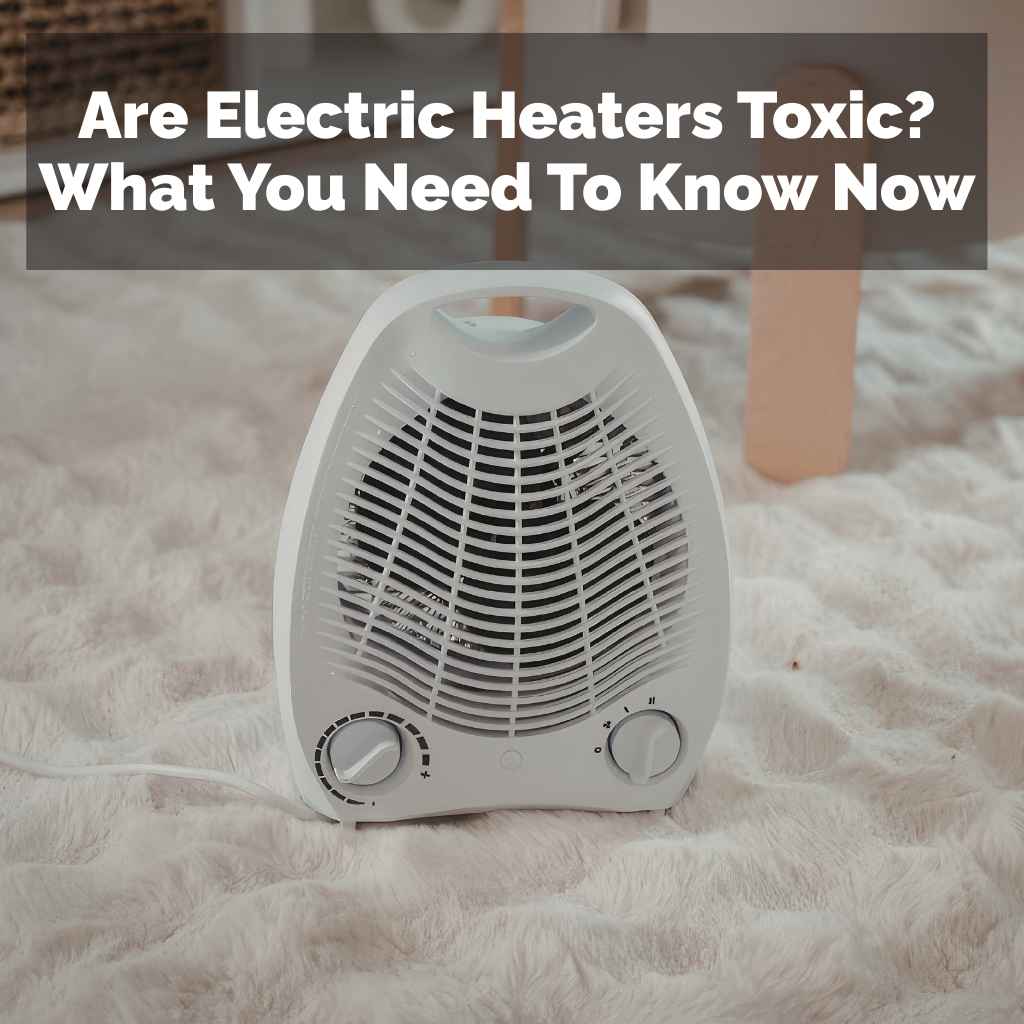
Thinking about an electric heater for those chilly spots in your home? It’s a smart idea for extra warmth. But then a question pops up: are electric heaters toxic?
It’s a worry that many people have. You want to stay warm and safe. Let’s dive into what you really need to know.
Electric heaters are generally not toxic in the way many people fear. They don’t release harmful fumes or chemicals during normal operation. The primary concerns are related to electrical safety, fire hazards, and air quality impacts from dust or heating elements, not inherent toxicity of the device itself.
What’s Inside an Electric Heater?
Electric heaters work by using electricity to create heat. It’s a pretty simple process. Inside, there’s usually a heating element.
This element heats up when electricity flows through it. Think of a toaster or a hairdryer. It’s a similar idea.
The heat then moves into your room.
There are different types of electric heaters. Some have a fan. This fan blows the warm air around.
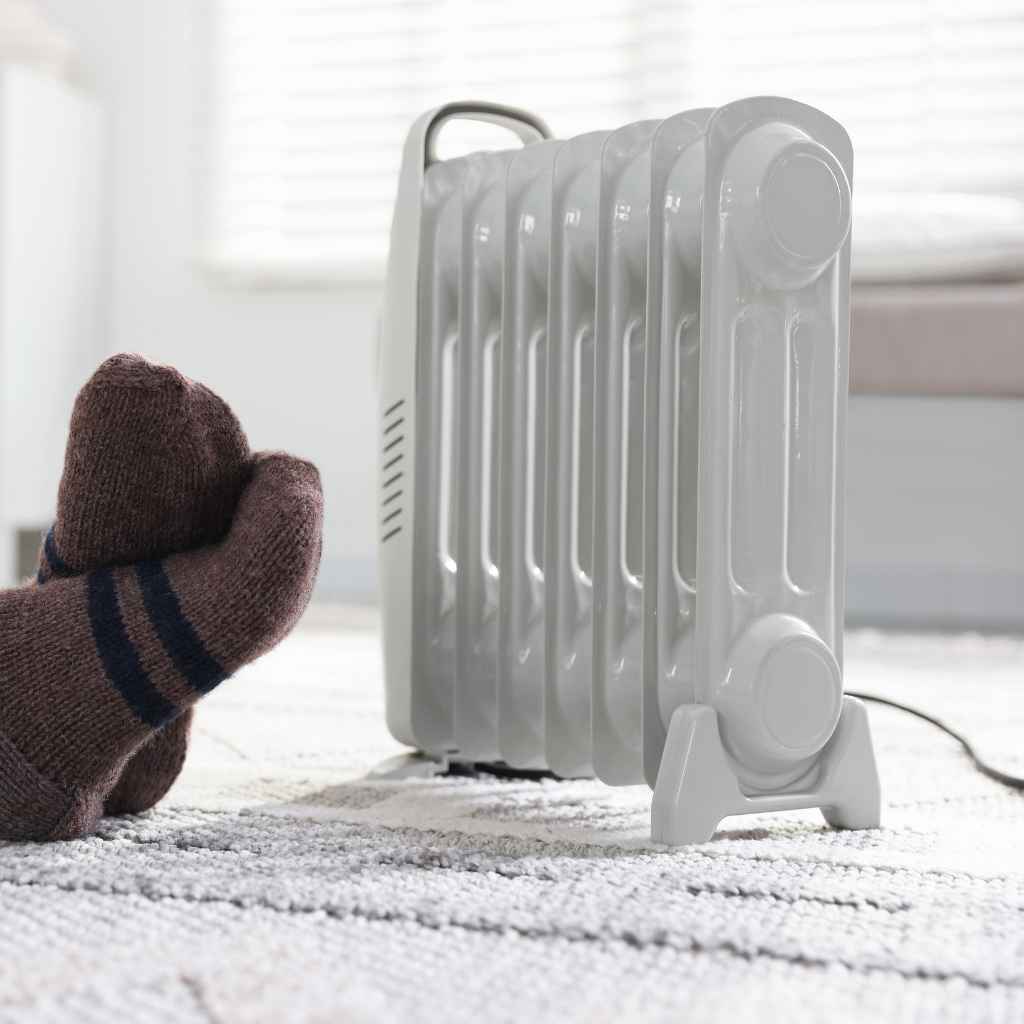
Others use radiant heat. This works like sunshine warming you directly. There are also oil-filled radiators.
These heat up oil inside, and the oil then warms the air.
The main parts are the heating element, a thermostat to control the temperature, and a casing to keep you safe. Some have safety features like tip-over switches. These shut the heater off if it falls.
They are designed to be safe for home use.
Are Electric Heaters Toxic? The Real Story
Let’s get straight to the point. Are electric heaters toxic? For most people, the answer is no. They do not poison you.
They don’t emit dangerous gases like carbon monoxide. That’s a common fear, but it’s usually linked to fuel-burning heaters, like gas or kerosene ones.
Electric heaters get their power from your home’s electrical outlet. They don’t burn anything to make heat. This is a big difference.
So, you won’t find them producing carbon monoxide or other harmful byproducts of combustion. This is why many people choose them for bedrooms or offices.
However, there are other things to think about. It’s not about toxicity in the poisoning sense. It’s more about what they can do if not used right.
We’ll explore those parts next.
My Own Electric Heater Scare
I remember one winter, maybe five years ago. It was freezing outside. My main furnace was struggling.
I bought a new ceramic electric heater. It had a cute little design and a thermostat. I set it up in my living room.
I felt so cozy!
One afternoon, I was watching TV. I noticed a strange smell. It wasn’t a strong smell, but it was definitely there.
It smelled a bit like burnt dust. I looked around. Nothing seemed wrong.
Then I saw a tiny bit of smoke coming from the back of the heater. My heart jumped. I immediately unplugged it.
It turned out a small piece of plastic had fallen from somewhere nearby. It landed on the heating element. It wasn’t toxic smoke, but it was scary.
It made me realize that even simple devices need care. That experience taught me to be extra aware of my surroundings when using any heating device.
Common Electric Heater Misconceptions
Myth: Electric heaters produce toxic fumes.
Reality: Electric heaters do not burn fuel. They convert electricity to heat. This process does not create toxic gases like carbon monoxide.
Myth: They dry out the air too much.
Reality: All heaters can affect humidity. Some electric heaters, especially fan-forced ones, can make the air feel drier. However, this isn’t toxicity.
It’s a change in air moisture.
Understanding Air Quality and Electric Heaters
While electric heaters aren’t toxic themselves, they can affect your home’s air quality. This is often misunderstood. The main culprit is dust.
When you turn on an electric heater, especially for the first time in a season, the dust that has settled on it gets heated.
This dust can then get blown into the air. It can cause that “burnt dust” smell. For people with allergies or asthma, this can be a problem.
The dust itself isn’t toxic. But it can trigger symptoms like sneezing, coughing, or breathing difficulties. It’s like when you clean your oven and there’s a smell.
It’s just the dust burning off.
Some newer heaters have features to reduce this. They might have better filters or designs that keep dust from reaching the hottest parts. Regular cleaning is also key.
Wiping down your heater often can prevent dust buildup. This is a simple step that makes a big difference for air quality.
Another point is the effect on humidity. Electric heaters can lower the humidity in a room. This can make your skin feel dry.
It can also dry out your throat and nasal passages. This isn’t toxicity. It’s just how heat affects moisture in the air.
Using a humidifier in the same room can help balance this out.
Safety First: Fire Hazards and Electric Heaters
The biggest risk with electric heaters is not toxicity, but fire. This is where you need to be very careful. Because they produce heat, they can be a fire risk if used improperly.
This is something everyone needs to know.
Never place anything too close to an electric heater. This includes curtains, bedding, furniture, and even piles of paper. The heating element gets very hot. If flammable materials touch it, they can catch fire.
Always maintain a clear space around the heater.
The U.S. Fire Administration suggests keeping heaters at least three feet away from anything that can burn. This is a rule that many people forget or ignore.
They might put a heater too close to a couch or a pile of blankets. That’s a dangerous mistake.
Also, always plug heaters directly into a wall outlet. Do not use extension cords or power strips. These can overheat and start a fire. The heater draws a lot of power.
Extension cords are not designed for that kind of continuous load. They can melt or catch fire.
Make sure the heater itself is in good condition. Check the cord for any damage. If the cord is frayed or worn, do not use the heater.
It’s a fire hazard. Always inspect your heater before each use.
Electric Heater Safety Checklist
Clearance: Keep at least 3 feet clear around the heater.
Placement: Use on a hard, level surface. Never on carpets or furniture.
Cord Use: Plug directly into a wall outlet. No extension cords.
Supervision: Never leave a heater unattended. Especially around children or pets.
Condition: Inspect for damaged cords or casings before each use.
Tip-Over Switch: Ensure it works if your heater has one.
Electrical Safety: Beyond Fire
Beyond fire, there are other electrical safety concerns. Overloading circuits is a common issue. If you plug in too many high-power devices into one outlet or circuit, it can trip a breaker.
In rare cases, it could cause wiring to overheat.
Electric heaters draw a significant amount of electricity. They are usually rated between 750 and 1500 watts. If you run a 1500-watt heater on a 15-amp circuit that already has other things running, you might be pushing it too hard.
Know your home’s electrical limits.
Make sure your home’s wiring is up to date. Older homes might have wiring that can’t handle modern electrical demands as well. If you’re unsure, it’s wise to have an electrician check your system.
This isn’t about the heater being toxic. It’s about making sure your home’s electrical system is safe.
The heating element itself gets very hot. While it’s designed to be inside the unit, if the casing is damaged, there’s a risk of burns. This is especially true for children who might touch it.
Always ensure the heater is cool before cleaning or moving it.
Types of Electric Heaters and Their Safety Aspects
Different types of electric heaters have slightly different safety considerations.
Ceramic Heaters
These often have a fan. The ceramic element heats up. The fan blows the warm air out.
They heat up quickly. They are good for spot heating. The main risk is the fan drawing in dust and blowing it around.
Also, the front grill can get hot.
Oil-Filled Radiators
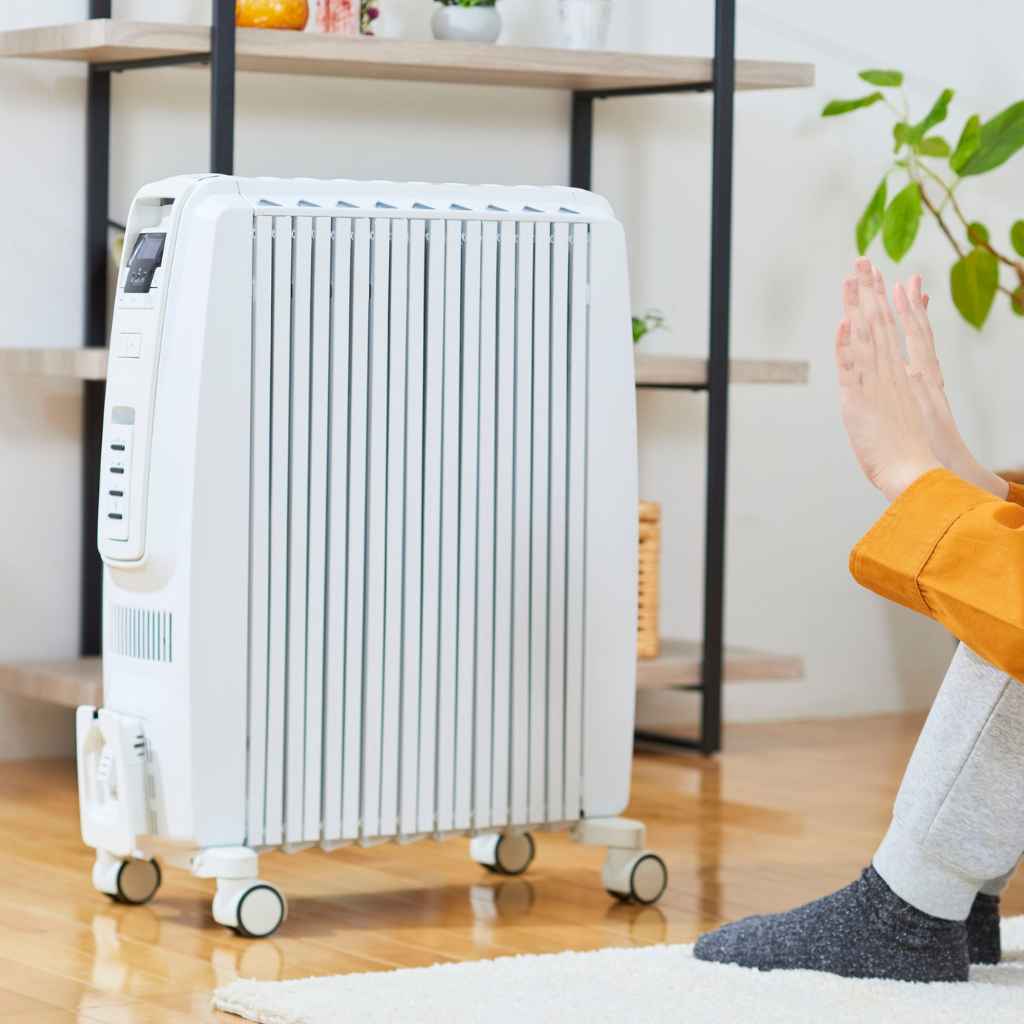
These are popular for bedrooms. They heat oil inside. The oil then radiates heat.
They are quieter than fan heaters. They also tend to keep a more even temperature. Because there’s no fan blowing air, they stir up less dust.
They get hot on the surface, so keep them away from kids and pets.
Infrared Heaters
These work like the sun. They send out radiant heat. This heat warms objects and people directly.
It doesn’t heat the air as much. They can be very efficient for targeted warmth. The heating element glows red.
You should not look directly at the glowing element for too long. The heat is intense if you are too close.
Convection Heaters
These heat the air. The warm air rises. It circulates around the room.
They are good for heating a whole room slowly and evenly. They don’t usually have fans, so they are quiet. Like oil-filled radiators, they can still be hot to the touch on the outside.
Quick Comparison: Heater Types
Ceramic: Fast heat, good for small rooms, can stir dust.
Oil-Filled: Quiet, even heat, less dust stirred, hot surface.
Infrared: Direct warmth, energy efficient for spot heating, avoid staring at element.
Convection: Even room heating, quiet, slow heat up.
When Electric Heaters Can Be “Toxic” to Your Environment (Indirectly)
Let’s be clear again. Electric heaters themselves are not inherently toxic. They don’t poison you.
But they can create situations that are bad for your health or home. Think of it as indirect toxicity or environmental impact.
Dust and Allergens
As mentioned, dust is a big one. If you have allergies or asthma, breathing in heated dust can be problematic. This is why cleaning is so important.
A clean heater is a healthier heater. It’s not the heater material; it’s what gets on it.
Dry Air
Very dry air can lead to nosebleeds, sore throats, and dry skin. It can also make you more susceptible to colds and flu. This is a common side effect of many types of heating, not just electric.
Using a humidifier can fix this. It’s a simple solution.
Ozone Production (Rare)
This is a very rare concern, but worth mentioning. Some older or very cheap electric heaters might produce tiny amounts of ozone. Ozone at high levels can be harmful to breathe.
However, modern, certified electric heaters are designed not to do this. You would likely never encounter this issue with a reputable brand.
Mold Growth
If a heater causes a room to be overly warm and humid in a poorly ventilated space, it could potentially contribute to mold growth over time. This is more about how the heat interacts with the room’s ventilation than the heater itself being a mold source.
What the Experts Say (E-E-A-T)
When we talk about safety, it’s good to know what the experts and official bodies say. Organizations like the U.S. Consumer Product Safety Commission (CPSC) provide guidance on heating safety.
The CPSC consistently warns about portable electric heaters being a leading cause of home fires. Their advice focuses on safe usage: keeping them three feet from combustibles, placing them on flat surfaces, turning them off when leaving the room, and plugging them directly into the wall.
They also emphasize checking for damaged cords and ensuring heaters have safety features like automatic shut-off. This reinforces that the main dangers are fire and electrical hazards, not inherent toxicity of the device materials.
Underwriters Laboratories (UL) is another important name. When you see a UL Listed mark on an electric heater, it means the product has been tested and meets strict safety standards. This is a sign of a trustworthy product.
It’s worth looking for this mark when you buy.
Expert Tips for Safe Heater Use
Choose Certified Products: Look for the UL Listed mark or similar safety certifications.
Read the Manual: Always follow the manufacturer’s specific instructions.
Regular Maintenance: Clean dust from the heater regularly.
Ventilation Matters: Ensure the room has some air circulation.
Know Your Limits: Don’t overload electrical circuits.
Real-World Scenarios and Electric Heaters
Let’s think about where and how people use electric heaters.
In the Bedroom
Many people use them to keep a bedroom cozy at night. This is generally safe, as long as the heater is placed away from bedding. A tip-over switch is a great feature here.
You want to make sure it won’t cause a fire if it falls off the nightstand. Using an oil-filled radiator might be a good, quiet choice for a bedroom.
In the Office or Den
For a home office, an electric heater is perfect for warming a specific workspace. This lets you turn down the main thermostat for the whole house. It saves energy.
Again, keep it clear of papers and cords. A small ceramic or infrared heater is often used here.
In the Basement or Garage
Basements and garages can be very cold. Electric heaters can make these spaces more usable. However, be extra cautious in garages.
They often have more dust, and sometimes flammable materials like paint or gasoline. Ensure any heater used in these areas is rated for such environments and kept away from potential ignition sources.
With Children and Pets
This is where extreme caution is needed. Children are naturally curious. They might touch a hot surface or try to play with the heater.
Pets can also knock them over or get too close. Always ensure the heater is placed out of reach. Consider a heater with a protective grill or a model specifically designed for homes with children or pets.
Safety guards are important.
When to Worry: Signs of Trouble
You’ve heard that electric heaters aren’t toxic. But there are warning signs that something is wrong. These are not signs of toxicity but of malfunction or danger.
Strange Smells (Beyond Dust)
If you smell something other than the slight burnt dust smell (especially when new), like burning plastic or electrical smells, unplug it immediately. This could mean a wiring issue or a part overheating. Don’t turn it back on.
Sparks or Smoke
Any visible sparks or smoke coming from the heater is a serious sign of malfunction. Unplug it and have it inspected or replaced. Never try to fix a sparking or smoking heater yourself.
Odd Noises
A fan heater might make a whirring sound. But if you hear loud grinding, clicking, or popping sounds, it could indicate a problem with the motor or other internal parts. This might lead to overheating.
Hot Spots or Discoloration
If parts of the heater’s casing become unusually hot, or if you see discoloration (like brown or black marks) on the plastic, it’s a sign of overheating. This can happen if the airflow is blocked or if there’s an internal issue.
Frequent Tripping of Breakers
If your heater causes your circuit breaker to trip often, it might mean the heater is drawing too much power for that circuit, or the heater itself is faulty. It’s a sign that the electrical system is being stressed.
Red Flags: When to Stop Using Your Heater
Smell of Burning Plastic: Unplug and investigate.
Visible Sparks: Immediate danger, unplug and discard.
Loud, Unusual Noises: Could be a sign of mechanical failure.
Overheating Casing: Indicates internal issues or blocked vents.
Persistent Breaker Trips: Overloaded circuit or faulty heater.
Quick Fixes and Tips for Safe Use
Here are some simple things you can do to make sure your electric heater is as safe and effective as possible.
Clean It Regularly
Wipe down the exterior with a damp cloth. For dust inside, a vacuum cleaner with a brush attachment can be used on the vents (when the heater is unplugged and cool). Do this at least once a season, or more if you notice dust buildup.
Check the Cord
Before each use, look at the power cord. Make sure there are no nicks, cuts, or fraying. If you see any damage, it’s time for a new heater.
Don’t try to patch up a damaged cord.
Use the Thermostat Wisely
Set the thermostat to the desired temperature and let the heater cycle on and off. This is more energy-efficient than letting it run constantly on high. It also prevents overheating.
Position for Best Airflow
Ensure vents are not blocked. For fan heaters, place them so the warm air circulates into the room, not directly at a wall or curtain.
Don’t Rely on Them as Your Only Heat Source (Usually)
Electric heaters are often best for supplementary heat. If your main heating system fails, they are a great backup. But if your home is very large or poorly insulated, relying solely on electric heaters can be expensive and might not keep you warm enough.
Frequently Asked Questions About Electric Heaters
Can electric heaters cause health problems?
Electric heaters themselves are not toxic and do not release harmful gases like carbon monoxide. However, they can affect air quality by blowing dust around, which can bother people with allergies or asthma. They can also dry out the air, leading to dry skin and throats.
These effects are generally manageable and not considered toxic.
Is the smell from a new electric heater dangerous?
A slight “new heater” smell or a burnt dust smell is common when you first turn on an electric heater, especially if it’s been stored. This is usually just dust or manufacturing residues burning off. If the smell is strong, acrid, or like burning plastic, unplug it immediately, as it could indicate a malfunction.
Are electric heaters safe to leave on overnight?
Many modern electric heaters are designed for safe overnight use, especially those with thermostats and tip-over safety switches. However, it’s crucial to ensure they are placed away from anything flammable, are in good working condition, and you follow manufacturer guidelines. Never leave any heating device unattended if you have serious concerns about its safety or your home’s electrical system.
Do electric heaters increase my electric bill a lot?
Yes, electric heaters use a lot of electricity. They convert electrical energy directly into heat, and this process is not perfectly efficient. While they are great for small spaces or supplemental heat, running them continuously for long periods in large areas can significantly increase your electricity bill.
Their cost-effectiveness depends on usage and your local electricity rates.
Are ceramic electric heaters safe for pets?
Ceramic heaters can be hot to the touch, especially the front grill. While they don’t have exposed glowing elements like some other types, pets could still get burned if they touch the surface. It’s best to place them where pets cannot easily reach them or knock them over.
Look for models with safety guards.
What is the safest type of electric heater?
Safety depends more on proper usage and maintenance than the type. However, oil-filled radiators are often considered safer for continuous use because they have a more even heat distribution and fewer moving parts. Heaters with modern safety features like tip-over switches and overheat protection are also highly recommended.
Always look for the UL Listed mark.
Conclusion
So, to sum it up, are electric heaters toxic? No, not in the way you might think. They don’t produce poisonous gases. The real concerns are about fire safety, electrical issues, and how they might affect your indoor air quality through dust or dryness.
Further Reading: EPA indoor air quality and electric heaters | CPSC electric heater safety recalls
By using them wisely, keeping them clean, and following safety guidelines, you can enjoy the warmth they provide without worry.