
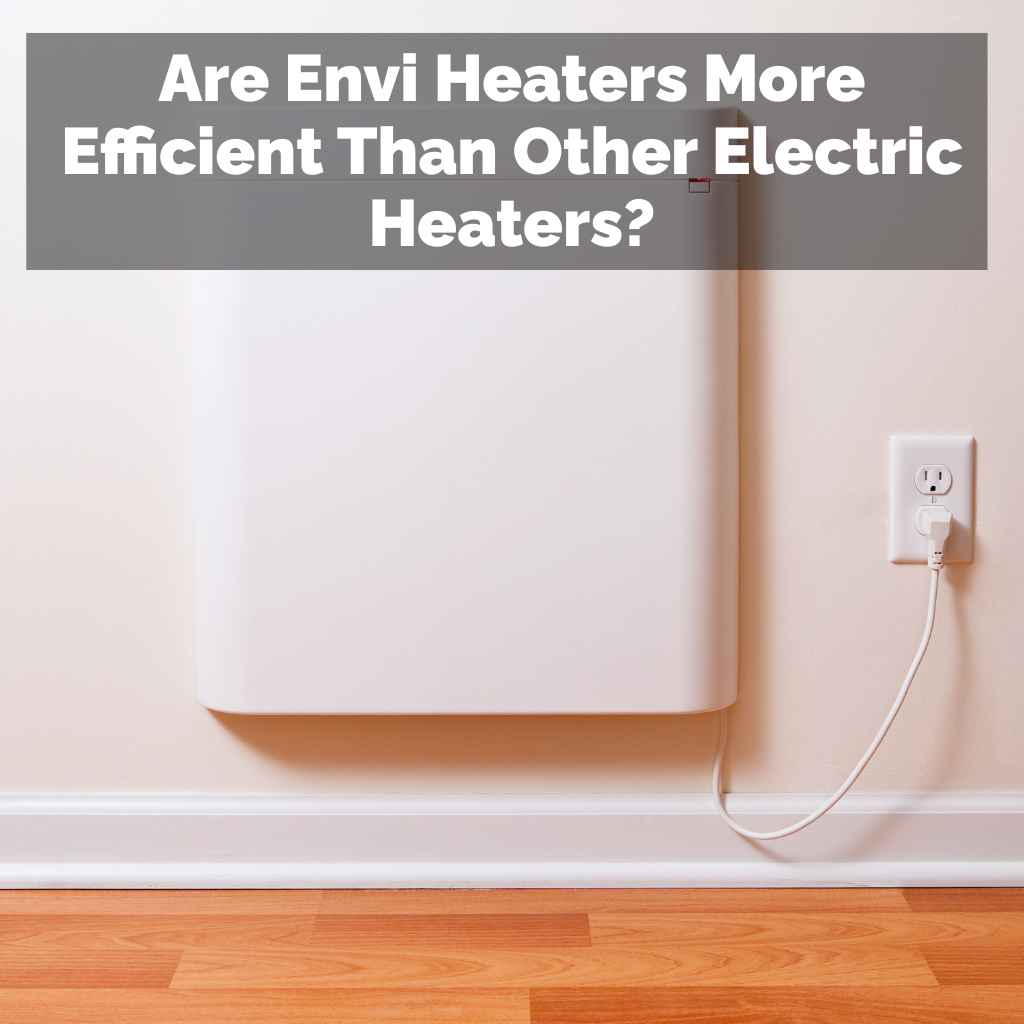
It’s a question many folks ask when looking to heat their homes without breaking the bank. Electric heaters seem simple, but their energy use can add up. You might have seen or heard about Envi heaters, and you’re probably wondering if they’re truly a better choice for your wallet and your comfort.
Let’s dive into what makes them different and if they can help you save.
Envi heaters aim for high efficiency by using convection and radiant heat in a unique panel design, potentially offering savings over traditional electric resistance heaters. Their design focuses on gentle, consistent warmth rather than quick, intense bursts.
Understanding How Electric Heaters Work
Envi heaters are a specific type of electric panel heater. They use a special ceramic core. This core heats up and then releases warmth.
They are designed to heat a room in two ways. They use both convection and radiant heat. This is different from many other electric heaters.
Convection means the heater warms the air around it. This warm air then rises and circulates through the room. Radiant heat is like the warmth you feel from the sun.
It travels in waves and warms objects and people directly. Envi heaters use a patented design to combine these. This is meant to create a more comfortable and even heat.
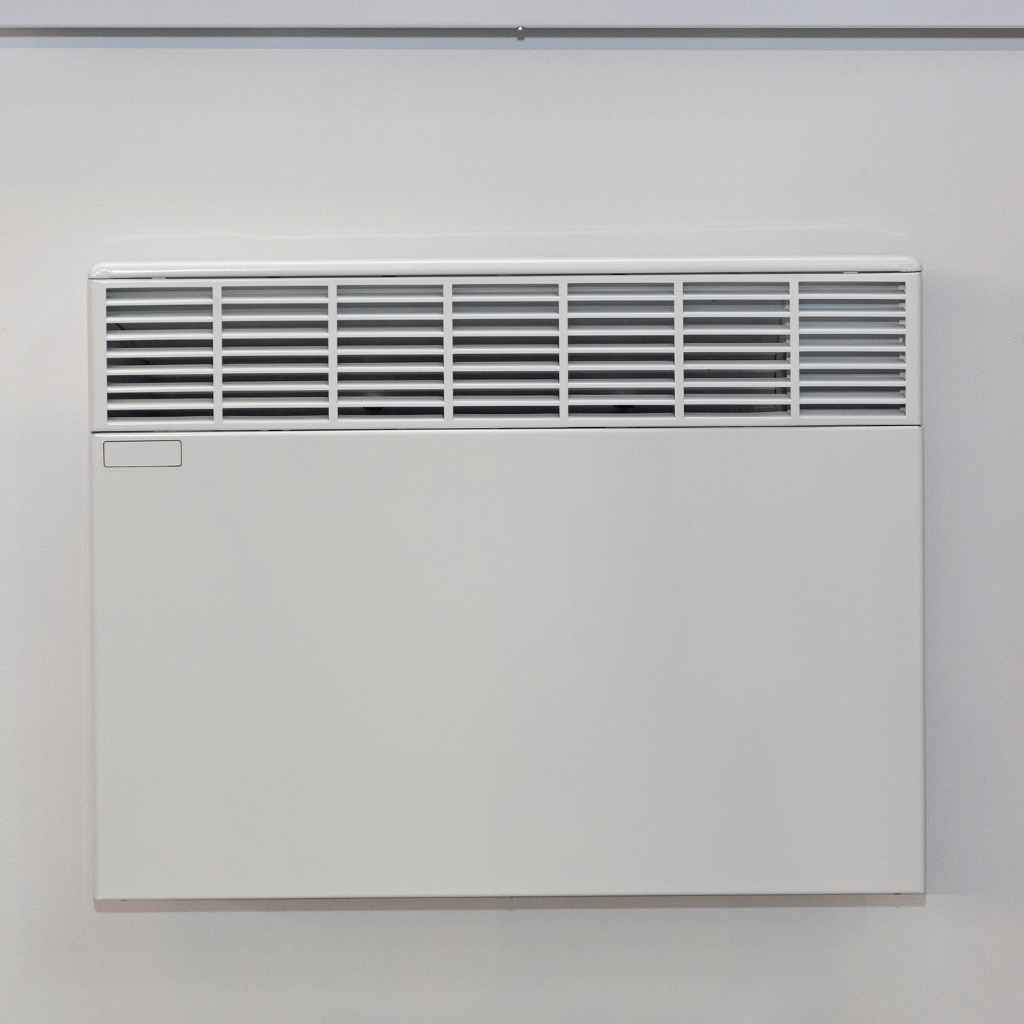
How Envi Heaters Claim to Be Different
The main claim is about their efficiency. They say they use less electricity for the same amount of heat. How do they do this?
It’s in the way they transfer heat. Many common electric heaters, like space heaters or baseboard heaters, rely almost entirely on direct resistance. Electricity passes through a wire, making it get hot and warm the air directly.
This is often called direct heat. It’s fast but can be uneven.
Envi heaters use a different approach. The ceramic core heats up slowly and stays warm. It then uses its large surface area to emit heat.
This panel design means the heat is spread out. It warms the air and surfaces in the room. The idea is that this gentler, more even heat feels warmer.
It also means the heater doesn’t have to turn on and off as much. This can lead to energy savings.
My Experience with Electric Heating Struggles
I remember one winter, a few years back. My old apartment had electric baseboard heaters. They were awful.
I’d turn them up high, and the room would get stifling hot right by the heater. Then, the rest of the room stayed cold. I’d shiver just trying to walk across the floor.
I felt like I was constantly fiddling with the thermostat.
My electric bill was sky-high that month. I was spending a fortune just to feel somewhat comfortable. It was frustrating.
I’d see the heater blasting, thinking all that power must be doing something. But the warmth just didn’t spread right. It felt like a waste of energy and money.
That’s when I started really looking into different heating options.
Envi Heater vs. Traditional Electric Heaters: Key Differences
Envi Heater:
- Uses convection and radiant heat.
- Large panel surface area for even heat.
- Ceramic core for gentle, consistent warmth.
- Claims higher efficiency through heat distribution.
Traditional Electric Heaters (e.g., Coil, Ceramic Fan):
- Primarily use direct resistance heating.
- Often blow hot air (fan heaters) or heat a small area intensely.
- Can create hot and cold spots.
- May cycle on and off more frequently.
What Does “Efficiency” Mean for Electric Heaters?
When we talk about electric heater efficiency, it’s a bit different than other appliances. Almost all electric resistance heaters are technically 100% efficient at converting electricity into heat. This means that for every watt of electricity they use, they produce one watt of heat.
You can’t get more heat out than the energy you put in.
So, if they are all 100% efficient, what’s the difference? The difference lies in how effectively that heat is used to warm your living space. This is where comfort and perceived efficiency come in.
An efficient heater doesn’t just produce heat; it distributes it well. It keeps the heat where you want it. It also helps you feel warm without needing to crank the dial higher.
How Envi Heaters Achieve Better Heat Distribution
The design of the Envi heater is key here. Its large, flat surface acts like a gentle radiator. Instead of a small heating element getting very hot, the entire panel warms up.
This large surface area allows for a broad emission of heat. This heat then warms the objects and air in the room more evenly.
Think about standing near a hot stovetop versus standing in a sunny spot on a cool day. The stovetop is intensely hot in one spot. The sun’s warmth feels more gentle and spreads over a larger area.
Envi heaters aim for that sun-like warmth. They work by warming the walls, furniture, and people in the room. This creates a cozy feeling without overheating one specific spot.
The Science Behind Convection and Radiant Heat
Let’s break down these two types of heat. Convection is how air moves. When air gets warm, it becomes less dense.
It rises. Cooler, denser air then sinks to take its place. A convection heater warms the air at its base.
This warm air rises. It circulates around the room. This process continues, slowly warming the entire space.
Radiant heat is different. It travels in infrared waves. These waves pass through the air.
They are absorbed by solid objects they hit. This includes walls, furniture, and us. When these objects absorb the radiant energy, they warm up.
This is why you can feel warm even if the air around you isn’t very hot. It’s like sitting by a campfire.
Real-World Scenarios: Where Envi Heaters Shine
Envi heaters are often marketed for specific use cases. They are best suited for heating a single room or zone. If you have a well-insulated living room, a home office, or a bedroom, an Envi heater can be a great choice.
They are not typically designed to be the sole heat source for an entire large house.
Imagine you have a basement that’s always a bit chilly. Or maybe a sunroom that gets cold in the evenings. Installing an Envi heater there can make it usable year-round.
It’s a way to add targeted warmth. This means you don’t have to heat your whole house just for one or two rooms. This targeted approach is where much of the potential energy saving comes from.
A Day in the Life with Envi Heaters
Morning: You wake up. The room is comfortably warm. The Envi heater has maintained a steady temperature overnight.
No sudden blasts of hot air, just gentle warmth.
Workday: You’re working from home. The heater keeps your office cozy. You don’t feel the need to layer up.
The thermostat stays set to a comfortable level, not high.
Evening: You relax in the living room. The heater continues to provide consistent, pleasant warmth. You notice less draftiness than with older heaters.
Comparing Energy Consumption: The Numbers
When comparing energy consumption, we need to look at the wattage. An Envi heater, like most electric resistance heaters, has a wattage rating. This tells you how much power it uses when it’s on.
A common size is around 400 watts, though they come in different sizes. This is much lower than many portable space heaters that can be 1500 watts or more.
However, a lower wattage doesn’t automatically mean it uses less energy overall. If a 1500-watt heater heats a room quickly and then turns off for a long time, it might use less energy than a 400-watt heater that runs almost constantly. The key is how long it needs to run to keep the room at your desired temperature.
Envi claims their unique heating method means they can maintain a comfortable temperature with less frequent cycling. They suggest that the radiant heat component helps objects in the room retain warmth longer. This can reduce the overall runtime needed.
Some independent tests and user reports suggest they can be up to 50% more efficient than traditional electric baseboard heaters in certain scenarios. This is often attributed to better heat distribution and less heat loss through windows or drafty areas.
Factors Affecting Real-World Efficiency
Several things impact how efficient any electric heater is in your home. Insulation is a big one. A well-insulated room will hold heat much better.
This means the heater won’t have to work as hard. Drafts are also a killer. If cold air is coming in through windows or doors, the heater has to constantly fight it.
Room size matters too. An Envi heater designed for a small room won’t do well in a large, open-plan space. Thermostat settings are crucial.
Keeping the temperature at a reasonable level (like 68-70°F) is far more efficient than cranking it up to 75°F or higher. The way you use the heater also plays a role. Do you turn it off when you leave the room?
Do you use it only when needed?
Quick Scan: Efficiency Factors
- Insulation: Higher is better.
- Drafts: Seal them up!
- Room Size: Match heater to space.
- Thermostat: Set lower for savings.
- Usage Habits: Turn off when not needed.
Installation and Placement Considerations
Envi heaters are designed to be mounted on a wall, typically under a window. This placement is strategic. Windows are often the coldest part of a room.
Placing the heater there helps counteract the cold air coming off the window. It also uses the natural airflow of convection. The warm air rises and then flows into the room.
When installing, make sure there’s enough clearance. The heater needs space around it to work properly. You don’t want to block the vents.
Proper installation ensures the heater can do its job effectively. This means distributing heat without working too hard. It’s a simple step, but important for performance.
What Do Other People Say? User Experiences
Looking at what real users say can be very helpful. Many people who switch to Envi heaters report satisfaction. They often mention the pleasant, even heat.
They also talk about feeling warmer at lower thermostat settings. Some users have shared stories of seeing a reduction in their electric bills compared to their old heating systems.
However, it’s not always a magic bullet. Some users note that the heat is gentle. If you’re used to the intense, immediate blast of a fan heater, you might find it takes longer to warm up a very cold room.
It’s important to manage expectations. Envi heaters are best for maintaining comfort in well-sealed rooms, not for rapidly heating up a large, drafty space from scratch.
When Are Envi Heaters a Good Choice?
Envi heaters are a strong contender if you’re looking to:
- Heat a single room or zone efficiently.
- Supplement your existing heating system.
- Replace old, inefficient electric baseboard heaters in specific areas.
- Create a more comfortable, even heating experience.
- Reduce energy consumption for supplementary heating.
They are a good fit for homes where you want comfortable warmth without the high cost of heating unused areas. They also work well for people who are sensitive to dry heat or drafts often associated with other electric heaters.
Envi Heater Use Cases
- Home Offices: Keep your workspace cozy.
- Bedrooms: Ensure a comfortable night’s sleep.
- Basements: Make them more inviting.
- Sunrooms/Additions: Add warmth without heating the whole house.
- Guest Rooms: Provide comfort for visitors.
When Might They Not Be the Best Fit?
On the flip side, Envi heaters might not be the best choice if:
- You need to heat a very large, open-plan space as your primary heat source.
- Your home is very poorly insulated with many drafts.
- You need to rapidly heat a cold room very quickly.
- You are looking for a portable heater to move between rooms.
In these situations, you might need a higher-wattage heater or a different type of heating system. It’s always about matching the tool to the job.
My Personal Take: Is it Worth It?
From my perspective, looking at the technology and the user feedback, Envi heaters offer a compelling alternative. The focus on even heat distribution and gentle warming is a smart approach to electric heating. While all electric resistance heat is 100% efficient in converting watts to BTUs, the Envi system seems to excel at delivering that heat effectively to the living space.
This means you might feel warmer at a lower temperature. You might find the heater doesn’t run as often to maintain that warmth. This is where the savings come from.
It’s not magic; it’s smart design. For supplementary heating or for well-zoned rooms, I think they can be a very good investment for comfort and potentially lower energy bills.
Simple Checks for Your Current Heating
Before deciding on a new heater, it’s good to assess your current situation. Are your electric bills higher than you expect? Do you have rooms that are always colder than others?
Can you feel drafts when the heating is on?
Touch your walls. Are they cold, especially near windows? This is a sign of poor insulation or drafts.
Check your existing heaters. Are they old baseboard units that seem to cycle on and off constantly? All these are clues that you might benefit from a more efficient heating solution.
Quick Heater Efficiency Checklist
- Room feels unevenly heated?
- Cold spots near windows?
- Thermostat needs to be very high?
- Electric bills are a surprise?
- Old heaters seem to run constantly?
If you answered yes to several, it might be time to explore options like Envi heaters.
Understanding Wattage and Room Size
A general rule of thumb for electric heaters is to have about 10 watts per square foot of space. This is for typical ceiling heights and standard insulation. So, a 10×10 foot room (100 sq ft) would need around 1000 watts.
A 1500-watt heater is common for larger spaces or quick heating.
Envi heaters, being lower wattage (like 400W or 700W), are designed for smaller to medium rooms. They rely on their unique heating method to make that lower wattage work effectively. They are not meant to replace a 1500-watt heater that needs to blast heat into a large living room.
It’s about using the right tool for the space.
The Role of Thermostats
Most modern electric heaters have thermostats. These control when the heater turns on and off. A good thermostat is key to efficient heating.
Envi heaters have built-in thermostats. They are designed to work with the panel’s heating method. They aim to maintain a steady temperature.
If your current heater has a basic thermostat that just clicks on and off, it might not be very precise. This can lead to temperature swings. An Envi heater’s system works to minimize these swings.
This creates a more constant and comfortable environment. It also prevents the heater from running longer than it needs to.
Thermostat Settings Matter
Ideal Living Areas: 68-72°F (20-22°C)
Bedrooms (Sleeping): 60-67°F (15-19°C)
Unused Rooms: 50-55°F (10-13°C) – just to prevent freezing.
Every degree you lower your thermostat can save you energy.
Potential for Long-Term Savings
The potential for long-term savings with Envi heaters comes down to two main things. First, their efficient heat distribution means you might use less electricity overall. Second, by using them for zone heating, you avoid heating unused parts of your home.
This focused approach can lead to significant savings over time compared to heating your whole house with less efficient methods.
However, these savings are not guaranteed. They depend heavily on your home’s insulation, climate, and how you use the heater. It’s also important to remember that electric heat, in general, can be more expensive per unit of heat than natural gas.
So, while an Envi heater is more efficient than other electric heaters, it’s still electric heat.
Are Envi Heaters “More Efficient”? The Verdict
Yes, in practical terms, Envi heaters are generally considered more efficient than many other common electric resistance heaters. They achieve this not by breaking the laws of physics (all electric resistance heat is 100% efficient at converting electricity to heat), but by distributing that heat more effectively and evenly. This means you can feel warmer and more comfortable at lower temperatures.
It also means the heater may run less often.
This leads to reduced energy consumption and lower utility bills. The combination of convection and radiant heat, along with a large panel design, helps create a pleasant indoor climate. This is a big step up from the hot and cold spots often found with older electric heating methods.
For targeted room heating, they represent a smart and effective choice for many homes.
Frequently Asked Questions
Are Envi heaters expensive to run?
Envi heaters use lower wattage than many traditional electric heaters. They are designed for efficient heat distribution. This means they often run less often to maintain a comfortable temperature.
While all electric heat costs money, Envi heaters aim to be more cost-effective for supplementary heating than other electric options. The actual running cost depends on your electricity rates, room size, insulation, and thermostat settings.
Can Envi heaters heat an entire house?
Envi heaters are typically designed for zone heating. This means heating individual rooms or specific areas. They are not usually recommended as the sole heating source for an entire large house, especially if it’s not very well-insulated.
For whole-house heating, you might need multiple units or a different primary heating system. They are excellent for supplementing existing heat or heating problem rooms.
How long does it take for an Envi heater to warm a room?
The time it takes to warm a room depends on several factors. These include the room size, its insulation, the outside temperature, and the desired temperature. Because Envi heaters use a gentle, even heat, they might take a bit longer to warm a very cold room than a powerful fan heater.
However, once warm, they tend to maintain that temperature very well with less cycling.
Are Envi heaters safe for children and pets?
Envi heaters are designed with safety in mind. They have a cooler surface temperature than many older electric heaters. They do not have exposed heating elements or fans.
This makes them generally safer for use around children and pets. However, like any heater, caution should always be used. Never leave them unattended for extended periods, and ensure they are placed away from flammable materials.
What is the difference between convection and radiant heat from an Envi heater?
Convection heat from an Envi heater warms the air around it, causing it to rise and circulate throughout the room. Radiant heat travels in infrared waves and warms objects and people directly it encounters. Envi heaters combine these methods.
The panel heats the air via convection, while its surface also emits radiant warmth. This dual action creates a more comprehensive and comfortable heating experience.
How does an Envi heater compare to a ceramic fan heater?
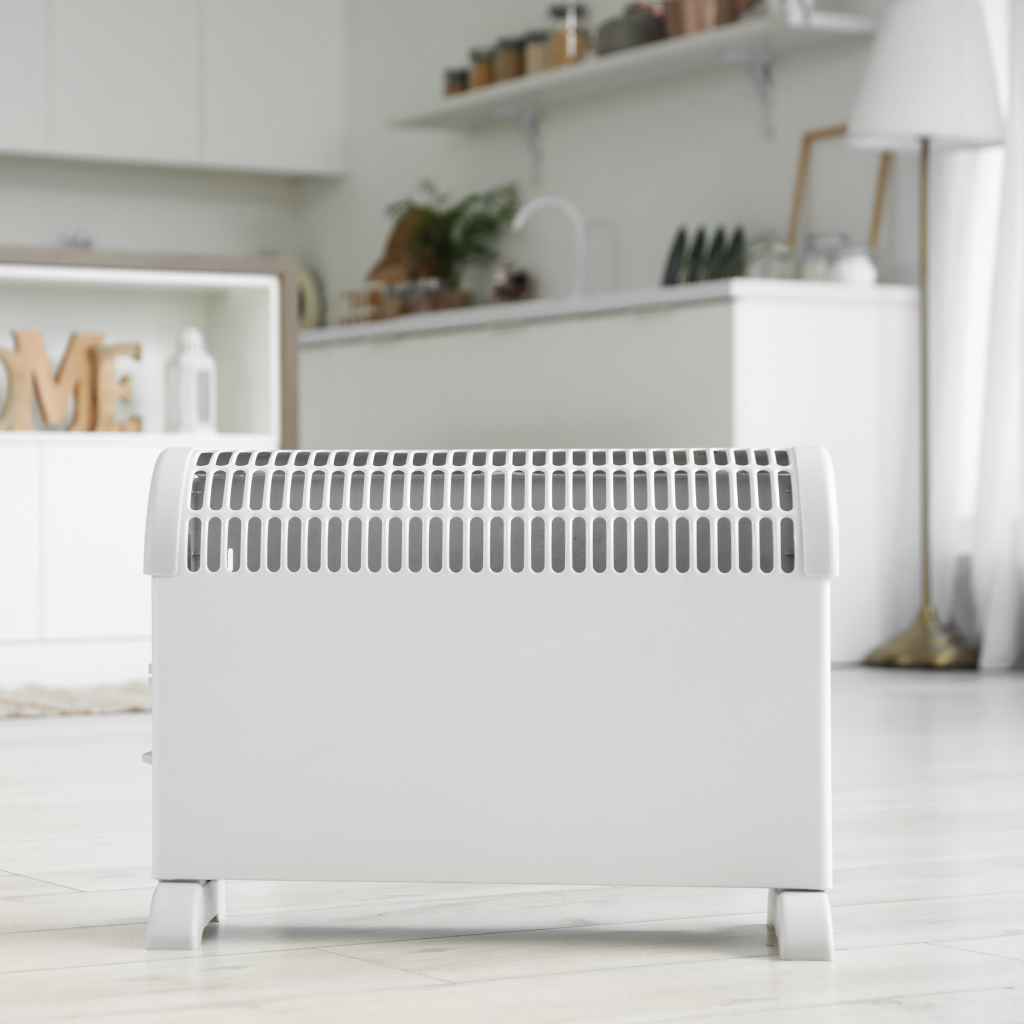
A ceramic fan heater typically uses electricity to heat a ceramic element and then a fan blows that hot air into the room. This provides rapid, direct heat but can create hot spots and drafts. An Envi heater uses a larger panel to emit gentler, more even heat through a combination of convection and radiant waves.
While a fan heater heats air quickly, an Envi heater heats the room and objects more gradually and consistently, often feeling more comfortable at lower temperatures.
Conclusion: A Smart Choice for Efficient Heat
In the world of electric heating, Envi heaters stand out. They offer a smart way to add comfort to your home. By using convection and radiant heat effectively, they provide a gentler, more even warmth.
This design means you can feel cozy without needing to crank up the dial. They are a great option for heating specific rooms. They can also supplement your existing system.
Further Reading: DOE electric resistance heating facts | ENERGY STAR efficiency ratings
While no electric heater is free to run, Envi heaters are designed to use energy wisely. This can lead to noticeable savings over time compared to less efficient electric options. They bring a more comfortable, modern approach to electric heating.