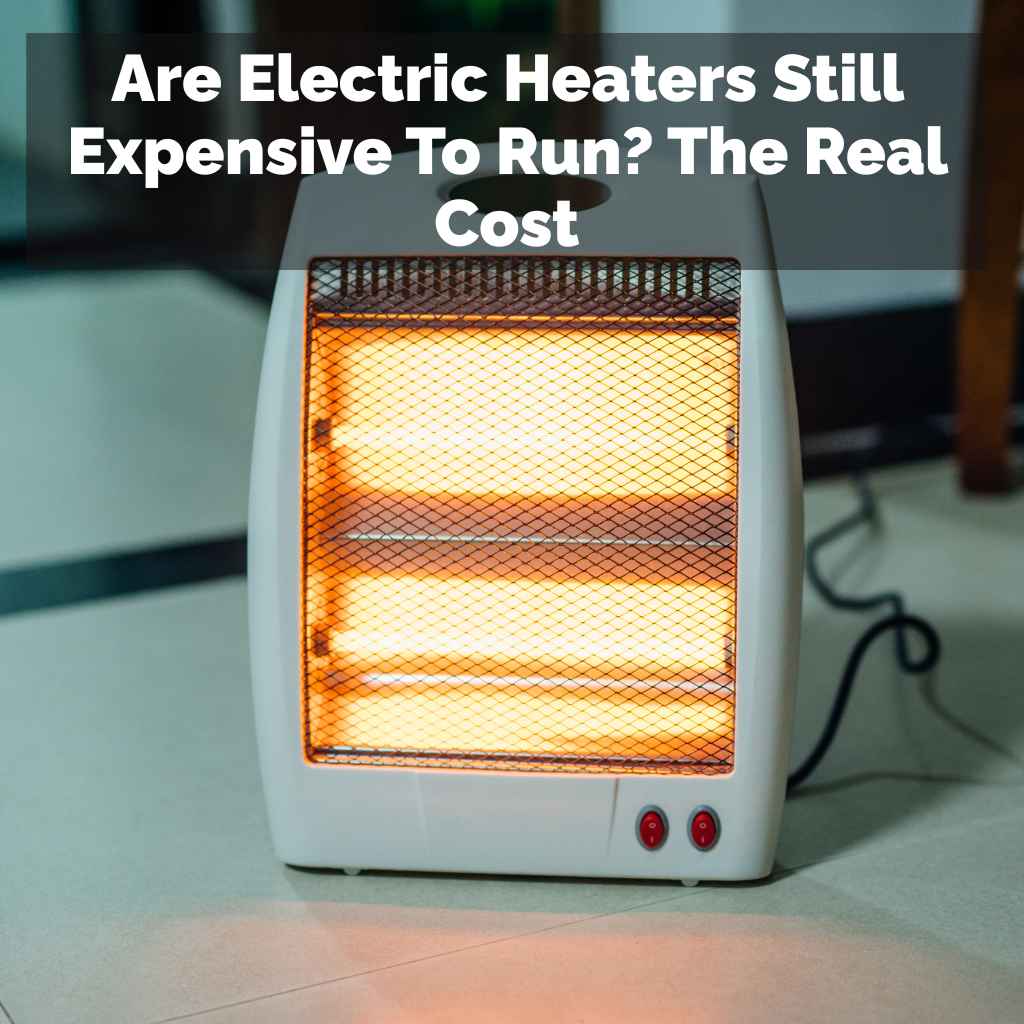
The real cost of running an electric heater depends on several factors, including the heater’s wattage, how long it’s used, your local electricity rates, and the size and insulation of the space being heated. While electricity is often more expensive per unit of heat than gas, modern electric heaters can be cost-effective for supplemental or zone heating when used smartly.
Understanding Electric Heater Costs
Electric heaters work by using electricity to create heat. This heat can be delivered in different ways. Some heaters use a fan to blow warm air.
Others use radiant heat that you feel directly. The main thing to know is that electricity is converted directly into heat. This makes them very efficient at producing heat.
But, the cost comes from the price of that electricity.
Your local electricity rates are a big deal. These rates change from place to place. They also change depending on the time of day or year.
Some areas have cheaper electricity than others. If your electric bill is already high, using a lot of power for heating can feel even more expensive. That’s why it’s smart to look at the numbers before you plug one in.
The wattage of the heater is also key. Wattage tells you how much power a heater uses. A higher wattage heater will use more electricity.
It will also produce more heat. A small space might only need a low-wattage heater. A large, cold room might need a bigger, higher-wattage one.
Choosing the right size matters a lot for saving money.
Key Cost Factors for Electric Heaters
Electricity Rate: This is the price you pay per kilowatt-hour (kWh). It varies widely by location and time of use.
Heater Wattage: Higher wattage means more power usage. Most portable electric heaters range from 750 to 1500 watts.
Usage Duration: How many hours per day or week you run the heater directly impacts the total cost.
Room Size & Insulation: A small, well-insulated room loses heat slower than a large, drafty one.
Thermostat Setting: The temperature you set the heater to influences how often it runs.
How Much Does It Actually Cost?
Let’s look at a simple example. Imagine a common 1500-watt portable electric heater. That’s 1.5 kilowatts (kW).
If you run it for one hour, it uses 1.5 kWh of electricity. Now, let’s say your electricity costs $0.15 per kWh. The cost for that one hour is 1.5 kW * $0.15/kWh = $0.225.
So, about 23 cents an hour.
If you use that heater for 8 hours a day, that’s 8 hours $0.225/hour = $1.80 per day. Over a month (30 days), that’s $1.80/day 30 days = $54. This is just for that one heater running non-stop in one room.
This shows how quickly costs can add up.
However, heaters often don’t run non-stop. They have thermostats. The heater turns on when the room gets too cool.
It turns off when it reaches the set temperature. This cycling saves a lot of energy compared to running it constantly. So, the actual cost might be less than this simple calculation.
Cost Calculation Snapshot
Example Heater: 1500 watts (1.5 kW)
Electricity Rate: $0.15 per kWh
Cost per Hour: 1.5 kW * $0.15/kWh = $0.23
Cost for 8 Hours/Day: $0.23/hour * 8 hours = $1.84
Cost for 30 Days (8 hours/day): $1.84/day * 30 days = $55.20
When Electric Heaters Make Sense
Electric heaters are often best for heating small spaces. This is called zone heating. Instead of heating your whole house, you only heat the room you are in.
This can save a lot of money compared to running a central heating system all the time. Think about your basement workshop or a home office that’s always cold.
They are also great for supplemental heat. If your main heating system struggles to keep one room warm enough, an electric heater can help. It boosts the temperature without making the whole house run at full blast.
This is especially true if you have older homes with poor insulation or uneven heating.
The convenience is another big plus. Portable electric heaters are easy to move. You can plug them in almost anywhere.
They heat up quickly. This means you get warmth fast when you need it. This makes them ideal for temporary needs or for areas that don’t have existing heating ducts.
I remember one winter, my upstairs bedroom just never got warm. My main furnace seemed to be working, but the heat just didn’t reach it well. I bought a small ceramic heater.
I only used it at night in the bedroom. It made a huge difference. I felt so much cozier.
And, my electricity bill didn’t go up as much as I feared it might, because I was only using it for a few hours each evening in one room.
Smart Uses for Electric Heaters
- Zone Heating: Warm only the room you’re currently using.
- Supplemental Heat: Boost the temperature in a specific cold spot.
- Quick Warm-Up: Heat up a room for a short period, like a bathroom before a shower.
- Temporary Needs: For spaces like garages, workshops, or during home renovations.
Comparing to Other Heating Methods
It’s helpful to compare electric heat to other common heating sources. Natural gas furnaces are often cheaper to run. This is because natural gas is usually less expensive per unit of heat than electricity.
A gas furnace might cost $0.05 to $0.10 per kWh equivalent. That’s much less than the $0.15 to $0.30 per kWh you might pay for electricity.
However, gas furnaces require ductwork and a central system. They are not as flexible as portable electric heaters. Also, the efficiency of gas furnaces can vary.
Older models might lose a lot of heat through the vents or furnace itself. This makes them less effective.
Heat pumps are another option. They use electricity, but they work differently. They move heat from one place to another, rather than creating it.
In milder climates, heat pumps can be very energy-efficient. They can be cheaper to run than electric resistance heaters. But, in very cold weather, their efficiency drops.
They may need to be supplemented by electric resistance heat anyway.
So, while electric resistance heating is not the cheapest per BTU (British Thermal Unit, a measure of heat), its cost-effectiveness comes from how and where you use it. Using it to heat just one room, or for short periods, can be more economical than heating your whole house with a less efficient system.
Heating Method Cost Comparison (Estimated per unit of heat)
Natural Gas Furnace: Often the lowest running cost per BTU, but requires central system.
Heat Pump: Can be very efficient in moderate climates, uses electricity.
Electric Resistance Heater: Higher running cost per BTU, but offers flexibility and instant heat.
Wood Stove: Can be cheap if wood is free, but labor-intensive and not always practical.
Energy Efficiency of Electric Heaters
Electric resistance heaters are technically 100% efficient at converting electricity into heat. This means all the electricity they use becomes heat. There’s no wasted energy in the conversion process itself.
This is a big advantage. It’s different from things like old incandescent light bulbs that lost most of their energy as heat.
The real question isn’t about the heater’s efficiency, but the cost of the energy it uses. Electricity can be a more expensive energy source for heating compared to natural gas. So, even though the heater is 100% efficient, the price you pay for that power matters most.
Modern electric heaters have features that improve their overall energy use. Many have adjustable thermostats. This lets you set a precise temperature.
The heater then cycles on and off to maintain it. This prevents overheating and saves energy. Timers are also common.
They let you schedule when the heater turns on and off.
Some types of electric heaters are better for certain uses. Infrared or radiant heaters warm objects and people directly. They don’t need to heat the air first.
This can feel warmer faster and might be more efficient for personal heating. Ceramic heaters often use a fan. They distribute warm air around the room.
This is good for general room heating.
Electric Heater Efficiency Factors
- Conversion Efficiency: 100% for resistance heating.
- Thermostat Control: Maintains desired temperature, avoids waste.
- Timer Functions: Allows for scheduled operation.
- Heater Type: Radiant vs. Fan-forced can affect how heat is perceived and used.
Tips for Running Electric Heaters Affordably
To keep your electric heater costs down, start with smart usage. Always use the thermostat. Set it to the lowest comfortable temperature.
For example, if 68°F is fine, don’t set it to 72°F. Every degree higher uses more energy.
Use timers if your heater has them. Program it to turn on just before you need the room warm and turn off when you leave. For example, set it to warm your bedroom about 30 minutes before you go to sleep.
Then, set it to turn off after you’re settled in, or even lower the temperature overnight if you use blankets.
Make sure the room is sealed well. Close doors and windows. Use draft stoppers for doors and windows.
This keeps the warm air in and the cold air out. If a room is drafty, the heater will work much harder to stay warm. This means higher bills.
Check for leaks around electrical outlets or where pipes enter the house too.
Another tip is to choose the right size heater for the space. A too-small heater will run constantly and may not even heat the room. A too-large heater might overheat the space and waste energy.
Look at the manufacturer’s recommendations for room size. Usually, around 10 watts per square foot is a good starting point for a well-insulated room.
Affordable Electric Heater Habits
- Set Thermostat Low: Aim for comfort, not high heat.
- Use Timers: Schedule operation for needed times only.
- Seal the Room: Prevent heat escape and cold drafts.
- Choose Right Size: Match heater power to room space.
- Unplug When Not Needed: Even standby power can add up.
When Electric Heaters Can Be a Bad Idea
If you need to heat a very large space, or your entire house consistently, electric resistance heaters will likely be expensive. Their cost per unit of heat is high. If you have access to natural gas or a modern heat pump, those are usually more economical for whole-house heating.
Consider your electricity rates. If your local electricity is very expensive, even smart use of an electric heater can add up quickly. Some areas have “time-of-use” rates.
This means electricity is cheaper at certain times (like overnight) and much more expensive during peak hours (like late afternoon). Running a heater during peak hours can be very costly.
Another thing to think about is if your home’s electrical system can handle it. Most portable heaters are 1500 watts. This is usually fine for a standard 15-amp circuit.
However, if you plug in a high-wattage heater on a circuit that already has other major appliances, you could trip a breaker. This isn’t about cost, but safety. Always check your circuit breaker capacity.
I once saw a friend try to heat their whole drafty old house with two portable electric heaters. They ran them 24/7. Their electricity bill tripled that winter.
It was eye-opening. They ended up investing in a more efficient system. It showed me that while electric heaters are useful, they have limits.
Knowing those limits helps you avoid unexpected costs.
Situations Where Electric Heaters May Be Costly
- Whole-House Heating: Generally less efficient than gas or heat pumps.
- High Electricity Rates: Expensive power sources increase running costs.
- Time-of-Use Plans (during peak hours): Running heaters during expensive periods.
- Poorly Insulated Homes: Constant heat loss requires constant heating.
The Role of Insulation and Drafts
The biggest factor that influences how much any heater costs to run is how well your home holds heat. Insulation is like a blanket for your house. Good insulation in your walls, attic, and floors keeps warm air in during the winter.
It also keeps cool air in during the summer.
Drafts are like small holes in that blanket. They let warm air escape. They also let cold air sneak in.
Even a small gap can let a surprising amount of air pass through. This makes your heater work much harder to keep the room warm. You might be heating the outside!
Checking for drafts is important. Feel around window frames, door frames, and electrical outlets. You might see or feel air moving.
Weatherstripping and caulk are your friends here. They are inexpensive ways to seal up these leaks. For larger gaps, like where pipes come through walls, you might need spray foam insulation.
Attic insulation is especially important. Heat rises, so if your attic isn’t well-insulated, a lot of your heating cost is just going up into the sky. Energy audits can help identify where your home is losing the most heat.
Sometimes, a few simple fixes make a big difference in your heating bills, no matter what kind of heater you use.
Impact of Home Efficiency on Heating Costs
Good Insulation: Reduces heat loss, meaning your heater runs less.
Draft Sealing: Prevents cold air infiltration and warm air escape.
Window Efficiency: Double or triple-paned windows help a lot.
Air Sealing: Addressing small gaps and cracks in the building envelope.
Different Types of Electric Heaters and Their Costs
There are several common types of electric heaters. Each has slightly different ways of working. This can affect how you perceive their cost and effectiveness.
Ceramic Heaters: These often have a fan. The fan blows air over a heated ceramic element. They are good for heating a medium-sized room.
The fan helps circulate the warm air. They tend to heat up a space relatively quickly. Their wattage is usually around 1500 watts.
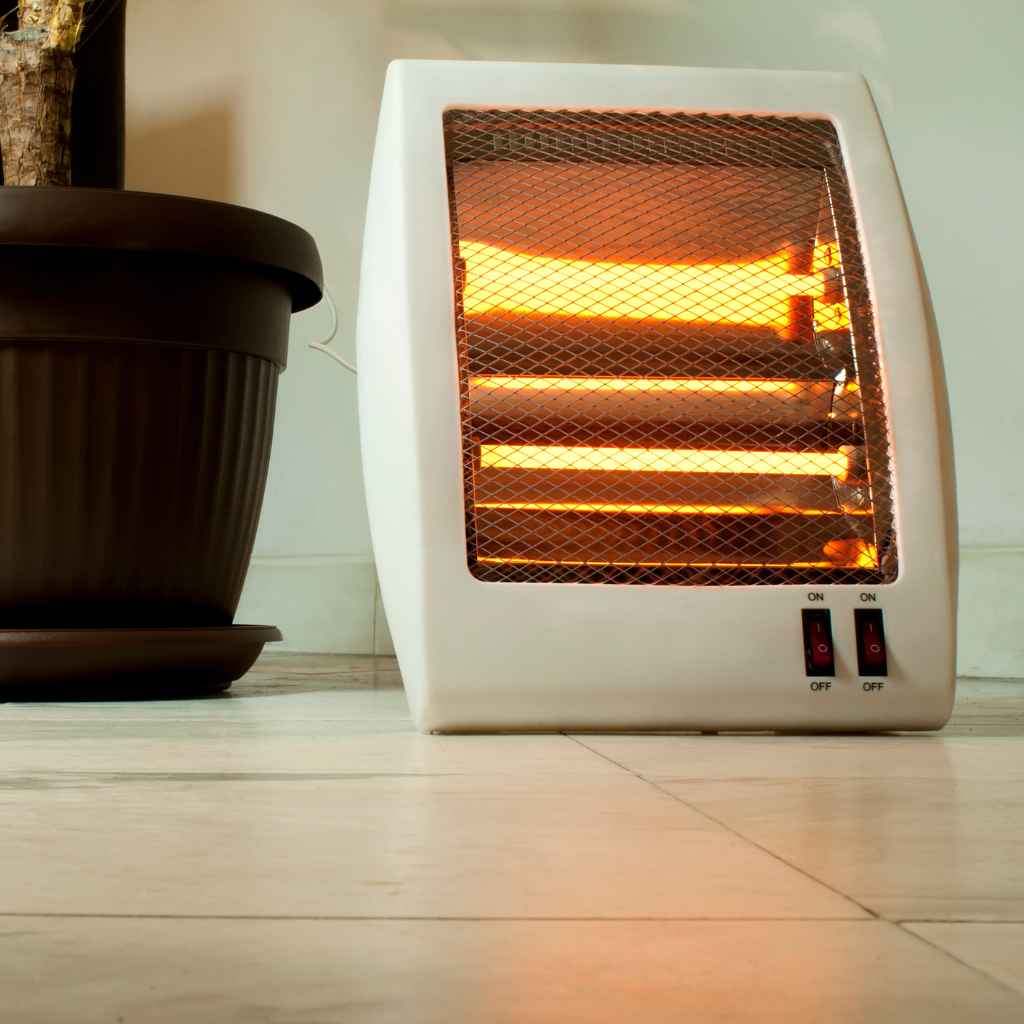
Infrared/Radiant Heaters: These emit infrared radiation. This radiation directly heats objects and people in its path. Think of how the sun feels warm on your skin.
They don’t heat the air as much. This means they can provide instant warmth without pre-heating the room. They are great for spot heating or in drafty areas where you want direct warmth.
Oil-Filled Radiators: These look like old-fashioned radiators. They have internal fins filled with oil. An electric element heats the oil, and the oil then heats the metal fins.
The fins radiate heat into the room. They heat up slowly but provide a steady, even heat. They are also often quieter than fan heaters.
They are usually around 1500 watts.
Convection Heaters: These work by drawing in cool air from the bottom. The air is heated by an electric element. Then, the warm air rises and exits from the top.
This creates a natural air circulation pattern. They heat a room slowly and evenly. They are often quiet.
They can be good for keeping a room at a steady temperature.
The wattage is often similar across many types (around 1500 watts for portable units). So, the actual cost to run will be similar if used for the same amount of time at the same electricity rate. The difference lies in how quickly they heat a space, how evenly they distribute heat, and what type of heat they provide (direct warmth vs.
heated air).
Electric Heater Types at a Glance
| Type | How it Works | Best For | Pros | Cons |
|---|---|---|---|---|
| Ceramic | Fan blows air over heated ceramic | Medium rooms, quick heating | Heats up fast, portable | Can be noisy, dries air |
| Infrared/Radiant | Emits heat waves to warm objects/people | Spot heating, drafty areas | Instant warmth, energy efficient for personal use | Doesn’t heat air much, limited range |
| Oil-Filled Radiator | Heats oil, which radiates heat | Steady, quiet room heating | Even heat, quiet, safe to touch | Slow to heat up, bulky |
| Convection | Heats air and circulates it naturally | Maintaining steady room temperature | Quiet, even heat distribution | Slow to heat initially |
The Safety Aspect and Cost
When thinking about cost, it’s also wise to consider safety. Electric heaters are generally quite safe, especially modern ones. They often have features like tip-over shut-off switches.
This means if the heater falls over, it automatically turns off. This is a big safety improvement from older models.
Overheating protection is also common. This feature turns the heater off if it gets too hot. This can happen if something is placed too close to it.
Always follow the manufacturer’s instructions about clearance. Keeping flammable materials away from the heater is crucial. This prevents fires.
While this isn’t a direct running cost, preventing accidents saves much more than money.
Using a heater that’s too small for the space can lead to it running constantly, as mentioned before. This not only wastes energy but can also put a strain on the heater itself. Conversely, a heater that is too large might cycle on and off very rapidly.
This isn’t usually a safety issue, but it can be less efficient than a properly sized unit.
The cost of a good quality electric heater can range from $30 to $150 or more, depending on the type and features. While that’s an upfront cost, a well-made heater with safety features will last longer. It will also perform more reliably.
Investing a little more upfront can save money and worry in the long run.
Safety Features and Considerations
- Tip-Over Shut-Off: Automatically turns off if heater falls.
- Overheat Protection: Shuts off if internal temperature gets too high.
- Clearance Requirements: Always maintain safe distance from objects.
- Flame-Resistant Materials: Modern heaters use materials that don’t easily catch fire.
- Certification: Look for UL or ETL certification for safety.
When to Reconsider Electric Heat
If your primary goal is to heat your entire home cheaply, electric resistance heaters are usually not the answer. Their cost per unit of heat is generally higher than natural gas. This is a fundamental economic reality.
The convenience and flexibility of electric heaters don’t change the price of the electricity they consume.
If you live in an area with extremely high electricity prices, even for zone heating, you might find the cost prohibitive. It’s always worth checking your local utility’s pricing. Sometimes, there are special programs or rates for heating during off-peak hours.
If you can take advantage of those, it can make electric heat more affordable.
Also, consider the impact on your home’s electrical system. If your home has older wiring or limited circuits, running high-wattage appliances like heaters can be a problem. You might need an electrician to assess your system.
This adds to the overall cost of using electric heat, though it’s more about infrastructure than running costs.
I had a neighbor who relied on electric baseboard heaters throughout their house. Their electricity bill in the winter was astronomical. They ended up installing a gas furnace.
The upfront cost was significant, but they said it paid for itself within a few years through lower monthly bills. It really highlighted that for whole-home heating, electric resistance often isn’t the most cost-effective choice.
When to Explore Other Options
Primary Heating Source Needed: For whole-home, consistent heat.
Very High Electricity Rates: If prices make even small usage costly.
Limited Electrical Capacity: If your home’s wiring can’t handle the load.
Environmental Concerns: If your electricity comes from non-renewable sources, other options might be “greener.”
The Future of Electric Heating
The landscape of electric heating is changing. With more focus on renewable energy sources, electricity is becoming a more attractive option for heating. Advances in heat pump technology mean that electric heating can be very efficient, even in colder climates.
Newer heat pumps are designed to work better in low temperatures. They can provide a significant portion of a home’s heating needs. This makes them a viable alternative to gas furnaces for many people.
Plus, when paired with solar panels, electric heating can become very affordable and environmentally friendly.
For portable and supplemental heating, electric heaters will likely remain a popular choice due to their convenience and low initial cost. Manufacturers are also working on making these heaters even more energy-efficient. This includes better thermostats, improved insulation within the units themselves, and smarter controls.
The overall trend is towards electrification. This means more homes will use electricity for heating, cooking, and other needs. As the grid gets cleaner with more renewable energy, electric heating becomes a more sustainable choice.
The cost equation will continue to evolve as electricity prices and technologies advance.
Future Trends in Electric Heating
- Advancements in Heat Pumps: Greater efficiency in colder climates.
- Renewable Energy Integration: Solar power reducing overall electricity costs.
- Smart Controls: More sophisticated scheduling and zone management.
- Improved Portable Heaters: Focus on energy savings and user experience.
Final Thoughts on Cost and Value
So, are electric heaters still expensive to run? Yes, they can be if used improperly or for purposes they aren’t best suited for. However, they offer significant value when used correctly.
For targeted heating, supplemental warmth, or quick comfort, they are often a practical and affordable solution.
The key is understanding your electricity rates, the heater’s wattage, and how long you’ll use it. Combine that with good home insulation and draft-proofing. This will help you control costs.
Electric heaters are not a one-size-fits-all solution for heating, but they are a valuable tool in many homes.
Frequently Asked Questions
Are electric heaters more expensive than gas heaters?
Generally, yes, the cost per unit of heat is higher for electric resistance heaters compared to natural gas. This is because natural gas is often a cheaper fuel source per BTU. However, electric heaters offer flexibility and can be more cost-effective for zone heating where you only heat the room you’re in.
How much does it cost to run a 1500-watt electric heater for 24 hours?
If your electricity costs $0.15 per kWh, a 1500-watt (1.5 kW) heater running for 24 hours would cost: 1.5 kW $0.15/kWh 24 hours = $5.40. This is a high estimate as most heaters don’t run continuously; they cycle on and off with a thermostat.
Is it cheaper to use one big electric heater or several small ones?
It often depends on the space. For heating a single, medium-sized room, one appropriately sized heater is usually more efficient than trying to use multiple small heaters. If you need to heat two separate small areas, then two small heaters might be more effective than one large one that can’t properly heat either space.
Should I use an electric heater as my primary heat source?
For most homes, especially in colder climates, relying solely on electric resistance heaters as your primary heat source can be very expensive. They are best used for supplemental or zone heating. Consider a heat pump or natural gas furnace for whole-home heating if cost is a major concern.
How can I make my electric heater more energy-efficient?
Use the thermostat to set the lowest comfortable temperature. Use timers to run the heater only when needed. Ensure the room is well-insulated and free of drafts.
Close doors and windows to keep warm air in. Only heat the room you are currently using.
What is the difference between radiant and convection electric heaters in terms of cost?
While both use electricity, radiant heaters warm objects directly, so they can feel effective quickly for personal warmth without heating the air. Convection heaters warm the air in a room. For direct, personal comfort, radiant might feel more efficient.
Further Reading: DOE electric heating cost tips | ENERGY STAR energy cost savings
For overall room heating, convection might be better. Their actual energy consumption per hour (wattage) is often similar.