Are Gas Heaters Expensive to Run?
Are gas heaters expensive to run? While running costs vary greatly, natural gas is often more cost-effective than electricity for heating homes in many regions. However, factors like your heater’s efficiency, home insulation, local gas prices, and usage habits play a huge role. Smart choices and regular maintenance can keep your heating bills surprisingly low, making gas a very economical option for a warm, cozy home.
If cost, wattage, or efficiency matters, How Much Does a Gas Garage Heater Cost? A Simple adds a useful comparison before choosing a heater.
If cost, wattage, or efficiency matters, Are Calor Gas Heaters Cheap to Run: Uncover the adds a useful comparison before choosing a heater.
If cost, wattage, or efficiency matters, Are Gas Pool Heaters Expensive to Run? adds a useful comparison before choosing a heater.
Ever shiver under a blanket, dreading your next heating bill? You’re not alone! Many homeowners and renters like us wonder about the true cost of keeping warm, especially when it comes to gas heaters. We’ve all heard different stories: some say gas is a budget-saver, others warn it’s a money pit. It’s confusing, right? But what’s the real story? In this guide, I’ll clear up the mystery, walk you through the factors that truly affect your gas heater’s running costs, and share easy ways to keep your home toasty without breaking the bank. Get ready to uncover the surprising truth and gain confidence in your heating choices!
Understanding How Gas Heaters Work
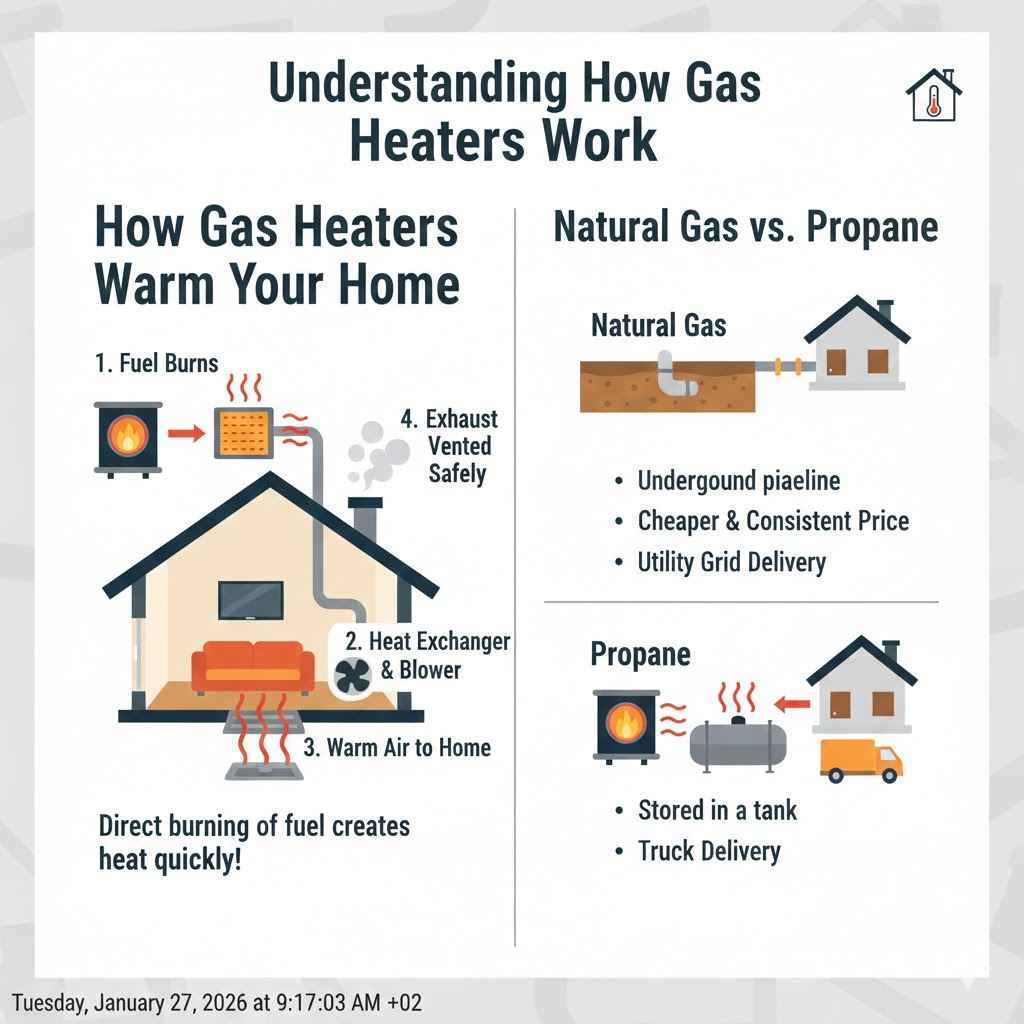
Before we dive into the costs, let’s quickly understand how gas heaters bring warmth into our homes. It’s simpler than you might think! Whether you have a furnace pushing warm air through vents or a cozy gas fireplace, the basic principle is the same.
Gas heaters burn natural gas or propane to create heat. This combustion process warms up a heat exchanger, and then a blower or fan pushes that warmth into your living spaces. The exhaust gases, byproducts of burning, are usually vented safely outside through a flue or chimney. This direct burning of fuel makes gas heating very effective at producing a lot of heat quickly.
Natural Gas vs. Propane
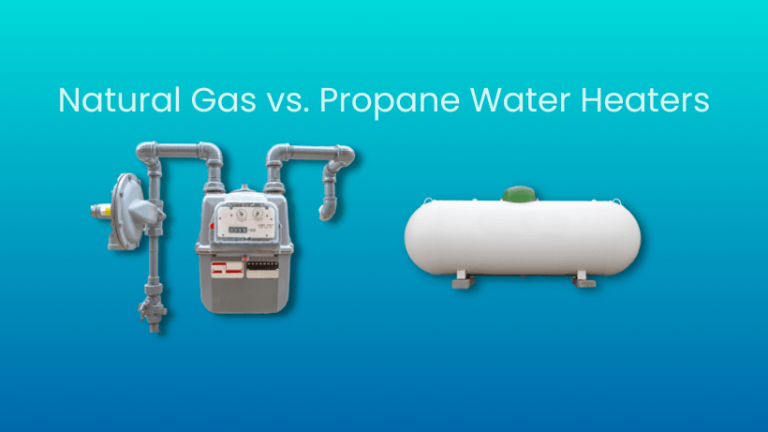
You might use natural gas, which comes through an underground pipeline directly to your home, or propane, which is stored in a tank on your property. There’s a big difference in how these fuels are priced and delivered, which directly impacts your running costs. Natural gas is generally cheaper and more consistently priced because it’s delivered via a utility grid. Propane prices can fluctuate more and might cost more per unit of energy, as it needs to be delivered by truck.
What Really Drives Gas Heater Running Costs?
Thinking about gas heater expenses isn’t just about the price of gas. Several factors work together to determine your monthly heating bill. Let’s break down these key players so you can see where your money goes and where you might save.
1. Local Gas Prices: The Biggest Variable
This is probably the most obvious factor. The price of natural gas or propane varies significantly based on where you live, the time of year, global supply and demand, and even geopolitical events. You can often track local natural gas prices through your utility provider or by checking resources like the U.S. Energy Information Administration (EIA). Propane prices can also be checked locally with suppliers.
- Natural Gas: Generally measured in therms (100,000 BTUs) or CCF (100 cubic feet). Prices per therm/CCF can vary widely from state to state and even city to city.
- Propane: Measured in gallons. It typically has a higher cost per unit of energy compared to natural gas, but it’s an excellent option for homes not connected to a natural gas line.
2. Heater Efficiency (AFUE Rating)
The efficiency of your gas heater is crucial. This is usually measured by its Annual Fuel Utilization Efficiency (AFUE) rating. AFUE tells you how much of the fuel your furnace burns is converted into usable heat for your home, versus how much is lost up the chimney. For example:
- An 80% AFUE furnace means 80% of the gas it burns becomes heat for your home, and 20% is lost.
- A 95% AFUE furnace means 95% becomes heat, and only 5% is lost.
Newer, high-efficiency furnaces can have AFUE ratings of 90% or more, while older models might be as low as 60-70%. Upgrading to a more efficient unit can lead to substantial long-term savings, even if the initial cost is higher.
3. Home Insulation and Sealing: Stopping Heat Leaks
Your heater might be a super-efficient workhorse, but if your home is a leaky sieve, you’re literally letting heat (and money!) escape. Good insulation in your attic, walls, and floors, along with properly sealed windows and doors, keeps the warm air inside your home where it belongs.
Drafts around windows and doors, unsealed outlets, and poorly insulated attics are major culprits for heat loss. Checking and improving your home’s thermal envelope is one of the most cost-effective ways to reduce heating costs, regardless of your heater type. Resources like Energy Star’s DIY Guide to Sealing and Insulating can provide excellent guidance.
4. Thermostat Settings and Usage Habits: Your Control
This is where you have direct control! How high you set your thermostat and how often your heater runs directly impact your bill. Keeping your home at a balmy 75°F around the clock will undoubtedly cost more than setting it to a comfortable 68°F during the day and lower at night or when you’re away. Even dropping the thermostat by a few degrees can make a noticeable difference in your energy consumption.
- Constant vs. Setback: Keeping a constant, high temperature is more expensive. Using a programmable or smart thermostat to set back temperatures when you’re asleep or away can save a lot.
- Zoned Heating: If you only use certain rooms, closing vents in unused areas (if your system allows for it without strain) or using supplemental heaters for specific zones can reduce overall gas consumption.
5. Heater Maintenance: A Healthy Heater Saves Money
Just like a car, your gas heater needs regular tune-ups to run at its best. A well-maintained heater runs more efficiently, uses less fuel, and lasts longer. Neglecting maintenance, like not changing air filters or skipping annual inspections, can lead to:
- Reduced Efficiency: A clogged filter makes your furnace work harder, consuming more gas.
- Breakdowns: Small issues can become big, expensive repairs if ignored.
- Safety Risks: Unchecked components can lead to dangerous situations, like carbon monoxide leaks.
Annual professional servicing and regular filter changes are simple, cost-effective ways to keep your gas heater running smoothly and efficiently.
Types of Gas Heaters and Their Running Costs
Not all gas heaters are created equal when it comes to how much they cost to run. Let’s look at the common types you might find in homes and generally how their operating costs stack up.
1. Central Gas Furnaces
These are the most common type of gas heater, often found in homes with ductwork. A central furnace heats air and distributes it throughout the house.
Running Costs:
- Efficiency: Modern central furnaces can be highly efficient (90% AFUE or higher), leading to lower running costs compared to older models.
- Coverage: Designed to heat an entire home, so overall fuel consumption can be high if not managed with a smart thermostat and good insulation.
- Fuel Type: Usually runs on natural gas, which is often the most affordable heating fuel in areas with pipeline access. Propane furnaces will generally have higher running costs.
2. Vented Gas Wall Heaters and Floor Furnaces
These units are typically installed in a wall or floor and vent combustion byproducts directly outside. They’re often used for zone heating or in smaller homes without ductwork.
Running Costs:
- Efficiency: Generally less efficient than central furnaces, often in the 70-80% AFUE range.
- Coverage: Excellent for heating specific rooms or zones, which can be cost-effective if you only need to heat a small area rather than the whole house.
- Fuel Type: Can run on natural gas or propane.
- Cost-effectiveness: Can be very affordable to run if used strategically for zone heating, avoiding heating unused rooms.
3. Ventless Gas Heaters
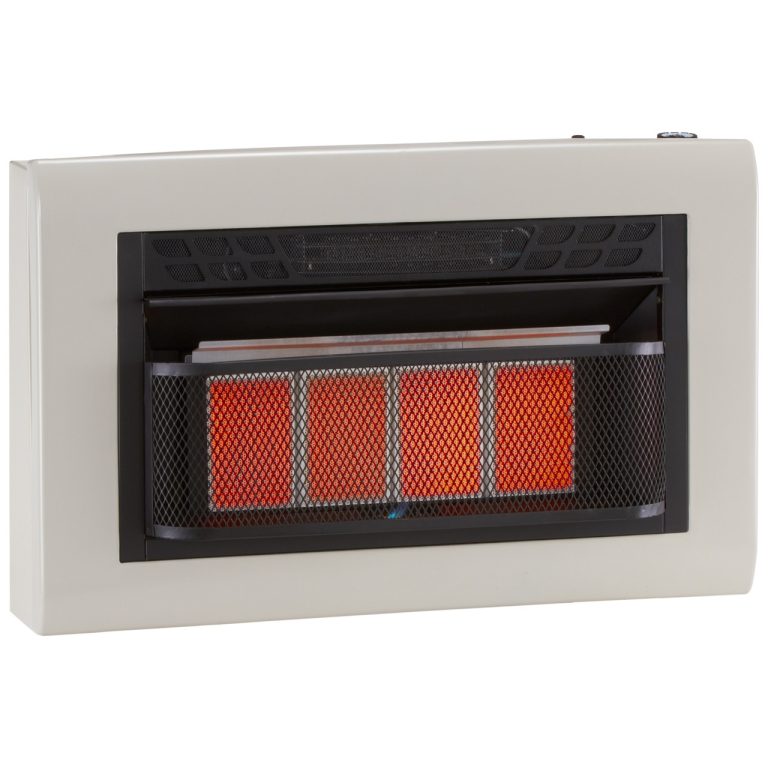
Ventless (or unvented) gas heaters do not have a flue or chimney to expel combustion byproducts. Instead, they release the heat and gases directly into the room. This includes some wall-mounted heaters, space heaters, and gas log sets.
Running Costs:
- Efficiency: Extremely efficient at converting fuel to heat (close to 99.9% efficient) because almost no heat escapes through a vent.
- Safety Concerns: While highly efficient, they have significant safety concerns. They release moisture, carbon dioxide, and small amounts of carbon monoxide and nitrogen dioxide into your home. This requires strict adherence to ventilation guidelines and limits on usage, and you must have a carbon monoxide detector. They are prohibited in some areas.
- Coverage: Best for supplemental heating in small, well-ventilated spaces. Not suitable for primary heating of an entire home.
- Cost-effectiveness: Very cheap to run per BTU of heat produced, but their limited safe usage means they aren’t a whole-home solution.
4. Gas Fireplaces and Inserts
These offer the ambiance of a fire with the convenience of gas. Gas fireplaces can be decorative or serve as supplemental heaters.
Running Costs:
- Efficiency: Varies widely. Decorative units are often very inefficient, with much of the heat going up the chimney. Gas fireplace inserts can be more efficient, especially sealed combustion units.
- Coverage: Primarily for zone heating or ambiance in one room.
- Cost-effectiveness: If used as a primary heat source, they can be quite expensive, especially if they are open-vented. More efficient inserts can offer cost-effective zone heating.
5. Outdoor Gas Heaters
While not for indoor heating, outdoor gas heaters (like patio heaters) are worth a quick mention.
Running Costs:
- Efficiency: Very low “efficiency” in terms of heating an enclosed space, as the heat dissipates quickly into the open air.
- Fuel Type: Often propane tanks, which adds to the per-hour cost.
- Cost-effectiveness: Expensive to run for the amount of heat they provide in an outdoor setting, designed for short-term comfort.
Here’s a general comparison of the running costs for different gas heater types, assuming moderate usage and average gas prices. These are estimates and will vary based on all the factors we discussed earlier!
| Heater Type | Typical AFUE Efficiency | Running Cost Per Hour (Estimate) | Best Use Case | Pros for Cost | Cons for Cost |
|---|---|---|---|---|---|
| Central Gas Furnace (Modern) | 90-98% | $0.40 – $1.00 | Whole-home primary heating | High efficiency, natural gas typically cheaper | Heats entire house, higher total fuel volume |
| Central Gas Furnace (Older) | 60-80% | $0.60 – $1.50 | Whole-home primary heating | Existing infrastructure, often on natural gas | Lower efficiency means more wasted fuel |
| Vented Wall/Floor Heater | 70-85% | $0.25 – $0.75 | Zone heating, smaller homes | Heats only needed areas, lower initial cost | Moderate efficiency, limited coverage |
| Ventless Gas Heater (Indoor) | 99.9% | $0.15 – $0.50 | Supplemental spot heating | Extremely high fuel-to-heat conversion | Safety concerns limit usage, not for primary heat |
| Gas Fireplace (Decorative) | 10-30% | $0.80 – $2.00 | Ambiance, minor supplemental heat | Easy to use, aesthetic appeal | Very inefficient, significant heat loss up chimney |
| Gas Fireplace Insert (Efficient) | 60-80% | $0.40 – $1.20 | Zone heating, ambiance | Better efficiency than decorative, contained heat | Still less efficient than central furnace, limited coverage |
Note: Running costs per hour are highly variable and depend on local gas prices (natural gas vs. propane), heater size (BTU output), and how hard the heater is working. These figures are illustrative estimates for an average residential setup.
The “Shocking Truth!” – Are Gas Heaters Really Expensive to Run?
So, after looking at all these factors, what’s the verdict? Are gas heaters expensive to run? The “shocking truth” isn’t a simple yes or no. It’s more nuanced: Gas heaters can be surprisingly affordable to run, often more so than electric alternatives, but their cost-effectiveness hinges entirely on several controllable factors.
When Gas Heaters ARE Cost-Effective:
- Natural Gas Access: If you’re connected to a natural gas line, your heating costs are typically lower than with electricity or propane, especially in regions with stable gas prices. Natural gas is generally cheaper per BTU.
- High-Efficiency Unit: A modern furnace with a high AFUE rating (90%+) converts most of its fuel into heat, meaning less wasted energy and lower bills.
- Well-Insulated Home: When your home keeps heat in effectively, your heater doesn’t have to work as hard or as often, leading to significant savings.
- Smart Usage: Using programmable thermostats, setting back temperatures, and practicing zone heating makes your gas heater a very economical choice.
- Regular Maintenance: A well-tuned heater runs efficiently and avoids costly breakdowns.
When Gas Heaters CAN Become Expensive:
- Propane Reliance: If you use propane, you might see higher running costs per BTU compared to natural gas, as propane is often more expensive and requires tank refills.
- Older, Inefficient Unit: An old furnace with a low AFUE rating (e.g., 60-70%) means you’re paying to heat your home, but a large chunk of that heat is escaping without ever warming your living space.
- Poor Home Insulation & Drafts: If your warm air quickly leaks out of your home, your heater will constantly run to compensate, driving up your gas bill.
- High Thermostat Settings: Keeping your home excessively warm or running the heater constantly when you’re not home will always result in higher costs, regardless of fuel type.
- Neglected Maintenance: Clogged filters, dirty burners, and unlubricated motors force your heater to work harder and use more fuel, and can lead to expensive repairs.
In essence, a gas heater isn’t inherently expensive to run. It’s the combination of your heater’s characteristics, your home’s condition, and your habits that determines its impact on your wallet. With the right approach, a gas heater can be one of the most cost-effective ways to keep your home warm and inviting.
Practical Tips to Make Your Gas Heater More Affordable to Run
Now that we understand the factors, let’s talk about actionable steps you can take to lower those heating bills and keep your gas heater running efficiently without sacrificing comfort. These are simple changes that can make a big difference!
1. Get Regular Professional Maintenance
This is perhaps the most important tip. An annual check-up by a qualified HVAC technician can ensure your furnace is running at peak efficiency, identify potential issues before they become expensive problems, and even catch safety concerns like carbon monoxide leaks. Think of it as a yearly physical for your heater! You can find resources for qualified technicians through organizations like the Air Conditioning Contractors of America (ACCA).
2. Change Air Filters Regularly
This is a super easy DIY task! A dirty, clogged air filter restricts airflow, making your furnace work harder and use more energy. Check your filter monthly and replace it every 1-3 months, or more often if you have pets or allergies. Clean filters mean better airflow, better efficiency, and better air quality.
3. Improve Home Insulation and Seal Drafts
This goes hand-in-hand with making your heater efficient. Preventing heat loss is just as important as generating heat efficiently.
- Weatherstrip Doors & Windows: Add weatherstripping to create a tight seal.
- Caulk Gaps: Seal cracks and gaps around window frames, door frames, and where pipes or wires enter your home.
- Add Attic Insulation: A poorly insulated attic is a huge heat loss culprit. Adding insulation here can provide significant savings.
- Seal Ducts: Leaky ducts in unheated spaces (like basements or attics) can waste a lot of warm air. Use mastic sealant or metallic tape to seal them.
4. Use a Programmable or Smart Thermostat
These devices let you set a heating schedule, so your furnace isn’t blasting heat when no one’s home or when everyone’s asleep.
- Programmable Thermostat: Set it to automatically lower the temperature by 7-10 degrees Fahrenheit for 8 hours a day (e.g., when you’re at work or sleeping) to save up to 10% on your heating bill.
- Smart Thermostat: Many smart thermostats learn your habits, can be controlled remotely via your phone, and even integrate with weather forecasts for optimal efficiency.
5. Optimize Your Thermostat Settings
Even without a fancy thermostat, mindful temperature management helps.
- Find Your Comfort Zone: Aim for a comfortable yet energy-efficient temperature, usually around 68°F during the day.
- Lower at Night: Drop the thermostat a few degrees before bed. Snuggle up under an extra blanket!
- Lower When Away: If you’re leaving for more than a few hours, set the thermostat lower. Don’t turn it off entirely in very cold weather to prevent pipes from freezing, but a significant setback saves energy.
6. Utilize Zone Heating (Where Applicable)
If you have multiple people in your home with different comfort levels or only use certain rooms, zone heating can save money.
- Close Vents: In rarely used rooms (like a guest bedroom), close the vents and shut the door. Be cautious not to close too many vents in a central ducted system, as this can put strain on the furnace; consult with an HVAC professional if unsure.
- Supplemental Heaters: For occasional use in a single room, a small, efficient electric space heater (used responsibly and safely) might be cheaper than heating your entire home with gas for that short period.
7. Let the Sun Help
On sunny winter days, open curtains and blinds on south-facing windows to let natural sunlight warm your home. Close them at night to add an extra layer of insulation against cold windows.
8. Dress for the Weather Indoors
It sounds simple, but wearing warmer clothing indoors (sweaters, thick socks, even a warm hat) can allow you to comfortably lower your thermostat by a degree or two, adding up to savings over the heating season.
Gas Heater Safety: Tanim’s Essential Guide
Keeping your home warm is vital, but doing it safely is non-negotiable. As your friendly heating guide, I can’t stress enough the importance of gas heater safety. Gas heaters are generally safe when installed correctly and maintained, but they do involve combustion and the potential for dangerous byproducts. Here’s what you absolutely need to know:
1. Install and Maintain Carbon Monoxide (CO) Detectors
This is your number one defense against the “silent killer.” Carbon monoxide is an odorless, colorless gas produced by incomplete combustion, and it can be deadly.
- Install: Place CO detectors on every level of your home, especially near sleeping areas.
- Test Regularly: Test them monthly and replace batteries annually. Replace the units themselves every 5-7 years (check the manufacturer’s date).
- Learn Symptoms: Know the signs of CO poisoning (headache, dizziness, nausea, fatigue) and what to do if the alarm sounds (evacuate immediately and call emergency services). The U.S. Consumer Product Safety Commission (CPSC) has vital information on CO safety.
2. Ensure Proper Ventilation (Especially for Ventless Units)
While central furnaces vent exhaust outside, some gas heaters (like ventless space heaters or certain gas log sets) release combustion products directly into your home.
- Ventless Heaters: If you use a ventless heater, follow the manufacturer’s instructions for room size and ventilation precisely. Never use them in bedrooms or confined spaces. Keep a window slightly ajar if recommended.
- Fireplaces: Ensure your fireplace flue is open when operating a gas fireplace or log set.
3. Maintain Proper Clearance from Combustibles
Keep anything that can burn away from your gas heater.
- Forced Air Furnaces: Keep the area around your furnace clear of storage, laundry, and other flammable items. Ensure air returns are unobstructed.
- Space Heaters: Maintain at least three feet of clearance around portable gas heaters from curtains, furniture, bedding, papers, and pets.
4. Never Use an Outdoor Heater Indoors
Patio heaters and BBQ grills are designed for outdoor use only. They produce dangerous levels of carbon monoxide and should NEVER be used in enclosed spaces like garages or indoors.
5. Don’t Block Vents or Flues
Make sure all exhaust vents, chimneys, and air intake grilles are clear of obstructions (like bird nests, debris, or snow). Blockages can lead to dangerous backdrafting of carbon monoxide into your home.
6. Schedule Annual Professional Inspections
A certified HVAC technician will inspect your heater’s heat exchanger for cracks (which can leak CO), check gas lines for leaks, ensure proper combustion, and verify that the venting system is working safely. This expert eye is invaluable for safety and efficiency.
Here’s a quick annual checklist for maintaining your gas heater, ensuring both efficiency and safety:
| Maintenance Task | Frequency | Who Does It | Benefits (Safety & Cost) |
|---|---|---|---|
| Replace Air Filter | Every 1-3 Months | Homeowner | Improves airflow, boosts efficiency, better air quality |
| Test Carbon Monoxide Detectors | Monthly | Homeowner | Crucial safety check against deadly gas |
| Professional Annual Tune-Up | Annually (Fall) | HVAC Technician | Ensures safe operation, maximizes efficiency, prevents breakdowns, extends lifespan |
| Inspect Vents and Flues | Annually / Seasonally | Homeowner (visual) / Technician (thorough) | Prevents blockages, ensures safe exhaust venting |
| Clean Around Furnace Area | Annually / Seasonally | Homeowner | Reduces fire risk, improves airflow |
| Check for Gas Leaks (Smell) | As needed | Homeowner | Early detection of dangerous gas leaks (rotten egg smell) |
| Replace CO Detector Unit | Every 5-7 Years | Homeowner | Ensures reliable detection over time |
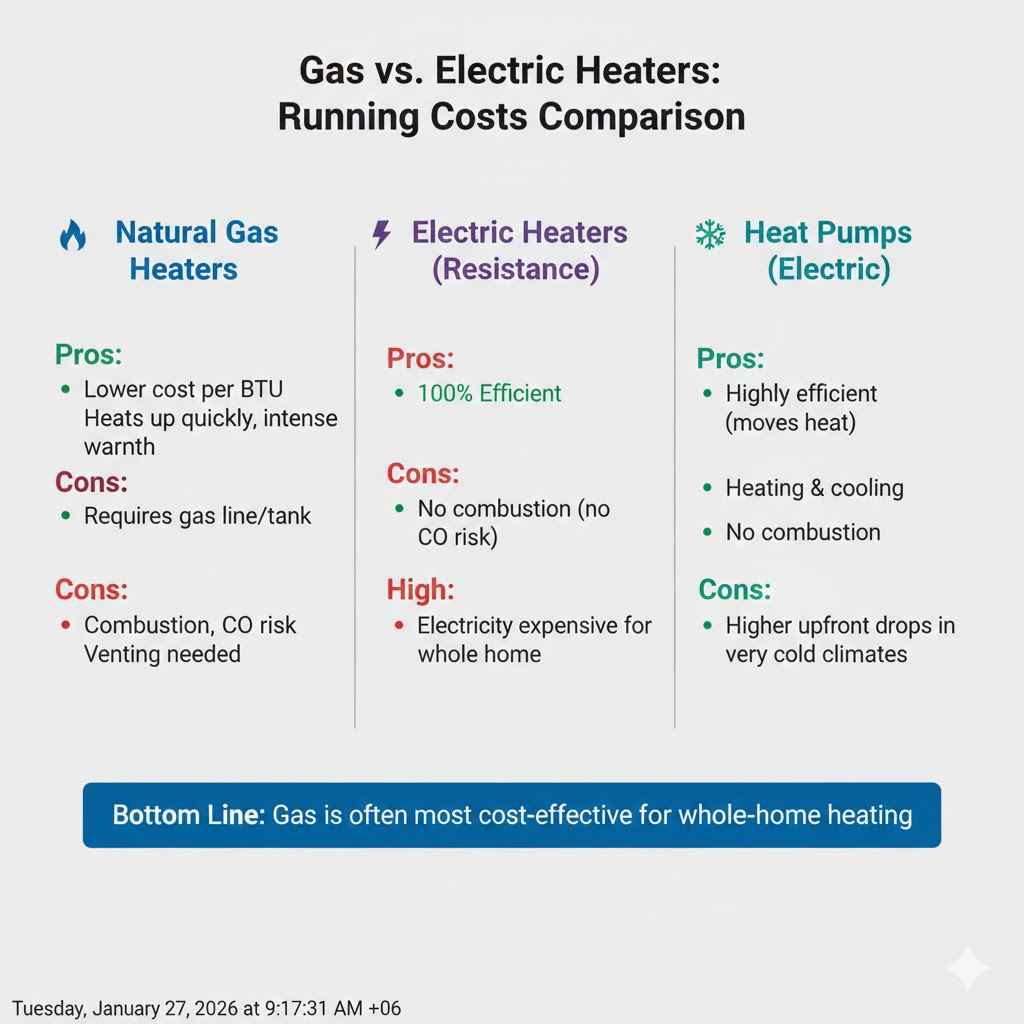
Gas vs. Electric Heaters: A Quick Comparison on Running Costs
While this article focuses on gas heaters, it’s helpful to briefly touch on how their running costs generally compare to electric options, as this is often where the “expensive” debate comes from.
Natural Gas Heaters:
- Pros: Generally lower cost per BTU of heat compared to electricity in many regions. Heats up quickly, often providing a more “intense” warmth.
- Cons: Requires natural gas line (or propane tank), involves combustion (safety considerations like CO), exhaust venting needed.
Electric Heaters (e.g., baseboard, resistance space heaters):
- Pros: 100% efficient at converting electricity to heat (within the unit itself), no combustion byproducts (no CO risk), simple to install.
- Cons: Electricity is often more expensive per BTU than natural gas. Running electric resistance heaters for whole-home heating can lead to very high bills.
Heat Pumps (Electric but different):
- Pros: Highly efficient as they move* heat rather than generate it, can provide both heating and cooling, no combustion.
- Cons: Higher upfront cost, efficiency can drop in very cold climates (though modern cold-climate heat pumps are improving), performance tied to outside temperature.
The bottom line is that for most homes in areas with natural gas access, a high-efficiency gas furnace remains one of the most cost-effective ways to heat your entire home. Electric resistance heating typically serves best as supplemental heat or for very small, well-insulated spaces.
Frequently Asked Questions About Gas Heater Running Costs
Q1: Is natural gas cheaper than electricity for heating?
A: In most regions, yes, natural gas is typically cheaper per BTU (British Thermal Unit) of heat produced than electricity. This often makes natural gas furnaces more cost-effective for whole-home heating than electric resistance heaters.
Q2: What makes a gas heater efficient?
A: A gas heater’s efficiency is mainly measured by its AFUE (Annual Fuel Utilization Efficiency) rating. A higher AFUE means more of the fuel’s energy is converted into usable heat for your home, and less is wasted through the exhaust. Modern high-efficiency furnaces often have AFUE ratings of 90% or higher.
Q3: How often should I service my gas heater?
A: You should have your gas heater professionally serviced by a qualified HVAC technician once a year, ideally in the fall before the heating season begins. This ensures it runs safely and efficiently.
Q4: Are ventless gas heaters safe to use indoors?
A: Ventless gas heaters can be used indoors, but with strict precautions. They release combustion byproducts (including carbon monoxide and moisture) directly into the room. Always use them in well-ventilated spaces, never in bedrooms, and ensure you have working carbon monoxide detectors. Some areas prohibit their use.
Q5: Can I lower my gas bill without replacing my heater?
A: Absolutely! You can significantly lower your gas bill by improving home insulation, sealing drafts, using a programmable or smart thermostat, lowering your thermostat by a few degrees (especially at night or when away), and ensuring you change your air filter regularly.
Q6: What does AFUE mean, and why is it important?
A: AFUE stands for Annual Fuel Utilization Efficiency. It’s a percentage that tells you how efficiently your furnace converts fuel into heat over a typical heating season. For example, an 80% AFUE furnace turns 80% of its fuel into heat and loses 20%. A higher AFUE means better efficiency and lower running costs.
Q7: How much can I save by lowering my thermostat by one degree?
A: Energy experts suggest that lowering your thermostat by just one degree Fahrenheit for an 8-hour period can save you about 1% on your heating bill. Small changes can add up to significant savings over a heating season!
Conclusion: Confidently Keeping Your Home Warm
You’ve journeyed with me through the ins and outs of gas heater costs, and by now, I hope you feel much more confident about heating your home. The truth is, gas heaters aren’t inherently expensive to run. Instead, their cost-effectiveness is a dynamic balance influenced by factors you can control: the efficiency of your unit, your home’s insulation, local fuel prices, and, most importantly, your heating habits and maintenance routine.
By understanding your heater’s AFUE, proactively sealing up drafts, using a smart thermostat, and committing to regular maintenance and safe practices, you empower yourself to keep those energy bills in check. Remember, a warm and cozy home doesn’t have to come with a shocking price tag. With a little knowledge and consistent effort, you can enjoy all the comfort your gas heater provides efficiently and affordably, all season long. Stay warm, stay safe, and enjoy your comfortable home!