Are Caravan Gas Heaters Safer Than Electric?
Yes, caravan gas heaters can be entirely safe when properly installed, maintained, and used. Understanding safety features, ventilation requirements, and correct operation is crucial for peace of mind on your travels. This guide provides essential knowledge for safe caravan heating.
For the safety side of the same topic, Are Gas Heaters Safe For Babies gives readers a useful next check before they use the heater.
Planning a trip in your caravan or motorhome, or perhaps thinking about getting one? One of the first things you’ll want to sort out is how to stay warm and cozy, especially during cooler months. Many caravan owners rely on gas heaters for this very reason. But a common question that pops up, and it’s a super important one, is: “Are caravan gas heaters safe?” It’s a natural concern, and seeking reliable information is key to enjoying your adventures without worry. We’re here to break it down simply, clearly, and with practical advice so you can feel completely confident about keeping your caravan warm the safe way. Let’s dive in and make sure your caravan heating experience is a safe and happy one!
Understanding Caravan Gas Heaters: Types and How They Work
Caravan gas heaters are a popular choice for heating recreational vehicles (RVs) because they are efficient and reliable, even in remote locations where electricity might be scarce. They primarily use propane or butane gas, the same fuel often used for your caravan’s stove and hot water system. The basic principle is simple: gas is burned to produce heat, which is then distributed within the caravan.
There are a few main types of gas heaters you’ll find in caravans. Each has its own way of operating and its own safety considerations.
Common Types of Caravan Gas Heaters
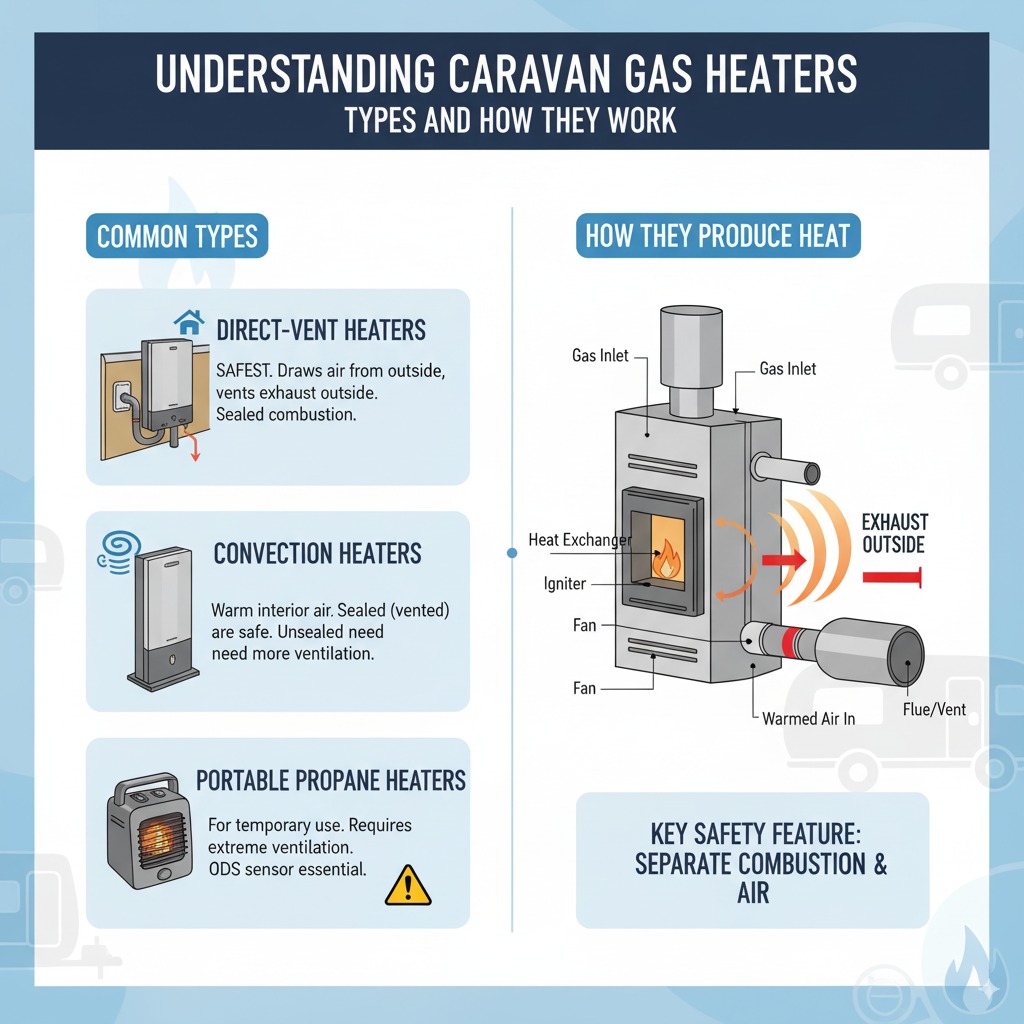
- Direct-vent heaters: These are considered the safest type for enclosed spaces. They draw combustion air from the outside and vent exhaust gases directly back outside. This means they don’t consume the air inside your caravan for burning, significantly reducing the risk of carbon monoxide buildup. Many modern caravans come with these as standard.
- Convection heaters: These heaters warm the air inside the caravan. Some convection heaters are sealed units and vent outside, similar to direct-vent models, making them a safe and efficient choice. Others might draw air from inside the caravan and might require more attention to ventilation.
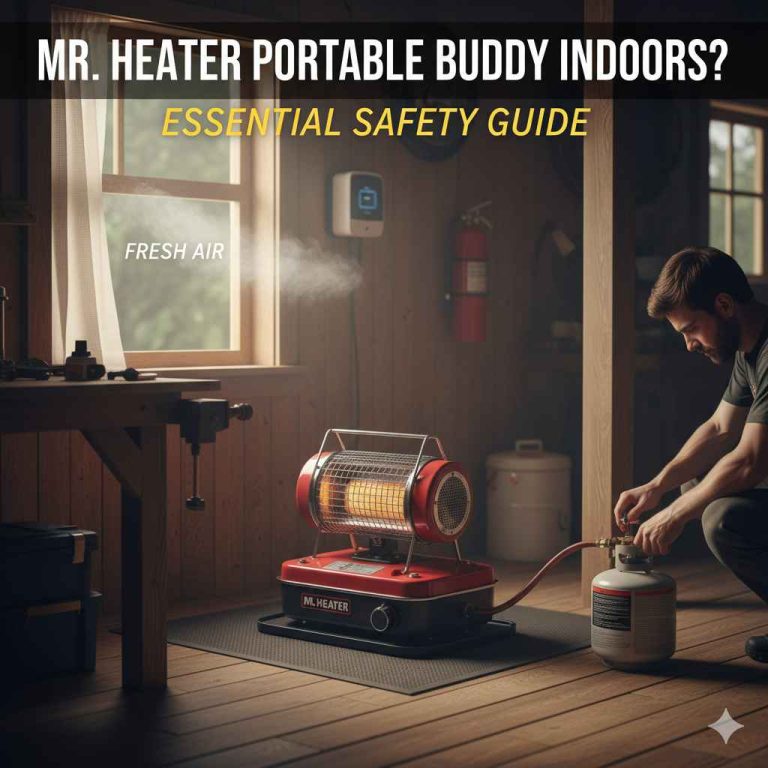
- Portable propane heaters: These are often used for temporary heating in smaller spaces or during power outages. While convenient, they generally require very careful use and are not recommended for continuous overnight heating due to ventilation concerns. Always ensure any portable heater is approved for indoor use and has safety features like an oxygen depletion sensor.
How They Produce Heat
Generally, a caravan gas heater works by igniting a controlled flame using gas from your caravan’s tanks. This flame heats up a heat exchanger. For direct-vent and sealed convection heaters, outside air is drawn in, passes over the hot heat exchanger, and then the warmed air is circulated into the caravan. Crucially, the combustion by-products (like carbon monoxide) are expelled directly outside. This is a fundamental safety feature, preventing them from contaminating the air inside your living space.
Understanding these different types helps you appreciate the safety mechanisms involved. The key takeaway is that modern, permanently installed gas heaters in caravans are designed with safety as a top priority, often featuring systems that isolate the combustion process from the interior air.
Key Safety Features to Look For and Understand
When we talk about caravan gas heaters, safety isn’t just an add-on; it’s built into their design. Modern heaters come equipped with several critical safety features that protect you and your fellow passengers. It’s essential to know what these features are and how they work so you can use your heater with confidence.
Essential Safety Components
- Oxygen Depletion Sensor (ODS): This is perhaps the most crucial safety device. An ODS constantly monitors the oxygen level in the air around the heater. If the oxygen level drops below a safe threshold (which can happen when a heater is using up the available oxygen for combustion in a poorly ventilated area), the ODS will automatically shut off the gas supply to the pilot light and the main burner. This is a vital safeguard against carbon monoxide poisoning.
- Flame Failure Device (FFD): Also known as a thermocouple or flame-rollback sensor, this device detects if the pilot flame has gone out. If the flame extinguishes, the FFD senses the absence of heat from the pilot light and cuts off the flow of gas to the burner. This prevents unburned gas from accumulating and causing a potential explosion or fire hazard.
- Carbon Monoxide (CO) Detector: While not part of the heater itself, a CO detector is an essential safety accessory for any caravan or RV that uses gas appliances. It’s an independent alarm that will sound loudly if it detects dangerous levels of carbon monoxide gas in the air. It’s a crucial backup and a highly recommended addition for comprehensive safety. You can find reliable CO detectors at most outdoor and RV supply stores.
- Propane/Gas Leak Detector: Similar to a CO detector, this device is specifically designed to alert you to leaks in your gas system. Early detection of a gas leak is paramount.
- Overheat Protection: Some heaters have a thermal cut-off switch that will shut down the unit if it gets too hot, preventing damage to the heater and reducing fire risk.
Installation and Design Considerations
Beyond the components, the way a heater is installed and designed plays a massive role in its safety:
- Sealed Combustion: As mentioned earlier, direct-vent and many modern convection heaters use sealed combustion. This means the heater has an inlet for drawing in fresh air from outside and an outlet for expelling exhaust gases outside. The combustion chamber is sealed off from the caravan’s interior, ensuring that no dangerous fumes enter your living space. This is a significant safety advantage over older or simpler heating systems.
- Proper Vents: Caravans fitted with gas appliances are required to have specific ventilation openings. These are designed to ensure adequate airflow to prevent the buildup of potentially harmful gases. Proper ventilation is a regulatory requirement for a reason. Regulatory bodies like the Department for Transport (DfT) in the UK and similar organizations globally set standards for vehicle safety, including gas appliance installations. Always ensure your caravan adheres to these standards.
Recognizing these features empowers you. When you’re looking at a caravan or considering a heater upgrade, ask about the presence and functionality of these safety systems. A reputable dealer or installer will be happy to explain them.
Installation: The Foundation of Safe Caravan Heating
The safest gas heater is only as safe as its installation. Incorrect installation is a leading cause of problems with any gas appliance, and in a caravan, where space is confined and ventilation is critical, it’s even more so. It is imperative that any gas appliance installation, or even significant work on an existing one, is carried out by a qualified and certified gas engineer. For caravans, look for someone with specific experience in ‘Mobile Air Conditioning‘ or ‘Caravan & Leisure Vehicle Gas Safety’ certifications.
Why Professional Installation Matters
- Correct Gas Pipework: Gas lines must be the correct diameter, properly secured, and leak-tested. Even a small leak can be dangerous.
- Venting is Crucial: Exhaust vents must be correctly positioned to ensure fumes are expelled away from the caravan and intake vents must allow sufficient fresh air. Incorrect placement can lead to dangerous gas buildup inside the caravan.
- Appliance Location: Heaters need to be sited away from flammable materials and in a position that allows for proper airflow.
- Compliance with Standards: Qualified engineers ensure the installation meets all relevant safety standards and regulations, which can vary by region. For example, in the UK, standards are often guided by the advice from the Health and Safety Executive (HSE), which sets out requirements for safe gas work.
DIY vs. Professional: What You Should Know
While some minor maintenance might be manageable for the handy individual, the initial installation or any repair work involving the gas lines of a caravan heater should always be left to a professional. Attempting to install or repair gas appliances yourself without the proper training and certification can be extremely dangerous and may also invalidate your insurance.
A professional installation provides peace of mind, ensuring your system is not only functional but, most importantly, safe. They will often provide a certificate of installation, which is good documentation to have.
Regular Maintenance for Ongoing Safety
Just like your car, your caravan’s gas heater requires regular maintenance to keep it running safely and efficiently. Think of it as giving your heater a regular check-up to ensure it’s always in good working order. Neglecting maintenance can lead to performance issues or, worse, safety hazards.
Your Caravan Heater Maintenance Checklist
Here’s a breakdown of what you should be doing:
- Annual Professional Service: The single most important step is to have your caravan’s gas system, including the heater, serviced by a qualified gas engineer at least once a year, or according to the manufacturer’s recommendations. They’ll perform thorough checks, clean components, and test safety devices. For UK residents, the relevant governing body for this is the Gas Safe Register, which only allows qualified engineers to work on gas appliances.
- Inspect Visible Parts: Regularly check for any obvious signs of damage, wear, or corrosion on the heater unit, gas connections, and surrounding areas.
- Clean Air Vents and Filters: Dust and debris can clog air vents and filters, hindering performance and potentially affecting airflow. Refer to your heater’s manual for specific cleaning instructions. Usually, this involves gently vacuuming or wiping them down.
- Check for Gas Odours: If you ever smell gas, never try to find the leak yourself. Turn off the gas supply immediately, ventilate the area thoroughly, and contact a qualified engineer. Do not operate any electrical switches or create sparks.
- Test Safety Devices: If your heater has externally visible safety features, like pilot lights, ensure they are functioning as expected when you first use the heater after storage. However, detailed testing of ODS and FFD should be part of the professional annual service.
- Ventilation Check: Before each use, especially after periods of inactivity, ensure all ventilation openings for the caravan and the heater are clear of obstructions like leaves, debris, or stored items.
When to Call a Professional Immediately
Don’t delay in contacting a qualified gas engineer if you notice any of the following:
- A persistent smell of gas.
- Yellow or flickering pilot flame (it should be blue).
- Soot marks around the heater or nearby.
- Unusual noises coming from the heater.
- The heater cutting out unexpectedly.
- Any suspected malfunction of safety devices.
Proactive maintenance is your best friend when it comes to safe caravan heating. It protects your investment and ensures your comfort and security.
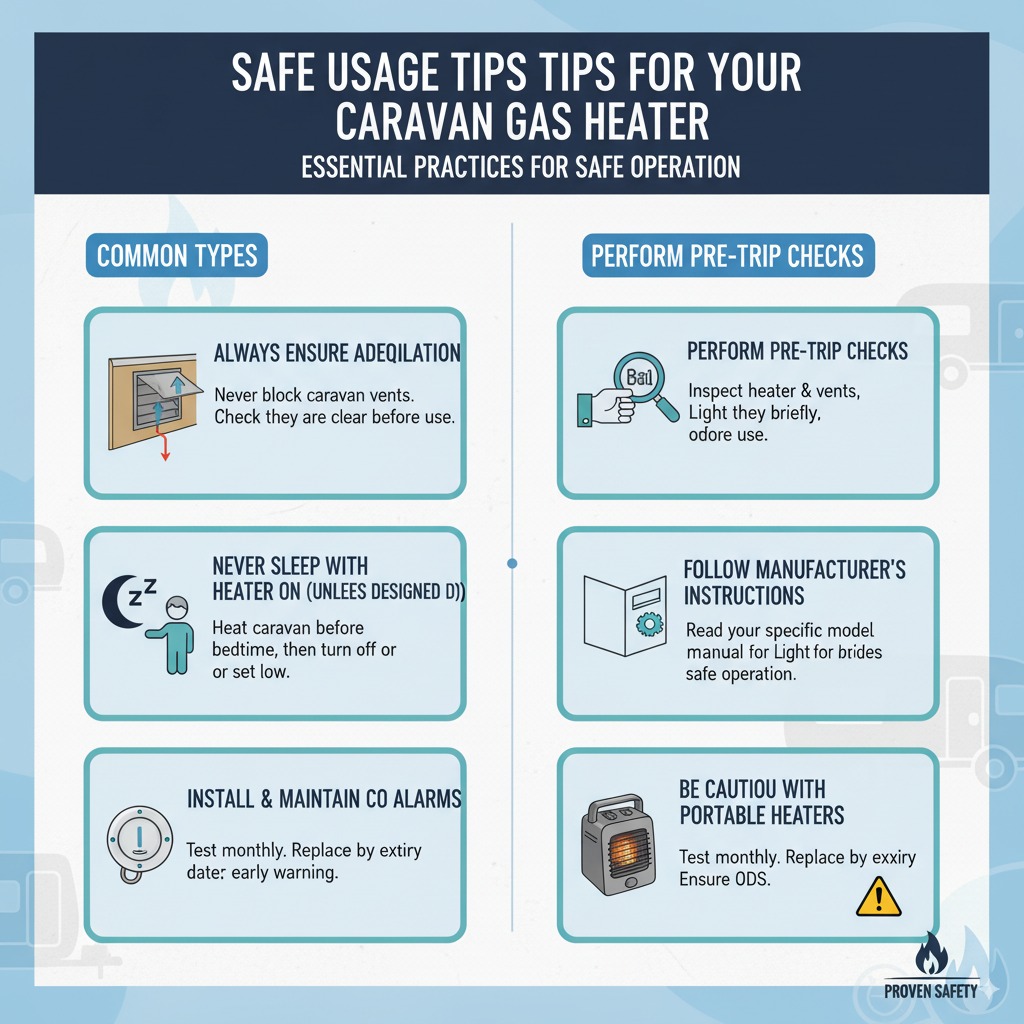
Safe Usage Tips for Your Caravan Gas Heater
Once you’ve confirmed your heater is well-installed and regularly maintained, using it correctly is the final piece of the safety puzzle. These simple habits can make a big difference.
Essential Practices for Safe Operation
- Always Ensure Adequate Ventilation: This is non-negotiable for any gas heater, even those with sealed combustion. Caravans have specific vents for this purpose. Never block them. Before you turn on the heater, do a quick visual check to ensure they are clear from obstructions like stored items or general debris. The Caravan Club and other caravan associations often provide yearly safety reminders which highlight the importance of ventilation.
- Never Sleep with the Heater On (Unless Specifically Designed to Do So): While modern direct-vent heaters are very safe, it’s a common safety recommendation in many environments to avoid sleeping with any form of gas heating running, especially if it’s an older model or if you’re unsure of its specific safety rating. It’s always best to heat your caravan before bedtime and then turn the heater off or to a very low setting. Ensure the caravan is warm enough before you go off to sleep.
- Install and Maintain CO Alarms: As mentioned earlier, always have working carbon monoxide detectors installed in your caravan. Test them regularly (monthly is a good practice) and replace them according to the manufacturer’s expiry date. They are your early warning system for a potentially deadly gas.
- Perform Pre-Trip Checks: Before setting off on a journey, especially after the caravan has been stored for some time, do a visual inspection of the heater and its vents. Light the heater up for a short period in a well-ventilated area and ensure it smells clean (no suspect odours) and operates normally.
- Follow Manufacturers’ Instructions: Every heater is slightly different. Always read and follow the specific operating manual provided by the manufacturer for your particular model. This includes lighting procedures, thermostat settings, and any specific usage notes.
- Extinguish When Using Other Gas Appliances: If you are using the gas hob for cooking or another high-demand gas appliance, it can sometimes affect the stability of other gas appliances. Be mindful of this. Ensure your main heater is not solely relied upon for warmth if you are using other gas appliances extensively.
- Be Cautious with Portable Heaters: If you choose to use a portable gas heater (often catalytic or ceramic types), always ensure they are rated for indoor use, have an ODS, and are used in a very well-ventilated space. They are typically meant for temporary use and cannot replace a properly installed fixed heating system for continuous comfort and safety.
By integrating these simple usage tips into your caravan routine, you significantly enhance the safety and comfort of your heating system.
Comparing Caravan Gas Heaters: A Quick Look
To help solidify your understanding of safety and effectiveness, let’s quickly compare the general characteristics of common caravan heating types, focusing on gas for this discussion, but acknowledging other options exist for context.
| Heater Type | Primary Fuel | Typical Safety Features Included | Ventilation Needs | Pros | Cons |
|---|---|---|---|---|---|
| Direct-Vent Gas Heater | Propane/Butane | ODS, FFD, Sealed Combustion | Requires external vent (part of unit) | Very safe as combustion is sealed off; efficient; reliable; reliable heat output. | Requires external vent installation; higher initial cost. |
| Sealed Convection Gas Heater | Propane/Butane | ODS, FFD, Sealed Combustion | Requires external vent (part of unit) | Similar safety and efficiency to direct-vent; good for even heating. | Requires external vent installation; can be larger. |
| Portable Propane Heater (e.g., Catalytic) | Propane | ODS, Flame Failure Device are common. | Requires significant room ventilation. Must not be used in sleeping areas overnight. | Portable, easy to move; no complex installation. | Requires extreme caution with ventilation; not for continuous use or sleeping; can produce moisture. |
| Electric Heater (e.g., Fan, Oil-filled) | Electricity | Overheat protection; some have tip-over switches. | Room ventilation is good but not critical for the heater itself. | No fumes; silent operation (oil-filled); easy to use (plug in). | Dependent on available electricity (campsite hook-up or generator); can be higher running cost. |
| Diesel/Eberspacher Heater | Diesel Fuel | Sensors for airflow, temperature, exhaust, ignition. | Requires external exhaust and air intake. | Very efficient; runs independently of vehicle engine; good for off-grid. | Can be noisy; complex installation; higher initial cost; requires diesel. |
This table shows how gas heaters, particularly the direct-vent and sealed convection types, are designed with safety and independent operation in mind for caravan environments. While other options exist, understanding the benefits of professionally installed gas systems with built-in safety features is key.
Frequently Asked Questions About Caravan Gas Heater Safety
Do caravan gas heaters produce carbon monoxide?
Yes, all gas combustion produces carbon monoxide (CO) as a by-product. This is why it’s critical that caravan gas heaters, especially those installed permanently, are direct-vent or sealed combustion models. These systems vent the CO and other exhaust fumes safely outside the caravan, preventing buildup inside where it can be dangerous. Always use CO detectors as a safety precaution.