This is a totally normal worry. We want our homes to be warm, but more importantly, we want them to be safe. The idea of something burning fuel inside our living space can feel a little unnerving. You’re not alone if you’ve wondered about the hidden risks or the best way to use them. Let’s dive into what you need to know to feel confident about your home’s warmth and safety.
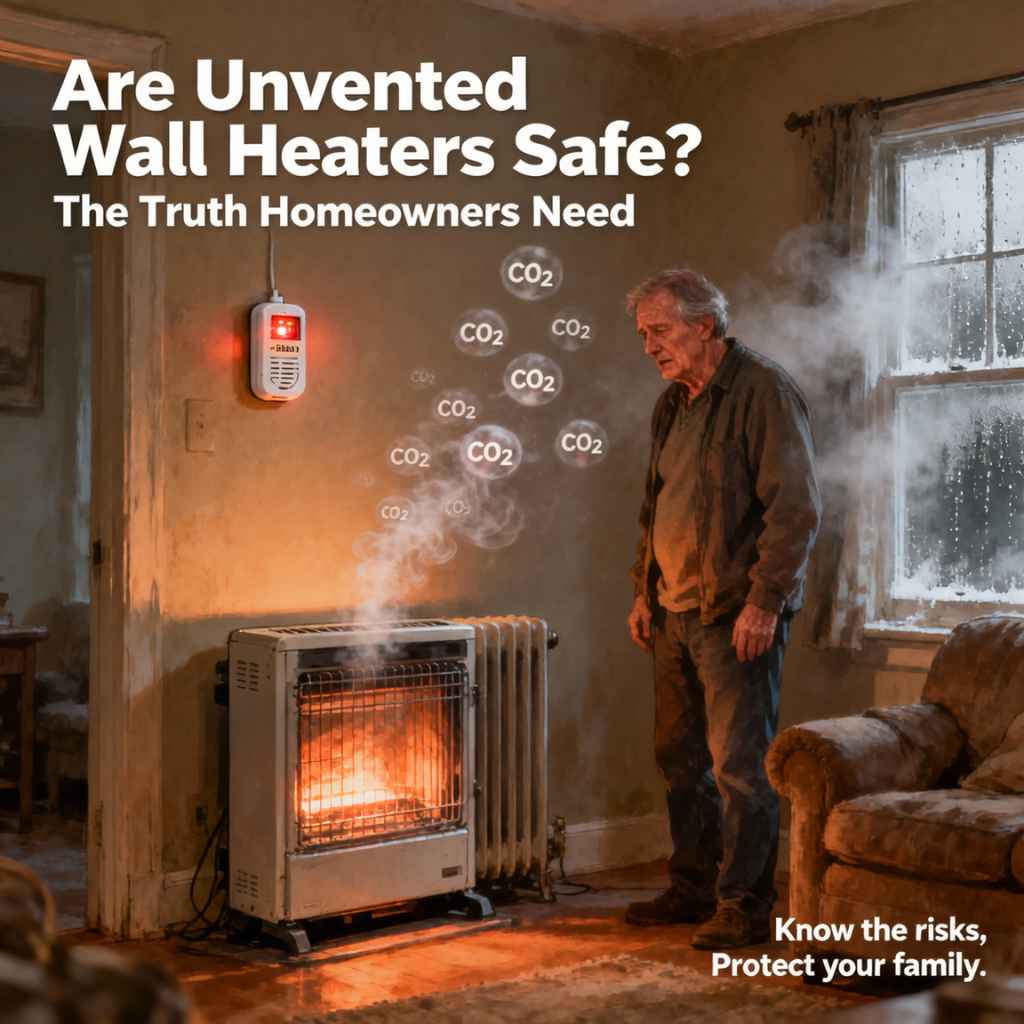
Unvented wall heaters burn fuel to create heat. They release byproducts like carbon monoxide and water vapor directly into the room. While generally safe when used correctly, they carry risks. Proper ventilation, regular checks, and understanding their limitations are key for homeowner safety.
Understanding Unvented Wall Heaters
So, what exactly are unvented wall heaters? Think of them as heaters that don’t have a chimney or a pipe leading outside. They take in air from the room they are in. Then, they burn fuel, like propane or natural gas, to make heat. The heat, along with the gases that burning fuel creates, goes back into the same room. This is the main difference from “vented” heaters. Vented heaters push those gases outside.
The appeal is clear: they are often simpler to install. You don’t need to cut a hole in your wall for a vent pipe. They can also be quite efficient at heating a single space. Because they don’t lose heat through a vent, more of the fuel’s energy goes directly into warming your room. This makes them a popular choice for garages, workshops, or sometimes as a backup heat source in a home.
How They Work: A Simple View
Fuel Source: Usually propane or natural gas.
Air Intake: Pulls air from the room to mix with fuel.
Combustion: Fuel burns, creating heat and gases.
Heat Distribution: Heat warms the room.
Byproduct Release: Burned gases (including carbon monoxide and water vapor) go back into the room.
The key here is that the byproducts are released inside. This is where the safety concerns come in. When fuel burns, it produces gases. Some of these gases are harmless, like nitrogen. But others can be very dangerous. The main one people worry about is carbon monoxide (CO). This gas is colorless and odorless. It can make you very sick or even be deadly.
Water vapor is another byproduct. This might not sound dangerous, but in a closed-off space, it can lead to high humidity. Too much moisture can cause problems like mold growth. This can affect the air quality in your home and be bad for people with allergies or breathing issues.
My Own Close Call with Heating Safety
I remember a time a few years back. My dad had an older garage that he loved to tinker in. It didn’t have central heating, so in the colder months, he’d use a portable propane heater. It was one of those unvented types. He always opened the main garage door a crack, but not a lot. He just wanted to keep the chill out, not heat the whole neighborhood.
One evening, I went over to help him with something. The garage was warm, almost stuffy. I noticed a faint, odd smell, like slightly burnt plastic, but I couldn’t place it. My dad was feeling a bit tired and had a slight headache. He brushed it off, saying he’d been working hard. But something felt off. I mentioned the smell and his headache to my wife later.
She immediately asked if he was using that heater. She reminded me how important it is to have a carbon monoxide detector. We didn’t have one in the garage. That night, we bought a battery-powered CO detector and installed it. Within an hour, it started beeping! Not a full alarm, but a warning beep. We turned off the heater and aired out the garage completely. The detector settled down. It was a wake-up call. The heater wasn’t “broken,” but the conditions in that semi-closed garage, with minimal fresh air, meant it was building up dangerous gases. We learned that “safe” for these heaters means following strict rules, not just turning them on.
The Risks: What Could Go Wrong?
The biggest risk with unvented wall heaters is carbon monoxide poisoning. CO is a silent killer. It happens when fuel doesn’t burn completely. This is more likely in a poorly ventilated space. Symptoms can be mild at first. You might feel a headache, dizziness, or nausea. It can feel like the flu. But as CO builds up in your blood, it cuts off oxygen to your brain and other organs. This can lead to confusion, loss of consciousness, and even death.
Who is most at risk? Young children, older adults, and people with heart or lung conditions are more vulnerable. But anyone can be affected. It’s not just about the heater itself, but also how and where it’s used. A small, sealed room is a recipe for disaster.
Carbon Monoxide Dangers Explained
What it is: A gas produced by burning fuel.
Why it’s bad: It blocks oxygen in your body.
Symptoms: Headache, dizziness, nausea, confusion.
When it happens: Incomplete fuel burning, poor ventilation.
Prevention: CO detectors, good airflow.
Another issue is oxygen depletion. In a sealed room, a heater that burns fuel also uses up oxygen. This can lead to a feeling of stuffiness or shortness of breath. While not as immediately deadly as CO, it’s still a sign that the air quality is poor and the heater is not being used safely.
And then there’s the moisture problem. Burning propane or natural gas creates water vapor. A small heater in a small, enclosed space can add a lot of humidity. This can make the air feel damp. Over time, it can lead to mold and mildew growing on walls and ceilings. This is bad for your home’s structure and terrible for your health, especially if you have asthma or allergies.
Are They Ever Safe? Proper Usage is Key
The question isn’t always a simple yes or no. Unvented heaters can be safe, but only under very specific conditions and with careful use. The manufacturers design them with safety features. However, these features rely on proper installation and regular maintenance. They also rely on the user following guidelines.
The most important factor is ventilation. These heaters are meant to be used in spaces that are not fully sealed. Think of garages or workshops where there’s always some air coming in. They are generally not recommended for primary living areas like bedrooms or main living rooms where people spend a lot of time.
Ventilation: Your Best Defense
What is good ventilation? It means fresh air is constantly entering the space.
How to get it: Leave a door or window slightly open. Ensure air vents in the room are not blocked.
Why it matters: It dilutes dangerous gases like CO and replenishes oxygen.
Crucial Point: Never use an unvented heater in a completely sealed room.
Another critical safety item is a carbon monoxide detector. This is non-negotiable. You need a working CO detector, preferably one that plugs into an outlet and has a battery backup. Place it in the same room where the heater is used. Test it monthly. Replace it every 5-7 years, depending on the model.
Regular maintenance is also a must. Fuel-burning appliances need to be checked. Have them inspected by a qualified technician. They can make sure the burners are clean and working properly. They check for any signs of damage that could lead to unsafe operation.
Where Are They Most Often Used (and Should Be)?
You’ll often find unvented wall heaters in places where heating is needed only occasionally. Garages are a prime example. If you use your garage as a workshop or gym, a short burst of heat can make it comfortable. But you should still follow ventilation rules. Leave the garage door a bit open.
Workshops and sheds that are not attached to the main house are also common spots. Again, the key is that these spaces are usually not air-tight. There are often gaps in the construction that allow for natural airflow. If you’re working in these spaces, you are usually active and aware of your surroundings.
Ideal Use Locations vs. Risky Locations
Good for:
- Garages (with door ajar)
- Workshops (with ventilation)
- Unattached sheds
- Patios (specific outdoor models)
Avoid in:
- Bedrooms
- Main living rooms (without proper ventilation)
- Basements (unless well-ventilated)
- Bathrooms
- RV’s or campers (unless designed for it)
Some people consider them for basements. This can be risky. Basements can be quite sealed. If your basement has poor airflow, an unvented heater can quickly make the air unsafe. You must ensure there’s a constant supply of fresh air. This might mean opening a window or a door leading outside.
What about using them in RVs or campers? This is generally a bad idea. These spaces are typically small and very sealed. The risks of CO buildup and oxygen depletion are extremely high. Always use heating systems designed and approved for RV use.
When to Be Concerned: Red Flags for Homeowners
How do you know if your unvented heater is being unsafe? Watch for certain signs. If you start feeling symptoms like headaches, nausea, or dizziness, stop using the heater immediately. Get everyone out of the space and into fresh air. If you have a CO detector, check if it has gone off. If it has, you need to find the source of the CO and get it fixed.
Another sign is if you notice a strong, persistent smell of gas or burning. While some smell is normal when you first turn on a gas appliance, a continuous, strong odor is not. It could mean the fuel isn’t burning right, or there’s a leak.
Safety Check List for Unvented Heaters
1. CO Detector: Is it installed, tested, and working?
2. Ventilation: Is there fresh air coming into the room?
3. Fuel Smell: Is there a constant gas or burning odor?
4. Room Usage: Is the heater used in an appropriate space?
5. Maintenance: Has it been checked by a pro recently?
Excessive condensation is also a warning sign. If you see a lot of water dripping down windows or walls, the heater is adding too much moisture. This can point to poor combustion or a lack of ventilation. It’s a sign that the indoor air quality is suffering.
If the heater seems to be running poorly, making strange noises, or not heating effectively, it’s time to get it checked. Don’t try to fix it yourself unless you are trained. Call a professional. They can identify if there’s an issue with the burner, the gas flow, or other components.
Alternatives to Unvented Wall Heaters
If you’re looking for supplemental heat, there are other options that might be safer for your home. Electric heaters are a popular choice. They don’t burn fuel, so they don’t produce CO. Things like space heaters, ceramic heaters, or even electric fi
Consider a vented gas heater if you need gas heat. These heaters have a pipe that takes the exhaust gases safely outside. They still require proper installation and maintenance, but they don’t put byproducts into your living space. Many types of vented heaters are available, from wall furnaces to fireplace inserts.
Safer Heating Options
Electric Space Heaters:
- Pros: No CO, portable, easy to use.
- Cons: Can use a lot of electricity, may not heat large areas well.
Vented Gas Heaters:
- Pros: Efficient, don’t produce CO indoors.
- Cons: Require professional installation and venting.
Infrared Heaters:
- Pros: Heat objects and people directly, can be energy efficient.
- Cons: Need to be placed correctly to be effective.
Another option is infrared heaters. These work by emitting infrared radiation, which heats objects and people directly. They don’t heat the air in the same way. They can be quite effective and don’t produce any combustion byproducts. Some models are designed for outdoor use, like on patios, while others are for indoor spaces.
Ultimately, the best choice depends on your specific needs and the setup of your home. Always prioritize safety. If you’re unsure, it’s always better to choose a heating method that doesn’t involve burning fuel inside your home.
Regular Checks and Maintenance: Your Role as a Homeowner
To keep any fuel-burning appliance safe, regular checks are vital. For unvented wall heaters, this means more than just turning them on and off. It involves a proactive approach to safety.
First, make sure you understand your specific heater’s manual. Read about its safety features and any warnings. Know how to operate it correctly. Know how to shut it off in an emergency. This is your first line of defense.
Maintenance Schedule: Be Prepared
Monthly:
- Test your carbon monoxide detectors.
- Check the area around the heater for any debris or obstructions.
Annually:
- Have a qualified technician inspect and service the heater.
- Check for any signs of wear or damage on the unit and its connections.
- Inspect your CO detectors and replace if needed.
As Needed:
- Clean the exterior of the heater as per the manufacturer’s instructions.
- Address any unusual smells or sounds immediately.
Check your carbon monoxide detectors regularly. These aren’t just for your bedroom; they are crucial wherever you use a fuel-burning appliance. Make sure they have fresh batteries and that the alarm sounds when you test them. Replace them on time. They don’t last forever.
Visually inspect the heater itself. Look for any signs of damage, rust, or leaks. Make sure the vents or openings on the heater are clear. Don’t let dust or clutter build up around it. This can block airflow and cause problems.
When to Call a Professional
There are times when you absolutely need to call an expert. If your CO detector goes off, it’s an emergency. Turn off the heater, open windows and doors, and get everyone out. Call your local fire department or 911 if you suspect CO poisoning. They can check your home for CO levels.
If you notice any unusual smells or sounds coming from the heater, don’t ignore them. A hissing sound, a strong gas smell, or a puffing sound could indicate a serious issue. These are signs that the appliance might be malfunctioning and could be dangerous.
When to Call for Help
Immediate Danger:
- Carbon monoxide detector sounds its alarm.
- Strong, persistent gas leak smell.
- Symptoms of CO poisoning (headache, nausea, dizziness).
Performance Issues:
- Unusual noises (hissing, banging, puffing).
- Visible damage to the unit.
- Excessive condensation or moisture.
- Heater not working correctly.
If you’re not sure about proper ventilation, or if the space where you want to use the heater seems too sealed, ask a professional. They can assess your situation. They can tell you if an unvented heater is suitable or if you need an alternative. Improper installation is a major safety risk. Always use qualified technicians for any work on gas appliances.
Remember, these heaters are designed for specific uses. Trying to use them outside of those intended purposes greatly increases the risk. Don’t guess about safety. When in doubt, call a pro. It’s better to be safe than sorry.
Frequently Asked Questions About Unvented Wall Heaters
Are unvented wall heaters legal to use in homes?
Legality can vary by local building codes and regulations. In many areas, they are permitted for use in accessory buildings like garages or workshops, but often not as primary heating sources in main living areas. Always check your local building codes.
How much ventilation do I really need?
Manufacturers often specify this. Generally, it means having a window or door open a few inches, or ensuring there’s airflow from an adjacent, well-ventilated space. The goal is to prevent the buildup of CO and maintain oxygen levels. Rely on your CO detector as the ultimate safety check.
Can I use an unvented heater in a basement?
It’s risky. Basements can be very sealed. If there is no consistent airflow (like an open window or a direct vent to the outside), the risks of CO buildup and oxygen depletion are high. Only use them in basements if you can guarantee adequate ventilation and have working CO detectors.
What are the signs of carbon monoxide poisoning?
Symptoms include headache, dizziness, nausea, vomiting, fatigue, confusion, and shortness of breath. It can mimic the flu. If you experience these symptoms while a fuel-burning appliance is in use, get to fresh air immediately and call for help.
How often should I replace my carbon monoxide detector?
Most manufacturers recommend replacing CO detectors every 5 to 7 years. The internal sensors degrade over time. Always check the manufacturer’s instructions for your specific model and replace it by the expiry date indicated.
Is it safe to leave an unvented heater on overnight?
It is generally NOT recommended to leave unvented heaters on overnight, especially in sleeping areas. These heaters require constant monitoring and adequate ventilation. The risk of CO buildup or oxygen depletion increases significantly if left unattended for long periods, particularly in a closed environment.
Final Thoughts on Home Heating Safety
Unvented wall heaters can provide a quick source of heat. However, they come with significant risks. Safety isn’t automatic; it relies heavily on correct installation, consistent maintenance, and mindful usage. Always prioritize ventilation and install carbon monoxide detectors.
If you have any doubts about their safety in your home, it’s best to explore alternative heating solutions. Your family’s health and safety are always worth the extra caution and effort.