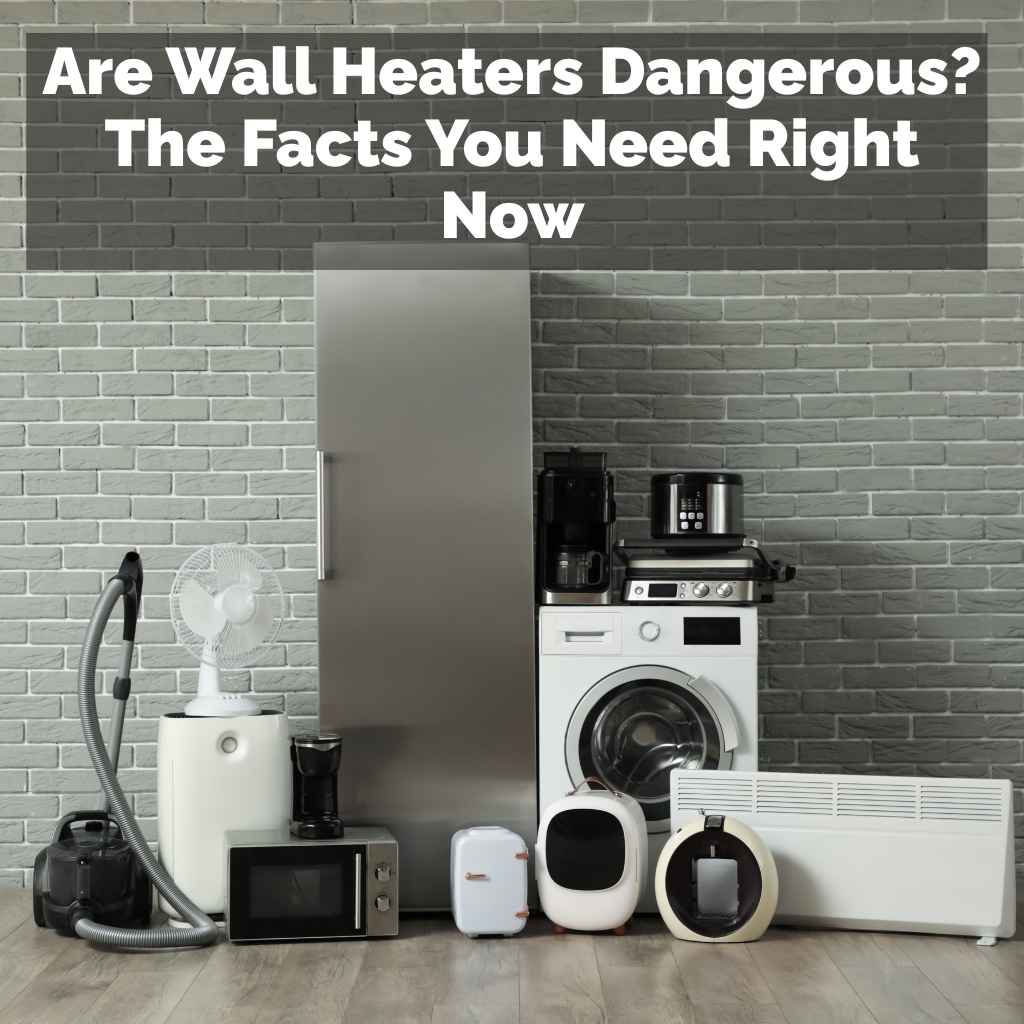
It’s natural to wonder about the safety of anything that uses electricity or heat in your home. You might have wall heaters, or you’re thinking about getting them. Questions about whether they are safe often pop up.
We’ll look at the facts about wall heaters so you can feel confident.
Wall heaters can be safe when used correctly. They pose risks like fire or burns if they are old, damaged, not installed right, or blocked by items. Regular checks and keeping them clear are key to safe use in any home.
Understanding Wall Heaters and Their Safety
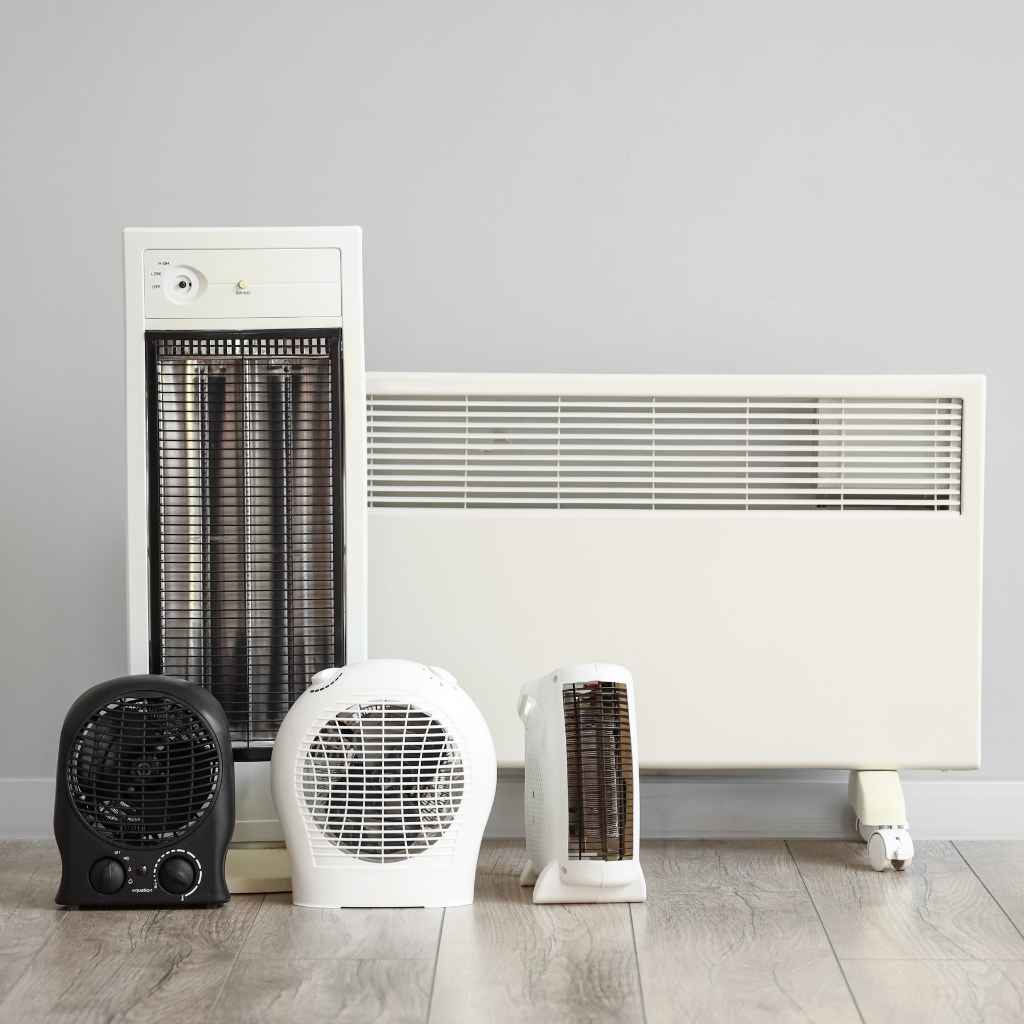
Wall heaters are popular for heating specific rooms. They can be electric or powered by gas. Electric ones are very common in newer homes or as add-ons.
They often mount right on the wall. Gas heaters might vent outside.
The main thing to know is that heat and electricity can both be risky. This is true for any heating system. Fire is a big concern with heating devices.
Burns are also possible, especially for little ones.
Modern wall heaters have many safety features built in. These help stop them from overheating. They might also shut off if they detect a problem.
But even with these, how you use them matters a lot. Their age and how they were put in also play a part.
My Own Wall Heater Scare
I remember one chilly October evening. I was working late one night in my home office. It’s a room that tends to get cold.
I have a small electric wall heater in there. It’s one of those older models, not fancy at all.
I’d just finished a long project. I was tired and not thinking clearly. I had a pile of papers and a few books stacked on a small shelf nearby.
I guess I must have leaned back too far in my chair. My elbow nudged the shelf. It wobbled, and a few papers slid off.
They landed right in front of the heater’s air intake.
At first, I didn’t notice. But then, I started to smell something odd. It was a faint, smoky smell.
I looked around, confused. Then I saw it. A few sheets of paper were starting to curl and turn dark brown.
They were getting too close to the heat.
My heart jumped. I felt a rush of panic mixed with annoyance at myself. I quickly moved the papers away.
The heater didn’t catch fire, thankfully. But it was a stark reminder. Even a small object too close could cause a real problem.
It made me realize how easily things can go wrong if you’re not careful.
Wall Heater Safety Basics
Proper Installation: Always use a licensed professional.
Clearance: Keep flammable items away. Check the manual for distances.
Ventilation: Ensure vents are not blocked by furniture or drapes.
Electrical Safety: Make sure wiring is sound and not frayed.
Regular Checks: Inspect for damage or strange noises.
How Wall Heaters Work and Why Safety is Important
Electric wall heaters work by passing air over heated elements. This warmed air then blows into the room. Some are fan-forced, others use convection.
They draw in cooler room air and push out warm air.
Gas wall heaters are a bit different. They burn natural gas or propane. This produces heat.
The heat warms the air that circulates in the room. They need a vent to let out exhaust fumes.
The main safety concerns come from heat. If something flammable gets too close, it can catch fire. This is why clearances are so important.
The heat they put out can also cause burns if touched directly.
With gas heaters, there’s also the risk of gas leaks. Or carbon monoxide buildup if the vent is blocked or the unit is faulty. This is why regular maintenance is vital for gas types.
Heat Source Risks
- Fire Hazard: Flammable materials too close.
- Burn Risk: Touching hot surfaces.
- Overheating: If airflow is blocked.
Real-World Scenarios with Wall Heaters
Think about a child’s bedroom. A wall heater might be mounted low on the wall. A curious toddler could reach out and touch it.
Even if it’s not scorching hot, it could be warm enough to hurt them. That’s why many newer models have guards or are designed with cooler outer surfaces.
Another common issue is in laundry rooms or basements. These areas might store items like cleaning supplies or old boxes. If these get pushed too close to a wall heater, it’s a fire waiting to happen.
The heat from the unit can dry out materials over time, making them easier to ignite.
In older homes, the wiring for electric wall heaters might not be up to modern standards. If the wires are old or damaged, they could overheat. This can also lead to a fire.
It’s why an electrician should always check them. Especially if you notice flickering lights when the heater is on.
Gas heaters in a garage or workshop can also be risky. If the unit is old, it might not have the same safety shut-offs as newer models. Dust and debris can also build up in gas heating units.
This can affect how they work and create potential hazards.
Situational Safety Checks
In Playrooms/Kids’ Rooms: Choose models with child-safe designs. Always keep the area clear.
In Storage Areas: Never store anything near or on wall heaters. Ensure ample air space.
In Older Homes: Have a qualified electrician inspect the wiring and unit condition.
In Garages/Workshops: Follow manufacturer guidelines strictly for placement and use.
What Wall Heater Issues Mean for You
When is a wall heater just doing its job, and when is it a problem? It’s normal for a wall heater to feel warm when it’s running. It should heat the room it’s in.
You shouldn’t smell strange odors, except maybe a slight new-unit smell the first time you use it.
You should worry if the heater makes loud banging or clicking noises. A smell of burning plastic or dust is also a red flag. If the wall around the heater feels excessively hot to the touch, that’s not good.
Or if the heater seems to be running constantly without heating the room, there’s likely an issue.
Simple checks can help. Before you turn it on each season, look at it. Are there any cracks?
Is the grille clean? Is anything blocking the vents? Feel the wall nearby.
If it’s hot, that’s a sign something is wrong with the heat transfer or installation.
Quick Safety Checks
| Concerning Sign | What it Might Mean | Action to Take |
|---|---|---|
| Burning smell | Dust buildup or overheating components | Turn off, let cool, clean carefully. If smell persists, call a pro. |
| Loud noises | Fan issue or loose part | Turn off and have inspected by a technician. |
| Hot wall surface | Poor insulation or installation fault | Turn off immediately. Do not use until checked by a professional. |
| Unit cycles on/off rapidly | Thermostat issue or short-cycling | May need thermostat repair or adjustment. |
Tips for Safe Wall Heater Use
Using your wall heater safely is mostly about common sense and a few good habits. It’s not about complicated steps.
First, always read the owner’s manual. Every heater is a little different. The manual will tell you the safe distances.
It will explain any special care needs. Keep this manual somewhere you can find it.
Second, keep the area around the heater clear. This is probably the most important rule. Aim for at least three feet of clear space.
No furniture, no curtains, no toys, no storage. Nothing that can catch fire or block air.
Third, clean your heater regularly. Dust builds up. This can block airflow and even become a fire risk itself.
Turn off the heater. Let it cool completely. Then, use a soft brush or vacuum attachment to clean the grilles and vents.
Check your manual for cleaning advice.
Fourth, watch for damage. Check the cord on electric heaters. Is it frayed?
Is the plug bent? For gas heaters, look for rust or damage. If you see any issues, stop using it.
Get it fixed by a qualified person.
Fifth, use it only for its intended purpose. Don’t try to dry clothes on it. Don’t use it to warm up something it wasn’t designed for.
Stick to heating the room.
Finally, consider installing a carbon monoxide detector. This is especially true for gas heaters. But it’s good practice for any home with fuel-burning appliances.
It gives you an extra layer of protection.
Quick Tips for Safe Operation
Read the Manual: Know your specific heater’s rules.
Maintain Clear Space: 3 feet around is a good rule.
Clean Vents: Dust is a hidden danger.
Inspect for Damage: Cords, vents, and casings.
Use as Intended: No drying clothes or other uses.
Install CO Detectors: Essential for gas units.
When to Call a Professional
Sometimes, a wall heater issue is beyond simple checks. You need an expert. When should you pick up the phone?
If you smell gas, leave your home right away. Call your gas company from a safe place. Do not try to fix it yourself.
This is a serious emergency.
If you see sparks coming from the heater. Or if the wiring looks burnt. Turn off the power at the breaker.
Then call a licensed electrician immediately. This indicates a significant electrical fault.
If the heater is making loud, grinding noises. Or if it shuts off unexpectedly and won’t restart. It might have a serious internal problem.
A heating and cooling technician can diagnose and fix this.
If you have an older unit and aren’t sure about its condition. Or if it’s been a long time since it was serviced. It’s wise to have it inspected.
An inspection can catch small problems before they become big ones. Many companies offer safety checks.
Remember, safety first. It’s better to be safe than sorry. A professional can give you peace of mind.
They can ensure your heater is working correctly and safely.
When to Get Expert Help
- Gas Leaks: Evacuate and call the gas company immediately.
- Electrical Sparks/Burns: Turn off power and call an electrician.
- Persistent Strange Noises: Indicates mechanical issues needing repair.
- Unit Shuts Off Unexpectedly: Could be a safety feature or a fault.
- Doubt About Unit’s Condition: Regular professional inspection is wise.
Frequently Asked Questions About Wall Heater Safety
Are electric wall heaters more dangerous than gas ones?
Neither type is inherently “more” dangerous. Both have risks. Electric heaters carry risks of electrical shorts and overheating.
Gas heaters have risks of gas leaks and carbon monoxide. Safety depends on proper installation, maintenance, and usage for both.
How often should I clean my wall heater?
It’s best to clean the vents and grilles at least once a year. Do this before you start using it for the heating season. If you notice dust building up quickly, clean it more often.
Always turn off and unplug the heater before cleaning.
Can I leave a wall heater on all night?
Many modern wall heaters are designed to be used safely overnight. They often have thermostats and safety shut-offs. However, always follow the manufacturer’s instructions.
Ensure the area around the heater is completely clear. Never place anything on or too close to it.
What does “clearance” mean for a wall heater?
Clearance refers to the amount of empty space required around the heater. This space prevents flammable materials from getting too close to the heat. It allows for proper airflow.
Your heater’s manual will specify the exact clearance needed for sides, top, and front.
My wall heater smells funny. Is that normal?
A faint new-unit smell the first time you use it might be normal. But any persistent burning, musty, or chemical smell is not. It could mean dust burning off, a component overheating, or mold.
Turn off the heater immediately and investigate or call a professional.
Can a wall heater cause a fire if something falls on it?
Yes, if something flammable falls on or too close to a wall heater, it can cause a fire. This is why keeping the area clear is so vital. If something does fall, turn off the heater immediately.
Remove the item carefully once the heater has cooled.
Do I need a permit to install a wall heater?
Installation requirements vary by location. Many municipalities require permits for installing heating systems, especially gas units. This ensures they meet building codes for safety.
Always check with your local building department before starting any installation work.
Final Thoughts on Wall Heater Safety
Wall heaters can be a great way to add heat where you need it. They are not inherently dangerous if they are installed correctly and used with care. By understanding how they work and following simple safety rules, you can stay warm and safe.
Further Reading: CPSC wall heater fire safety | NFPA home heating safety
Remember to keep them clear, clean them, and inspect them often. And never hesitate to call a professional if you have any doubts. Your safety and peace of mind are worth it.