
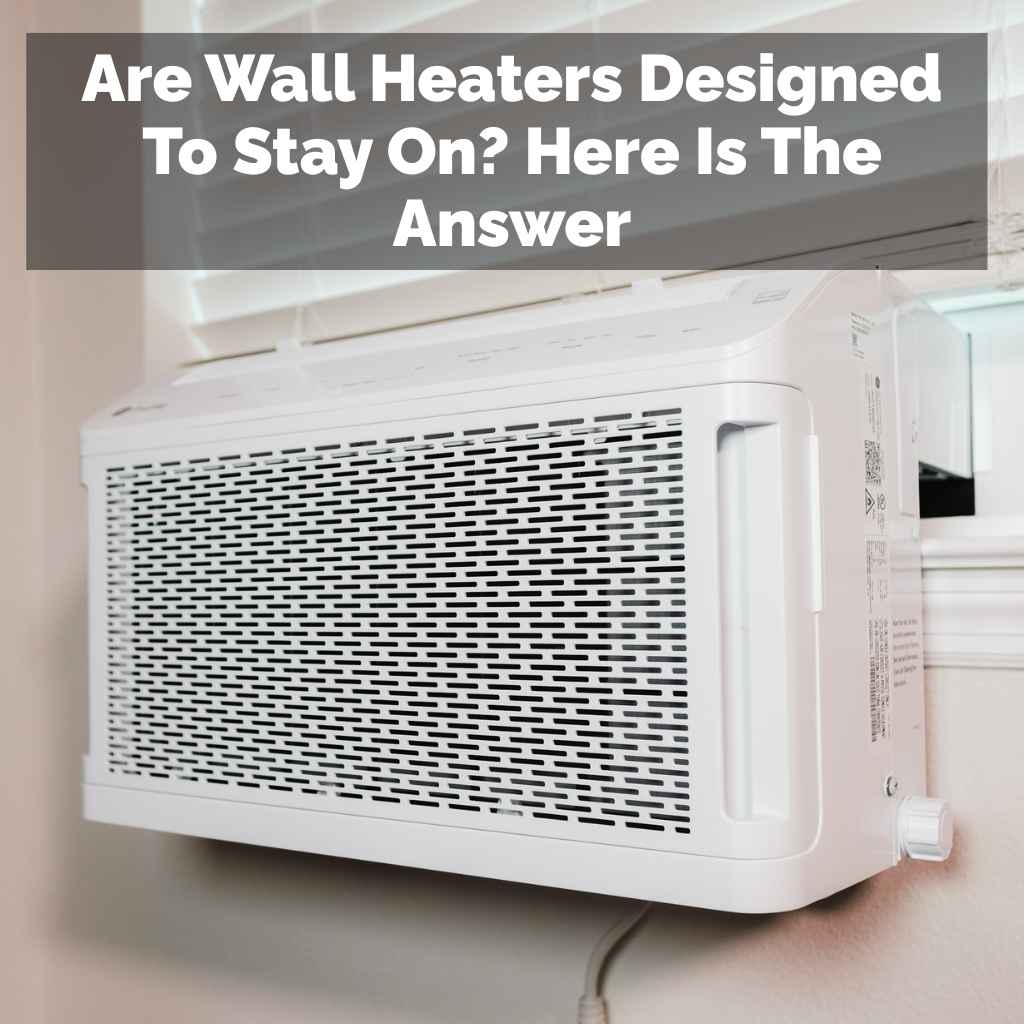
It’s a question many of us wonder about, especially when the weather turns chilly. You look at your wall heater and wonder, “Should this thing run all the time?” It feels like it should just do its job and keep the room warm. But is that how they are actually built to work?
Many people worry about energy bills, or even safety, when a heater seems to be on constantly.
This article will dive deep into the world of wall heaters. We’ll explore how they are designed, what their common functions are, and when it makes sense for them to be on. You’ll learn what’s normal and what might need a closer look.
We aim to clear up any confusion you might have so you can use your heater with confidence.
Wall heaters are generally designed to cycle on and off to maintain a set temperature. They are not typically meant to stay on constantly at full power. Using them as intended helps ensure safety, efficiency, and longevity of the unit.
Understanding How Wall Heaters Work
Wall heaters come in a few main types. But most of them share a basic goal: to warm up a space. They do this by using electricity to create heat.
This heat then warms the air around the heater. A fan might push this warm air out into the room. Or, the heater might warm the air that naturally rises around it.
The key part is how they control the heat. Most wall heaters have a thermostat. This is like a little temperature brain.
You set the thermostat to the temperature you want. The heater will then work to reach that temperature. Once it gets there, it usually turns itself off.
When the room cools down, the thermostat tells the heater to turn back on.
This turning on and off is called cycling. It’s a normal part of how heaters work. It means the heater is doing its job correctly.
It’s keeping your room at the temperature you like without running all the time. This saves energy and prevents the heater from getting too hot.
Some heaters might have different settings. You might see “low” and “high” heat. Or you might have a fan-only option.
The thermostat is still the main control. It tells the heating element when to heat and when to stop. Understanding these basic functions helps us know what’s expected.
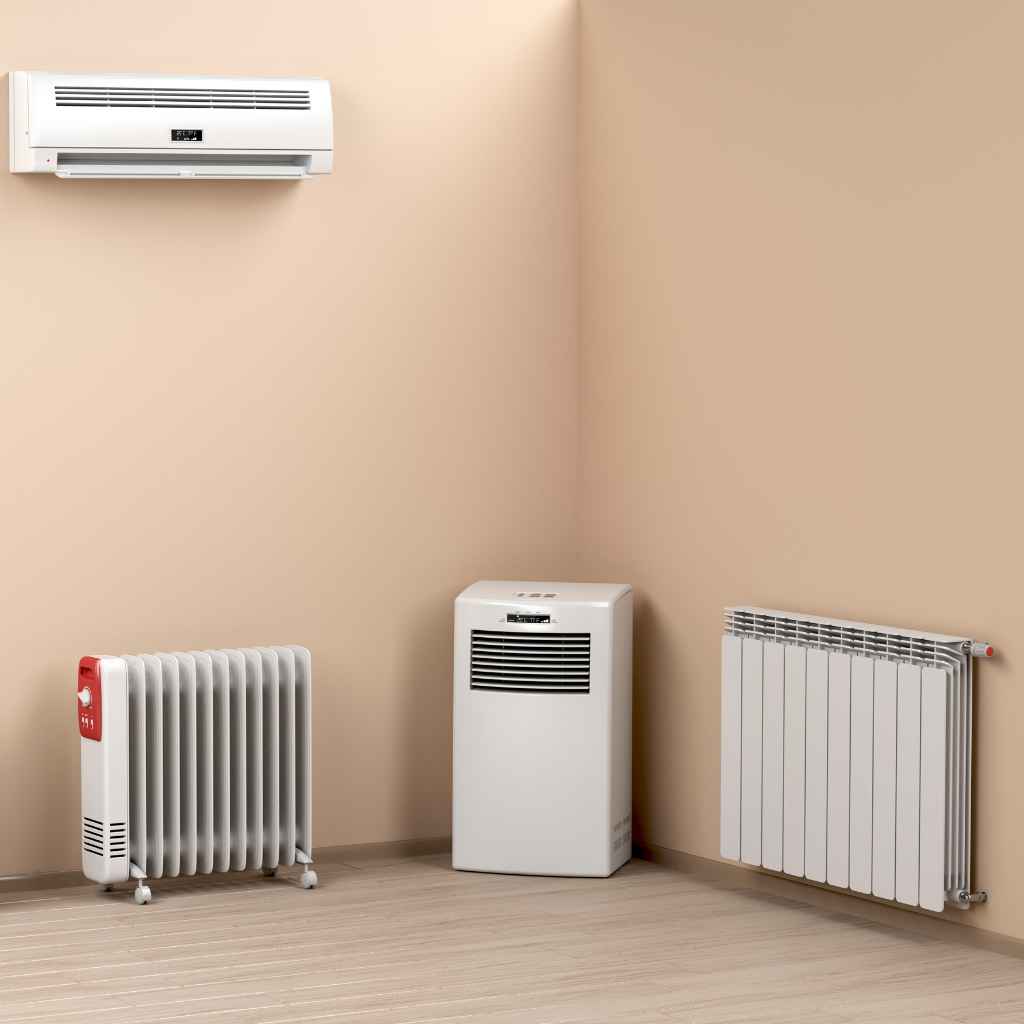
It’s also good to know about the different kinds. There are electric resistance heaters. These are very common.
They use a coil that gets hot when electricity flows through it. There are also fan-forced heaters. These have a fan to push the warm air around faster.
Some might be baseboard heaters, which sit along the wall. Others are more like small wall units.
No matter the exact style, the core idea is the same. Heat is made, then spread. And a thermostat controls when this happens to keep things comfortable and safe.
This cycling is a good thing. It means the system is working as designed.
My Own Wall Heater Scare
I remember one particularly cold winter. It was late at night, and I was trying to work. My apartment suddenly felt a bit too warm.
I looked over at my wall heater. It was one of those older electric models. It seemed to be running constantly.
The little red light was on, and I could hear the faint hum of the fan.
My heart sank a little. I started to worry. Was it broken?
Was it going to cost a fortune in electricity? Was it even safe? I felt a knot of panic.
I had always assumed these heaters turned off on their own. This constant running felt wrong. I felt a bit foolish too, for not knowing how it truly worked.
I walked over to it and touched the side. It was warm, but not burning hot. Still, the fact that it hadn’t stopped for what felt like hours was unnerving.
I checked the thermostat dial. It was set to a medium-high setting, but I was sure I had adjusted it earlier. I worried I had messed something up.
I spent a good half hour just watching it, feeling increasingly anxious about what to do next.
This experience made me realize how little I actually knew about my own home’s heating. I just expected it to work. When it didn’t seem to follow my assumptions, I panicked.
It was a good lesson in paying attention and understanding the tools we use every day to stay comfortable. It pushed me to really learn about how these things function.
That night, I ended up turning the thermostat down. The heater finally shut off. The room slowly cooled.
Then, after a while, it turned back on. This cycling, which I had feared was a problem, was actually the heater working correctly. It just had been running for a long time because the room had gotten quite cold.
Why Wall Heaters Cycle (And Why It’s Good)
The main reason wall heaters cycle is temperature control. They are designed to keep a room at a steady, comfortable warmth. This is thanks to the thermostat we talked about.
When the room’s air reaches the temperature you set on the dial, the heater’s heating element turns off. The fan might keep running for a bit to push out the remaining heat.
But the heat doesn’t stay in the room forever. Buildings lose heat. Cold outside air seeps in through windows and doors.
Even well-insulated homes lose some warmth. So, the room temperature starts to drop. When it falls below the set point on the thermostat, that’s the signal for the heater to turn back on.
This cycling has several important benefits. First, it’s about energy efficiency. If a heater ran all the time, it would quickly overheat the room.
Then you’d be uncomfortable and wasting a lot of electricity. By cycling, the heater only uses energy when it’s needed to maintain the desired warmth. This helps keep your energy bills lower.
Second, it’s about comfort. Imagine if the heater just blasted hot air non-stop. The room would get too hot, then too cold, then too hot again.
This constant fluctuation would be very annoying. Cycling provides a more stable and pleasant temperature. You don’t have to constantly adjust the thermostat yourself.
Third, it’s good for the heater itself. Constant high heat can put a lot of strain on the heating elements. They can wear out faster.
Cycling allows the components to cool down periodically. This can extend the life of the heater. It helps prevent overheating and potential damage.
So, when you hear your wall heater turn off, don’t panic. It’s likely just doing its job. It has reached your desired temperature.
When you hear it click back on, it means the room has cooled a bit, and it’s working to warm it up again. This is the intended operation for most wall heaters.
The frequency of this cycling depends on many factors. The outside temperature is a big one. How well your home is insulated matters too.
The size of the room and the heater play a role. Even things like opening and closing doors or windows can affect how often it cycles.
Heater Cycling: Normal vs. Not Normal
Normal Cycling:
- Heater turns on, warms room, turns off.
- Room cools slightly, heater turns back on.
- Cycles are not too rapid (e.g., on for 15-30 mins, off for 15-30 mins).
- Temperature feels relatively stable.
Potentially Not Normal:
- Heater runs constantly with no shut-off for hours.
- Heater cycles on and off very rapidly (every few minutes).
- Room temperature is far from what the thermostat is set to.
- Unusual noises or smells accompany the cycling.
Think of it like your refrigerator. It doesn’t run all the time. It kicks on to cool things down and then shuts off.
Your wall heater works in a very similar way, just with heat instead of cold.
Factors Affecting Heater Cycling Frequency
Several things can make your wall heater turn on and off more or less often. Understanding these can help you predict its behavior and figure out if something is unusual.
The most obvious factor is outside temperature. On a very cold day, your home will lose heat faster. This means the heater will need to run more often to keep up.
On a milder day, it might cycle very little.
Home insulation is also crucial. A well-insulated home holds onto heat better. This means less heat escapes, and the heater won’t need to work as hard.
If your home has poor insulation, you’ll notice the heater cycling more frequently, especially in colder months.
The size of the room matters. A small bathroom heater will cycle differently than a large unit in a living room. The heater has to work harder and longer to heat a bigger space.
The heater’s wattage is also key. Higher wattage heaters produce more heat. They might reach the desired temperature faster.
This could lead to shorter run times but potentially more frequent cycles, depending on other factors.
Thermostat settings are obvious drivers. Setting the thermostat higher means the heater needs to run longer to reach that temperature. A lower setting means shorter run times.
Drafts from windows or doors can also cause the heater to cycle more. Even opening and closing doors can temporarily change the room’s temperature and affect the cycle.
Consider the type of thermostat. Older mechanical thermostats might be less precise than modern electronic ones. This can sometimes lead to more frequent or less consistent cycling.
I once lived in an older apartment with very little insulation. On windy days, I could feel cold air coming in near the windows. My heater would run almost constantly.
It was frustrating, but I learned it was just the house fighting the elements. Upgrading the insulation in that place would have made a huge difference to my comfort and my electric bill.
These factors combine to create the rhythm of your heating. It’s a dynamic system, always responding to its environment. Don’t expect a wall heater to maintain a perfect, unwavering temperature.
Slight fluctuations are normal and expected.
Quick Scan: What Makes My Heater Run More?
- Cold Outside: The colder it is, the more it runs.
- Poor Insulation: Heat escapes easily, making it run longer.
- Big Rooms: Larger spaces need more heat.
- High Thermostat Setting: Wants it hotter, so it runs longer.
- Drafty Windows/Doors: Cold air gets in, making it work harder.
It’s like watering a plant. You don’t just pour water on it all day. You give it what it needs when it’s dry.
Your heater does something similar with heat.
When to Adjust Your Heater Settings
Most of the time, you set your wall heater and forget it. But there are times when you might want to adjust the settings. One of the most common reasons is to save energy.
If you’re going to be away from home for a few hours, you can turn the thermostat down. You don’t need to keep the house as warm when no one is there. Then, before you return, you can turn it back up so it’s warm when you arrive.
At night, many people prefer to sleep in a cooler room. Turning the thermostat down a few degrees while you sleep can save energy. It can also lead to better sleep for some people.
You can then set it to warm up again before you wake up.
If you find that the heater is running too much, even when the room feels just “okay,” you might consider lowering the thermostat setting a bit. A degree or two can make a difference in how often it cycles. You might find a “sweet spot” that keeps you comfortable without running constantly.
Always check your owner’s manual for specific instructions on your model. Some heaters have programmable thermostats. These allow you to set different temperatures for different times of the day or week.
This is a great way to automate energy savings and maintain comfort.
For example, you could set your heater to 68°F during the day while you’re at work. Then, set it to come on and warm up to 72°F an hour before you get home. And maybe set it to 65°F while you sleep.
This kind of smart adjustment can really add up.
It’s not about making the heater run less, necessarily. It’s about making it run when it’s most useful for you. This saves energy and money without sacrificing comfort.
It’s a win-win. I’ve found that even small adjustments can make a difference. It’s worth experimenting a little to find what works best for your home and your schedule.
If your heater has different heat settings (like “low” and “high”), you might adjust these too. If the room is just slightly chilly, you might use “low” heat. This will provide less intense heat and might cycle more frequently, but use less energy per cycle.
“High” heat is for when you need to warm up a cold room quickly.
Smart Setting Adjustments
- When Away: Turn down thermostat by 5-10 degrees.
- Sleeping: Lower thermostat by 3-5 degrees for cooler air.
- Energy Savings: Find the lowest comfortable setting.
- Programmable Units: Use schedules for automatic adjustments.
- Manual Units: Adjust dial when leaving or sleeping.
Remember, the goal is to find the balance that works for you. It’s about using the heater effectively, not just letting it run wild.
Common Issues That Mimic Constant Running
Sometimes, a wall heater might seem like it’s running constantly, but it’s not necessarily a malfunction of the heating element itself. There are other issues that can cause this behavior.
One common culprit is a faulty thermostat. If the thermostat is not accurately reading the room temperature, it might tell the heater to keep running even when the room is warm enough. Or it might not shut off reliably.
Another issue could be a draft or air leak. If there are significant drafts around windows, doors, or even in the walls, cold air can constantly enter the room. This makes the room temperature drop quickly, triggering the heater to turn on again and again.
It might seem like it’s running constantly because it’s always fighting the cold air.
Sometimes, the heater might be undersized for the space it’s trying to heat. In this case, it will run for very long periods, and the cycling might be infrequent. It’s trying its best, but it’s just not powerful enough to warm the room efficiently and then cycle off.
I remember a friend whose old wall heater in their bedroom just wouldn’t stop. They were convinced it was broken. We checked the thermostat, and it seemed fine.
Then we noticed a huge gap under their bedroom door. Every time the wind picked up, a cold draft would rush in. The heater was just trying to keep up with that constant blast of cold air.
Sealing the draft made a huge difference!
Dust and debris buildup can also be a problem. If the air intake or the heating elements are covered in dust, the heater might not be as efficient. It may need to run longer to produce the same amount of heat.
This can sometimes lead to overheating or just longer run times.
Another possibility is a stuck relay switch. This is a part within the heater that tells it when to turn on and off. If it gets stuck in the “on” position, the heater could run continuously.
Finally, if you have a programmable thermostat, you might have accidentally set a program that keeps the heat on constantly. It’s always worth double-checking the settings on these. Sometimes a simple programming error can make you think there’s a bigger problem.
It’s important to distinguish between a heater that’s running a lot because it’s very cold outside and one that’s running non-stop due to an underlying issue. If you notice any unusual noises, smells, or if the heater is running constantly despite mild weather, it’s a good idea to investigate further or call a professional.
Signs Your Heater Might Be More Than Just “Working Hard”
- Constant Running in Mild Weather: If it’s not very cold, but the heater never shuts off.
- Rapid Cycling: Turning on and off every few minutes.
- Thermostat Doesn’t Respond: Adjusting the dial has no effect.
- Unusual Noises: Clicking, buzzing, or grinding sounds.
- Strange Smells: Burning smells or odors.
- Room Too Hot/Cold: The temperature is nowhere near the thermostat setting.
These are signals that something more might be going on. It’s better to be safe and check it out.
When to Worry and When Not To
It’s easy to get worried when your wall heater seems to be running a lot. But most of the time, it’s perfectly normal. The key is to understand what “normal” looks like for your specific situation.
Don’t worry if:
- It’s very cold outside. Your heater will naturally run more to keep your home warm.
- You’ve set the thermostat to a higher temperature. It needs to run longer to reach that goal.
- You haven’t used the heater in a while and the house is cold. It will run for an extended period to warm it up.
- The heater cycles on and off with reasonable breaks in between. This is its intended way of working.
- The room temperature is generally comfortable and matches your thermostat setting.
These are all signs that your heater is functioning as designed. It’s responding to the environment and your settings to keep you comfortable.
You might want to worry or investigate further if:
- The heater runs constantly for hours on end, even when the room is already warm.
- The heater cycles on and off very rapidly, almost immediately. This can sometimes strain the components.
- The room temperature is drastically different from what the thermostat is set to.
- You notice strange smells, like burning plastic or electrical odors.
- There are loud or unusual noises coming from the unit.
- The heater seems to be overheating, getting too hot to touch.
In these cases, it’s wise to turn off the heater and consult your owner’s manual. If the problem persists or you’re unsure, it’s best to contact a qualified HVAC technician. They can diagnose the issue safely and effectively.
I once had a heater start making a loud clicking sound. It wasn’t running constantly, but the sound was worrying. It turned out to be a small part that had come loose.
The technician fixed it quickly. It was a good reminder that even small issues can be addressed before they become bigger problems.
The US Consumer Product Safety Commission (CPSC) advises that portable and fixed heaters should be used with caution. They recommend keeping flammable materials away from them. While most modern heaters have safety features, understanding their operation and knowing when to seek professional help is important.
Always prioritize safety.
Overall, the goal is to have a reliable heating system. Most of the time, a wall heater that cycles is a sign of a healthy system. It’s the constant, unending operation without purpose that should raise a flag.
Simple Checks You Can Do
Before calling a professional, there are a few simple things you can check yourself. These checks can sometimes help you identify minor issues or confirm that your heater is working normally.
First, check your thermostat settings. Make sure it’s set to the desired temperature and that it’s in the “heat” mode. If you have a programmable thermostat, review the schedule to ensure it’s not set to maintain a higher temperature than you intend.
Next, feel for drafts around windows and doors near the heater. Use your hand to feel for any cold air sneaking in. If you find drafts, temporarily cover them with towels or blankets to see if it affects the heater’s cycling.
This can help determine if air leaks are a major factor.
Clean the air intake and vents. Turn off the heater and unplug it if it’s a portable unit. Use a vacuum cleaner with a brush attachment to gently clean any dust or debris from the air intake grille and the vents.
A clean heater works more efficiently.
Listen to the heater. Does it make normal sounds when it turns on and off? Or are there new, strange noises?
Sometimes, a simple observation can tell you a lot.
Check the room temperature. Use a separate thermometer if you have one to verify the actual room temperature compared to what the thermostat says. If there’s a big difference, the thermostat might be the issue.
Inspect the heater for obvious damage. Look for any loose parts, frayed cords (if applicable), or signs of overheating like discolored plastic.
If your heater has a filter, check and clean or replace it according to the manufacturer’s instructions. A clogged filter can restrict airflow and make the unit work harder.
I remember when my bathroom heater started running more than usual. I did a quick check and noticed a lot of lint and hair built up in the intake. I vacuumed it out, and it seemed to help.
It was a simple fix that saved me a service call.
Remember, safety first. If you’re uncomfortable doing any of these checks, or if you suspect a more serious electrical issue, it’s always best to call a qualified technician. They have the tools and expertise to diagnose and fix problems safely.
DIY Heater Check-Up List
- Thermostat: Check settings and mode.
- Drafts: Feel for leaks around windows and doors.
- Cleanliness: Vacuum vents and intakes.
- Sounds: Listen for unusual noises.
- Temperature: Compare room temp to thermostat setting.
- Visuals: Look for obvious damage or blockages.
These simple steps can give you peace of mind or point you toward a solution.
Frequently Asked Questions about Wall Heaters
Are wall heaters safe to leave on all night?
Yes, most modern wall heaters are designed with safety features to be used overnight. However, it’s crucial to ensure they are placed away from flammable materials and that the thermostat is set to a safe, comfortable temperature. Overheating can be a risk if the unit is old, damaged, or covered.
Always follow the manufacturer’s guidelines.
How often should a wall heater cycle on and off?
There’s no single answer, as it depends on outside temperature, insulation, and thermostat settings. Generally, you’d expect a cycle to last anywhere from 15 to 45 minutes on, followed by a similar break. Rapid cycling (every few minutes) or never shutting off might indicate a problem.
Can a wall heater run too much and break?
While designed to cycle, running excessively without proper breaks due to a fault could potentially shorten its lifespan or lead to overheating. This is more likely if there’s a thermostat issue, a blocked vent, or if the unit is undersized for the space.
What does it mean if my wall heater cycles on and off quickly?
Quick cycling, also known as short-cycling, can mean the heater is too powerful for the space, the thermostat is faulty, or there’s an issue with airflow. It’s inefficient and can put stress on the unit’s components.
Is it normal for my wall heater to make clicking noises?
Some clicking noises are normal, especially when the thermostat engages or disengages the heating element. However, loud, persistent, or unusual clicking could indicate a loose part or an electrical issue. If concerned, have it checked by a professional.
Should I turn off my wall heater when I leave the house?
It’s a good idea to turn down your wall heater when you leave for extended periods. You can set it to a lower temperature (e.g., 50-60°F or 10-15°C) to prevent pipes from freezing and to save energy. Turn it back up before you return so the house is comfortable.
Conclusion
So, to answer the question: Are wall heaters designed to stay on? Generally, no. They are built to cycle on and off to maintain a set temperature efficiently and safely.
This cycling is a sign that your heater is working as it should.
Further Reading: CPSC home heating safety | DOE heating systems guide
Understanding how your heater operates, the factors that influence its performance, and when to perform simple checks can give you peace of mind. Always prioritize safety and consult a professional if you suspect a problem. Enjoy your comfortable home!