
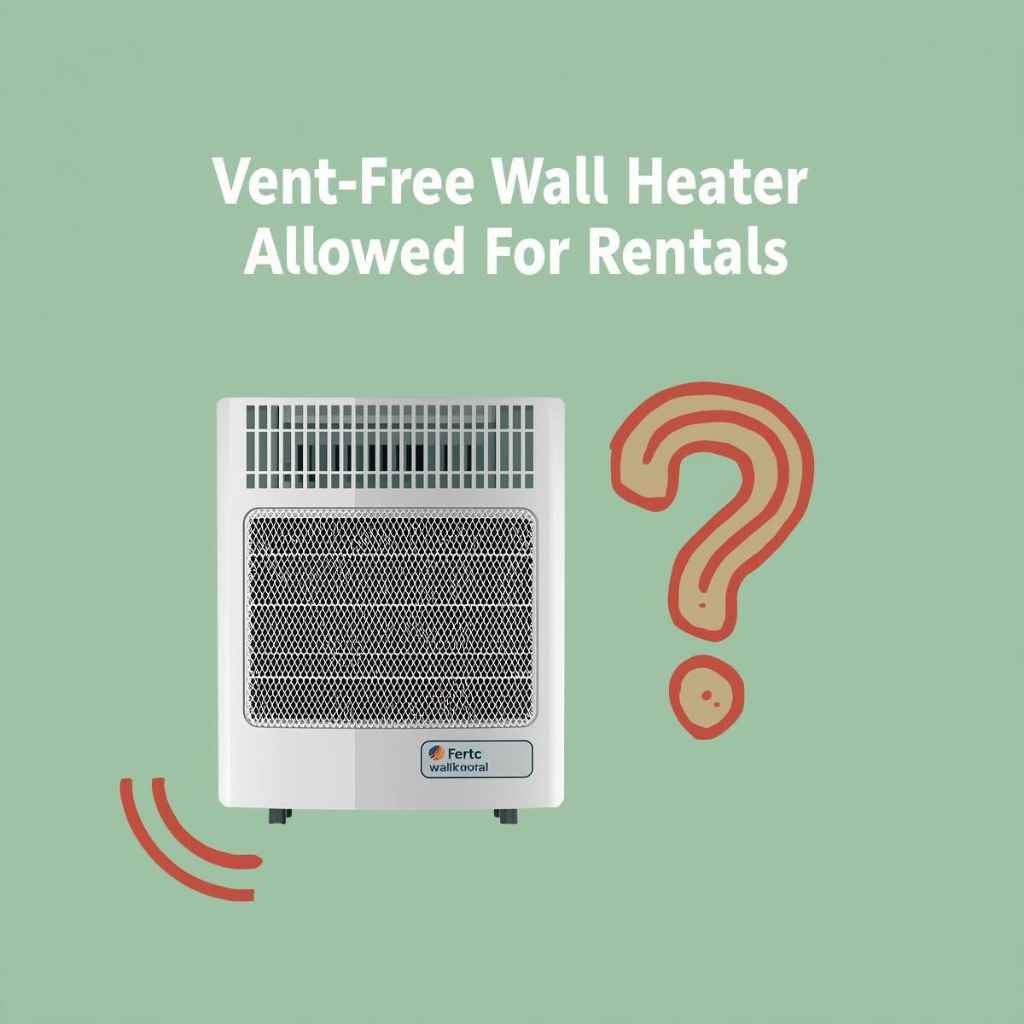
Renting a place can be cozy, especially when it’s chilly. Sometimes, heating comes from a wall unit. You might see what looks like a vent-free heater.
This brings up a big question: Are these allowed in rental homes? It’s a common concern for both renters and those who own the property. Let’s dive in and clear things up.
Vent-free wall heaters are often found in rental properties due to their lower installation costs. However, their use in rentals is a complex issue with varied regulations and significant safety considerations that depend heavily on state and local building codes, as well as specific landlord policies.
Understanding Vent-Free Wall Heaters
So, what exactly is a vent-free wall heater? Think of it as a heater that doesn’t need a chimney or a pipe to send smoke and gases outside. It burns fuel, like propane or natural gas, right there in the room.
This is why they are called “vent-free.”
The idea is simple: burn fuel, make heat, and keep it all inside. The heat is released into the living space. Some of these heaters have a small fan to help push the warm air around.
Others rely on natural air movement.
Why do people like them? They are usually cheaper to buy and install. You don’t have to cut a big hole in your wall for a vent.
This makes them a tempting choice for quick heating solutions.
But there’s a trade-off. When fuel burns, it creates byproducts. These include things like carbon monoxide and water vapor.
With a vented heater, these byproducts go outside. With a vent-free heater, they go into your home.
Most modern vent-free units have safety features. They often have sensors that shut the heater off if oxygen levels get too low. They also have a way to monitor for dangerous carbon monoxide buildup.
This is called an oxygen depletion sensor (ODS).
Still, even with these features, questions about safety and suitability in rental homes remain. This is where regulations and common sense come into play. It’s a puzzle with many pieces.
My Own Close Call with a Rental Heater
I remember one winter, about five years back. I’d just moved into a small apartment. It was older, with charm, but the heating system was… interesting.
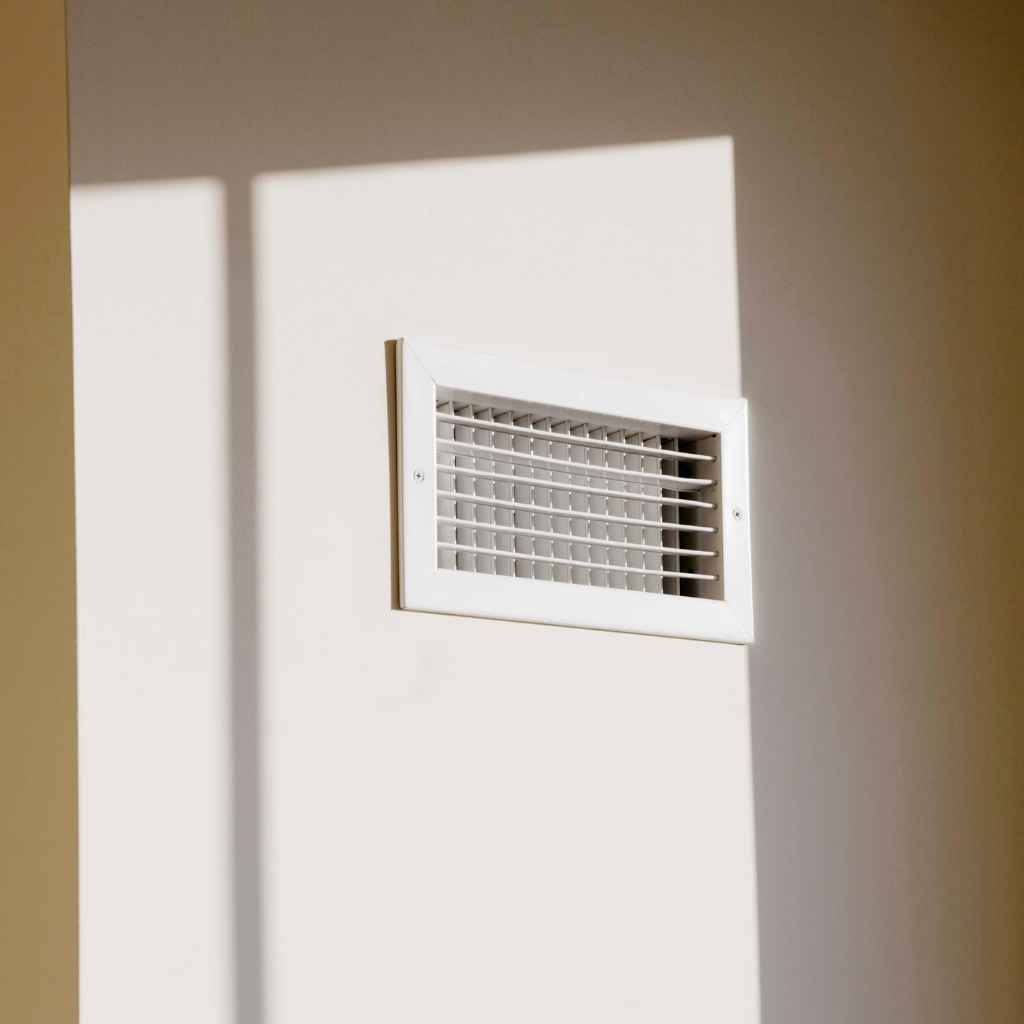
The landlord said it was efficient and new. It was a wall unit, sleek and modern-looking, with no visible vent outside.
At first, it worked great. The apartment got warm fast. But then, I started noticing a weird smell.
It wasn’t strong, just a faint chemical odor, especially when the heater kicked on. I’d also wake up feeling a little foggy, not quite refreshed. My plants seemed a bit droopy too.
I’d seen these types of heaters before, but I never thought much about them. Now, the smell and the foggy feeling made me uneasy. Was this normal?
I started looking into it. I found out about how they put things back into the air. Things like moisture and gases.
The water vapor from the heater made the windows inside the apartment get really foggy. It felt damp. I even started seeing a little mold peek out in the corners.
That’s when I got a bit panicked. I realized this wasn’t just about being warm; it was about the air I was breathing.
I called the landlord. He assured me it was perfectly safe and up to code. He said the smell was just the “new heater smell” and would go away.
But it didn’t. The fog on the windows got worse.
It took me a while, but I finally convinced him to let me get a carbon monoxide detector. It’s a basic safety device everyone should have. When I plugged it in near the heater, it stayed silent.
But at night, sometimes, it would give a faint beep. Not a full alarm, but enough to make me uneasy.
This experience taught me a valuable lesson. Just because something is installed doesn’t mean it’s the best or safest option. Especially when you’re renting, you don’t always have control.
And when it comes to heating, safety should always come first.
The Legal Landscape: Is It Allowed?
The big question is: Are these heaters legally allowed in rental properties? The answer isn’t a simple yes or no. It’s more like, “it depends.” A lot depends on where you live.
Different states, cities, and even counties have their own building codes and rental housing rules. Some places might say a flat no to vent-free heaters in any home, especially rentals. Other places might allow them, but with strict conditions.
What are these conditions? They often involve mandatory safety features. Like that oxygen depletion sensor (ODS) I mentioned.
The heater must shut off if it senses low oxygen. Some codes might require proper ventilation in the room itself. This means having a window that can be opened, for example.
Some areas might ban them in bedrooms or small, enclosed spaces. They might be more okay in a larger living area. It’s also about the type of fuel.
Natural gas has slightly different safety profiles than propane.
The International Residential Code (IRC) is a widely used building code in the U.S. It has specific rules for vent-free appliances. Many local codes are based on the IRC.
However, local governments can adopt, amend, or ignore parts of it. So, what’s okay in one town might be banned in the next.
For landlords, installing a vent-free heater might seem like a cost-saving move. But if it’s not allowed by local code, they can face fines. And if something goes wrong, they could be held responsible.
This is why it’s super important for landlords to know the local laws.
Renters should also be aware. If you move into a place with a vent-free heater, it’s smart to check your local rental housing rules. You can usually find these on your city or county government website.
Looking up “rental housing code” or “building code” for your area is a good start.
Some states have specific laws about portable or fixed heaters in rental units. For instance, California has very strict rules about unvented heaters. They are largely prohibited for residential use.
Other states might be more lenient but still require specific safety certifications or installations.
The National Fire Protection Association (NFPA) also provides guidelines. These are often referenced in building codes. They focus on fire safety and the safe installation of heating equipment.
Essentially, the legality hinges on local authority and how they interpret and enforce safety standards. It’s not a national standard, which is why the rules can vary so much.
Safety First: What Are the Risks?
Let’s talk about the real concerns with these heaters. Safety is the number one issue. Because they don’t vent outside, they affect your indoor air quality.
This is why they are controversial.
Carbon Monoxide (CO): This is the silent killer. When fuels like gas or propane don’t burn completely, they produce carbon monoxide. It’s an odorless, colorless gas.
High levels can cause headaches, dizziness, nausea, confusion, and even death. While modern units have ODS, these sensors aren’t foolproof. They can fail, or might not react fast enough in all situations.
Oxygen Depletion: Burning fuel uses up oxygen in a room. If there isn’t enough fresh air, the oxygen level drops. This is bad for breathing.
It can make you feel tired or lightheaded. This is what the ODS is meant to prevent, but again, it’s a mechanical device.
Moisture Buildup: Vent-free heaters release water vapor into the air. A typical 10,000 BTU heater can produce more than a gallon of water each day! This moisture can lead to:
- Condensation: On windows, walls, and furniture.
- Mold and Mildew Growth: This is bad for health, especially for people with allergies or asthma.
- Damage to Property: Mold can ruin paint, drywall, and wood.
Indoor Air Pollutants: Besides CO and water, incomplete combustion can release other nitrogen oxides and particulate matter. These can irritate the lungs and worsen respiratory problems. They can also contribute to that “stale air” feeling.
Fuel Leaks: As with any gas appliance, there’s always a risk of gas leaks if the unit isn’t installed or maintained properly. This is a fire and explosion hazard.
Because of these risks, many fire departments and health organizations advise against using vent-free appliances, especially in bedrooms or smaller spaces. They often recommend vented appliances or electric heat as safer alternatives.
It’s important to remember that manufacturers design these heaters with safety in mind. They meet certain standards. However, user error, poor installation, or lack of maintenance can create dangerous situations.
This is especially true in a rental where the tenant may not have full control or knowledge of the system.
Experience in Real Homes: What Landlords and Renters Notice
Let’s look at how these heaters actually perform and what people living with them experience. It’s not just about codes; it’s about daily life.
Landlords’ Perspective: Many landlords like vent-free heaters because they are cheaper to install. They avoid the cost of running a vent pipe through the roof or wall. This can save thousands of dollars.
For older buildings where venting is difficult, it seems like a practical solution.
However, some landlords have learned that this cost-saving can backfire. They might get complaints from tenants about air quality, odors, or excessive moisture. This can lead to unhappy tenants, higher turnover, and costly repairs if mold or moisture damage occurs.
A responsible landlord will always check local codes. They will ensure the unit is properly installed by a certified professional. Regular maintenance is also key.
This includes checking the ODS and cleaning the unit. They should also educate their tenants on safe operation and the importance of fresh air.
Renters’ Experience: For renters, the experience can be mixed. Some might not notice any issues, especially if they have good ventilation and a well-maintained unit. They appreciate the warmth and lower utility bills if the unit is efficient.
Others, like me, notice the subtle changes. The faint smell, the foggy windows, feeling a bit more tired. These are often the first signs that something isn’t quite right with the indoor air quality.
What’s concerning is that some of these effects can be gradual and easily dismissed.
Renters often have less control. They can’t easily modify the heating system. They rely on the landlord to provide a safe and healthy living environment.
This puts a lot of trust in the landlord’s knowledge and diligence.
I’ve talked to friends who rent. One had a place with a vent-free heater in the bathroom. She said it made the bathroom incredibly steamy, even after a short shower.
Another friend had one in the living room and constantly battled window condensation all winter, leading to peeling paint near the window sills.
What stands out is that even with safety features, the byproducts of combustion are still released into the living space. This is the core of the debate. Modern science strongly links poor indoor air quality to various health problems.
Vent-Free Heater: Myth vs. Reality
Myth: Vent-free heaters are perfectly safe because they have an oxygen depletion sensor (ODS).
Reality: While ODS is a crucial safety feature, it is not foolproof. It can malfunction, and it doesn’t eliminate the release of moisture, nitrogen oxides, and other combustion byproducts into the home, which can impact air quality and health over time.
Myth: If it’s installed, it must be legal and safe for my rental.
Reality: Local building codes and landlord policies dictate what is permissible. An installation doesn’t guarantee legality or safety, and tenants should be aware of their rights and local regulations.
When is it Okay? Conditions for Use
So, when could a vent-free heater be considered acceptable in a rental? It’s a very narrow set of circumstances and often requires significant oversight.
Strict Adherence to Local Codes: The absolute first step is confirming that vent-free heaters are permitted by your local building and fire codes for residential rentals. If the code says no, then it’s a non-starter.
Professional Installation: The unit must be installed by a qualified and licensed professional. They will ensure it meets all code requirements and is properly connected to the fuel source. This isn’t a DIY job, especially in a rental.
Adequate Room Ventilation: Even if allowed, the room where the heater is installed should have sufficient fresh air. This might mean specific air intake vents or a requirement for a window to be slightly open. The manufacturer’s guidelines will specify airflow needs.
Proper Fuel Type and Connection: Ensure the heater is designed for the fuel type being used (natural gas or propane) and that the connection is secure and leak-free.
Regular Professional Maintenance: The unit needs annual inspection and maintenance by a qualified technician. This includes checking the ODS, burner assembly, and ensuring all safety features are working correctly.
Tenant Education: Landlords should provide renters with clear instructions on how to operate the heater safely. This includes understanding any warning lights or sounds, and the importance of not blocking the unit or its airflow.
Installation in Appropriate Spaces: Many codes restrict vent-free units from bedrooms, bathrooms, or very small, confined spaces. They are typically intended for larger, well-ventilated living areas.
Carbon Monoxide Detectors: While not always a condition for the heater itself, it is highly recommended, and often legally required in rentals, to have working CO detectors installed in the vicinity of fuel-burning appliances. This provides an essential backup safety measure.
Even with all these conditions, many experts still advise caution. The fundamental issue of indoor air quality remains. So, while there might be technical ways to make them “compliant,” the health and safety aspect is always a consideration.
Quick Scan: Vent-Free Heater Checklist for Rentals
Landlord Responsibility:
- Verify local code legality for rentals.
- Ensure professional installation by a licensed technician.
- Schedule annual professional maintenance and safety checks.
- Provide clear operating instructions to tenants.
- Install and maintain working CO detectors.
Tenant Responsibility:
- Understand heater operation and safety features.
- Ensure adequate room ventilation (e.g., don’t block vents).
- Report any unusual smells, noises, or issues immediately.
- Test CO detectors monthly.
When to Worry: Red Flags for Renters
As a renter, you need to be aware of the signs that your heating system might not be safe or functioning correctly. Trust your instincts. If something feels off, it probably is.
Here are some red flags:
Persistent Odors: A strange, chemical, or gas-like smell that doesn’t go away, especially when the heater is on, is a major warning sign. While some slight “new appliance” smell might be normal initially, it should fade.
Visible Condensation: Heavy fogging on windows, walls, or mirrors that doesn’t clear quickly is a sign of too much moisture. This can lead to bigger problems like mold.
Headaches or Dizziness: If you or other occupants frequently experience headaches, dizziness, nausea, or feel unusually tired, especially when the heater is in use, it could indicate poor air quality or CO buildup.
Mold or Mildew Growth: Any signs of black, green, or white fuzzy mold appearing on walls, ceilings, or around windows are serious concerns, often linked to excess humidity.
The Heater Not Turning Off When it Should: If the ODS sensor seems faulty, or the heater continues to run even when the room is very warm, or if it doesn’t shut off in a low-oxygen situation, this is a critical safety issue.
Unusual Noises: While some fan noise is normal, any clicking, banging, or hissing sounds from the heater unit could indicate a mechanical problem.
Peeling Paint or Damaged Walls: Persistent moisture can cause paint to bubble and peel, or drywall to soften and degrade over time.
Your Carbon Monoxide Detector Alarms: This is the most serious red flag. If your CO detector goes off, evacuate the premises immediately and call emergency services. Do not try to diagnose it yourself.
What to do if you see these signs? First, don’t ignore them. Second, talk to your landlord immediately.
Document your concerns in writing (email or letter) so you have a record. If the landlord is unresponsive or dismissive, you may need to contact your local housing authority or tenant rights organization for advice.
Normal vs. Concerning: A Quick Look
Normal (with caution):
- A faint, brief smell when the unit is first turned on after a long period of disuse.
- Slight fogging on a window directly above the heater on a very cold day, which clears.
- The heater maintaining a comfortable room temperature efficiently.
Concerning (Contact Landlord Immediately):
- A continuous, strong, or unusual odor.
- Heavy condensation covering large areas of windows or walls.
- Any occupant experiencing symptoms like headaches, nausea, or fatigue that resolve when away from the heated area.
- Visible mold or mildew.
- The heater making loud, strange noises or not shutting off properly.
- A Carbon Monoxide detector alarming.
Alternatives and Safer Choices
If you’re a renter dealing with a vent-free heater and have concerns, or if you’re a landlord looking for safer options, consider these alternatives:
Vented Gas Heaters: These are the standard for a reason. They pipe combustion byproducts directly outside. They are generally considered much safer for indoor air quality.
While more expensive to install, they are a long-term, responsible choice.
Electric Heaters: This is often the simplest and safest option, especially for rentals. They don’t involve combustion at all, so there are no byproducts to worry about. Options include:
- Baseboard heaters: Installed along walls, they provide consistent heat.
- Wall-mounted electric heaters: Similar to gas units but powered by electricity.
- Portable electric heaters: Great for supplemental heat, but always use with caution and follow safety guidelines (never leave unattended, keep away from flammables).
While electric heat can sometimes be more expensive to run depending on electricity rates, the safety and air quality benefits are significant.
Mini-Split Heat Pumps: These are highly efficient systems that provide both heating and cooling. They use electricity and do not involve combustion, making them very safe for indoor air quality. They are a larger investment but offer excellent performance and efficiency.
Radiant Floor Heating: This is a more involved installation, often part of a new build or major renovation. It’s an electric or hydronic system that heats floors, providing very comfortable and even heat without impacting air quality.
For landlords, investing in safer heating systems can lead to happier tenants, fewer maintenance issues related to air quality and mold, and better property longevity. It’s a commitment to a healthier living environment.
For renters, if you are in a situation with a vent-free heater and are experiencing issues, communicate with your landlord. If they are unwilling to address concerns, research your tenant rights and local housing codes. In some cases, a landlord might be legally obligated to provide safe and healthy living conditions, which includes adequate heating that doesn’t compromise air quality.
Frequently Asked Questions
Are vent-free heaters permitted in all states for rentals?
No, they are not permitted in all states for rentals. Regulations vary significantly by state and local municipality. Some areas ban them outright, while others allow them with strict safety conditions.
It’s crucial to check your local building and rental housing codes.
What is the biggest risk associated with vent-free heaters in homes?
The biggest risk is the potential for indoor air pollution. This includes the release of carbon monoxide, water vapor, and other combustion byproducts directly into the living space, which can affect air quality and health.
How do I know if my rental has a vent-free heater?
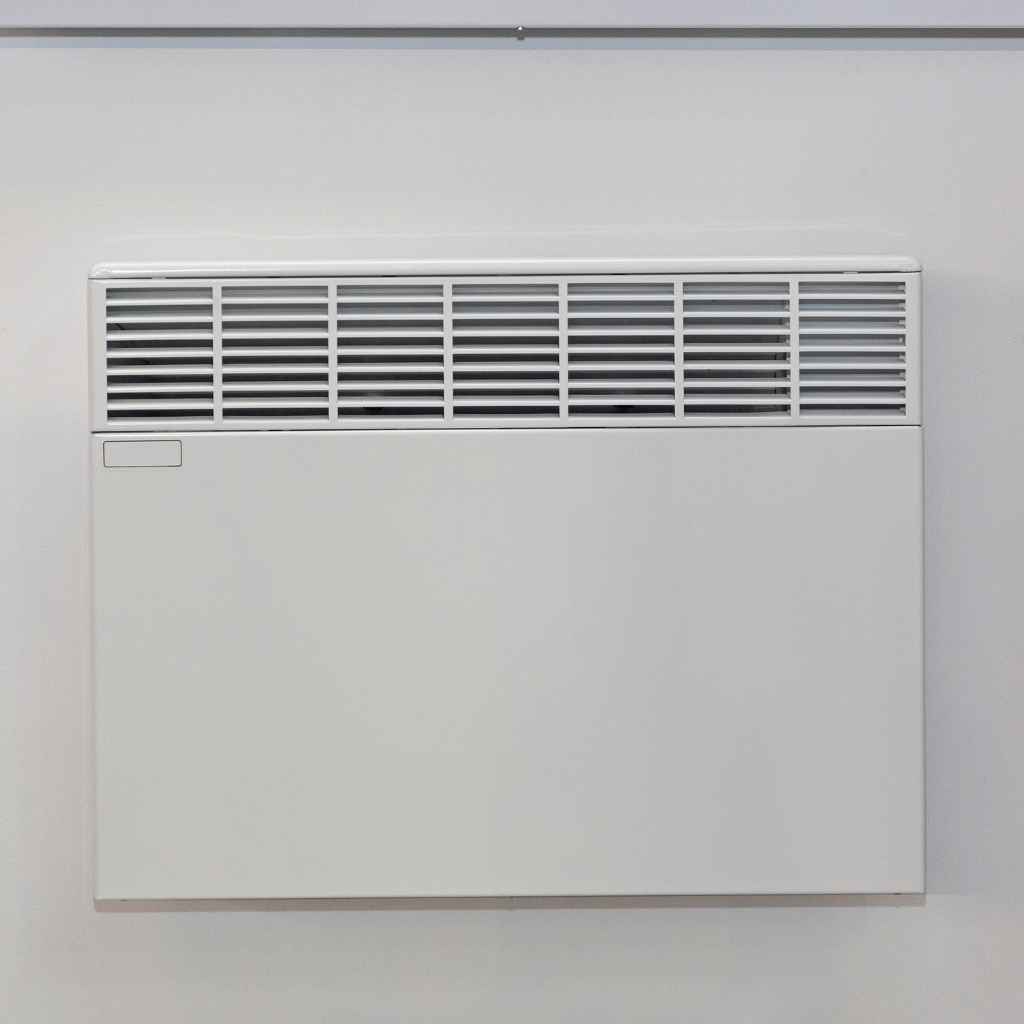
A vent-free heater is typically a wall-mounted unit that does not have a visible vent pipe or chimney going outside. You’ll likely see an opening with a heating element and controls directly on the wall. They often have a small pilot light.
What should I do if I suspect my vent-free heater is causing problems?
If you suspect issues like odors, excessive condensation, or health symptoms, contact your landlord immediately in writing. Also, ensure you have working carbon monoxide detectors installed in your home.
Are newer vent-free heaters safer than older models?
Newer models have improved safety features like more sensitive oxygen depletion sensors (ODS). However, they still release combustion byproducts into the room, so while they might be safer in terms of immediate risks like CO poisoning, they still impact indoor air quality.
Can a landlord force me to use a vent-free heater?
A landlord can install and require the use of a heating system that complies with local codes and is in good working order. If you have significant concerns about the safety or health impacts of a vent-free system, you should raise them with your landlord and potentially consult local housing authorities or tenant rights groups.
Conclusion
Navigating the world of rental heating can be tricky. Vent-free wall heaters offer a cheaper installation for landlords, but they come with significant safety and air quality considerations for renters. Understanding local laws, recognizing potential risks, and communicating concerns are key.
Further Reading: EPA indoor air quality and unvented heaters | CPSC vent-free heater guidelines
Always prioritize safety and a healthy indoor environment for everyone in the home.