
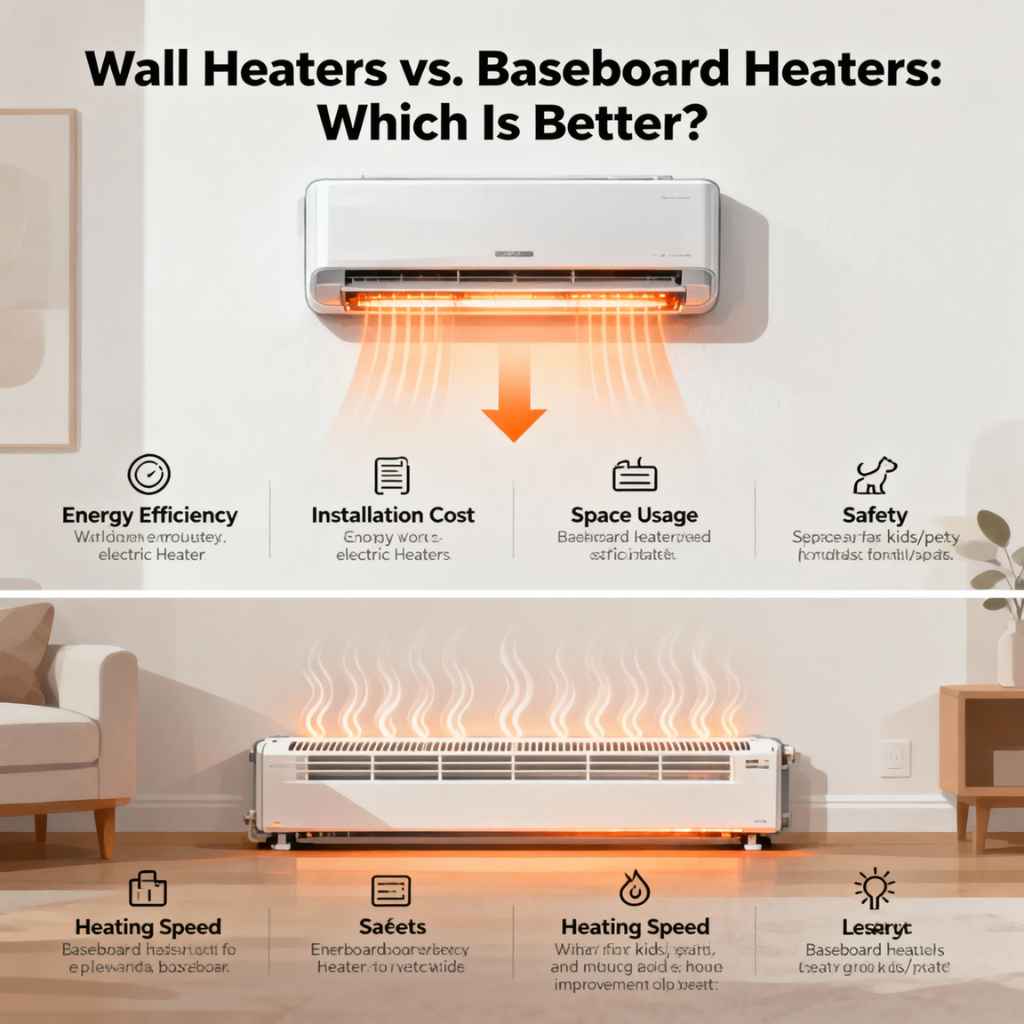
Choosing between wall heaters and baseboard heaters involves understanding how each works, their impact on your home’s comfort, and their costs. This comparison aims to clarify their performance, installation, and ideal uses.
Wall Heaters vs. Baseboard Heaters: The Core Differences
When we talk about heating our homes, two common systems often come up: baseboard heaters and wall heaters. They both aim to make our living spaces warmer, but they do it in different ways. Understanding these methods is key to knowing which one might be right for you.
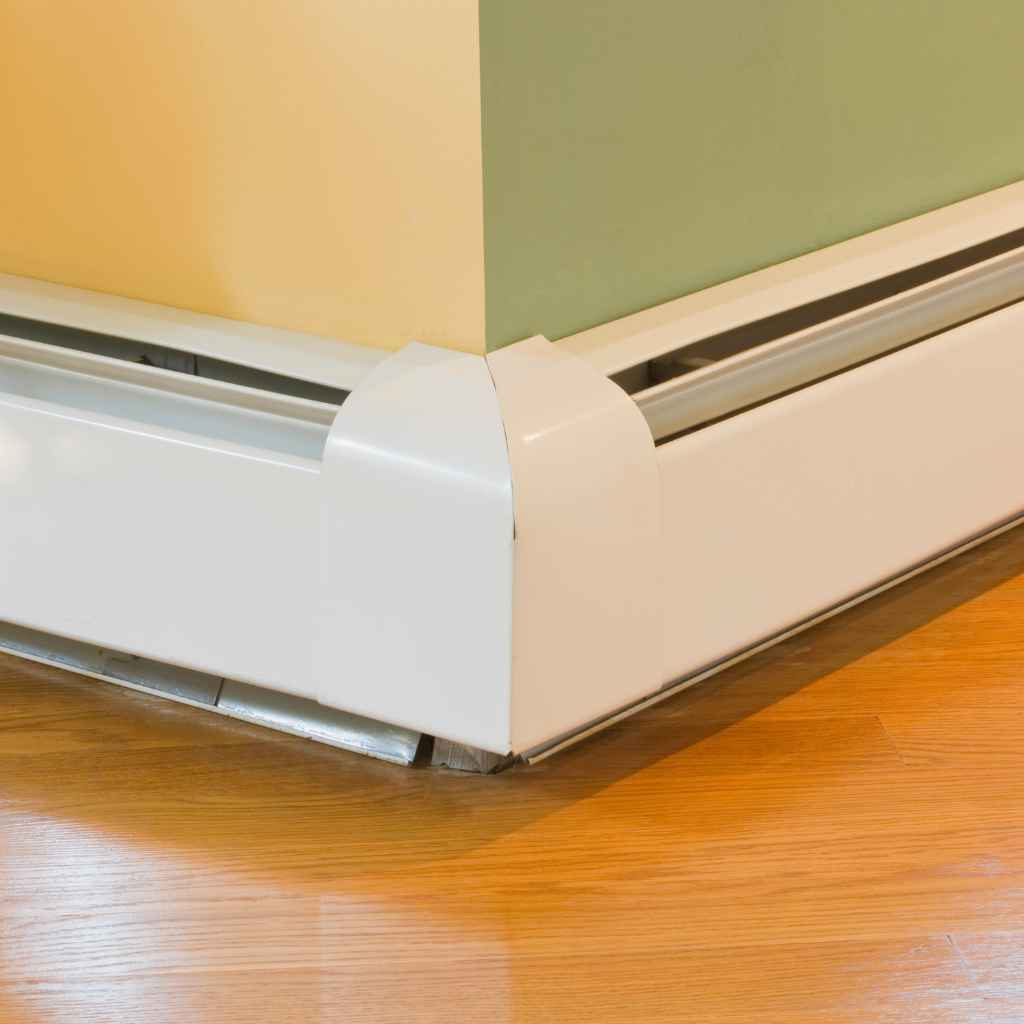
Baseboard heaters are usually long, slender units. They sit low on the wall, right where the wall meets the floor. This placement is named after them.
They work by heating the air that comes into them. This warm air then rises up and spreads out into the room. It’s a gentle way to heat a space.
Wall heaters, on the other hand, can be a bit more varied. Sometimes, they are electric units built directly into the wall. These are often found in smaller spaces like bathrooms or entryways.
Other times, “wall heater” might refer to a vent that blows warm air. This warm air comes from a furnace system somewhere else in the house. This is usually called a forced-air system.
For this guide, we’ll focus mostly on the built-in electric wall units you might install as a standalone heater, and compare them to the common electric baseboard heaters.
The main difference is how they deliver heat. Baseboard heaters use convection. They heat the air around them.
This warm air then circulates. Wall heaters, especially electric ones, can use convection, but some also use fans to push the warm air out. This can make them heat up a room faster.
It’s like the difference between a slow, steady breeze and a quick gust of warm air.
My Own Little Heating Scare
I remember a time a few years ago. It was a particularly cold winter in New England. My old house had these ancient baseboard heaters in the bedrooms.
They worked, mostly. But one night, I woke up feeling an odd chill. It wasn’t just cold; it was a drafty kind of cold.
I got up to check, and I could feel cool air blowing from under my bedroom door.
My heart did a little jump. Was something wrong? I walked around the house.
The living room felt okay, thanks to a small space heater I kept there. But the bedrooms felt drafty. I went to the basement.
Everything looked normal. No leaks, no strange noises from the furnace. Then I looked at the baseboard heaters.
One of them, in the spare bedroom, felt barely warm, even though it was set to high.
I realized then how much I relied on those simple heaters. When one wasn’t doing its job, the whole room felt different. It made me think about how important it is to have reliable heating.
It also made me wonder if there were better options out there. That experience started me on this path of understanding home heating systems better. It’s easy to take them for granted until they don’t work perfectly.
Heat Delivery Styles: Quick Look
Convection: Heat is spread by air moving. Warm air rises, cool air sinks. This is how most baseboard heaters work.
It’s a natural flow.
Forced Air: A fan blows warm air through vents. This is common with furnace systems. It can heat a room faster.
Radiant: Heat is sent out as waves. Think of the sun’s warmth. Some special heaters use this.
It feels warm when you are in its path.
How Baseboard Heaters Work
Baseboard heaters are a very common type of electric heating. You see them in many homes, especially older ones. They are designed to fit neatly along the bottom of your walls.
This makes them a pretty unobtrusive choice for heating. They don’t take up valuable wall space like some other heaters do.
The magic behind baseboard heaters is a heating element. This element is usually a metal coil or rod. When electricity flows through it, it gets very hot.
This heat is then transferred to the air that passes over it. The heater itself has fins. These fins help to increase the surface area.
More surface area means more air can be heated at once.
As the air near the heater gets hot, it becomes less dense. This makes it rise naturally. This rising warm air then moves into the room.
As the warm air moves away, cooler air from the room is drawn into the bottom of the baseboard heater. This cooler air is then heated and rises. This creates a continuous cycle.
This cycle is called convection. It’s a gentle and even way to warm a room.
The speed of heating depends on the size of the heater and the size of the room. For smaller rooms, they can do a great job. For larger rooms, you might need more than one baseboard heater, or a more powerful one.
They are usually controlled by a thermostat. This can be a dial on the heater itself or a separate thermostat on the wall. You set your desired temperature, and the heater turns on and off to maintain it.
They are simple to understand and use.
One thing to know is that they don’t have fans. This means the heat distribution is slower than with systems that use fans. It relies purely on the natural movement of air.
This can sometimes lead to cooler spots in a room if the room is very large or has many obstructions. But for many standard-sized rooms, they provide a steady, comfortable warmth. They are also very safe, with no open flames or hot surfaces easily accessible.
How Wall Heaters Work
Wall heaters are a bit of a broader category. But when people compare them to baseboard heaters, they often mean electric heaters that are mounted directly on the wall. These can come in a few different styles.
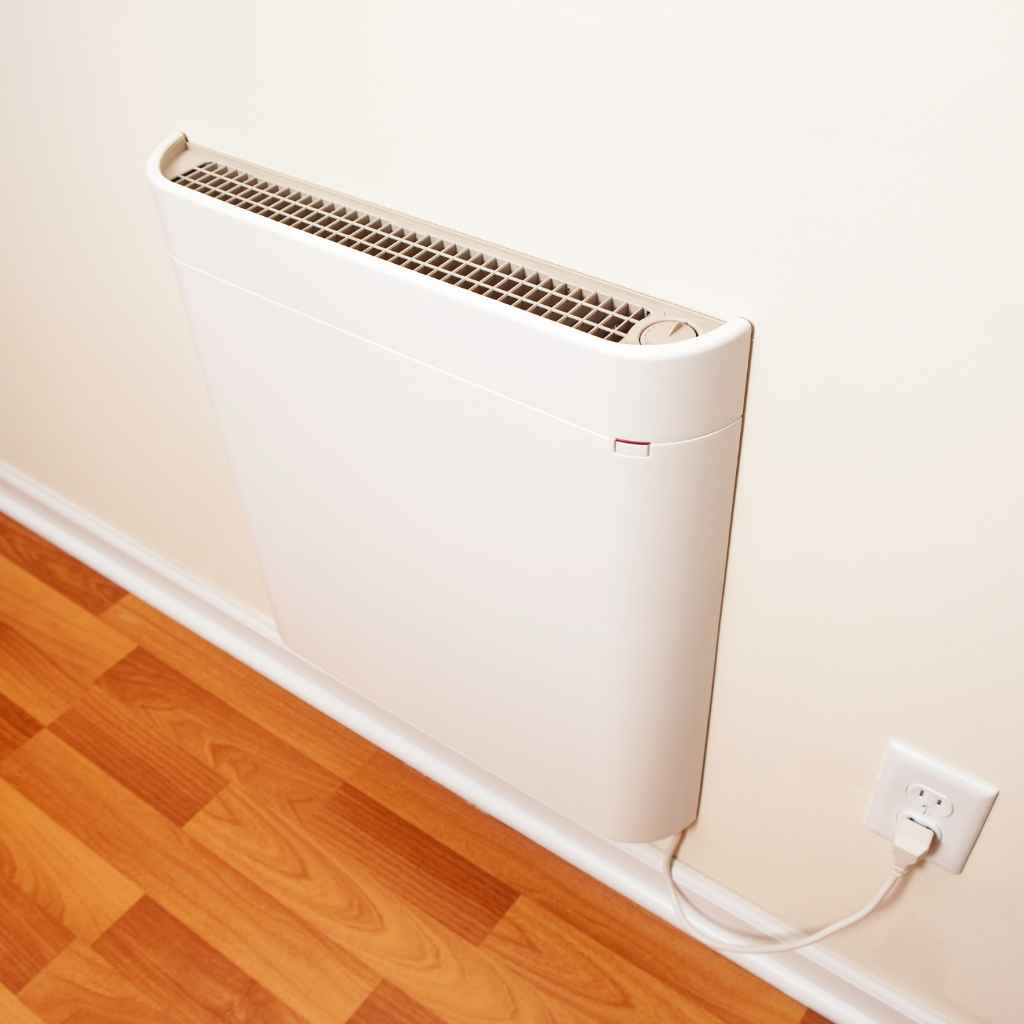
Some are like small heaters that you can plug into an outlet, designed to be placed on a wall bracket. Others are more permanently installed, wired directly into your home’s electrical system.
Many wall heaters use a fan to speed up the heating process. Inside the heater, there’s a heating element, similar to a baseboard heater. But instead of relying on natural convection, a small fan blows air across this hot element.
This forced air is then pushed out into the room. This method can heat a room much faster than a baseboard heater. It’s like having a small, warm wind blowing into the space.
These types of wall heaters are often found in places where quick, localized heat is needed. Bathrooms are a classic example. You want the bathroom to be warm when you get out of the shower, and a wall heater with a fan can deliver that warmth quickly.
They can also be useful in small offices or workshops. They provide targeted heat where you need it most.
Other types of wall heaters might be more like a panel heater. These can be thin electric panels that mount on the wall. They might heat through radiation, or a combination of convection and radiation.
Radiant heat feels warm directly on your skin when you are in its line of sight. It’s a different kind of warmth than convection. It can feel very pleasant.
The control systems for wall heaters vary. Some have simple on/off switches and temperature dials. More advanced models might have timers, remote controls, or even smart home capabilities.
The installation can also differ. Some are simple plug-in units. Others require professional wiring.
This is especially true for permanently installed units that are meant to be a more integrated part of your home’s heating system.
Wall Heater Styles: What to Look For
- Fan-Forced: Uses a fan to push warm air. Heats up rooms fast. Good for quick warmth.
- Panel Heaters: Thin electric panels. Can be wall-mounted. Often provide radiant and convection heat.
- Ceramic Heaters: Some use ceramic elements. They can heat up quickly and retain heat well.
- Infrared/Radiant: Heat objects directly. Feel warm in their path. Good for targeted zones.
The Installation Maze
Putting in new heaters is something you need to think about carefully. The way a heater is installed can affect how well it works. It also affects how much it costs to get it up and running.
Both baseboard heaters and wall heaters have their own installation needs. Understanding these can help you plan.
Baseboard heaters are often installed along the perimeter of a room. They typically connect to your home’s electrical system. This means they need to be wired in by an electrician.
The wires are usually run behind the walls and floors to connect to your breaker box. The installation itself is generally straightforward once the wiring is in place. The heaters simply attach to the wall using brackets.
Because they run along the length of the wall, they might need multiple units for a larger room. This can add to the wiring complexity.
For wall heaters, installation can vary more. If you are talking about a simple plug-in electric heater that can be mounted, then installation is minimal. You might just need to assemble a bracket and hang it.
If it’s a permanently installed electric wall heater, it will need to be wired into your electrical system. This is similar to baseboard heaters. An electrician will run the wires to the unit.
The unit itself is then mounted securely to the wall stud.
If you are thinking about forced-air wall heaters that are part of a larger central heating system, then the installation is much more complex. This involves connecting to ductwork and the main furnace unit. This is a job for a professional HVAC technician.
For the purpose of comparing standalone heaters, we are focusing on the electric models.
When thinking about installation, also consider where you can put them. Baseboard heaters need clear space along the wall. You can’t put furniture directly in front of them.
Wall heaters, especially fan-forced ones, need space for air intake and output. You don’t want to block these. The location of your electrical outlets and your breaker box will also influence where and how you can install heaters.
Efficiency and Running Costs: What’s the Real Picture?
When choosing a heating system, most people think about how much it will cost to run. This is a really important question. Nobody wants a huge electricity bill every month.
So, let’s break down the efficiency and running costs of baseboard versus wall heaters.
First, let’s talk about electrical resistance heating. Both electric baseboard heaters and most electric wall heaters work by electrical resistance. This means they convert electricity directly into heat.
In this sense, they are almost 100% efficient at converting electricity into heat within the room. So, for every unit of electricity they use, they produce about the same amount of heat. This is true for both types.
However, “efficiency” in a home heating context often means how well that heat is used and distributed to keep you comfortable. This is where the differences can show up. Baseboard heaters use convection.
They heat the air and let it rise. This can be a slow process. If the room is large or has a lot of drafts, the heat might escape before it fully warms the space.
You might end up running the heater for longer periods to reach a comfortable temperature.
Wall heaters with fans can heat a room much faster. This might seem like they are more efficient because they reach your desired temperature quickly. However, a fan uses extra electricity.
So, while the heat generation is efficient, the fan adds to the overall energy use. The key is how quickly the room reaches and maintains the desired temperature. A faster-heating unit might allow you to turn it off sooner, potentially saving energy.
The biggest factor in running costs is often the electricity price in your area. Electricity prices can vary a lot. Another big factor is the insulation of your home.
A well-insulated home will hold heat better, meaning any heater will work less. Also, how you use the heater matters. If you set your thermostat very high, you will use more energy.
If you only heat the rooms you are using, you can save money.
For example, if you have a small bathroom that you only use for short periods, a quick-heating wall heater might be more cost-effective for that specific space. You turn it on, it heats up fast, you use the room, and you turn it off. A baseboard heater might take longer to warm the room, and you might keep it on longer.
For a main living area that needs steady warmth for many hours, the gentle convection of a baseboard heater might be sufficient and avoid the extra fan energy. It really depends on the room and how you use it.
Cost Comparison: Running
Baseboard Heaters:
- Pros: No fan energy cost. Gentle, even heat.
- Cons: Can take longer to heat rooms. Heat loss in drafty areas might increase run time.
Wall Heaters (Fan-Forced):
- Pros: Heats rooms quickly. Good for targeted, on-demand warmth.
- Cons: Fan uses extra electricity. Might over-heat a small space quickly.
Comfort and Air Quality: A Subtle Difference
When we think about heating our homes, comfort is a huge part of it. We want to feel warm and cozy. But we also need to think about the air we breathe.
How do these different heaters affect our comfort and air quality?
Baseboard heaters provide a very gentle heat. Because they rely on natural convection, the air movement is slow and steady. This means the air doesn’t get dried out as much as with some other heating methods.
Many people find this type of heat very comfortable. It feels like a steady warmth rather than a blast of hot air. However, because the air moves slowly, dust and allergens can sometimes settle.
They aren’t actively blown around by a fan.
Wall heaters, especially those with fans, can heat a room very quickly. This is great when you need warmth fast. But the fan can also stir up dust and other particles that might be in the air or on surfaces.
For people with allergies or asthma, this can be a concern. The rapid air movement might make them feel uncomfortable. The air can also feel a bit drier because the fan is constantly circulating it.
Some wall heaters offer radiant heat. This type of heat warms objects and people directly. It doesn’t rely as much on air movement.
Many people find radiant heat very pleasant. It can feel like the warmth of the sun on your skin. This can be very comforting and may not affect air quality as much as fan-forced systems.
However, radiant heat is more directional. You need to be in the path of the heat to feel it most strongly.
Another point to consider is noise. Baseboard heaters are usually very quiet. The only sound might be a slight click as the thermostat engages.
Fan-forced wall heaters will make some noise from the fan. While modern fans are often very quiet, it is still an added sound in the room. For a bedroom or a quiet office, this might be a factor.
Ultimately, the comfort level is subjective. Some people prefer the steady, quiet warmth of baseboard heaters. Others like the quick blast of heat from a wall heater.
If air quality is a big concern, you might lean towards baseboard heaters or radiant wall heaters. Always make sure to keep any heater clean. Dust buildup on heating elements can reduce efficiency and affect air quality.
Comfort Factors Compared
Baseboard Heaters:
- Comfort: Gentle, steady warmth. Less drying of air.
- Air Quality: Less air circulation means less dust blown around.
- Noise: Very quiet operation.
Wall Heaters (Fan-Forced):
- Comfort: Quick heat. Can feel like a blast of warm air. Can dry air more.
- Air Quality: Fan can stir up dust and allergens.
- Noise: Fan noise is present.
Where Each Heater Shines: Best Use Cases
Both baseboard and wall heaters have their ideal spots in a home. Knowing where each performs best can help you choose the right one. It’s not about one being universally “better,” but about finding the right tool for the right job.
Baseboard heaters are excellent for providing consistent, background heat. They are often used as a primary heat source in smaller homes or apartments. They are also great for heating larger rooms where a steady, gentle warmth is desired for long periods.
Think of living rooms, bedrooms, or hallways that need to maintain a comfortable temperature throughout the day or night. Their unobtrusive design means they can fit into almost any room without taking up much visual space. They are a good choice for new construction where they can be planned into the layout from the start.
Wall heaters, especially the fan-forced types, excel at providing quick, targeted heat. They are perfect for rooms that are used only occasionally or for short bursts of time. Bathrooms are a prime example.
You want a warm room quickly when you’re getting ready. A wall heater can deliver that in minutes. Small home offices, laundry rooms, or garages can also benefit from this type of heater.
They provide supplemental heat where and when it’s needed.
Another advantage of wall heaters is their flexibility. Some are portable and can be moved from room to room. Others are permanently installed and can be controlled by a thermostat or even a remote.
This makes them very adaptable to different needs. If you have a room that always feels a bit cooler than the rest of the house, a strategically placed wall heater can help balance the temperature without needing to crank up the central heating system.
Consider your climate too. In milder climates, electric baseboard heaters might be sufficient as a primary heat source. In colder climates, they might be better suited as supplemental heat.
Wall heaters are almost always supplemental, unless you have a very small space that they can adequately heat on their own. The key is to match the heater’s capabilities to the room’s size, how often it’s used, and how much heat it requires.
Real-World Scenarios and Considerations
Let’s look at some common home situations. This can help you see where each heater might fit in. Imagine a few different houses and rooms.
What would be the best heating choice?
Scenario 1: The Master Bedroom
You want this room to be a cozy sanctuary. You sleep there for many hours. A gentle, consistent heat is ideal.
You don’t want to wake up feeling too hot or too cold. Baseboard heaters along the walls would provide this steady warmth. They are quiet and don’t blow air around, which can be nice for sleeping.
You’d want to ensure the baseboards are properly sized for the room and that there’s a good thermostat to maintain the temperature overnight.
Scenario 2: The Small Bathroom
After a hot shower, you don’t want to step into a cold room. You need heat fast. A wall heater, especially one with a fan, is perfect for this.
You can turn it on when you start your shower. By the time you’re done, the room is warm and comfortable. You can then turn it off.
This on-demand heating is very efficient for a space that’s used for short periods. Safety is important here, so ensure it’s rated for bathroom use and installed away from direct water spray.
Scenario 3: The Home Office in the Basement
This room is often cooler than the rest of the house. You spend many hours here working. You need consistent warmth without drying out the air too much.
A baseboard heater could provide a good baseline of heat. However, if the room feels damp or the baseboard takes too long to warm it up, a wall heater with a fan could be used for supplemental heat. You could run the baseboard most of the time and use the wall heater on colder days or when you first start working.
This combination can offer both steady warmth and quick boosts.
Scenario 4: A New Addition or Sunroom
These rooms can sometimes be harder to heat evenly. They might have a lot of windows. Baseboard heaters can be installed along the walls.
If the room has a lot of glass, you might need more baseboard capacity. Alternatively, a wall heater could be placed to help distribute heat more effectively. If the sunroom gets a lot of sun, you might not need much heating at all.
But on cloudy days, you’ll want a good solution.
Scenario 5: An Older Home with Drafts
Older homes are often less insulated and can have drafts. Baseboard heaters might struggle to keep up if the heat is constantly escaping. In this case, a wall heater with a fan might be more effective at pushing warm air into the occupied space, overcoming some of the drafts.
However, it’s always best to improve insulation and seal drafts first. This will make any heating system more efficient and cost-effective.
Placement Matters: Quick Guide
Baseboard Heaters:
- Best for: Long walls in living areas, bedrooms.
- Avoid: In front of furniture, behind curtains that block airflow.
Wall Heaters (Fan-Forced):
- Best for: Bathrooms, small offices, areas needing quick heat.
- Avoid: Directly blowing on people for long periods, near water sources unless rated safe, blocking vents.
What This Means for Your Home Comfort
So, what’s the takeaway? When you’re looking at heating your home, it’s not a simple “better or worse” question. It’s about matching the heater to the room and your needs.
If you want a steady, quiet, and gentle warmth that flows naturally through a room, especially for longer periods, baseboard heaters are a solid choice. They are great for creating a consistent comfortable atmosphere in living rooms and bedrooms. They don’t stir up dust as much, which can be a plus for air quality.
If you need heat quickly, or for shorter, more specific times, then wall heaters, particularly fan-forced ones, are often the way to go. They are fantastic for bathrooms, small workshops, or any space where you need a quick boost of warmth. They are very effective at getting a room up to temperature fast.
Consider the overall energy use. While both are electric resistance heaters and convert electricity to heat with high efficiency, how they use that heat can impact your bills. A room that heats up fast with a wall heater might be cheaper to run if you turn it off quickly.
A room that takes a long time to warm with a baseboard heater might end up running for longer periods.
Think about the air in your home. If you have allergies or breathing issues, the gentle convection of baseboard heaters might be preferable. If you don’t mind a bit of air movement and need fast heat, wall heaters can still be a good option, but be mindful of dust.
Ultimately, the “better” option depends on your specific home and how you live in it. Many homes benefit from a combination of heating types. You might have baseboard heaters in your main living areas and a wall heater in the bathroom.
This mix allows you to get the best of both worlds: steady comfort and quick bursts of heat.
Quick Fixes and Tips for Heater Use
Once you have your heaters, there are a few things you can do to make sure they work their best. These small steps can make a big difference in comfort and cost.
Keep Them Clear: This is very important. Never put furniture, curtains, rugs, or anything else in front of your baseboard heaters or wall heaters. They need clear space to work.
Blocking them stops the air from flowing. This makes them less effective and can even be a fire hazard for some types.
Clean Regularly: Dust builds up on heating elements and fins. This can reduce their efficiency. It can also cause them to smell when they heat up.
Gently vacuum your baseboard heaters often. For wall heaters, follow the manufacturer’s instructions for cleaning. Usually, this involves dusting the vents and fan blades.
Check Your Thermostat: Make sure your thermostat is working correctly. If it’s old or faulty, it might not be accurately measuring the room temperature. This can lead to the heater running too much or not enough.
Consider upgrading to a programmable or smart thermostat. You can set different temperatures for different times of day, saving energy when you’re away or asleep.
Seal Drafts: This is crucial for any heating system. Check for drafts around windows and doors. Use weatherstripping and caulk to seal them.
A well-sealed home holds heat much better. This means your heaters won’t have to work as hard, saving you money on your electricity bills.
Use Them Wisely: Only heat the rooms you are using. Close doors to unused rooms. This keeps the heat where you need it.
If you have a wall heater for quick boosts, use it for that purpose. Don’t leave it running constantly if a baseboard heater would suffice for steady warmth.
Check for Obstructions: For wall heaters, make sure the air intake and output vents are not blocked by anything. This ensures proper airflow. For baseboard heaters, ensure the fins are straight and not bent, which can impede airflow.
Heater Maintenance Checklist
Monthly:
- Vacuum baseboard heater fins.
- Dust wall heater vents.
Annually:
- Check for drafts around windows and doors.
- Test thermostat function.
- Ensure nothing is blocking heater airflow.
Frequently Asked Questions
Are wall heaters more expensive to run than baseboard heaters?
It depends on how you use them. Both are electric resistance heaters and convert electricity to heat efficiently. Wall heaters with fans heat rooms faster, which might save energy if you turn them off sooner.
Baseboard heaters provide gentle, continuous heat. If a room needs steady warmth for hours, baseboard might be more cost-effective. If you only need quick heat for a short time, a wall heater is likely better.
Can I put furniture in front of a baseboard heater?
No, you should not put furniture or any other items in front of baseboard heaters. This blocks the airflow, making the heater less efficient. It can also be a fire hazard.
Ensure there is at least 12 inches of clear space around baseboard heaters.
Which type of heater is better for allergies?
Generally, baseboard heaters may be better for allergies. They rely on natural convection, which causes less air circulation. This means dust and allergens are stirred up less.
Fan-forced wall heaters can blow dust and allergens around the room. If you have allergies, keeping any heater clean is crucial.
How quickly do wall heaters heat a room?
Fan-forced wall heaters can heat a room very quickly, often within minutes. This is their main advantage. Panel or radiant wall heaters might take a bit longer, but still generally faster than baseboard heaters.
The speed depends on the heater’s wattage and the room’s size and insulation.
Do baseboard heaters dry out the air more than wall heaters?
No, typically baseboard heaters dry out the air less than fan-forced wall heaters. Baseboard heaters use natural convection, which is a slower air movement. Fan-forced heaters circulate air more rapidly, which can lead to drier air.
If you find your air is too dry, using a humidifier can help with any heating system.
Can I use a wall heater as my main heat source?
For most homes, wall heaters are best used as supplemental heat. They are excellent for heating small spaces like bathrooms or for providing quick boosts of warmth. Using them as the sole heat source for an entire house is usually not efficient or effective, unless it’s a very small, well-insulated space.
Conclusion: Making the Smart Heating Choice
Choosing between wall heaters and baseboard heaters comes down to understanding your specific needs. Baseboard heaters offer steady, gentle warmth perfect for main living areas and bedrooms. Wall heaters excel at providing quick, targeted heat for rooms used less often or when you need a fast temperature boost.
Further Reading: DOE heating system comparison | ENERGY STAR heating products
Both are electric, meaning they convert energy to heat efficiently. Your final decision will depend on room size, usage patterns, desired comfort levels, and budget. Often, a mix of both systems offers the best overall home comfort.