
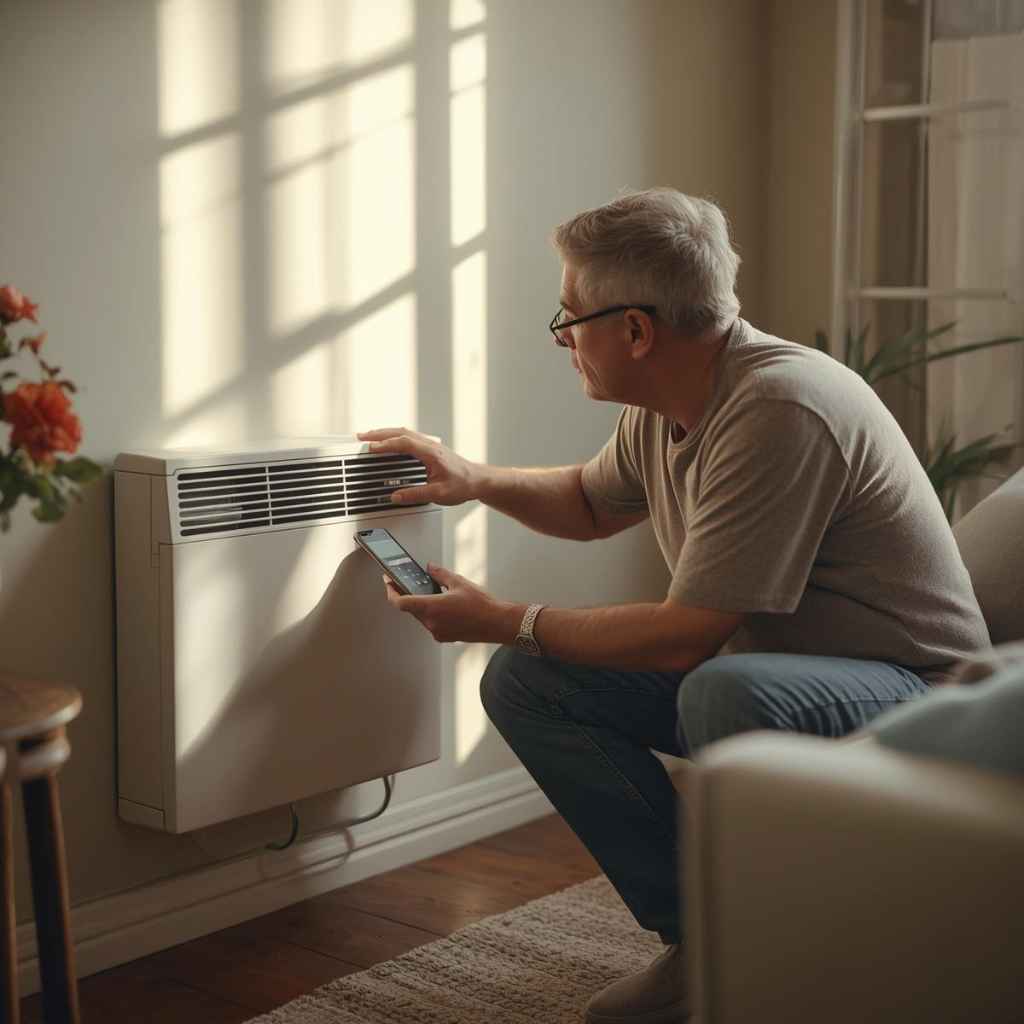
Vent-free gas wall heaters can be safe when used correctly and with proper precautions, but they do carry inherent risks like indoor air quality concerns and potential for carbon monoxide buildup if not maintained or operated as intended. Regular checks and good ventilation practices are key.
Understanding Vent-Free Gas Wall Heaters
Vent-free gas heaters are designed to burn fuel directly inside the room they are heating. This means all the heat produced stays in your living space. They don’t need a chimney or a vent pipe going outside. This makes them easy to install almost anywhere. You can put them in a living room, a bedroom, or even a basement.
The way they work is quite simple. They use oxygen from the air in your room to burn the gas. This process creates heat, carbon dioxide, and water vapor. Because they don’t vent anything outside, they are often called “unvented” heaters. This is their main selling point: efficiency and ease of use. They don’t lose heat through a chimney.
However, this direct burning process is also where the safety questions arise. When fuel burns, it can produce byproducts. These byproducts are released directly into your home’s air. This includes things like carbon monoxide, nitrogen dioxide, and water vapor. Your home’s air quality is directly affected by how these heaters operate.
How They Create Heat
Gas, like natural gas or propane, is fed into a burner. A pilot light or an electronic ignition starts the flame. The flame heats up a metal combustion chamber. This chamber then radiates heat into the room. Most modern units have safety features. These include an oxygen depletion sensor (ODS). This sensor shuts off the heater if oxygen levels drop too low.
There’s also usually a thermostat to control the temperature. Some models are wall-mounted. Others might be freestanding units. You connect them to your home’s gas line or a propane tank. They are often used as a supplemental heat source. This means they help your main heating system. They can warm up a specific room that tends to be colder.
Why People Choose Them
The main draw is convenience and cost. They are usually less expensive to buy than other types of heaters. Installation is also simpler. You don’t need to worry about building a vent. This saves a lot of money and hassle. For older homes or additions where venting is difficult, they are a popular choice.
They also offer instant warmth. You don’t have to wait for your furnace to kick in. Just turn it on, and the room starts to warm up. Many people like this quick comfort. They are also very energy efficient in terms of heat output. Almost all the heat generated stays in the room. No heat escapes up a chimney.
My Own Vent-Free Heater Scare
I remember a few years ago. It was a particularly chilly November. My old farmhouse has drafty spots, especially upstairs. I’d just installed a new vent-free gas heater in our main living area, thinking it would be the perfect solution. It looked sleek, and the installer assured me it was safe.
The first few weeks were great. Cozy evenings by the fire, no need to crank up the central heat. Then one evening, I started feeling a dull headache. My cat, usually glued to my lap, was acting strangely. She kept pacing and seemed restless. I brushed it off as a long day.
Later that night, I noticed a faint, strange smell. It wasn’t a strong gas smell, more like a burnt plastic or chemical odor. I felt a bit dizzy. My headache was worse. My partner also complained of feeling unwell. That’s when a cold wave of panic washed over me.
I remembered the heater. Was it related? I walked over to it. It was off. But the air in the room felt heavy, almost thick. I quickly opened a window, even though it was freezing outside. The fresh air made a huge difference. The headache started to fade. The cat calmed down.
It turned out a small seal on the heater had a tiny leak. It wasn’t enough to trigger the ODS immediately, but it was slowly releasing fumes into our living space. The installer came back and fixed it. But that experience taught me a huge lesson. These heaters need respect. They demand vigilance.
The Risks: What Experts Worry About
While vent-free heaters offer benefits, there are definite risks involved. Understanding these is crucial for safe operation. Health experts and fire safety professionals often highlight these concerns. They are not trying to scare people, but to inform them about potential dangers.
Indoor Air Quality Concerns
This is the biggest worry for many. Burning gas inside your home uses up oxygen. It also releases byproducts into the air you breathe. These include:
Carbon Dioxide (CO2): While not as dangerous as carbon monoxide, high levels can cause headaches, drowsiness, and reduced cognitive function.
Water Vapor: These heaters release a lot of moisture. This can lead to high humidity. High humidity can encourage mold and mildew growth. This is bad for people with allergies or asthma.
Nitrogen Dioxide (NO2): This gas can irritate your lungs. It can make breathing difficult for some people. It’s especially concerning for those with respiratory issues.
Carbon Monoxide (CO): This is the most serious risk. Incomplete combustion can produce carbon monoxide. This is a colorless, odorless gas. It can be deadly.
The amount of these byproducts depends on the heater’s efficiency and the ventilation in the room. Modern heaters are designed to be more efficient. But perfect combustion is hard to achieve every time.
Oxygen Depletion
As mentioned, these heaters use oxygen from the room air. In a tightly sealed, well-insulated home, this can be a problem. If the oxygen level drops too low, it can make you feel sick. It can also lead to incomplete combustion. This is when more harmful gases are produced.
Most vent-free heaters have an Oxygen Depletion Sensor (ODS). This is a safety device. It monitors the oxygen level. If it drops below a certain point, the ODS will shut off the gas supply. This is a critical safety feature. However, it’s not foolproof. It relies on the sensor working perfectly.
Moisture and Condensation Issues
The water vapor released by these heaters can cause problems. It increases the humidity inside your home. In colder months, this moisture can condense on windows and walls. This condensation can damage paint and building materials over time. More importantly, it can create a breeding ground for mold and mildew.
Mold spores can trigger allergies and asthma symptoms. They can also cause other health problems. If you notice excessive condensation or a musty smell, your vent-free heater might be contributing.
Real-World Scenarios and Usage
Where do you typically find these heaters? And what habits make them safer or riskier?
Where They Are Found
You’ll often see vent-free heaters in older homes where adding vents is hard. They are also common in cabins, workshops, and garages. Some people use them in additions or sunrooms that aren’t well-connected to the main heating system. They are popular in areas with high heating costs.
They can be a good choice for supplemental heat in a large living room or a basement. The idea is to warm one area without heating the whole house. They provide targeted warmth where it’s needed most. This can save energy and money.
Habits That Matter
Ventilation is Key: This is the golden rule. Even with an ODS, it’s wise to ensure some fresh air enters the room. Opening a window a crack for a short period each day can make a big difference. This replenishes oxygen and helps clear out byproducts.
Don’t Sleep in the Room: Many manufacturers advise against sleeping in a room heated solely by a vent-free gas heater. This is because you are less aware of symptoms when sleeping. Oxygen levels can drop without you noticing.
Use Them as Supplemental Heat: They work best when they assist your main heating system. They aren’t typically designed to heat an entire home on their own. Using them to take the edge off a cold room is a common and often safe practice.
Follow Manufacturer Instructions: Every heater is different. Always read and follow the installation and operating manual. Pay close attention to any warnings or recommendations.
Design and Materials
The heaters themselves are built with safety in mind. They have enclosures to prevent accidental touching of hot surfaces. The burners are designed for efficient combustion. The ODS is a vital component. However, the quality of manufacturing can vary. Buying from reputable brands is important.
User Behavior
Misuse is often the cause of problems. Forgetting to turn them off when leaving the room for a long time is one example. Relying on them too heavily without considering ventilation is another. Ignoring strange smells or symptoms can lead to serious issues.
What This Means for You
So, what’s the takeaway? When is it normal to have a vent-free heater, and when should you be concerned?
When It’s Normal
It’s normal to use a vent-free gas heater as a secondary heat source in a well-ventilated room. It’s normal if it quickly warms up a chilly space. It’s also normal if your home remains comfortable without any unusual smells or health complaints. You might notice a slight increase in humidity, but if it’s manageable, that’s okay.
Using it for short periods, like a few hours in the evening, is generally fine. Many people use them this way without incident. The key is active awareness. You are mindful of how the room feels and how everyone in it is feeling.
When to Worry
You should worry if you or your family experience persistent headaches, nausea, dizziness, or fatigue when the heater is on. Strange odors, even faint ones, are a major red flag. Excessive condensation on windows or walls is another sign that humidity is too high.
If you have pets that seem distressed or lethargic when the heater is running, pay attention. Animals are often more sensitive to air quality issues. If the heater is running constantly and the room doesn’t feel warm enough, it might not be working efficiently. This could be a sign of a problem.
Simple Checks You Can Do
Test Your CO Detector: Make sure your carbon monoxide detector is working. It should be tested regularly. If you don’t have one, get one immediately. Install it near sleeping areas and on every level of your home.
Check for Visible Signs: Look for any signs of soot or discoloration around the heater. This can indicate incomplete combustion.
Feel the Air: Does the air feel heavy or stale? Do you notice any unusual smells? Trust your senses.
Monitor Humidity: Use a hygrometer to measure indoor humidity. If it consistently stays above 50%, your heater might be contributing.
Quick Fixes and Tips for Safer Use
While there aren’t always “quick fixes” for inherent risks, there are definite steps you can take to use these heaters more safely.
Regular Professional Servicing
Just like your car or your central heating system, vent-free heaters need regular check-ups. Schedule an annual inspection with a qualified gas technician. They can check for leaks, ensure proper combustion, and verify that safety sensors are working. This is not an area to skip on.
Install Carbon Monoxide Detectors
This is non-negotiable. Install CO detectors on every floor of your home, especially near bedrooms. Test them monthly and replace batteries as needed. Many modern detectors have a lifespan of about 5-10 years.
Maintain Good Ventilation
Even with a working ODS, it’s smart to ensure some air exchange. Open a window slightly in the room where the heater is operating, especially during longer use. This is a simple habit that significantly improves safety.
Use a Humidifier or Dehumidifier
If you notice excessive moisture or condensation, a humidifier might seem counterintuitive. However, a humidifier can help balance humidity levels. If the humidity is too high from the heater, a dehumidifier is a better choice for that room.
Clean Air Filters (if applicable)
Some vent-free models have small air filters to improve air circulation. Check your manual to see if yours does. Keeping these clean ensures the heater operates as designed.
Know When to Turn It Off
If you’re leaving the room for more than an hour, consider turning off the heater. Definitely turn it off before going to sleep, especially if you are concerned about air quality or have young children or elderly individuals in the home.
Frequently Asked Questions
Are vent-free gas heaters safe for bedrooms?
Most manufacturers advise against using vent-free gas heaters in bedrooms, especially for overnight use. This is because the risk of oxygen depletion and buildup of combustion byproducts is higher when you are sleeping and less aware of symptoms. It’s best to use them in living areas with good ventilation.
How often should a vent-free gas heater be inspected?
It’s recommended to have your vent-free gas heater inspected annually by a qualified gas technician. They can check for gas leaks, ensure the combustion is efficient, and test all safety features like the Oxygen Depletion Sensor (ODS).
Can vent-free heaters cause carbon monoxide poisoning?
Yes, there is a risk of carbon monoxide poisoning if a vent-free gas heater malfunctions or operates with incomplete combustion. This is why having working carbon monoxide detectors on every level of your home is crucial. Regular maintenance and proper use significantly reduce this risk.
What is an Oxygen Depletion Sensor (ODS)?
An Oxygen Depletion Sensor (ODS) is a safety device built into most vent-free gas heaters. It monitors the oxygen level in the room air. If the oxygen drops below a safe threshold, the ODS will shut off the gas supply to the heater, preventing further oxygen depletion and potential harm.
How much humidity do vent-free heaters add to a room?
Vent-free heaters release a significant amount of water vapor as a byproduct of combustion. In a well-sealed room, this can substantially increase indoor humidity. This is why monitoring humidity levels and using a dehumidifier might be necessary, especially in colder, less ventilated months.
Are there alternatives to vent-free gas heaters?
Yes, there are many alternatives. These include vented gas heaters (which require a chimney or vent), electric heaters (radiant, baseboard, or portable), propane heaters (often used outdoors or in garages with proper ventilation), and pellet stoves. Each has its own pros and cons regarding efficiency, installation, and safety.
Final Thoughts on Safety and Comfort
Vent-free gas wall heaters can be a practical choice for adding warmth. They offer convenience and efficiency. However, their design means they directly impact your indoor air. It’s vital to approach their use with knowledge and caution.
Further Reading: EPA indoor air quality risks | CPSC vent-free gas heater safety
Prioritize safety by ensuring good ventilation, installing CO detectors, and getting regular professional maintenance. By understanding the risks and following best practices, you can enjoy the comfort they provide while keeping your home and family safe. Always remember that your well-being comes first.