
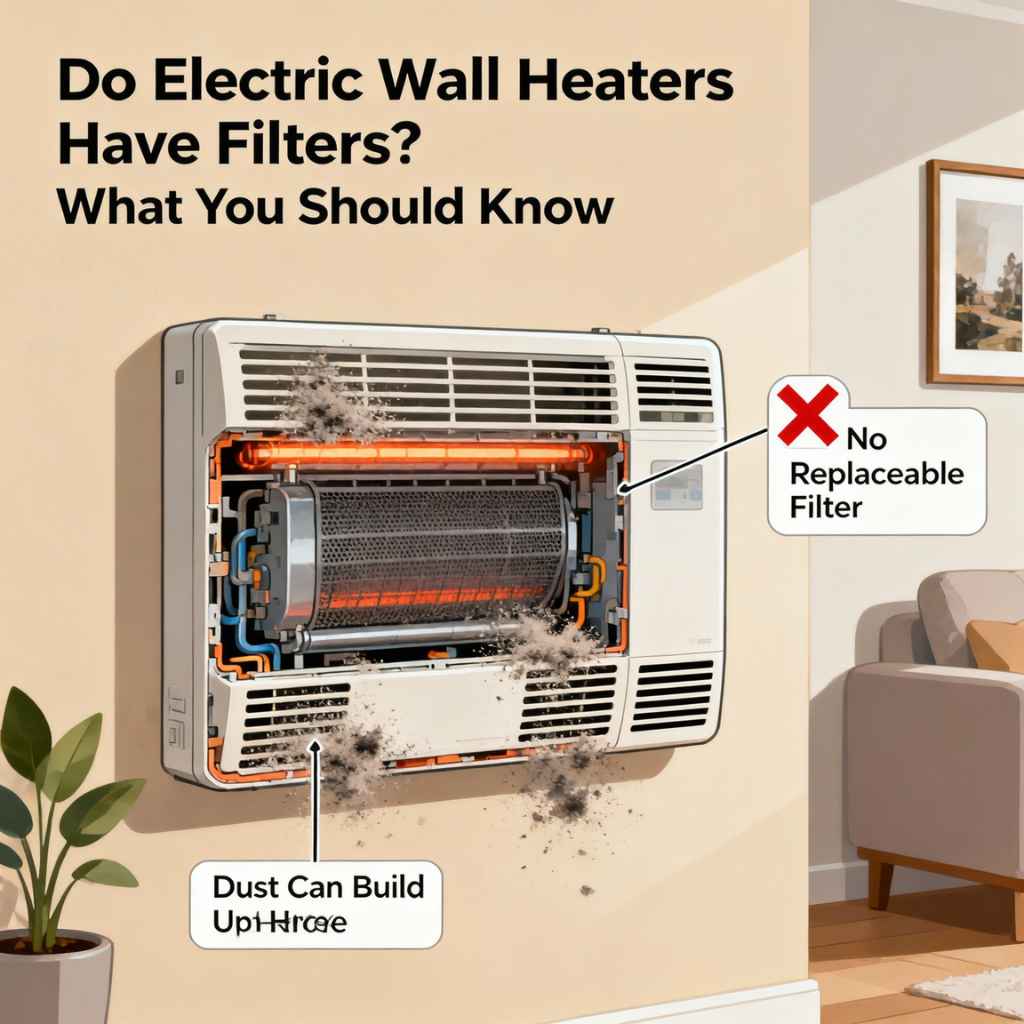
Electric wall heaters are pretty straightforward. They pull in cool air. Then, they heat it up using electric coils.
This warm air is pushed back into the room. Most of them are compact and mount right onto your wall. They’re great for heating specific rooms or areas.
Think of them as little workhorses for warmth.
They come in a few main types. You see convection heaters. These warm the air slowly and evenly.
Then there are radiant heaters. These give off heat directly, like the sun. Some newer ones might have fans to help move the air faster.
Understanding the type helps a lot. It tells us how they work and where dust might collect.
Do Electric Wall Heaters Have Filters?
Now, for the big question. Do electric wall heaters have filters? For most common types, the answer is no, they typically do not have traditional air filters.
This might surprise you. Many people assume all heating devices have them. It’s easy to think that way because of other appliances in our homes.
Think about your central heating system or your air conditioner. Those definitely have filters. They are designed to clean the air that passes through them.
They catch dust, pollen, and other tiny particles. This keeps your air cleaner and protects the equipment. But most electric wall heaters work a bit differently.
Their design often skips this step.
The heat in these units comes directly from the electric coils. The air passes over these coils. It gets warm and then goes back into the room.
There isn’t usually a porous material in the path of the air. This material is what we call a filter. So, the common models you see in living rooms or bedrooms generally don’t have them built-in.
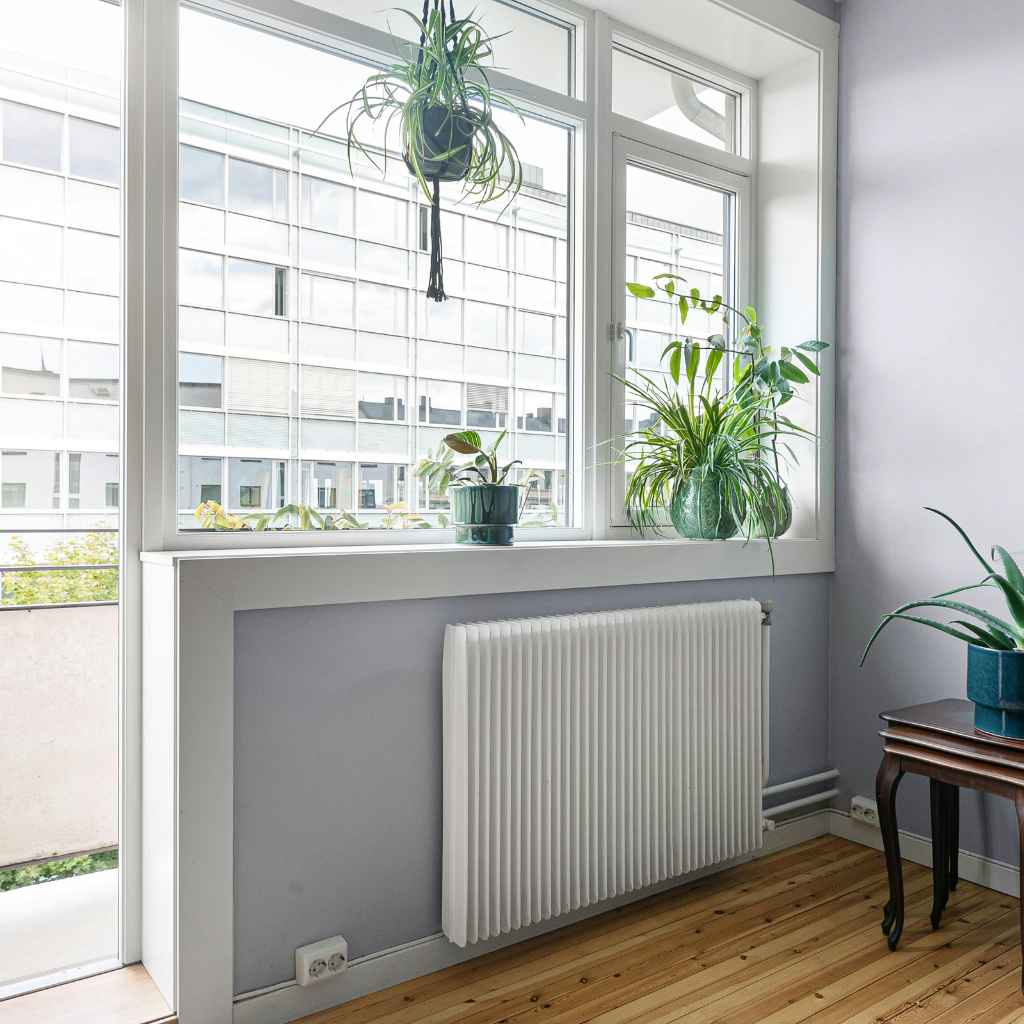
Why the Difference?
The main reason is how they operate. Central systems move a lot of air. They have a large volume of air passing through them constantly.
Filters are essential there. They stop debris from getting into the ductwork and fan motors. This protects the larger, more complex machinery.
Electric wall heaters are often simpler. They don’t have big fans or complex ducting. They are designed for direct heating of a space.
The heating elements themselves don’t need protection from dust in the same way. Also, the airflow is usually less intense. This means less debris is likely to be pulled in and stuck.
Consider the purpose. Their primary job is to generate heat efficiently. Adding a filter could actually hinder this.
A filter restricts airflow. This could make the heater work harder. It might even reduce the amount of heat put out into the room.
So, for simplicity and function, many skip the filter.
Personal Experience: The Dust Bunny Revelation
I remember one particularly chilly November. My small upstairs office was always a bit colder than the rest of the house. I decided to get one of those slim electric wall heaters.
It was easy to install and looked neat. For a few months, it was a lifesaver. The room stayed nice and toasty.
Then, I noticed something odd. When the heater was on, I’d sometimes smell a faint, dusty odor. It wasn’t strong, but it was there.
At first, I blamed it on general household dust. But it seemed to get a little worse over time. I started to wonder if I should clean the heater.
I pulled it away from the wall and looked at it. There were no obvious parts to remove, no little mesh thingy like on my air purifier.
I was confused. I’d always cleaned my furnace filter religiously. I thought all heaters needed that.
I did some digging online. That’s when I learned most electric wall units like mine don’t have filters. The dust I was smelling?
It was probably just dust that had settled on the heating elements themselves. When the coils got hot, it would burn off a little. It was a simple, but slightly gross, realization.
It made me think about how to keep these units clean without a filter.
Common Electric Wall Heater Types
Convection Heaters: These warm the air. They create a natural air current. Warm air rises, cool air sinks.
This moves air around the room. They offer even heating.
Radiant Heaters: These heat objects and people directly. They use infrared waves. Think of sunshine.
They warm you up fast, but the air might still feel cool.
Fan-Forced Heaters: These use a fan. The fan blows air over the heating element. This helps distribute heat quickly.
They can be noisy sometimes.
What About Other Types?
While most standard electric wall heaters lack filters, there are exceptions. Some more advanced or specialized units might have them. For example, some infrared panel heaters or high-end space heaters might incorporate a small filter.
This is often to protect sensitive components within the unit.
If your heater is part of a larger system, it’s different. A heat pump that is wall-mounted might have an air intake. This intake could have a filter.
But these are less common for simple electric resistance heating. Always check your specific model’s manual. That’s the best way to know for sure.
If you have allergies or asthma, this is important. You might want a unit that does have a filter. Or you might need to focus on other ways to clean your air.
Understanding your heater is the first step. It helps you manage your home environment better.
Why Dust Builds Up on Heating Elements
Even without a filter, dust is a fact of life in most homes. It settles on surfaces. When an electric wall heater is off, dust can land on its exterior.
It can also get drawn into the unit when it’s on. This happens through the air intake grilles. The air, even if not filtered, carries tiny dust particles.
These particles then settle on the hot electric coils. When the heater turns on, the coils get very hot. This heat can cause the dust to break down and burn.
This is what creates that faint, burning-dust smell. It’s not dangerous in small amounts. But it’s not ideal for air quality.
The amount of dust buildup depends on your home. If you have pets, you’ll have more pet dander. If your home is older, there might be more fine particles.
If you live near a busy road, outdoor pollution can get in. All these things contribute to dust inside your home and on your heater.
Myth vs. Reality: Heater Filters
Myth: All heaters have filters that need regular changing.
Reality: Most basic electric wall heaters do NOT have filters. Their design doesn’t require them.
Myth: A dusty smell means a dirty filter is burning.
Reality: On filterless heaters, the smell is usually dust burning directly on the heating elements.
Myth: You can’t clean a heater without a filter.
Reality: You can and should clean the heating elements and grilles on non-filtered units.
When to Worry About Your Heater
While a bit of dust is normal, there are times when you should be concerned. If the dusty smell is very strong or persistent, it’s worth investigating. It could mean a heavier buildup than usual.
This might reduce the heater’s efficiency.
If you notice any strange noises coming from the heater, stop using it. Grinding or clicking sounds are not good. They could mean a fan motor (if present) is failing.
Or there might be something stuck inside that shouldn’t be.
Also, keep an eye on performance. If the heater doesn’t seem to be warming the room as well as it used to, it could be a sign. Dust can insulate the heating elements.
This makes them less effective. In rare cases, a severe buildup could pose a fire risk, though this is uncommon with electric resistance heaters.
Cleaning Your Electric Wall Heater (No Filter!)
So, if there’s no filter, how do you clean it? It’s actually quite simple. The goal is to remove dust from the accessible parts.
This includes the intake grilles and the heating elements themselves.
Step 1: Safety First! Always unplug the heater before you do any cleaning. Never clean a plugged-in appliance. Make sure it’s completely cool.
Step 2: Exterior Dusting. Use a soft, dry cloth or a microfiber duster. Wipe down the outside casing. Get into any crevices.
This removes surface dust.
Step 3: Clean the Grilles. The air intake and outlet grilles are where dust collects. You can use a vacuum cleaner with a brush attachment. Gently vacuum the grilles.
Be careful not to push dirt further inside.
Step 4: Accessing Heating Elements (Carefully!). Some heaters have removable grilles that let you see the heating elements. If yours does, gently use a soft brush or the vacuum attachment. Brush or vacuum away any visible dust from the elements.
Be very gentle. The elements can be fragile.
Step 5: Avoid Liquids. Do not spray water or cleaning solutions directly into the heater. Moisture can damage the electrical components. If you need to clean a stubborn spot on the casing, use a slightly damp cloth and dry it immediately.
Never spray anything inside.
Step 6: Reassemble and Test. Once you’re sure it’s dry, put any removed parts back. Plug the heater back in. Turn it on to test.
You might notice less of that dusty smell.
It’s a good idea to do this at least once a year. If you have pets or live in a dusty area, you might want to do it more often. Maybe before the heating season starts in the fall.
Quick-Scan Table: Filterless Heater Maintenance
| Task | Frequency | Notes |
|---|---|---|
| Unplug Heater | Before every cleaning | Essential for safety. |
| Wipe Exterior | Monthly or as needed | Use dry cloth. |
| Clean Grilles | Annually (or more) | Use vacuum brush attachment. |
| Dust Heating Elements | Annually (or more) | Use soft brush, be gentle. Check manual for access. |
| Check for Damage | During cleaning | Look for loose wires, cracks. |
When a Filter Might Be Present
Let’s revisit the idea of filters. When would you actually find one? As mentioned, specialized units are the most likely candidates.
If your wall heater has a fan that you can clearly see and access, it might have a filter. Some modern, energy-efficient models might include one to improve air quality.
These filters are often smaller than furnace filters. They might be a fine mesh or a foam material. They’d be located near the air intake.
If you suspect your unit has a filter, the best advice is to consult your owner’s manual. It will show you exactly where it is and how to clean or replace it.
Replacing a filter is usually straightforward. You’d typically slide it out, clean or swap it, and slide it back in. If it’s a washable filter, you’d rinse it under water and let it dry completely before putting it back.
If it’s a disposable one, you’d just
Improving Air Quality Without a Filter
Since most electric wall heaters don’t have filters, what else can you do? Focus on general air quality in your home. This is good practice anyway!
- Regular Vacuuming: This is key. Vacuum carpets and upholstery often. Use a vacuum with a good HEPA filter if possible. This captures fine dust particles.
- Dusting: Dust all surfaces regularly with a damp cloth or microfiber duster. This traps dust instead of just moving it around.
- Ventilation: Open windows when the weather is nice. This brings in fresh air and helps clear out stale, dusty indoor air.
- Air Purifiers: Consider using standalone air purifiers. These are specifically designed to clean the air. They come with filters that you replace.
- Clean Soft Furnishings: Wash curtains, bedding, and other soft items regularly. These trap a lot of dust.
- Control Humidity: High humidity can encourage dust mites. Use a dehumidifier if needed.
By keeping your overall home environment cleaner, you reduce the amount of dust that can get into your heater. This helps with both the smell and the efficiency of the unit.
Real-World Context: Why Filterless Design is Common
In many U.S. homes, electric wall heaters are used as supplementary heat. They’re not the primary source for the whole house.
Think of a basement room, a garage, or a home office. In these scenarios, the heating unit might only run for a few hours a day.
The airflow is often less powerful than in a central system. There’s less air being pushed through. This means less dust is likely to be pulled in.
The simplicity of the design is also a selling point. Fewer parts mean fewer things to break. And often, lower manufacturing costs.
Manufacturers aim for reliable, cost-effective heating solutions. For many wall heater applications, a filter isn’t seen as essential. The primary goal is safe and effective heat.
Dust buildup is considered a minor issue. It can be handled by user cleaning rather than a complex filter system.
What This Means for You
Knowing that your electric wall heater likely doesn’t have a filter changes how you think about its maintenance. You don’t need to worry about buying specific filter replacements for it. This can save you money and hassle.
However, it means you need to be proactive in cleaning. Don’t just let dust accumulate indefinitely. Regular light cleaning will prevent that burnt-dust smell.
It will also help your heater run more efficiently.
If you have significant respiratory issues, you might need to take extra steps. Relying solely on a filterless heater might not be enough. Combine heater cleaning with other air quality measures.
This gives you the best chance for clean, comfortable air.
Quick Fixes & Tips
Here are some simple tips related to your electric wall heater and its lack of a filter:
- Check Your Manual: Always start with your heater’s manual. It’s the best source of information for your specific model.
- Visual Inspection: Get in the habit of looking at your heater. See if you notice any unusual dust buildup.
- Gentle Cleaning is Key: When cleaning heating elements, always be gentle. They are not designed to be scrubbed.
- Proper Usage: Make sure you are using the heater as intended. Overworking it can lead to more dust burning.
- Placement Matters: Keep the area around your heater clear. This allows for better airflow and less dust to be drawn in.
Frequent Questions
Do all electric heaters have filters?
No, most basic electric wall heaters do not have filters. They are designed with simpler mechanisms that don’t require them. Some advanced or specialized units might have a filter, but it’s not the norm.
Why does my electric heater smell like dust?
This is usually because dust has settled on the hot heating elements. When the heater turns on, the dust burns off, causing the smell. Regular cleaning of the heating elements and grilles can fix this.
How often should I clean my electric wall heater?
It’s generally recommended to clean your electric wall heater at least once a year. If you have pets, live in a dusty environment, or notice a persistent dusty smell, you may need to clean it more often.
Can I use a vacuum cleaner on my electric heater?
Yes, you can use a vacuum cleaner with a brush attachment. It’s helpful for cleaning dust from the grilles and accessible heating elements. Just be sure the heater is unplugged and cool.
Be gentle.
What if my electric heater makes a loud noise?
If your electric heater starts making loud or unusual noises, unplug it immediately. This could indicate a problem with a fan motor or something stuck inside. Consult the owner’s manual or a professional for repairs.
Should I worry about dust burning on my heater elements?
A faint smell of dust burning occasionally is usually not a major concern for most electric heaters. However, a strong or constant smell, or excessive dust buildup, can reduce efficiency and should be cleaned. It’s always best to keep them clean.
Are there any electric heaters with washable filters?
Some specialized electric heaters or those integrated into larger HVAC systems might have washable filters. For standard wall-mounted electric heaters, this is very uncommon. Always check your specific model’s manual for filter information.
Conclusion
So, the short answer is that most electric wall heaters don’t have filters. This doesn’t mean you can forget about maintenance. Instead, it shifts the focus.
Further Reading: DOE electric heating overview | ENERGY STAR electric heaters
It highlights the importance of regular, simple cleaning of the unit itself. By keeping your heater dust-free, you ensure it runs well and contributes to a healthier home environment.