Furnace Vs Space Heaters: Proven Essential Guide
Furnaces offer whole-home, central warmth using ductwork, while space heaters provide localized, supplemental heat quickly and affordably. Choosing between them depends entirely on your needs: whole-structure efficiency versus spot comfort and portability. We will break down every essential factor to help you decide exactly what your home needs this winter.
Feeling chilly while paying a huge energy bill is frustrating. Many homeowners run into the same dilemma: Should I rely on my big central furnace, or should I buy a few small space heaters? It’s easy to feel overwhelmed by the choices and the jargon. Will using a small heater save me money, or is my big furnace actually more efficient? Don’t worry; keeping your family warm doesn’t have to be complicated or expensive. I’m Tanim, and I’m here to walk you through exactly what you need to know about furnace versus space heaters. We will compare power, cost, safety, and convenience side-by-side so you can take control of your home comfort today. Let’s dive into making your house cozy!
Furnace Vs Space Heaters: Understanding the Basics of Home Heating
When we talk about heating our homes, we are generally talking about two different approaches: central heating (the furnace) and localized heating (the space heater). Understanding how each one works is the first big step in saving money and staying warm.
What Exactly Is a Central Furnace?
Think of your furnace as the heart of your home’s heating system. It is usually located in a basement, closet, or attic. Its main job is to run a process—burning fuel (like natural gas, propane, or oil) or using electricity—to heat up air. That warm air is then pushed through a network of metal ducts and vents installed throughout your house, delivering consistent heat to every room.
Furnaces are designed for long-term, main-source heating. They are built to handle the entire climate control for an average-sized residence.
The Pros and Cons of a Central Furnace
- Pro: Whole-Home Comfort: Provides even, consistent temperatures everywhere.
- Pro: Central Control: You adjust one thermostat for the whole house.
- Pro: Aesthetic: The heat source is hidden away; you only see the vents.
- Con: Installation Cost: Expensive to purchase and install initially.
- Con: Energy Use: Running the furnace uses significant energy, potentially leading to higher utility bills if not maintained.
- Con: Ducted Problems: If ducts leak or are dirty, you lose efficiency everywhere.
What Is a Space Heater?
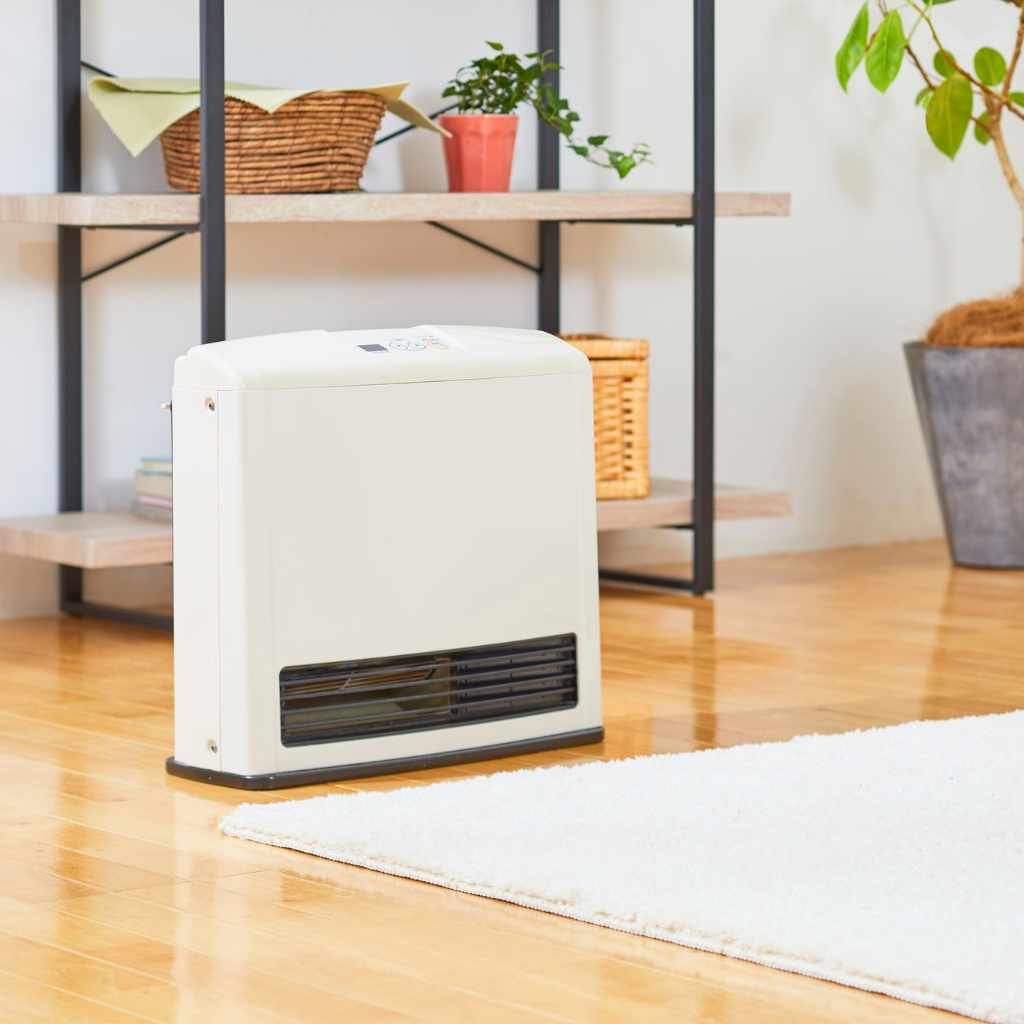
A space heater is a portable appliance, designed to warm up a small, confined area quickly. These devices are much smaller, plug directly into a standard wall outlet, and require no permanent installation.
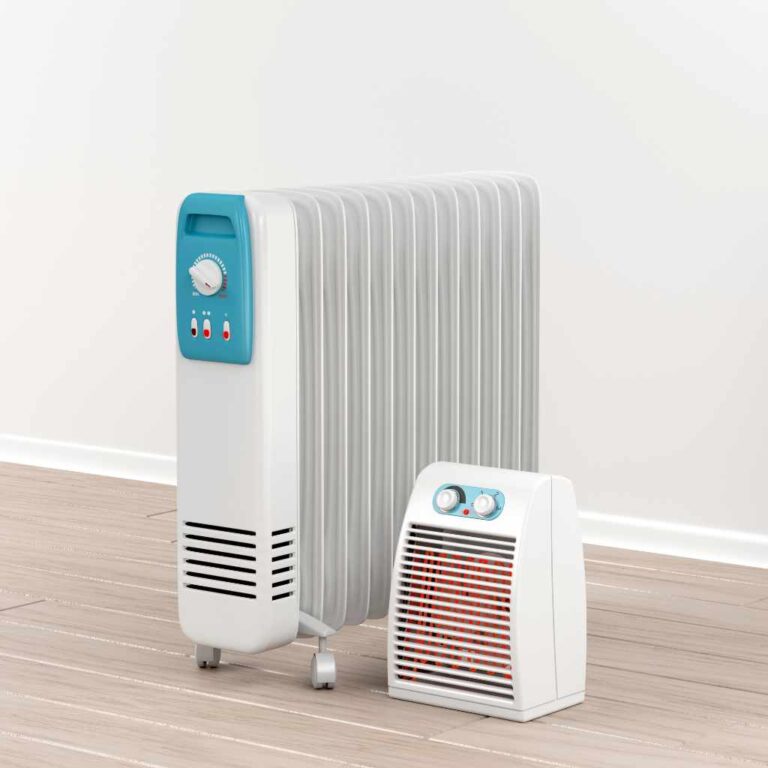
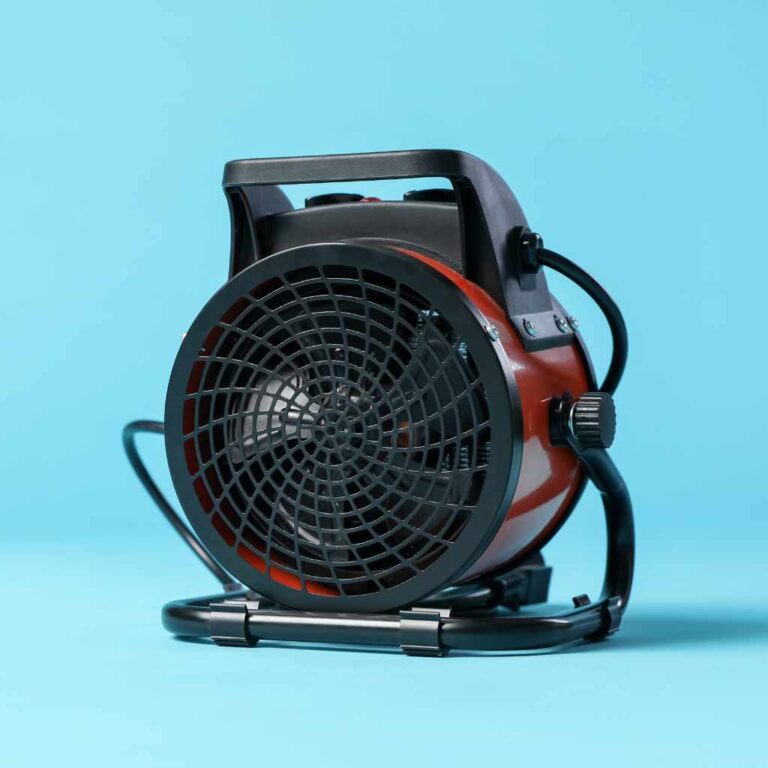
Space heaters come in many forms, using different methods to generate heat. Some use radiant elements to warm objects, while others use fans to blow heated air across a room. They are perfect for supplementing a cold corner, heating a small apartment, or warming up a bonus room that the central furnace struggles to reach.
The Pros and Cons of Space Heaters
- Pro: Portability: Easy to move from the living room to the bedroom.
- Pro: Cost-Effective for Spot Heating: You only pay to heat the one area you are occupying.
- Pro: Low/No Installation: Just plug it in and turn it on.
- Con: Zoning Limitations: Cannot effectively heat an entire multi-room home.
- Con: Safety Concerns: Requires conscious effort regarding placement and monitoring (more on this later).
- Con: Outlet Strain: Drawing significant amperage can occasionally strain older household circuits.
Key Differences: Comparing Furnace vs Space Heaters Head-to-Head
The real difference between these two solutions comes down to scale, control, and initial investment. Let’s look at the facts side-by-side so you can see clearly where each option shines.
Heating Capacity and Speed
When you need heat right now, speed matters. A furnace has to pull in air, heat it through a combustion chamber or electrical coil, circulate it through lengthy ductwork, and then distribute it. This takes time.
A space heater, especially a small ceramic fan model, is often warming the air in front of it within seconds. Radiant heaters start producing heat you can feel almost instantly, though they warm objects rather than the whole airmass.
Furnace: Slow to warm up an entire house from a cold start, but maintains even warmth once reached. Best for large volumes of space over long periods.
Space Heater: Very fast spot heating. Excellent for immediate relief in an office or bedroom.
Energy Source and Operating Costs
This is often the deciding factor for budget-minded homeowners. How they generate heat dramatically affects your monthly bill.
Furnace Operating Costs
Most modern furnaces use natural gas, which is often the cheapest fuel by volume. However, the furnace unit itself—plus the blower fan needed to move all that air—draws considerable power. If you run your furnace around the clock, that cost adds up quickly.
For those using electric furnaces, efficiency is measured differently. While newer electric furnaces are much better than old models, electricity is often more expensive per BTU (British Thermal Unit) than gas, meaning electric central heat can be costly.
Space Heater Operating Costs
Most portable electric space heaters draw between 750 and 1,500 watts on their high setting. If you run a 1,500-watt heater for 8 hours a day at an average U.S. electricity rate (roughly $0.16 per kWh as estimated by the U.S. Energy Information Administration – EIA), you might spend close to $3 per day just on that one device. Multiply that by several heaters across the house, and the cost can eclipse running a central furnace.
The takeaway here? Using a space heater to heat an entire house for a season will almost certainly cost more than running a well-maintained central furnace. Space heaters win when used sparingly to supplement or target small zones.
Installation and Portability
This area shows the clearest divide between furnace vs space heaters.
A furnace requires professional installation, often involving venting, gas lines, or high-voltage electrical connections specific to the unit. Once installed, it stays there.
A space heater requires zero professional help. If you can plug in a lamp, you can use a space heater. This flexibility is invaluable for renters who cannot change the main heating structure.
| Feature | Central Furnace | Portable Space Heater |
|---|---|---|
| Heating Area | Whole Home (via ducts) | Small Room or Zone |
| Installation Effort | Professional Installation Required | Plug-and-Play |
| Portability | None | Excellent (Moves Easily) |
| Initial Cost | High ($4,000 – $10,000+) | Low ($30 – $200) |
| Best For | Primary, year-round heating solution | Supplemental, emergency, or highly targeted heating |
When to Choose a Furnace: Whole-House Reliability
If you own your home, have ducts installed, and need reliable warmth delivered across all bedrooms and living areas, the furnace is your core system. It’s the foundation of your winter comfort.
Scenarios Where the Furnace Reigns Supreme:
- Severe Weather: When temperatures plummet deeply, you need the sustained, high-BTU output only a central furnace can provide consistently across large areas.
- Consistent Comfort: You want to walk from the kitchen to the office without feeling a noticeable drop in temperature.
- Whole-Home Air Quality: Modern furnaces integrate with central air filters and humidifiers, improving overall indoor air management, something a small portable unit cannot do.
- Property Value: A well-maintained, modern furnace is a major selling point for homeowners, whereas relying only on space heaters suggests a system deficiency.
Maintaining Peak Furnace Efficiency
To make your furnace run efficiently (saving you money and keeping you warm), diligent maintenance is key:
- Change the Filter Monthly: A dirty filter chokes the airflow, forcing the blower motor to work harder and longer. This is the easiest way to reduce efficiency immediately.
- Annual Professional Tune-Up: Have a technician clean the burners and check safety controls every fall before heavy use begins.
- Check Ductwork: Look for obvious air leaks where ducts meet vents or in accessible areas like the basement. Sealing these leaks prevents conditioned air from escaping into unconditioned spaces. According to the U.S. Department of Energy, duct sealing offers one of the best returns on investment for home efficiency improvements.
When to Choose Space Heaters: Targeted Efficiency and Flexibility
Space heaters aren’t replacements for a furnace, but they are brilliant supplemental tools. They give you the power to heat what you use without heating what you don’t.
Scenarios Where Space Heaters Excel:
- Zoning/Economy: If you work from home in a small office but leave the rest of the house unused during the day, turn the furnace thermostat down and let the space heater warm your direct workspace.
- Rental Units: Renters often cannot install new primary heating sources but need supplemental warmth in drafty rooms.
- Cold Pockets: Some rooms, like sunrooms or basements, lack good airflow from the central system. A dedicated space heater solves that localized chill instantly.
- Emergency Backup: If your furnace breaks down temporarily, a good electric space heater can keep a critical space safe and functional while you await repairs.
Choosing the Right Type of Space Heater for the Job
Not all space heaters deliver heat the same way. Match the heater type to the room size and heat requirement for the best results. The most common types available for homeowners include:
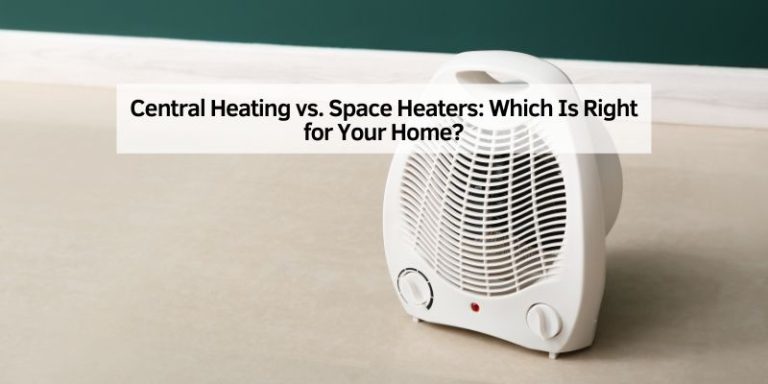
1. Fan-Forced Ceramic Heaters
These use a ceramic heating element and a fan to blow warm air into the room rapidly. They heat the air quickly but often require movement to heat a larger area evenly.
- Best For: Quick bursts of heat in small-to-medium rooms (bedrooms, small offices).
- Key Feature: Very fast warm-up time.
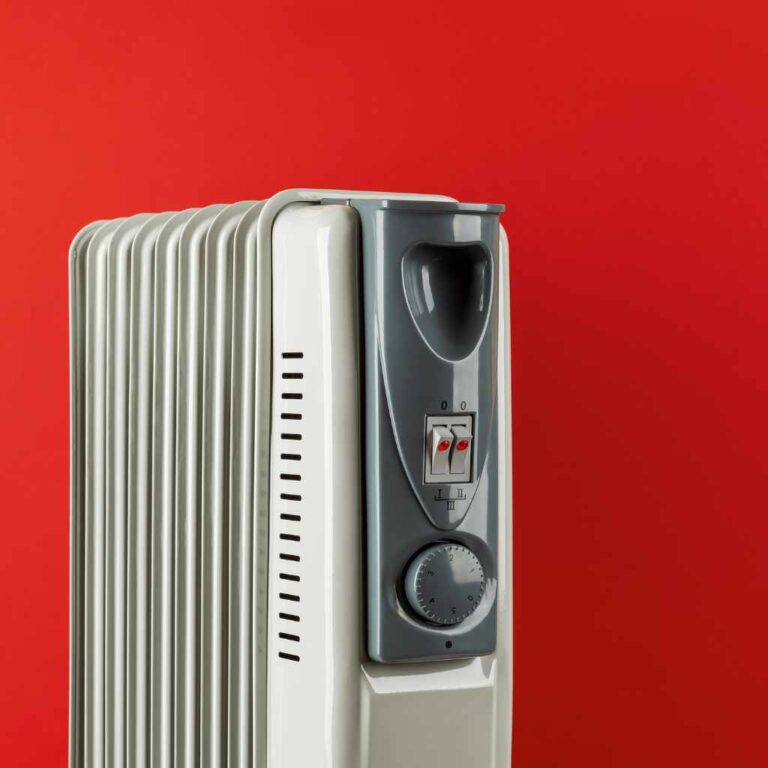
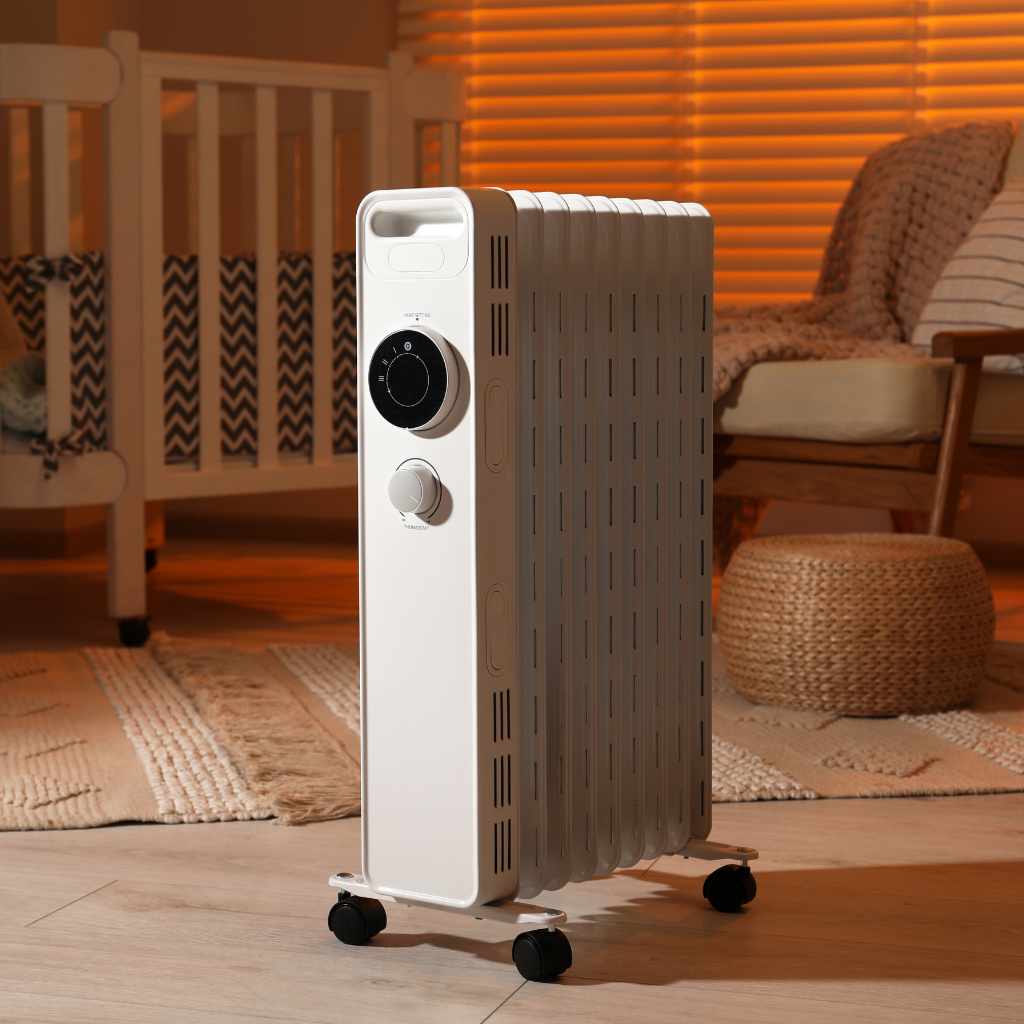
2. Oil-Filled Radiator Heaters (Radiant Heat Style)
These look like old-fashioned heavy radiators. They use electricity to heat oil sealed inside, and then that oil slowly radiates heat into the room without using a fan. They heat objects first, then the air.
- Best For: Silent, sustained warmth in a bedroom or small living area where you don’t want noise or constant air movement.
- Key Feature: Retain heat long after they are turned off.
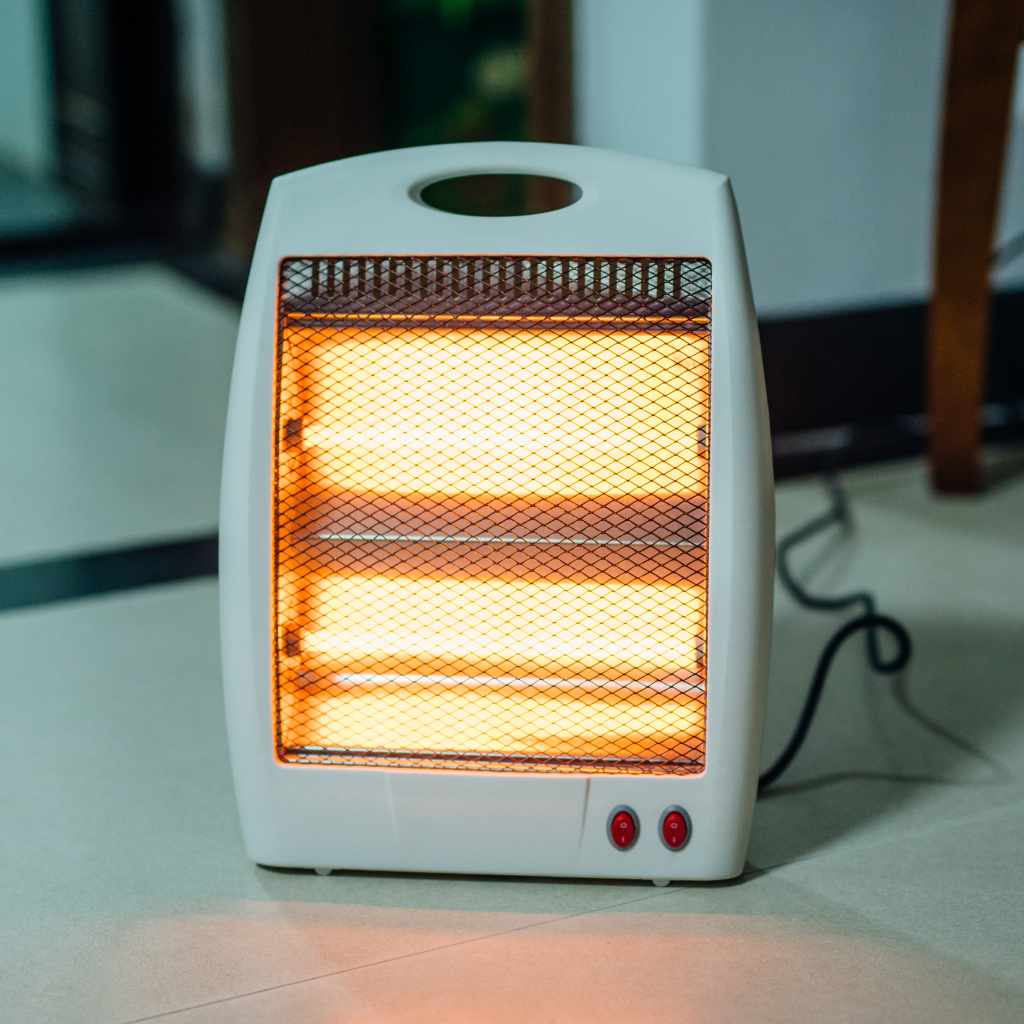
3. Infrared/Quartz Heaters
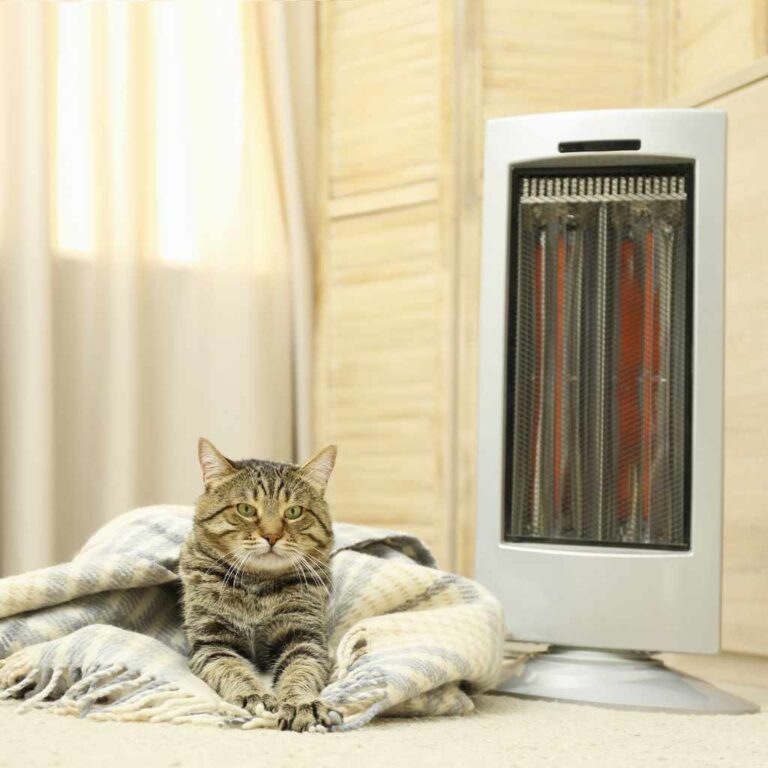
These project infrared waves directly onto objects and people in their path, similar to how the sun heats your skin. They don’t spend much energy heating the air in between.
- Best For: Sitting directly in front of one on a cold evening, or heating a bathroom quickly before using it.
- Key Feature: Instant, direct warmth without heating the entire air volume.
Safety First: Critical Precautions for Space Heater Use
While furnaces have built-in safety features (like automatic shut-offs for gas leaks or overheating), portable electric units rely entirely on user awareness. Safety cannot be overstated when discussing space heaters.
The 3-Foot Rule and Clearance
The most critical safety guideline is keeping clear space around any portable heater. You must maintain at least three feet (about one meter) of clearance on all sides of the unit.
- Keep curtains, bedding, furniture, paper, and clothing at least three feet away.
- Never use extension cords. Space heaters draw too much power, leading to cord overheating and fire risk. Plug them directly into a wall socket.
- Ensure the floor underneath is hard and non-combustible (tile, hardwood, concrete). Don’t put them directly on area rugs or carpet unless the manufacturer specifically states it is safe and you verify the clearance.
Essential Safety Features to Look For
When you buy a new space heater, look for these built-in safety mechanisms:
- Tip-Over Shutoff: This sensor immediately cuts power if the unit is knocked down. This is non-negotiable for any heater used on the floor.
- Overheat Protection: Internal sensors detect if the unit gets dangerously hot and automatically shut it off until it cools down.
- UL Certification: Ensure the heater has been tested by a recognized safety organization, like Underwriters Laboratories (UL). This confirms it meets strict safety standards.
Integrating Furnace and Space Heaters for Optimal Comfort and Savings
The “best” solution isn’t choosing one or the other—it’s knowing how to use them together. This hybrid approach is often the most cost-effective and comfortable strategy for homeowners.
The Setback Strategy (Saving Money)
This strategy utilizes the furnace as the baseline system but uses space heaters only when needed, lowering the furnace thermostat significantly.
- Set the Furnace Lower: Set your central thermostat to a minimum comfortable temperature for low-occupancy times (e.g., 62°F overnight or when leaving for work).
- Program Your Thermostat: Use a programmable or smart thermostat to automatically raise the temperature (e.g., to 68°F) about 30 minutes before you wake up or return home.
- Deploy Spot Heat: As you enter the area you plan to occupy severely (e.g., your home office at 9 AM), turn on a localized, efficient space heater in that single room.
- Monitor Usage: Keep the space heater on only while you are actively using that zone. Turn it off when leaving the room, or switch back to the furnace-warmed setting as you move areas.
By dropping the thermostat 3–5 degrees and using a 1,500-watt heater in one small zone, you are heating a small area with direct energy, rather than using the whole furnace blower to push less efficient heat through the entire home.
Addressing Cold Spots (Comfort Improvement)
Sometimes, HVAC technicians can only do so much optimization. If you have an upstairs bedroom where heat seems to vanish down the ductwork, a space heater can fix that without major home modifications.
In this case, you might keep your main floor furnace set slightly lower (e.g., 67°F) and use an oil-filled radiator heater in the upstairs room set to maintain 69°F. This way, the space heater balances the system naturally.
Understanding Energy Ratings: BTU and Wattage
To compare apples to apples, you need to understand how heating power is measured. When looking at furnace specifications versus space heater labels, you will see two different units of measurement.
Furnaces Use BTUs (British Thermal Units)
A BTU measures the energy needed to raise one pound of water by one degree Fahrenheit. Furnace capacity is usually rated from 40,000 BTUs up to 150,000 BTUs or more.
Space Heaters Use Watts (and are easily converted)
Space heaters use electrical wattage. Standard electric heaters run at 750 watts (low setting) or 1,500 watts (high setting). To compare this to a furnace, use this easy conversion:
- 1,500 Watts is roughly equivalent to 5,120 BTUs of heat output.
This illustrates clearly why a 100,000 BTU furnace can heat an entire residence easily, while a 5,120 BTU space heater can only effectively warm up one reasonable-sized room comfortably.
FAQ: Beginning Homeowner Heating Questions
Q1: Which is cheaper to run monthly, a furnace or several space heaters?
Generally, a modern, well-maintained gas furnace used to heat your entire home is cheaper than running multiple 1,500-watt electric space heaters throughout the entire month. Space heaters are best for short-term, targeted heating only.