Ceramic vs Fan Forced Space Heaters: Proven Best
Ceramic vs Fan Forced Space Heaters: Ceramic heaters are often better for small, quiet, localized heating using radiant warmth, while fan-forced heaters excel at spreading quick, widespread heat throughout a room using air circulation. The “best” choice depends entirely on whether you prioritize silent, focused heat (Ceramic) or rapid, broad warmth (Fan Forced).
For portable or electric heater comparisons, Fan Forced Vs Infrared Heaters gives readers another helpful angle before buying or using one.
For portable or electric heater comparisons, Ceramic Vs Non Ceramic Space Heaters gives readers another helpful angle before buying or using one.
For portable or electric heater comparisons, Ceramic vs Infrared Space Heater: Showdown gives readers another helpful angle before buying or using one.
Choosing the right space heater can feel confusing. You want warmth quickly, you want it safely, and you definitely don’t want your energy bill to skyrocket! Two popular choices are ceramic and fan-forced heaters, but they warm your space in completely different ways. It’s easy to look at two compact boxes and assume they work the same, but trust me, they don’t.
Don’t stress over BTU ratings and fan speeds. I’m Tanim, and I’m here to simplify this for you. By the end of this guide, you will know exactly which heater matches your room size, your comfort needs, and your budget. Let’s dive in and find your perfect cozy solution!
Understanding How Space Heaters Work: The Heart of the Difference
The core difference between a ceramic heater and a fan-forced heater lies in how they move the heat after it’s generated. Both are forms of electric resistance heating, meaning raw electricity is turned into heat, but the delivery mechanism sets them apart.
Think of it like cooking: one method slowly bakes the flavor in, and the other forces hot air over the food.
The Magic of Ceramic Heaters: Gentle, Targeted Warmth
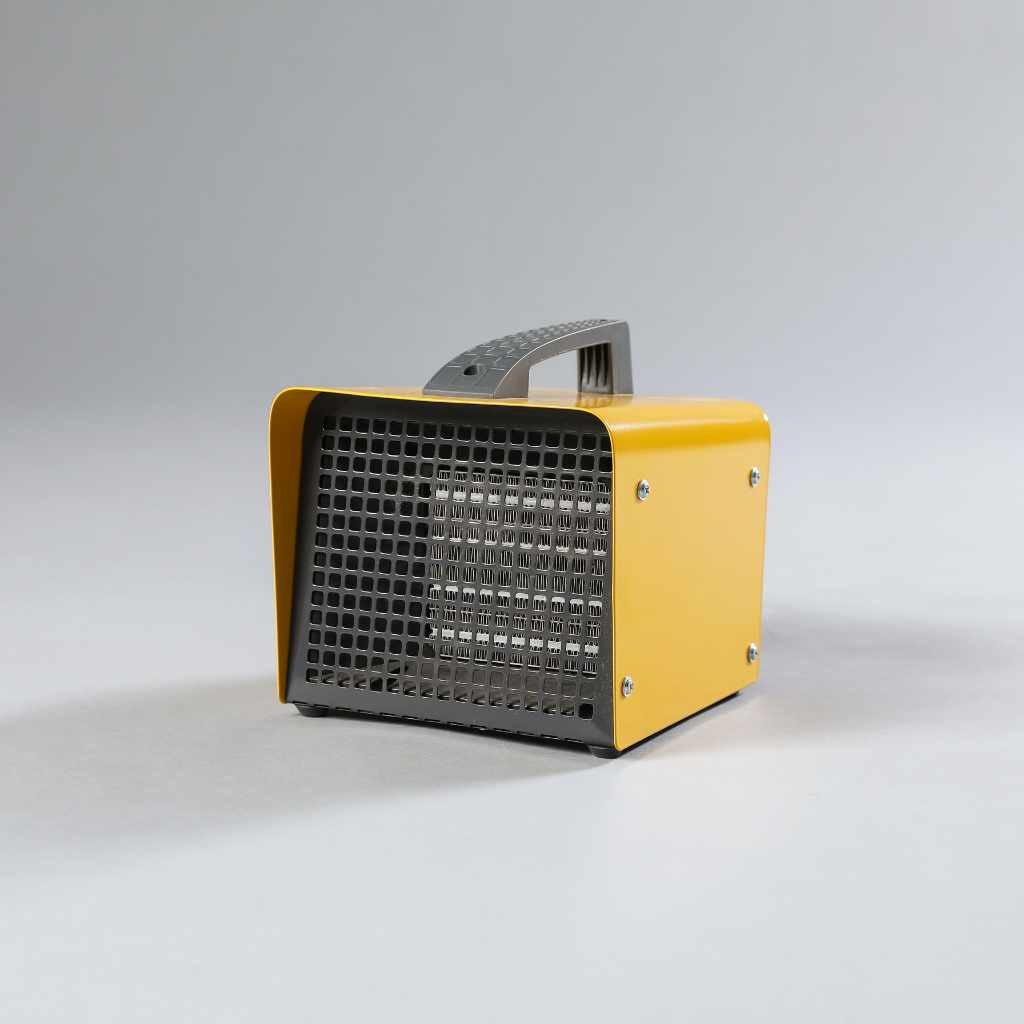
Ceramic heaters are incredibly popular because they offer relatively quick, safe heat targeted right where you sit. They use ceramic plates (often made of Positive Temperature Coefficient or PTC elements) as the heating medium.
Here is the three-step heating process for a ceramic heater:
- Electricity Heats the Element: Electric current passes through the ceramic plates, causing immediate heat generation.
- Safe Heating Surface: Because the ceramic material naturally regulates its temperature (it won’t typically overheat dramatically), the surface warms up considerably but stays relatively safe to the touch compared to glowing metal coils.
- Air Movement (Passive or Active): Some ceramic heaters rely on natural convection (hot air rising), but most use a small, quiet fan to gently push the warmed air outward. This makes them excellent for heating objects and people directly in front of them.
Pros and Cons of Ceramic Heaters
Ceramic heaters perform best when you need a quick, localized warm spot, like under a desk or next to your favorite chair.
- Pros: Very quiet operation, safer surface temperatures, fast heating of personal spaces, generally lightweight and portable.
- Cons: Less effective at heating large, open rooms; heat intensity drops off quickly the further you move away from the unit.
The Power of Fan Forced Heaters: Covering Wider Areas
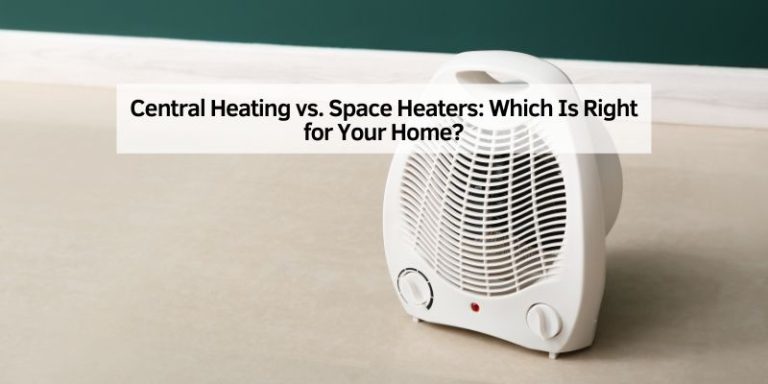
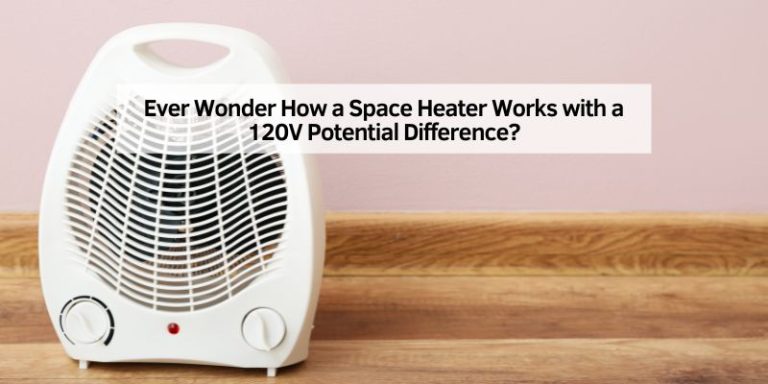
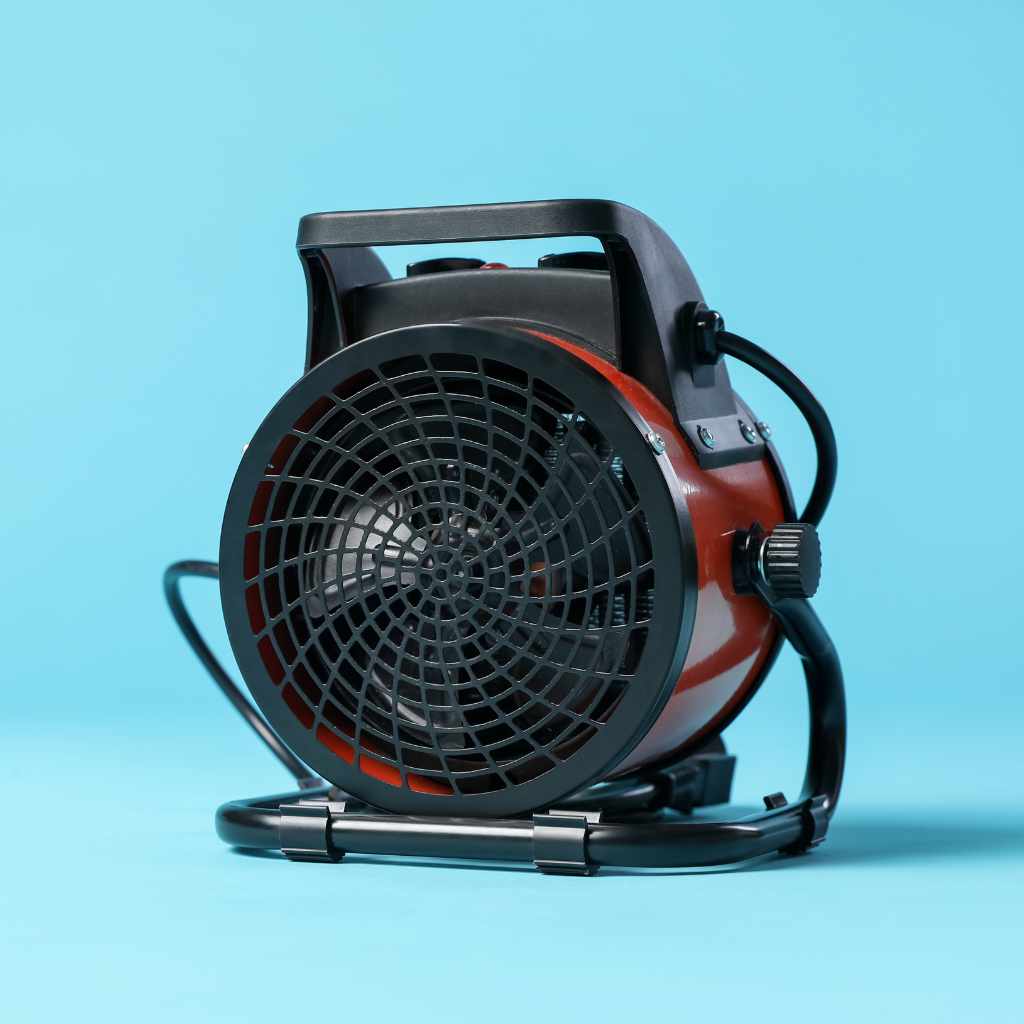
Fan-forced heaters don’t necessarily use a different type of heat generator (they might use coils or a metal grid), but their defining feature is the powerful fan. Their entire design is based on moving air rapidly.
When you turn on a fan-forced heater, it works like this:
- Heating Coils Activate: Coils inside the unit generate intense heat.
- Powerful Fan Engages: A mechanical fan draws cooler room air across these hot coils.
- Forced Convection: The fan blows the newly heated air forcefully out into the room, circulating warmth relatively quickly across a wider area.
These heaters are designed to circulate air effectively, mixing the warm air layer near the ceiling with the cooler air near the floor. While they heat the air, they often produce a noticeable sound due to the fan running.
Pros and Cons of Fan Forced Heaters
If you need to warm a drafty living room or a moderately sized workshop temporarily, the forceful nature of the fan-forced unit provides instant results across the space.
- Pros: Excellent room coverage, faster overall warming for medium areas, often include oscillating features for better distribution.
- Cons: Generally louder due to the fan motor; can sometimes cause minor dust circulation; they rely on moving hot air, which can feel less “toasty” than direct radiant heat.
Side-by-Side Comparison: Which Heats Better for You?
To make the decision crystal clear, let’s look at their key performance attributes in a comparative table. This will help you match the heater type to the room you are trying to warm up this winter.
| Feature | Ceramic Heaters | Fan Forced Heaters |
|---|---|---|
| Primary Heating Method | Radiant heat from heated ceramic plates; gentle convection. | Forced convection (powerful fan blowing over metal coils). |
| Noise Level | Very quiet to almost silent operation. | Noticeably louder due to the fan motor. |
| Room Size Suitability | Small personal spaces (under desks, small bedrooms). | Small to medium-sized rooms (living rooms, offices). |
| Heat Throw Distance | Short range; heat diminishes fast. | Longer range; distributes heat across the room effectively. |
| Safety Feature Note | Ceramic surface stays cooler than open coils. | Often feature tip-over switches and overheat protection. |
| Speed of Direct Warmth | Quick to feel warm if you are directly in front of it. | Quick to raise ambient room temperature noticeably. |
When to Choose Ceramic: The Comfort Specialist
If your main goal is personal comfort without bothering anyone else in the room, the ceramic heater is your winner. These are wonderfully suited for specific, targeted needs. When you are working late or watching a movie on the couch and the central thermostat just isn’t cutting it in your immediate zone, a ceramic unit shines.
Best Uses for Ceramic Heaters
- Under the Desk Heating: Keep your legs and feet toasty while working without overheating the entire office.
- Small Quiet Bedrooms: Perfect for adding a comfortable layer of warmth without the disturbing noise of a fan running all night.
- Targeting Drafts: If you know exactly where a cold draft is entering (like near a window), point the ceramic heater there for direct counteraction.
- Safety in Tight Spaces: Because the heating element itself is ceramic and often shielded, they tend to be a safer bet near fabrics or papers (though common sense fire safety always applies!).
Remember, ceramic heating is about direct warmth. You feel it right away, much like standing near a warm oven door, even if the air temperature around you hasn’t climbed much yet. For more information on making smart, energy-conscious choices for your home, the U.S. Department of Energy offers excellent general advice on heating efficiency.
When to Choose Fan Forced: The Circulation Champion
Fan-forced heaters are the workhorses when you need to actively manage the temperature of an entire space. They are less about localized warmth and more about raising the overall ambient temperature of a room through effective air mixing.
Best Uses for Fan Forced Heaters
- Warming Up a Cold Room Fast: If you walk into a chilly spare bedroom or basement space and want it comfortable within 15 minutes, the fan-forced unit will circulate the heat most effectively.
- Larger Areas: For standard 10×12 foot rooms, the forced air ensures that heat gets pushed into the corners, not just pooling near the unit.
- Oscillating Needs: Many fan-forced models oscillate (turn side-to-side), which is great for sharing warmth across a sofa or grouping of chairs where people are sitting at different angles.
- Workshops or Garages (Intermediate Use): In areas where noise is less of a concern but quick temperature boosts are necessary, the fan-forced unit delivers powerful output.
The key benefit here is distribution. A fan-forced heater ensures that your heat isn’t just blasting straight ahead but is actively being sent throughout the volume of air in the room.
Safety First: A Note on Electric Portability
Whether you choose ceramic or fan-forced, safety features are non-negotiable for portable electric heaters. Since these are plugging directly into standard wall outlets, avoiding overcurrent situations and maintaining structural integrity is vital. Always look for these standard safety features, regardless of the heating technology inside:
- Tip-Over Protection: The heater should shut off instantly if it’s accidentally knocked over—a critical feature for homes with pets or children.
- Overheat Protection: It must automatically shut down if internal components become too hot, preventing thermal runaway.
- UL or ETL Safety Listing: Ensure your product has been tested by an independent laboratory like Underwriters Laboratories (UL) or Intertek (ETL) for meeting safety standards.
- Sturdy Cord and Plug: Never overload the circuit. These heaters draw significant power (often 1500 watts). Plugging them into extension cords or already busy power strips is dangerous.
For added peace of mind about electrical safety and usage limits, checking resources like the Electrical Safety Foundation International (ESFI) can provide excellent reminders on safe plugging practices.
Energy Use and Cost Consideration
Many people worry that one type of portable electric heater uses vastly less energy than the other. Here is the truth: Wattage determines energy use, not the heating technology.
Most powerful, effective space heaters—whether ceramic or fan-forced—are capped by North American safety standards at about 1500 watts (1500W). This means that if both units are running on their highest setting, they consume almost the exact same amount of electricity (and cost the same per hour to run).
The real cost savings come from how effectively they heat the space you need:
- Ceramic Advantage: If a ceramic heater does the job perfectly in 30 minutes, but a fan-forced unit needs 45 minutes to achieve the same localized comfort level due to poor distribution, the ceramic unit saves you money.
- Fan Forced Advantage: If a ceramic unit can only heat up a small zone around you in a large room, you’ll run it constantly, racking up hours. The fan-forced unit that quickly warms the whole room and lets you turn it off might be cheaper to use overall.
Always check the wattage rating provided on the heater’s packaging or housing itself. A 900W ceramic heater will cost less to run than a 1500W fan-forced model, but it will also produce less heat.
Installation and Setup: Simplicity for Beginners
One of the greatest benefits of both ceramic and fan heaters is how accessible they are. They require virtually zero installation—they are truly plug-and-play comfort solutions.
Follow these few simple steps to safely set up whichever heater you choose:
- Inspect the Unit: Unbox your heater and check the cord for any damage. Ensure all grates or vents are clear of packaging tape or foam inserts.
- Find a Hard, Level Surface: Place the heater on a flat, hard floor. Never place portable heaters on bedding, rugs, or furniture, regardless of the type.
- Maintain Clearance: Ensure you keep at least three feet (about one meter) of clear space around the front, sides, and back of the unit. Keep it away from curtains, dry towels, or sofas.
- Check the Plug: Plug the heater directly into a wall outlet. If the outlet seems loose or warm when the heater is running, stop immediately and call an electrician—the circuit may be faulty or overloaded.
- Set the Thermostat: Start the unit on the lowest heat setting (or a medium setting if not cycling via thermostat) and adjust the temperature dial upward slowly until you reach a comfortable warmth level specific to that space.
Quick Troubleshooting for Both Types
Few things are more frustrating than reaching for your heater on the first cold night only to find it won’t turn on or isn’t working right. Here are typical issues for both units:
| Problem | Ceramic Heater Potential Cause | Fan Forced Heater Potential Cause |
|---|---|---|
| No Heat, Fan Still Runs | Internal temperature regulator may have tripped due to a slight overheat. Let it cool down for 10 minutes and try again. | Heating elements may have failed or burned out. Check the cord connection first. |
| Unit Shuts Off Repeatedly | Thermostat is set too high for the room size, causing rapid cycling. Lower the setting. | Overheating safety switch is engaging often due to blocked vents or proximity to furniture. Clear all side/back vents. |
| Noisy Operation (Squealing/Grinding) | Usually very rare; might indicate fan instability if it has a fan. | The fan blades or motor bearings are wearing out or something is caught in the fan cage. Turn off immediately. |
Frequently Asked Questions (FAQ) for Beginner Heater Owners
Q1: Which type of heater is safer around children and pets?
Both types, when modern and well-designed, incorporate essential safety features like tip-over switches. However, because ceramic heaters transfer less external heat to their casing, their exterior surface temperature is often slightly lower than a similar metal-coiled fan unit, making them marginally safer for accidental bumps.
Q2: Do I need a separate circuit for a 1500-watt heater?
While 1500W is the maximum safe draw for a standard fused circuit in most homes, you should never plug other high-draw electronics (like a space heater, vacuum, or microwave) onto the same circuit. If possible, using a dedicated outlet is best, but ensure nothing else is running on that circuit when the heater is on high.
Q3: Can a ceramic heater warm an entire basement?
Generally, no. Ceramic heaters are best for personal heating. A basement, being large and having temperature imbalances due to concrete floors, requires a heater designed for circulation. A more powerful, fan-forced unit or a dedicated radiant panel heater would be a better system choice for whole-basement heating.
Q4: Which emits more dust when running?
The fan-forced heater is more likely to stir up accumulated dust bunnies or fine particles on the floor and carpets because of its powerful air movement. Ceramic heaters that rely heavily on radiant heat tend to leave dust undisturbed.
Q5: What heat distance should I expect from a good ceramic heater?
For a standard, high-quality portable ceramic heater, you can expect noticeably direct warmth up to about four to six feet if you are sitting directly in focus. Beyond that, the heat intensity drops off significantly.
Q6: If both are 1500W, why does the fan feel hotter?
The fan-forced unit pushes heated air directly into the room volume, raising the ambient temperature much faster. The ceramic heater heats the object directly in front of it, so while you feel the heat immediately, it might not be registering as strongly on a remote thermostat across the room.
Conclusion: Making Your Confident Choice
Deciding between ceramic and fan-forced space heaters comes down to prioritizing how you need warmth delivered. There isn’t a single “best” model; there is only the best model for your specific situation.
If silence and direct, personal warmth where you sit are your main concerns—perhaps in a home office or a small bedroom for overnight use—opt for the Ceramic Heater. It provides a cozy zone without noise pollution.
If your goal is to quickly increase the overall comfort of a room by moving and circulating air effectively, then put your trust in the Fan Forced Heater. Its power to distribute heat makes it the superior choice for temporary warming of medium-sized living spaces.
Whichever you choose, remember the simple safety rules: direct plug-in, three feet of clearance, and always check for those key safety certifications. You now have all the knowledge needed to select the perfect, efficient supplemental heat source. Stay warm and enjoy your perfectly heated space this season!