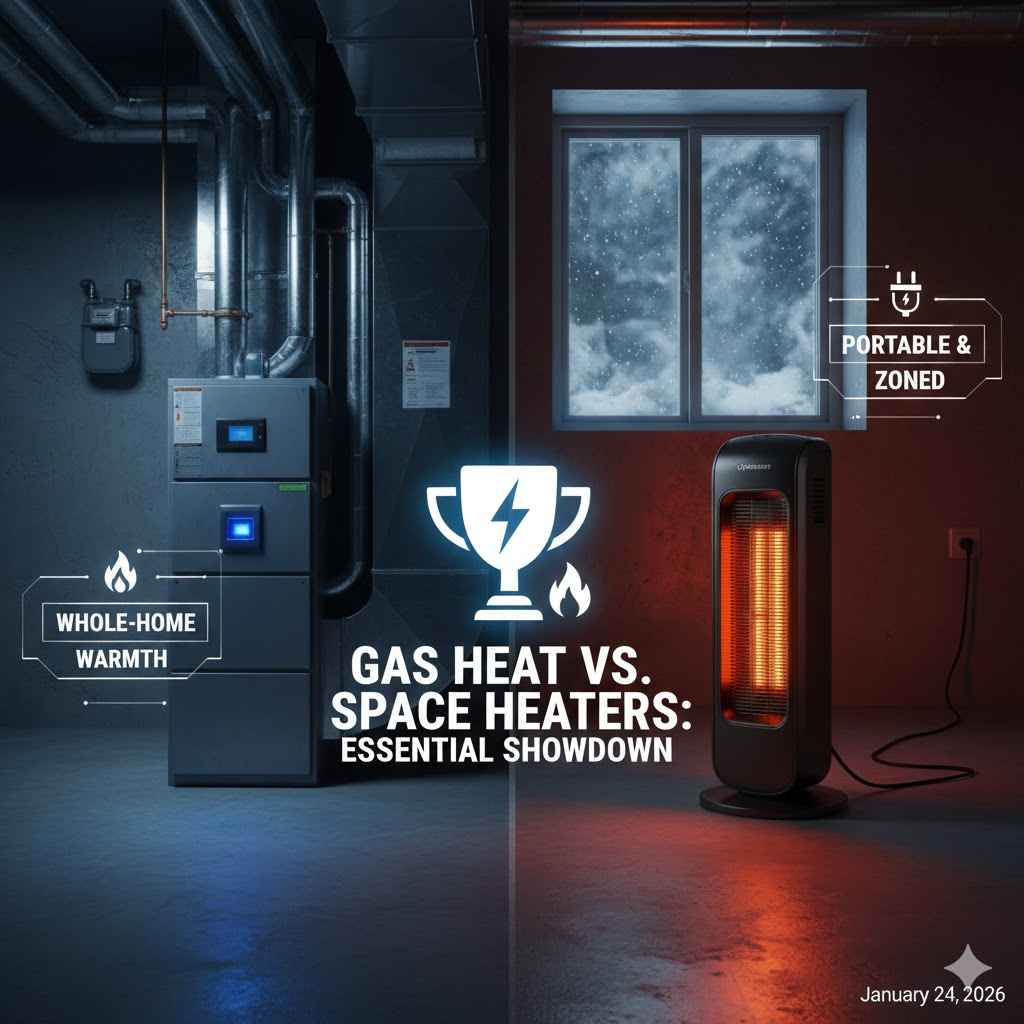
Gas Heat Vs Space Heaters: Essential Showdown
Choosing between gas heat and space heaters comes down to whole-house coverage versus targeted warmth. Central gas heating is best for consistent, powerful whole-home comfort, while space heaters offer flexible, immediate, and affordable zone heating for specific rooms. Your best bet depends on your budget, insulation, and reliance on one room at a time.
For portable or electric heater comparisons, Electric Baseboard Heater Vs Gas Heat gives readers another helpful angle before buying or using one.
For portable or electric heater comparisons, Combustion Vs Electric Space Heaters: Showdown gives readers another helpful angle before buying or using one.
For portable or electric heater comparisons, Electric Baseboard Heaters Vs Gas Heat: , Affordable gives readers another helpful angle before buying or using one.
Trying to choose the right way to warm your home can feel like a big, confusing decision. Will you rely on the steady power of your central gas furnace, or grab the convenience of a trusty space heater?
For many of us, tackling cold spots or controlling monthly bills starts right here—at the heating selection. It’s easy to feel overwhelmed by the choices, but you don’t need to be an HVAC expert to make the right call for your comfort and wallet.
I’m Tanim, and I’m here to walk you through exactly what each system offers. We will break down gas heat and space heaters side-by-side, looking at cost, safety, and overall coziness. Get ready to clear the air and choose the best warmth for your space!
Understanding Whole-Home Comfort: The Gas Heating System
Central gas heating, usually using a furnace or boiler, is the powerhouse behind most comfortable homes. It’s designed to deliver consistent, even warmth to every corner of your house using natural gas or propane as fuel.
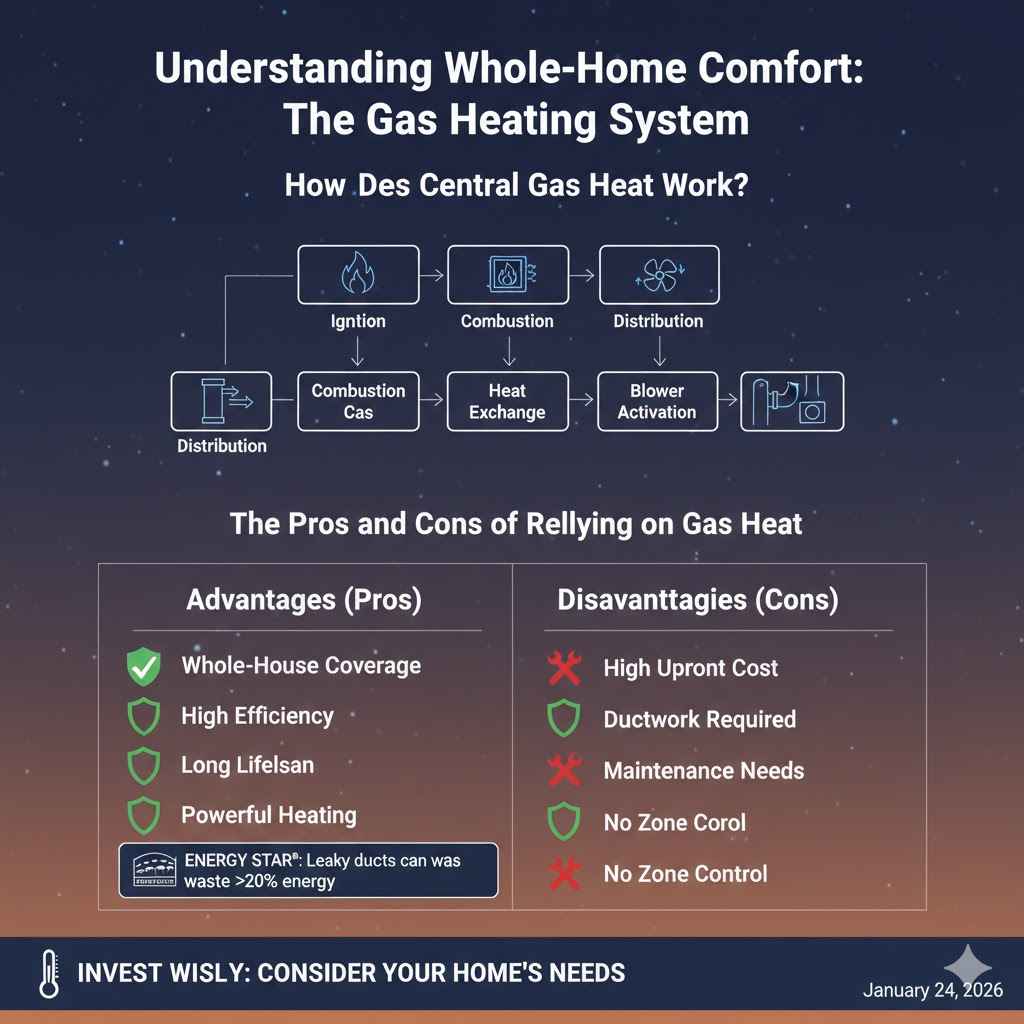
How Does Central Gas Heat Work?
The process is straightforward but highly effective:
- Ignition: The thermostat signals the furnace that the house needs warmth.
- Combustion: Gas is mixed with air and ignited in the burner chamber, creating heat.
- Heat Exchange: This heat warms up a metal component called the heat exchanger.
- Blower Activation: A fan blows cool air over the hot heat exchanger.
- Distribution: The warmed air is pushed through ducts (or hot water/steam through pipes for boilers) and released through vents into your rooms.
The Pros and Cons of Relying on Gas Heat
Gas heating systems are an investment, so weigh the benefits against the drawbacks carefully.
Advantages (Pros)
- Whole-House Coverage: Delivers predictable, even heat to every connected room.
- High Efficiency: Modern condensing gas furnaces can achieve high Annual Fuel Utilization Efficiency (AFUE) ratings, meaning they convert most of the fuel into usable heat.
- Long Lifespan: A well-maintained gas system can last 15 to 20 years or more.
- Powerful Heating: Great for quickly recovering harsh drops in outdoor temperature.
Disadvantages (Cons)
- High Upfront Cost: Installation costs are significant, especially if switching from electric or adding ductwork.
- Ductwork Required: Inefficient if ducts leak, which can waste significant energy. According to ENERGY STAR®, leaky ducts in a typical home can account for more than 20% of the energy used for heating and cooling.
- Maintenance Needs: Requires annual professional servicing to ensure efficiency and safety.
- No Zone Control: Tends to heat rooms whether they are occupied or not, unless dampers are installed.
The Quick Fix Solution: Portable Space Heaters
Space heaters are versatile, portable appliances designed to heat small areas or supplement an existing heating system. They plug right into a standard wall outlet and use electricity (though some propane/kerosene models exist, we will focus mostly on common electric types for this showdown).
Common Types of Electric Space Heaters
When you shop for a space heater, you’ll see a few main technologies. Each heats a space slightly differently:
- Convection Heaters (Oil-Filled Radiators): Heat oil sealed inside, radiating gentle, even warmth over time. They are very quiet and retain heat well.
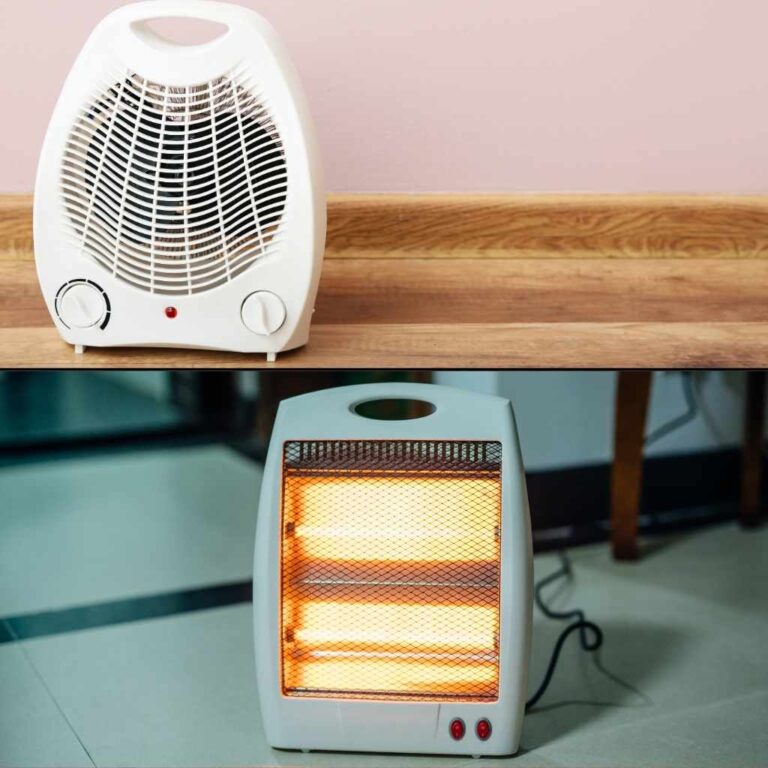
- Ceramic Heaters: Use a heating element covered by a ceramic plate. A fan blows air over the plate, providing fast, directional heat. They are typically compact and safer due to surface cooling technology.
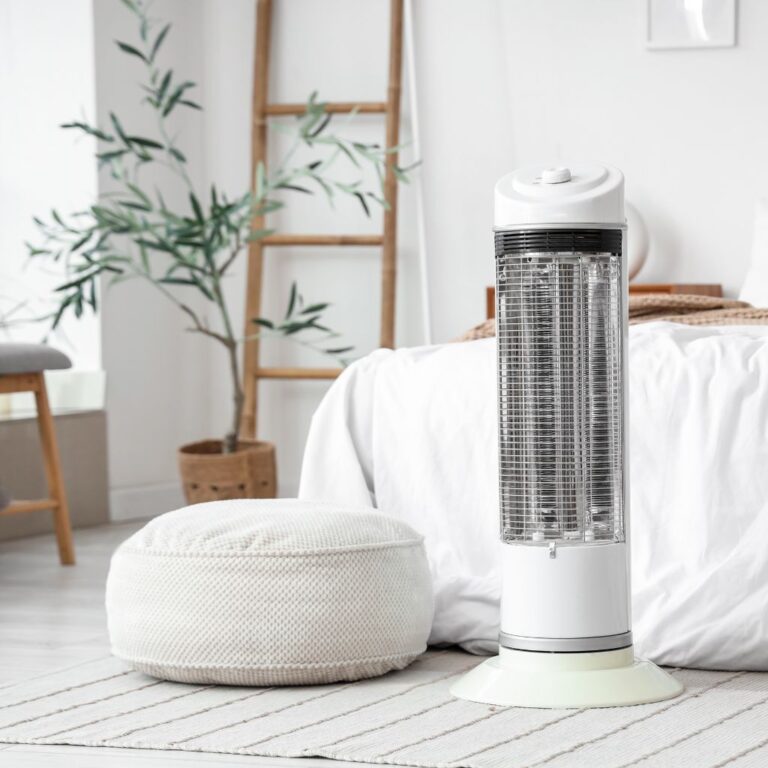
- Infrared/Radiant Heaters: Heat objects and people directly in their path, rather than heating the air first. They provide instant warmth but only where the beam is pointed.
The Pros and Cons of Using Space Heaters
Advantages (Pros)
- Portability and Flexibility: Move them from the basement workshop to the home office as needed.
- Affordable Start-Up: The initial purchase price is low, often under $100.
- Zone Heating: Perfect for warming up one specific room you are currently using, potentially saving money on your central heating bill.
- No Installation: Just plug them in and turn them on!
Disadvantages (Cons)
- High Running Cost (Per Unit of Heat): Electricity often costs more per BTU (British Thermal Unit) than natural gas. Running too many can skyrocket your electric bill.
- Safety Concerns: They introduce a significant fire risk if placed too close to flammable materials or if the cord is damaged. Always look for safety certifications like UL listing.
- Limited Coverage: Even the most powerful models struggle to heat large, open-plan areas or poorly insulated rooms effectively.
- Circuit Overload Risk: Plugging high-wattage heaters into extension cords or shared circuits can overload wiring and trip breakers.
The Direct Showdown: Gas Heat vs. Space Heaters
To help you see the differences clearly, let’s break down the fight factor-by-factor in a practical comparison table. This helps you decide which tool fits which job.
Comparison Table: Gas Furnace vs. Electric Space Heater
This table focuses on typical residential usage scenarios.
| Feature | Central Gas Heating (Furnace) | Electric Space Heater (Typical) |
|---|---|---|
| Primary Function | Whole-house environmental control | Targeted, temporary room warming |
| Fuel Source | Natural Gas or Propane | Electricity |
| Upfront Cost | High (Installation required, $4,000 – $9,000+) | Low ($30 – $150) |
| Heat Distribution | Even, consistent throughout ducts/vents | Localized (radiant) or room-by-room (forced air) |
| Energy Efficiency (Cost to Run) | Generally lower cost per BTU generated | Generally higher cost per BTU generated |
| Safety Considerations | Carbon Monoxide risk (needs annual inspection) | Fire risk (needs clear space, good wiring) |
| Maintenance | Required annual professional check-up | Occasional cleaning of filters/vents |
Deciding on Fuel Costs: Gas vs. Electricity
This is often the biggest factor for homeowners. While a gas furnace is expensive to install, the fuel itself (natural gas) is usually much cheaper per unit than electricity for heating. Heating uses a vast amount of energy.
Think of it this way: If you used a 1,500-watt space heater for 8 hours a day during a cold month, that adds up fast on your electric bill. Conversely, a highly efficient gas furnace using relatively cheap gas might cost you less overall to heat the entire home.
Tanim’s Tip: For reliable, long-term heating of the entire house, gas usually wins on monthly operational cost. For supplementary heat only a few hours a day, a space heater keeps things simple.
When to Choose Gas Heat: The Foundation of Warmth
Scenario 1: You Need Consistent, Whole-Home Comfort
If you live in a region with severe, prolonged winters, relying on a central system is non-negotiable for comfort and preventing frozen pipes.
- The Whole Family Benefits: Everyone gets the same level of warmth without moving heaters around.
- Better Air Quality (Often): Modern furnaces (especially those with good filtration systems) help manage air circulation throughout the house.
- It Protects Your Home: Maintaining a baseline temperature prevents structural issues caused by extreme cold penetration.
Scenario 2: Infrastructure is Already in Place
If your home already has ductwork and a functioning gas line, maintaining or upgrading the existing gas furnace is usually more straightforward and cost-effective than ripping out walls to install electric systems or adding complex mini-split infrastructure.
When a Space Heater is Your Best Friend: Targeted Flexibility
Portable heaters shine brightest when you need supplemental or temporary warmth. They are budget-friendly and incredibly versatile when used correctly.
Scenario 3: Heating a Single Room Temporarily
Do you work from home in a spare room that gets chilly in the early morning, but you don’t need the entire house blasted with heat?
A small electric heater warms up that specific zone quickly. By turning down your main thermostat a few degrees and using a space heater just for your office, you can often save money compared to keeping the entire house at a high temperature.
Scenario 4: Renters or Temporary Living Situations
Renters often cannot make permanent installations or system upgrades. A portable electric heater is the perfect non-invasive solution. It provides personal comfort without violating a lease agreement.
Scenario 5: Power Outages (If Using a Generator or Propane Model)
While standard electric plug-in heaters obviously won’t work during a power outage, some specialized, vent-free propane or kerosene heaters are designed for emergency supplemental heat. Caution is paramount here: Always consult manuals and local fire codes regarding ventilation for any combustion-based backup heater. For safety, most experts recommend sticking to battery-powered lighting and checking into whole-home standby generators for safety during extended outages, rather than portable fuel burners for continuous indoor use.
Safety First: Installation and Usage Rules
Whether you choose powerful gas heat or convenient space heaters, safety must always come first. Both systems carry risks if misused.
Gas System Safety Checklist
Because gas systems involve combustion, vigilance is necessary:
- Annual Professional Inspection: This is vital. A licensed technician checks the heat exchanger for cracks (a very serious CO leak risk) and ensures venting is clear. You can find qualified technicians through local utility providers or reputable consumer advocate sites like the Consumers Energy winter safety guidelines (note: specific links may vary by region, but this serves as an example of an authoritative resource).
- Carbon Monoxide (CO) Detectors: CO is odorless and colorless. Install detectors on every floor and especially near sleeping areas. Test the batteries twice a year.
- Keep Vents Clear: Ensure outside exhaust vents are free of snow, ice, or debris that could block the fumes from escaping completely.
Space Heater Safety Checklist
Space heaters are extremely convenient, but most household fires involving them are due to improper placement.
Follow the “Three-Foot Rule” strictly:
- Keep the heater at least 3 feet (1 meter) away from anything flammable: Curtains, bedding, furniture, paper, and pets.
- Never use an extension cord or power strip. Plug the heater directly into a wall outlet dedicated to that circuit if possible, as they draw high amperage.
- Always use models that have automatic tip-over protection and overheat protection. Ceramic heaters are often safer for general household use due to their exterior temperature management.
- Turn them off when you leave the room or go to sleep—never leave them running unattended.
Understanding Energy Efficiency Ratings
When comparing heating systems, efficiency terms can be confusing. Here’s what they mean in plain English:
Furnace Efficiency (AFUE)
AFUE stands for Annual Fuel Utilization Efficiency. This is a percentage showing how much of the fuel you buy is converted into heat for your home.
- 80% AFUE: Older, standard efficiency. 20 cents of every dollar spent on gas is lost up the chimney.
- 90% + AFUE: High-efficiency condensing furnace. These recapture heat that would normally escape, making them far more wallet-friendly in the long run.
Space Heater Efficiency (Measured by Heat Output)
Electric space heaters are generally rated at or near 100% efficiency at the point of use—meaning almost all the electricity drawn is turned into a measure of heat (BTUs).
Wait, then why is electric more expensive?
While the technology is 100% efficient at converting electricity to heat, electricity itself is an expensive primary energy source when compared to the bulk cost of natural gas entering your home. You are paying more for the energy regardless of the conversion process.
Installation Considerations: Doing It Yourself vs. Hiring a Pro
Gas Furnace Installation
This is strictly a job for licensed professionals. Working with gas lines, venting, and complex electrical hookups requires expertise to prevent dangerous leaks or appliance malfunctions. Hire an HVAC contractor certified to handle gaseous fuel systems in your jurisdiction.
Space Heater Deployment
Deployment is simple, but placement requires thought:
- Circuit Check: Ensure the outlet you choose is not powering anything draw heavy (like a washing machine). High-draw appliances risk tripping the breaker when sharing a circuit with a 1,500-watt heater.
- Find Stable Ground: Place the heater on a level, hard surface—never on top of thick carpet or rugs, which can block airflow or pose a fire risk beneath the unit or to the cord.
- Airflow Path: Position ceramic or convection heaters where air can circulate freely around them, maximizing the warming effect in the room.
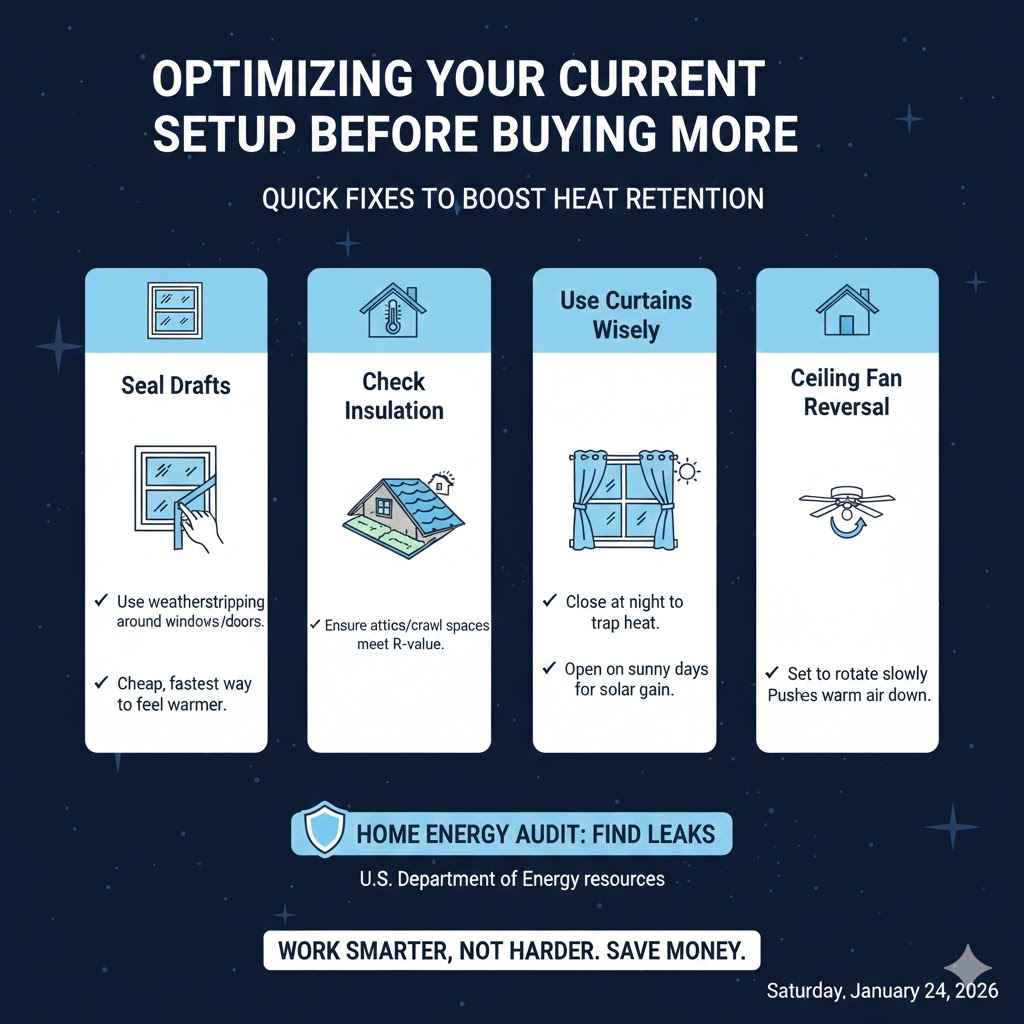
Optimizing Your Current Setup Before Buying More
Before investing heavily in a new system or buying several space heaters, check if you are losing heat unnecessarily. Making smart improvements can dramatically reduce your need for extra boosting.
Consider checking thermal efficiency ratings, perhaps through a Home Energy Audit. Organizations often partner with local utility companies, such as those overseen by the U.S. Department of Energy’s resources on home energy audits, to pinpoint exactly where your home is leaking heat.
Quick Fixes to Boost Heat Retention
- Seal Drafts: Use weatherstripping around windows and doors. This is cheap and one of the fastest ways to feel warmer.
- Check Insulation: Ensure attics and crawl spaces meet current insulation R-value recommendations for your climate zone.
- Use Curtains Wisely: Close heavy curtains or blinds at night to trap the heat the furnace put in during the day. Open them fully on sunny days to capture passive solar gain.
- Ceiling Fan Reversal: Set ceiling fans to rotate slowly clockwise (reverse setting) in the winter. This pushes warm air that has risen back down to the living space without creating a noticeable draft.
Frequently Asked Questions (FAQ) About Heating Showdowns
Q1: Can a space heater safely heat a small apartment (under 500 sq ft)?
A: Yes, a single, high-quality radiant or ceramic heater rated around 1,500 watts can maintain comfort in a very small, well-insulated apartment or studio during moderate cold. However, be extremely mindful of electrical safety and do not run it overnight unattended.
Q2: Is it cheaper to run my gas furnace or use an electric space heater?
A: Generally, it is cheaper on a per-BTU basis to run your central gas furnace because natural gas usually costs less per unit of energy than residential electricity. Space heaters are better for short stints in one area, not continuous whole-home heating.
Q3: Can I run my gas furnace and a space heater at the same time?
A: You technically can, but it’s usually unnecessary and inefficient. If your gas furnace is working well, it should be handling the main heating load. Using a space heater in a room while the furnace is pushing warm air there feels like you are paying twice to heat the same volume of space.
Q4: How often should my central gas furnace be serviced?
A: To maintain safety, efficiency, and warranty validity, central gas furnaces should be professionally inspected and serviced at least once every year, ideally right before the heating season begins (late summer or early fall).