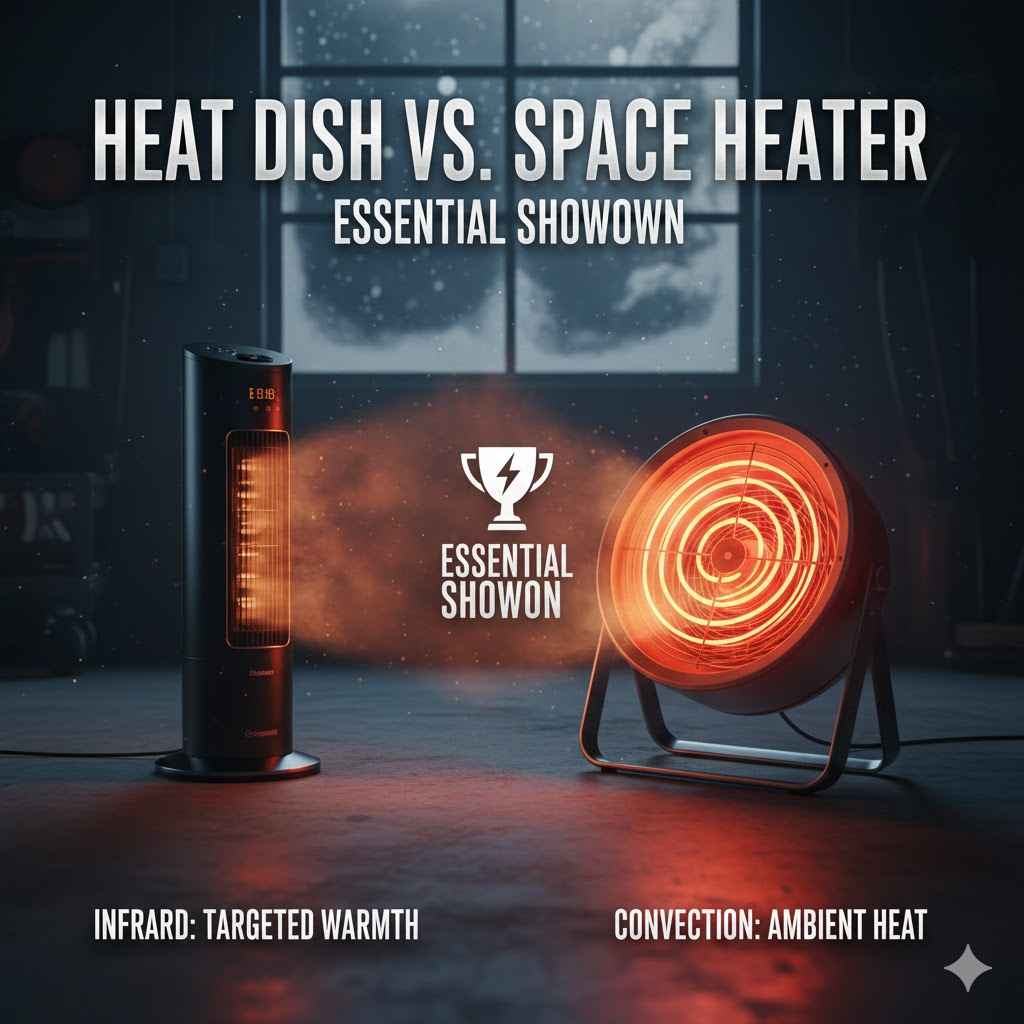
Heat Dish Vs Space Heater: Essential Showdown
For immediate warmth, the best choice often depends on your space: If you need quick, direct, radiant heat for one person, a heat dish (like a fireplace insert or radiant panel) excels. For whole-room, safer, ambient heating, a modern portable space heater (like an oil-filled radiator or ceramic unit) is generally more versatile and efficient. This showdown breaks down which is right for your home.
Are you shivering even when the thermostat is set high? Choosing the right supplemental heater can feel overwhelming. You’ve seen those glowing “heat dishes” advertised for quick warmth, and you’ve definitely considered the trusty portable space heater. It’s hard to know which one offers the best bang for your buck, especially when safety and energy costs are on your mind.
Don’t worry! Picking the perfect heater doesn’t require an engineering degree. I’m Tanim, and I’m here to walk you through the differences between heat dishes and standard space heaters in the simplest way possible. We will look closely at how they heat, how much they cost, and where each one shines best. Get ready to choose your ideal warmth solution and finally enjoy a cozy home!
Understanding the Basics: How Heat Moves
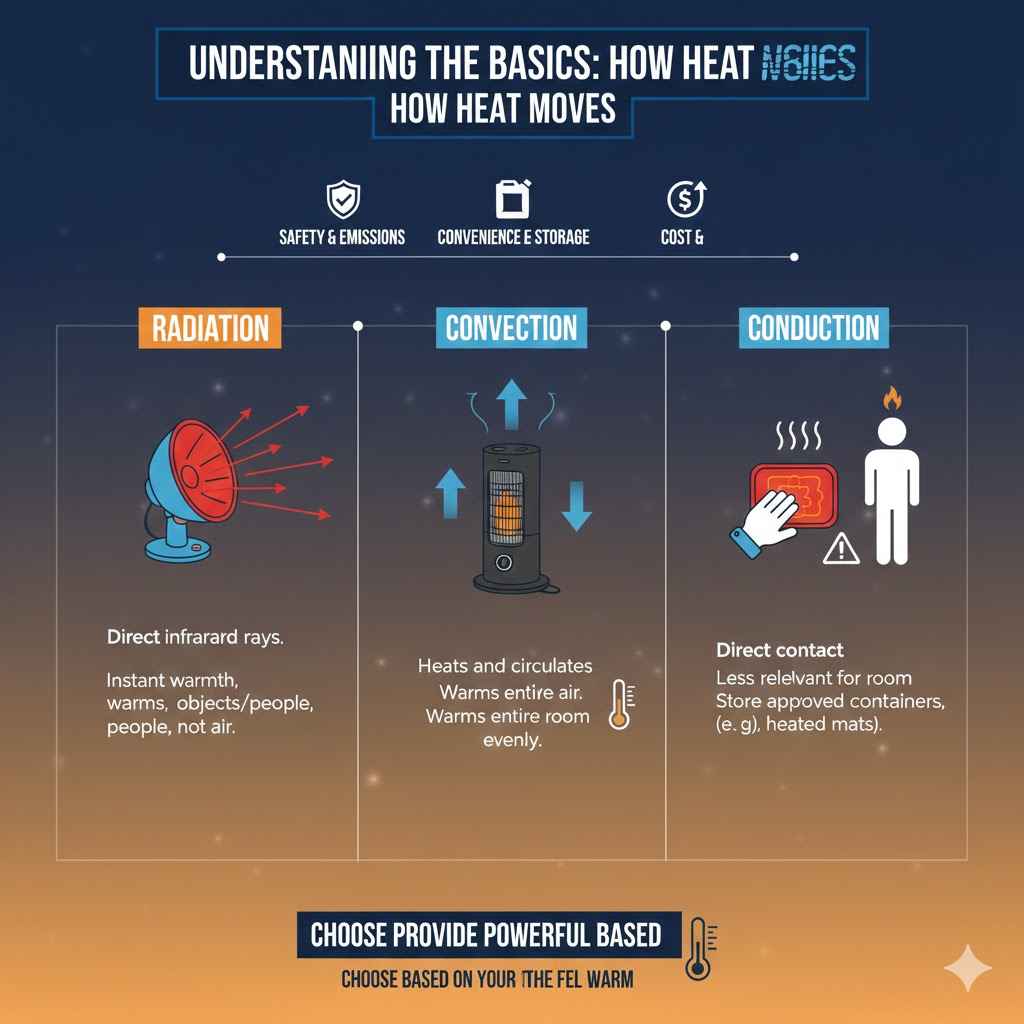
Before we dive into the showdown, let’s quickly cover how things get warm. Heaters use methods to transfer heat energy into your room. Knowing these three methods makes choosing a heater simple:
- Radiation: This is like the sun or a campfire. The heat travels directly to you via infrared rays. You feel warm instantly, even if the air around you is cool. Heat dishes specialize in this.
- Convection: This heats the air. Cool air is warmed by the unit, rises, circulates the room, and eventually cools down to be reheated. Most space heaters use this method to warm an entire room evenly.
- Conduction: This transfers heat through direct contact—think touching a hot stove (which we never recommend!). This is less relevant for room heating unless you are talking about heated mats.
What Exactly is a Heat Dish (Radiant Heater)?
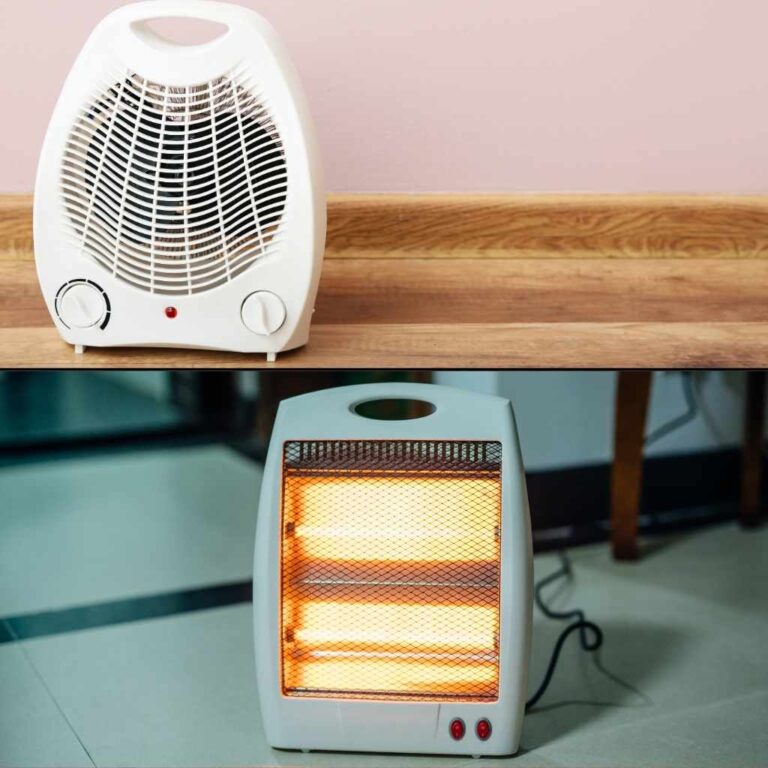
When people say “heat dish,” they are usually referring to a type of radiant heater. These units generate heat and project it forward, acting much like a small, personal sun shining directly onto you and any nearby surfaces.
They rely heavily on the principle of radiation. They often use quartz tubes or carbon elements shielded by a reflective dish or grille. They don’t spend much time warming the air; they warm you.
Pros and Cons of Heat Dishes
Heat dishes are fantastic for zoning in on personal warmth, but they have clear limitations compared to conventional heaters.
The Upside (Pros):
- Instant Heat: The moment you turn one on, you feel the warmth directly on your skin.
- Energy Efficiency for Spot Heating: Since they don’t waste energy trying to heat empty air volume, they are very efficient if you only sit directly in front of them.
- Quiet Operation: Many models are silent or produce only a low hum.
- Portability: They are usually lightweight enough to move from the living room to the home office easily.
The Downside (Cons):
- Limited Coverage: If you move out of the direct line of sight, the heat is gone almost instantly. They do very little to raise the ambient temperature of the room.
- Safety Concern (Surface Heat): Because they radiate intense heat directly, the front grille or dish surface gets very hot. They require significant clearance from flammable materials and are a higher burn risk, especially around pets or small children.
- Draft Sensitivity: Cold drafts or air movement can easily disrupt the feeling of direct heat.
What is a Standard Space Heater?
A standard space heater is a broad term. It generally refers to portable electric appliances designed to raise the overall temperature of a small-to-medium-sized room through convection or forced air. These come in several main types, each impacting comfort and efficiency differently.
Common Types of Space Heaters
Understanding the types within the “space heater” category is crucial for making the right choice.
- Convection Heaters (e.g., Oil-Filled Radiators): These are filled with heated oil that stays warm long after the unit turns off. They operate quietly by heating the air around them slowly and distributing it evenly throughout the room. They are excellent for steady, comfortable background warmth.
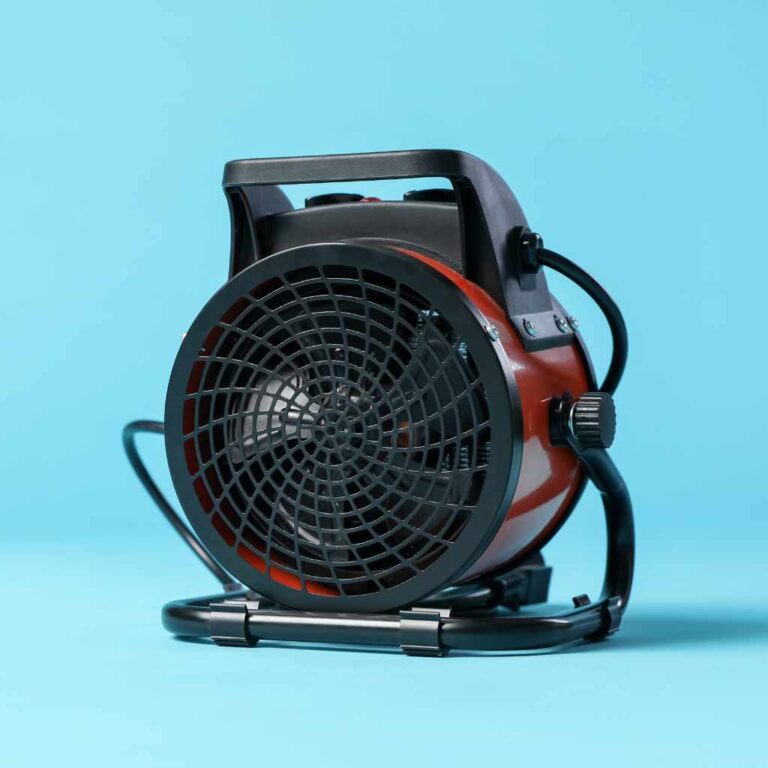
- Fan-Forced Ceramic Heaters: These use ceramic heating elements and a fan to blow heated air out actively. They provide very fast, direct bursts of warmth and are great for quickly taking the chill off a small office or bathroom.
- Infrared/Quartz Heaters (Sometimes confused with Heat Dishes): While they use radiation like a heat dish, they are often designed to heat a slightly larger area than a direct dish, but still focus on people/objects over air volume.
Pros and Cons of Space Heaters (General)
Space heaters are the workhorses of supplemental heating, offering versatility but sometimes lacking the instant gratification of a heat dish.
The Upside (Pros):
- Whole-Room Heating: Effective at raising the actual ambient temperature in a contained area.
- Safety Features: Most modern units include tip-over protection and overheat protection. Many fans/ceramic units keep the exterior surface cooler than a radiant dish.
- Zoning Control: Allows you to keep your main furnace temperature lower while heating only the rooms you actively use.
- Variety: You can select models based on cost, noise level, heating method, and size requirements.
The Downside (Cons):
- Slower to Heat Up: Convection-style models take time to warm the air in the room.
- Noise: Fan-forced heaters can produce noticeable noise, which might be distracting.
- Energy Usage: If run constantly on high in a large, poorly insulated space, they can still noticeably increase your electricity bill.
The Head-to-Head Showdown: Heat Dish vs Space Heater
This section directly compares the two options across the criteria most important to homeowners: speed, coverage, efficiency, and safety.
Comparison Table: Which Heats Best for Your Need?
Use this chart to quickly visualize where each heating method wins:
| Feature | Heat Dish (Radiant) | Space Heater (Convection/Fan) |
|---|---|---|
| Core Heating Method | Radiation (Direct energy to objects/people) | Convection (Warms the air first) |
| Speed of Comfort | Instant (Seconds) | Slow to Moderate (Minutes) |
| Area Coverage | Very Narrow, direct line only | Wide, can cover an entire small room |
| Best For | Sitting still, working at a desk, warming hands/feet quickly | Maintaining a constant ambient temperature |
| Exterior Temperature Risk | High surface heat (Red hot elements) | Generally much cooler exterior surfaces (especially oil-filled) |
| Energy Use (Per hour) | Usually modest wattage, efficient for personal use | Varies widely; can draw higher wattage for full room heating |
When to Choose a Heat Dish (The Spot Specialist)
A heat dish is the superior choice when you prioritize immediate warmth directed at a very specific area, and you don’t care much about the air temperature in the rest of the room.
Consider a heat dish if you:
- Need to quickly warm up right before jumping out of the shower.
- Are working at a drafting table or workbench and need concentrated heat directed only at you.
- Only need supplemental heat for short bursts, like during morning coffee.
Remember safety! Because these units project high radiant heat, always check local fire codes regarding clearance. The U.S. Fire Administration strongly advises keeping all portable heaters at least three feet away from anything that can burn. Learn more about safe heater usage from reliable sources like the CDC regarding general heat controls, though specific radiant heater rules apply.
When to Choose a Space Heater (The Room Warmer)
The general space heater—especially the convection or oil-filled variety—is the smarter pick when the goal is comfort for a prolonged period or warming everyone in a defined space.
Choose a space heater if you:
- Need to eliminate the chill from a bedroom before sleeping (oil-filled models excel here due to quiet, steady heat).
- Are heating a home office or den where you spend several hours at a time.
- Have pets or young children where keeping exterior surface temperatures lower is a priority.
- Struggle with drafts, as convection heat is less affected by small air movements than direct radiant heat.
Making the Smart Choice: Wattage and Energy Efficiency
Both heating methods typically pull a similar amount of electricity when running at maximum capacity—often between 1,000 and 1,500 watts. However, how they use that energy determines efficiency.
A key step in managing your energy bill is correctly sizing your heater to the room. Wattage dictates power, and power dictates cost.
Sizing Your Supplemental Heat Source
A good rule of thumb helps estimate the wattage needed for decent heating:
- You generally need about 10 watts of power per square foot of space.
- For a 10 ft x 10 ft room (100 sq ft), you should look for a heater rated at 1,000 to 1,500 watts.
If your heat dish only blasts 750 watts, it will feel great sitting 12 inches away, but it won’t tackle a chilly 200 sq ft basement adequately. Conversely, if you use a powerful 1,500-watt convection space heater to warm just your hands at your desk, you are wasting the energy used to blow air you aren’t feeling.
Calculating Operating Costs
To keep things simple, converting watts to hours used is vital for budgeting.
Formula: (Heater Wattage / 1000) x Hours Used x Your Electricity Rate ($/kWh) = Total Cost
Let’s run a sample scenario for continuous overnight use (8 hours) at an average U.S. electricity rate of $0.15 per kWh:
| Heater Type | Setting (Watts) | Running Time | Estimated 8-Hour Cost |
|---|---|---|---|
| Heat Dish (Targeted Use) | 1,000W | 2 hours/day | $0.15 x 2kWh = $0.30 |
| Space Heater (Ambient Use) | 1,500W | 8 hours/day | $1.80 (8 x 1.5kW x $0.15) |
This example shows that while the upfront cost to buy might be similar, the usage pattern dictates your true operating expense. Using a heat dish only when stationary saves money compared to running a large convection unit all night.
Safety First: Features to Look for in Both Types
Whether you lean toward the direct warmth of a heat dish or the ambient spread of a space heater, safety features are non-negotiable. Being my friend, Tanim, means you understand that coziness should never compromise security.
Always look for these essential safety components, regardless of which style you purchase:
Mandatory Safety Checklists
For Heat Dishes (Radiant):
- Tip-Over Shutoff: Essential. If the dish falls, it must instantly cut power.
- Protective Grille: The front mesh should be sturdy enough to prevent accidental direct contact with the glowing element, though caution is still paramount.
- Uncluttered Zone: Check the manual for the required distance to curtains, furniture, and walls (often 3 to 6 feet).
For Space Heaters (Convection/Fan):
- Automatic Shutoff (Overheat Protection): The unit must sense when its internal temperature gets too high and power down immediately.
- Tip-Over Switch: Just as crucial as with radiant heaters.
- Adjustable Thermostat: Allows the unit to cycle off once the desired temperature is reached, preventing continuous running and saving energy.
- Cool-Touch Exterior (For plastic/ceramic models): Ensures the outer shell doesn’t become a serious burn hazard.
For further established safety guidelines regarding all residential heating appliances, consulting resources from the National Fire Protection Association (NFPA) is always wise.
Installation and Usage: Getting Started Easily
The beauty of both these units is they require virtually no installation. You plug them in, and you’re ready to go. However, proper setup ensures peak performance and safety.
Step-by-Step Setup Guide for Your New Heater
Follow these simple steps once you’ve decided which heater fits your needs:
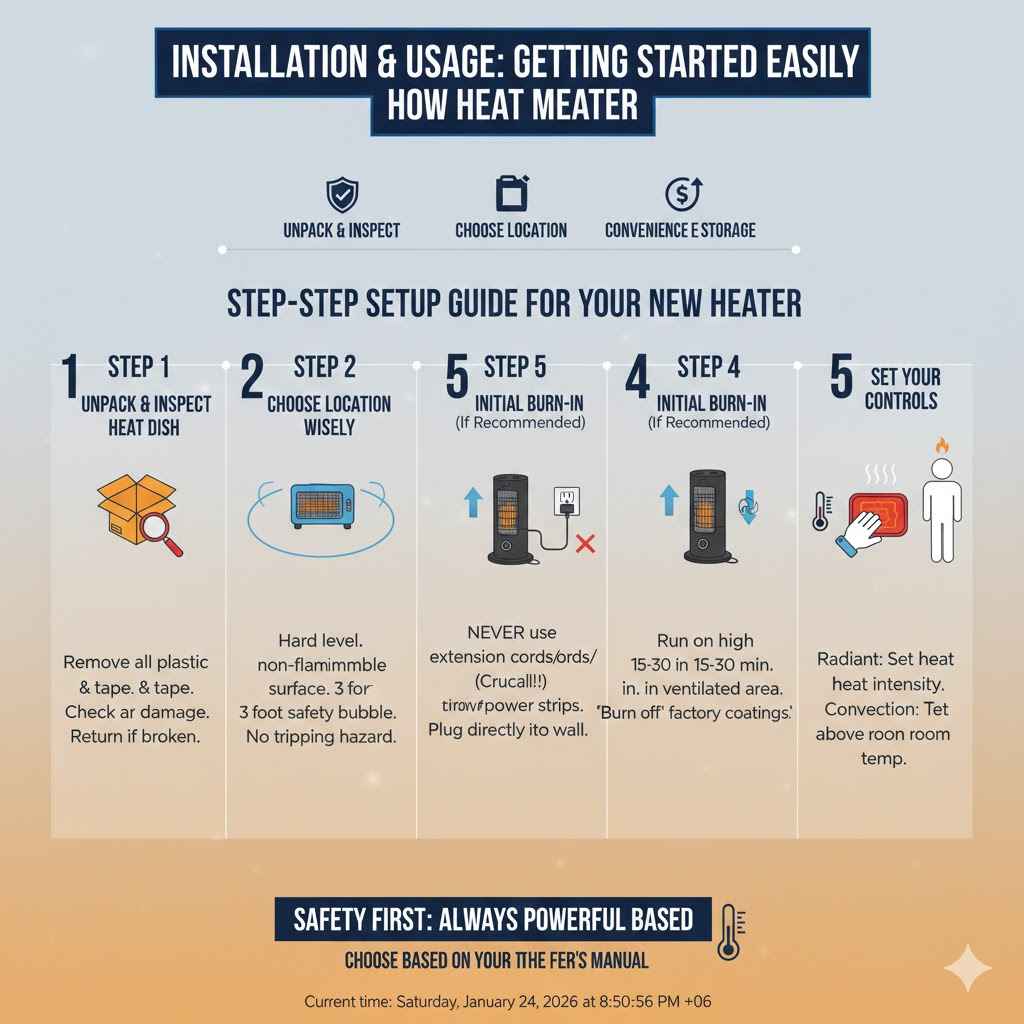
Step 1: Unpack and Inspect
Remove all plastic wrapping, tape, and cardboard. Look for any loose screws or damage during shipping. If anything seems broken, return it to the store immediately.
Step 2: Choose the Location Wisely
- Place the unit on a hard, level, non-flammable surface (like tile or hardwood), never directly on carpet unless the manual explicitly permits it.
- Ensure mandatory clearance zones are maintained (the 3-foot safety bubble).
- Verify the unit will not be a tripping hazard or bumped easily by pets or people passing by.
Step 3: Plug It In Correctly (Crucial!)
This is where many beginners run into trouble. Portable heaters draw significant power. Never plug them into an extension cord or a power strip. They must be plugged directly into a wall outlet that is dedicated or heavy-duty enough to handle the load.
Doing so prevents potential fire hazards caused by overloaded circuits or damaged extension cords.
Step 4: Initial Burn-In (If Recommended)
Some new appliances emit a slight burning smell when first used. If your manual suggests running the unit on high for 15–30 minutes in a well-ventilated area to “burn off” protective factory coatings, do this before using it in your main living space.
Step 5: Set Your Controls
For radiant heat dishes, simply turn them to the desired heat intensity. For space heaters with a thermostat, set the dial slightly higher than the current room temperature to begin warming, and then dial it back once you feel comfortable.
When in Doubt: Using Both Heating Methods Together
Sometimes, the “vs” really means “and.” For ultimate comfort across varying temperature swings, you can use both a heat dish and a space heater successfully, provided you manage your electrical load carefully.
Here is a comfortable co-existence strategy:
- The Base Layer (Space Heater): Set a quiet, efficient oil-filled radiator (a type of space heater) to a low or medium setting to keep the general ambient air temperature in the room stable (e.g., 65°F).
- The Targeted Boost (Heat Dish): When you sit down to read or work, turn on the radiant heat dish directly facing you for that immediate, toasty feeling.
By layering them, you get steady, whole-room comfort from the convection unit and instant radiant relief exactly where and when you need it, maximizing both energy efficiency and personal warmth.
Frequently Asked Questions (FAQ)
Q1: Which device uses less electricity, a heat dish or a space heater?
A: They often draw the same maximum wattage (1,500W). The heat dish is more efficient for personal use because you turn it off once you move away.