Electric Space Heaters Vs Gas Heat: Proven Best
Choosing between electric space heaters and gas heat hinges on your needs: electric offers instant, portable warmth ideal for small areas and renters, while natural gas provides powerful, whole-home, and often cheaper operational heating, though it requires professional installation.
Electric Space Heaters Vs Gas Heat: The Proven Best Guide for Cozy Comfort
Trying to heat a chilly room can feel like a guessing game. Maybe you’re looking for a quick fix for a drafty office, or perhaps you’re wondering if you should upgrade your main furnace. When you compare electric space heaters vs gas heat, the details can feel overwhelming. Should you plug something in, or invest in a bigger system? Don’t worry!
Choosing the right heat source doesn’t need to be stressful. We are going to clear up all the confusion—right now. I’m Tanim, and I’ll walk you through everything you need to know. We’ll compare safety, cost, setup, and comfort, helping you decide exactly what will keep your home warmest this season. Get ready to feel confident about your choice!
Understanding the Contenders: What They Are and How They Work
Before diving deep into “best,” let’s get a clear picture of what we are comparing. We have two main types of supplemental or primary heating systems:
Electric Space Heaters: Plug-and-Play Warmth
Electric space heaters are the champions of convenience. They take the electricity running through your wall outlet and turn it directly into heat. There’s no fire, no flame, and usually very little setup.
They heat their immediate surroundings very effectively and are perfect for topping up the warmth in a specific spot.
Types of Electric Heaters to Know:
- Convection Heaters: These warm the air slowly, circulating it around the room for even heating. Great for quiet, steady warmth.
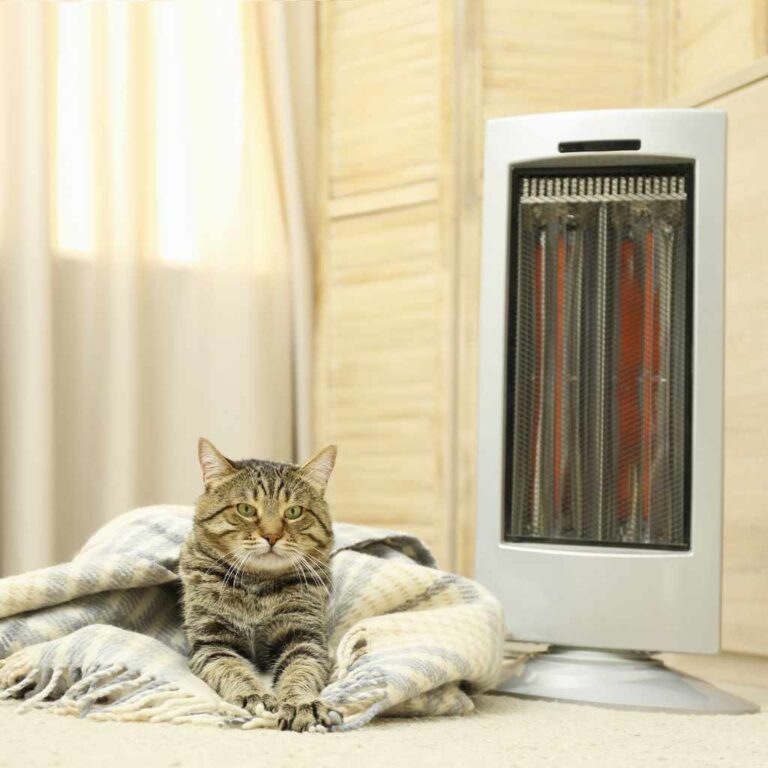
- Radiant (Infrared) Heaters: These use infrared rays to warm objects and people directly, much like the sun. They provide instant warmth where you are sitting.
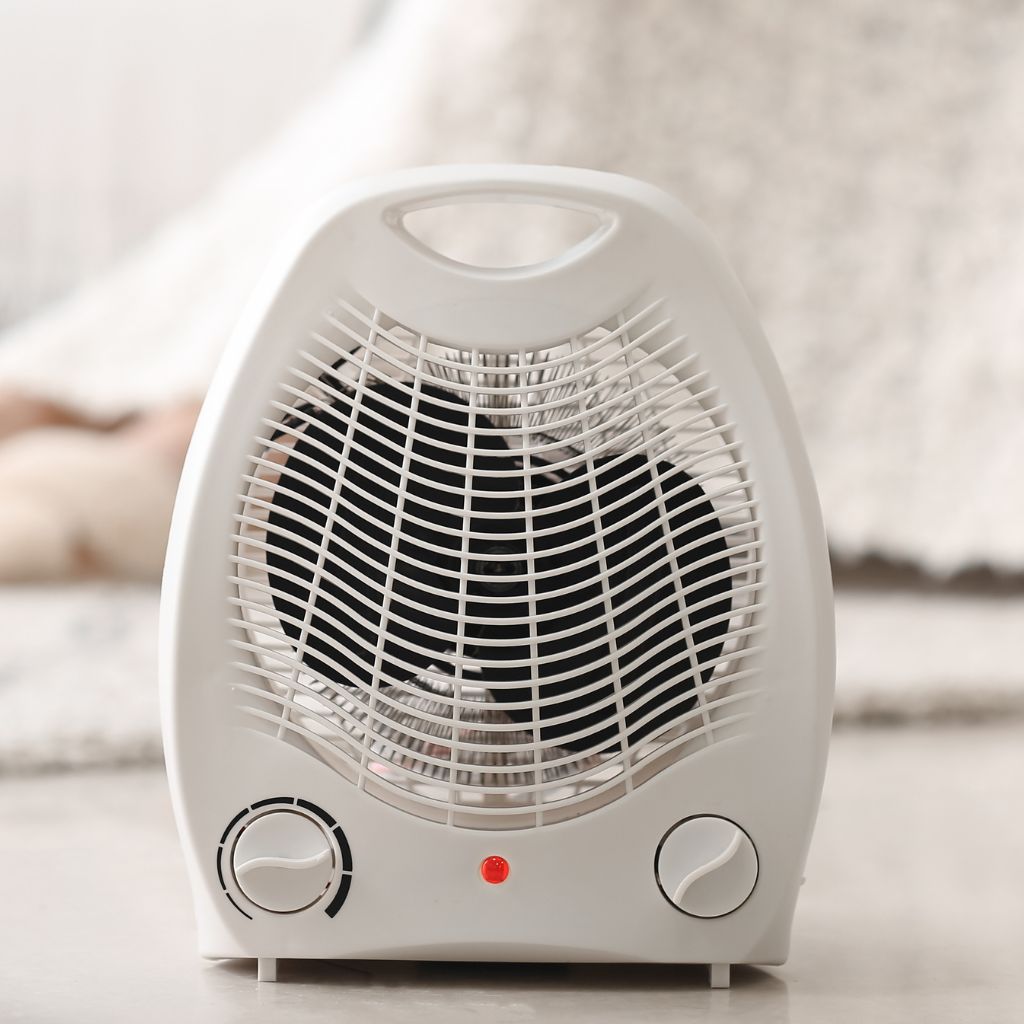
- Fan-Forced Heaters: These use a small fan to blow air over an electric heating element, warming the space quickly.
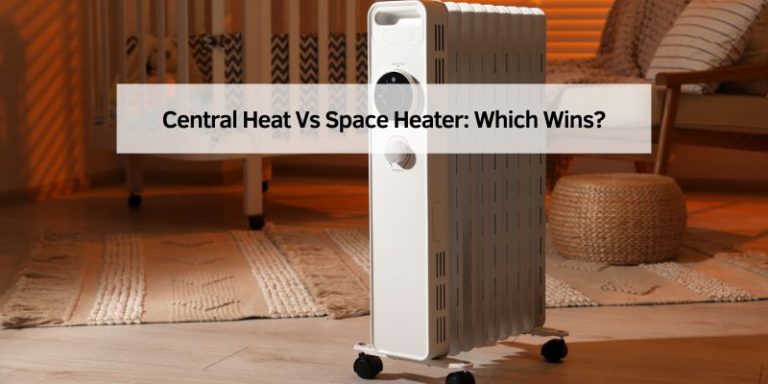
- Oil-Filled Radiators: These are silent and use heated, sealed oil to radiate heat long after the unit turns off.
Gas Heat: The Power of Combustion
Gas heating primarily relies on burning a fuel—usually natural gas or propane—to create heat. This hot air is then distributed throughout your home, usually through vents or ducts connected to a central furnace or boiler.
Gas units run on a larger fuel line and are designed for whole-home comfort, not just a single corner.
Key Gas Systems:
- Forced-Air Furnaces: Burn gas, heat air, and push it through ducts. Very common in modern homes.
- Boilers: Burn gas to create hot water or steam, which then heats radiators or baseboard units.
- Vented Wall Heaters: Smaller, sealed units installed directly into a wall that use gas combustion but vent safely outside.
The Big Comparison: Electric Space Heaters Vs Gas Heat
The “best” choice depends entirely on your situation. Are you heating one room, or the entire house? Do you own your home or rent? Let’s break down the core differences focusing on what matters most: cost, speed, safety, and setup.
1. Initial Cost and Installation
This is where electric heaters really shine for beginners.
| Factor | Electric Space Heater | Gas Heat (Central System) |
|---|---|---|
| Initial Purchase Price | Very Low ($30 – $150) | High ($3,000 – $8,000+) |
| Installation Effort | None (Plug in and go) | High (Requires professional ductwork or gas line connection) |
| Portability | Excellent (Move it anywhere) | None (Fixed system) |
If you need immediate, low-investment heat, the electric space heater wins hands down. Gas systems are a major commitment, an investment in your home’s core infrastructure.
2. Operational Cost & Energy Efficiency (The Running Bill)
While electric units cost less to buy, gas often wins on day-to-day running costs, especially in colder climates.
Electric Running Costs
Electricity is billed per kilowatt-hour (kWh). Every electric heater draws a lot of power. A typical 1500-watt heater running for 24 hours can put a significant dent in your monthly bill if used continuously.
Pro Tip: Electric heat is 100% efficient at the point of use (all electricity converts to heat), but generating that electricity at the power plant often involves burning fuels, making it less efficient overall than direct fuel use.
Gas Running Costs
Natural gas is typically cheaper per unit of energy (BTU) than electricity. Plus, modern high-efficiency gas furnaces (90% AFUE or higher) use that fuel extremely effectively to heat large volumes of air.
The Cost Decision: For occasional use or spot heating, electric is fine. For maintaining comfort across your entire home during a long winter, natural gas is usually the more budget-friendly fuel source.
3. Heating Speed and Coverage Area
How fast you feel the warmth matters, especially if you walk into a freezing living room in the morning.
Electric Heater Speed
- Spot Heating: Very fast. Infrared heaters warm you instantly. Fan heaters warm the air near them quickly.
- Whole Room Heating: Slower. Convection heaters need time to move air throughout a large space.
They are excellent for rooms under 150 square feet. Don’t try to heat an open-concept 1,500 sq. ft. area with a single space heater; you’ll just blow a fuse!
Gas Heat Speed
- Whole Home Heating: Fast and powerful. Once the thermostat calls for heat, a furnace pushes heated air through ducts quickly to every corner of the house.
- Coverage: Designed to manage large, complex spaces efficiently.
4. Safety Considerations
Safety is non-negotiable. Both have risks, but they are different kinds of risks people need to manage.
Electric Heater Safety Pros and Cons
- Pros: No risk of carbon monoxide poisoning. Most modern units have tip-over shutoff and overheat protection.
- Cons: Fire risk if placed too close to curtains, bedding, or furniture. They also draw a lot of amperage, meaning you need to be careful not to overload antique or poorly maintained electrical circuits. Never use extension cords with high-wattage heaters!
Gas Heat Safety Pros and Cons
- Pros: If properly vented and maintained, modern systems are very safe for continuous operation.
- Cons: Risk of Carbon Monoxide (CO) leaks if the exhaust vent is blocked or damaged. This invisible, odorless gas can be deadly. Requires annual professional inspection.
For beginners, electric is mechanically simpler and eliminates the CO risk. However, gas requires professional maintenance to ensure safety, which is a built-in layer of protection if you hire a good technician.
When is Electric Best? The Situational Advantage
Electric space heaters are the clear winners in several common homeowner scenarios. Think of them as your versatile, on-demand warming solution.
1. Renters and Temporary Heating
If you rent, you likely cannot install a gas line or modify ductwork. An electric space heater is the perfect, landlord-approved way to add local comfort without permanent changes.
2. Spot Heating (Targeted Warmth)
Do you work in a basement shop four days a week? Is your home office always 10 degrees colder than the living room? Instead of cranking up the central gas furnace and overheating everyone else, use an electric heater ONLY where you need it. This saves significant money compared to firing up the whole system.
3. Emergency Backup
During a power outage, modern electric heaters won’t work unless you have a backup generator large enough to power them (which can be costly). However, if you have a backup system that keeps a few critical circuits running, a smaller electric heater can be useful. More importantly, if your gas furnace fails when the electricity is still on, an approved, electrically-powered space heater can offer temporary relief while you wait for a technician.
4. Supplementing Older or Inefficient Systems
If your existing central heating system struggles with distant rooms (like a detached garage office or an upstairs hallway), an electric heater provides targeted boost heat without forcing the main system to run harder.
When Should You Choose Gas Heat? The Whole-Home Powerhouse
Gas heat is the gold standard for primary, whole-house heating for good reasons—primarily power and long-term cost-effectiveness.
1. Year-Round Comfort in Cold Climates
If you live somewhere where temperatures consistently drop below freezing, relying solely on space heaters is impractical, unsafe, and expensive. Gas furnaces are built to deliver steady, high-BTU heat output day and night.
2. Heating Large Square Footage
For homes over 2,000 sq. ft. or multi-story dwellings, gas distribution through ductwork offers the only realistic way to heat the entire structure effectively and evenly.
3. Long-Term Energy Savings
Even though the repair and installation costs are high, the lower cost of natural gas fuel means that over several years of use, the operational savings generally outweigh the upfront investment, especially compared to constantly paying for electricity to run multiple space heaters all winter.
4. Better Ambient Comfort (In Some Systems)
If you have a good modern gas furnace, the heat distributed through ductwork often feels less “aggressive” or hotter than the direct heat from a space heater. It provides a gentle, background warmth that keeps the whole home consistently comfortable at a steady temperature.
Installation and Setup Walkthroughs
This highlights why one option is beginner-friendly and the other requires professionals we trust.
How to Safely Set Up an Electric Space Heater (Beginner Steps)
If you are focusing on electric, follow these simple, vital steps for maximum safety and efficiency:
- Inspect the Unit: Check the manufacturer’s manual to confirm the wattage (usually 1500W). Ensure the cord and housing are undamaged.
- Find the Right Outlet: Plug the heater directly into a dedicated wall outlet. Never use extension cords, power strips, or surge protectors. These devices are not rated for the high, continuous current draw of most space heaters.
- Establish a Safety Zone: Clear a minimum three-foot radius around the heater. Keep drapes, papers, furniture, and pets well away from the heat source.
- Placement Matters: Place the heater on a hard, level, non-combustible surface. Don’t place it where it could block an exit path.
- Set the Controls: Turn the thermostat low initially, check the resulting temperature after 20 minutes, and then adjust as needed. Always ensure the “tip-over” protection feature is working if you move it.
Gas Heat Installation Considerations (Why You Hire the Pro)
We include this section not for you to perform the work, but so you know what questions to ask your HVAC technician. Gas installation is complex because it involves fuel combustion and ventilation.
- Sizing and Load Calculation: A professional must calculate the required BTU output based on your home’s square footage, insulation levels, and local climate data ($text{https://www.energy.gov/eere/buildings/all-about-home-heating-and-cooling}$).
- Fuel Line Connection: A licensed gas fitter must connect the appliance to your existing home gas line safely, checking for leaks.
- Venting: The furnace or heater needs proper venting to push exhaust gases (including CO) safely outside. Improper venting is a major safety hazard.
- Thermostat Wiring: The technician installs and wires the new thermostat to control the furnace efficiently.
Quick Reference: Electric vs. Gas Feature Breakdown
To summarize the practical differences when deciding on electric space heaters vs gas heat, consider this comparison table:
| Characteristic | Electric Space Heater | Central Gas Heat |
|---|---|---|
| Best For | Spot filling cold areas, renters, emergencies. | Whole-home primary heating, consistent large spaces. |
| Comfort Level | Localized; can create hot/cold zones. | Whole-house, even ambient temperature. |
| Maintenance | Minimal (dusting, cord checks). | Annual professional servicing required. |
| Environmental Impact | Depends on the source of electricity generation. | Direct emission of greenhouse gases (though often cleaner now than older oil/coal systems). |
| Noise Level | Can be noisy (fan models) or silent (radiant). | Generally noticeable blower noise when running. |
Safety First: Essential Tips for Portable Electric Heaters
Since many readers will opt for the convenience of plug-in electric options, let’s focus heavily on safe use, as this is where beginners can accidentally create risks.
When Using Your Space Heater:
- Check for Safety Certifications: Only buy heaters that are certified by recognized safety organizations like UL (Underwriters Laboratories). Look for features like automatic shut-off if the unit tips over.
- Monitor Circuit Load: Know your electrical circuits. If you run a microwave, a hairdryer, and a 1500W heater on the same circuit at the same time, you might trip the breaker. Space heaters should generally be the only high-power appliance on a circuit they share with.
- Avoid Bathrooms and Damp Areas: Unless the heater is specifically rated as a damp-location unit (check the label!), keep it far away from water. Electricity and water make a dangerous mix.
- Plug It Directly: I must emphasize this critical rule again: Plug portable electric space heaters directly into a wall receptacle. Extension cords are fire hazards waiting to happen with heaters this powerful.
Making the Decision: Ask Yourself These Three Questions
To simplify where electric space heaters vs gas heat lands for you, answer these three practical questions:
- What is the Scope of the Heat Need? If it’s just one room or a few hours of use, electric is fantastic. If it’s keeping an entire 2,500 sq. ft. house consistently over 70°F all winter, you need gas (or a whole-home electric heat pump).
- What is My Budget for Setup? If your budget is under $100 right now, electric space heaters are your solution. Installing a new furnace can easily be a $5,000 decision.
- Am I Comfortable Managing Maintenance? Gas heating requires scheduling annual inspections by professionals to maintain safe operation. Electric heating requires only simple, regular cleaning by you.
Conclusion: Finding Your Perfect Warmth Solution
Choosing between electric space heaters vs gas heat isn’t about crowning one universal champion; it is about finding the right tool for the right job in your specific home. For instant, flexible, no-installation warmth in individual areas, the electric space heater is unmatched in its simplicity and accessibility. If massive output, whole-home consistency, and lower long-term fuel costs for primary heating are your goals, built-in gas furnace systems are the proven heavyweight performer.
By understanding the upfront costs versus running costs, and respecting the safety needs of each system, you can confidently select the heating option that brings true, affordable, and lasting comfort to your space this season. You now have the clear knowledge to make the best choice for your cozy command center!
Frequently Asked Questions (FAQ) for Beginners
1. Which is cheaper to run monthly, gas or electric heat?
Generally, central natural gas heat is cheaper to run monthly than using multiple electric space