Best Block Heaters for Tractors (2026): We Compared
The best block heaters for tractors match engine access and available power: use a tank or lower-hose heater for easier plumbing, a frost-plug heater for a direct fit, and choose about 400–1,500 watts based on engine size and outlet limits. Wrong fit means harder starts, extra battery strain, and more wear on starter and engine oil. This guide compares heater types by installation access, cold-weather performance, and real jobsite power needs.
Quick comparison
| Product | Badge | Best for | Price | ||
|---|---|---|---|---|---|
 |
Zerostart 3100065 Freeze Plug Engine Block Heater for AMCZerostart | Our pick | 45mm · 600W · 120V | $45.55
Price as of 28 Nov 2026
|
View |
 |
Upgraded 200 Watt Thermostat-Controlled Magnetic EngineNoroeua | Also great | 200W · magnetic · 120V | $39.95
Price as of 28 Nov 2026
|
View |
 |
"Kat’s (16600) 1.5"" Lower Radiator Hose Heater" (16600X)KAT’S | Upgrade pick | 1.5" hose · 600W · thermostatic | $49.99
Price as of 28 Nov 2026
|
View |
 |
Kat’s 24150 150 Watt 4"x 5" Engine Oil Pan Heater (24150X)KAT’S | Budget pick | 4"x 5" · 150W · oil pan | $38.13
Price as of 28 Nov 2026
|
View |
Use this comparison to match heater style to the tractor, not the other way around. The right choice depends on whether you can reach a freeze plug, route a hose, or only get a magnet onto a flat oil pan.
How we chose
These picks are based on fit, power draw, installation difficulty, and whether the heater matches tractor use in subfreezing weather. We also favored electric heaters with clear voltage information and product types that solve real access problems.
Fit comes first because the heater must match the engine opening, the block, and the power you actually have. A unit that warms the wrong part, cannot fit the engine block, or needs more power than your circuit can supply is the wrong purchase even if the wattage looks strong on paper.
Tractor block heater selector table
| Tractor size | Engine access type | Best heater style | Minimum wattage | Power source needs | Installation difficulty |
|---|---|---|---|---|---|
| Small diesel tractor | Flat oil pan or limited under-hood access | Magnetic engine block heater | 300W to 500W | 120V household outlet; outdoor-rated extension cord | Low |
| Small diesel tractor | Freeze plug opening exposed | Frost plug block heater | 500W to 600W | 120V household outlet; cord reach from shed or yard | Medium |
| Mid-size tractor | Lower radiator hose access | Engine coolant pre-heater | 500W to 1500W | 120V household outlet; stronger cord and circuit planning | Medium |
| Large tractor | Freeze plug or coolant circuit access | Engine coolant pre-heater | 1500W to 1800W | Dedicated outlet preferred; long cord use is limited | Medium to high |
| Remote field use | No practical electrical access | Portable magnetic heater only if power is available | 300W class | Generator or nearby 120V source | Low |
What is the best block heater for a tractor?
The best block heater for a tractor is usually the style that fits the engine access you actually have. For a tractor with a reachable freeze plug, a frost plug heater is the cleanest direct fit. For a machine parked near an outlet but hard to disassemble, a magnetic heater is easier. For larger diesel tractors, a coolant pre-heater often makes the most sense because it warms moving coolant, not just one metal surface.
The top pick by use case is the one that reduces cold-start strain without creating a power problem. A 120V heater that cannot reach the tractor, cannot fit the block, or overheats a poor contact point is a weak choice no matter how good the wattage looks.
Magnetic engine block heater: best for portable use
- No tools needed for installation
- Thermostat control with auto shut-off
- Portable for tractors and other equipment
This Noroeua 200W magnetic heater is best for tractors with flat ferrous surfaces and no easy plug access. It is portable, needs no drilling, and its thermostat-controlled auto shut-off makes it useful for short preheat cycles on equipment that sits near a barn outlet.
The main tradeoff is contact quality. Magnetic heaters work best when the surface is clean, flat, and large enough for good heat transfer; curved, oily, or thin panels reduce effectiveness. At 200 watts, it is also a lighter-duty option than the 300W class many buyers expect for cold weather.
Frost plug block heater: best for direct block contact
- Freeze-plug style for direct engine installation
- 5.8-foot cord included
- CSA approved
The Zerostart 3100065 is the best choice when the tractor engine has a compatible 45mm freeze plug opening and you want direct block contact. It is a 600-watt, 120V CSA approved heater with a 5.8-foot cord, so it suits tractors that sit close enough to power and need stronger warming than a magnetic pad provides.
The drawback is installation. A frost plug heater is more permanent and depends on exact engine fit, so you need the right opening and enough access around the block. If the model match is wrong, the part is useless until replaced.
Engine coolant pre-heater: best for larger tractors
- Thermostatically controlled
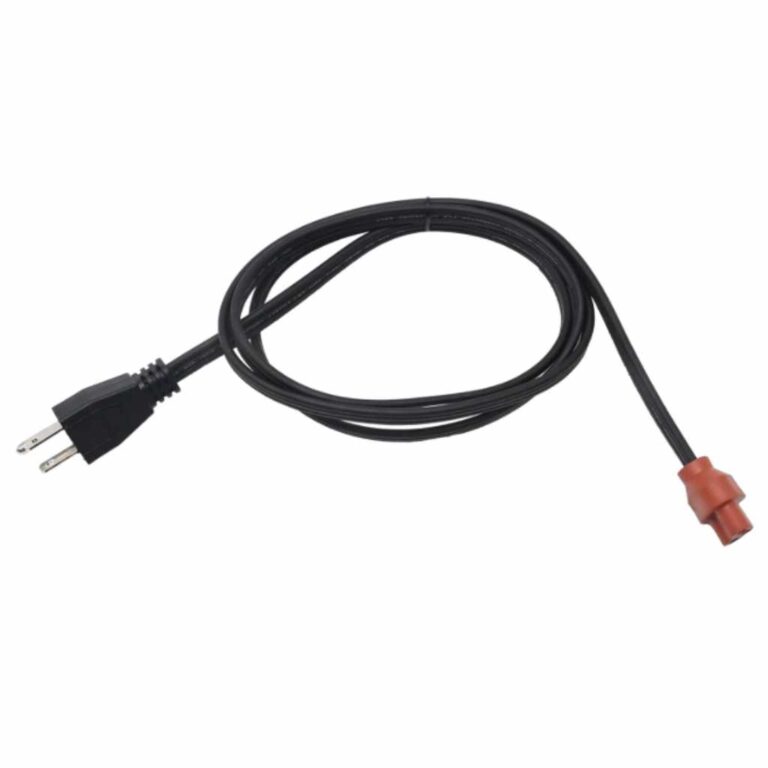
- Permanently attached cord
- Designed for lower radiator hose installation
The Kat’s 16600 lower radiator hose heater is the better fit for many larger tractors because it warms coolant instead of only the metal around a plug or pan. At 600 watts and 120V, it sits in the middle of the power range and uses thermostatic control, which helps it cycle instead of running constantly.
The downside is packaging. Lower-hose heaters need the right hose size and enough room for installation, so hood clearance and hose routing matter. On some tractors, that makes the install harder than a magnetic unit, but the heat transfer is often better suited to heavier diesel engines.
Oil pan heater: best for light-duty warming
- Warms oil or transmission fluid
- Silicone cover resists oil and acid
- Made in the USA
The Kat’s 24150 oil pan heater is a compact option for warming oil or transmission fluid when full block heating is not practical. Its 150-watt draw makes it the easiest on power, and the silicone cover is meant to resist oil and acid exposure.
The drawback is simple: 150 watts is light-duty. It can help with fluid conditioning, but it will not replace a stronger block or coolant heater on a large diesel tractor in severe cold.
Should you choose a magnetic or frost plug heater?
Choose a magnetic heater if you need portability, no-drill installation, or a temporary setup on equipment that changes jobs often. Choose a frost plug heater if the engine has a compatible opening and you want better direct block contact. The frost plug style usually gives more reliable heat transfer, while the magnetic style wins on speed of installation and removal.
A common first-timer mistake is buying a magnetic heater for a tractor that parks far from power. The heater may be easy to mount, but without a reachable 120V outlet and an outdoor-rated extension cord, it cannot do its job. In remote fields, that limitation matters more than the heater style.
Power access matters as much as fit
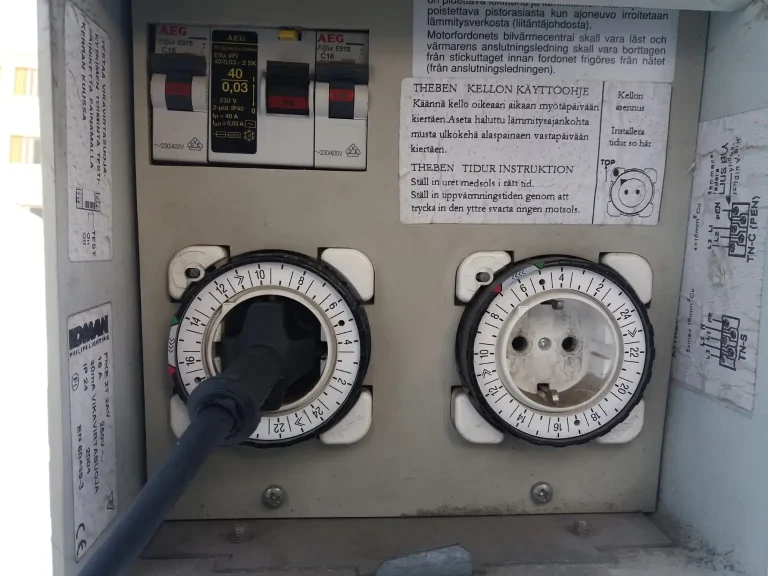
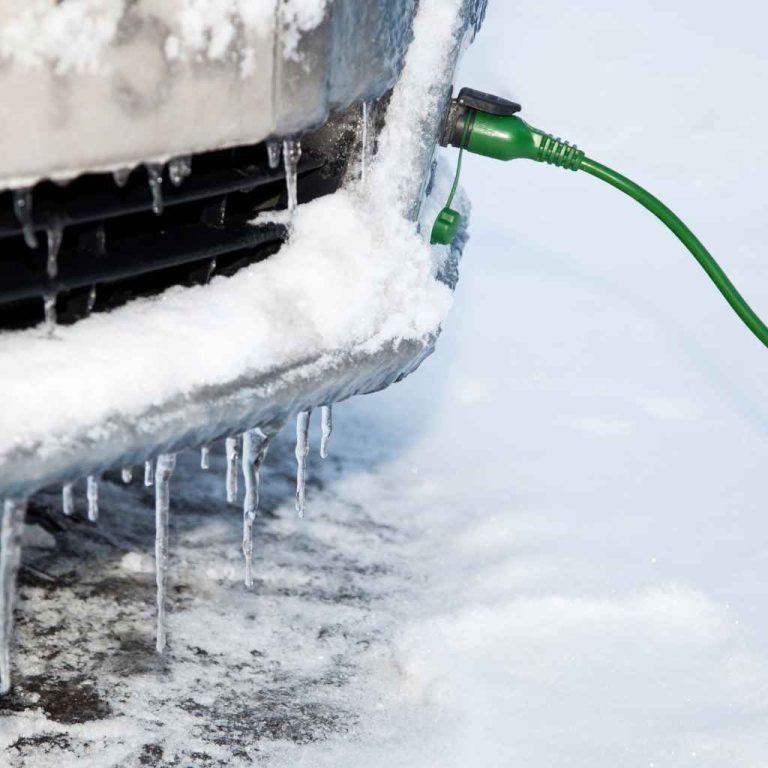
Most tractor block heaters run on 120V AC, which means you need a standard household outlet or a similar supply. That works in a barn or unheated shed with power, but it is far less convenient in a field or at the edge of a yard where cord length becomes the limit.
An outdoor-rated extension cord should be chosen for the load and distance. Long, thin cords waste voltage and can turn a useful heater into a weak one, especially with 1500W or 1800W units. Keep cord routing away from mud, implements, and pinch points.
How many amps does a tractor block heater use?
Most tractor block heaters are commonly reported to draw about 2.5 amps at 300 watts, about 4.2 amps at 500 watts, about 12.5 amps at 1500 watts, and about 15 amps at 1800 watts on 120 volts. That matters because amps determine whether a circuit can handle the heater without nuisance trips or cord heating.
For many buyers, the practical limit is the outlet and the extension cord, not the heater label. A 15-amp heater can be fine on a proper circuit, but a weak outlet, shared barn circuit, or long undersized cord can change the result fast.
Thermostats reduce waste
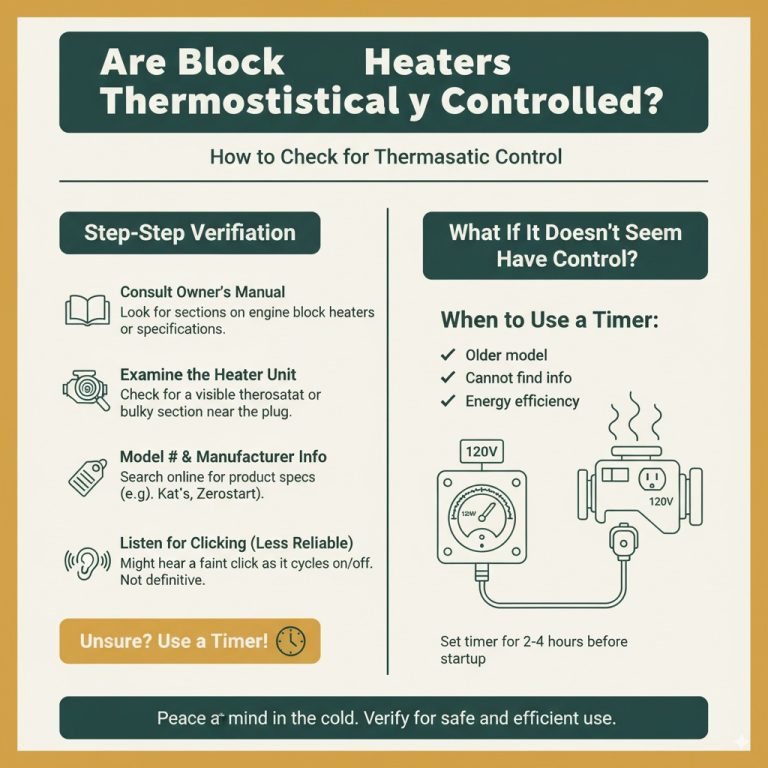
A thermostat matters because it automatically cycles the heater on and off. That reduces wasted electricity and helps prevent overheating, especially on magnetic models that can otherwise run too long against one spot. Thermostatic cycling is useful, but it cannot fix bad placement, a poor contact surface, or a tractor parked too far from power.
Thermostats are most helpful when the heater is already sized and mounted correctly. They improve control; they do not substitute for fit.
What wattage block heater do I need for a tractor?
Higher wattage usually shortens warm-up time, but only if the heater style fits the engine and the circuit can supply it.
Use the coldest conditions you expect, not the mildest. In subfreezing climates, undersizing the heater often means longer cranking, slower oil flow, and more battery load right when the tractor needs help.
Wattage by size and access
-
Start with engine access. If the tractor has a reachable freeze plug, a 600W frost plug heater is a strong baseline. If access is poor, a 300W magnetic model or a hose-style coolant heater may be a better fit.
-
Match wattage to size. Small diesel tractors often do well with 300W to 500W.
-
Check the power path. Confirm that the outlet, extension cord, and circuit can handle the load. A 1800W heater may need closer attention to circuit capacity than a 300W magnetic unit.
Say your tractor is a compact diesel parked in a barn with a nearby outlet. A 300W or 500W heater may be enough if the engine access is simple and the goal is easier starting, not full warm-up. If the same tractor sits outside in a hard freeze, step up one size if the circuit allows it.
What is the best block heater for a Kubota tractor?
The best block heater for a Kubota tractor depends on the exact model, engine type, and block style. Kubota compatibility is often part-number specific, so the right heater can change from one model to another even within the same size class. Fit matters more than brand familiarity.
For Kubota owners, the safest approach is to match the heater to the engine code or the dealer-listed part number. A magnetic heater may still work as a portable fallback, but if the engine has a specified freeze-plug or hose heater, that dedicated fit is usually the better long-term choice.
Kubota fit checks
- Confirm the engine family and block style before ordering.
- Check whether the tractor uses a freeze plug opening, lower radiator hose route, or another approved fit point.
- Look for part-number matching rather than assuming one heater fits every Kubota diesel.
- Measure hood clearance if you plan to use a hose-style or larger coolant heater.
For Kubota models, the wrong assumption is usually that one heater fits the whole line. It does not. Engine family and block layout decide the fit, and that is where most bad purchases happen.
Grid heater vs block heater: which is better for a tractor?
Grid heaters and block heaters solve different problems. A grid heater helps intake air on some diesel engines, while a block heater warms coolant, oil, or engine metal so the engine turns over easier and fires more cleanly. For tractors, a block heater is usually the better choice when you want broader cold-start help.
If the engine already has an effective grid heater and starts acceptably in your climate, adding a block heater may be optional. If the tractor cranks slowly, smokes heavily on startup, or sits in deep cold, a block heater generally gives the more useful preheat.
Grid heater or block heater?
Choose a grid heater only when the engine design relies on it and it is already part of the starting system. Choose a block heater when you want to warm the engine before cranking, especially on diesel farm equipment that faces subfreezing starts. The block heater is also easier to plan around because its power use is predictable from the wattage rating.
Which one should you buy?
Buy the heater that matches your tractor’s access and your real power setup. If you have a compatible freeze plug and want the cleanest fit, choose the Zerostart frost plug heater. If you need portability and quick mounting, the Noroeua magnetic model is the easiest answer. If your tractor is larger and hose access is available, the Kat’s lower radiator hose heater is the stronger all-around choice.
Choose the Kat’s oil pan heater only when you want light-duty warming or need to target oil and transmission fluid instead of the full block. For a Kubota, check the exact model and part number before anything else. That step prevents the most common fit mistake.
Are block heaters worth it for tractors? Yes, when the tractor starts in freezing weather and sits long enough between uses for the heater to matter. They are especially worth it for diesel equipment that would otherwise suffer slow cranking, thick oil, or repeated cold starts. They are less useful if you cannot power them or if the machine rarely sees cold.
A tractor parked in an unheated shed with a nearby 120V outlet is a strong candidate. A tractor working far from power is not. That difference decides value faster than brand name ever will.
Suppose a mid-size diesel tractor sits in a yard 75 feet from the nearest outlet. A 1500W heater may be the right size on paper, but only if the circuit and extension cord are up to it. If the power path is weak, a smaller 600W heater may be the better real-world choice even in colder weather.
Frequently asked questions
What is the best magnetic block heater for a tractor?
The best magnetic block heater for a tractor is one with stable contact, thermostat control, and a power rating that fits the engine size. A 200W thermostat-controlled magnetic heater is a good reference point for portable use on flat steel or iron surfaces, while a 300W class model better suits heavier-duty cold-weather needs.
Should I choose a magnetic or frost plug block heater?
Choose magnetic if you need easy installation, removal, or a temporary setup. Choose frost plug if your engine has the correct opening and you want better direct block contact. Frost plug heaters usually transfer heat more directly, while magnetic models are easier to move between machines.
Are block heaters worth it?
Block heaters are worth it for tractors that start in freezing temperatures and rely on a healthy battery and starter. They reduce cold-start strain and help the engine turn over more easily. They are less worthwhile if the tractor is kept warm already or cannot be powered conveniently.