Best Block Heaters for Generators
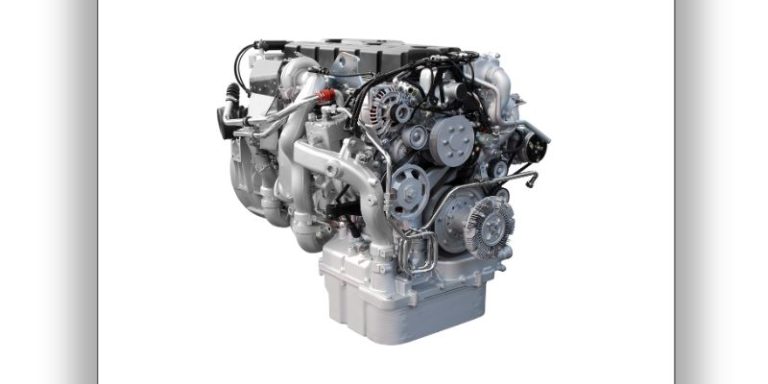
The best block heater for generators matches engine size, voltage, and winter conditions. For standby sets, thermostat control matters as much as wattage; in colder conditions, higher wattage heats faster but uses more power. This ranking separates OEM generator parts from universal heaters, then matches each pick to a generator family.
Top block heater picks for different generators


| Rank | Product | Heater type | Wattage | Voltage | Thermostat behavior | Best for |
|---|---|---|---|---|---|---|
| 1 | Generac 084918C OEM RV Block Heater | OEM generator block heater | 1800W | 120V | Check the manufacturer listing for model-specific control details | Generac engineered standby generators in severe cold |
| 2 | Generac 5620 Extreme Cold Weather Engine Block Heater | OEM cold-weather heater | Check the manufacturer listing for your model | Check the manufacturer listing for your model | Used with Cold Weather Kit 5633 | Liquid-cooled Generac generators in extreme subzero use |
| 3 | Diydeg Self Circulating Generator Coolant Pre Heater | Self-circulating coolant heater | 500W | 120V | Thermostat regulated | Small liquid-cooled engines from 0-2.5L displacement |
| 4 | Mhrxusd 1500W Engine Block Heater | Engine block heater | 1500W | 120V | Check the manufacturer listing for your model | Diesel and gas engines that need faster preheat |
| 5 | Fexhull Magnetic Engine Block Heater | Magnetic heater | 300W | 120V | Thermostat cuts power at 130°C and resumes below 60°C | Light-duty, temporary heat on accessible metal surfaces |
Top pick for Generac standby units
Generac 084918C OEM RV Block Heater is the clearest match when the generator is a Generac engineered standby unit and the owner wants a factory-matched 120V, 1800W option. It belongs at the top because OEM fitment matters more than a generic wattage target when the enclosure, engine, and cold-weather kit are already specified by the maker.
Best for extreme subzero use
Generac 5620 Extreme Cold Weather Engine Block Heater is the strongest OEM choice for liquid-cooled Generac generators that need a cold-weather system built around the generator family. It is listed for use with Cold Weather Kit 5633, so it may be a better fit than a universal heater when subzero operation is the main concern.
Best budget-friendly universal option
Fexhull Magnetic Engine Block Heater is the simplest non-invasive option in this group. It is only 300W, so it is a light-duty pick, but the magnetic base and thermostat behavior make it useful where direct-install space is tight and the owner needs temporary heat on exposed metal.
Generator heater decision table
This table matches heater type, power, voltage, thermostat behavior, and winter severity to generator category. It is the fastest way to sort OEM standby units from portable gas sets and from diesel engines that need more heat before cranking.
| Generator category | Heater type | Wattage / voltage | Thermostat behavior | Best for | Expected warm-up window | Compatibility red flags |
|---|---|---|---|---|---|---|
| Liquid-cooled standby generator | OEM block heater or coolant heater | 1800W / 120V or model-specific OEM rating | Thermostat-controlled models are preferred for standby use | Critical standby systems in cold climates | Use the manufacturer schedule; for scheduled testing, run at least 4 hours before start | Do not assume an air-cooled enclosure can take a coolant heater; verify the exact Generac model and kit compatibility |
| Small portable gas generator | Magnetic or small circulating heater | 300W to 500W / 120V | Thermostat-regulated models reduce waste during standby periods | Mild to moderate winter storage and occasional starts | Short preheat window; exact time varies by engine and ambient temperature | Magnetic heat can be too indirect if the pan or block does not have good contact area |
| Diesel generator | Immersion, circulating, or block heater | 500W to 1500W / 120V | Thermostat control helps avoid nonstop draw in freezing weather | Cold diesel starts where fuel and oil flow need help | Longer preheat than a magnetic unit; severe cold can need several hours | Confirm the engine family, coolant path, and any port or hose requirement before purchase |
| Gas generator with accessible block surface | Magnetic or direct-install heater | 300W to 1500W / 120V | Thermostat-controlled heaters are safer for long plug-in periods | Frequent winter starts and storage in unheated spaces | Moderate preheat window | Do not use a magnetic heater where the mounting surface is uneven, coated, or shielded by panels |
Which block heater fits your generator type?
The first branch point is engine cooling style, which determines how heat reaches the engine. Liquid-cooled standby generators can use dedicated OEM heaters or circulating coolant heaters, while many portable gas units need a simpler external option or no heater at all if the manual does not call for one. Diesel sets usually gain the most from stronger preheat.
Liquid-cooled standby generators
Choose an OEM part first when the generator maker offers one for the exact unit.
Small portable gas generators
Portable gas generators are the weakest fit for oversized heaters. A 300W magnetic unit or a 500W circulating option is usually the more sensible range when the engine is small and access is limited, but only if the listing and the owner’s manual support that layout.
Diesel and mixed-fuel generators
Diesel units are where wattage and heat path matter most. The Mhrxusd 1500W Engine Block Heater is the middle ground in this list: stronger than a 500W unit, less specific than a Generac OEM kit, and better suited to engines that need more preheat than a magnetic pad can provide.
Say your standby generator sits in a shed and the temperature stays below 40°F for days. A thermostat-controlled heater is the better fit than a simple always-on pad because it can hold temperature without constant full-power draw, which matters when the unit stays plugged in for long periods.
Suppose a small gas set is stored in a narrow enclosure with little room around the crankcase. A magnetic heater can fit where a direct-install unit cannot, but only if the contact point is clean, flat, and exposed enough to transfer heat into the engine metal.
Best block heaters for Generac generators
Generac owners should start with Generac parts first, because model-specific fit matters more than a generic wattage rule. The two picks below split the use cases: one for engineered standby units, one for severe cold on liquid-cooled systems.
Generac 084918C OEM RV block heater
This is the strongest match for a Generac standby owner who wants a factory-style solution. It is rated at 1800W and 120V, and it belongs on the short list when the generator already calls for an OEM heater rather than a universal add-on.
Generac 5620 extreme cold weather engine block heater
This pick belongs on liquid-cooled Generac systems that need an extreme cold-weather package. The important detail is not only the heater itself, but that it is described for use with Cold Weather Kit 5633, so the fit should be checked against the exact generator model before purchase.
Best universal options for gas and diesel units
Universal heaters make sense when the generator is not tied to a brand-specific cold-weather kit. The trade-off is simple: they are more flexible, but fit and heat transfer depend heavily on engine size, access, and whether the mounting surface or coolant path matches the heater design.
Diydeg self circulating generator coolant pre heater
The Diydeg is rated at 500W and 120V, and it is described as compatible with engines from 0-2.5L displacement. That makes it the smaller circulating option in this list and a practical fit for light to moderate preheat where thermostat regulation is useful.
Mhrxusd 1500W engine block heater
The Mhrxusd model is listed at 1500W and 120V, and it is described for diesel and gas engines. It replaces part numbers including TPS151GT8-000 and 84918G, which suggests it is meant for direct substitution in specific applications rather than as a universal, one-size choice.
Fexhull magnetic engine block heater
The Fexhull is the simplest non-invasive option here. It is 300W and 120V, with a magnetic base and an integrated thermostat that cuts power at 130°C and resumes below 60°C, which helps limit continuous draw when the heater stays plugged in.
What wattage should you choose?
Wattage is a trade-off between faster warm-up and higher electricity use. A 300W heater is the lightest draw in this group, a 500W unit sits in the middle, and 1500W to 1800W moves heat into the engine much faster while using far more power during every hour it runs.
| Heater power | Daily energy use at continuous operation | Monthly energy use at 30 days | Use case |
|---|---|---|---|
| 300W | 7.2 kWh | 216 kWh | Light-duty magnetic heat, short winter plug-ins |
| 500W | 12 kWh | 360 kWh | Small liquid-cooled or circulating applications |
| 1800W | 43.2 kWh | 1296 kWh | OEM standby systems that need fast, strong preheat |
300W versus 500W versus 1500W versus 1800W
Choose 300W when the goal is modest surface heat and the engine is easy to access. Choose 500W for a small circulating system or a compact engine where slow-and-steady preheat is acceptable. Move to 1500W or 1800W when the generator is larger, the climate is harsher, or the unit must be ready sooner.
120V outlet and circuit checks
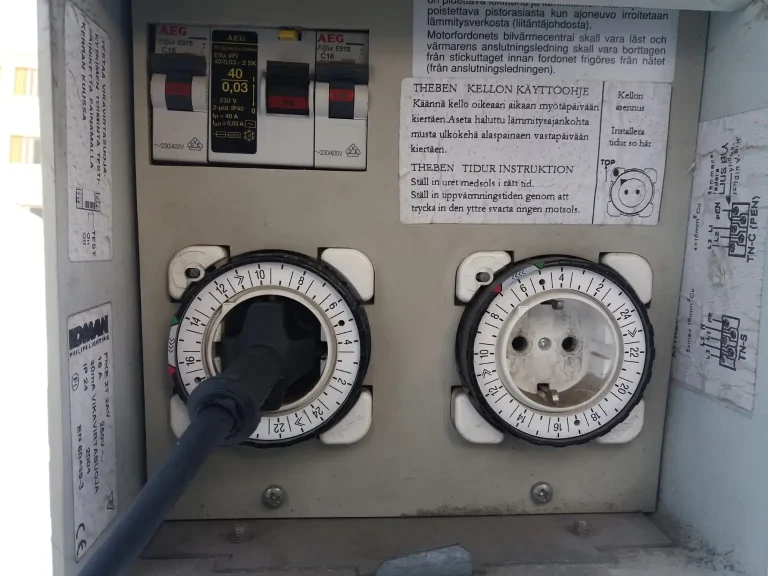
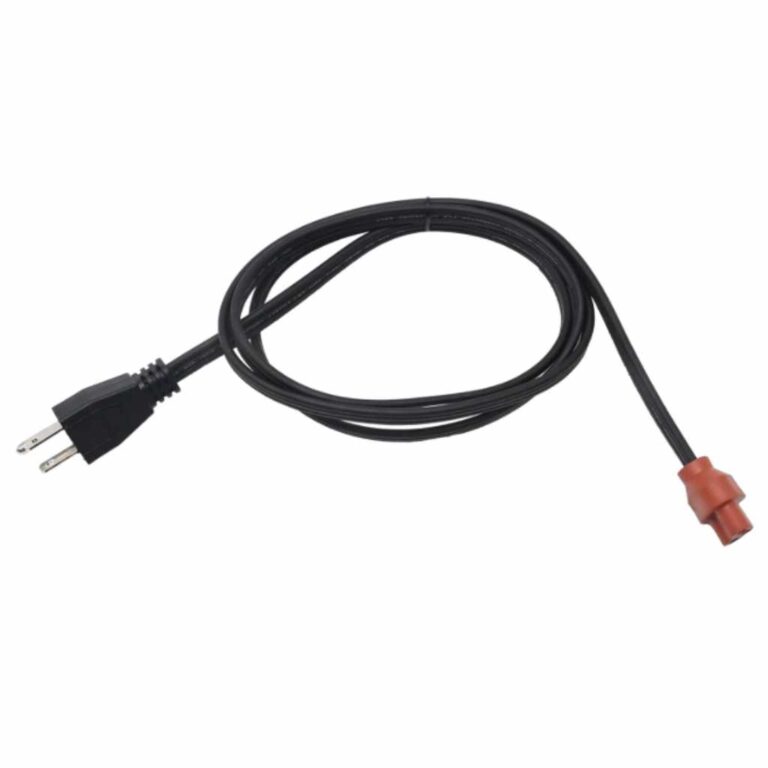
Most of the listed heaters use 120V household power, so a normal outlet is the starting point. The real checks are circuit capacity, cord length, and whether the manufacturer allows an extension cord for that heater; if the manual does not approve it, do not improvise.
Often yes, but only if the outlet, circuit, and cord path fit the heater’s draw. A 1800W heater is a very different load from a 300W magnetic unit, so plug-in planning matters before cold weather arrives.
When higher wattage is the better fit
Higher wattage makes sense when the generator sits in severe cold, needs a quick scheduled start, or serves a critical backup role. The trade-off is electricity use and possible outlet stress, so strong heaters should be paired with the correct circuit and the exact generator model.
Choose Generac 084918C if… / Choose Mhrxusd 1500W if…
This comparison comes down to generator family and cold severity. The Generac OEM part is the safer match for supported standby units, while the Mhrxusd is the broader universal-style pick for diesel and gas engines that need more heat without moving into an OEM-only setup.
| Choose this if… | Generac 084918C OEM RV Block Heater | Mhrxusd 1500W Engine Block Heater |
|---|---|---|
| Need a brand-matched standby solution | Best fit for Generac engineered standby generators | Not the first choice unless the listing supports the exact model |
| Need the strongest OEM-style power in this list | 1800W and 120V | 1500W and 120V |
| Need broader diesel/gas compatibility | Model-specific Generac fit | Listed for diesel and gas engines |
| Need a simpler fit check | Verify against the exact Generac generator model | Verify part-number replacement and engine family |
Choose Generac 084918C if the generator is a Generac engineered standby unit, the installation needs an OEM part, or the goal is to stay inside the maker’s own cold-weather guidance. It is also the better fit when the job calls for the highest listed power in this group.
Choose Mhrxusd 1500W if the generator is diesel or gas, the part number match matters, or the owner wants a universal-style heater with less brand lock-in than the Generac OEM part. It is also the more practical pick when you want strong heat without moving to 1800W.
Is a magnetic block heater enough for a generator?
A magnetic heater can be enough for a light-duty, accessible engine surface, but it is not the right answer for every generator. It is a better fit for temporary heat, small engines, and situations where non-invasive mounting matters more than speed or deep-cold reserve.
Where magnetic heaters fit well
Magnetic heaters work best on exposed metal surfaces with enough contact area for heat transfer. The Fexhull’s 300W output and thermostat cycling make it the least complicated option in this list for light-duty use, especially when drilling or coolant-line work is not desirable.
Where magnetic heaters fall short
They fall short when the engine is enclosed, coated, curved, or shielded by panels that block heat transfer. They are also a poor fit when the generator must start reliably in hard freeze conditions or when the heater needs to warm coolant rather than just the surface metal.
Thermostat-controlled models and cycling
Thermostat-controlled heaters are usually the smarter standby choice because they cycle to maintain temperature instead of running flat out. Typical target ranges are around 100-120°F, and that cycling reduces wasted energy while keeping the engine closer to start-ready temperature.
A common first-timer mistake is leaving a 300W magnetic heater on a heavily enclosed generator and expecting it to work like a coolant heater. The heater may stay warm, but the block or oil may not warm evenly enough for a clean cold start.
- Match the heater to the engine. Check whether the generator is liquid-cooled, gas, diesel, or an OEM Generac standby unit. If the engine family is not clear, follow the owner’s manual and verify the exact model before buying.
- Confirm the power source. Most of these heaters use 120V household power, so check the outlet, circuit capacity, and cord routing first. If the manual limits extension-cord use, do not extend the circuit on your own.
- Check fit and access. Look for mounting space, coolant-port access, or a clean metal surface before choosing a magnetic, circulating, or OEM style. Poor access turns an easy heater into a poor fit.
- Choose the thermostat behavior. For standby systems that stay plugged in, thermostat control is the safer and more efficient choice. For short, scheduled preheat windows, a fixed-output heater may still work if the manual supports it.
- Verify all accessories. Confirm clamps, hoses, brackets, or power leads in the listing before purchase. A heater is only useful if the install parts match the generator layout and the manufacturer’s instructions.
Do I need a block heater for my generator in winter?
You need one when the generator struggles to start cleanly in cold weather, the manual calls for a heater, or the unit is critical backup equipment that must be ready on demand. In standby use, cold starts can slow oil flow, increase cranking effort, and stress the battery before the engine even fires.
The strongest cue is temperature plus duty cycle. Data Center Fuels says ambient temperature below 40°F is a plug-in threshold for all standby generators, and its startup guidance is to run the heater at least 4 hours before a scheduled test. That is a useful floor for planning, not a universal rule for every engine.
Frequently asked questions
What is the best block heater for a generator?
The best block heater for a generator is the one that matches the engine family and climate. For Generac standby units, Generac 084918C is the top OEM-style pick in this list. For liquid-cooled extreme cold use, Generac 5620 is the more specialized choice.
How long should a generator block heater run before starting?
Run time depends on heater type, engine size, and outdoor temperature. For scheduled standby testing, Data Center Fuels says to run the heater at least 4 hours before start. For other setups, follow the owner’s manual and confirm that the heater has reached the maker’s recommended preheat window.
What type of block heater fits diesel vs gas generators?
Diesel generators often benefit from stronger immersion, circulating, or direct-install heaters, especially when cold starts are severe. Gas generators may do fine with a smaller circulating or magnetic option if the engine is accessible and the manual supports it. Fit matters more than fuel type alone.
Can I use a standard 120V outlet for a generator block heater?
Yes, many generator block heaters use 120V household power. The real issue is circuit capacity and cord length. A 300W heater is a far lighter load than an 1800W unit, so verify the outlet, breaker, and any cord limits before plugging in.
Are thermostat-controlled block heaters better for generators?
Often yes, especially for standby generators that stay plugged in for long periods. Thermostat control cycles the heater on and off to hold a target temperature rather than run continuously. That reduces waste and helps avoid unnecessary heat buildup around the engine.
How do you put in a block heater?
Installation depends on heater type. Follow the manufacturer’s manual for the exact generator model, because some heaters mount in coolant passages while others attach magnetically or replace a plug. Do not guess on routing, sealing, or power connection when the generator is part of a backup system.
How do you use a block heater?
Plug it in early enough for the heater to warm the engine before startup, then follow the generator manual for start procedure. For standby systems, thermostat-controlled models may stay connected longer. If the generator is in freezing weather, confirm that the outlet and cord are safe for continuous use.
Are engine block heaters worth it?
They are worth it when cold starts are a real problem, especially on standby or emergency generators that must start reliably. The value comes from easier cranking, better oil flow, and less start-up stress. If the generator is rarely used in cold weather, a heater may be unnecessary.