Block Heaters Guide
Pick a block heater by engine layout first: freeze-plug heaters often transfer heat well, coolant-circulating heaters can suit engines without an accessible core plug, and oil-pan pads are a fallback; 400 to 1,000 watts is a common range. Choose poorly or wire it badly, and you can end up with hard starts, tripped cords, coolant leaks, or a heater that barely warms the engine. This guide matches heater types to engines and equipment, then covers fit checks, wattage, cord routing, timer use, and common failure points.
The main split is direct coolant heat versus dry-socket heat. Some heaters place the element in coolant and warm the liquid at once. Others sit in a dry bore and heat the surrounding cast iron or aluminum first. That difference affects install work, leak risk, cord routing, and how much heat reaches the cylinders before the first crank.
What does a block heater actually heat?


A block heater either heats coolant in the block or heats block metal around a dry socket, depending on design. Coolant-heating styles usually spread heat faster and through more of the water jacket, while cartridge styles heat the casting first and rely on conduction before any coolant movement starts.
Coolant-heating designs
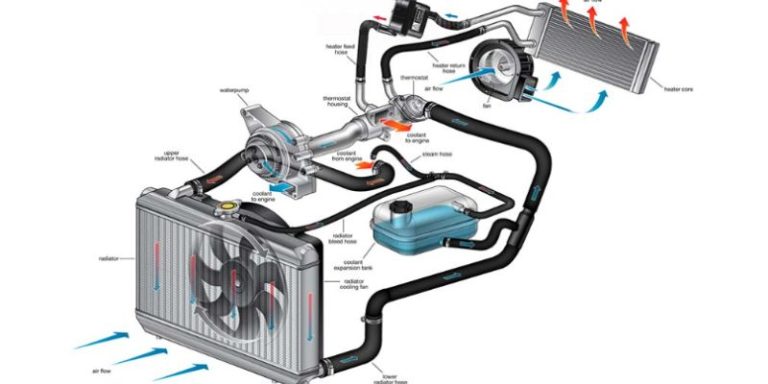
Freeze plug, threaded, plate, and many heavy-duty in-block heaters put the element in coolant. The element sits in the water jacket, so heat moves straight into the coolant and then into nearby cylinder walls and head passages before startup.
Location inside the block changes how much of the engine gets warmed. A heater mounted low in the block usually warms more coolant and does it more evenly than one mounted high, off to one side, or farther from the cylinders. The engine may start either way, but the lower, more central position usually gives the stronger result.
Dry-socket cartridge designs
Cartridge heaters install in a dedicated dry socket within the engine block. They do not come in contact with the coolant. Instead, they heat the surrounding metal, and that heat then spreads through the casting into the coolant and oil by conduction.
That can be the right setup when the engine was designed around a cartridge location, but it does not behave like a coolant heater. Many buyers blur those two styles, then expect the same warm-up pattern and get disappointed.
Why location changes results
A heater near the center of the water jacket usually produces a stronger cold-start effect than one mounted in a less central area. A cartridge in a dry socket can still work well, but it needs the exact engine-specific fit and the socket the manufacturer intended.
Suppose a compact diesel has only a dry cartridge socket on one side of the block. A universal pad heater on the oil pan may warm oil, but it will not replace the designed cartridge location when the goal is faster combustion stability on the first crank.
When is a block heater needed?
A block heater is most useful when cold soak is long, the vehicle sits outdoors, the engine is large, or the machine must start on schedule. Need rises with lower ambient temperature, more engine mass, and higher restart stakes, especially for diesel pickups, heavy trucks, and standby equipment.
Passenger vehicles parked outdoors
For a small gasoline car in a garage, a block heater may be optional through much of the winter. For the same car parked outside all night in subfreezing weather, the value goes up because the whole engine, not just the oil, drops to ambient temperature.
Wind exposure matters too. A vehicle parked in an open lot loses heat faster than one parked beside a building. Short daily trips also favor preheating because the engine may never fully recover from repeated cold starts.
Diesel pickups, heavy trucks, and fleets
Larger diesels gain more because engine mass is higher and combustion is less forgiving when block and head temperatures are low. Hotstart says warming the engine reduces idling and cranking time, and its heavy-duty heater materials say in-block heaters can reduce engine wear due to cold starts by up to 50%.
Those claims matter most in commercial use, where delayed starts cost time and extra idling burns fuel. Here, a heater is part of uptime planning, not a comfort add-on.
Construction, agriculture, and standby power equipment
Use cases span passenger vehicles, heavy trucks, construction machines, farm equipment, and power-generation units. Phillips & Temro lists applications for automotive and light duty, heavy duty trucks, construction, agriculture, and power generation. In those categories, need is often driven by duty cycle: intermittent winter use, outdoor storage, and must-start conditions.
Picture a farm tractor parked in an open shed and used twice a week. It cools all the way down between runs, so a properly matched in-block heater can do more for dependable starts than a warmer battery alone.
How to secure a block heater plug in bad weather
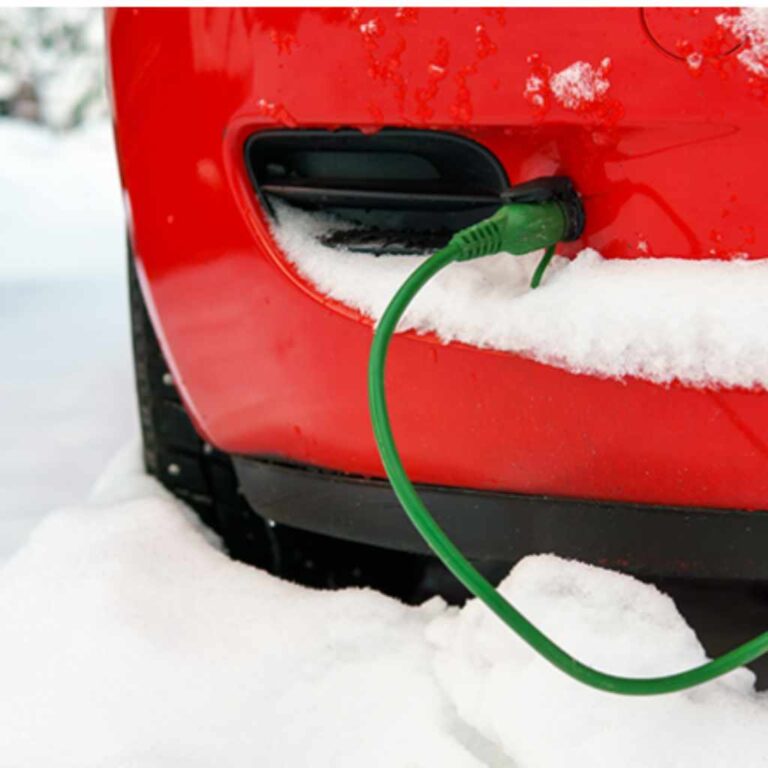
A block heater plug needs to stay dry, supported, and out of the way of snow, slush, wind, and engine vibration. The supporting guide explains the practical steps: use an outdoor-rated cover with a gasket, form a drip loop, keep the connection elevated when possible, and tie the cord to a fixed point so tension does not work the plug loose. These details matter because water ingress can freeze in the connection, while a loose cord can pull the plug out or damage the receptacle.
For a simple winter setup checklist, see block heater plug security.
Do block heaters save fuel in winter?
Yes, but only when the heater prevents a truly cold start and the electricity cost stays lower than the fuel it saves. The supporting guide on block heater fuel economy explains the tradeoff in plain terms: wattage, plug-in time, outdoor temperature, trip length, and local utility rates all change the result. That matters because a block heater can reduce warm-up enrichment and cranking losses in subfreezing weather, yet a long plug-in window or a very short commute can cancel out the benefit.
Which block heater type fits your engine?
The correct block heater is the one your engine block was built to accept with reasonable service access. Freeze plug, threaded, plate, and cartridge heaters all depend on a specific opening, port, pad, or socket; picking by engine family beats picking by wattage alone.
Do not substitute by appearance alone. A cartridge heater only fits a dedicated dry socket; a threaded heater only fits the exact threaded port; a plate heater only fits the matching bolt pattern and sealing face; and a freeze plug heater only fits the correct core-plug opening with enough internal clearance for the element.
Freeze plug (V-Lok) block heater
Freeze plug block heaters install in an existing freeze plug opening. They use a V-Lok expansion mechanism with an O-ring, and the immersed element heats coolant directly. When the engine gives you good access to a core plug, this is often the strongest direct-transfer option.
The tradeoff is installation risk. The opening must be the correct size, the sealing surface must be clean, and the heater must clock correctly so the element clears internal casting features. Coolant usually has to be drained below the opening. Common failure points are O-ring damage, incomplete seating, and seepage after a heat cycle.
Threaded block heater
Threaded block heaters are designed for a dedicated threaded port within the engine block. They also heat coolant directly, but they only work when the engine has the correct engine-specific port and thread match.
These are often cleaner to install than a freeze plug heater if access is good, but thread fit is unforgiving. Coolant usually has to be drained below the port. Cross-threading, using the wrong seal method, or tightening against dirt on the seat can leave a slow leak that appears only after the engine warms.
Plate or bolt-on block heater
Plate block heaters are secured using bolts and sealed with a gasket. The mount is a dedicated location on the block, and the element is immersed in coolant.
Serviceability is the draw here. If the engine already has a plate opening, access may be better than reaching a hidden core plug. Coolant typically must be drained below the opening. The usual problems are gasket damage, uneven bolt tightening, and corrosion on the sealing face.
Cartridge block heater
Cartridge heaters install in a dedicated dry socket within the engine block. They do not touch coolant, so they avoid coolant sealing issues at the element itself, but they require exact engine-specific fit and full contact in the socket.
If the cartridge is wrong for the bore, heat transfer drops even when the heater is powered. That creates one of the most misleading symptoms in this category: the cord and plug feel warm, yet the engine still acts like it was never preheated. Because the socket is dry, this style typically does not require coolant draining at the heater itself.
Heater choice decision table
| Heater type | Best-fit engine or equipment category | Install location | Power connection needs | Likely failure points |
|---|---|---|---|---|
| Freeze plug (V-Lok) | Automotive and light duty; some diesel pickups; engines with accessible core plug | Existing freeze plug opening in block water jacket | Heater cord with strain relief; bumper receptacle optional for easy access | O-ring damage, poor V-Lok seating, coolant seepage, cord routed against exhaust or steering parts |
| Threaded | Engines with a dedicated threaded block port | Threaded coolant port in engine block | Direct cordset or routed receptacle; clean thread engagement matters more than cord style | Wrong thread match, cross-threading, seal failure at seat, broken cord near heater body |
| Plate / bolt-on | Engines built with a dedicated cover plate location | Bolt-on opening on block, gasket sealed | Cord routing must clear bolt heads and nearby edges; easy to pair with bumper receptacle | Gasket leak, uneven bolt torque, warped sealing surface, abrasion at cord exit |
| Cartridge | Engines specified for a dry-socket heater | Dedicated dry socket in block | Cordset still needs moisture and vibration resistance; no coolant plumbing at heater | Wrong cartridge fit, weak heat transfer, open element, damaged lead at socket entry |
| Heavy-duty in-block | Heavy duty trucks, construction, agriculture, power generation | Directly into the water jacket | Outdoor-rated power path, often timer or thermostat controlled due to longer operating windows | Coolant leak at mount, damaged industrial cordset, failed thermostat, receptacle wear from repeated service use |
| Oil pan heater | Supplement for engines without a practical in-block option, or for very cold oil control | Outside of oil pan | Clean routing and protected connector; often shares the same outlet planning issues | Poor adhesion, limited effect on head and cylinders, damaged cord end, overheated extension connection |
How do you match a heater to vehicle or equipment class?
Match the heater to the machine class by asking where the engine was designed to accept heat and how the cord will live in service. Passenger vehicles usually favor easy-access plugs and bumper receptacles. Heavy equipment usually favors in-block coolant heaters with durable cord routing and fewer exposed connection points.
Automotive and light-duty applications
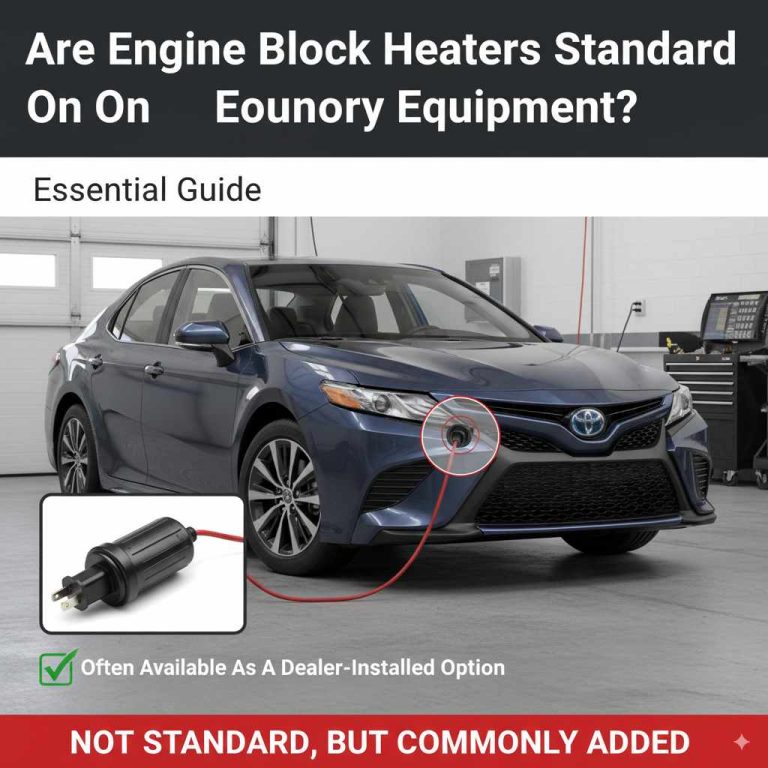
For cars and light trucks, the daily plug-in routine often decides what works best. A flip cap receptacle is for automotive and light duty truck applications, and it connects a heater to a standard 120V outlet. That makes plugging in easier than reaching under the bumper for a loose cord every time.
If the engine offers a freeze plug or threaded port with fair access, either can be a solid fit. The deciding factor is usually engine-specific availability and how cleanly the cord can reach the front of the vehicle.
Heavy-duty in-block heaters for trucks and industrial engines
Heavy-duty in-block heaters mount directly into the water jacket. On trucks, industrial diesels, and larger equipment, that direct coolant contact is often the best fit because engine mass is high and start reliability matters more than minimal install time.
The same source says these in-block heaters can reduce engine wear due to cold starts by up to 50%, and says warming the engine reduces idling and cranking time. Those claims fit best where cold starts happen often and idle time is expensive.
Construction, agriculture, and power generation cases
Construction and farm equipment deal with mud, vibration, and longer storage gaps. Standby generators may sit for weeks, then need to start at once. In these classes, a protected cord path and secure mounting matter as much as heater style.
Say your generator enclosure leaves very little side access to the block. A threaded or plate heater that fits an accessible service panel location may be the only realistic choice, even if a hidden core plug exists deeper in the casting.
How to verify a used vehicle has one
The fastest way to confirm a used vehicle has a block heater is to look for an exterior power cord or plug at the front of the vehicle, then back that up with paperwork. The supporting guide explains the common visual clues, where the cord is often routed, and how to use the owner’s manual, window sticker, or service records to confirm what’s installed before you buy. It also helps you avoid assuming a winter-ready setup that isn’t there.
That matters because a missing block heater can mean harder cold starts, extra battery load, and an unplanned retrofit later. For a practical walkthrough of the checks to make, see used vehicle block heater.
Power connection and controls
Cordset and heater cord selection
The cordset is not a throw-in accessory. It lives through temperature swings, moisture, road salt, vibration, and repeated bending at the heater end. A replacement cordset is available as an accessory, which matters because the cord is one of the most common field failures.
Look for clean strain relief at the heater body and avoid tight bends right where the cord enters the molded end. Route the cord away from exhaust manifolds, turbo plumbing, belts, fan blades, steering shafts, and sharp splash shield edges. Loose cords fail early.
Flip cap receptacles
A bumper-mounted receptacle can make an ordinary block heater much easier to live with. The flip cap keeps the front connection cleaner, reduces tugging on the heater lead, and gives a fixed plug-in point that is easier to inspect than a dangling cord end.
Indicator lights and lit plugs
An indicator light does one job: confirm that power is reaching the heater circuit. Product descriptions for lit block-heater plugs state that a lit plug can show power reaching the block heater from as much as 50 feet away. That does not prove the element itself is heating, but it quickly separates a dead outlet from a deeper heater fault.
Coolant thermostats, timers, and cost control
Thermostats can maintain coolant temperature and reduce engine heater operating hours. That saves power by limiting runtime, not by lowering the heater’s peak electrical draw. Timers do something different: they switch the heater on for a set window before startup.
For daily use, a timer often makes more sense than plugging in all night. The best run time depends on engine size, ambient temperature, heater wattage, and wind exposure, so use the shortest window that gives reliable starts instead of assuming longer is always better.
How many amps does a block heater use?
Block-heater amperage depends on wattage and supply voltage, and the practical calculation on household power is watts divided by 120V. That means a 600-watt heater draws about 5 amps, while a 1,000-watt heater draws about 8.3 amps before any timer or thermostat changes runtime.
Converting wattage to amps
The formula is straightforward: amps = watts ÷ volts. On a standard 120V outlet, common examples look like this:
- 400 watts ÷ 120V = about 3.3 amps
- 600 watts ÷ 120V = 5 amps
- 1,000 watts ÷ 120V = about 8.3 amps
Outlet planning matters because current draw is fixed when the element is on. A heater that looks modest on paper can still overload a shared winter circuit if it runs alongside other outdoor loads. The watt-to-amp math here follows the standard electrical relationship of watts divided by volts on a 120V circuit.
What amperage means for cords and outlet sharing
Choose an outdoor-rated extension cord sized for the heater load and cord length, and keep the run as short as practical. Thin, long cords drop voltage and make plug ends run warm. Warmth at the connection is a warning sign, not a normal feature.
A common first-timer mistake is plugging a 1,000-watt heater and a battery charger into the same light-duty outdoor strip. The heater draws about 8.3 amps on its own, and the weak connection starts to discolor before the engine ever benefits from the extra runtime.
When timers and thermostats change the picture
Timers and thermostats can lower total energy use, but they do not lower the heater’s peak current draw when the element is energized. Size the outlet, extension cord, and receptacle for full heater load, not for the average time it will be switched on.
How do you size a generator for a block heater?
The safe starting point is the heater’s wattage, not the engine size. A typical 120V, 1,500W block heater usually calls for a generator with at least 2,000W of continuous output, with extra room for cord losses, cold-weather operation, and any other items running at the same time. That margin helps prevent nuisance breaker trips and weak starts.
The generator sizing guide explains how to read the nameplate, choose between running watts and starting watts, check outlet voltage and amperage, and decide whether a portable or standby unit makes sense for your setup.
Installation and first use
Fit and access planning
Before ordering parts, confirm the exact engine application, mounting point, and cord path. Engine family alone is not enough if a production change altered the block port, dry socket, or side access. This matters most on diesels and tight engine bays.
Coolant-heating designs usually involve coolant loss during installation, while a dry-socket cartridge changes the job by removing that coolant-seal step. Freeze plug, threaded, plate, and heavy-duty in-block styles generally need the exact opening or port the engine was cast or machined to accept. Cartridge styles need the exact dry bore and length the block was designed around.
Basic installation sequence
- Confirm the exact application. Match the heater style to the engine’s intended opening, port, plate, or dry socket. If the engine calls for a cartridge design, do not substitute a coolant-style heater that merely looks close.
- Plan the service access. Check whether shields, starters, exhaust parts, or engine mounts block the work area. If access forces tool angles that can damage threads or seals, the install may belong in a shop.
- Prepare the mounting surface. Drain coolant where the heater type requires it, remove the original plug or cover, and clean the sealing surface. Old corrosion, sealant scraps, or burrs are common causes of leaks after first heat-up.
- Install the heater correctly. Seat the O-ring, gasket, threads, or cartridge exactly as the engine-specific instructions require. Orientation matters because the element must clear internal casting features and the cord exit must avoid heat and moving parts.
- Route and secure the cord. Keep the cord away from exhaust heat, rotating parts, and sharp edges, then clip it so engine movement does not pull on the heater body. Leave enough slack for engine motion but not enough to snag road debris.
- Test before full use. Refill coolant if needed, inspect for leaks, energize the heater briefly from a known-good outlet, and verify the indicator if equipped. Recheck the mount and cord after the first full heating cycle because minor seepage often appears only after expansion.
First-use habits
Use a known-good outdoor outlet, ideally with GFCI protection where appropriate for the location and local code. Plug connections should fit firmly. If the receptacle is loose, corroded, or exposed to standing water, fix that first instead of blaming the heater.
Testing and troubleshooting by symptom
No heat or hard cold starts
If the engine still behaves fully cold after preheating, start with the power path before suspecting the element. Check the wall outlet, extension cord, bumper receptacle, indicator light, and continuity of the heater cord. A lit plug confirms power reaching the heater circuit, but not that the element is intact.
On cartridge heaters, weak performance can also mean poor socket contact or the wrong part, not total failure. On coolant-heating styles, a dead element or an air pocket after installation can produce the same symptom.
Warm plugs, damaged cord ends, or tripped breakers
Warm connector ends point to resistance at the connection, usually from a loose receptacle, worn extension cord end, corrosion, or undersized cord. Tripped breakers suggest overload, damaged insulation, or moisture intrusion into a plug or receptacle.
Disconnect and inspect both mating ends. If the heater draws current normally on a short heavy outdoor cord from a different outlet, the problem is often upstream in the extension cord or receptacle rather than in the heater body.
Coolant leaks at the heater mount
Leak diagnosis depends on type. Freeze plug heaters usually leak from O-ring damage, wrong seating depth, or poor V-Lok expansion. Threaded heaters leak at the seat or threads. Plate heaters leak from gasket damage, corrosion, or uneven bolt loading.
Do not keep retightening blindly. If the sealing surface is dirty or pitted, more force may worsen the leak.
Thermostat, receptacle, and indicator faults
A failed thermostat can leave the heater off when it should be on, or keep it running longer than expected. A damaged bumper receptacle may pass power intermittently when the plug is wiggled. An indicator that stays dark with a known-good outlet points to the cordset, receptacle, or indicator itself.
Because a replacement cordset is available as an accessory, replacing a cracked or stiff lead is often smarter than trying to save a visibly failing cord end through another winter.
Engine block heater vs oil pan heater
What each heater warms first
A block heater warms the block area first, either through coolant or through metal around a dry socket. An oil pan heater warms oil in the pan first. Those are different jobs, and they affect startup differently.
Where oil pan heaters help and where they fall short
Oil pan heaters can improve oil flow in very cold conditions and may be useful where in-block options are limited. They do less for cylinder head temperature, combustion chamber warmth, and coolant temperature before the first crank.
That is why oil pan heaters are often supplements rather than substitutes. If the engine has a proper in-block heater location, the block heater usually does more for actual cold-start behavior.
When both are used
On some large diesels and exposed equipment, both heaters are used: one to warm the engine structure and coolant, the other to keep oil less viscous. The gain depends on ambient conditions and operating demands, so the second heater should solve a real problem, not just add draw.
Frequently asked questions
How do block heaters work?
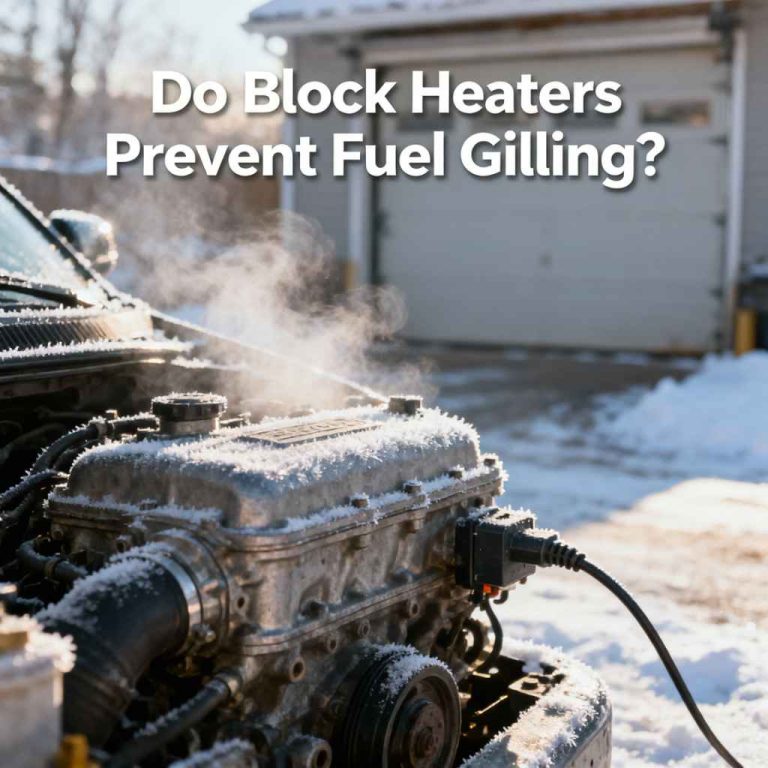
They use external electrical power to heat either coolant in the block or metal in a dry socket before startup. Coolant-heating styles transfer heat through the water jacket, while cartridge styles heat the casting first. The result is a warmer engine at the first crank, with less cranking and less idle needed.
How do you use an engine block heater?
Plug it into a known-good 120V source with an outdoor-rated cord path, then run it only as long as needed for reliable starts. Many owners use a timer to limit runtime. Inspect the cord and plug ends often, because loose or corroded connections create heat at the connector.
How do you install a block heater?
Start by confirming the exact engine-specific heater type and mounting point, then check service access before buying parts. Coolant-heating designs may require coolant draining and careful sealing; cartridge designs need the correct dry socket fit. Finish by routing the cord away from heat, moving parts, and sharp edges.
How do you test a block heater?
First verify the outlet and extension cord, then check whether any lit plug or indicator shows power reaching the heater. If power is present but the engine stays fully cold, suspect an open element, wrong cartridge fit, failed thermostat, or a bad connection at the receptacle or cordset.
Is an engine block heater worth it?
It is worth it when cold starts are frequent, the engine is large, or uptime matters more than the added power cost. The value comes from easier starting, less cranking, and less idle. It is usually most worthwhile for outdoor-parked vehicles, diesel trucks, work equipment, and standby machines that cannot afford a no-start morning.