Compare Water Heater Types: Essential Guide
Choosing the right water heater is easy when you compare water heater types based on fuel, size, and efficiency. We break down tank vs. tankless, gas vs. electric, and heat pump models so you can confidently pick the best fit for your home’s comfort and budget.
For another water-heater question, Are All Heating Elements for Water Heaters the Same? Discover Now! covers a closely related problem readers often compare next.
For another water-heater question, 10 Gpm Electric Tankless Water Heater for Instant Hot Water Solutions covers a closely related problem readers often compare next.
For another water-heater question, Water Heater Types: A to the Pros and Cons covers a closely related problem readers often compare next.
Feeling lost when shopping for a new water heater is common. There are so many names—tank, tankless, gas, electric—it can make your head spin! You want hot water when you need it, without spending a fortune on energy bills or dealing with complicated setups. Don’t worry, we are here to help you sort through the confusion. Choosing a water heater doesn’t have to be a big chore. We will walk through each main type simply and clearly. Get ready to feel confident about the warm, cozy home you deserve!
Welcome! I’m Tanim, and I believe every homeowner deserves a warm shower and an efficient home. Picking the right water heater is a big decision because it impacts your comfort and utility bills for years. This guide is built just for you—no confusing tech talk, just straight facts to help you compare water heater types side-by-side. We will cover the four main categories you will encounter at the hardware store.
Understanding the Basics: Why Water Heater Choice Matters
A water heater is the unsung hero of your home comfort system. If it’s too small, you run out of hot water mid-shower. If it’s inefficient, your energy bills climb. Understanding the basic differences between the main types helps you match the technology to your lifestyle and home size.
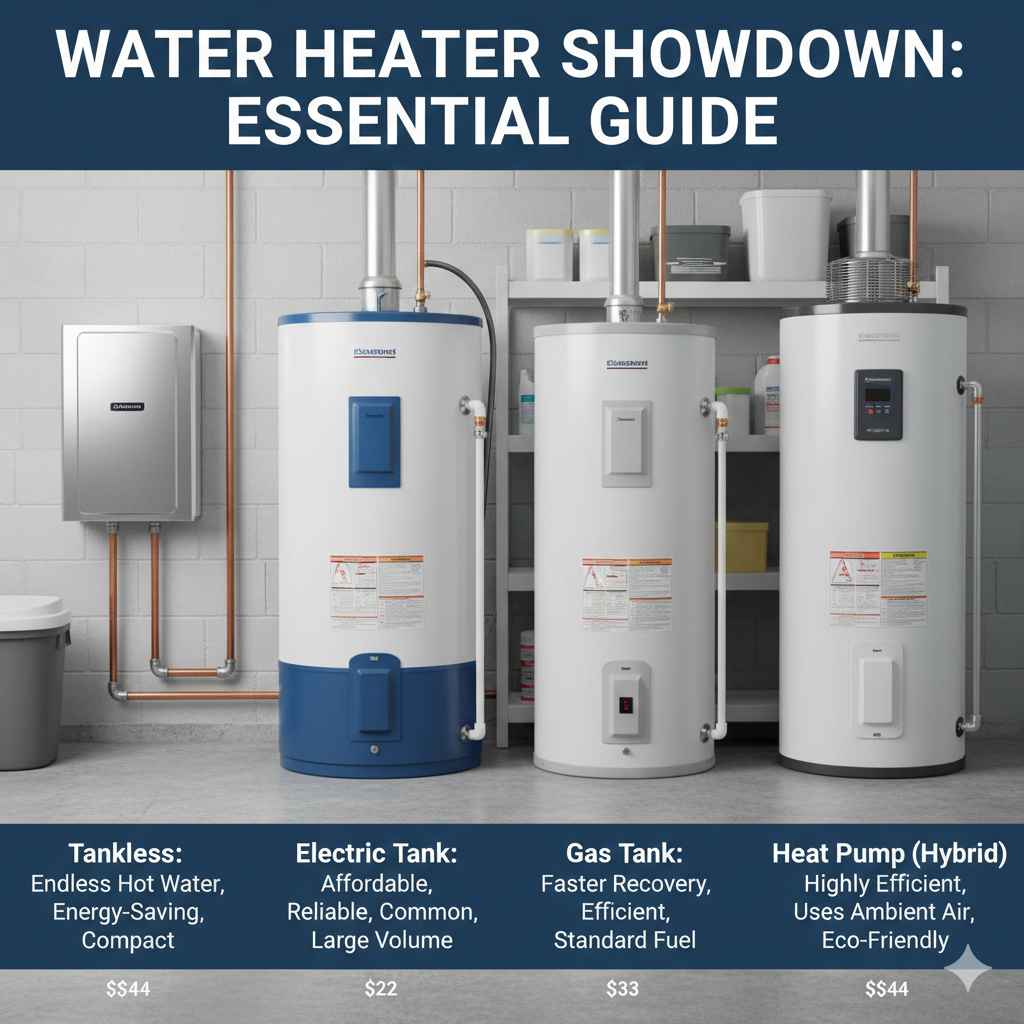
The primary decision points when you compare water heater types are:
- Storage vs. On-Demand: Do you want a big tank of hot water ready, or do you want it heated only when you turn on the faucet?
- Fuel Source: Will it run on natural gas, propane, or electricity? This often depends on what lines you already have running to your house.
- Efficiency: How much energy does it use to heat the water?
Let’s dive into the most common options homeowners choose.

Type 1: Conventional Storage Tank Water Heaters
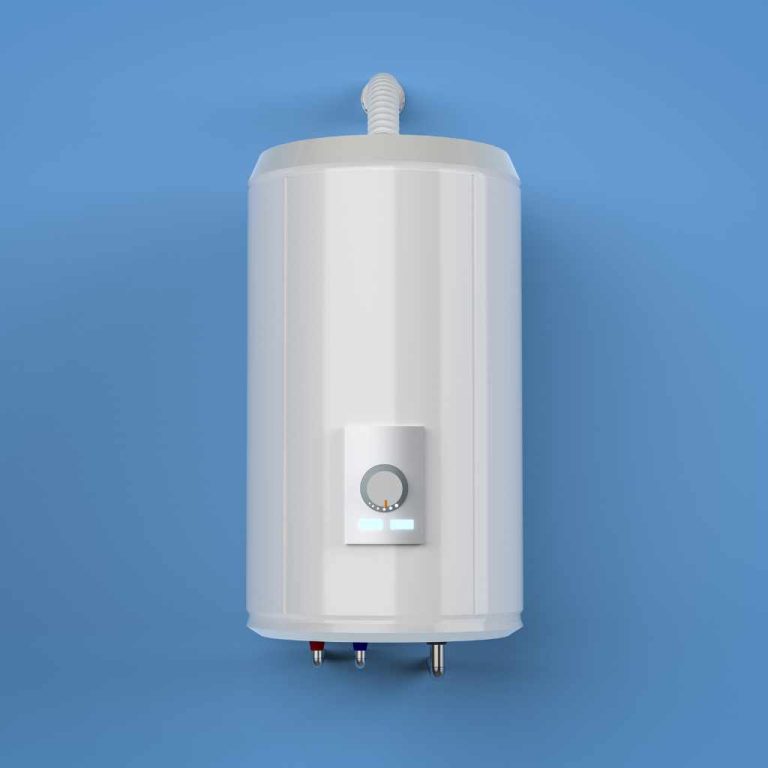
The traditional storage tank heater is what most people picture when they think of a water heater. It is a large, insulated tank that keeps a set amount of water hot 24/7, ready for when you need it.
How Storage Tanks Work (The Simple Way)
Water enters the tank and is heated by either a gas burner at the bottom or electric heating elements inside. As you use hot water, cold water enters the bottom, pushing the hot water out through the top pipe to your faucets. It’s simple, reliable, and usually the cheapest to buy upfront.
Fuel Comparison: Gas vs. Electric Storage Tanks
This is often the first fork in the road. What fuel source do you use in your home?
Gas Storage Water Heaters
These units use natural gas or propane. They generally heat water much faster than electric models, meaning they recover quickly after a long shower. If you use a lot of hot water quickly (like a big family), gas might be better.
- Pros: Faster heating recovery, lower operating cost in areas where gas is cheaper than electricity.
- Cons: Requires a gas line and venting (a chimney or flue) to safely remove combustion byproducts, which can increase installation cost.
Electric Storage Water Heaters
These rely on two electric heating elements inside the tank. They are easier to install because they don’t need venting or gas lines, making them a great fit for homes without existing gas service.
- Pros: Easier installation, safer operation indoors (no combustion), generally lower upfront cost.
- Cons: Slower recovery time, potentially higher operating costs if electricity rates are high in your area.
For safety, always ensure your venting system is clear if you use gas. You can check resources from the U.S. Department of Energy for guidelines on safe installation.
Type 2: Tankless (On-Demand) Water Heaters
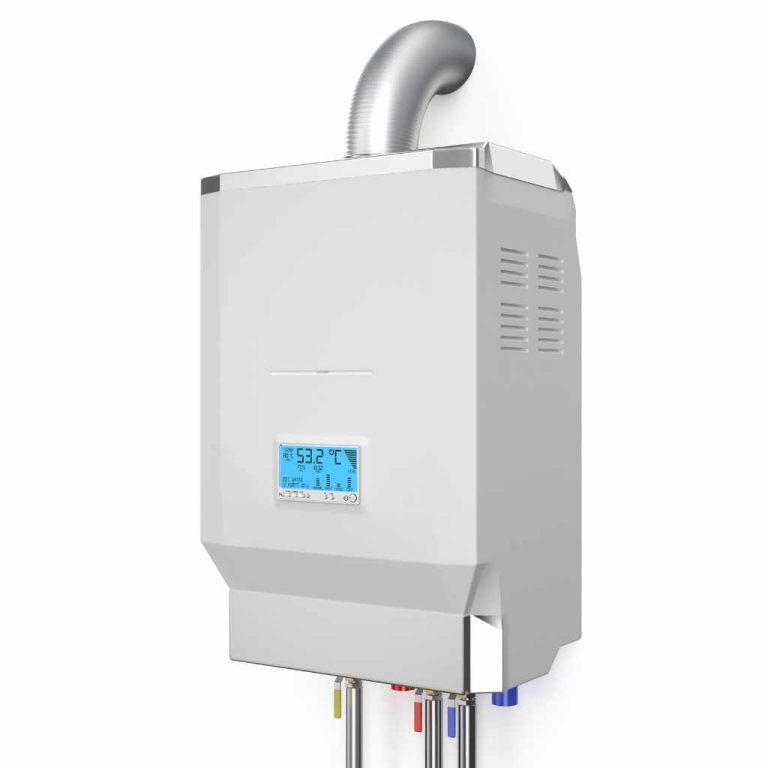
Tankless water heaters are the modern alternative. Instead of keeping gallons of water hot all the time, they heat water instantly as it flows through a compact unit when you open a hot water tap.
How Tankless Heaters Work
When you turn on the faucet, cold water flows into the unit. A powerful gas burner or electric element kicks on and rapidly heats the water as it passes over a heat exchanger. When you turn the faucet off, the unit shuts off. No standby heat loss means less energy wasted!
Comparing Tankless: Gas vs. Electric
Like tank models, tankless heaters come in gas and electric versions, but their performance differences are even more pronounced.
Gas Tankless Heaters
These are very powerful and can easily handle high-demand situations, like running two showers and a dishwasher simultaneously. They require venting, just like gas tanks.
- Key Benefit: Unlimited hot water supply.
- Consideration: High upfront cost and professional venting installation required.
Electric Tankless Heaters
These are small and easy to install, sometimes fitting under a sink. However, they use a massive amount of electricity to heat water instantly. They are usually best for single-point use (like a small guest bathroom sink) rather than whole-house solutions, unless your home has an extremely upgraded electrical panel.
- Key Benefit: Compact size, no venting needed.
- Consideration: Can cause electric surges or trips if the home’s wiring isn’t robust enough.
Type 3: Heat Pump (Hybrid) Water Heaters
Heat pump water heaters, often called hybrid models, are the most energy-efficient option available today for many homes. They use electricity, but not in the way a standard electric heater does.
The Magic of Heat Pump Technology
Think of a heat pump like your refrigerator, but in reverse. Instead of creating heat, it moves existing heat from the surrounding air into the water tank. They pull ambient heat energy from the air (even in cooler rooms) and transfer it to the water, using very little electricity in the process.
- Efficiency Bonus: They are typically 2–3 times more efficient than standard electric resistance heaters.
- Installation Note: They require space around them (usually 6–8 feet of clearance) for proper air circulation to work effectively. They also need some ambient heat, so they are not ideal for very cold, unheated basements.
Who is a Heat Pump Heater Best For?
These are perfect if you live in a moderate to warm climate, have high electricity rates, or want to drastically lower your carbon footprint. They work best in basements, garages, or utility rooms that stay above 40°F year-round.
Type 4: Solar Water Heaters
Solar water heaters use the power of the sun to pre-heat water, significantly reducing the amount of fuel or electricity needed from your backup system. While they are a fantastic choice for eco-conscious homeowners, they require more planning.
How Solar Systems Integrate
These systems typically involve roof-mounted panels (collectors) that warm a fluid or water, which then circulates through a heat exchanger connected to your main storage tank. They always need a traditional backup system (gas or electric) for cloudy days or heavy usage.
- Pros: Lowest long-term operating costs, incredible environmental benefit.
- Cons: Highest initial investment, dependent on roof orientation and local sunlight availability, requires space for a storage tank.
Quick Comparison Table: Which Heater Fits Your Needs?
This table helps you quickly compare the main features. Remember, the best choice depends entirely on your unique situation!
| Water Heater Type | Upfront Cost (Relative) | Operating Cost (Relative) | Best For | Key Drawback |
|---|---|---|---|---|
| Conventional Storage (Gas) | Low to Medium | Medium | Large families needing fast recovery. | Requires venting and stands by heating water. |
| Conventional Storage (Electric) | Low | Medium to High | Small homes or rentals where gas isn’t available. | Slowest recovery time. |
| Tankless (Gas) | High | Low | High-demand homes seeking continuous hot water. | High initial purchase and installation price. |
| Heat Pump (Hybrid) | Medium to High | Very Low | Warm climates or budget-conscious users focused on efficiency. | Needs surrounding air space to operate properly. |
Sizing Your Water Heater: Not All Heroes Are the Same Size
Once you’ve decided on the type, you must choose the right size. This is crucial for comfort!
Sizing for Storage Tank Heaters (Gallons)
For standard tanks, you look at the capacity (gallons) and the First Hour Rating (FHR). FHR tells you how much hot water the heater can deliver in one hour, starting with a full tank during a peak demand period (like morning rush).
Use this simple guide to estimate your needs:
- Count the number of people normally using hot water during the busiest hour.
- Choose the corresponding tank size for the best match.
| Number of People | Recommended Tank Size (Electric) | Recommended Tank Size (Gas) |
|---|---|---|
| 1–2 people | 30–40 gallons | 30 gallons |
| 2–4 people | 40–50 gallons | 40 gallons |
| 5+ people | 50–80 gallons | 50–60 gallons |
*Always check the FHR against your family’s peak usage needs, especially if you have large tubs or multiple simultaneous water uses.
Sizing for Tankless Heaters (Flow Rate)
Tankless heaters are sized by flow rate, measured in Gallons Per Minute (GPM), and the temperature rise needed.
You need to calculate the maximum GPM you use at once:
- Shower (Standard): 2.0 GPM
- Dishwasher: 1.5–2.5 GPM
- Washing Machine (Hot cycle): 1.5 GPM
- Sink Faucet: 0.5–1.0 GPM
If you run two showers (4.0 GPM) and the dishwasher (2.0 GPM) simultaneously, you need a tankless unit rated for at least 6.0 GPM at your required temperature rise. Gas models usually handle 7-10 GPM easily, while electric models struggle to hit that mark for whole-house use.
Installation Considerations: Fuel Lines and Power
Before you buy, you must check what your home is already set up for. Changing fuel types is often the most expensive part of replacing a heater.
Gas Installation Needs
If you switch to gas, you need:
- A properly sized gas line running to the unit.
- A vent pipe running safely to the exterior or a chimney.
If you switch from gas, you need to cap the gas line safely (hire a professional!) and potentially install new electrical wiring if moving to an electric unit.
Electric Installation Needs
Standard electric heaters use a 240V circuit. If you switch to a tankless electric model, you might need an entirely new, heavier-duty electrical service, which can be costly. Always consult a licensed electrician if you are unsure about your home’s capacity.
Space and Location Requirements
- Tank Heaters: Need a dedicated closet, utility room, or basement corner.
- Tankless Heaters: Very compact, often the size of a small suitcase, allowing for installation almost anywhere.
- Heat Pump Heaters: Need at least 1,000 cubic feet of air space around them to “breathe” and operate efficiently. They also produce a bit of cool exhaust air, so avoid placing them in small, sealed-off closets.
Energy Efficiency Ratings: Understanding the Labels
Energy efficiency is key to long-term savings. You’ll see two main ratings on new water heaters:
Energy Factor (EF) / Uniform Energy Factor (UEF)
The newer, more accurate standard is the Uniform Energy Factor (UEF). This number tells you how efficiently the heater produces hot water over a year compared to the energy it consumes.
- Higher UEF = More Efficient.
- Standard tank heaters might have a UEF around 0.65–0.75.
- Tankless gas heaters often have a UEF of 0.80–0.95.
- Heat pump (hybrid) models boast UEFs sometimes exceeding 2.50!
When you compare water heater types, a higher UEF means lower monthly bills. While the upfront cost might be higher for high-UEF models, the energy savings often pay back the difference within a few years.
Maintenance: Keeping Your New Heater Happy
No matter which type you choose, a little care goes a long way in ensuring your investment lasts.
Maintenance for Storage Tanks (Gas & Electric)
The biggest enemy here is sediment buildup at the bottom of the tank. This sediment insulates the burner or elements, making the unit work harder and eventually causing it to fail.
- Drain and Flush: Once a year, drain a few gallons of water from the bottom valve to flush out sediment.
- Test the T&P Valve: Test the Temperature and Pressure relief (T&P) valve yearly to ensure it opens correctly in an emergency.
Maintenance for Tankless Heaters
Tankless units require “descaling” or “flushing” to remove mineral buildup inside the heat exchanger. This is usually done annually or bi-annually, depending on your water hardness.
- This process requires connecting hoses to specific ports on the unit and circulating a descaling solution (usually vinegar or a special cleaner) through the system using a small pump.
- While some handy homeowners tackle this, it’s often best left to a professional plumber.
Maintenance for Heat Pump Heaters
Since they use a fan and coils like an air conditioner, they require basic filter cleaning.
- Keep the air filter clean. A dirty filter blocks airflow, making the unit run inefficiently.
- Ensure the drain pan is clear of debris, as condensation is normal.

FAQs: Simple Answers to Common Water Heater Questions
Q1: Which type of water heater lasts the longest?
Tankless heaters generally have the longest lifespan, often 20 years or more, because they don’t suffer from constant water storage corrosion. Conventional tank heaters typically last 10–15 years.
Q2: Is a gas or electric water heater cheaper to run?
It depends heavily on local utility rates. If natural gas is significantly cheaper than electricity in your area, gas will likely be cheaper to operate. However, highly efficient heat pump models (electric) can beat the operating costs of gas models.
Q3: Can I switch from a tank heater to a tankless heater?
Yes, you can, but be prepared for installation costs. If switching to gas tankless, you need a larger gas line and venting. If switching to electric tankless, you likely need a major electrical panel upgrade.
Q4: What is the most budget-friendly option to buy today?
The conventional storage tank electric heater usually has the lowest purchase price. However, if you factor in 10 years of energy bills, a high-efficiency gas tank or a heat pump model might cost you less overall.
Q5: Do I need a permit to replace my water heater?
In most municipalities, yes, you need a plumbing or mechanical permit to replace a water heater, especially if you are changing the fuel source or moving the location. Always check with your local building department first.
Q6: What is the “First Hour Rating” (FHR)?
The FHR tells you exactly how many gallons of hot water your tank heater can provide during your busiest hour of use. It’s more important than just the tank size for large families.
Making Your Final Decision: Comfort and Confidence
You’ve done the hard work of learning the landscape! When you compare water heater types, remember that there is no single “best” option—only the best option for your home.
To recap your decision path, ask yourself these three final questions:
- What is my fuel situation? If I don’t have gas, is my electric service strong enough for a tankless unit, or should I opt for an efficient heat pump?
- How much hot water do I use? If I have a big family, fast recovery (Gas Tank or Gas Tankless) is key. If I am alone, a high-efficiency model will save the most money over time.
- What is my budget for installation vs. operation? If the upfront cost is the main concern, a standard tank is easiest. If long-term savings matter more, invest in a heat pump or tankless unit.
By focusing on efficiency (UEF), matching the size to your peak demand, and understanding your home’s existing fuel infrastructure, you can move forward with total confidence. Enjoy the reliability of perfectly warm water knowing you made the smartest choice for your budget and comfort!