How Many Types of Heaters? Five Main Categories
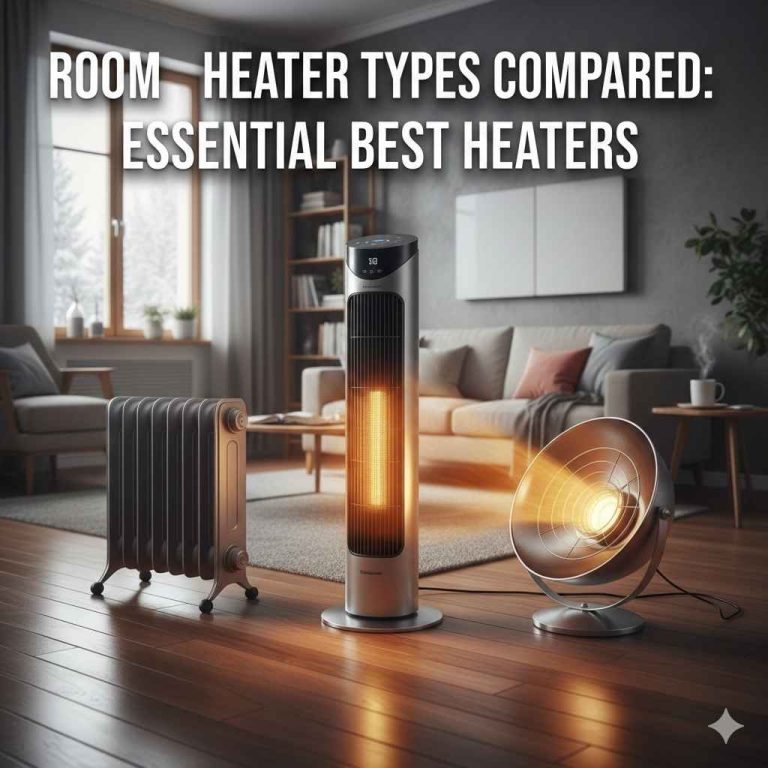
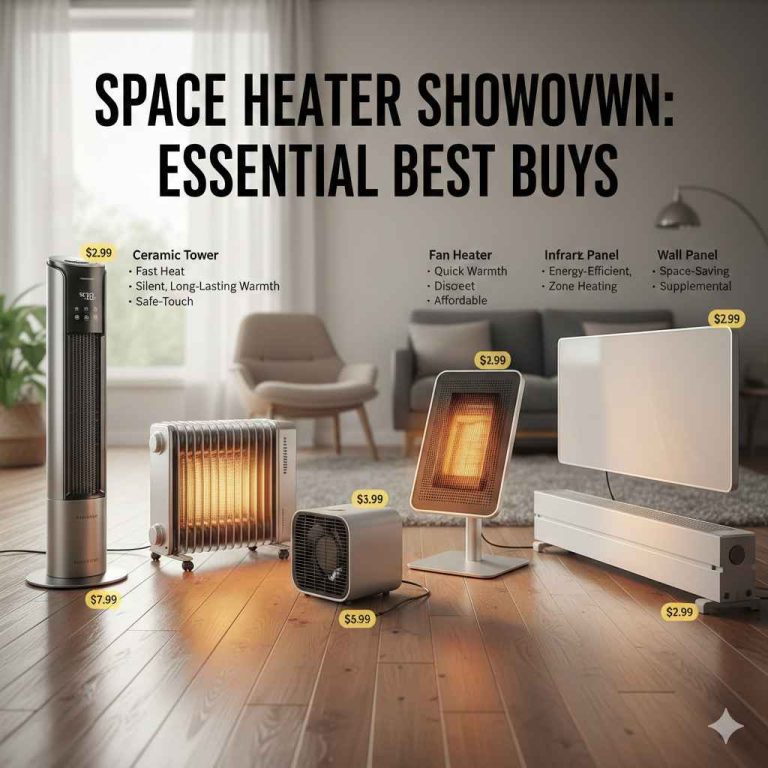
There are fundamentally five main categories of space heaters—Convection, Radiant, Fan-Forced, Oil-Filled Radiator, and Ceramic—each working differently to warm your space efficiently. Understanding these key types is the first step to choosing the safest, coziest, and most affordable heating solution for your home.
Feeling chilly, but lost in a sea of heater options? You’re not alone. Choosing the right heater can feel overwhelming. Should you pick the glowing kind, the silent kind, or the fan-powered one? Stop worrying! We’ve broken down all the common heater types into simple groups. This guide will show you exactly how each one works, so you can pick the perfect heater with total confidence. Get ready to make your home wonderfully warm!
When you need a little extra warmth—maybe for a drafty office, a chilly basement, or just to take the edge off a cold morning—you reach for a space heater. But walking down the aisle (or scrolling online), you encounter so many options! It can feel like there are dozens of types.
To make things easy, we group space heaters based on how they create and move heat. By focusing on these main technologies, you can quickly narrow down the best fit for your needs. In this guide, we will explore the five primary categories of portable heating technology that nearly all consumer heaters fall under.
The Five Core Categories of Space Heaters
While manufacturers market hundreds of different models, almost every electric space heater utilizes one of these five core heating mechanisms. Think of these as the “families” of heaters.
- Convection Heaters
- Radiant Heaters (Infrared)
- Fan-Forced Heaters (Usually combined with other types)
- Oil-Filled Radiator Heaters (A specialized form of Convection)
- Ceramic Heaters (Often Fan-Forced or Radiant)
Let’s dive into what makes each one special, how quickly they work, and where they work best.
1. Convection Heaters: Warming the Air Around You
Convection heating is the way your central furnace heats your home—by warming the air itself. Convection heaters heat the air that touches them, causing that warm air to rise, mix with the cooler air, and circulate naturally throughout the room.
How They Work (The Science Made Simple)
These heaters don’t use a fan (usually). Instead, they rely on natural physics. Cold air sinks, moves across the floor to the heater, gets heated, becomes lighter, and rises toward the ceiling. This creates a slow, steady, and even warmth across the entire room.
Pros and Cons of Convection Heaters
- Pros: Provide very even, whole-room heat. They operate almost silently, which is perfect for bedrooms or quiet workspaces.
- Cons: They are slow to heat up a room initially. They are not ideal for quickly warming a specific spot.
Who Should Use a Convection Heater?
These are best for maintaining a comfortable baseline temperature in a medium-sized room over a long period, like an office or a living room during the evening.
2. Radiant Heaters (Infrared): Direct Heat, Instant Warmth
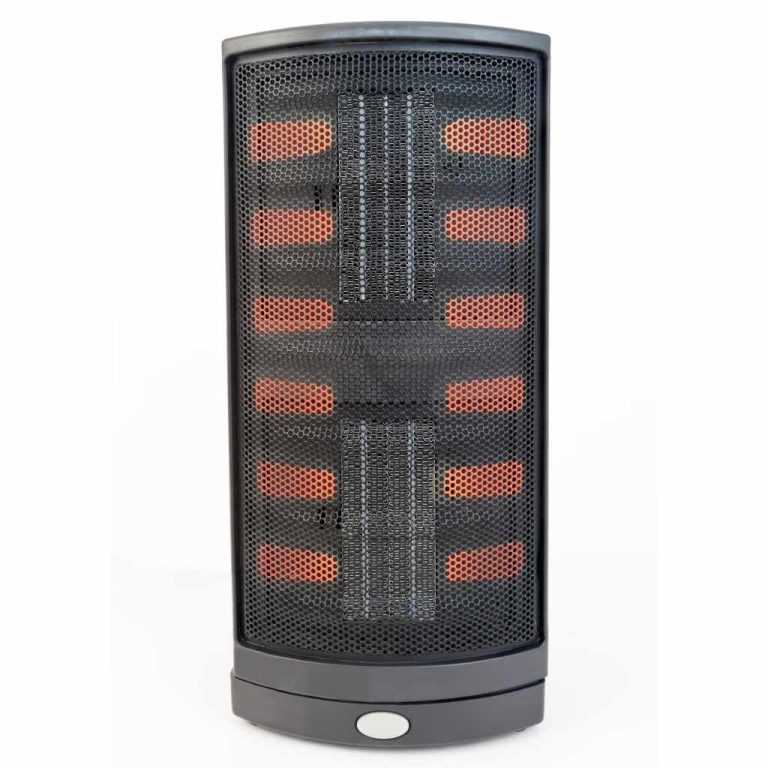
Radiant heaters work much like the sun or a campfire. They don’t waste time heating the air; instead, they emit infrared energy waves that travel through the air and heat objects—like you, the furniture, and the walls—directly.
How They Work (The “Toasty Feeling”)
When these invisible waves strike a solid surface, that surface absorbs the energy and heats up, making you feel warm instantly. This is why you can feel warm standing near a radiant heater even if the air immediately around the unit is still cool.
Pros and Cons of Radiant Heaters
- Pros: Instant heat—you feel warm right away. Excellent for heating small, targeted areas (like warming your hands while you work). Very energy efficient for spot heating because they don’t need to warm empty air.
- Cons: The heat doesn’t travel far. If you step out of the direct line of sight, the warmth disappears immediately.
Who Should Use a Radiant Heater?
Perfect for spot heating, like under a desk, in a drafty entryway where you only stand for a moment, or on a covered patio where constant airflow makes convection ineffective.
3. Fan-Forced Heaters: Moving Heat Quickly
Fan-forced heaters are extremely common because they offer fast results. They usually work in conjunction with a heating element, like ceramic or metal coils, but the defining feature is the fan that actively blows the heated air out into the room.
How They Work (Speed is Key)
The heating element gets hot, and then a powerful fan pushes that heat out rapidly across the room. This speeds up the heating process significantly compared to silent convection models.
Pros and Cons of Fan-Forced Heaters
- Pros: Fast heat distribution. They are often small, portable, and very affordable to purchase.
- Cons: They create noise (the fan running). They can blow dust around the room. They tend to create uneven heating, with hot spots near the unit.
Who Should Use a Fan-Forced Heater?
Ideal for quickly warming up a small, temporary space, like a bathroom right before a shower, or a small bedroom for a quick blast of warmth.
4. Oil-Filled Radiator Heaters: The Long, Slow Burn
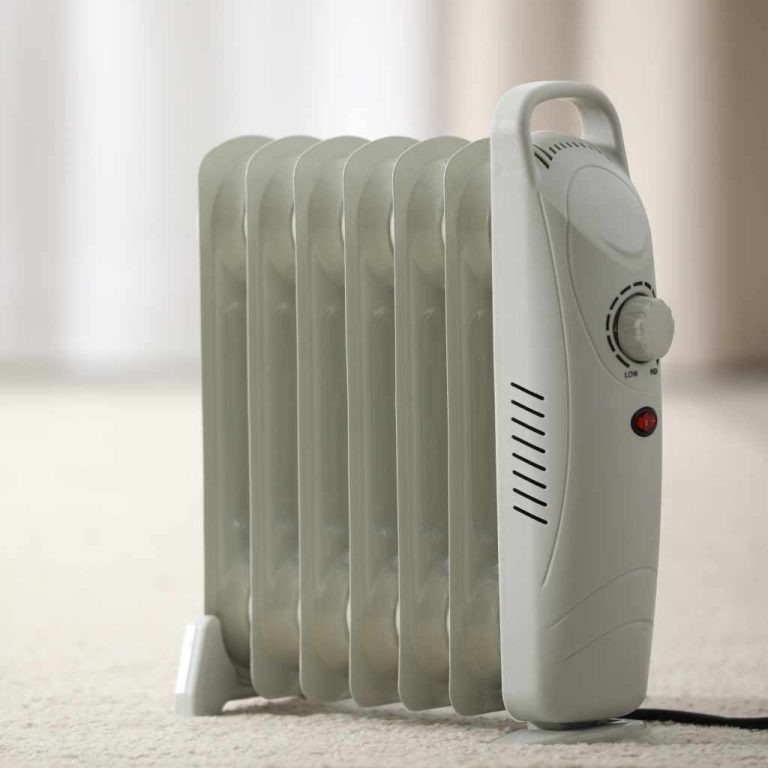
These heaters look like old-fashioned radiators, and they operate on a clever, safe principle. They are technically a type of convection heater, but the use of sealed oil inside gives them a unique advantage.
How They Work (Silent and Steady)
The unit contains heating elements submerged in safe, specialized mineral oil. The electricity heats the oil, and the oil (acting as a thermal battery) warms the metal fins of the radiator. The heat then radiates gently into the room, and the warmed oil continues to radiate heat even after the thermostat switches the element off.
Pros and Cons of Oil-Filled Radiators
- Pros: They retain heat very well, providing continuous, silent warmth long after the power cycle ends. They are incredibly safe, as the surface temperature doesn’t get as intensely hot as direct elements.
- Cons: Very slow to heat up initially. They are often bulky and heavy compared to other portable types.
Who Should Use an Oil-Filled Radiator?
The best choice for prolonged, consistent warmth in areas where you spend many hours, like a permanent home office or a small apartment bedroom. They offer excellent, low-maintenance ambient heat.
5. Ceramic Heaters: Versatile and Safe Power
Ceramic heaters are perhaps the most popular type available today. They use ceramic plates (which heat up quickly) as their primary heating element. Almost all ceramic heaters are also fan-forced, meaning they utilize the speed of a fan to distribute the heat generated by the ceramic plates.
How They Work (Fast, Safe Element)
Electricity passes through the ceramic plates, heating them rapidly. A fan then pushes air across these hot plates and into the room. Because the ceramic element has a high thermal mass, it heats up fast but cools down relatively quickly once powered off.
Pros and Cons of Ceramic Heaters
- Pros: Very fast warm-up time. Safer than older metal coil heaters because the heating element itself glows less intensely. Many models include advanced safety features like tip-over protection.
- Cons: Can dry out the air slightly. Fan noise is always a factor.
Who Should Use a Ceramic Heater?
A great all-around choice for most users seeking a balance of speed, portability, and relative safety.

Comparing the Five Main Heater Types
To help you decide which category fits your lifestyle, here is a straightforward comparison table focusing on key performance factors.
| Heater Type | Primary Heat Transfer | Speed of Heat Output | Best Use Case | Noise Level |
|---|---|---|---|---|
| Convection | Warming the entire air volume | Slow (Ambient Warming) | Maintaining temperature in a whole room | Very Low / Silent |
| Radiant (Infrared) | Directly heating objects/people | Instant | Spot heating one person or area | Low (No Fan) |
| Fan-Forced (General) | Forced air movement over element | Fast | Quickly warming a small space temporarily | Medium to High (Fan Noise) |
| Oil-Filled Radiator | Convection aided by stored heat | Slow Start, Long Retention | Continuous, safe overnight heating | Very Low / Silent |
| Ceramic (Fan-Forced) | Forced air over ceramic plates | Fast | General-purpose, quick heating in rooms | Medium (Fan Noise) |
Beyond the Big Five: Fuel Source and Installation Types
While the categories above describe how the heater generates warmth, heaters are also classified by what they use for fuel and where they are installed. Most portable heaters run on electricity, but understanding these other options is crucial for safety and efficiency.
A. Fuel Source Classification
While electric heaters are the easiest for general space heating, other fuel sources offer different benefits, especially for large areas or backup heating.
1. Electric Heaters
These are the most common type discussed above. They plug into a standard wall outlet (usually 120V). They are safe indoors because they produce no fumes, but they can strain older electrical circuits if too many high-wattage devices run simultaneously.
2. Propane/Kerosene Heaters
These combustion heaters burn fuel to produce intense heat. They are often used outdoors (like on construction sites or patios) or in emergencies, such as during power outages.
- Critical Safety Note: Combustion heaters consume oxygen and produce carbon monoxide. They must never be used in fully enclosed, unventilated indoor spaces. Always follow safety guidelines provided by organizations like the U.S. Environmental Protection Agency (EPA) regarding ventilation.
3. Natural Gas/Fuel Oil Heaters
These are typically built-in heating systems (furnaces or wall units) rather than portable space heaters. They are generally the most cost-effective way to heat an entire home but require professional installation.
B. Installation/Portability Classification
How you use the heater dictates its form factor.
1. Portable Heaters
These are the small, plug-and-play units we’ve primarily discussed. They have handles or wheels and can be moved easily from room to room. Most ceramic, fan-forced, and oil-filled radiators fall into this group.
2. Mounted Heaters (Wall/Ceiling)
These units are permanently affixed to a wall or ceiling. They are common in bathrooms (often called “kickspace” or “toekick” heaters) or in garages. They look cleaner and save floor space, but installation requires basic electrical wiring knowledge.
3. Built-In (Central) Heaters
This refers to your home’s main furnace or boiler system. While not “space heaters,” they provide the overall ambient heat profile for your entire dwelling.
Deep Dive: Safety Features You Must Look For
Understanding how many types of heaters there are is only half the battle; knowing which features make them safe is the other half. Safety should always be your top priority, especially when using portable electric units.
When shopping, make sure your chosen model includes these features:
- Automatic Shut-Off (Tip-Over Protection): This is crucial. If the heater is accidentally bumped or knocked over, it immediately cuts the power to prevent overheating the surface it lands on.
- Overheat Protection: Internal thermostats sense when the unit is getting too hot (often due to blocked vents) and shut it down before damage occurs.
- Cool-Touch Exterior (For Fan/Ceramic Models): While the air coming out is hot, the housing itself should not become dangerously hot to the touch, minimizing burn risk, especially around children or pets. Oil-filled models naturally meet this requirement better than direct radiant heaters.
- Timer Function: Useful for setting the heater to turn off after you fall asleep, saving energy and preventing unnecessary operation.
Choosing the Right Heater for Specific Rooms
The best heater type depends entirely on the room’s size, how often it’s used, and what you need it to do. Think about which action you need most: speed, quiet, or sustained warmth.
Here is a quick reference guide for common household scenarios:
| Room / Need | Best Heater Type(s) | Why? |
|---|---|---|
| Bedroom (Quiet Night Sleep) | Oil-Filled Radiator or Silent Convection | Silent operation and gentle, sustained warmth without the fan noise. |
| Small Home Office (Desk Area) | Small Radiant Heater | Warms the user instantly without heating the whole room where the computer might be generating its own heat. |
| Large Living Room (Overall Temp Boost) | Medium-sized Ceramic or High-Wattage Convection | Needs power to push heat effectively, but aim for safety features first. |
| Drafty Basement/Garage (Needs Tough Heat) | Heavy-duty Fan-Forced or Dedicated Infrared Quartz | These environments benefit from aggressive air movement or direct, powerful infrared rays. |
| Bathroom (Quick Warm-Up) | Small Ceramic Fan Heater | Fast output needed for a short period before showering. Look for units rated for damp locations. |
Understanding Wattage: Powering Your Choice
Regardless of the type, nearly all portable electric heaters run on a maximum of 1500 watts (W). This is the standard maximum draw for a dedicated circuit in most North American homes.
Understanding wattage helps you manage expectations:
- 1500W: Will comfortably heat a medium-sized room (about 150-200 square feet) in decent insulation.
- Lower Wattage (e.g., 750W): Good for very small spaces (like an enclosure or small office cubicle) or if you are worried about overloading a circuit. These will heat up slower and won’t feel as intense.
If you want your heater to work hard, ensure it has an adjustable thermostat that allows you to set it to the full 1500W when needed.
Energy Efficiency Considerations
A common misconception is that one type of heater is inherently more “efficient” than another. In reality, when dealing with electric resistance heating (which covers almost all portable heaters), the efficiency is nearly 100%.
What this means is that for every watt of electricity the heater consumes, almost one watt of heat is produced. The difference isn’t in the conversion efficiency; it’s in how smart you use the heat:
- Targeted Heating Wins: Using a Radiant heater to warm only your hands is more efficient than using a Convection heater to warm the entire house by 2 degrees.
- Insulation Matters: If your room leaks heat, no heater type will feel efficient. Seal windows and doors first.
- Thermostat Use: Learn to use the built-in thermostat to cycle the heater on and off, maintaining a temperature rather than blasting heat continuously.
When you are choosing a heater, focus less on “efficiency ratings” and more on matching the heating style to your usage pattern.
Installation and Setup for Beginners
Setting up a portable heater is wonderfully straightforward. You don’t need a handyman!
Step-by-Step Setup Guide:
- Check the Plug: Ensure the heater’s plug is fully inserted into a dedicated wall socket. Never use an extension cord or power strip with a high-wattage heater, as this is a major fire hazard.
- Find Stable Ground: Place the heater on a hard, level, non-flammable surface (tile, wood, concrete). Avoid placing it on top of thick rugs or bedding.
- Observe Clearances: This is the most important safety step. Follow the manufacturer’s minimum clearance guidelines—usually 3 feet (about 1 meter)—in all directions (front, sides, and back). Keep draperies, paper, furniture, and bedding far away from the unit.
- Initial Test Run: Set the heater to its lowest setting initially. Check that the safety features (like the tip-over switch) engage correctly if you gently nudge the unit.
- Adjust Settings: Once you are satisfied with its placement and stability, adjust the thermostat or power level to achieve your desired comfort level.

Frequently Asked Questions (FAQs) for New Heater Owners
Q1: Which type of heater is the safest for a home with pets and children?
Oil-filled radiators and certain convection heaters are generally the safest because their exterior surfaces do not reach the extreme temperatures of direct radiant or ceramic fan models. Always prioritize models with excellent tip-over and overheat protection features.
Q2: Can I run a 1500-watt space heater on an extension cord?
No. It is strongly advised that you never use an extension cord or power strip with a 1500W heater. These devices can overheat rapidly, posing a significant fire risk. Plug the heater directly into a wall outlet that is on a circuit not shared with other major appliances.
Q3: Which heater type heats the largest area the fastest?
Fan-forced heaters, especially those utilizing ceramic elements, distribute heat the fastest because they actively push the warm air into the space rather than waiting for natural air currents.
Q4: Do radiant heaters heat the air at all?
Radiant heaters primarily heat objects in their direct path. While the objects they heat will eventually warm the surrounding air through secondary convection, they are inefficient at raising the ambient temperature of an entire room compared to convection models.
Q5: How do I choose between a ceramic heater and an oil-filled radiator?
Choose ceramic if you need quick, on-demand heat for short periods. Choose an oil-filled radiator if you need quiet, sustained, gentle warmth for many hours, even if it takes longer to get started.
Q6: What does BTU mean on a heater?
BTU stands for British Thermal Unit, which is a standard measure of heat output. More BTUs mean the heater produces more heat energy. For electric heaters (which use watts), 1,500W is roughly equivalent to 5,120 BTUs.
Conclusion: Your Warm Home Awaits
You have successfully navigated the world of home heating! By now, you know that while there are countless models, there are essentially five core technological approaches to space heating: silent convection, instant radiant, speedy fan-forced, long-lasting oil-filled, and versatile ceramic. Your choice is now simple: identify your primary need.
Do you need rapid spot warmth for five minutes? Grab a radiant heater. Do you need quiet, cozy warmth overnight? Go for the oil-filled radiator. Are you looking for a reliable, all-around boost? A ceramic fan heater is your friend.
Remember the non-negotiable safety rules—always direct plug, maintain three feet of clearance, and check for tip-over protection. With this knowledge, you can confidently select the perfect heater type to make every corner of your home feel safe, cozy, and perfectly warm this season. Enjoy the comfort you deserve!