How Many Types of Room Heaters Are There?
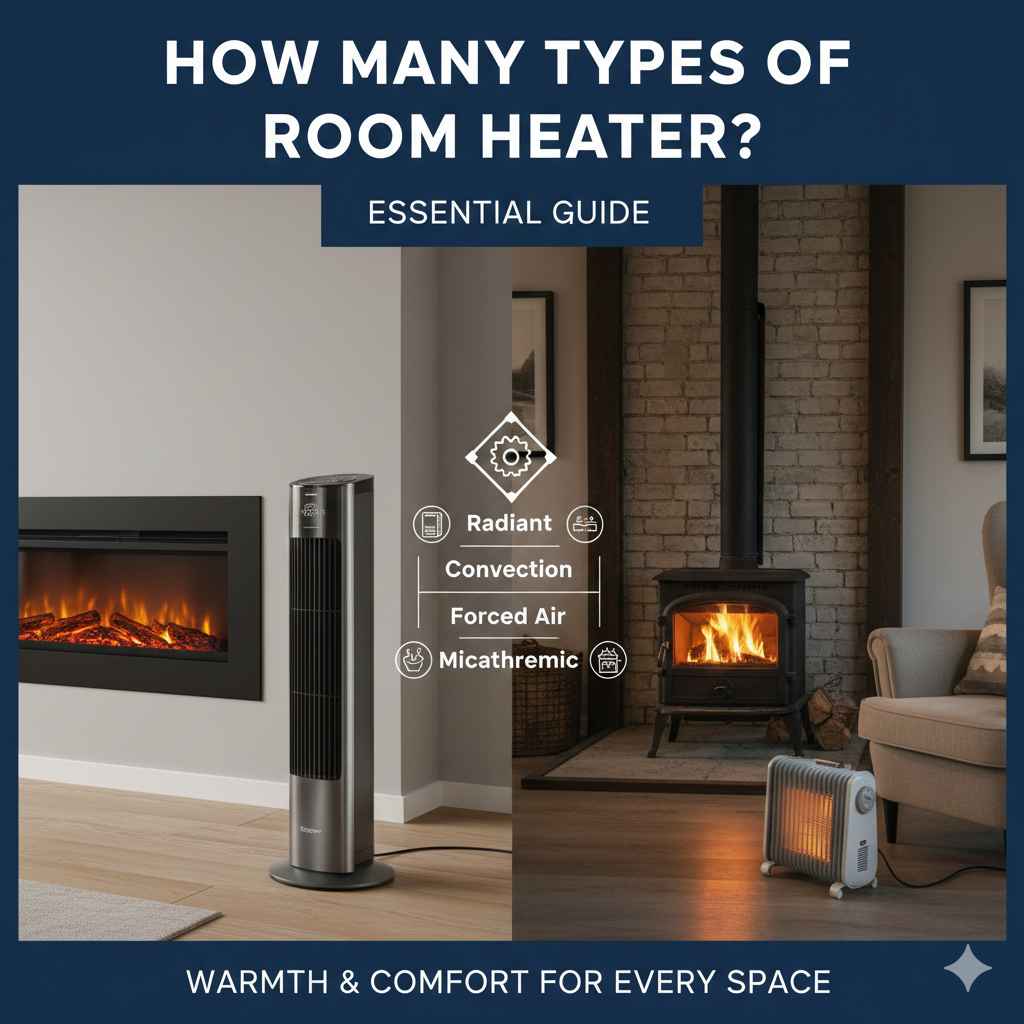
There are several main types of room heaters, broadly categorized as convection, radiant, and fan-forced heaters, alongside variations like oil-filled, ceramic, quartz, and propane models. Choosing the right one depends on your room size, budget, and heating needs for maximum comfort and safety.
For another water-heater question, Water Heater Types: A to the Pros and Cons covers a closely related problem readers often compare next.
For a closely related heater topic, Electric Heater Types Comparison gives readers a useful next step.
For a closely related heater topic, How Many Heater Types Are Utilized in Industrial Settings? gives readers a useful next step.
Feeling chilly shouldn’t mean wrestling with confusing heating options. If you’ve ever stood staring at rows of heaters, wondering which one will actually keep your space warm without hiking up your energy bill, you are not alone! Choosing the right portable heater can feel overwhelming.
But don’t worry! We are going to break down every common type of room heater into simple, easy-to-understand categories. You’ll learn exactly how each one works, what it’s best for, and how to pick the perfect match for your home. By the end of this guide, you will choose your next heater with complete confidence!
Understanding How Heaters Warm a Room: The Three Basic Methods
Before diving into specific product names like “ceramic” or “oil-filled,” it helps to know the three main ways heaters generate and distribute warmth. Think of these as the big families of heating technology.
1. Convection Heaters (Whole-Room Warmth)
Convection heaters work by warming the air itself. They draw cool air in, heat it up internally, and then release the warmer, lighter air back into the room. This warm air rises, mixes with the cooler air, and creates a slow, steady cycle that eventually heats the entire space evenly.
Popular Convection Heater Types:
- Oil-Filled Radiators: These use electricity to heat oil sealed inside the unit. The oil retains heat for a long time, providing steady, gentle warmth even after the unit turns off. They are quiet and excellent for bedrooms.
- Panel Heaters: These are slim, often wall-mounted units that radiate warmth primarily through their surface panels. They heat the air moving across them.
Best For: Sustained, quiet, and even heating in medium to large rooms where you plan to spend several hours.
2. Radiant Heaters (Direct Heat)
Radiant heaters are like the sun—they don’t heat the air first. Instead, they produce infrared energy waves that travel directly until they hit a solid object (like you, a wall, or a piece of furniture). That object then absorbs the heat and warms up. This is often called “line-of-sight” heating.
Popular Radiant Heater Types:
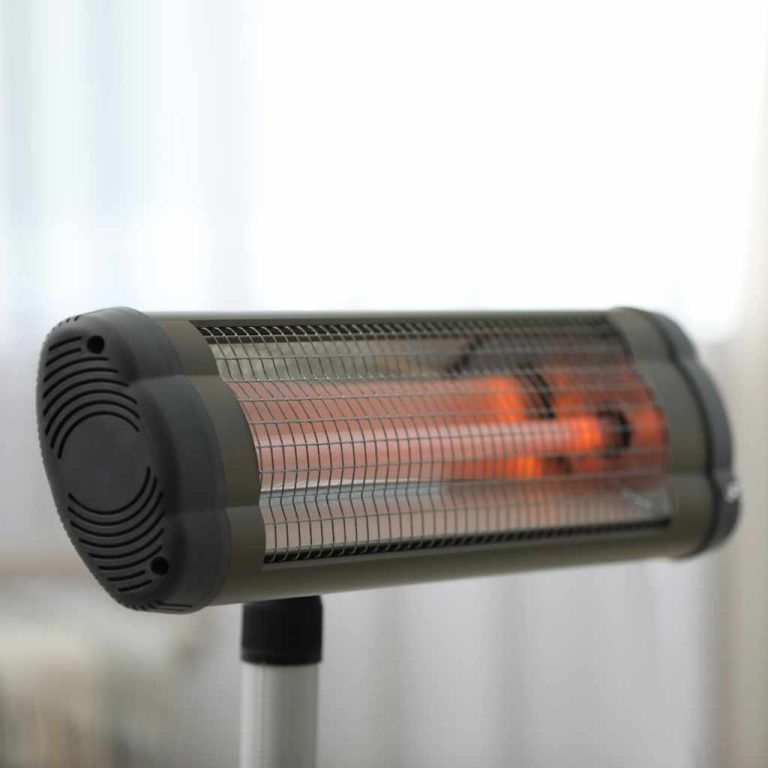
- Quartz Heaters: These use heating elements encased in quartz tubes. They glow red hot and produce very intense, direct heat almost instantly.
- Infrared Heaters: These operate similarly to quartz but may use different element materials. They are incredibly fast at warming the area directly in front of them.
Best For: Quickly warming up a small area or personal space, such as sitting at a desk or near a specific chair. They are less effective at heating an entire large room evenly.
3. Fan-Forced Heaters (Quick Spot Heating)
These heaters use a fan to blow air directly over a heating element (like ceramic plates or metal coils). The fan quickly distributes the warmed air throughout the space. They are the fastest way to feel heat!
Popular Fan-Forced Heater Types:
- Ceramic Heaters: These are the most common type. They use positive temperature coefficient (PTC) ceramic plates as the heating element. They are very safe because the element regulates its own temperature, preventing overheating.
- Micathermic Heaters: A hybrid often combining radiant elements with a fan. They use mica sheets to produce both radiant warmth and force-circulated heat.
Best For: Supplemental, fast heating in smaller rooms, or when you need instant warmth to take the chill off quickly.
A Detailed Look: The Most Common Types of Room Heaters Available
Now let’s look at the specific heater products you find in stores. These are often variations or specific implementations of the three methods described above. We’ll focus on safety, efficiency, and where they shine.
1. Ceramic Heaters (The Quick & Safe Go-To)
Ceramic heaters are incredibly popular because they balance speed, portability, and safety so well. They heat up very quickly and typically include safety features like tip-over shut-off switches and overheat protection, making them a favorite for busy homes.
Pros and Cons of Ceramic Heaters
| Pros | Cons |
|---|---|
| Fast heating (fan-forced) | Can dry out the air slightly |
| Very safe (self-regulating element) | Less effective at heating large, open spaces evenly |
| Lightweight and highly portable | Fan noise can be noticeable |
2. Oil-Filled Radiator Heaters (The Silent Warmth Provider)
If you value silence and sustained heat, the oil-filled radiator is your friend. Since they heat oil sealed within the fins, they produce deep, comforting heat that radiates outward slowly and stays warm long after you switch them off. They are slower to warm up initially, but their heat retention is superb.
They are excellent choices for bedrooms or home offices where constant noise is a distraction. They don’t use a fan, so they operate completely silently.
3. Quartz Heaters (The Instant Blast of Heat)
Quartz heaters use halogen or quartz tubes to generate intense infrared heat. When you need heat right now, this is the machine for the job. They are often used outdoors or in drafty areas because the heat is so focused.
Safety Note: Because the element gets extremely hot and often glows, always ensure nothing flammable is within three feet. They are purely radiant, meaning if you step out of their direct path, the warmth disappears instantly.
4. Propane/Kerosene Heaters (The Off-Grid Solution)
These heaters burn fuel (propane or kerosene) to produce heat. They are powerful and do not require electricity, making them lifesavers during power outages or for heating large garages or workshops.
Crucial Safety Warning: Fuel-burning heaters produce carbon monoxide (CO) as a byproduct. They must only be used in well-ventilated areas, as required by the Centers for Disease Control and Prevention (CDC) guidelines on carbon monoxide safety. Never use these types of heaters in enclosed living spaces like bedrooms or basements.
5. Micathermic Heaters (The Hybrid Powerhouse)
These are clever machines that combine the best of two worlds. They use thin mica sheets containing carbon fibers to produce radiant heat, often paired with a small fan to circulate that warmth. This combination allows them to warm objects directly (radiant) while still moving the air effectively (fan-forced).
They tend to be faster than traditional oil-filled radiators but produce a gentler, more comprehensive heat than pure ceramic units.
How to Choose the Right Heater for Your Space: A Simple Checklist
You don’t need a complicated formula to pick a heater. By answering three simple questions, you can narrow down your choices quickly and feel good about your purchase.
Step 1: Determine Your Heating Goal
Are you trying to heat an entire room or just warm up yourself?
- Whole-Room Heating: Choose Convection types (Oil-Filled Radiators, large Micathermic units). These circulate heat slowly but steadily.
- Spot Heating: Choose Radiant or Fan-Forced types (Ceramic, Quartz). These deliver immediate, focused warmth.
- Emergency/No Power: Choose Fuel-Burning (Propane, only used safely outdoors or in extremely ventilated areas).
Step 2: Consider Safety Features
If kids or pets are around, safety should be your number one priority. Look for these non-negotiable features:
- Tip-Over Switch: Automatically shuts the unit off if it falls over.
- Overheat Protection: Shuts the unit off if internal components get too hot.
- Cool-Touch Exterior: Essential for ceramic and fan-forced models so the outside doesn’t cause burns on contact. (Note: Radiators still get hot, but the metal fins are often less scorching than exposed quartz elements.)
Step 3: Assess Size and Power Needs (BTUs)
While we are keeping things beginner-friendly, understanding the heating power is important. Heater strength is often measured in British Thermal Units (BTUs) or Watts (most portable heaters are 1500 Watts, which is about 5120 BTUs).
A general rule of thumb for standard ceiling heights (8 feet) is:
- 100 Square Feet (Small Room/Office): 1,000 – 1,500 Watts
- 200 Square Feet (Bedroom): 1,500 – 2,500 Watts
- 300+ Square Feet (Large Living Area): Best addressed by central heating, or by using multiple zoned heaters, often favoring oil-filled radiators for steady performance.
Comparing Heater Types: Which Heater Wins Where?
To make your final decision crystal clear, here is a direct comparison highlighting the primary use case for each popular heater type:
| Heater Type | Primary Heating Method | Best Use Case | Warm-up Speed | Noise Level |
|---|---|---|---|---|
| Ceramic (Fan-Forced) | Forced Air Circulation | Quickly warming a small office or bathroom | Very Fast | Moderate (Fan Noise) |
| Oil-Filled Radiator (Convection) | Silent Air Circulation / Radiant | Quiet, sustained heating for bedrooms | Slow to Medium | Silent |
| Quartz (Radiant) | Direct Infrared Rays | Personal heating in a drafty area or corner | Instant | Silent (No fan) |
| Micathermic (Hybrid) | Radiant & Fan-Forced | Balancing quick spot heat with gentle ambient warmth | Fast | Low (Small Fan) |
Safety First: Tanim’s Essential Portable Heater Tips
As your trusted heating guide, I want to stress that while modern heaters are much safer than older models, safety always comes first. Following these simple rules will ensure you stay cozy and secure all winter long.
The Three-Foot Rule
This is the golden rule for nearly all portable heaters, especially those that get very hot on the surface (like quartz or traditional coils). Keep everything—curtains, bedding, furniture, paper, clothes—at least three feet away from the front and sides of the heater.
Placement Matters
Always place your heater on a hard, level, non-combustible surface, like a tile floor or wooden table. Never place a heater on rugs, carpets, or furniture unless the manufacturer explicitly states it is safe to do so.
Extension Cords Are a Big No
Portable heaters draw a lot of electricity. Plugging them into an extension cord or power strip creates a major fire hazard because the cord or strip cannot handle the sustained high amperage draw. Always plug the heater directly into a wall outlet that is properly grounded.
Maintenance is Easy
Keep your heater breathing easily! Dust buildup on the heating elements or fan blades reduces efficiency and can become a hazard. Unplug the unit, let it cool completely, and gently vacuum any visible dust from the intake and output vents once a month during the heating season.
Frequently Asked Questions About Room Heaters
Q1: Which type of room heater is the most energy efficient?
A: All electric resistance heaters (which include ceramic, oil-filled, and quartz) convert electricity into heat at nearly 100% efficiency. However, efficiency in practice means choosing the right tool for the job. Convection heaters (like oil-filled) are most efficient for steady, whole-room warming, while radiant heaters are efficient for spot heating because they don’t waste energy warming empty air.
Q2: Can I use a portable heater to heat my entire apartment?
A: For a small studio apartment (under 250 sq. ft.), a powerful 1500W heater might work well, especially an oil-filled radiator. However, for larger apartments or those with high ceilings, portable heaters are best used for zonal heating—warming the room you are currently occupying—rather than replacing your central furnace completely.
Q3: Why does my ceramic heater smell when I first turn it on?
A: That slight smell is usually normal, especially on the first use of the season. It’s often just dust burning off the heating elements as they get hot. If the smell is strong, like burning plastic, turn the unit off immediately, unplug it, and inspect it. If it persists after the first hour of use, the unit might be faulty.
Q4: Are oil-filled radiators safe to leave running overnight?
A: Yes, modern oil-filled radiators with automatic thermostats and tip-over protection are generally considered the safest choice for overnight operation, thanks to their silent, steady heat output and lack of exposed, glowing elements.
Q5: Should I choose a heater with a thermostat?
A: Absolutely. A thermostat allows the heater to cycle on and off automatically once it reaches your desired temperature. This saves energy by preventing the heater from running constantly and helps maintain a steady, comfortable temperature without you having to constantly adjust the dial.
Q6: What is the difference between a radiant heater and a convection heater?
A: A convection heater heats the air, which then circulates to warm the room evenly. A radiant heater emits infrared waves that warm objects and people directly in its line of sight, much like sunlight.
Wrapping Up Your Heater Selection Journey
We’ve journeyed through the world of room heaters, moving from the basic science of convection and radiant heat to understanding specific models like ceramic, quartz, and silent oil-filled radiators. Remember, there isn’t one “best” heater; there is only the best heater for your specific need.
If you need instant personal warmth for your desk, grab a fast-acting ceramic or quartz unit. If you are looking for peaceful, round-the-clock comfort in your bedroom, the gentle, sustained warmth of an oil-filled radiator is unmatched. Always prioritize those built-in safety features—the tip-over switch is your best friend.
Now you have the knowledge to look at those options with clarity and confidence. Choose smart, place it safely, and enjoy the cozy warmth you deserve this season!