
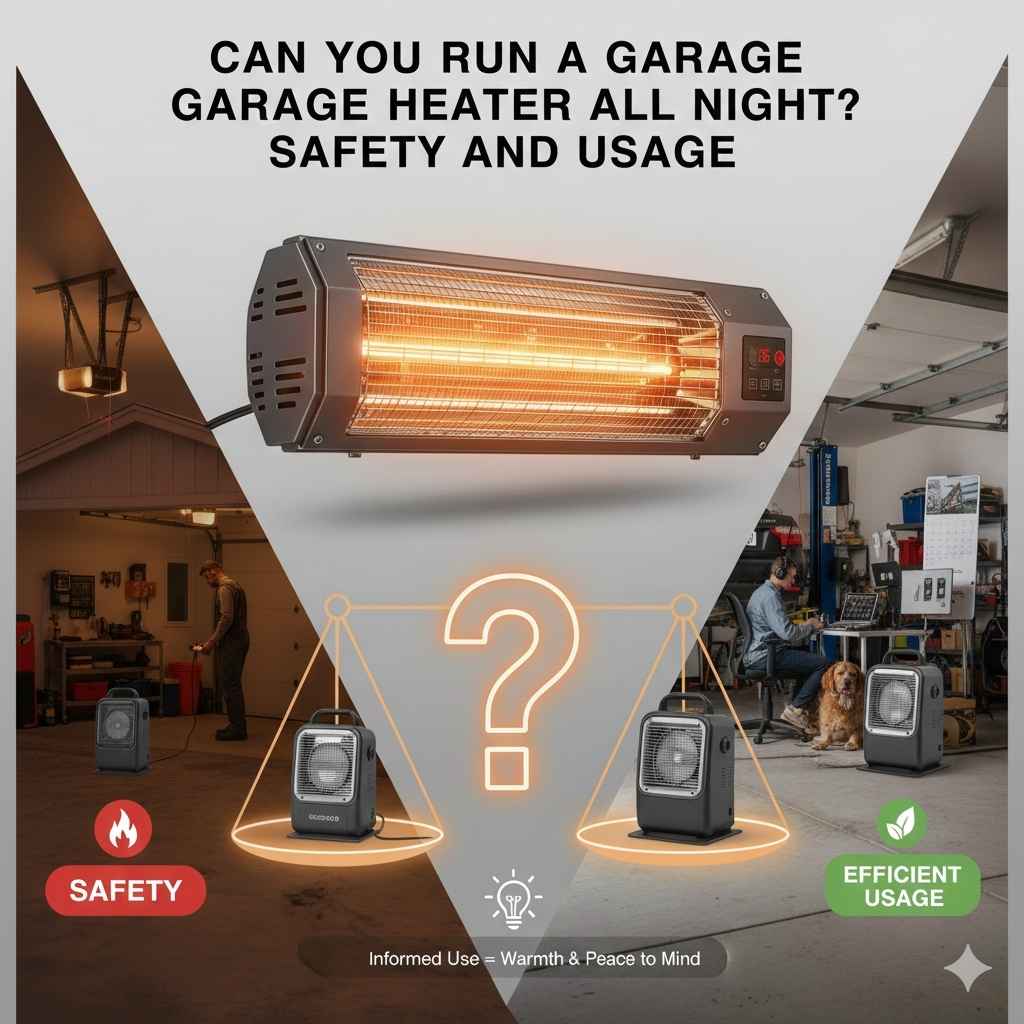
Thinking about whether Can You Run a Garage Heater All Night? is something you’re asking? It’s a common question, especially for those new to garage heating. You might worry about safety, energy costs, and if it’s even possible. Don’t sweat it! This guide will help you understand the basics. We’ll explore everything you need to know, offering a simple, step-by-step approach. Learn about the factors involved, from heater types to safety tips. Read on and find out.
Evaluating Garage Heater Types for Overnight Use
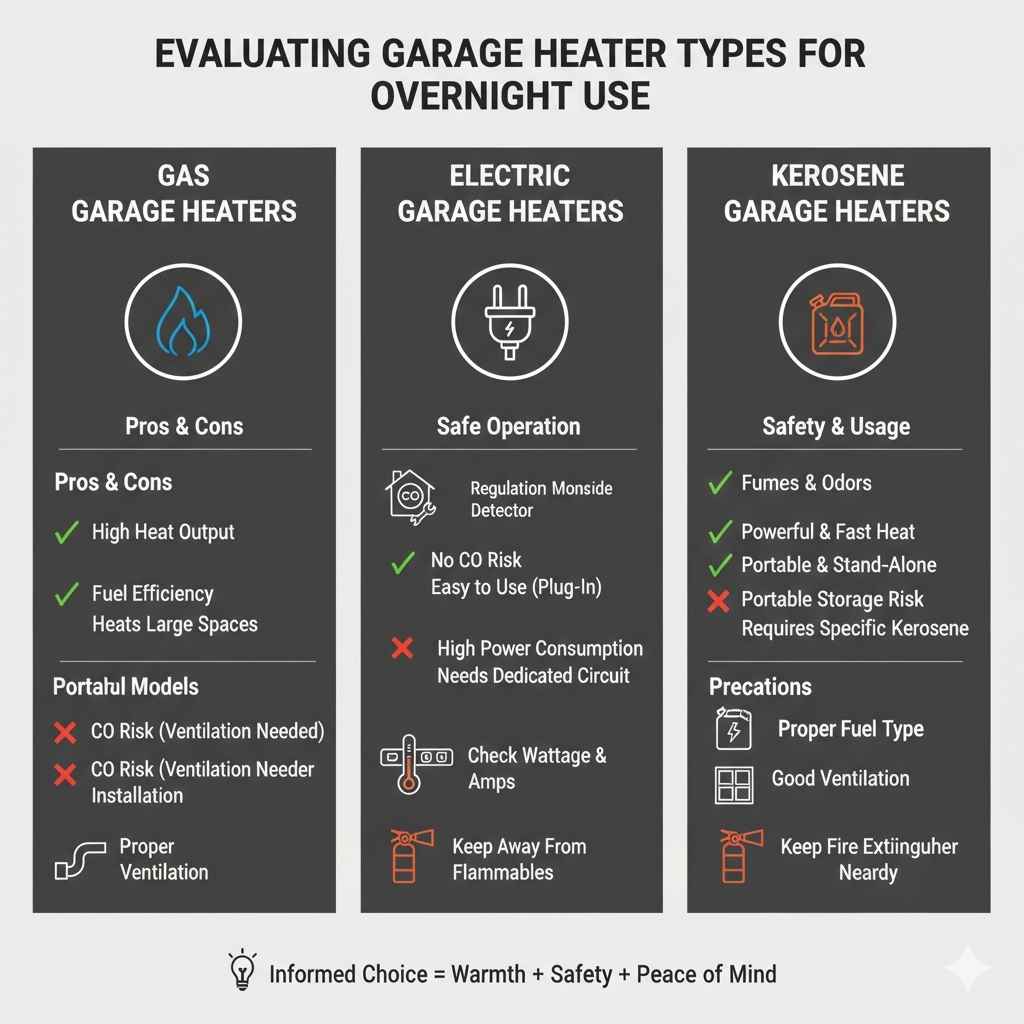
The type of garage heater you own is the first key factor in deciding if you can run it all night. Some heaters are built for continuous use, while others are better suited for short bursts of heat. Gas heaters, electric heaters, and kerosene heaters all have their own advantages and disadvantages to think about. Knowing the different features and safety aspects is vital. It will determine if leaving your garage heater on overnight is a smart idea. We will now investigate these heater types in more detail.
Gas Garage Heaters: Pros, Cons, and Regulations
Gas garage heaters usually run on either propane or natural gas. They can provide powerful and consistent heat, which is great for large spaces. However, gas heaters bring some special safety needs. One big thing to think about is carbon monoxide. If the heater isn’t vented properly, carbon monoxide can build up, which is very dangerous. Gas heaters also need proper ventilation to work correctly. Regulations vary by area, so it’s vital to know your local rules about using gas heaters in garages. For instance, some places need a special permit or installation. Always put safety first when you have a gas heater.
- Efficiency of Gas Heaters: Gas heaters often have a high BTU (British Thermal Unit) rating, which means they can heat a space rapidly. They generally have good fuel efficiency. This can help keep your energy costs down.
- Safety Concerns and Carbon Monoxide: The most significant risk with gas heaters is carbon monoxide (CO) poisoning. CO is a colorless, odorless gas. It can be deadly. Always have a CO detector near your gas heater. Make sure the heater has good ventilation.
- Installation Requirements and Permits: Installing a gas heater may need a professional. You may need to get permits. This ensures the heater is installed correctly and safely. Check local codes.
- Ventilation Needs: Gas heaters need good ventilation to get rid of exhaust gases. This keeps the air fresh and prevents carbon monoxide from building up.
Electric Garage Heaters: Safe Operation and Power Needs
Electric garage heaters are easy to use. You just plug them in and turn them on. They are typically safer than gas heaters because they don’t produce carbon monoxide. But, you must also be careful about electricity. Make sure your electrical system can handle the heater. Some electric heaters use a lot of power. This can trip breakers or overload circuits. Always check the wattage of your heater and compare it to your circuit’s capacity. Also, keep combustible materials away from the heater. This helps prevent fires. Electric garage heaters are a good option for people looking for a simple and generally safer heating solution.
- Power Consumption and Circuit Capacity: Electric heaters can use a lot of power, measured in watts. Always check your electrical panel to make sure your circuits can handle the heater’s wattage.
- Safety Features and Overheating Protection: Look for electric heaters with built-in safety features like automatic shut-off. These features turn off the heater if it gets too hot.
- Portability and Placement: Electric heaters are often portable. But, place them on a flat, stable surface. Keep them away from flammable materials like paper or curtains.
- Heating Capacity and Sizing: Consider the size of your garage. Make sure the heater’s BTU rating is right for the area you want to heat.
Kerosene Garage Heaters: Safety and Usage Precautions
Kerosene garage heaters are powerful and can quickly heat a garage. But, they have some important safety needs. You must always use the right type of kerosene. Never use gasoline or other fuels in a kerosene heater, because it can be extremely dangerous. The heaters also produce fumes and odors. So, good ventilation is important. Like gas heaters, kerosene heaters also need attention. Always keep a fire extinguisher nearby. Kerosene heaters require regular maintenance to operate safely. They are a good solution for heating, but you have to be extra careful to keep them safe.
- Fuel Type and Storage: Use only kerosene that’s made for heaters. Never use gasoline or other fuels. Store kerosene safely in a cool, well-ventilated area away from heat sources.
- Ventilation Requirements and Fumes: Kerosene heaters produce fumes. Make sure your garage has good ventilation. Open a window or use a vent. This is key to safety.
- Maintenance and Cleaning: Regularly clean your kerosene heater. This keeps it working well and safely. Follow the maker’s instructions for cleaning.
- Safety Devices and Fire Extinguisher: Have a working fire extinguisher close by. Kerosene heaters can be a fire hazard. Make sure your heater has safety devices, like an automatic shut-off.
Safety Checks Before Running a Garage Heater All Night
Before you run a Can You Run a Garage Heater All Night? scenario, there are key safety steps. These steps ensure your safety and the safety of your property. First, always inspect your heater for damage. Check the power cord or gas lines. Make sure there are no leaks or loose connections. Next, you must check your smoke detectors and carbon monoxide detectors. Make sure they work and have fresh batteries. Proper placement of these detectors is also important. Keep the area around the heater clear from any objects, and look for anything flammable. By doing these checks, you will reduce the chances of accidents.
Inspecting Your Garage Heater and Electrical System
Regular inspection is key to keeping your garage heater safe. Start by examining the heater itself. Look for any damage. Check the power cord or gas lines for wear and tear. Make sure there are no cracks, frays, or loose connections. If you find something damaged, repair or replace the heater before using it. Also, check your electrical system. Make sure the circuit can handle the heater’s power needs. This prevents overloads and fire hazards. These steps will provide safety and prevent any problems.
- Visual Inspection for Damage: Carefully look at the heater. Check for cracks, dents, or other damage that could affect its safe operation. Look at any gas lines.
- Checking Power Cords and Gas Lines: Look at the power cord or gas lines for damage. Replace any cord that is damaged or worn. Make sure the gas lines are secure and don’t leak.
- Circuit Breaker Capacity and Overload Prevention: Make sure your electrical circuit can handle the heater’s wattage. If you’re not sure, get help from a qualified electrician.
- Proper Ventilation and Airflow: Make sure there is good airflow around your heater. This helps prevent overheating.
Smoke and Carbon Monoxide Detector Installation and Maintenance
Smoke and carbon monoxide (CO) detectors are essential for your safety when using a garage heater. Install smoke detectors near the heater and throughout your garage. Make sure to also install a CO detector near the heater. This is especially important for gas or kerosene heaters, as these can produce CO. Regularly test your detectors. You can check them every month by pressing the test button. Replace the batteries at least once a year. Keeping your detectors in good working order helps protect you from fire and CO poisoning.
- Placement of Smoke Detectors: Place smoke detectors in multiple areas of your garage. Put them near the heater and away from the heater to give maximum protection.
- Carbon Monoxide Detector Placement: Place a CO detector near the heater. This is important if you use a gas or kerosene heater. Make sure you can hear it.
- Battery Maintenance and Testing: Test your detectors every month. Replace the batteries regularly, usually every year. This will ensure your detectors always work.
- Checking for Ventilation: Make sure your garage has proper ventilation. This is especially vital when using gas or kerosene heaters. It helps remove dangerous gases.
Clearance and Flammable Materials: Fire Prevention
One of the easiest ways to prevent fires is to keep the area around your heater clear. Make sure there is enough space. Keep at least three feet of space around your heater. Make sure nothing can touch the heater. Remove flammable materials from the area. This includes things like paper, fabric, and chemicals. These precautions will lower the chance of a fire hazard. Regular maintenance helps too. By doing these checks, you greatly decrease the risk of a fire, keeping you, your property, and anyone who might be near your garage safe.
- Maintaining Clearance Zones: Keep at least three feet of space around your heater. This is a must for your safety.
- Removing Flammable Items: Get rid of anything that can easily catch fire. This could include things like paper, paint, or anything else that’s flammable.
- Proper Placement of Heater: Place the heater on a stable, level surface.
- Regular Inspections: Regularly check your heater for any signs of damage or wear. Also, check the electrical cord or gas lines.
Overnight Garage Heating: Potential Risks and Mitigation
Running your garage heater overnight does come with some risks. Some risks include fire hazards, carbon monoxide poisoning, and energy consumption. Proper preparation and safety measures can reduce these risks. Understanding the possible dangers and taking steps to address them helps you use your heater safely. This will also give you peace of mind. We will discuss the possible threats and provide solutions to help keep you safe.
Fire Hazards and Preventative Measures
The most important thing to watch out for is fire. This could happen if your heater isn’t working right or if there are flammable materials nearby. The best way to prevent fires is to do regular maintenance on your heater. Make sure it’s clean and in good working condition. Always keep the area around the heater clear. Never leave flammable items near it. Install a smoke detector. It’s important to have a fire extinguisher nearby. Check your local fire safety rules. By taking these steps, you can greatly reduce the chance of a fire.
- Regular Heater Maintenance and Inspection: Regularly inspect and maintain your garage heater. This will catch any potential problems early.
- Keeping the Area Clear: Keep at least three feet of clear space around the heater.
- Smoke Detectors and Fire Extinguishers: Install working smoke detectors and have a fire extinguisher on hand.
- Electrical Safety: Ensure your electrical system can handle the heater’s power needs. Avoid overloading circuits.
Carbon Monoxide Poisoning and Prevention
Carbon monoxide (CO) is a very dangerous gas. It has no color, no smell, and it can kill. If you use a gas or kerosene heater, it can make CO. To prevent CO poisoning, install a CO detector near your heater. Also, make sure your garage has good ventilation. This is particularly important when you’re using a gas or kerosene heater. If you feel dizzy, sick, or have a headache while your heater is on, turn it off and get fresh air. These steps will help keep you safe from CO poisoning. Check the heater regularly to ensure it is running properly.
- CO Detector Installation and Maintenance: Install a carbon monoxide (CO) detector near the heater. Check and replace the batteries.
- Ventilation Strategies: Ensure good ventilation in your garage. This helps remove any dangerous gases.
- Recognizing Symptoms of CO Poisoning: Know the signs of CO poisoning, like headaches, dizziness, or nausea. Leave the area and get medical help immediately if you experience these symptoms.
- Heater Maintenance and Proper Fuel: Make sure your heater is well-maintained and uses the correct fuel. This will help prevent CO production.
Energy Consumption and Cost-Saving Tips
Leaving a garage heater on overnight can raise your energy bill. However, there are things you can do to save money. Using a programmable thermostat is a good idea. This lets you set the temperature for different times of the day. You can lower the temperature at night when you don’t need as much heat. Insulating your garage helps. Good insulation keeps the heat in. This means your heater does not have to work as hard. By following these tips, you can balance your comfort with your costs.
- Using Programmable Thermostats: Install a programmable thermostat. This lets you schedule the heating. You can lower the temperature when you don’t need it as much.
- Insulating Your Garage: Add insulation to your garage. Insulation helps keep the heat inside. This makes your heater more efficient.
- Energy-Efficient Heater Options: Consider using an energy-efficient heater. Look for models with high efficiency ratings.
- Regular Maintenance for Efficiency: Regular maintenance will keep your heater running efficiently. This can reduce your energy costs.
Scenario Analysis: When Is Overnight Garage Heating Okay?
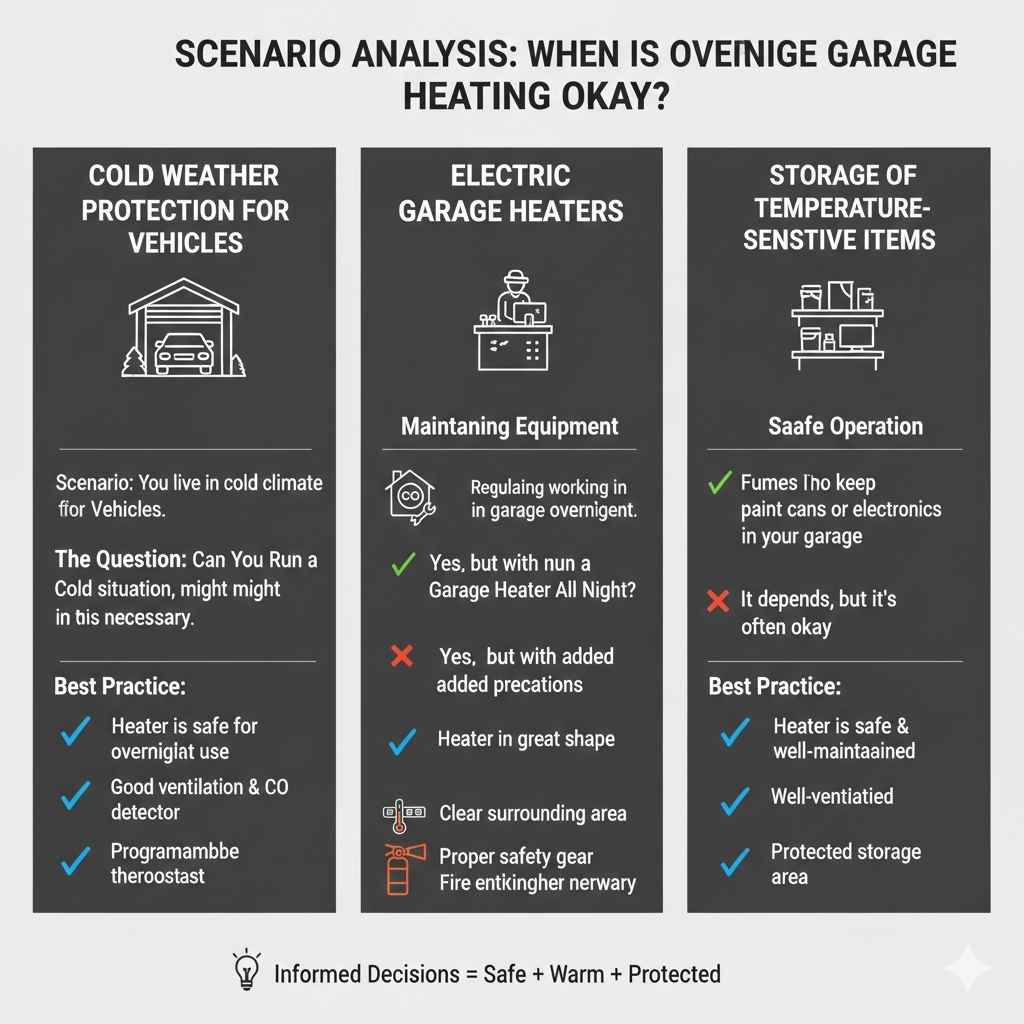
It helps to look at a few common situations. This can help you better understand Can You Run a Garage Heater All Night? Let’s look at a few examples. These include cold weather situations, vehicle maintenance projects, and storage considerations. We’ll explore the best practices for each scenario. We’ll give you a clearer idea of when it’s okay to leave your garage heater on overnight.
- Cold Weather Protection for Vehicles:Scenario: You live in a place where the weather gets very cold. You park your car in the garage.
The Question: Can You Run a Garage Heater All Night?
Best Practice: In this situation, it might be necessary.
Checklist: Before, confirm your heater is safe for overnight use.
Ensure good ventilation and a working carbon monoxide detector. Use a programmable thermostat to maintain a reasonable temperature. - Maintaining Equipment:Scenario: You are working on a project in your garage overnight.
The Question: Can You Run a Garage Heater All Night?
Best Practice: Yes, but with added precautions.
Checklist: Ensure your garage heater is in great shape. Keep the area around it clear. Wear proper safety gear. Have a fire extinguisher nearby. - Storage of Temperature-Sensitive Items:Scenario: You keep paint cans or electronics in your garage.
The Question: Can You Run a Garage Heater All Night?
Best Practice: It depends, but it’s often okay.
Checklist: Ensure the heater is safe and well-maintained. Make sure the garage is well-ventilated. Make sure the storage area is protected.
Frequently Asked Questions
Question: Is it safe to run a garage heater all night?
Answer: It can be, but you must follow safety steps. Check your heater, ensure proper ventilation, and install detectors.
Question: What type of heater is safest for overnight use?
Answer: Electric heaters are often considered safer than gas or kerosene. This is because they do not produce carbon monoxide.
Question: How can I prevent carbon monoxide poisoning?
Answer: Install a carbon monoxide (CO) detector near the heater. Make sure your garage has good ventilation.
Question: What should I do if my heater has a problem?
Answer: Stop using it. Get it repaired or replaced right away by a qualified person.
Question: Can I leave my garage door open for ventilation?
Answer: A slightly open door can help with ventilation. But, leaving it fully open could let too much heat escape.
Final Thoughts
So, the question, Can You Run a Garage Heater All Night? has a few different answers. It depends on several factors. The kind of heater you have, how you take care of it, and the surroundings play a major role. Electric heaters are generally safer because they don’t produce carbon monoxide. But, all types require safety checks. Always inspect your heater. Ensure your garage has working smoke and carbon monoxide detectors.
Make sure the area is free of flammable materials. Consider a programmable thermostat and make sure your garage is insulated. Keeping these points in mind helps ensure your safety and comfort. By understanding the basics and taking the correct steps, you can use your garage heater with confidence. Stay safe, stay warm, and enjoy your heated garage.
Last Updated on January 14, 2026 by Tanim