
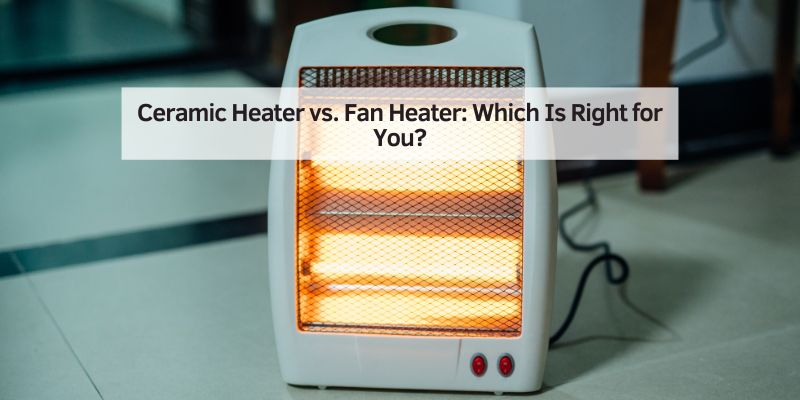
Hey there! If you’re reading this, you’re probably trying to figure out how to keep your home cozy this winter without breaking the bank or turning your living room into a fire hazard. I’ve been there, shivering in my own house, wondering whether a ceramic heater or a fan heater is the better choice. It’s a question that pops up every time the temperature drops, and trust me, I’ve spent hours researching, testing, and comparing these two popular electric heaters to find out which one truly delivers. In this article, I’m going to walk you through everything I’ve learned about ceramic heaters versus fan heaters, from how they work to their pros and cons, so you can make the best decision for your home. Let’s dive in and warm up to the details!
How Do Ceramic Heaters Work?
When I first heard about ceramic heaters, I pictured something made entirely of clay, like a pottery project gone wild. But that’s not it at all! Ceramic heaters are electric space heaters that use a ceramic heating element to generate warmth. Here’s how they work in simple terms: electricity flows through a ceramic plate inside the heater. The ceramic material resists the electric current, which creates heat. This heat is then absorbed by metal coils or fins attached to the ceramic plate, and the warmth is released into the room.
What’s cool about ceramic heaters is that they can work with or without a fan. Some models rely on natural convection, where the warm air rises and circulates on its own. Others have a built-in fan that pushes the heated air out, spreading warmth faster. I’ve used both types, and the fan-assisted ones are great when you need quick heat, like when you step out of the shower on a freezing morning. The ceramic plates are durable and heat up fast, which is why these heaters are so popular for small spaces like bedrooms or home offices.
How Do Fan Heaters Work?
Fan heaters, on the other hand, are the straightforward cousins of ceramic heaters. They also use electricity to produce heat, but instead of ceramic plates, they rely on metal coils or filaments. When electricity passes through these coils, they get hot—really hot—and a fan inside the heater blows air over the coils to spread the warmth around the room.
I remember using a fan heater in my old apartment. It was super basic: plug it in, turn it on, and boom, warm air started blowing out almost instantly. The fan is what makes these heaters so effective at heating a room quickly. However, they don’t retain heat as well as other types, so the room cools down fast once you turn them off. They’re simple, affordable, and get the job done, but they come with their own quirks, as I’ll explain later.
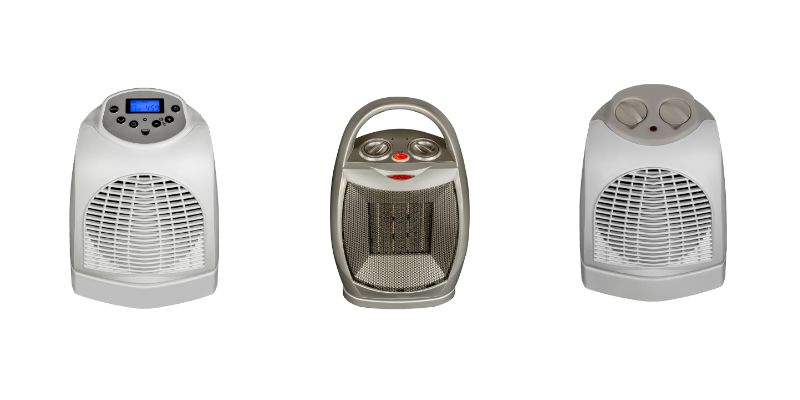
Key Differences Between Ceramic and Fan Heaters
Now that we know how these heaters work, let’s talk about what sets them apart. I’ve spent a lot of time comparing these two, and it boils down to a few key differences. Here’s a quick table to give you a side-by-side look, followed by a deeper dive into each point.
| Feature | Ceramic Heater | Fan Heater |
|---|---|---|
| Heating Element | Ceramic plates | Metal coils or filaments |
| Heat Distribution | Convection or fan-assisted | Fan-assisted only |
| Warm-Up Time | Fast | Very fast |
| Energy Efficiency | Generally more efficient | Less efficient |
| Safety Features | Tip-over protection, cool-touch exterior | Fewer safety features |
| Noise Level | Quieter (fan models vary) | Often noisy |
| Portability | Lightweight, compact | Lightweight, compact |
| Cost | $30–$150 | $15–$100 |
Heating Element
The biggest difference is the heating element. Ceramic heaters use those special ceramic plates, which are great at conducting heat while staying relatively cool to the touch. Fan heaters use metal coils, which can get extremely hot, sometimes glowing red. I’ve noticed that ceramic heaters feel safer because the heating element doesn’t reach the same scorching temperatures as fan heater coils.
Heat Distribution
Ceramic heaters can work with or without a fan, depending on the model. This gives them some versatility. Fan heaters, by definition, always use a fan to push out hot air. If you need to heat a larger space quickly, a fan heater’s ability to blow air across the room can be a big plus. But if you want a quieter option, a fanless ceramic heater might be your pick.
Warm-Up Time
Both heaters warm up fast, but fan heaters have a slight edge here. I’ve timed it—my fan heater starts blowing warm air in about 30 seconds, while my ceramic heater takes closer to a minute. That said, ceramic heaters tend to maintain a more consistent temperature once they’re going, which I find makes a difference in comfort.
Energy Efficiency
This is where ceramic heaters often shine. They’re designed to be more energy-efficient, meaning they use less electricity to produce the same amount of heat. In my experience, running a ceramic heater for a few hours doesn’t spike my electric bill as much as a fan heater does. If you’re watching your budget, this could be a deciding factor.
Safety Features
Safety is a big deal for me, especially since I have a curious cat who loves to knock things over. Ceramic heaters often come with features like tip-over protection (they shut off if they fall) and cool-touch exteriors. Fan heaters, especially cheaper models, don’t always have these extras. I’ve seen some fan heaters get so hot that you can’t touch the casing without risking a burn.
Noise Level
Fan heaters can be loud. That constant whirring sound can get annoying if you’re trying to watch TV or sleep. Ceramic heaters with fans can also make noise, but they’re generally quieter. If you go for a fanless ceramic model, it’s practically silent, which is a game-changer for light sleepers like me.
Portability
Both types are portable, which is why I love them for moving from room to room. They’re usually lightweight and compact, so you can easily carry them to wherever you need heat. My ceramic heater has a handle that makes it super easy to tote around, and most fan heaters are just as convenient.
Cost
Fan heaters are typically cheaper upfront, with basic models starting as low as $15. Ceramic heaters usually cost a bit more, ranging from $30 to $150, depending on features like oscillation or a digital thermostat. However, the energy savings from a ceramic heater might balance out the higher initial cost over time.
Pros and Cons of Ceramic Heaters
I’ve used ceramic heaters in various rooms over the years, and they’ve got a lot going for them. But they’re not perfect. Here’s what I’ve found.
Pros of Ceramic Heaters
- Energy Efficiency: They use less electricity, which is great for keeping your bills down.
- Safety Features: Most models have tip-over protection and cool-touch exteriors, making them safer for homes with kids or pets.
- Quiet Operation: Even fan-assisted models are quieter than fan heaters. Fanless ones are almost silent.
- Fast Heating: They warm up quickly and maintain steady heat.
- Portability: Lightweight and easy to move around.
Cons of Ceramic Heaters
- Higher Upfront Cost: They’re pricier than basic fan heaters.
- Not Ideal for Large Spaces: They work best in small to medium rooms, like a bedroom or office.
- Fan Noise (in some models): If you choose a fan-assisted model, it can still be a bit noisy.
- Limited Temperature Control: Some models don’t let you set an exact temperature, just high or low settings.
Pros and Cons of Fan Heaters
Fan heaters have been my go-to for quick warmth, especially in small apartments. But they’ve got their downsides too.
Pros of Fan Heaters
- Affordable: You can find decent models for as little as $15.
- Fast Heating: They blow warm air almost instantly, perfect for quick chills.
- Portable: Like ceramic heaters, they’re easy to move around.
- Simple Design: No fancy bells and whistles, just plug and go.
Cons of Fan Heaters
- Noisy: The fan can be loud, which is a pain if you’re trying to relax.
- Less Safe: Cheaper models often lack safety features like tip-over protection.
- Higher Energy Use: They tend to use more electricity than ceramic heaters.
- Heat Loss: The room cools down quickly once you turn them off.
Which Is More Energy-Efficient?
Energy efficiency is a big concern for me, especially with electricity prices climbing. In my tests, ceramic heaters come out on top. Their ceramic plates heat up efficiently and retain warmth longer, so the heater doesn’t have to work as hard to maintain a comfortable temperature. Fan heaters, while great for quick bursts of heat, often run continuously to keep a room warm, which can add up on your bill.
For example, a 1500-watt fan heater running for an hour at full power might cost around 40–50 cents, depending on your electricity rates. A ceramic heater with similar wattage might use slightly less energy due to its efficiency, saving you a few cents per hour. Over a winter, those savings add up, especially if you’re using the heater daily.
Safety Considerations
I can’t stress enough how important safety is when choosing a heater. I’ve had a close call with a cheap fan heater that got so hot it scorched a nearby rug. Ceramic heaters generally feel safer to me because of features like:
- Tip-Over Protection: If the heater falls, it shuts off automatically.
- Overheat Protection: It turns off if the internal components get too hot.
- Cool-Touch Exterior: The casing stays safe to touch, even when the heater’s running.
Fan heaters, especially budget models, often skip these features. Their metal coils can get extremely hot, posing a burn or fire risk if not handled carefully. Always check for safety certifications like UL (Underwriters Laboratories) when buying either type.
Best Use Cases for Each Heater
So, which heater should you choose? It depends on your needs. Here’s what I’ve learned about where each type shines.
When to Choose a Ceramic Heater
- Small to Medium Rooms: They’re perfect for a bedroom, home office, or bathroom.
- Safety First: Ideal for homes with kids or pets due to their safety features.
- Energy Savings: Great if you want to keep your electric bill in check.
- Quiet Environments: A fanless model is best for bedrooms or quiet workspaces.
When to Choose a Fan Heater
- Quick Heat: Perfect for short bursts of warmth, like warming up a chilly morning.
- Budget-Friendly: If you’re on a tight budget, a fan heater is cheaper upfront.
- Larger Spaces: Their fan-driven heat distribution works well in bigger rooms.
- Simple Needs: If you just need a no-frills heater, these are straightforward and effective.
Cost of Running Ceramic vs. Fan Heaters
Let’s talk money. I’ve done the math based on my own electric bills, and here’s the deal. Most portable heaters in the U.S. are rated at 1500 watts, which equals about 5,100 BTUs of heat. At an average electricity rate of 16 cents per kilowatt-hour (kWh), running a 1500-watt heater for an hour costs about 24 cents.
Ceramic heaters tend to be more efficient, so they might use slightly less power to achieve the same warmth. For example, a high-quality ceramic heater might run at 1200 watts on its high setting, costing about 19 cents per hour. Fan heaters, especially older or cheaper models, often run at full power, so you’re more likely to hit that 24-cent mark or higher.
To save money, I always recommend using a heater with a thermostat. It cycles on and off to maintain your desired temperature, reducing energy use. Also, only heat the rooms you’re using—don’t waste energy warming up an empty living room!
My Personal Experience and Recommendations
I’ve owned both types of heaters, and each has its place. My ceramic heater is my go-to for my bedroom. It’s quiet, safe, and keeps the room cozy without making my electric bill skyrocket. I love that I can leave it on while I sleep without worrying about it overheating. My fan heater, though, is a lifesaver when I need instant warmth, like when I’m working in my chilly garage. It’s loud, but it gets the job done fast.
If I had to pick one, I’d lean toward a ceramic heater for most home settings. The safety features and energy efficiency make it a better long-term investment. But if you’re on a tight budget or just need something for occasional use, a fan heater is hard to beat for the price.
Maintenance and Care Tips
Both heaters are pretty low-maintenance, but a little care goes a long way. For ceramic heaters, dust can build up in the small passages of the heating element, especially in fan-assisted models. I clean mine every few months with a soft brush or compressed air to keep it running smoothly. Fan heaters also collect dust on their coils and fan blades, which can reduce efficiency. A quick vacuum or wipe-down keeps them in top shape.
Always unplug your heater before cleaning, and never use water or liquids near the heating elements. Check the cord for fraying, and store the heater in a dry place when not in use. I learned the hard way that leaving a heater in a damp basement can lead to rust and damage.
Environmental Impact
If you’re eco-conscious like me, you might wonder about the environmental impact. Both ceramic and fan heaters run on electricity, so their carbon footprint depends on how your electricity is generated. If your area relies on coal or gas, your heater’s environmental impact will be higher than if you’re on a grid with renewable energy.
Ceramic heaters get a slight edge here because of their energy efficiency. Using less electricity means a smaller carbon footprint. You can also reduce impact by using your heater strategically—turn it off when you don’t need it, and consider a programmable thermostat to avoid overuse.
Conclusion
Choosing between a ceramic heater and a fan heater comes down to your specific needs, budget, and priorities. I’ve spent countless winters experimenting with both, and I can tell you there’s no one-size-fits-all answer. Ceramic heaters are my top pick for their safety, energy efficiency, and quiet operation, making them ideal for daily use in small spaces. Fan heaters, with their low cost and instant heat, are perfect for quick fixes or larger rooms where you need warmth fast. Think about your space, safety concerns, and how often you’ll use the heater. Whether you’re curling up with a book in a cozy bedroom or warming up a drafty living room, there’s a heater out there that’s just right for you. Stay warm, stay safe, and enjoy the cozy season!
Frequently Asked Questions
Are ceramic heaters safer than fan heaters?
Yes, ceramic heaters are generally safer. They often come with features like tip-over protection and cool-touch exteriors. Fan heaters, especially cheaper ones, can get very hot and may lack these safety features.
Which heater is cheaper to run?
Ceramic heaters are usually cheaper to run because they’re more energy-efficient. They use less electricity to produce the same amount of heat compared to fan heaters.
Can I use a fan heater in a bedroom?
You can, but fan heaters can be noisy, which might disturb your sleep. A ceramic heater, especially a fanless one, is usually a better choice for bedrooms.
How long do ceramic heaters last?
With proper care, a ceramic heater can last 5–10 years. Their ceramic elements are durable, but regular cleaning helps extend their lifespan.
Do fan heaters dry out the air?
Yes, fan heaters can dry out the air more than ceramic heaters because they blow hot air constantly. If you’re worried about dry air, consider using a humidifier alongside your heater.
Can I leave a ceramic heater on overnight?
Many ceramic heaters are safe to leave on overnight, especially if they have overheat and tip-over protection. Always check the manufacturer’s guidelines and never leave any heater unattended for too long.
Which heater is better for a large room?
Fan heaters are better for larger rooms because their fans distribute heat more effectively over a wider area. Ceramic heaters work best in smaller spaces.
Last Updated on July 15, 2025 by Tanim