
Hey there! If you’re like me, you’ve probably spent a chilly evening wondering how to keep your home warm without breaking the bank. I’ve been down the rabbit hole of researching heating options, and today, I’m excited to share everything I’ve learned about ceramic vs oil filled radiators. These two types of space heaters are popular choices for many American households, but they work differently and suit different needs. Let’s dive into this cozy topic and figure out which one might be the perfect fit for your home.
As someone who’s tested both ceramic and oil filled radiators in my own space, I can tell you it’s not just about picking one randomly off the shelf. There’s a lot to consider—how fast they heat, how much energy they use, safety features, and even how they fit into your lifestyle. I’ll break it all down for you in a way that’s easy to understand, so you can make an informed decision. Whether you’re heating a small bedroom or a drafty living room, let’s explore these heaters together and find the best option.
Understanding Ceramic Radiators
Let’s start with ceramic radiators, which I’ve found to be a fantastic choice for quick, efficient heating. These heaters work by using a ceramic heating element—usually plates or coils—that heats up when electricity passes through it. The ceramic material is great because it retains heat well and distributes it evenly. A built-in fan then blows that warm air into your room, making it feel cozy in no time.
One thing I love about ceramic radiators is how fast they warm up. When I turn on my ceramic heater, I can feel the warmth within minutes. This makes them ideal for spot heating, like when you’re working at your desk or watching TV in the living room. They’re also lightweight and portable, so I can easily move mine from room to room. If you’re someone who needs instant heat or only wants to warm up a specific area, ceramic radiators are hard to beat.
Another big plus is their energy efficiency. Ceramic heaters don’t need to stay on constantly to keep a room warm. Once the ceramic element heats up, it retains that warmth, so the heater cycles on and off to maintain the temperature. In my experience, this has helped keep my electricity bills in check, especially when I’m only heating one room instead of the whole house.
Safety is another area where ceramic radiators shine. Most models come with features like tip-over protection and overheat shut-off. I remember one time when my cat knocked over my heater (don’t worry, she’s fine!), and the tip-over switch kicked in immediately, turning the unit off. That gave me peace of mind, especially in a house with pets and kids running around.
However, ceramic radiators do have some downsides. The fan can be a bit noisy, which might bother you if you’re sensitive to sound or trying to sleep. Also, they’re not the best for heating large spaces for long periods. In my drafty old apartment, I noticed the warmth didn’t stick around once I turned the heater off, as ceramic radiators rely on circulating air rather than storing heat.
Exploring Oil Filled Radiators
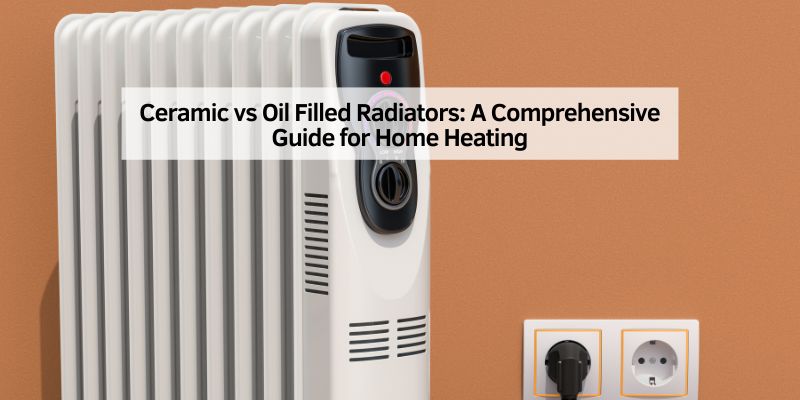
Now, let’s talk about oil filled radiators, which have a completely different vibe. These heaters are filled with a special thermal oil that heats up when the unit is powered on. The oil retains heat and radiates it into the room, even after the heater stops drawing electricity. I’ve used an oil filled radiator in my bedroom, and it’s like having a warm, steady hug that lasts for hours.
One of the biggest advantages of oil filled radiators is their ability to provide long-lasting heat. After I turn mine on, it takes a bit—maybe 15 to 20 minutes—to warm up fully, but once it does, the heat is consistent and gentle. This makes them perfect for larger rooms or spaces where you want steady warmth over a long period, like overnight in a bedroom. I’ve noticed that even after I switch it off, the radiator continues to emit heat for a while, which is great for keeping my room comfortable without constantly running the unit.
Oil filled radiators are also super quiet. Unlike ceramic heaters, they don’t have a fan, so there’s no humming or buzzing to deal with. This was a game-changer for me when I wanted a peaceful night’s sleep without any background noise. If you’re sensitive to sound or just want a heater that blends into the background, this is a huge point in their favor.
On the flip side, oil filled radiators are heavier and less portable. Moving mine from the bedroom to the living room feels like a mini workout! They’re also slower to heat up, so if you’re looking for instant warmth, you might find them a bit sluggish compared to ceramic models. Energy-wise, they can be efficient for long-term heating, but they might use more electricity than ceramic heaters for short bursts because of the time it takes to heat the oil.
Safety-wise, oil filled radiators are generally safe, but they do get hot to the touch. Most modern models have safety features like overheat protection, but I always make sure to keep mine away from curtains or furniture. Also, the oil inside is sealed and doesn’t need to be refilled, so you don’t have to worry about leaks or maintenance.

Comparing Performance and Efficiency
When it comes to performance, both ceramic and oil filled radiators have their strengths, and I’ve seen this firsthand in my home. Ceramic radiators are champs at delivering quick, targeted heat. If I’m freezing in my home office, I can plug in my ceramic heater and feel warm in just a few minutes. But for keeping a room warm for hours, like during a movie marathon or overnight, my oil filled radiator is the go-to.
Energy efficiency is a big factor for me, especially with rising utility costs. Ceramic heaters tend to be more efficient for short-term use because they heat up fast and cycle off once the room reaches the desired temperature. In my small apartment, I’ve noticed my ceramic heater uses less electricity when I only need heat for an hour or two. Oil filled radiators, however, are better for long-term heating. Once the oil is hot, it retains heat well, so the heater doesn’t need to run constantly, which can save energy over extended periods.
To give you a clearer picture, here’s a comparison table based on my experience:
| Feature | Ceramic Radiators | Oil Filled Radiators |
|---|---|---|
| Heating Speed | Fast (heats up in minutes) | Slow (takes 15-20 minutes) |
| Heat Duration | Short-term, stops when turned off | Long-lasting, radiates after shut-off |
| Portability | Lightweight, easy to move | Heavy, less portable |
| Noise Level | Fan can be noisy | Silent, no fan |
| Energy Efficiency | Great for short bursts | Better for prolonged use |
| Safety Features | Tip-over, overheat protection | Overheat protection, hot surface |
| Best For | Small rooms, quick heating | Larger rooms, steady heating |
This table sums up the key differences I’ve noticed while using both types of heaters. Your choice will depend on how you plan to use the heater and what matters most to you—speed, silence, or stamina.
Safety Considerations
Safety is a huge deal when you’re bringing a heater into your home, and I’ve learned to pay close attention to this. Both ceramic and oil filled radiators are designed with safety in mind, but they have different quirks. Ceramic heaters often come with features like tip-over switches and automatic shut-off if they get too hot. I’ve tested this with my own heater, and it’s reassuring to know it’ll turn off if something goes wrong.
Oil filled radiators are sturdy and less likely to tip over because of their weight, but their surfaces can get very hot. I always make sure to place mine in an open area, away from anything flammable. Both types are safe when used properly, but you’ll want to follow basic precautions—like keeping them away from water, not covering them, and plugging them directly into a wall outlet instead of an extension cord.
I also recommend checking for certifications like UL (Underwriters Laboratories) or ETL (Intertek) when buying a heater. These ensure the product meets strict safety standards. In my experience, sticking with reputable brands and reading user reviews helps you avoid duds that might overheat or malfunction.
Cost and Maintenance
Let’s talk money. Both ceramic and oil filled radiators are generally affordable, with prices ranging from $30 to $150 depending on the brand, size, and features. I’ve found ceramic heaters to be slightly cheaper on average, especially for smaller models. Oil filled radiators can cost a bit more, especially for larger units designed to heat bigger spaces.
Maintenance is another area where these heaters differ. Ceramic radiators are low-maintenance. I just wipe down the exterior and clean the air filter (if it has one) every few months to keep it running smoothly. Oil filled radiators are even easier—no oil changes or refills needed, as the oil is sealed inside. However, their weight makes them less convenient to store or move when not in use.
In terms of running costs, your electricity rate will play a big role. In my area, electricity costs about 13 cents per kilowatt-hour. A typical 1500-watt ceramic heater running for 5 hours a day costs me around $1 to run, while an oil filled radiator might cost slightly more if used for longer periods. Checking your local rates and the heater’s wattage can give you a better idea of what to expect.
Which One Suits Your Needs?
Choosing between a ceramic and oil filled radiator comes down to how you live and what you need. If you’re like me and sometimes work from a chilly home office, a ceramic heater is perfect for quick warmth. I love that I can turn it on, feel cozy in minutes, and move it to another room if needed. It’s also great for small apartments or spaces where you don’t need heat all day.
On the other hand, if you want steady, long-lasting heat for a larger room or overnight use, an oil filled radiator is the way to go. I’ve used mine in my bedroom during cold winter nights, and it keeps the space warm without making a sound. It’s ideal for families or anyone who wants a low-maintenance heater that can run for hours.
Think about your space, budget, and heating habits. If you’re heating a small room for short periods, go ceramic. For larger areas or all-night warmth, oil filled is your friend. I’ve found that having both types in my home gives me flexibility—one for quick bursts and another for marathon heating sessions.
My Personal Experience and Tips
Having used both types of heaters, I can share a few tips from my trial-and-error moments. For ceramic heaters, place them where the airflow won’t be blocked, like on a table or open floor space. I once tucked mine behind a couch, and it took forever to heat the room! Also, if noise bothers you, look for models with a quiet fan setting.
For oil filled radiators, give them time to warm up. I used to get impatient and crank up the thermostat, but that just wasted energy. Set it to a comfortable temperature and let the oil do its magic. Also, check the wheels on oil filled models—some are wobbly, which makes moving them a hassle.
No matter which you choose, always read the manual for safety tips and maintenance advice. And don’t forget to turn off your heater when you leave the room or go to bed, unless it’s designed for overnight use with safety features.

Conclusion
After diving deep into the world of ceramic vs oil filled radiators, I hope you feel as excited as I do about finding the perfect heater for your home. Both options have their charm—ceramic radiators bring fast, targeted warmth, while oil filled radiators offer steady, silent comfort. By understanding their differences, from heating speed to energy efficiency, you can pick the one that fits your lifestyle like a glove.
For me, the choice comes down to the moment. When I need a quick warm-up in my home office, my ceramic heater is my go-to. But on those freezing winter nights, my oil filled radiator is the hero that keeps my bedroom cozy. Whichever you choose, you’re investing in comfort and warmth, and that’s something we all deserve. So, grab a hot cocoa, think about your heating needs, and pick the radiator that’ll make your home a little cozier this winter.
FAQs
Are ceramic radiators better than oil filled radiators?
It depends on your needs! Ceramic radiators heat up quickly and are great for small spaces or short-term use. Oil filled radiators take longer to warm up but provide steady, long-lasting heat, making them ideal for larger rooms or overnight use. I’ve found ceramic better for quick warmth and oil filled better for prolonged comfort.
Are oil filled radiators safe to leave on overnight?
Yes, many oil filled radiators are safe for overnight use if they have safety features like overheat protection. I always make sure mine is placed in an open area and follow the manufacturer’s guidelines. Still, I prefer to turn it off when I’m asleep for extra peace of mind.
Do ceramic radiators use a lot of electricity?
Ceramic radiators are fairly energy-efficient, especially for short-term heating. They heat up fast and cycle off once the room is warm. In my experience, using a 1500-watt ceramic heater for a few hours a day doesn’t spike my bill too much, but it depends on your local electricity rates.
Can I move an oil filled radiator easily?
Oil filled radiators are heavier than ceramic ones, so moving them can be a bit of a chore. Mine has wheels, which helps, but it’s still not as portable as my lightweight ceramic heater. If you plan to move your heater often, ceramic might be easier.
Which heater is quieter, ceramic or oil filled?
Oil filled radiators are much quieter because they don’t have a fan. My ceramic heater’s fan can be noticeable, especially in a quiet room. If noise is a concern, like for sleeping or working, I’d recommend an oil filled radiator.
Last Updated on July 18, 2025 by Tanim