Most Economical Heater Type for Lower Bills
The most economical heater type often depends on your specific needs, but generally, ductless mini-splits offer the best long-term value, followed closely by modern electric radiant heaters for targeted zone heating. This guide breaks down the true cost of various heaters to help you save money without sacrificing warmth.
If cost, wattage, or efficiency matters, Are Diesel Heaters Efficient: Fuel Savings adds a useful comparison before choosing a heater.
If cost, wattage, or efficiency matters, Are Ceramic Wall Heaters Energy Efficient: Brilliant Savings adds a useful comparison before choosing a heater.
For portable or electric heater comparisons, Are Ceramic Heaters Economical? Savings gives readers another helpful angle before buying or using one.
Are you tired of opening your energy bill only to feel a chill? Choosing the right heater feels confusing. There are so many options, and everyone promises huge savings. It’s frustrating when you just want a warm, cozy home without spending a fortune. Don’t worry! I’m Tanim, and I’m here to help you find the heating solution that fits your budget and keeps you comfortable. We will walk through every type, cutting out the technical talk so you can choose wisely. Let’s unlock simple ways to heat smarter and save money this winter.
The Real Cost of Heat: Understanding Heater Economics
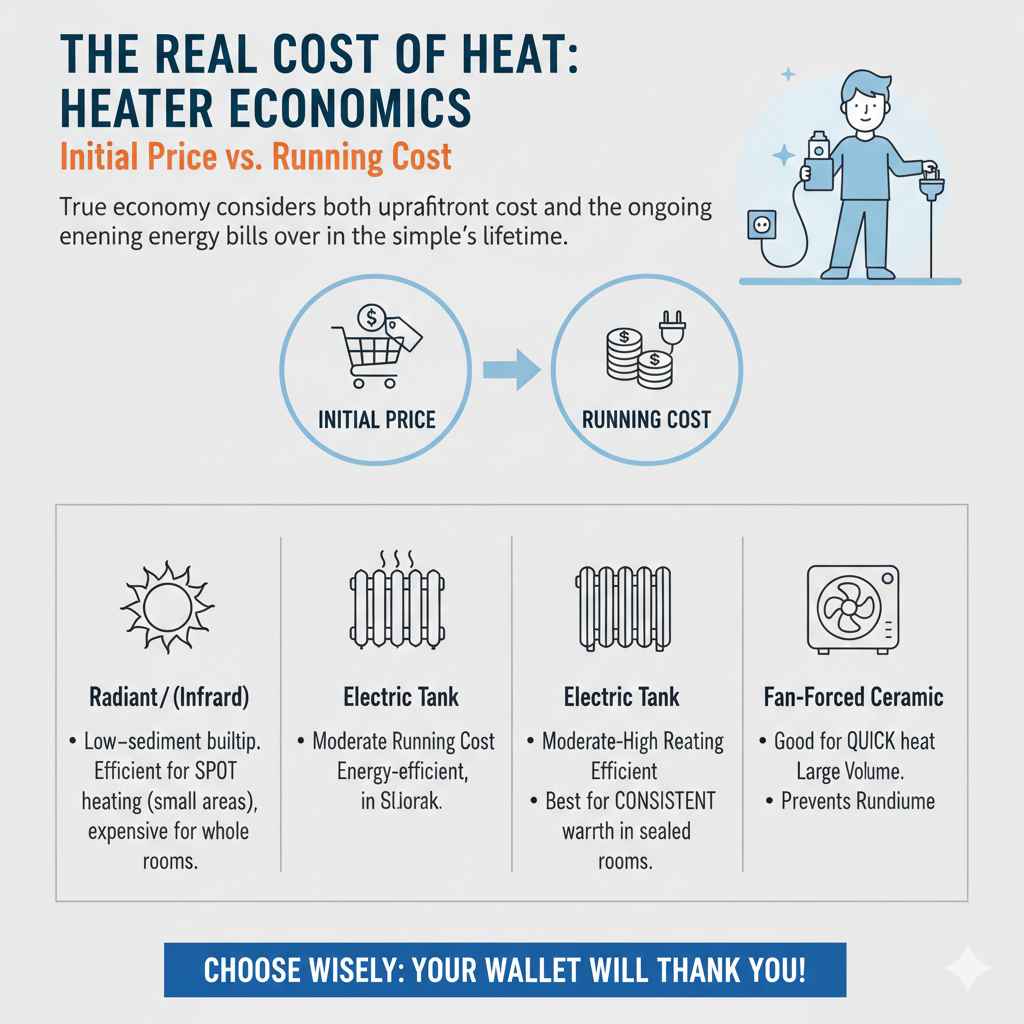
When we talk about the “most economical heater type,” we aren’t just looking at the sticker price. That cheap little space heater might seem like a bargain today, but it could cost you hundreds more over the winter in electricity bills. True economy comes from looking at two main factors: the initial purchase price and the ongoing running cost.
Initial Cost vs. Operating Cost: The Savings Equation
Think of heating like buying a car. A cheaper car might cost less upfront, but if it burns too much fuel, it’s expensive in the long run. We need to balance the upfront investment with how much it costs to run daily.
- Upfront Cost: This is what you pay for the unit itself, plus installation if needed (like for a furnace or mini-split).
- Operating Cost: This is the energy it uses (measured in kWh or Therms) multiplied by your local utility rate. This is where the biggest savings hide!
Energy Efficiency Ratings Explained Simply
To compare heaters fairly, you need to know their efficiency rating. For electric heaters, this is usually measured in how much usable heat you get out compared to the electricity you put in. Heat pumps and ductless systems use ratings like SEER (Seasonal Energy Efficiency Ratio) and HSPF (Heating Seasonal Performance Factor).
A common efficiency metric for furnaces and boilers is the AFUE (Annual Fuel Utilization Efficiency). A higher AFUE means less fuel is wasted up the chimney. For example, an 80% AFUE furnace wastes 20% of its fuel, while a 95% AFUE unit only wastes 5%. Always look for the highest rating you can afford for central systems.
Top Contenders: Comparing Economical Heater Types
To determine the “most economical heater type,” we must look closely at the main options available to homeowners and renters. We will focus on three categories: Zone Heaters (small spaces), Central Systems (whole home), and Renewable/High-Efficiency options.
Category 1: Portable and Zone Heating Solutions
These are great for heating just one room where you spend most of your time, meaning you don’t have to heat the whole house.
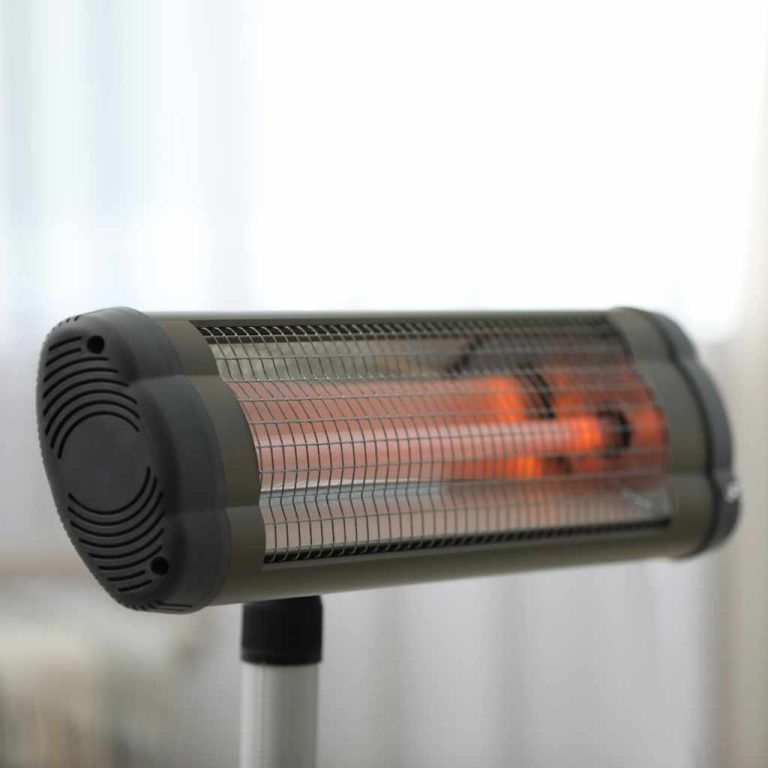
1. Radiant (Infrared) Heaters
Radiant heaters work like the sun—they heat objects and people directly, not the air around them. This makes them very fast and efficient for warming you up instantly.
Pros and Cons:
- Pros: Very low upfront cost. Instant heat. Quiet operation. Great for warming a cold spot in a drafty room.
- Cons: Only heats what it points at. Can be dangerous if clothing or furniture is too close.
2. Oil-Filled Radiator Heaters
These use electricity to heat oil sealed inside the unit, which then radiates gentle, consistent warmth into the room over a long period. They mimic the comforting heat of old steam radiators.
Pros and Cons:
- Pros: Hold heat long after being turned off, saving energy. Very safe (surface doesn’t get scorching hot). Excellent for continuous background warmth.
- Cons: Slow to heat up initially. Not practical for quick bursts of heat.
3. Ceramic Fan Heaters
These are the most common small space heaters. They quickly heat a small area using a ceramic heating element and a fan.
Pros and Cons:
- Pros: Cheapest upfront cost. Very portable. Fast heat delivery.
- Cons: High operating cost compared to other types because they use a lot of electricity very quickly. Can dry the air.
Category 2: Whole-Home Efficiency Champions
For heating the entire house or supplementing existing heating systems, these options offer long-term cost savings.
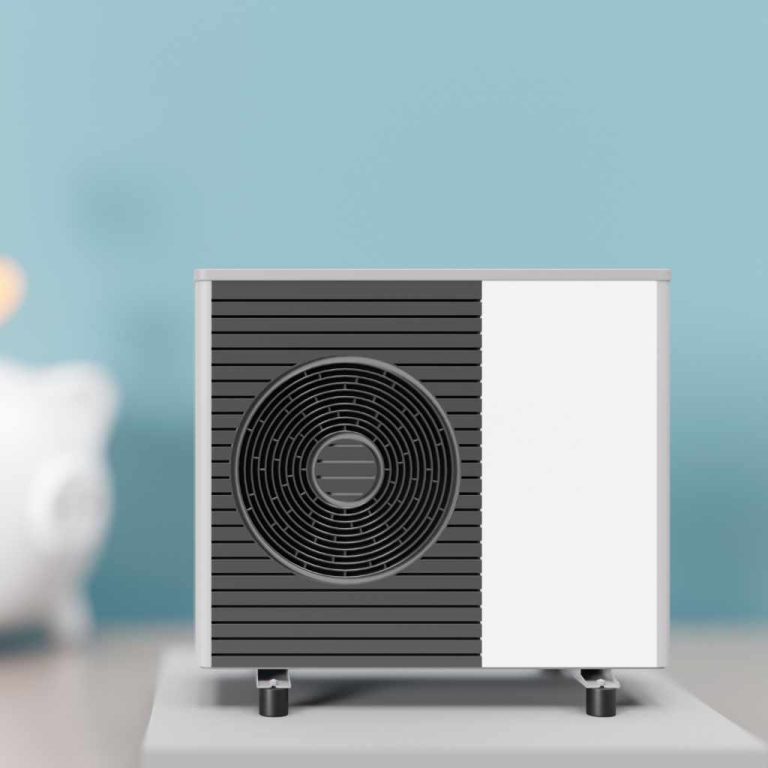
4. Ductless Mini-Split Heat Pumps (The Efficiency Leader)
Heat pumps are often considered the most economical choice for many homeowners today, especially in moderate climates. They don’t create heat; they move existing heat from the outside air into your home (even when it’s cold outside!).
Because they move heat rather than generate it through resistance (like a standard electric heater), they can deliver 3 to 4 units of heat for every 1 unit of electricity used. This results in efficiency levels often reaching 300%!
Why They Save You Money:
- Inverter Technology: They run almost continuously at lower speeds rather than cycling loudly on and off at full blast, using less overall energy.
- Zoning: You only condition the rooms you are using.
If your climate doesn’t regularly dip below 10°F, the mini-split is likely your winner for the “most economical heater type.” You can learn more about the government incentives available for installing high-efficiency heat pumps through resources like the U.S. Department of Energy.
5. High-Efficiency Gas Furnaces
If you already have natural gas lines, a modern condensing gas furnace with an AFUE of 90% or higher is highly efficient for whole-home heating. They burn fuel very cleanly.
Cost Considerations:
The operating cost depends entirely on the current price of natural gas versus electricity in your area. If gas is very cheap where you live, this might beat a heat pump, though heat pumps usually maintain an efficiency edge.
Category 3: Heating with Stored Energy
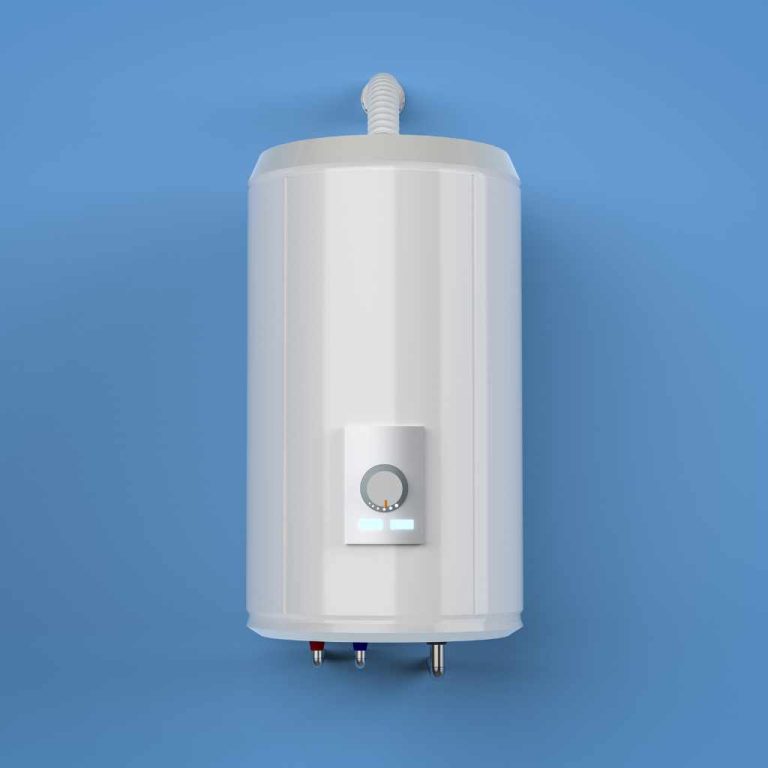
6. Hydronic (Hot Water) Systems and Boilers
Boilers heat water, which is then circulated through radiators or under-floor tubing. This creates a very comfortable, moist heat that feels less drying than forced air.
While the upfront cost is high, the operating cost can be low if you use an efficient boiler fueled by natural gas or even wood pellets. The warmth stored in the water and the structure itself radiates slowly, meaning you use less fuel to maintain the temperature once the house is warm.
Head-to-Head Comparison Table
To make the decision simpler, here is a breakdown of key factors. Remember, this is a general guide; local prices matter!
| Heater Type | Typical Upfront Cost (Rating) | Operating Efficiency | Best For | Tanim’s Economy Score (1=Low, 5=High) |
|---|---|---|---|---|
| Ceramic Space Heater | $ (Very Low) | Low (100% conversion) | Emergency use, very small spaces | 2 |
| Oil-Filled Radiator | $$ (Low) | Medium (Good retention) | Quiet, continuous room warmth | 3 |
| Ductless Mini-Split (Heat Pump) | $$$$ (High) | Very High (Up to 300%) | Whole-home supplemental or primary heat | 5 |
| High-Efficiency Gas Furnace | $$$$ (High) | High (90%+ AFUE) | Whole-home heating in cold, gas-rich areas | 4 |
| Central Electric Furnace | $$$ (Medium) | Low (100% conversion) | Areas with extremely cheap electricity | 2 |
Actionable Steps: How to Make Any Heater More Economical
No matter which heater you choose, you can significantly cut down on your energy use with smart habits. This is often the fastest way to see savings!
Step 1: Stop Leaks First (The Biggest Energy Drain)
A heater works overtime trying to replace the warm air that escapes through cracks. Before buying a new unit, seal up the holes. This investment pays for itself quickly.
- Weatherstripping Doors and Windows: Check around frames. If you can see daylight, you are losing heat. Apply foam or rubber weatherstripping tape.
- Caulking Gaps: Use silicone caulk to seal cracks where walls meet window frames or plumbing enters the house.
- Outlet Insulation: Buy cheap foam gaskets that fit behind the faceplates of exterior wall outlets. They stop cold drafts surprisingly well.
Step 2: Master Thermostat Settings
You don’t need to roast yourself to save money. Small temperature adjustments make a huge difference over a whole season.
According to many energy experts, for every degree you lower your thermostat over an eight-hour period, you can save about 1% on your heating bill. This is powerful!
- The Sleep/Away Rule: When you are sleeping or away from home for more than four hours, drop the temperature by 7°F to 10°F.
- Use Programmable or Smart Thermostats: These tools manage the setbacks automatically, ensuring you never forget to turn the heat down. They track usage so you can see exactly where you are spending energy.
Step 3: Optimize Your Chosen Heater’s Location
Where you place the heater directly impacts how effectively it works.
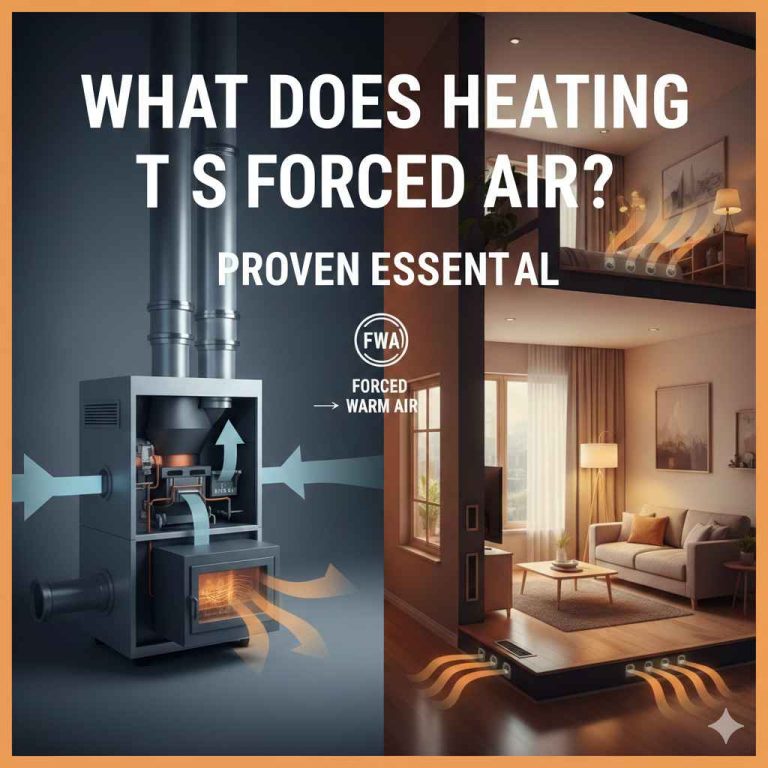
For forced-air systems (furnaces or central heat pumps), ensure your vents are clear of furniture, rugs, or drapes. Blocked registers force the system to run longer to push air where it needs to go.
For portable heaters, place them away from drafts (like near an exterior door) and point them directly at where people are sitting. If you are using a radiant heater, place it in the path of occupants, not just in the corner of the room.
Step 4: Utilize Reflective Backing
If you have radiators or baseboard heaters on exterior walls, a lot of that expensive heat is simply warming up the wall cavity behind them. You can purchase thin, reflective foil insulation designed specifically for this purpose. Placing this behind the heat source bounces that warmth back into the room where you can feel it.
Step 5: Focus on Personal Warmth (The Cheapest Heat)
Sometimes the most economical strategy is warming the person, not the whole building. This uses zero energy!
- Wear slippers and thick socks indoors.
- Use electric blankets or heated mattress pads (these use very little energy compared to heating the air).
- Drink warm beverages throughout the day.
Understanding Fuel Costs: Natural Gas vs. Electricity
The actual operational cost often boils down to which fuel source is cheaper in your specific location. Because utility rates fluctuate wildly, you might need to do a little math based on your bill.
How to Calculate Your True Operating Cost
You need three pieces of information:
- Heater Wattage (W) or BTU Output: This is often on the label or manual.
- Local Utility Rate ($/kWh or $/Therm): Check your utility bill for this rate.
- Hours Used: How many hours you run the unit per day.
For Electric Heaters (e.g., Space Heaters):
Convert watts to kilowatts (Divide Watts by 1000). Then, multiply by your rate and hours used.
Example: 1500W heater running for 10 hours at $0.15/kWh:
(1.5 kW) x ($0.15/kWh) x (10 hours) = $2.25 per day.
For Gas Heaters (Furnaces):
Gas is measured in BTUs or Therms. You need to convert the BTU rating of your furnace to Therms and then multiply by the price per Therm listed on your bill. The efficiency (AFUE) must also be factored in. A 95% efficient furnace only delivers 95% of the energy contained in the gas it burns.
Because these calculations can be tricky for beginners, remember the general rule: Heat pumps (mini-splits) are mathematically designed to deliver more effective heat per dollar spent than direct electric resistance heaters in most U.S. climates.
Safety First: Economy Should Never Compromise Safety
While we focus on savings, safety is paramount. An improperly used or old heating appliance is a major risk, and a fire costs far more than any utility bill.
Essential Safety Checklist for All Heating Units
- Clearances: Always keep combustible materials (curtains, blankets, paper) at least three feet away from any portable heater’s vents or glowing elements.
- Grounding and Cords: Never use extension cords with high-wattage space heaters. Plug them directly into a wall outlet that is grounded (the one with three holes). Overloaded circuits are a fire risk.
- Carbon Monoxide (CO) Alarms: If you use any fuel-burning appliance (gas, propane, oil, wood), you must have working CO alarms on every level of your home. This invisible gas is deadly. Check CDC guidelines on proper placement.
- Annual Maintenance: For central furnaces and boilers, schedule a professional tune-up every fall. A well-maintained system runs cleaner and more efficiently, saving you money and preventing breakdowns.
When Portable Heaters Become Costly
Portable heaters are fantastic for supplementing heat, but relying on them as your primary heat source is almost always the most expensive route. If you are running a 1500-watt space heater for 12 hours a day for a whole month, you are essentially running a very expensive electric oven continuously!
Use them sparingly—to warm up the bathroom while you shower, or to keep your home office comfortable during the day—but don’t try to heat your entire living room with one 24/7.
Choosing for Renters vs. Owners
Your ability to install a system changes the answer to “most economical heater type.”
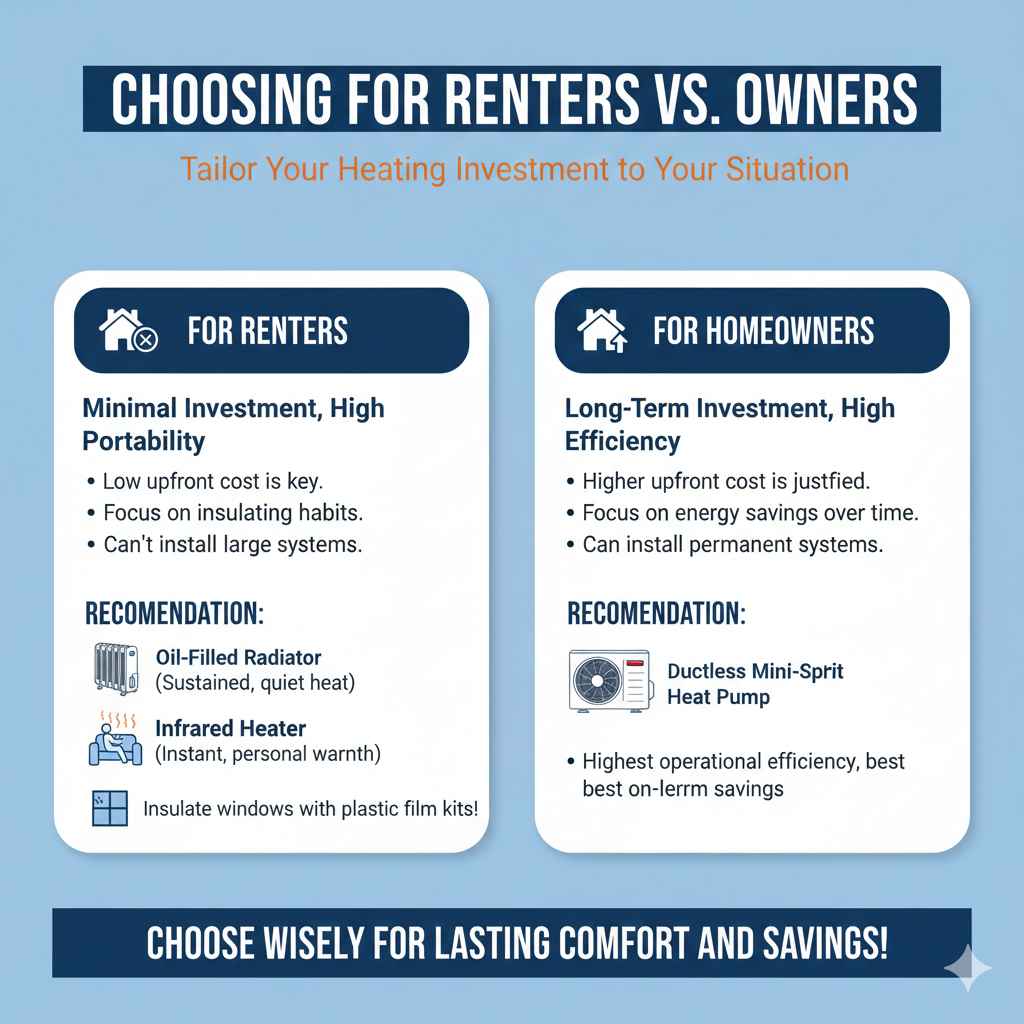
For Renters (Minimal Investment Required)
Since you can’t install a heat pump or replace a furnace, your focus must be on low upfront cost and high portability, combined with excellent insulation habits.
Recommendation: An Oil-Filled Radiator (for sustained, quiet heat) or a high-quality Infrared Heater (for instant personal warmth). Focus heavily on insulating windows with plastic film kits in the winter.
For Homeowners (Long-Term Investment)
If you plan to stay in your home for five years or more, the initial cost of a high-efficiency system is easily recovered through monthly energy savings.
Recommendation: A Ductless Mini-Split Heat Pump. While the installation is higher, its operational efficiency generally makes it the best long-term economical choice available today.
Frequently Asked Questions (FAQ)
Q1: Is it cheaper to heat with gas or electricity in my home?
A: This depends entirely on your local utility rates. Generally, natural gas is cheaper per unit of energy than electricity. However, modern heat pumps (which use electricity) are far more efficient than simple electric resistance heaters, meaning the heat pump can often beat the cost of gas in many regions.
Q2: Which small space heater uses the least electricity?
A: All standard 1500-watt portable heaters use roughly the same amount of electricity when running at full power. The key to saving is choosing one that cycles on and off efficiently, like an oil-filled radiator, or only running it when absolutely necessary.
Q3: Should I use a furnace or turn down the central heat and use space heaters?
A: It is almost always cheaper to heat your whole home with one efficient central system (like a high-efficiency gas furnace or a whole-home heat pump) than to run multiple high-wattage space heaters throughout the house. Space heaters are best for spot-heating unused zones or supplementing drafty areas.
Q4: How much can a smart thermostat save me on heating costs?
A: Smart thermostats can typically save homeowners between 10% and 20% on their annual heating and cooling bills by optimizing temperature setbacks and learning your home’s heating patterns automatically.
Q5: Are electric baseboard heaters an economical choice?
A: No. Electric baseboard heaters use direct resistance heating, meaning they are 100% efficient at converting electricity to heat, but electricity itself is expensive compared to gas or the “moved heat” of a heat pump. They are very costly to operate for whole-home heating.
Q6: What is the biggest mistake people make when trying to save money on heating?
A: The biggest mistake is failing to seal air leaks first. You are throwing money out the window every minute you run your heater if cold air is freely leaking in. Sealing drafts should always be your first step before buying any new equipment.
Conclusion: Your Personalized Path to Affordable Warmth
Deciding on the “most economical heater type” isn’t about finding one single machine; it’s about finding the right tool for your home’s specific job. If you are looking for long-term, whole-home savings and have the budget for installation, the Ductless Mini-Split Heat Pump stands out for its incredible efficiency in most climates.
However, for immediate savings and small-area comfort, prioritize reducing waste. Seal up those drafts, manage your thermostat wisely, and use portable units only for focused warmth where you need it most. Remember, every little step you take—from installing inexpensive weatherstripping to setting your thermostat back at night—adds up to significant savings on your future energy bills. You have the knowledge now to approach heating affordably, safely, and confidently this season. Stay warm!