
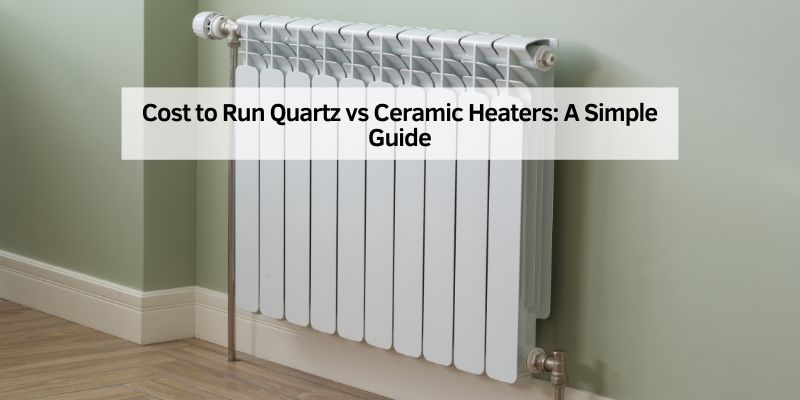
I froze in my living room last winter! My old heater couldn’t keep up, and my electric bill was a shock. That’s when I started comparing the cost to run quartz vs ceramic heaters. This article will help you understand which heater saves money and keeps you cozy. I’ll share easy tips, cost examples, and mistakes to avoid, all in simple words for beginners, enthusiasts, and pros.
What Are Quartz and Ceramic Heaters?
Heaters warm your home, but quartz and ceramic ones work differently. Let’s break it down.
Quartz Heaters Explained
Quartz heaters use infrared rays to heat objects, like you or your couch, directly. They’re like the sun’s warmth on a chilly day.
Ceramic Heaters Explained
Ceramic heaters warm the air with a ceramic plate and often a fan. They’re great for heating whole rooms quickly.
Why Costs Matter
Running heaters can spike your electric bill. Knowing the cost to run quartz vs ceramic heaters helps you pick the best one for your wallet and comfort.
How to Calculate Heater Costs
Calculating costs is a piece of cake! You just need two things: wattage and your electricity rate.
Step-by-Step Cost Calculation
Here’s how I figure out my heater costs:
- Check the heater’s wattage (usually 750–1500 watts).
- Find your electricity rate (mine’s 13 cents per kilowatt-hour, or kWh, in the USA).
- Multiply wattage by hours used, divide by 1000, then multiply by your rate.
Example: A 1500-watt heater runs 5 hours daily. That’s 1.5 kW x 5 hours = 7.5 kWh. At 13 cents/kWh, it’s $0.975/day, or about $29.25/month.
Comparing Quartz vs Ceramic Costs
Quartz heaters often use 100% of their energy for heat, making them efficient for small areas. Ceramic heaters may lose some energy to air circulation but heat larger spaces better.
Table 1: Cost Comparison for a 1500-Watt Heater
| Heater Type | Daily Cost (5 hours, 13 cents/kWh) | Monthly Cost (30 days) |
|---|---|---|
| Quartz | $0.98 | $29.25 |
| Ceramic | $0.98 | $29.25 |
| Caption: Both heaters cost the same per watt, but usage patterns affect savings. |
Benefits and Drawbacks of Quartz Heaters
Quartz heaters are my go-to for quick warmth. Here’s why they rock and where they flop.
Why Quartz Heaters Are Awesome
- Fast Heat: They warm you up in seconds, like a sunny spot on a cold day.
- Energy Efficiency: They use all their power for heat, saving money for spot heating.
- Quiet: No noisy fans, perfect for reading or sleeping.
Where Quartz Heaters Fall Short
- Limited Range: They only heat 10–15 feet, so they’re not great for big rooms.
- Fragile: Quartz tubes can break if bumped.
- Safety Risks: They get super hot, so keep them away from kids or pets.
Benefits and Drawbacks of Ceramic Heaters
Ceramic heaters saved my chilly bedroom last winter. Here’s the scoop.
Why Ceramic Heaters Shine
- Room Heating: They warm entire rooms evenly, great for family spaces.
- Safer Touch: Ceramic plates don’t get as hot as quartz tubes.
- Durable: They handle knocks better than fragile quartz.
Where Ceramic Heaters Struggle
- Slower Warm-Up: They take 4–5 minutes to heat up fully.
- Noisy Fans: Some models sound like a small airplane.
- Dry Air: They can make rooms feel stuffy or dry.
Cost to Run Quartz vs Ceramic Heaters
Let’s dive into the cost to run quartz vs ceramic heaters with real examples.
Real-Life Example: Heating My Living Room
My living room is 200 square feet. I tested a 1500-watt quartz heater and a 1500-watt ceramic heater for 5 hours daily at 13 cents/kWh. Both cost $0.98/day. But the quartz heater felt warmer faster for me sitting nearby, while the ceramic heater kept the whole room cozy for guests.
Cost-Saving Tips
- Use a Timer: Turn off heaters when you’re not home.
- Lower Wattage: Try a 750-watt heater for small spaces to cut costs in half.
- Insulate: Seal windows to keep heat in, saving up to 20% on bills.
Table 2: Heater Features Comparison
| Feature | Quartz Heater | Ceramic Heater |
|---|---|---|
| Heat-Up Time | Seconds | 4–5 Minutes |
| Best For | Spot Heating | Room Heating |
| Noise Level | Quiet | Can Be Noisy |
| Durability | Fragile | Sturdy |
| Caption: Choose quartz for quick warmth, ceramic for whole-room comfort. |
Common Mistakes to Avoid
I’ve made some heater blunders! Here’s what to watch out for:
- Placing Quartz Too Close: Keep it 3 feet from furniture to avoid fires.
- Ignoring Wattage: Higher watts mean higher costs, so check labels.
- Skipping Insulation: Drafty rooms waste heat, spiking your bill.
Personal Insights from My Heater Journey
My first quartz heater was a game-changer for my home office. It warmed me up fast while I worked, saving me from cranking the thermostat. But when I tried it in my big living room, it was a total flop! The ceramic heater was better for family movie nights, keeping everyone comfy. If you’re on a budget, quartz is great for small spaces, but ceramic wins for larger rooms.
Visual Ideas (Not Included)
- Cost Chart: A bar graph comparing daily costs for quartz vs ceramic at different wattages.
- Heater Diagram: A simple sketch showing how infrared (quartz) vs convection (ceramic) works.
- Room Layout: A diagram of heater placement for best heat distribution.
Alternative Heating Options
Not sure about quartz or ceramic? Try these:
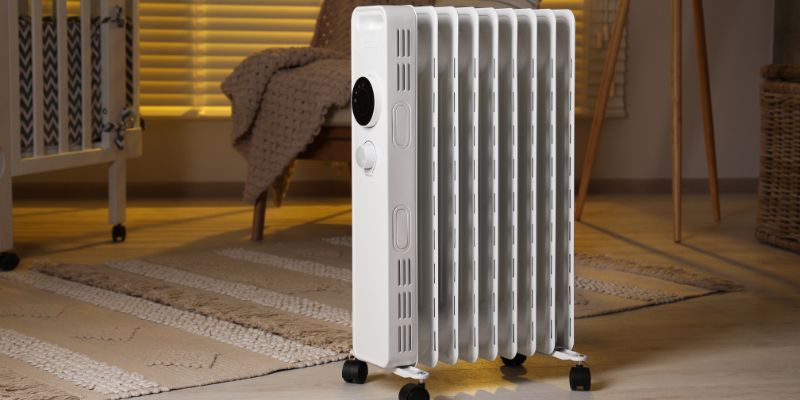
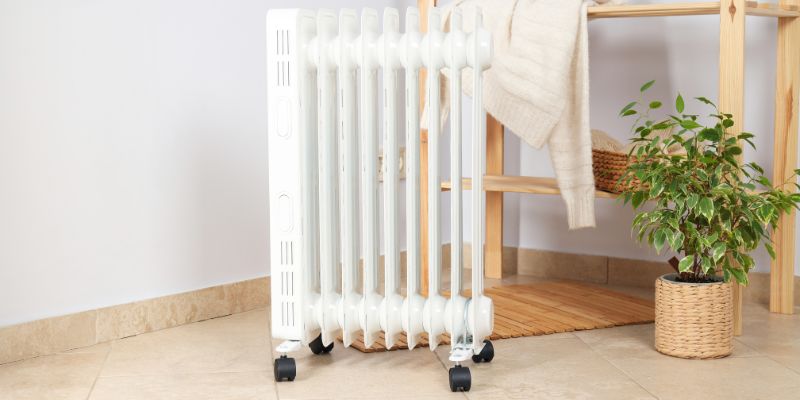
- Oil-Filled Radiators: Slow to heat but great for long-term warmth. They cost about $0.98/day for 1500 watts.
- Fan Heaters: Cheap and fast but noisy and less efficient. Expect $0.98/day for 1500 watts.
- Heat Pumps: More expensive upfront but can save 30–50% on energy bills.
Table 3: Alternative Heater Costs
| Heater Type | Daily Cost (5 hours, 13 cents/kWh) | Best Use Case |
|---|---|---|
| Oil-Filled | $0.98 | Long-Term Heating |
| Fan Heater | $0.98 | Quick Small Spaces |
| Heat Pump | $0.50–$0.70 | Whole House |
| Caption: Alternatives may suit specific needs but have similar running costs. |
Safety Tips for Using Heaters
Safety is key! Here’s how to stay safe:
- Keep Distance: Place heaters 3 feet from flammable items like curtains.
- Use Auto Shut-Off: Choose models with tip-over or overheat protection.
- Check Cords: Avoid frayed cords to prevent electrical hazards.
For more safety tips, check CPSC.gov for expert advice.
Conclusion
Comparing the cost to run quartz vs ceramic heaters is simple once you know the basics. Quartz heaters are great for quick, targeted warmth, while ceramic heaters shine for whole-room comfort. Both cost about $0.98/day for 1500 watts, but your room size and habits matter. Try testing a heater in your space or share your tips with friends! Stay warm and save money this winter—it’s no sweat!
Frequently Asked Questions
What’s the Cost to Run a Quartz Heater?
A quartz heater (1500 watts) costs about $0.98/day for 5 hours at 13 cents/kWh. It’s cheaper for spot heating since it warms objects directly.
What’s the Cost to Run a Ceramic Heater?
A ceramic heater (1500 watts) costs around $0.98/day for 5 hours at 13 cents/kWh. It’s better for heating entire rooms evenly.
Which Heater Is Cheaper to Run?
Quartz and ceramic heaters cost the same per watt, but quartz saves if you need quick warmth in a small area. Ceramic is better for larger spaces.
Are Quartz Heaters More Efficient?
Quartz heaters are 100% efficient at converting electricity to heat, ideal for spot heating. They lose less energy than ceramic for targeted warmth.
Are Ceramic Heaters Safer?
Yes, ceramic heaters are safer because their plates don’t get as hot as quartz tubes. They’re also sturdier and less likely to break.
Can I Leave Heaters On Overnight?
Never leave heaters unattended overnight. Choose models with auto shut-off for safety. Always turn them off when sleeping or leaving the room.
How Can I Lower Heater Costs?
Use a timer, insulate your home, and pick a lower-wattage heater (e.g., 750 watts) to cut costs by up to 50% for small spaces.
Last Updated on July 25, 2025 by Tanim