
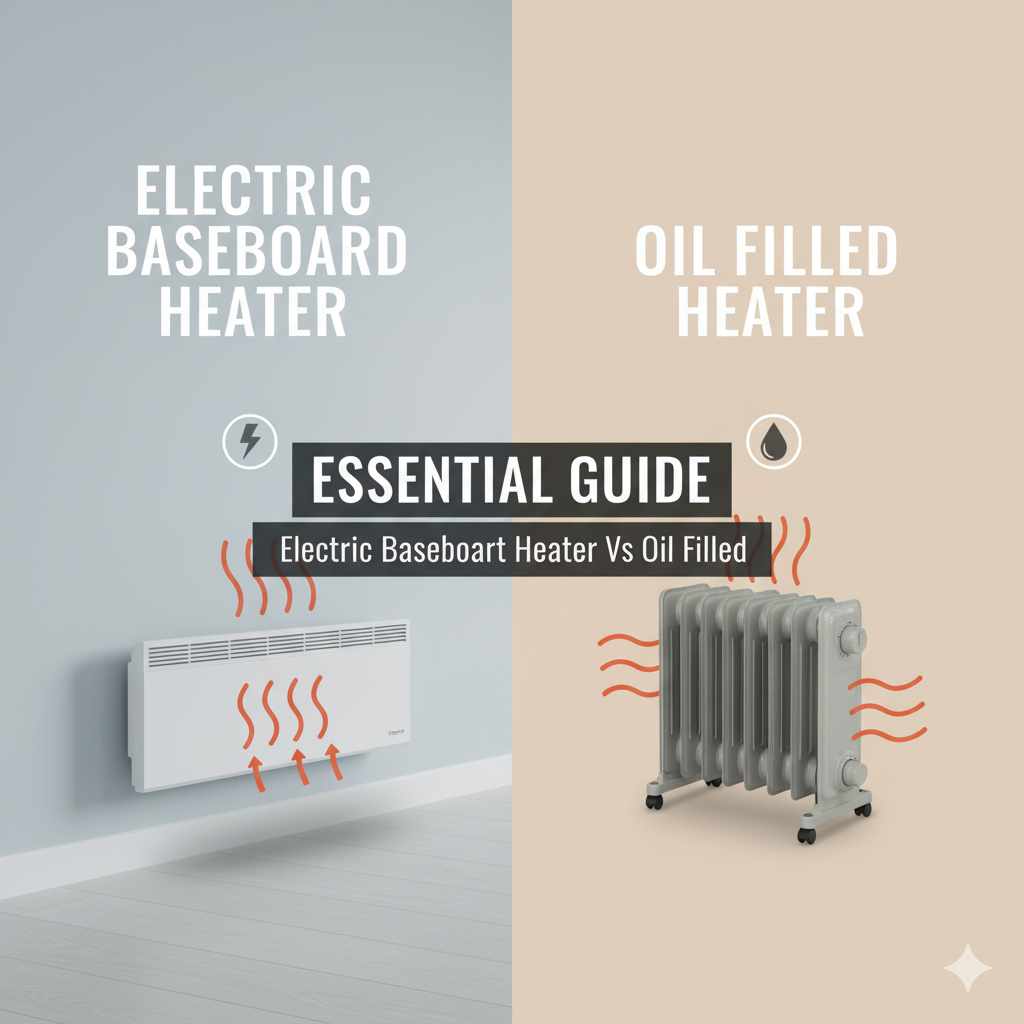
For a warm home, electric baseboard heaters offer quick, targeted heat, while oil-filled radiators provide steady, ambient warmth. Choosing the right one depends on how you heat your space and your budget.
Choosing the right heater can feel like a puzzle, especially when you want to keep your home cozy without breaking the bank. It’s easy to get confused between different types of heaters. Many homeowners wonder: “Which one will heat my room best and most efficiently?” Don’t worry, I’m here to help! Think of me as your friendly guide to all things home heating. We’ll break down the differences between electric baseboard heaters and oil-filled radiators, making it super simple to pick the perfect one for your needs. Let’s get your home comfortably warm!
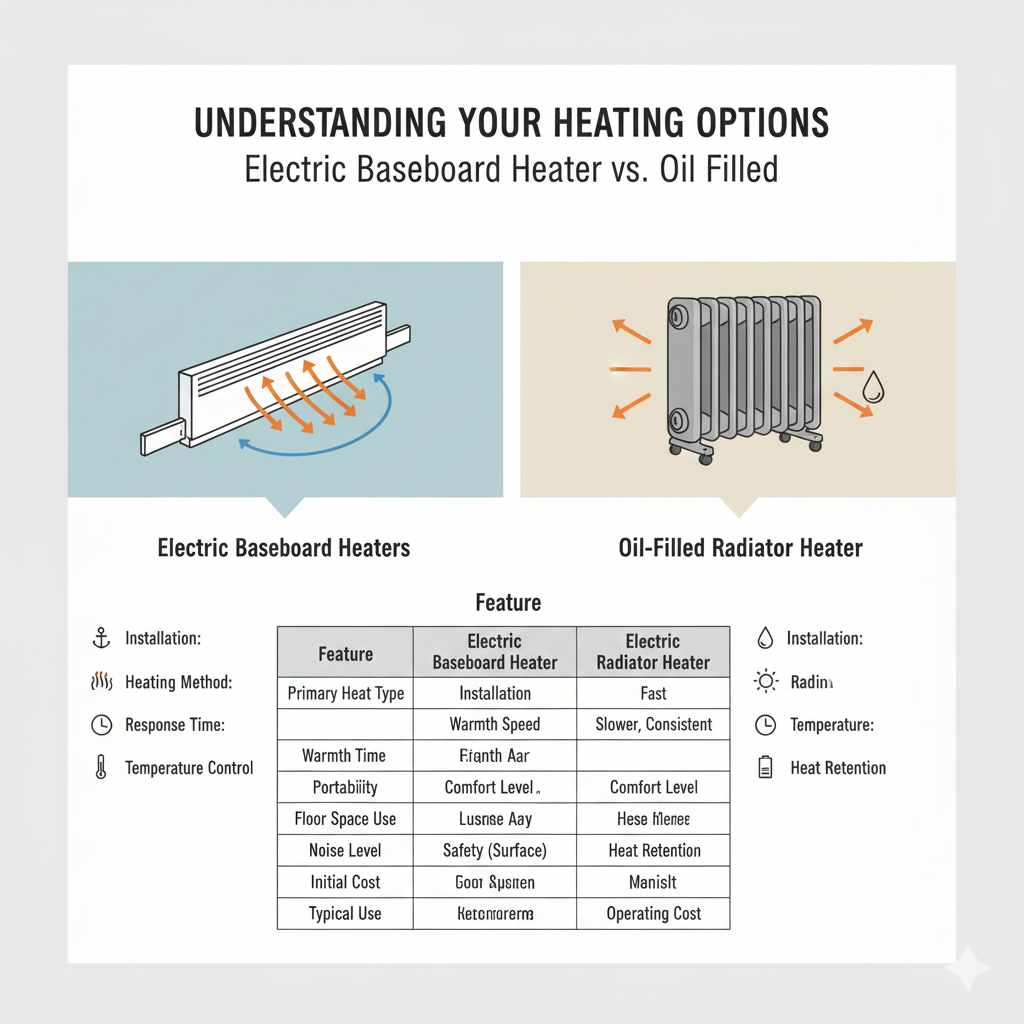
Understanding Your Heating Options: Electric Baseboard Heater vs. Oil Filled
When it comes to supplemental or primary heating, two popular choices often come up: electric baseboard heaters and oil-filled radiators. Both do a great job of warming a room, but they work in slightly different ways and have their own strengths. Knowing these differences will help you make a smart decision for your home.
How Electric Baseboard Heaters Work
Electric baseboard heaters are designed to be installed along the base of your walls, similar to how traditional radiators were placed. They are made up of a heating element enclosed in fins, which distribute heat. When electricity flows through the heating element, it gets hot. This heat then warms the air that rises through the fins. As the warm air rises, it naturally circulates throughout the room.
These heaters are quite good at providing quick heat because the electricity directly converts to heat. They are often controlled by a built-in thermostat or a central thermostat system for the whole house.
Key Features:
Installation: Typically mounted permanently along baseboards.
Heating Method: Convection and radiant heat. Hot air rises from the fins, circulating warmth.
Response Time: Heats up and starts warming the room quickly.
Temperature Control: Often have built-in thermostats or connected to central systems.
How Oil-Filled Radiator Heaters Work
Oil-filled radiators, on the other hand, look a lot like traditional cast-iron radiators but are electric. Inside, they have a heating element that heats a special thermal oil. This oil circulates within the radiator’s chambers. As the oil heats up, it transfers that warmth to the metal fins on the outside of the unit. The heat then radiates into the room and also warms the surrounding air, which rises and circulates.
The oil inside acts as a heat reservoir. This means once the heater is turned off, it continues to release heat for a while, providing a more consistent and gentle warmth.
Key Features:
Installation: Usually portable units with wheels, easy to move from room to room.
Heating Method: Primarily radiant heat, with some convection.
Response Time: Takes a little longer to heat up because the oil needs time to warm.
Temperature Control: Often have adjustable thermostats and multiple heat settings.
Heat Retention: Stays warm for a period even after being turned off.
Electric Baseboard Heater Vs Oil Filled: A Direct Comparison
To make choosing easier, let’s compare them side-by-side on key factors important to homeowners.
Installation and Portability
This is a big differentiator.
Electric Baseboard Heaters: These are usually permanent fixtures. They are mounted along the base of walls, often with direct wiring. Installation requires some electrical know-how or hiring an electrician. Once installed, they stay put and aren’t meant to be moved. This makes them ideal for spaces where you need consistent, dedicated heating. You can find detailed installation guides from resources like Energy.gov, which covers various home heating systems and efficiency tips.
Oil-Filled Radiators: These are almost always portable. They come with casters or wheels, making them incredibly easy to move from room to room. This is fantastic if you only need to heat one space at a time or want to move warmth to where you are. Just plug it into a standard electrical outlet, and you’re good to go!
Heating Performance and Comfort
What kind of warmth do you get?
Electric Baseboard Heaters: They excel at quickly heating a space. The fan (if present) or the natural convection process sends warm air out fast. This is great for when you need to warm up a chilly room in a hurry. They can provide a good amount of heat, but sometimes they can lead to dry air or feel like “intense” heat if you’re right next to them.
Oil-Filled Radiators: The oil inside acts like a thermal battery. It slowly releases heat, providing a more gentle, consistent, and enveloping warmth. Many people find this type of radiant heat more comfortable because it warms objects and people directly, and it tends to feel less harsh. They are perfect for maintaining a steady temperature over longer periods.
Energy Efficiency and Costs
Both heat types draw electricity, but their efficiency in how they use it can differ based on your needs.
Electric Baseboard Heaters: As a general rule, all-electric resistance heating (like baseboard heaters) converts almost 100% of the electricity it consumes into heat. This sounds very efficient! However, the cost of electricity is often higher per BTU (British Thermal Unit, a measure of heat) than other heating sources like natural gas or even efficient heat pumps. So, while they are direct in their conversion, their running costs can be higher if used as a primary heat source in a large, cold home. They are most cost-effective for supplemental heating or in smaller, well-insulated spaces.
Oil-Filled Radiators: Similar to baseboard heaters, oil-filled radiators are also highly efficient in converting electricity to heat. The “oil-filled” aspect doesn’t relate to fuel, but to how the heat is stored and distributed. The advantage here is the consistent heat output and the ability to maintain temperature for longer, potentially using less energy cycling on and off compared to a baseboard heater that needs to constantly reheat. Again, the overall cost will depend heavily on electricity rates in your area. For more information on energy efficiency, resources like the Energy Star program offer tips on making your home more energy-efficient overall.
Safety Features
Safety is always a top priority in any home.
Electric Baseboard Heaters: Most modern units come with safety features like overheat protection. Because they are fixed, there’s less risk of tipping over. However, the fins can get quite hot, so caution is needed around young children and pets. Ensure there’s nothing flammable placed too close to them.
Oil-Filled Radiators: These are generally considered very safe. The outer surface gets warm but rarely becomes dangerously hot, reducing the risk of burns. They are stable and designed not to tip over easily. Many also include tip-over protection, which automatically shuts off the heater if it’s accidentally knocked over. Their enclosed design also means fewer exposed hot parts.
Maintenance
Keeping your heaters in good shape is simple for both.
Electric Baseboard Heaters: Maintenance is minimal. You’ll want to dust them regularly, especially the fins, to ensure good airflow and efficient heating. This can be done with a soft brush or vacuum cleaner attachment. Occasional checks to ensure they are securely mounted are also wise.
Oil-Filled Radiators: These require very little maintenance. Dusting the exterior is usually all that’s needed. The oil is sealed within the unit and doesn’t need refilling or replacement.
Pros and Cons At a Glance
Let’s summarize the advantages and disadvantages to help you weigh your options.
Electric Baseboard Heaters
Pros:
- Quick to heat up a room.
- Permanent installation provides a dedicated heat source.
- Doesn’t take up floor space (mounted on wall).
- Relatively inexpensive to purchase initially.
- Minimal maintenance required.
Cons:
- Higher operating costs if used as a primary heat source.
- Can sometimes make air feel dry.
- Fins can get very hot to the touch.
- Installation requires electrical work.
- Not portable; fixed to one location.
Oil-Filled Radiator Heaters
Pros:
- Provides gentle, consistent, and quiet heat.
- Portable and easy to move between rooms.
- Safer surfaces, less risk of burns.
- Continues to radiate heat even after being turned off.
- No installation required; just plug in.
- Often have adjustable thermostats and timers for convenience.
Cons:
- Takes longer to heat up a room initially.
- Can be more expensive to purchase than some baseboard heaters.
- Takes up floor space.
- May not provide enough heat for very large or poorly insulated rooms as a sole source.
- Surface can still be warm enough to cause minor discomfort if leaned against for too long.
Choosing the Right Heater for Your Needs
With all this information, how do you decide? Let’s think about common scenarios.
When an Electric Baseboard Heater Might Be Best
Supplementing Existing Heat: If your main heating system has cold spots, an electric baseboard heater installed in that specific area can provide targeted warmth.
Heating Small, Isolated Spaces: A small bathroom, a home office, or a basement room that’s used occasionally can benefit from a dedicated baseboard heater.
Areas Where Floor Space is Limited: If you have furniture or walkways that would be obstructed by a portable heater, a wall-mounted baseboard heater is a perfect fit.
When Quick Heat is a Priority: For spaces that need to be warmed up quickly and consistently without moving the heater.
When an Oil-Filled Radiator Might Be Best
Supplemental Heating for Living Areas: If you want to add extra warmth to a living room or bedroom without relying solely on your main system.
Rooms Used Intermittently: You can easily move it to the room you’re currently using and store it away when not needed.
For Families with Young Children or Pets: The cooler surface temperature and stable design offer peace of mind.
When Gentle, Consistent Heat is Preferred: If you dislike the quick temperature swings of some heaters and prefer a steady, ambient warmth.
Renters: Since they require no installation and are portable, they are an excellent option for renters.
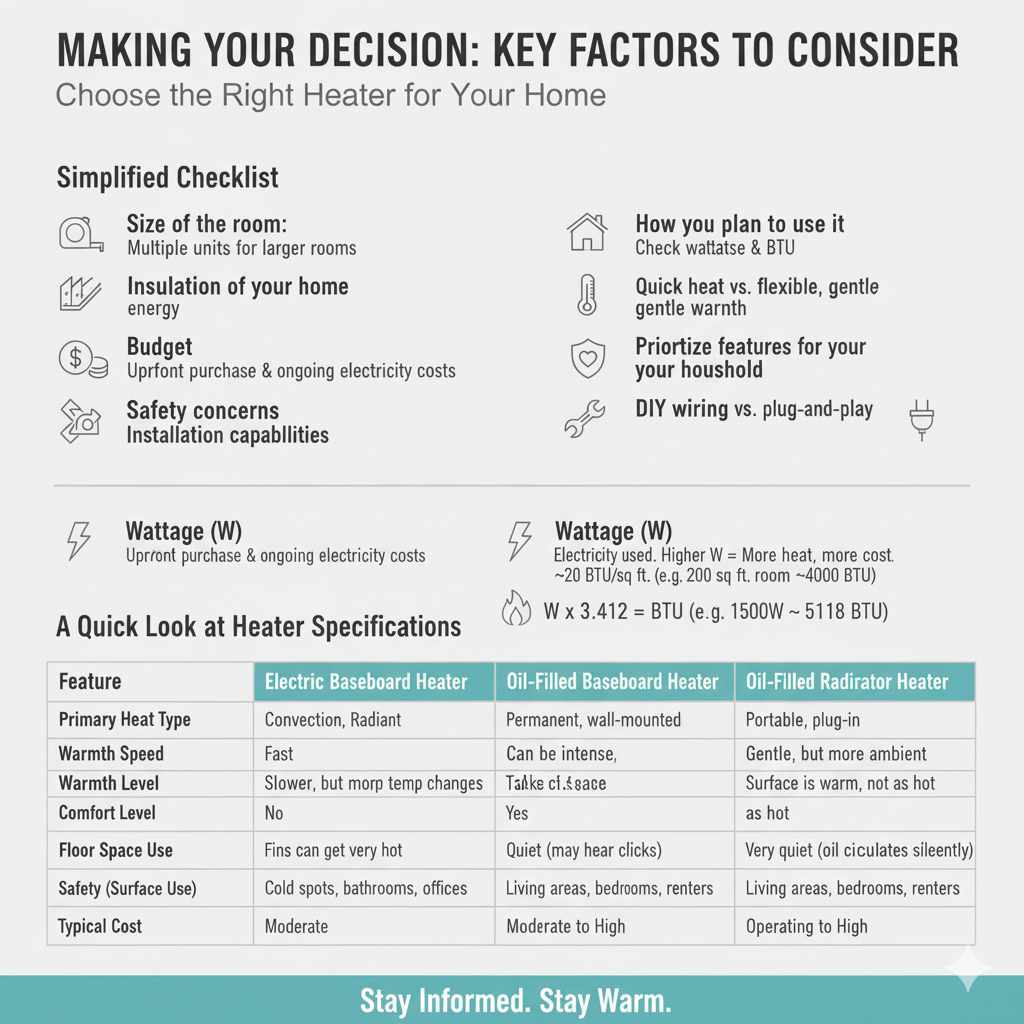
Making Your Decision: Key Factors to Consider
Here’s a simplified checklist to guide your choice:
1. Size of the room: For larger rooms, you might need multiple units or a more powerful option. Check the heater’s wattage and BTU output against the room’s square footage. The National Renewable Energy Laboratory (NREL) provides information on energy calculations that can help estimate heating needs.
2. Insulation of your home: A well-insulated home will retain heat better, meaning any heater will perform more efficiently and cost less to run.
3. How you plan to use it: For quick, targeted heat in one spot, baseboard might be great. For flexible, gentle warmth, oil-filled is often preferred.
4. Budget: Consider both the upfront purchase cost and the ongoing electricity costs.
5. Safety concerns: Think about who is in the home and if certain safety features are a priority.
6. Installation capabilities: Are you comfortable with electrical work, or do you prefer a plug-and-play solution?
A Quick Look at Heater Specifications
When you’re shopping, you’ll see numbers that help you choose.
Wattage (W): This tells you how much electricity the heater uses. Higher wattage generally means more heat output, but also higher electricity consumption.
BTU (British Thermal Unit): This is a standard measure of heat energy. A general rule of thumb for heating a room is about 20 BTUs per square foot. So, a 200 sq. ft. room would need approximately 4,000 BTUs.
* To convert wattage to BTUs, multiply wattage by 3.412. For example, a 1500W heater produces about 5,118 BTUs.
Example Comparison Table:
| Feature | Electric Baseboard Heater | Oil-Filled Radiator Heater |
|---|---|---|
| Primary Heat Type | Convection, Radiant | Radiant, Convection |
| Installation | Permanent, wall-mounted | Portable, plug-in |
| Warmth Speed | Fast | Slower, but more consistent |
| Comfort Level | Can be intense, quick temp changes | Gentle, steady, ambient |
| Portability | No | Yes |
| Floor Space Use | Minimal (wall-mounted) | Takes up floor space |
| Safety (Surface) | Fins can get very hot | Surface is warm, not as hot |
| Noise Level | Quiet (may hear clicks from thermostat) | Very quiet (oil circulates silently) |
| Typical Use | Supplemental in cold spots, bathrooms, offices | Supplemental in living areas, bedrooms, renters |
| Initial Cost | Moderate | Moderate to High |
| Operating Cost | Moderate to High (depends on electricity rates) | Moderate to High (depends on electricity rates) |
Frequently Asked Questions (FAQ)
Q1: Are electric baseboard heaters expensive to run?
A1: Electric baseboard heaters convert nearly 100% of electricity into heat, which sounds efficient. However, electricity is often more expensive per unit of heat (BTU) than other energy sources like natural gas. They are most cost-effective for heating small areas or as supplementary heat in rooms that are hard to reach with your main heating system.
Q2: Is oil-filled radiator heat better than direct electric heat?
A2: “Better” depends on what you value. Oil-filled radiators provide a gentler, more consistent, and often more comfortable radiant heat that lingers. Direct electric heaters (like baseboard) heat up faster, which is good for quick warm-ups. Both are mostly efficient in converting electricity to heat, but the comfort and distribution method differ.
Q3: Can I use an oil-filled radiator as my only heat source?
A3: For small, well-insulated rooms, an oil-filled radiator might be sufficient. However, for larger or poorly insulated homes, it’s generally recommended to use them as a supplemental heat source alongside your primary heating system to ensure consistent warmth and control energy costs.
Q4: How much electricity does an electric baseboard heater use?
A4: The amount of electricity used depends on the heater’s wattage and how long it’s on. A common wattage for a baseboard heater is 1000W to 2000W. To calculate usage, multiply wattage by hours used and divide by 1000 to get kilowatt-hours (kWh). Your electricity bill will then show the cost per kWh.
Q5: Are oil-filled radiators safe for kids and pets?
A5: Yes, oil-filled radiators are generally considered safer than many other portable heaters. The outside surfaces get warm but are less likely to cause severe burns than exposed heating elements. Many also have tip-over protection, automatically shutting off if knocked over, which is a great safety feature for homes with active children and pets.
Q6: How do I know which size heater I need?
A6: The general guideline is about 10 watts per square foot for adequate heating. So, for a 100 sq. ft. room, a 1000-watt heater is usually appropriate. Always check the manufacturer’s recommendations, as insulation levels and ceiling heights can also affect heating needs.
Q7: Do electric baseboard heaters dry out the air?
A7: Electric baseboard heaters, like many forms of direct electric heating, can sometimes contribute to drier indoor air because they heat the air directly. To combat this, using a humidifier or ensuring your home has adequate ventilation can help maintain comfortable humidity levels.
Conclusion: Finding Your Coziest Warmth
Choosing between an electric baseboard heater and an oil-filled radiator doesn’t have to be a headache. Both offer reliable ways to add warmth to your home, but they do it with different approaches. If you need quick, targeted heat for a specific spot and don’t mind a permanent installation, an electric baseboard heater could be your perfect match. If you prefer a gentle, consistent warmth that you can take with you from room to room, an oil-filled radiator offers that cozy, steady feel.
Remember to consider your room size, home’s insulation, and your personal comfort preferences. By understanding their unique features, pros, and cons, you’re now well-equipped to select the heater that will make your home a wonderfully warm and inviting sanctuary. Happy heating, and enjoy that cozy comfort!
Last Updated on October 3, 2025 by Tanim