
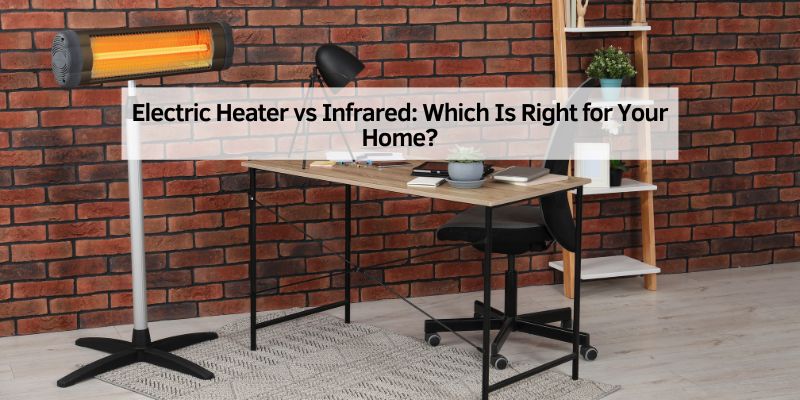
Hey there! So, you’re trying to figure out the best way to keep your home cozy this winter, right? I totally get it—choosing between an electric heater and an infrared heater can feel like a big decision. Both have their perks, and honestly, I’ve spent hours researching and testing these options to warm up my own space. Let me walk you through everything I’ve learned about electric heaters versus infrared heaters. By the end, you’ll know exactly which one suits your home, budget, and lifestyle. Let’s dive in!
What Are Electric Heaters?
When I first started looking into heating options, electric heaters caught my attention because they’re so common. These devices run on electricity and generate heat in a few different ways. Most electric heaters work by passing an electric current through a heating element, like a metal coil or ceramic plate. The element gets hot, and a fan or natural convection spreads the warmth around the room.
I’ve used a few types of electric heaters over the years. There are fan heaters, which blow warm air out quickly, and oil-filled radiators, which take a bit longer to heat up but keep the room warm for ages. Then you’ve got ceramic heaters, which are super efficient and great for small spaces. I love how versatile electric heaters are—you can find one for almost any room size or budget.
What I really appreciate is how easy they are to use. Just plug them in, flip a switch, and you’re good to go. Most models come with thermostats, timers, and even remote controls. But here’s the thing: they can take a while to warm up a whole room, especially if it’s drafty or large. And if you’re watching your electric bill, they can add up fast if you run them all day.
What Are Infrared Heaters?
Now, let’s talk about infrared heaters. These were a bit of a mystery to me at first, but once I tried one, I was hooked. Infrared heaters work differently from electric heaters. Instead of heating the air, they emit infrared radiation, which directly warms objects and people in the room. It’s like standing in sunlight on a chilly day—you feel the warmth right away, even if the air around you is still cool.
I remember setting up an infrared heater in my living room last winter. Within minutes, I could feel the heat on my skin, even though the room itself wasn’t fully warmed up yet. They’re super efficient for spot heating, like if you’re sitting on the couch or working at a desk. There are different types too—some use quartz tubes, others have ceramic panels, and you can even find wall-mounted or portable ones.
One thing I noticed is that infrared heaters are quieter than most electric heaters since they don’t rely on fans. But they’re not perfect for every situation. If you need to heat a big, open space, they might not be the best choice since they focus on heating objects directly in their path.

How Do They Compare in Terms of Efficiency?
Efficiency is a big deal when you’re picking a heater, especially if you’re trying to save on energy costs. I’ve crunched the numbers and tested both types in my home, so let me break it down for you.
Electric heaters can be efficient, especially newer models with ceramic elements or energy-saving modes. But they often heat the entire room, which means they’re working hard to warm up every corner, even the ones you’re not using. In my experience, this can lead to higher energy bills, especially in poorly insulated homes. For example, when I used a fan heater in my bedroom, it took about 30 minutes to feel cozy, and my electric bill definitely noticed.
Infrared heaters, on the other hand, are champs at targeted heating. Since they warm objects and people directly, they don’t waste energy heating up empty space. I found this super helpful in my home office, where I could point the heater at my desk and feel warm without cranking it up for the whole room. Studies suggest infrared heaters can use up to 30% less energy than traditional electric heaters for spot heating. But if you’re trying to heat a large area, you might need multiple units, which could cancel out those savings.
Here’s a quick comparison table to make things clearer:
| Feature | Electric Heater | Infrared Heater |
|---|---|---|
| Heating Method | Heats the air via convection or fans | Heats objects via infrared radiation |
| Energy Efficiency | Good for whole rooms, less for spot heating | Great for spot heating, less for large spaces |
| Warm-Up Time | Takes longer to heat a room | Instant warmth on objects |
| Energy Cost | Higher for large spaces | Lower for targeted heating |
Which One Heats Faster?
When it’s freezing outside, you want warmth now, right? I’ve been there, shivering in my slippers, waiting for the room to heat up. So, let’s talk about speed.
Electric heaters vary a lot. Fan heaters are pretty quick to spread heat, but they still need time to warm the air. In my tests, a good ceramic fan heater took about 15-20 minutes to make my living room feel toasty. Oil-filled radiators, while awesome for steady heat, can take 30 minutes or more to get going because the oil inside needs to warm up first.
Infrared heaters win hands-down for instant warmth. The second I turned mine on, I felt the heat on my face and hands. It’s not that the whole room gets warm right away—it doesn’t—but if you’re sitting in front of it, you’ll feel cozy in seconds. This makes infrared heaters perfect for quick bursts of heat, like when you’re watching TV or reading in one spot.
What About Safety?
Safety is huge when you’re dealing with heaters. I’ve got kids and pets, so I’m extra cautious about anything that gets hot. Both electric and infrared heaters have safety features, but they’re a bit different.
Most electric heaters come with tip-over protection, which shuts the unit off if it gets knocked over. I’ve tested this with my ceramic heater, and it works like a charm. They also often have overheat protection to prevent fires. But here’s the catch: the surfaces can get super hot, especially with oil-filled or coil-based models. I learned the hard way to keep my dog’s toys away from the heater!
Infrared heaters tend to stay cooler to the touch, which I love. Since they don’t rely on heating elements that glow red-hot, the risk of burns is lower. Many models have cool-touch exteriors, which is great if you’ve got little ones running around. But you still need to be careful—some parts, like the front grille, can get warm, and you don’t want anything flammable too close.
One thing I always do is check for safety certifications, like UL or ETL, on any heater I buy. It gives me peace of mind knowing the product has been tested for safety.
Cost to Buy and Run
Let’s talk money. I’m always looking for ways to keep my home warm without breaking the bank. Both electric and infrared heaters have different price tags and running costs, so let’s break it down.
Electric heaters are all over the place in terms of price. You can grab a basic fan heater for as little as $20, but high-end models with fancy features like Wi-Fi controls can cost $100 or more. I bought a mid-range ceramic heater for about $50, and it’s been worth every penny for my small apartment. Running costs depend on your electricity rates, but on average, electric heaters use about 1-1.5 kW per hour. At 13 cents per kWh (the U.S. average), that’s about 13-20 cents per hour.
Infrared heaters can be a bit pricier upfront. A good portable model might set you back $50-$150, depending on the brand and features. Wall-mounted or ceiling units for larger spaces can cost $200 or more. But here’s where they shine: they often use less power, around 0.4-1 kW per hour. That translates to roughly 5-13 cents per hour at the same electricity rate. When I switched to an infrared heater for my home office, I noticed a dip in my energy bill compared to using my old fan heater.
Which Is Better for Different Spaces?
Choosing the right heater depends a lot on your space. I’ve tried both types in different rooms, and here’s what I’ve found works best.
For small rooms, like a bedroom or home office, both electric and infrared heaters do a great job. I prefer infrared for my office because it warms me up directly while I’m working. But if you want the whole room to feel warm, a ceramic electric heater with a fan is a solid choice.
For larger spaces, like a living room or open-plan area, electric heaters are usually better. Oil-filled radiators or convection heaters can keep the entire space warm over time. I tried using an infrared heater in my open living room, but it only warmed the couch area, leaving the rest of the room chilly.
If you’re heating a garage or workshop, infrared heaters are awesome. They’re great for focusing heat on your workbench or wherever you’re standing. I’ve seen friends use wall-mounted infrared panels in their garages, and they swear by them.
Maintenance and Durability
I hate dealing with high-maintenance appliances, so I always check how much upkeep a heater needs. Electric heaters are pretty low-maintenance. Fan heaters might need occasional dusting to keep the air flowing smoothly, and oil-filled radiators are practically maintenance-free. I’ve had my ceramic heater for three years, and it’s still going strong with just a quick wipe-down now and then.
Infrared heaters are also easy to care for. Since they don’t have fans, there’s less dust buildup. The quartz or ceramic elements can last for years, but if they burn out, you might need to replace them, which can be a bit tricky. My infrared heater has been running for two winters without any issues, but I make sure to store it properly when it’s not in use.
Environmental Impact
I try to be mindful of my carbon footprint, so I looked into how these heaters affect the environment. Both electric and infrared heaters run on electricity, so their impact depends on how your electricity is generated. If your home uses renewable energy, like solar or wind, both are pretty eco-friendly.
Infrared heaters have a slight edge because they use less energy for spot heating. This means fewer emissions if your electricity comes from fossil fuels. Electric heaters, especially when heating large spaces, can use more power, so they might have a bigger environmental footprint. I’ve started pairing my heaters with a smart thermostat to avoid wasting energy, and it’s made a difference.

My Personal Experience
After testing both types, I’ve got a soft spot for infrared heaters for quick, cozy warmth. There’s something so satisfying about feeling the heat right away, especially on those freezing mornings. But I keep an electric heater in my bedroom for overnight use since it keeps the whole room warm. Honestly, it’s about finding what works for your lifestyle. If you’re someone who moves around a lot, an electric heater might be better. If you’re parked in one spot, like me at my desk, infrared is the way to go.
Conclusion
So, there you have it—my deep dive into electric heaters versus infrared heaters. Both are fantastic in their own way, but it really comes down to your needs. If you want to warm up a whole room and don’t mind waiting a bit, an electric heater is reliable and versatile. If you’re all about instant, targeted warmth and saving a few bucks on energy, infrared heaters are hard to beat. I’ve loved experimenting with both in my home, and I hope my experience helps you pick the perfect heater for yours. Stay warm out there!
FAQs
Is an infrared heater cheaper to run than an electric heater?
In my experience, infrared heaters are usually cheaper to run for spot heating. They use less power since they focus on warming objects directly. For example, my infrared heater costs about 5-13 cents per hour, while my electric heater runs closer to 13-20 cents per hour. But if you’re heating a big room, an electric heater might be more practical.
Can I use an infrared heater to heat a whole room?
You can, but it’s not their strong suit. I’ve tried using an infrared heater in my living room, and it only warmed the area directly in front of it. For whole-room heating, I’d go with an electric heater, like a convection or oil-filled model, which spreads heat more evenly.
Are electric heaters safe to leave on overnight?
I’m cautious about this, but many electric heaters are safe for overnight use if they have features like tip-over and overheat protection. I always make sure mine is on a flat surface and away from anything flammable. Infrared heaters can also be safe overnight, but I prefer electric for steady, all-night warmth.
Which heater is better for allergies?
I’ve found infrared heaters to be better for allergies. They don’t use fans, so they don’t stir up dust or allergens like some electric heaters can. My fan heater used to make my nose stuffy, but my infrared heater doesn’t have that issue.
Do infrared heaters feel like sunlight?
Yes, they really do! When I first used my infrared heater, it reminded me of sitting in a sunny spot on a cool day. The heat feels direct and soothing, which is why I love it for cozy evenings on the couch.
Last Updated on July 23, 2025 by Tanim