
Hey there! If you’re reading this, you’re probably trying to figure out how to keep your home cozy without breaking the bank this winter. I’ve been there, shivering in my living room, wondering which heater will do the job best. After spending countless hours researching and testing both electric oil-filled heaters and ceramic heaters, I’m excited to share everything I’ve learned with you. These two types of heaters are popular for good reason, but they work differently and suit different needs. Let’s dive into the details of electric oil-filled heaters versus ceramic heaters, so you can pick the perfect one for your home. I’ll break it down in a way that’s easy to understand, like we’re chatting over a cup of coffee.
What Are Electric Oil-Filled Heaters?
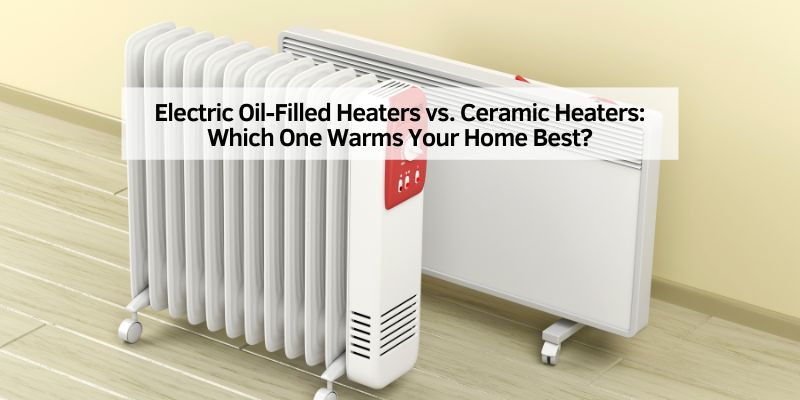
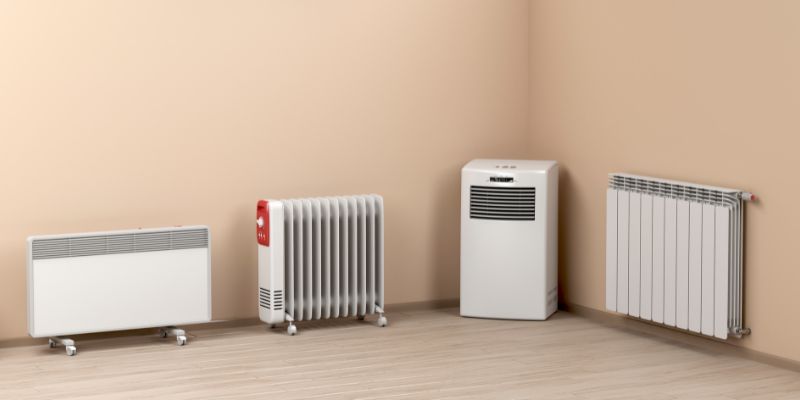
Picture this: a heater that looks like a radiator, with fins filled with special oil that never needs replacing. That’s an electric oil-filled heater. It uses electricity to heat the oil inside, which then radiates warmth through the metal fins into your room. I love how these heaters feel like a warm hug—they give off steady, gentle heat that lingers even after you turn them off.
These heaters work through a combination of radiant and convective heat. The oil gets hot, warms the metal casing, and that heat spreads to the air and objects around it. They’re often heavy and bulky, but many come with wheels, so you can roll them from room to room. I’ve found them perfect for keeping a bedroom or living room warm for hours, especially during those chilly winter nights.
The beauty of oil-filled heaters is their heat retention. Once the oil is warm, it stays that way for a while, so the heater doesn’t need to run constantly. This makes them super energy-efficient for long-term use. Plus, they’re quiet—no fans whirring or buzzing to disturb your peace. If you’re someone who loves a calm, cozy vibe, these heaters are a game-changer.
What Are Ceramic Heaters?
Now, let’s talk about ceramic heaters. These are the sprinters of the heater world. They heat up fast and start warming your space almost instantly. I remember plugging in a ceramic heater in my home office and feeling the warmth within minutes. They use a ceramic heating element, which gets hot when electricity runs through it. Many models have a fan that blows air over the ceramic element, spreading warm air around the room.
Ceramic heaters come in two main types: radiant and convection. Radiant ceramic heaters warm objects directly in front of them, while convection models use a fan to circulate warm air. They’re usually lightweight and portable, making them easy to move from your bedroom to your kitchen or even a small office. I’ve carried mine up and down the stairs without breaking a sweat.
One thing I love about ceramic heaters is their safety features. Most have tip-over protection and overheat shut-off, which gives me peace of mind, especially with kids or pets around. They’re also compact, so they fit nicely in small spaces. If you need quick heat for a short time, ceramic heaters are hard to beat.
How Do They Compare in Terms of Heating Performance?
When it comes to heating performance, it’s like comparing a marathon runner to a sprinter. Oil-filled heaters are slow and steady. They take a bit to warm up—sometimes 15 to 30 minutes—but once they do, they keep your room cozy for hours. The heat feels even and consistent, which I find perfect for larger spaces like a living room or master bedroom. Even after I turn it off, the room stays warm for a while because the oil retains heat.
Ceramic heaters, on the other hand, are all about speed. They start warming the moment you switch them on. I’ve used one in my bathroom on cold mornings, and it makes getting out of the shower so much more bearable. However, the heat fades quickly once you turn them off, especially in convection models. They’re great for small to medium-sized rooms but struggle to maintain warmth in larger spaces or poorly insulated homes.
To give you a clearer picture, here’s a quick comparison of their heating performance:
| Feature | Electric Oil-Filled Heaters | Ceramic Heaters |
|---|---|---|
| Warm-Up Time | Slow (15-30 minutes) | Fast (seconds to minutes) |
| Heat Retention | Excellent, stays warm after turning off | Poor, cools quickly |
| Best For | Large rooms, long-term heating | Small to medium rooms, quick heating |
| Heat Type | Radiant and convective | Convection (fan) or radiant |
Your choice depends on how you plan to use the heater. If you want to keep a room warm all evening, go for an oil-filled heater. If you need instant warmth for a short period, a ceramic heater is your best bet.
Energy Efficiency: Which Saves More on Your Electric Bill?
Let’s talk money. Heating your home can get pricey, so energy efficiency matters. I’ve tracked my electric bill with both types of heaters, and here’s what I found. Oil-filled heaters are champs at saving energy over long periods. Because the oil retains heat, the heater doesn’t need to run constantly. Once it reaches the desired temperature, it cycles on and off, using less electricity. I noticed this when I used an oil-filled heater in my living room overnight—it kept the room warm without spiking my bill.
Ceramic heaters are a bit trickier. They’re efficient for short bursts because they heat up so quickly. Many models have an eco-mode that adjusts power usage, which I love for quick tasks like warming my office while I work. But if you leave them on for hours, they can guzzle electricity, especially fan-driven models. The fan itself uses extra power, and since the heat fades fast, the heater keeps running to maintain the temperature.
In general, oil-filled heaters win for long-term use, especially in well-insulated rooms. Ceramic heaters are better for short-term heating in smaller spaces. To save the most, look for models with thermostats and timers. I set my oil-filled heater to turn off once my room hits 70°F, and it’s saved me a noticeable chunk of change.
Safety Features: Keeping Your Home and Family Safe
Safety is a big deal when you’re dealing with heaters. I’ve got a curious cat and a toddler, so I’m always checking for features that keep my home safe. Oil-filled heaters are generally very safe. The heating element is enclosed, so there’s no risk of burns from touching it. Most models have overheat protection and tip-over switches, which I’ve tested by gently nudging my heater—it shuts off instantly. The downside? The surface can get hot, so you need to keep it away from kids, pets, or flammable items like curtains.
Ceramic heaters are also designed with safety in mind. Their casing stays cooler than oil-filled heaters, which I appreciate when my toddler’s running around. The ceramic element self-regulates, reducing the risk of overheating. Most models I’ve used have tip-over protection and automatic shut-off if they get too hot. However, fan-driven models can blow dust around, which might bother people with allergies.
Both heaters are safe when used properly, but I always make sure to place them on flat surfaces, keep them three feet from flammable items, and plug them directly into a wall outlet—no extension cords. It’s a small effort for peace of mind.
Portability and Design: Which Fits Your Lifestyle?
Let’s be real—nobody wants a heater that’s a pain to move or looks like an eyesore. Oil-filled heaters are heavier because of the oil inside, often weighing 20 to 40 pounds. But most come with wheels, which makes moving them easier. I roll mine from the living room to the bedroom when needed, though it’s not something I’d carry upstairs. Design-wise, they look like traditional radiators, which I find kind of charming. Some even come in sleek finishes that blend into modern decor.
Ceramic heaters are the lightweight champs. Most weigh under 10 pounds, so I can carry one in one hand while holding a coffee mug in the other. They come in all sorts of designs—tower models, compact cubes, or even stylish panels. I have a small tower ceramic heater that fits perfectly on my desk without taking up much space. If you move your heater around a lot or live in a multi-story home, a ceramic heater is way easier to handle.
Noise Levels: Which One Lets You Enjoy the Quiet?
If you’re like me, you hate noisy appliances that disrupt your Netflix binge or quiet reading time. Oil-filled heaters are practically silent. There’s no fan, just the occasional soft click when the thermostat kicks in. I’ve used one in my bedroom, and it’s so quiet I forget it’s on. This makes them perfect for sleeping or working in a peaceful environment.
Ceramic heaters, especially fan-driven ones, can be noisier. The fan hums or buzzes, which I find distracting if I’m trying to focus. Some models are quieter than others, but it’s something to consider if noise bothers you. I’ve found that radiant ceramic heaters (without fans) are much quieter, but they don’t spread heat as evenly.
Cost: Upfront Price vs. Long-Term Savings
Let’s talk about the price tag. Oil-filled heaters typically cost between $50 and $250, depending on size and features. I snagged a basic 1500-watt model for about $80, and it’s been worth every penny for heating my living room. Their energy efficiency means long-term savings, especially if you use them for hours at a time.
Ceramic heaters are often cheaper upfront, ranging from $30 to $150. I picked up a compact one for $40, and it’s great for my small office. However, if you run them for long periods, the electricity costs can add up. High-end models with smart features like Wi-Fi control or oscillation can push the price closer to $200.
Here’s a quick cost breakdown:
| Feature | Electric Oil-Filled Heaters | Ceramic Heaters |
|---|---|---|
| Upfront Cost | $50–$250 | $30–$150 |
| Running Cost | Lower for long-term use | Higher for extended use |
| Best Value For | Long-term heating, larger spaces | Short-term heating, smaller spaces |
Your budget and heating needs will guide your choice. If you’re on a tight budget, a ceramic heater might be the way to go. If you can spend a bit more upfront for long-term savings, an oil-filled heater is a smart investment.
Maintenance: Keeping Your Heater in Top Shape
I’m all about low-maintenance appliances, and both these heaters fit the bill. Oil-filled radiators are super easy to care for. The oil never needs replacing, and there’s no fuel to refill. I just wipe mine down with a damp cloth to keep dust off the fins. Occasionally, I check for any weird smells or damage, but that’s it.
Ceramic heaters need a bit more attention because of the fan. Dust can build up on the ceramic element or in the vents, so I clean mine every month or two with a soft brush or vacuum. It’s not a big deal, but it’s something to keep in mind if you have allergies or live in a dusty area. Always unplug the heater before cleaning to stay safe.
Which One Is Right for Your Home?
Choosing between an oil-filled heater and a ceramic heater comes down to your lifestyle and needs. I’ve used both in different situations, and here’s how I break it down. If you want steady, long-lasting heat for a larger room, like a living room or bedroom, go for an oil-filled heater. It’s energy-efficient, quiet, and keeps the warmth going even after you turn it off. It’s perfect for cozy nights in or keeping a room warm all day.
If you need quick heat for a small space, like a bathroom, office, or guest room, a ceramic heater is your best friend. It’s lightweight, heats up fast, and is easy to move around. Just don’t expect it to keep a big room warm for hours.
Think about your room size, too. A 1500-watt heater (common for both types) can warm about 150–250 square feet. For larger spaces, you might need a higher-wattage oil-filled heater or multiple ceramic heaters. Also, consider insulation—well-insulated rooms hold heat better, making oil-filled heaters even more efficient.
My Personal Experience: A Tale of Two Heaters
Let me share a quick story. Last winter, I was working from home in my chilly basement office. I tried a ceramic heater first, and it was a lifesaver for quick warmth during my work hours. But when I wanted to keep my living room cozy for movie nights, it just didn’t cut it—the heat faded too fast. So, I switched to an oil-filled heater. It took a while to warm up, but once it did, the room stayed toasty all evening. Now, I keep both: the ceramic heater for my office and the oil-filled one for my living room. It’s the best of both worlds.
Conclusion
After diving deep into the world of electric oil-filled heaters and ceramic heaters, I hope you feel ready to make the right choice for your home. Both are fantastic options, but they shine in different scenarios. Oil-filled heaters are my go-to for long-lasting, energy-efficient warmth in larger spaces. They’re quiet, safe, and keep your room cozy even after they’re off. Ceramic heaters are perfect when you need instant heat in a small space, and their portability makes them super versatile.
Think about your needs—room size, budget, and how long you need heat—and you can’t go wrong. Whichever you choose, invest in a model with safety features like tip-over protection and a thermostat to save energy. Here’s to a warm, cozy winter without the stress of sky-high electric bills!
Frequently Asked Questions
Are oil-filled heaters safer than ceramic heaters?
Both are safe when used properly, but they have different strengths. Oil-filled heaters have enclosed heating elements, reducing burn risks, but their surface can get hot. Ceramic heaters often have cooler casings and self-regulating elements, making them safer around kids or pets. Always look for tip-over and overheat protection.
Which heater is cheaper to run?
Oil-filled heaters are usually cheaper for long-term use because they retain heat and cycle off more often. Ceramic heaters can be cost-effective for short bursts but may cost more if left on for hours due to continuous power use.
Can I leave an oil-filled heater on overnight?
Yes, most oil-filled heaters are safe for overnight use, thanks to enclosed elements and safety features like overheat protection. I always place mine on a flat surface, away from flammable items, and use a model with a thermostat for extra safety.
Do ceramic heaters dry out the air?
Fan-driven ceramic heaters can dry the air slightly because they circulate it. Oil-filled heaters don’t use fans, so they’re less likely to dry out the air, which is great if you have respiratory issues or allergies.
Which heater is better for a large room?
Oil-filled heaters are better for large rooms because they provide steady, long-lasting heat that spreads evenly. Ceramic heaters are best for small to medium rooms, as their heat doesn’t last as long or cover as much space.
Last Updated on July 25, 2025 by Tanim