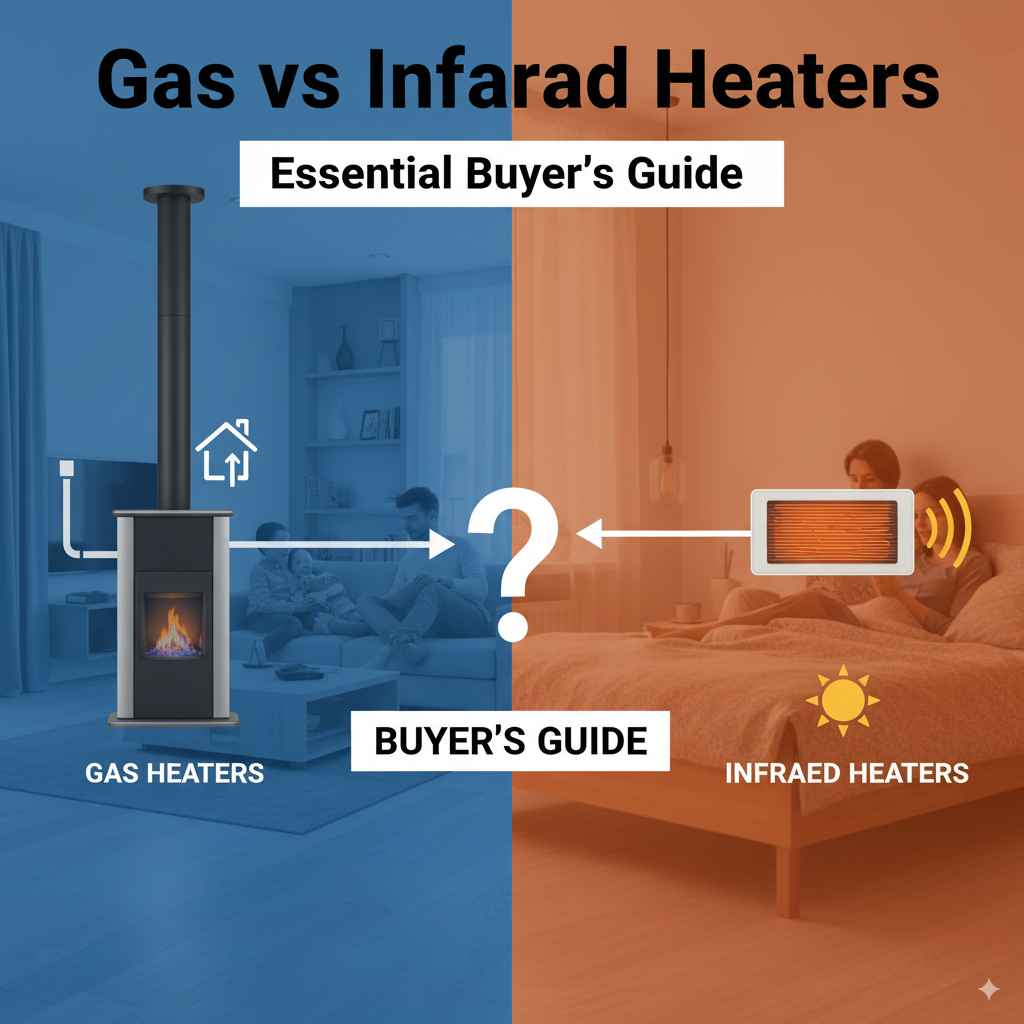
Gas vs Infrared Heaters: Essential Buyer’s Guide
Choosing between gas and infrared heaters is easy when you know the key differences. Gas heaters heat the air, while infrared heaters warm objects directly. This guide breaks down which type is best for your needs, focusing on efficiency, cost, and comfort, so you can make a confident choice for a cozy home.
Feeling a chill creep into your home and wondering about the best way to heat it? You’re not alone! Many homeowners find themselves a little puzzled when it comes to choosing the right heater. It can feel like a big decision, especially when you want to keep your family warm and comfortable without breaking the bank or worrying about safety. Don’t fret! We’re here to make it simple.
Today, we’re going to compare two popular choices: gas heaters and infrared heaters. Think of me as your friendly guide, here to explain everything in a way that makes sense. We’ll walk through what makes each one tick, where they work best, and what to look out for. By the end, you’ll have a clear picture and feel confident picking the perfect heater for your cozy space.
Understanding the Basics: How Do They Warm Your Home?
Before we dive into which one is “better,” let’s get a handle on the fundamental ways these heaters work. It’s like understanding how a car engine works before deciding if you need a sedan or an SUV – knowing the mechanics helps you choose what’s right for your journey!
Gas Heaters: Heating the Air Around You
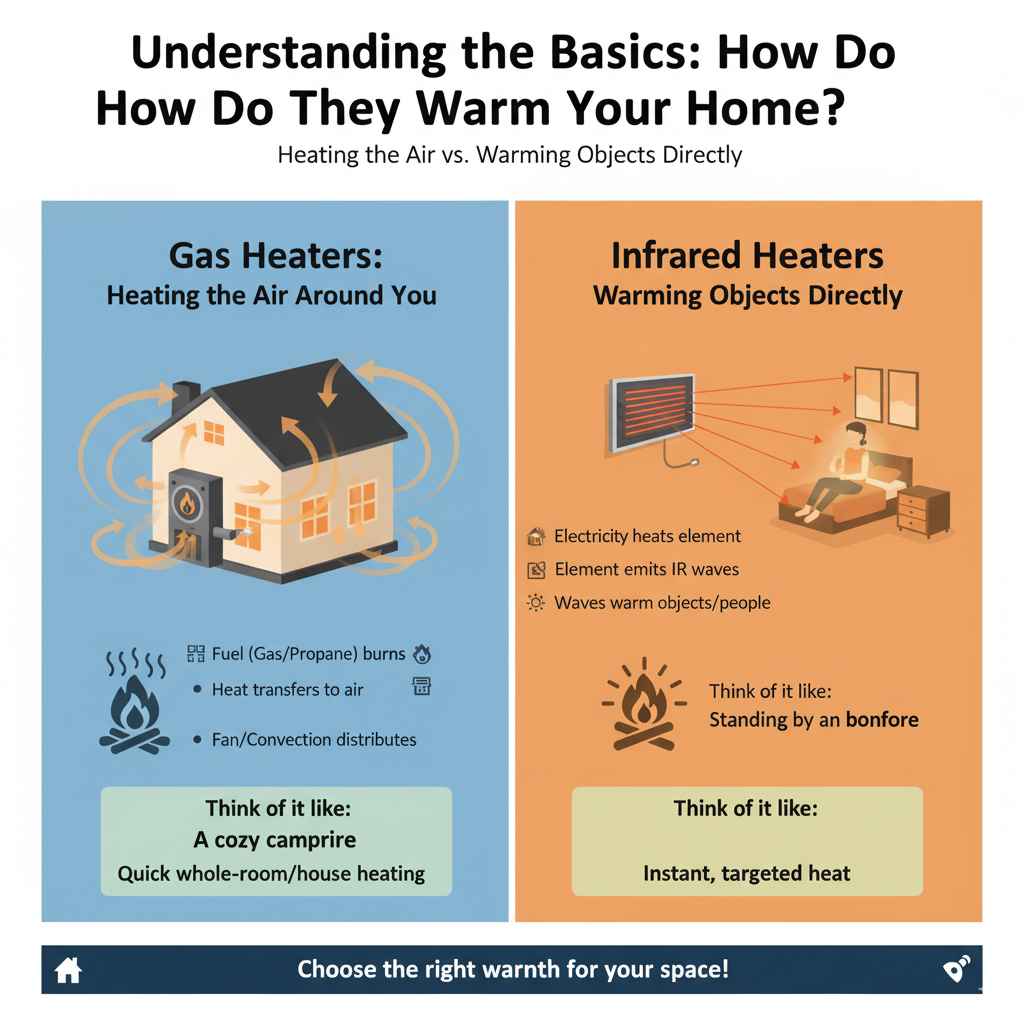
Gas heaters, like the ones you might have in your furnace or a portable propane unit, work by burning a fuel – usually natural gas or propane. This burning process creates heat, which is then transferred to the air in your room. The heated air rises, circulates, and eventually warms up everything in its path.
- How it works: A pilot light or igniter sparks the gas. The gas burns, creating heat. A fan (in forced-air systems) or natural convection (in some radiating units) pushes this warm air into the space.
- Think of it like: A big, cozy campfire in your room that heats the air.
- Key Benefit: They can heat an entire room or even a whole house relatively quickly by warming the air itself.
This is the most common method for whole-home heating, often using a central furnace that distributes warm air through vents. Portable gas heaters work on a similar principle but target a single space.
Infrared Heaters: Warming Objects Directly
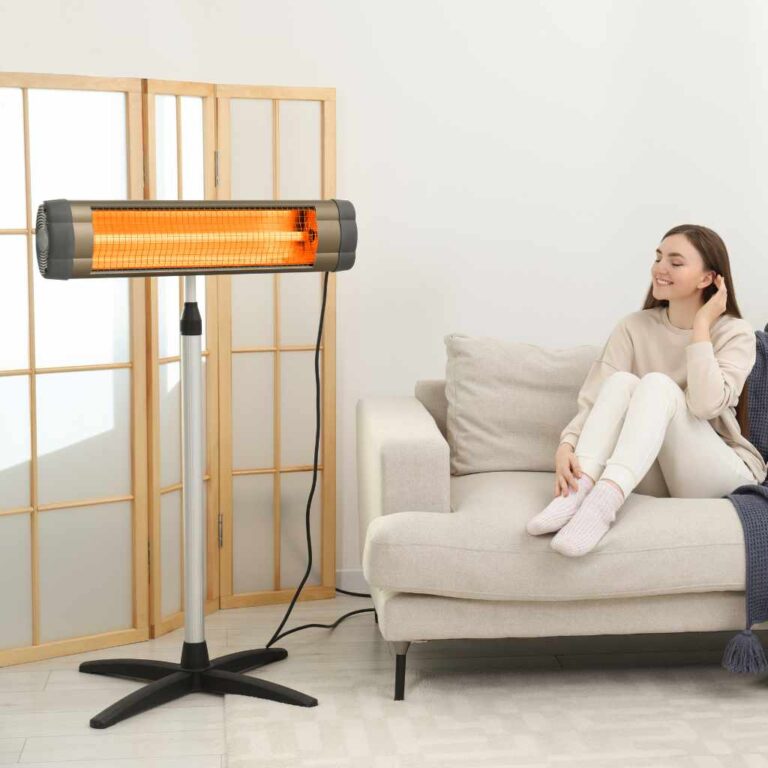
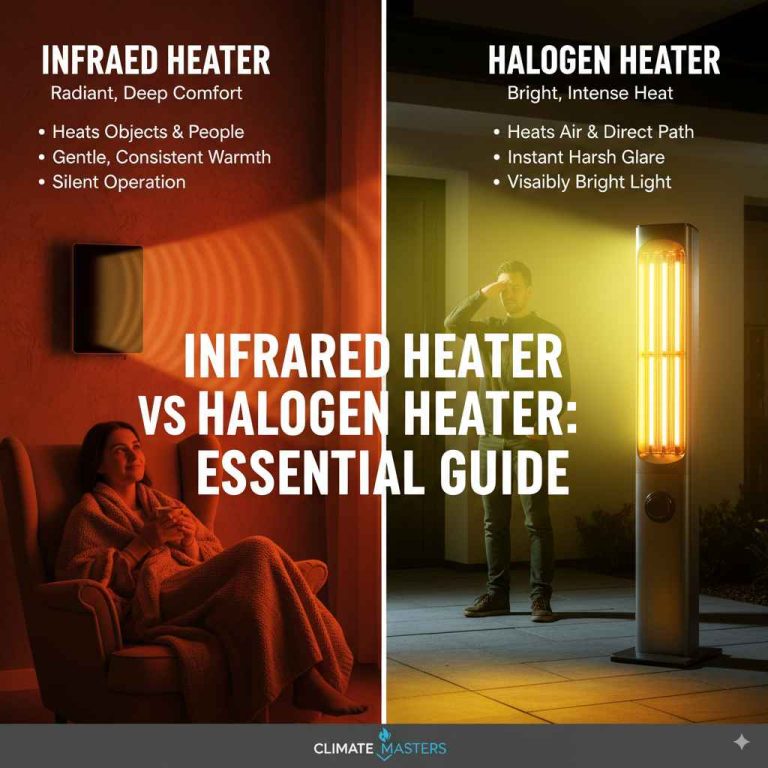
Infrared heaters, on the other hand, work differently. Instead of heating the air, they emit infrared radiation. This is similar to the heat you feel from the sun or a warm stone. The radiant energy travels in straight lines and warms up any objects it hits – including people, furniture, and walls. The air itself is warmed only indirectly as these objects release their heat.
- How it works: Electricity or gas powers a heating element that glows or becomes very hot. This element emits infrared waves.
- Think of it like: Standing close to a bonfire; you feel the heat directly on your skin, even if the air isn’t super warm.
- Key Benefit: They provide instant, targeted heat and don’t waste energy heating empty air space.
Infrared heaters are often used for spot heating, where you need to warm a specific area or person quickly, or in spaces where air circulation is difficult, like garages or workshops. You’ll find them as portable units, wall-mounted panels, or even ceiling fixtures.
Gas Heaters: The Pros, Cons, and Best Uses
Gas heaters have been a staple in home heating for a long time, and for good reason. They are powerful and effective. Let’s take a closer look at what makes them a popular choice.
Pros of Gas Heaters
- Whole-Home Coverage: Central gas furnaces are excellent for heating an entire house evenly and efficiently.
- Fast Heat Distribution: Forced-air systems can raise the temperature of a room quickly.
- Cost-Effective Fuel (Often): Natural gas is typically one of the less expensive heating fuels available in many regions.
- Widely Available: Installation and repair services for gas heating systems are common and easy to find.
- Humidification Capabilities: Some central heating systems can be paired with humidifiers to add moisture to the air, combatting dry winter air.
Cons of Gas Heaters
- Safety Concerns: If not properly maintained, gas heaters can pose risks like carbon monoxide leaks or fire hazards. Regular professional servicing is crucial. For a deeper dive into safety, the U.S. Consumer Product Safety Commission offers vital information.
- Drying Effect: Heating air can make it very dry, leading to discomfort, static electricity, and dry skin.
- Energy Waste: Heating empty spaces or rooms that aren’t in use can be inefficient.
- Installation Costs: Central gas systems require significant upfront installation costs, including ducts and vents.
- Maintenance Needs: They require regular professional maintenance to ensure they run safely and efficiently.
When Are Gas Heaters a Great Choice?
Gas heaters, especially central furnace systems, are ideal for:
- Heating an entire home or large living spaces.
- Providing consistent, whole-room warmth.
- Areas where natural gas lines are readily available and affordable.
- People who prefer a constant ambient warmth throughout their house.
Portable gas heaters can be effective for zoning in larger spaces when used carefully and with adequate ventilation, but they come with more safety considerations for indoor use compared to electric options.
Infrared Heaters: The Pros, Cons, and Best Uses
Infrared heaters are gaining popularity for their efficient, targeted heating. They offer a different approach to staying warm, focusing on direct warmth rather than ambient air.
Pros of Infrared Heaters
- Energy Efficiency: They heat objects directly, so there’s less wasted energy heating air. This can be very cost-effective for targeted heating.
- Instant Heat: You feel the warmth immediately as the infrared waves reach you.
- No Noise: Most models operate silently, which is a big plus for bedrooms or quiet living areas.
- Preserves Air Quality: They don’t circulate air, so they don’t dry it out or stir up dust and allergens.
- Safe for Around Pets/Children (with caution): While surfaces can get hot, they don’t rely on open flames or produce carbon monoxide, making them generally safer for indoor use than unvented gas heaters. Always follow manufacturer guidelines.
- Versatile: Available in many forms – portable, wall-mounted, ceiling-mounted, indoor, and outdoor versions.
Cons of Infrared Heaters
- Limited Range: The heat is directional. If you move away from the heater, you stop feeling the warmth. They don’t heat a whole room evenly like a gas furnace.
- Slower Overall Room Heating: While they provide instant warmth to direct targets, warming up an entire room’s mass (furniture, walls) can take longer than circulating hot air.
- Surface Temperature: The heating elements and protective grilles can become very hot, posing a burn risk if touched.
- Electricity Dependence for Most: Most common infrared heaters rely on electricity, so their operating cost depends on electricity prices.
- Initial Cost Can Be Higher: Some high-efficiency or advanced infrared models can have a higher upfront price tag than basic electric ceramic heaters.
When Are Infrared Heaters a Great Choice?
Infrared heaters shine in:
- Spot heating specific areas, like a desk in a cold office or a seating area in a living room.
- Heating workshops, garages, or outdoor patios where traditional heating is impractical.
- Rooms where air quality is a concern (allergies, asthma).
- Supplemental heating to take the edge off the chill in a main living area without running a full-house system.
- Situations where instant, direct warmth is desired.
They are excellent for adding comfort to parts of your home that always seem to be a bit cooler without increasing your overall energy consumption for whole-house heating.
Key Differences at a Glance: Gas vs. Infrared
To help solidify your understanding, let’s put the main differences in a table. This should give you a quick, at-a-glance comparison.
| Feature | Gas Heaters | Infrared Heaters |
|---|---|---|
| Heating Method | Heats air by burning fuel, then circulates warm air. | Emits infrared radiation that heats objects and people directly. |
| Area Heated | Whole rooms or entire houses (especially central systems). | Specific, targeted areas or objects in a direct line of sight. |
| Speed of Warmth | Heats air quickly, providing ambient warmth. | Instant warmth to objects and people; room warming is indirect. |
| Energy Efficiency | Can be efficient for whole-house heating; less efficient for spot heating. | Highly efficient for spot heating; less efficient for warming entire spaces. |
| Air Quality Impact | Can dry out air and circulate dust/allergens. | Does not affect air quality; no drying or dust circulation. |
| Safety Considerations | Risk of CO leaks, fire if not maintained. Requires ventilation. | Surfaces can get hot; no CO risk (for electric models). |
| Installation | Central systems complex; portable units simpler but require ventilation. | Mostly plug-and-play for portable units; wall/ceiling mounts require installation. |
| Typical Uses | Whole-home heating, large space heating. | Spot heating, workshops, garages, patios, supplemental warmth. |
Choosing the Right Heater for Your Needs
So, which one is for you? The answer really depends on your specific situation and what you’re trying to achieve.
Consider Your Space
For whole-house or large-area heating: If you need to keep your entire home comfortable, especially during cold winters, a central gas heating system (like a furnace) is often the most practical and cost-effective solution. For very large single rooms or open-plan living areas, a powerful gas heater might also do the trick, but always ensure proper ventilation.
For specific rooms or zones: If you only need to warm a particular area – perhaps your home office, a drafty living room, or a basement that’s always cold – infrared heaters are excellent. They allow you to heat just the spot you need, saving energy and money by not heating unused parts of your home.
Think About Your Budget
Upfront Costs vs. Running Costs: Central gas systems are a significant investment initially but can offer lower running costs if natural gas is cheap in your area. Portable gas heaters have a moderate upfront cost but require ongoing fuel purchases (propane), which can add up. Infrared heaters vary widely in price. Basic portable models are affordable, while advanced panel heaters can be more expensive. Their running cost depends on electricity prices.
Fuel Prices: Always check the current and projected prices of natural gas, propane, and electricity in your region. This will heavily influence which type of heater is more economical to run long-term. According to the U.S. Energy Information Administration, residential natural gas prices tend to be lower per BTU than electricity in many areas, but this can fluctuate. You can check their latest data for insights (EIA Residential Energy Data).
Prioritize Your Comfort and Health
Air Quality: If you or someone in your household suffers from allergies, asthma, or has dry skin, the non-drying, non-air-circulating nature of infrared heaters makes them a superior choice for comfort and health. Gas heaters can exacerbate these issues.
Instant Warmth: For those who want to feel warm immediately upon entering a space or turning on the heater, infrared is the winner. If you prefer a gradual, enveloping warmth that fills a room, gas heating might be more to your liking.
Safety First, Always!
“Safety is paramount,” as they say. Both types of heaters require responsible use. Always read and follow the manufacturer’s instructions for installation, operation, and maintenance.
- Gas Heaters:
- Ensure proper ventilation to prevent carbon monoxide (CO) buildup. It’s highly recommended to have CO detectors installed on every level of your home.
- Schedule annual professional inspections and maintenance for gas furnaces and portable units.
- Never use unvented portable gas heaters in small, enclosed spaces or bedrooms.
- Infrared Heaters:
- Be mindful of hot surfaces. Keep children and pets at a safe distance.
- Ensure portable units are placed on stable, level surfaces.
- For electric infrared heaters, ensure compatibility with your home’s wiring.
For more on home heating safety, resources like the National Park Service’s heater safety tips offer practical advice.
Installation and Usage Tips
Once you’ve decided, here are some tips to get the most out of your new heater.
Gas Heater Installation & Usage
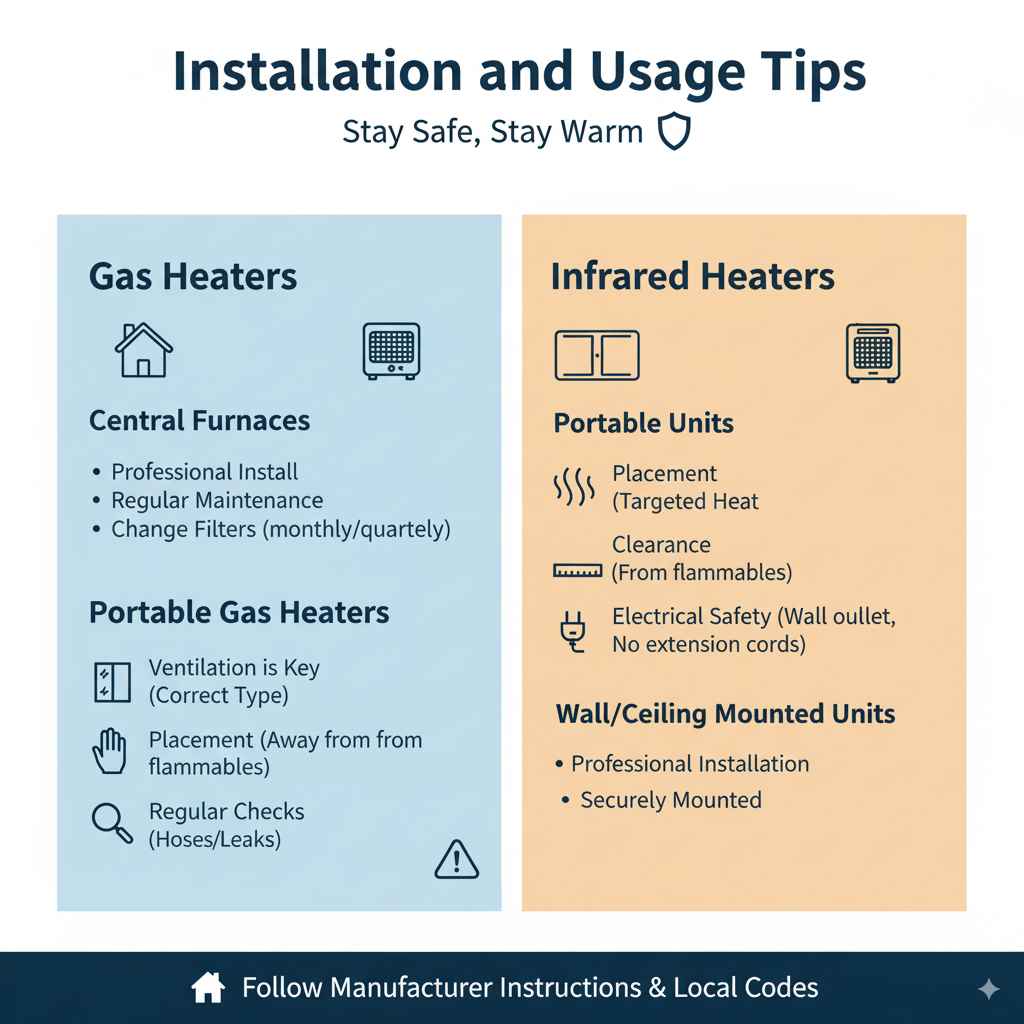
Central Furnaces: These are typically installed by HVAC professionals. Ensure they are properly sized for your home. Regular maintenance, furnace filter changes (monthly or quarterly, depending on the filter type), and professional tune-ups are essential for efficiency and safety. You can find tips on DIY filter changes from resources like Consumer Reports.
Portable Gas Heaters:
- Ventilation is Key: Always use in a well-ventilated area. Check the heater’s manual for specific ventilation requirements.
- Fuel Source: Ensure you are using the correct fuel type (e.g., propane for propane heaters) and that tanks are properly connected.
- Placement: Keep away from flammable materials and ensure stability.
- Regular Checks: Inspect hoses and connections for leaks before each use.
Infrared Heater Installation & Usage
Portable Units: These are generally plug-and-play.
- Placement for Maximum Effect: Position the heater so its direct path of heat covers the area or people you want to warm.
- Clearance: Maintain recommended clearance from walls, furniture, and curtains to prevent overheating or fire hazards.
- Electrical Safety: Plug directly into a wall outlet, not an extension cord, if possible, and ensure the outlet and circuit can handle the heater’s wattage.
Wall/Ceiling Mounted Units: These often require professional installation to ensure they are securely mounted and correctly wired. Follow manufacturer instructions precisely.
Frequently Asked Questions (FAQ)
Q1: Can I use a gas heater indoors?
Some gas heaters are designed for indoor use (like central furnaces or specific indoor-rated portable propane heaters), but they require proper ventilation to prevent dangerous carbon monoxide buildup. Always ensure the unit is approved for indoor use and follow all safety guidelines, including having CO detectors.
Q2: Are infrared heaters safe for my pets and children?
Electric infrared heaters are generally considered safer than gas heaters because they don’t produce carbon monoxide. However, their surfaces can get very hot, posing a burn risk. Always maintain a safe distance and supervise pets and children around them.
Q3: Which type of heater is more energy-efficient?
For spot heating an area, infrared heaters are typically more energy-efficient because they heat objects directly without wasting energy on the air. For heating an entire house, a properly sized gas furnace is often more efficient than using multiple portable heaters.