Combustion Vs Electric Space Heaters: Essential Showdown
Choosing between combustion and electric space heaters often comes down to balancing upfront cost, running efficiency, and safety needs. For immediate, safe supplemental heat, electric is easy; for whole-room, lasting low-cost warmth, combustion might win, but requires ventilation. This guide cuts through the confusion so you can pick the perfect heater for your space right now.
Are you feeling that familiar chill creeping into your home when the main furnace just isn’t keeping up? Deciding how to add extra comfort can feel tricky. Should you plug something in, or is it time to deal with fuel tanks and vents? Many homeowners get stuck comparing combustion vs electric space heaters because both promise warmth, but deliver it in very different ways.
Don’t worry! You absolutely do not need an engineering degree to make a smart choice. I’m Tanim, and I’m here to break down the differences simply. We will look at safety, running costs, and how much heat you actually get. By the end of this article, you will feel confident knowing exactly which heater type fits your home’s needs.
Combustion Vs Electric Space Heaters: The Essential Showdown
When you need to heat a room fast, you have two main families of portable heaters to consider: those that burn fuel (combustion) and those that use electricity. Understanding this core difference is the first step toward making a smart purchase.
What is a Combustion Heater?
Combustion heaters create heat by literally burning a fuel source right inside the unit. Think of it like having a tiny, controlled fire in your living room. Because they burn fuel, they release byproducts, which is why ventilation is key.
Common Types of Combustion Heaters:
- Propane/Kerosene Heaters: Often used for workshops, garages, or emergency backup heat. They are very powerful.
- Natural Gas/Propane Wall Furnaces (Vent-Free): These are usually mounted on a wall and use natural gas or a permanent propane line. They still pull some indoor air for combustion.
- Fireplaces/Wood Stoves: While technically combustion, we usually categorize these separately, though they share the need for a chimney or flue.
The Big Safety Note on Combustion
The main thing to remember is that burning fuel uses up oxygen and produces exhaust, including carbon monoxide (CO)—an odorless, deadly gas. The Centers for Disease Control and Prevention (CDC) stresses that proper safe use and CO monitoring are non-negotiable with these units.
What is an Electric Heater?
Electric heaters are much simpler conceptually. They take the electricity coming from your wall socket and convert it primarily into heat, usually through a heating element (like a coiled-up wire) or a fan blowing over one.
Common Types of Electric Heaters:
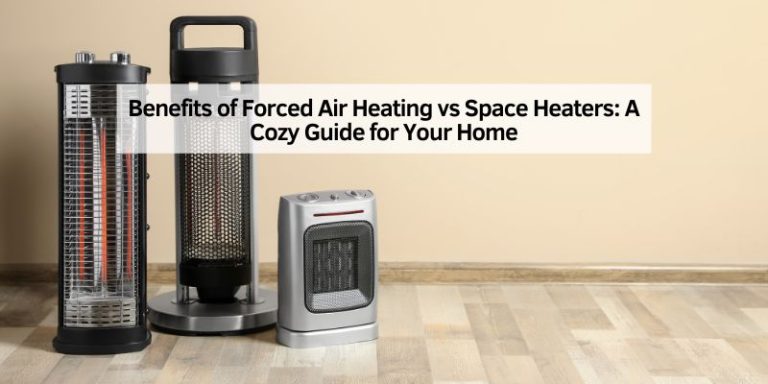
- Radiant (Infrared): These work like the sun, sending out waves of heat that warm objects and people directly, not just the air. Great for spot heating.
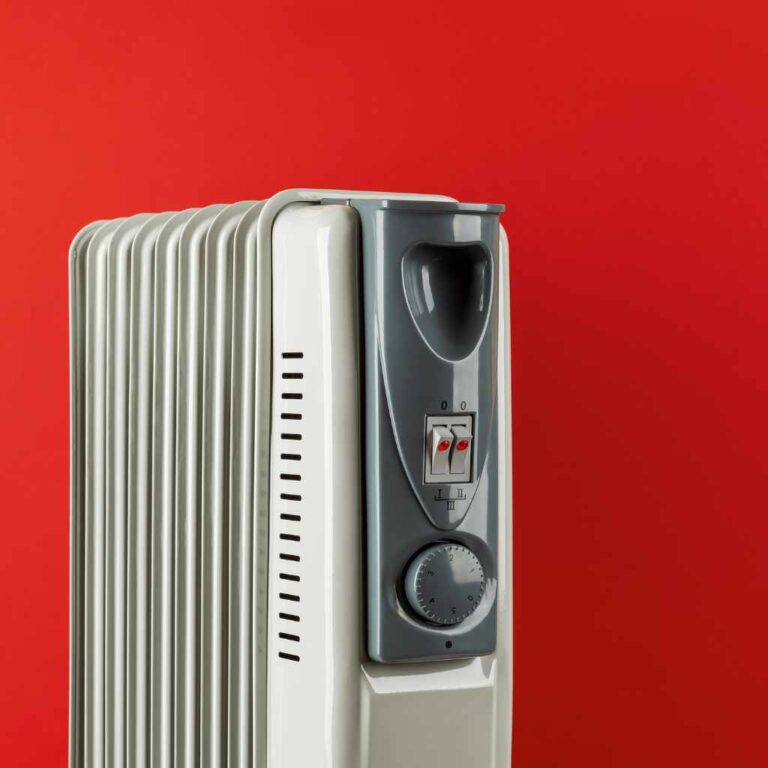
- Convection (Oil-Filled Radiators): These silently heat oil sealed inside the unit, which then radiates heat outward and warms the air to slowly heat the whole room.
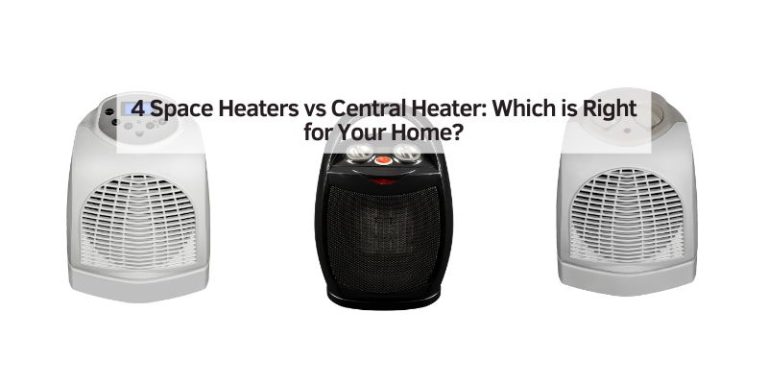
- Fan-Forced Ceramics: These use ceramic plates that heat up quickly, and a fan pushes that immediate warmth out into the room. Perfect for quick, instant heat.
The Big Safety Note on Electric
While they don’t produce exhaust gas, electric heaters draw a lot of power. The main risk is overloading circuits or creating fire hazards if placed too close to flammable materials. Always use a dedicated outlet when possible, and never use extension cords unless they are properly rated for high wattage.

Head-to-Head Comparison: Fuel vs Plug-In
Now let’s line them up so you can see the trade-offs clearly. This comparison focuses on the typical portable units you might buy for a single room addition.
| Feature | Combustion Heaters (e.g., Propane) | Electric Heaters (e.g., Ceramic, Oil) |
|---|---|---|
| Heat Output & Speed | Very fast and powerful; effective for uninsulated spaces or large areas. | Varies greatly. Radiant is fast but localized; Convection is slow but steady. |
| Fuel/Energy Source | Propane, Kerosene, Natural Gas. | Standard 120V Household Electricity. |
| Running Cost | Depends heavily on current fuel prices; can be cheaper than electricity for massive heat output. | Easy to calculate (wattage x time x utility rate); can be expensive if used constantly. |
| Installation/Portability | May require filling tanks or specialized hookups; needs ventilation path. | Plug-and-play portability; move them room-to-room easily. |
| Exhaust/Air Quality | Requires mandatory venting or extreme attention to air quality (risk of CO). | No exhaust, but can slightly dry out air when running fans. |
Understanding Running Costs: The Energy Equation
Many people assume combustion is always cheaper. Not necessarily! The cost depends on what you pay for fuel versus what you pay for electricity in your area.
Calculating Electric Heater Cost:
Electric heaters use a simple formula: Watts divided by 1,000, multiplied by hours used, multiplied by your local electricity rate.
Example: A 1500-watt space heater running for 6 hours at $0.15 per kWh:
- (1500 W / 1000) = 1.5 kW
- 1.5 kW 6 hours = 9 kWh total energy used.
- 9 kWh $0.15/kWh = $1.35 per 6 hours of running time.
Combustion costs are less predictable as propane or kerosene prices fluctuate widely. However, when you compare the raw heat output (BTUs) per dollar, powerful combustion units can often win out if you need to heat a huge, drafty garage, provided you factor in the safety costs (like buying good CO detectors).
Deep Dive: Safety, Sizing, and Setup
Safety isn’t just about avoiding a disaster; it’s about everyday peace of mind while you are trying to relax. Here is how the safety profiles differ.
Safety Considerations for Combustion Heaters
If you choose combustion, you are choosing fire safety protocols. This is serious business, but manageable with the right habits.
Ventilation Checklist:
- Must-Do #1: Carbon Monoxide Detector. Place a detector near the heater and in sleeping areas. Test it monthly.
- Must-Do #2: Clearance. Always keep combustible materials (curtains, blankets, furniture) at least three feet away. Combustion units get very hot on leading edges and the back.
- Must-Do #3: Fuel Storage. Store fuel containers (like propane tanks) safely outdoors or in a well-ventilated shed, away from ignition sources.
- Must-Do #4: Oxygen Depletion Safety. Many modern, portable combustion heaters have an Oxygen Depletion Sensor (ODS) that automatically shuts the unit off if oxygen levels drop too low. Ensure you buy one with this feature!
Safety Considerations for Electric Heaters
Electric risks are primarily electrical—tripping breakers or overheating due to poor setup.
Circuit Safety Checklist:
- Check the Cord: Never use a thin, cheaply made extension cord. Many modern high-power electric heaters (1500W) require a heavy-duty, grounded 14-gauge extension cord if one must be used, but plugging directly into the wall is best.
- Tilt Protection: Ensure your unit has an automatic shut-off if it gets knocked over. This is standard, but always double-check.
- Placement: Just like combustion heaters, maintain a three-foot circle of clear space around ceramic or radiant elements.
- Outlet Health: If your circuit breaker trips often when you turn the heater on, your wiring might be old or the circuit overloaded. Consult an electrician before continuing heavy use.
Sizing Your Heat Requirements (BTUs vs Watts)
A common mistake is buying a heater for the wrong size room. Heat calculations are expressed in BTUs (British Thermal Units) for gas/combustion and Watts for electric.
The Simple Rule of Thumb:
For decent supplemental heat: you need about 10 watts per square foot.
If you need to heat 300 square feet (like a modestly sized living room), you need roughly 3,000 watts, which means running multiple 1500W electric heaters or using one high-output combustion unit.
Heating experts often recommend:
- Small Room (100 sq. ft.): 750W to 1000W electric is usually plenty.
- Medium Room (200-300 sq. ft.): 1500W—this is often the maximum safe output for a standard household plug.
- Large/Drafty Spaces (400+ sq. ft.): You will likely need a vented combustion unit or potentially a more robust electric installation like a ductless mini-split system for true efficiency. For portable solutions, look up the BTU rating; 15,000 to 23,000 BTUs is common for powerful, unvented propane units.
When a Combustion Heater is Your Best Bet
In certain scenarios, combustion heat simply outperforms electric options, usually due to sheer power or the lack of reliable electricity on site.
Ideal Uses for Combustion Heating:
- Emergency Preparedness: If you live in an area prone to long power outages, a battery-powered wall furnace or vented kerosene heater can be vital for keeping occupants warm when the grid goes down.
- Outdoor Workshops or Construction Sites: These environments are often too large and too poorly insulated for standard electric heaters to overcome. High-BTU propane torpedo heaters are designed for this brutal work.
- Heating Unheated Basements or Garages: Where you only need warmth intermittently and maximum power is required to overcome the cold concrete structure.
- Long-Term, Low-Cost Operation (If Fuel is Cheap): If your local natural gas prices are extremely low, running a high-efficiency, vented gas wall heater might cost less per hour than running a 1500W electric heater 24/7.
Remember: If you use a fixed natural gas heater, look for Energy Star certified models, which meet strict guidelines for efficiency set by the EPA.
Pros and Cons of Choosing Combustion
| Pros of Combustion | Cons of Combustion |
|---|---|
| Extremely high heat output (BTUs). | Significant safety risk (CO, fire) without proper ventilation. |
| Can work during power outages (propane/kerosene). | Ongoing cost and hassle of buying/refilling fuel. |
| Often cheaper for heating very large or freezing spaces. | Units can be loud and often smell faintly of fuel. |
| Heats objects, structure, and air effectively. | Requires careful monitoring of oxygen levels and ventilation setup. |
When an Electric Heater Shines Brightest
For the average homeowner wanting to boost comfort in a living room, bedroom, or home office, electric heaters are often the winner due to ease of use and inherent safety.
Ideal Uses for Electric Heating:
- Spot Heating: Quickly warming up a single person sitting at a desk or on the couch using a radiant heater.
- Apartments and Rentals: Since they require zero fixed hookups or venting, they are perfect for temporary or rental situations where permanent modifications are forbidden.
- Supplemental Bedroom Heat: Oil-filled radiant heaters provide silent, even heat over many hours without kicking on and off loudly, promoting better sleep.
- Areas with High Electricity Rates: If your location has subsidized propane but extremely high per-kilowatt electricity costs, the math might shift in favor of fuel. Always check your local utility bills first!
Pros and Cons of Choosing Electric
| Pros of Electric | Cons of Electric |
|---|---|
| Zero exhaust; no risk of carbon monoxide poisoning indoors. | High usage can cause expensive utility bills. |
| Instantly portable and requires no plumbing or venting. | Limited by the 1500W capacity of standard household outlets. |
| Very quiet operation (except for fan models). | Only heats the immediate area or takes a long time to warm a large space. |
| Modern safety features (tip-over, overheat protection) are standard. | Relies entirely on the electrical grid being functional. |
Getting the Best Heat: Practical Tips for Both Types
Whether you choose the brute force of combustion or the convenience of electric, maximizing your heater’s performance means using smart strategies.
Tip 1: Seal the Leaks First
No heater—gas or electric—can overcome a leaky house. Before buying any heater, spend an afternoon sealing air leaks. Use weatherstripping around doors and windows. This simple task stops cold air intrusion and means your heater works less, saving you money and making the heat feel much more effective.
Tip 2: Utilize Thermostats Wisely
Only run your heater when needed. If using an electric convective heater, set the thermostat to the desired room temperature, not just “High.” The heater should cycle on and off to maintain that setting. Combustion heaters often require a separate regulator or advanced control to do this effectively.
Tip 3: Think About Airflow
Heat rises. If you are using a radiant electric heater, make sure you are sitting directly in its line of sight. If you are using a convection heater (oil-filled), try to place it where it can draw cooler air from the floor and push warmer air upwards without obstruction.
Tip 4: Never Use Combustion Indoors Without Detection
Let Tanim remind you: If you bring a portable combustion heater inside for an emergency, make sure you have a working, recently tested CO detector right next to you. In non-emergency situations, stick to modern, professionally installed, vented units.

Frequently Asked Questions (FAQ) About Space Heaters
Q: Can I safely run a small propane fireplace insert indoors without a chimney?
A: This is highly risky. Only models specifically rated as “Vent-Free” or “Ventless” by local codes and manufacturers are designed for indoor use, and even those require strict adherence to clearance and air exchange rules. For general homeowner safety, stick to fully vented combustion appliances or electric models.
Q: Which type of heater is better for keeping my electric bill lower?
A: Usually, the most efficient electric heater is the one that only meets your supplemental needs. If you only need to warm your toes while you work, a small electric radiant heater drawing 750W is far cheaper than running a 1500W unit or burning fuel. True whole-home heating efficiency usually requires a furnace or central system.
Q: Are oil-filled electric heaters truly safe?
A: Yes, they are considered one of the safest types of portable electric heaters. They don’t have exposed heating elements that glow red-hot, and they utilize oil sealed within the unit, which heats up slowly and radiates evenly. They also nearly always include tip-over protection.
Q: Do I need permits to install a vent-free gas wall heater?
A: It depends entirely on your local city or county building codes. Even though they don’t require a chimney, many jurisdictions still require professional installation or inspection for natural gas or propane appliances for safety reasons. Always call your local building department before installing a fixed gas appliance.
Q: Which is faster at heating a cold room: Electric or Combustion?
A: A high-output, unvented combustion heater (like a 23,000 BTU propane unit) will heat a large, cold room faster than virtually any standard plug-in electric heater. Electric heaters excel at maintaining heat or heating small targeted areas quickly.